
Kilimanjaro knee protection for senior hikers is best achieved through a combination of appropriate trekking gear, focused physical preparation, and smart on-trail techniques. Essential elements include high-quality trekking poles, supportive hiking boots with good ankle support, effective knee braces or sleeves if needed, and a gradual training regimen that strengthens leg muscles and improves joint stability. Pace management and mindful descent strategies are also critical for minimizing knee strain during the climb, ensuring a safer and more enjoyable experience for hikers in their 50s, 60s, and beyond, particularly for planned expeditions in 2026 and 2027.
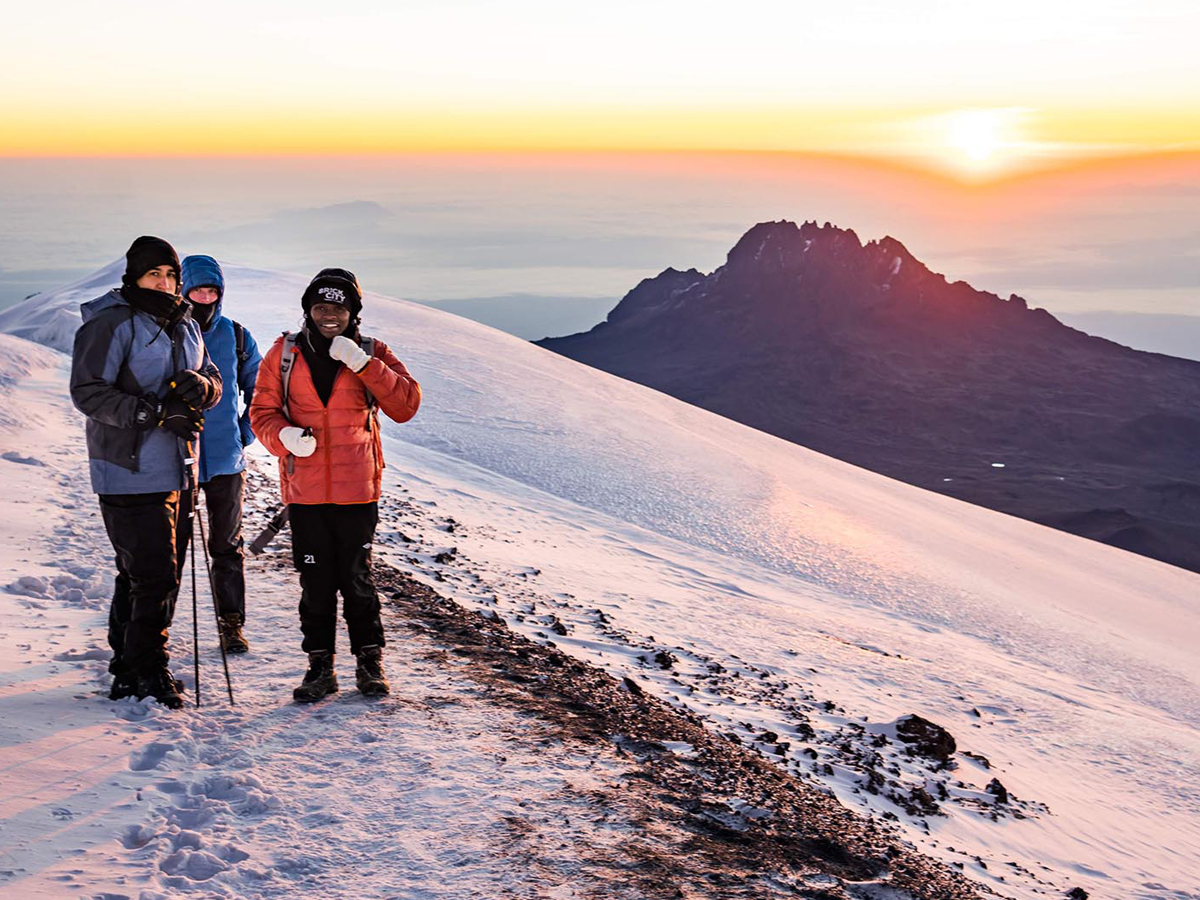
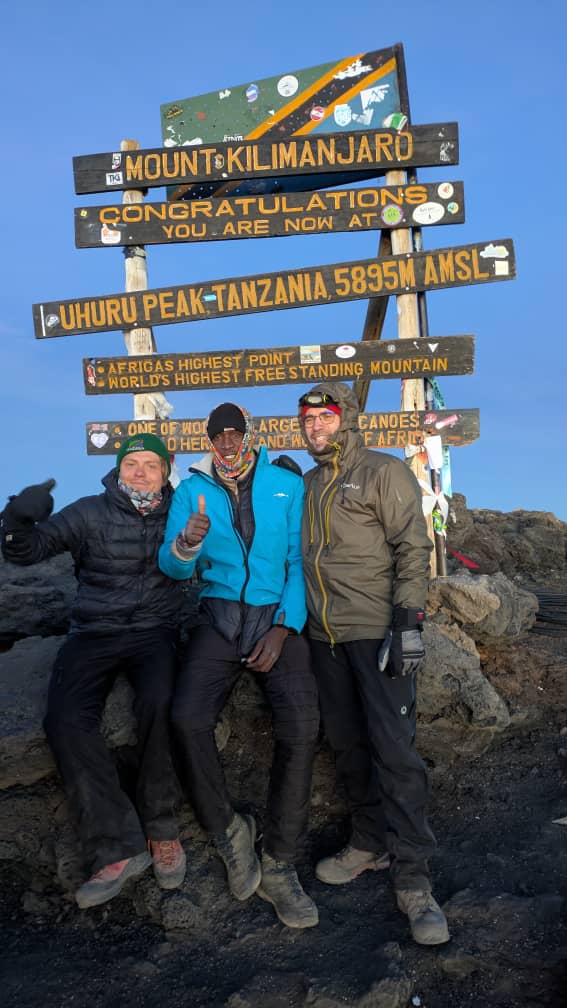
Understanding Knee Strain on Kilimanjaro
Mount Kilimanjaro, while not technically challenging in terms of rock climbing, presents a significant endurance test primarily due to its extreme altitude and prolonged ascents and descents. For senior hikers, the physical demands can be amplified, with knee joints often bearing the brunt of the effort. Understanding how and why knee strain occurs on Kilimanjaro is the first step towards effective protection. The primary culprits are repetitive impact, uneven terrain, steep gradients (both uphill and downhill), and the sheer duration of the trek. As we age, our joints may naturally experience reduced cartilage elasticity, weaker surrounding muscles, and potentially pre-existing conditions like osteoarthritis. These factors can make senior hikers more susceptible to knee pain, stiffness, and injury if adequate precautions are not taken. The goal for Kilimanjaro knee protection isn’t just about avoiding pain during the trek; it’s about ensuring a full recovery and maintaining mobility long after you’ve descended, a crucial consideration for anyone planning their adventure in 2026 or 2027.
The Mechanics of Knee Stress During Trekking
The knee joint is a complex hinge mechanism, composed of the femur (thigh bone), tibia (shin bone), and patella (kneecap). It’s supported by ligaments, tendons, and muscles, with cartilage acting as a shock absorber between the bones. During a Kilimanjaro trek, several forces act upon this joint:
- Compression: When walking downhill, the quadriceps muscles work eccentrically (lengthening under tension) to control the descent. This places significant compressive force on the patella and the cartilage underneath it. The steeper the slope and the heavier your pack, the greater this force becomes.
- Shear Forces: Uneven terrain, rocks, and roots can cause the tibia to shift relative to the femur, creating shear forces that strain the knee’s ligaments (like the ACL and MCL).
- Repetitive Impact: Each step, especially on hard-packed trails or rocky paths, sends impact shockwaves up the leg, through the ankle, knee, and hip. Over thousands of steps, this cumulative impact can lead to inflammation and pain.
- Twisting and Rotational Forces: Sudden changes in direction or stumbling can subject the knee to twisting motions, which can be particularly damaging to the meniscus and ligaments.
For senior hikers, the natural aging process can mean that these joints are less resilient. Cartilage may thin, reducing its shock-absorbing capacity. Muscles might have less mass and strength, requiring more effort from the joint itself. Flexibility can decrease, making it harder for the joint to adapt to sudden movements. Therefore, proactive Kilimanjaro knee protection is not an optional extra but a fundamental aspect of preparation.
Altitude’s Role in Knee Discomfort
While altitude sickness is the most discussed ailment on Kilimanjaro, it can indirectly affect knee comfort. As climbers ascend, reduced oxygen levels can lead to fatigue. This fatigue can compromise muscle control and coordination, making hikers more prone to missteps, stumbles, and awkward landings. When fatigued, the supporting muscles around the knee don’t function optimally, leaving the joint more vulnerable to strain. Furthermore, general body aches and pains can be exacerbated at altitude, and knee discomfort might feel more pronounced when the body is already under stress. This underscores the importance of acclimatization and maintaining hydration, which helps support overall bodily function, including joint health, during your 2026 or 2027 Kilimanjaro expedition.
Essential Gear for Knee Protection
The right equipment is your first line of defense against knee pain. Investing in quality gear specifically chosen for trekking and your individual needs can make a significant difference. For senior hikers tackling Kilimanjaro, prioritizing knee support in your gear selection is paramount.
Trekking Poles: The Unsung Heroes
Trekking poles are arguably the single most effective piece of equipment for protecting your knees on Kilimanjaro. They work by redistributing some of the load from your legs and knees to your upper body and arms. When used correctly, they can reduce the impact on your knees by up to 25% during descents.
- Load Reduction: On steep descents, poles allow you to brace yourself, absorbing impact and reducing the force transmitted through your knee joints.
- Stability: They provide additional points of contact with the ground, significantly improving balance and reducing the risk of stumbles or falls, especially on uneven or slippery terrain.
- Uphill Assistance: While primarily beneficial for descents, poles can also aid propulsion on ascents, helping to engage upper body muscles and reduce the strain on your leg muscles and knees.
- Choosing the Right Poles: Look for lightweight, adjustable poles made from aluminum or carbon fiber. Features like comfortable grips, wrist straps, and interchangeable tips (for different terrains) are valuable. Ensure they are sturdy enough to support your weight and that of your pack. Many senior hikers find the cork grips more comfortable and less prone to causing blisters than foam. Adjustable poles are crucial for tailoring them to your height and the terrain’s steepness.
- Proper Use: Practice using your poles before your trek. Generally, for ascents, you’ll want poles shorter, pushing off from behind you. For descents, you’ll extend them and plant them in front of you to brace. Your guide can offer specific advice on pole technique once you’re on the mountain.
Supportive Hiking Boots
Your footwear is your foundation. The right boots provide cushioning, stability, and ankle support, all of which contribute to protecting your knees.
- Ankle Support: Mid-to-high cut boots are essential for Kilimanjaro. They wrap around the ankle, providing crucial stability and preventing excessive inward or outward rolling of the foot, which can put stress on the knees.
- Cushioning and Midsole: A well-cushioned midsole absorbs shock. Look for boots with good arch support and a firm but comfortable footbed. Consider adding aftermarket insoles or orthotics if you have specific foot issues that affect your gait.
- Fit is Paramount: Ill-fitting boots are a recipe for disaster. Ensure your boots are snug but not tight, with enough room in the toe box to wiggle your toes. They should not cause pressure points or rub. Always break in new boots thoroughly before your trek; never wear brand-new boots on Kilimanjaro.
- Traction: Deep lugs on the outsole provide reliable grip, reducing the chance of slipping, which can lead to knee injuries.
Knee Braces and Sleeves
For hikers with a history of knee pain or instability, a knee brace or compression sleeve can offer additional support and proprioception (the sense of your body’s position). These are not a substitute for proper training and gear but can be a valuable addition.
- Compression Sleeves: These provide gentle compression, which can help reduce swelling and improve blood circulation. They offer mild support and can provide a sense of security.
- Hinged Knee Braces: For more significant instability or post-injury support, hinged braces offer more robust lateral support. However, they can be bulkier and may restrict movement slightly.
- Patellar Straps: These are designed to relieve pressure on the patellar tendon, which can be a source of pain, especially during descents.
- Consult a Professional: If you are considering a brace, it’s wise to consult with a physiotherapist or sports medicine doctor. They can help you choose the right type of brace for your specific needs and ensure it fits correctly. Test any brace extensively during your training hikes.
Clothing Considerations
While not directly protecting your knees, appropriate clothing layers contribute to overall comfort and muscle function. Keeping your leg muscles warm can help maintain their elasticity and reduce the risk of strains. Moisture-wicking base layers prevent chafing, and well-fitting hiking pants should allow for a full range of motion without being restrictive.
Physical Preparation for Senior Hikers
Climbing Kilimanjaro requires a good level of fitness, and for senior hikers, a targeted training program is crucial for not only completing the climb but also for protecting sensitive joints like the knees. Preparation should focus on building strength, improving cardiovascular endurance, and enhancing flexibility.
Strength Training: Building a Strong Foundation
The key muscle groups to focus on are those that support the knee joint: quadriceps, hamstrings, glutes, and calves. Strengthening these muscles provides a natural brace for your knees and helps absorb impact.
- Quadriceps: These muscles on the front of your thighs are vital for controlling your descent. Exercises like squats, lunges, and step-ups are excellent. Ensure proper form to avoid knee strain during the exercises themselves. Wall sits are also effective for building endurance.
- Hamstrings: Located at the back of your thighs, hamstrings help stabilize the knee joint. Leg curls (machine or resistance band), bridges, and Romanian deadlifts are beneficial.
- Glutes: Strong glutes (buttocks muscles) are essential for hip stability and power transfer, which indirectly supports knee health. Squats, lunges, glute bridges, and hip thrusts are highly recommended.
- Calves: Calf strength helps with propulsion and stability. Calf raises (standing or seated) are straightforward and effective.
- Core Strength: A strong core (abdominal and back muscles) improves overall balance and stability, reducing the likelihood of awkward movements that could injure your knees. Planks, bird-dogs, and Russian twists are good options.
Frequency: Aim for 2-3 strength training sessions per week in the 3-6 months leading up to your Kilimanjaro climb. Gradually increase the weight or resistance as you get stronger.
Cardiovascular Endurance: Building Stamina
Kilimanjaro is a multi-day trek, so building cardiovascular fitness is essential. This helps your body utilize oxygen more efficiently, reducing fatigue and improving muscle function, which indirectly protects your knees.
- Hiking: The best training for hiking is hiking. Gradually increase the duration and difficulty of your hikes. Incorporate hills and varied terrain to simulate mountain conditions. Aim for at least one long hike (4-6 hours) per week in the months before your climb.
- Other Activities: Activities like cycling (especially uphill), swimming, and using an elliptical trainer are excellent low-impact ways to build aerobic fitness.
- Stair Climbing: Using stair machines or actual stairs is fantastic preparation for the steep ascents and descents on Kilimanjaro.
Progression: Start with shorter durations and lower intensity, gradually increasing both over time. The goal is to comfortably sustain activity for several hours.
Flexibility and Mobility: Maintaining Range of Motion
Stiff muscles and joints can increase the risk of injury. Maintaining good flexibility and mobility, particularly in the hips, knees, and ankles, is crucial for senior hikers.
- Stretching: Regularly stretch your quadriceps, hamstrings, hip flexors, and calf muscles. Hold each stretch for 20-30 seconds. Static stretching is best done after workouts or on rest days.
- Dynamic Warm-ups: Before hikes or workouts, perform dynamic stretches like leg swings, arm circles, and torso twists to prepare your body for movement.
- Yoga or Pilates: These disciplines can significantly improve flexibility, balance, and core strength, offering holistic benefits for hikers.</li
- Foam Rolling: Using a foam roller can help release muscle tension and improve range of motion in the legs and hips.
Consistency: Incorporate flexibility work into your routine daily or at least several times a week. This is particularly important for maintaining joint health for your 2026 or 2027 Kilimanjaro adventure.
Specific Training for Descents
Many hikers underestimate the challenge of descending Kilimanjaro. The downhill sections place more stress on the knees than the ascents. To prepare:
- Practice Downhill Hiking: Seek out steep hills or long flights of stairs for your training hikes. Focus on controlled descents, using trekking poles effectively.
- Eccentric Exercises: Incorporate exercises that focus on the eccentric (lengthening) phase of muscle contraction, such as slow, controlled lowering during squats and lunges.
On-Trail Strategies for Knee Protection
Beyond gear and preparation, your behavior on the mountain is critical. Employing smart strategies during the trek can significantly reduce knee strain and prevent pain.
Mastering the Use of Trekking Poles
As mentioned, trekking poles are invaluable. Effective use means:
- Engage Them Early: Start using your poles from the beginning of the trek, not just when pain sets in.
- Proper Adjustment: Ensure your poles are adjusted to the correct height for both ascents and descents. Your guide can assist with this.
- Rhythm and Balance: Develop a rhythm with your poles that complements your walking stride. Use them to maintain balance and brace yourself on uneven ground.
- Downhill Technique: On steep descents, plant poles firmly in front of you, leaning back slightly to control your speed and reduce impact.
Pacing and Foot Placement
Slow and steady wins the race, especially on Kilimanjaro. Rushing can lead to fatigue, poor form, and increased knee stress.
- “Pole, Pole” Philosophy: Embrace the Swahili phrase “pole, pole” (slowly, slowly). Maintain a sustainable pace that allows for conversation and minimizes exertion. This is crucial for acclimatization and conserving energy, indirectly protecting your knees.
- Mindful Foot Placement: Pay attention to where you place your feet. Aim for level ground whenever possible. Avoid landing heavily on your heels; try to land mid-foot to distribute impact.
- Shorten Your Stride: Especially on descents, taking shorter steps reduces the impact forces on your knees.
- Zigzagging on Steep Descents: Similar to switchbacks on ascents, traversing steep downhill sections in a zigzag pattern can lessen the gradient of each step, reducing stress.
Managing Ascents and Descents
Both uphill and downhill trekking pose distinct challenges to the knees.
- Ascents: Use your trekking poles to drive yourself forward and reduce the load on your leg muscles. Take smaller, consistent steps rather than large, energy-sapping lunges. Focus on breathing and maintaining a steady rhythm.
- Descents: This is where knee protection is most critical. Keep your knees slightly bent to act as natural shock absorbers. Use your trekking poles to their full potential to brace and control your descent. Avoid locking your knees.
Hydration and Nutrition
Proper hydration and nutrition support overall bodily function, including joint health and muscle recovery.
- Hydration: Drink plenty of water throughout the day. Dehydration can lead to muscle cramps and fatigue, increasing the risk of injury. Electrolyte drinks can also be beneficial.
- Nutrition: Consume balanced meals and snacks that provide sustained energy. Adequate protein intake aids muscle repair, while carbohydrates fuel your efforts.
Listen to Your Body
This is perhaps the most important on-trail strategy for senior hikers. Pay close attention to any signals your body sends.
- Don’t Ignore Pain: Mild discomfort is one thing, but sharp or persistent knee pain is a warning sign. Communicate any significant pain to your guide immediately. They can assess the situation and suggest adjustments, such as slowing down, taking breaks, or using poles more effectively.
- Take Breaks: Regular short breaks allow your muscles and joints to recover. Use these pauses to stretch gently and rehydrate.
- Communicate with Your Guide: Your guides are experienced professionals. They are there to ensure your safety and well-being. Don’t hesitate to voice concerns about knee pain or any other physical discomfort. For a 2026 or 2027 climb, this open communication is key to a successful summit.
Pre-Trek Health Checks and Considerations
Before committing to a Kilimanjaro climb, especially for senior hikers, a thorough health assessment is highly recommended. This proactive step can identify potential issues and allow for timely management.
Consult Your Doctor
Schedule a visit with your primary care physician well in advance of your planned trek (ideally 6 months to a year before your 2026 or 2027 expedition). Discuss your plans to climb Kilimanjaro and any concerns you have about your knee health.
- Medical History Review: Be prepared to discuss your medical history, including any previous knee injuries, surgeries, or chronic conditions like arthritis.
- Physical Examination: Your doctor may perform a physical examination of your knees and legs to assess strength, flexibility, and range of motion.
- Referrals: If necessary, your doctor might refer you to a physiotherapist or orthopedic specialist for a more detailed evaluation and personalized training recommendations.
- Medications: Discuss any medications you are taking, especially pain relievers or anti-inflammatories, and whether they are appropriate for strenuous activity.
Working with a Physiotherapist
A physiotherapist (physical therapist) can be an invaluable resource for senior hikers planning a Kilimanjaro climb.
- Personalized Exercise Program: They can design a tailored strength, flexibility, and conditioning program specifically aimed at preparing your body for the demands of the trek, with a particular focus on knee health.
- Gait Analysis: A physio can analyze your walking pattern (gait) to identify any imbalances or biomechanical issues that could contribute to knee pain and provide corrective exercises.
- Injury Prevention Strategies: They can offer expert advice on how to prevent common trekking injuries, including those affecting the knees.
- Rehabilitation: If you have a pre-existing knee condition, a physiotherapist can guide you through rehabilitation exercises to strengthen the area and manage symptoms effectively.
Understanding Pre-existing Conditions
Conditions like osteoarthritis, meniscus tears, or ligament issues require careful consideration.
- Osteoarthritis: While Kilimanjaro is still possible, managing pain and inflammation is key. Focus on strengthening the muscles around the joint to provide better support. Using trekking poles extensively is non-negotiable. Discuss pain management strategies with your doctor.
- Previous Injuries: If you’ve had a significant knee injury in the past (e.g., ACL tear, meniscus surgery), ensure you have fully recovered and completed any recommended rehabilitation. A physiotherapist’s clearance is highly advisable.
- Arthritis Flare-ups: Be aware that the cold and exertion at altitude can sometimes trigger arthritis flare-ups. Ensure you have appropriate medication and communicate any worsening symptoms to your guide.
The goal is not to avoid climbing due to age or minor conditions, but to climb safely and responsibly. For many senior hikers, Kilimanjaro is an achievable dream with the right planning and precautions, especially when looking at expedition windows in late 2026 or early 2027.
Route Selection and Its Impact on Knees
While Kilimanjaro has several routes, some are gentler on the body than others, particularly concerning knee strain. Choosing the right route can contribute significantly to a more comfortable trek for senior hikers.
Longer Routes vs. Shorter Routes
Generally, longer routes are better for acclimatization and allow for a slower, more sustainable pace. This gradual ascent profile is less taxing on the body overall, including the knees.
- Marangu Route: While iconic, it’s often considered steeper in sections and can be harder on the knees due to its more direct ascent. It’s also known for its hut accommodation, which some prefer.
- Machame Route: This popular route offers excellent acclimatization due to its “climb high, sleep low” profile. It involves significant ascents and descents daily, but the overall acclimatization benefits can make the trek more manageable. Many senior hikers find this route very rewarding. It’s a good balance between challenge and success rate.
- Lemosho Route: Similar to Machame in terms of acclimatization and scenery, Lemosho is a longer, more gradual ascent. It’s often favored for its higher success rates and beautiful wilderness experience. This extended duration can be beneficial for senior hikers needing more time to adapt.
- Rongai Route: This route approaches Kilimanjaro from the north, offering a different perspective and generally drier conditions. It’s considered a bit gentler in its initial stages, which can be helpful for easing into the trek.
- Northern Circuit & Umbwe Routes: The Northern Circuit is the longest and arguably offers the best acclimatization. Umbwe is the shortest and steepest, generally considered the most challenging and least suitable for those prioritizing knee comfort.
The Importance of Gradual Ascent Profiles
Routes that emphasize gradual ascent and better acclimatization, such as the Lemosho or Northern Circuit, allow the body more time to adapt to the altitude. This reduces overall physical stress, including the strain on joints. A slower pace inherent in longer routes also means less repetitive impact on the knees over fewer days.
Considering Route Length and Summit Day
Longer routes typically mean more days on the mountain. While this might seem daunting, it often translates to more manageable daily trekking distances and elevation gains. Summit night, regardless of the route, is the most demanding part of the climb. However, good acclimatization achieved on a longer route can make summit night, and the subsequent, often grueling, descent, more manageable for senior hikers. For 2026-2027 expeditions, prioritizing routes known for better acclimatization profiles is a wise strategy for knee health.
Post-Trek Recovery for Knee Health
The journey doesn’t end at the summit or the base camp. Proper recovery after your Kilimanjaro trek is essential for long-term knee health and for enjoying future adventures.
- Gentle Movement: Avoid complete inactivity immediately after the trek. Light walking or swimming can help maintain circulation and prevent stiffness.
- Stretching and Foam Rolling: Continue with your flexibility routine to help muscles recover and reduce tightness around the knee joint.
- RICE Principle: If you experience soreness or swelling, follow the RICE principle: Rest, Ice, Compression, and Elevation.
- Listen to Your Body: Don’t push yourself too hard too soon. Allow your body adequate time to recover. If knee pain persists, consult your doctor or physiotherapist.
- Nutritional Support: Continue to focus on a healthy diet rich in anti-inflammatory foods to support the body’s repair processes.
Choosing the Right Tour Operator for Senior Hikers
Selecting a reputable tour operator that understands the needs of senior hikers is crucial. Top Guide Adventures is committed to providing a safe and supportive experience for all climbers, including those prioritizing comfort and joint health.
What to Look For in a Tour Operator
- Experienced Guides: Ensure guides are certified, experienced, and trained in first aid. They should be adept at assessing climber condition and managing pacing.
- Safety Standards: Look for operators with robust safety protocols, including carrying adequate medical supplies and having evacuation plans.
- Pace Management: A good operator will emphasize a slow, steady pace and won’t rush clients.
- Group Size: Smaller group sizes can allow for more personalized attention.
- Support Staff: Adequate numbers of porters and cooks ensure a comfortable and efficient trek.
- Pre-Trek Support: Operators who offer detailed pre-trek advice and are responsive to questions (like Top Guide Adventures) are invaluable.
Top Guide Adventures’ Commitment
At Top Guide Adventures, we understand that climbing Kilimanjaro is a significant undertaking, especially for senior hikers. We pride ourselves on offering personalized attention, care, and dedicated support for every client. Our experienced guides are trained to manage diverse groups, ensuring that everyone, including those focused on Kilimanjaro knee protection, maintains a safe and enjoyable pace. We recommend routes that offer better acclimatization, support your training efforts, and are happy to discuss specific needs related to joint health or other concerns. Whether you are planning for late 2026 or early 2027, our team is ready to help you prepare for a successful and memorable climb.
We offer comprehensive packages that include:
- Experienced, licensed guides and crew
- High-quality camping equipment
- Nutritious meals prepared by our cooks
- National Park fees
- Portable toilet services
- Safety equipment and oxygen if needed
We believe that age should not be a barrier to achieving your dreams. With the right preparation and support, climbing Kilimanjaro is well within reach for senior adventurers. Let us help you plan your unforgettable journey.
Planning Your 2026-2027 Kilimanjaro Climb
Booking your Kilimanjaro climb well in advance is recommended, especially if you are targeting specific dates in 2026 or 2027. This allows ample time for physical preparation, gear acquisition, and making necessary arrangements. Early booking also gives you the best chance to secure your preferred route and dates, ensuring a smoother planning process. Consider the best seasons for climbing: January-March and June-October generally offer the clearest skies and most stable weather, ideal for minimizing risks and maximizing enjoyment.
For personalized advice and to start planning your Kilimanjaro adventure with a focus on senior hiker needs and Kilimanjaro knee protection, please contact Top Guide Adventures:
- WhatsApp: +255616946642
- Email: topguideadventures@gmail.com
- Backup Email: info@topguideadventures.com
- Website: www.topguideadventures.com
- Instagram: @top_guide_adventures
We are dedicated to making your Kilimanjaro dream a reality, ensuring your journey is as comfortable and safe as possible, with particular attention paid to Kilimanjaro knee protection for all our senior hikers planning for 2026 and 2027 expeditions.
“,
“faq_schema”: [
{
“question”: “What is the most important gear for protecting knees on Kilimanjaro for senior hikers?”,
“answer”: “The most critical gear for Kilimanjaro knee protection for senior hikers is a pair of high-quality, adjustable trekking poles. They significantly reduce impact on descents and improve stability. Supportive, mid-to-high cut hiking boots with good cushioning and fit are also essential.”
},
{
“question”: “How should senior hikers train to protect their knees for Kilimanjaro?”,
“answer”: “Senior hikers should focus on strength training for quadriceps, hamstrings, glutes, and calves, along with cardiovascular endurance through hiking and other activities. Flexibility exercises and specific training for downhill trekking are also vital. Consulting a doctor and potentially a physiotherapist is highly recommended.”
},
{
“question”: “Are knee braces necessary for senior hikers on Kilimanjaro?”,
“answer”: “Knee braces or compression sleeves can be beneficial for senior hikers with a history of knee pain or instability. They offer additional support and proprioception. However, they are not a substitute for proper training, gear, and on-trail techniques. It’s best to consult a medical professional before using them.”
},
{
“question”: “Which Kilimanjaro routes are best for senior hikers concerned about knee health?”,
“answer”: “Longer routes that offer gradual ascent profiles and better acclimatization are generally preferred. Routes like the Lemosho, Machame, or Northern Circuit are often recommended over shorter, steeper routes. These routes allow for a slower pace, reducing overall stress on the body and knees.”
},
{
“question”: “How can I manage knee pain during the Kilimanjaro trek?”,
“answer”: “To manage knee pain, consistently use trekking poles, maintain a slow and steady pace (‘pole, pole’), take mindful steps, use shorter strides on descents, and listen to your body. Communicate any significant pain to your guide immediately. Proper hydration and rest breaks are also important.”
},
{
“question”: “When is the best time to plan a Kilimanjaro climb for senior hikers in 2026-2027?”,
“answer”: “The best times for climbing Kilimanjaro are generally the dry seasons: January to March and June to October. These periods offer clearer weather and more stable conditions, which can make the trek more comfortable and safer for senior hikers. Booking in advance for 2026 or 2027 is advised.”
}
]
}
“`
Check Availability for Kilimanjaro Knee Protection For Senior Hikers 2026-2027
Ready to compare dates, prices, and the best option for your group? Send the package name and travel month so the team can reply with a clear quote, availability, and what is included.
Kilimanjaro Senior Small-Group Departure 2026-2027
Kilimanjaro Senior Small-Group Departure is explained with current 2026-2027 planning, price, itinerary and booking information.
View package details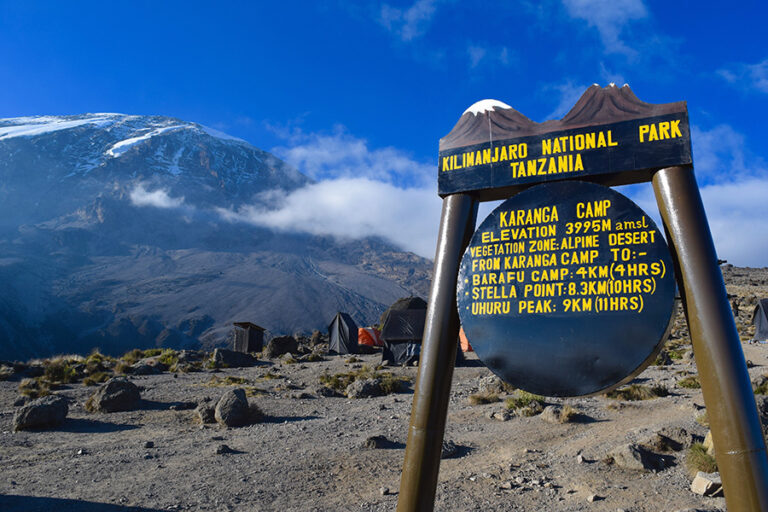
Kilimanjaro Safari And Climb Package For Seniors: Your Adventure 2026-2027
Top Guide Adventures offers tailored Kilimanjaro safari and climb packages for seniors in 2026-2027, focusing on safety, comfort, and an unforgettable Mount Kilimanjaro experience. Explore...
View package detailsKilimanjaro Summit Success Tips For Older Hikers In | Top Guide Adventures
Achieving your dream of standing on the Roof of Africa is possible at any age. This guide provides essential Kilimanjaro summit success tips specifically for older hikers, covering...
View package details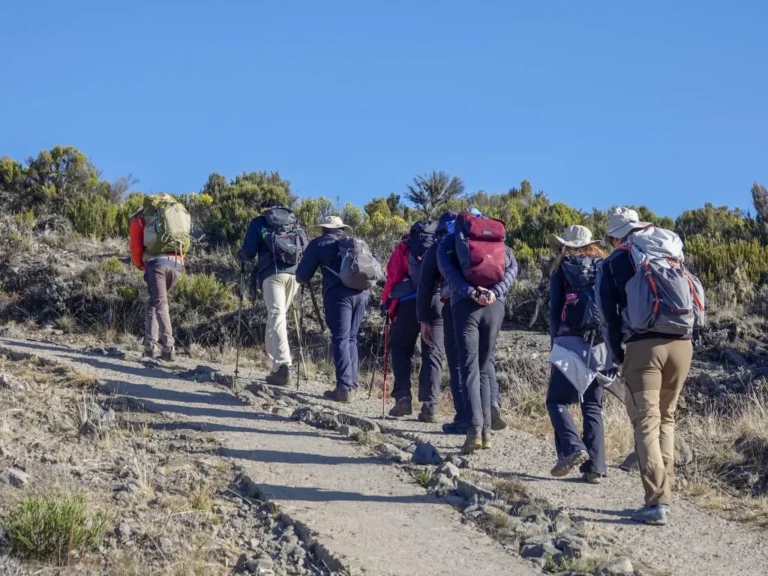
Private Kilimanjaro Climb For Senior Travellers: A Comprehensive Guide
This guide details private Kilimanjaro climbs tailored for senior travellers, covering route selection, acclimatization, safety, gear, and the benefits of a private climb with Top Guide...
View package details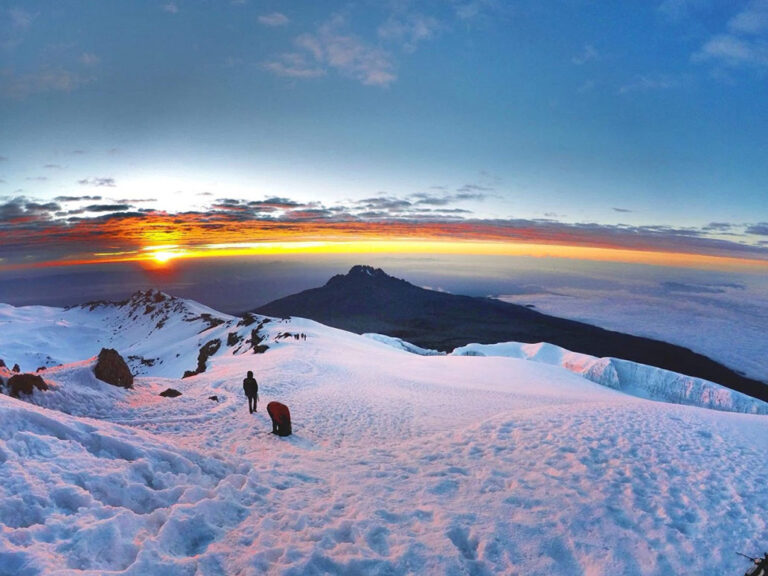
Kilimanjaro Climb With Materuni Recovery Day 2026-2027
Kilimanjaro Climb with Materuni Recovery Day is explained with current 2026-2027 planning, price, itinerary and booking information.
View package details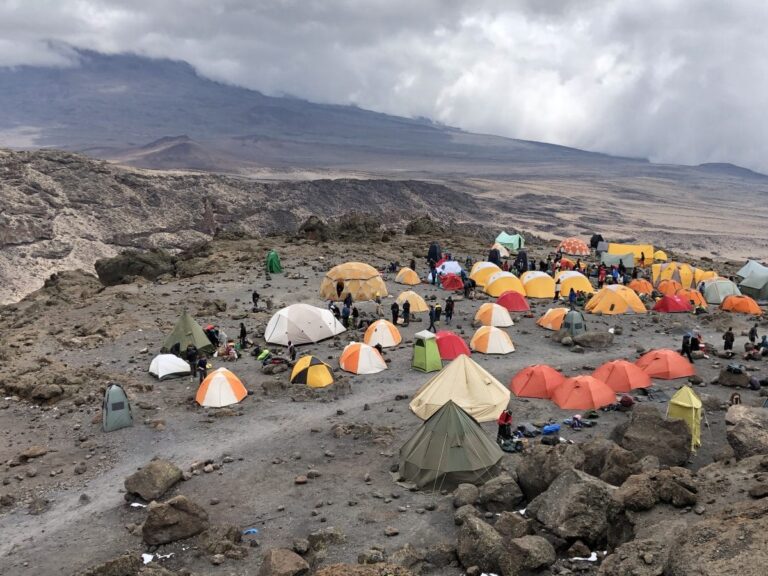
Kilimanjaro Climb With Lake Chala Relaxation Day: Your Ultimate Post-Trek
Experience the ultimate Kilimanjaro adventure followed by serene relaxation at Lake Chala. This guide details how to combine these incredible Tanzanian experiences, covering itineraries...
View package detailsKilimanjaro Climb & West Safari: The Ultimate Tanzania Adventure 2026-2027
Experience the pinnacle of Tanzania with a combined Kilimanjaro climb and West Kilimanjaro safari. This guide details itineraries, preparation, and what to expect for your 2026-2027...
View package details
Kilimanjaro Climb With Mkomazi Rhino Safari 2026-2027
Kilimanjaro Climb with Mkomazi Rhino Safari is explained with current 2026-2027 planning, price, itinerary and booking information.
View package detailsKilimanjaro Climb With Amboseli Safari Extension: Your Ultimate Tanzania
Experience the pinnacle of African adventure by combining a challenging Kilimanjaro climb with a impressive safari in Amboseli National Park. This guide details itineraries, costs, best...
View package details
21-Day Kilimanjaro And Complete Tanzania Holiday: Your Ultimate Adventure
This comprehensive 21-day itinerary offers the ultimate Tanzanian adventure, merging the challenge of climbing Mount Kilimanjaro with the wildlife wonders of its famed national parks and...
View package details
18-Day Kilimanjaro And Northern Tanzania Grand Adventure: Trek, Safari &
An 18-day itinerary blending Kilimanjaro's summit with Northern Tanzania's wildlife and culture offers a comprehensive African experience. This adventure typically includes a multi-day trek...
View package details
17-Day Kilimanjaro, Serengeti, Ngorongoro & Zanzibar Tour: Your Ultimate
This 17-day tour combines the iconic Mount Kilimanjaro climb with unparalleled wildlife safaris in the Serengeti and Ngorongoro Crater, culminating in a relaxing beach escape in Zanzibar...
View package detailsNo related package matches those filters. Clear one or more filters to see the other topic-matched options.



