
A Kilimanjaro climb with an additional personal porter significantly enhances your trekking experience by providing dedicated support for your personal gear, allowing you to focus more on the ascent and less on carrying extra weight, especially beneficial on longer or more challenging routes planned for 2026-2027. This arrangement ensures you have more energy, comfort, and a greater chance of reaching Uhuru Peak, with costs typically ranging from $20-$30 USD per day in addition to standard climb package fees, depending on the operator and specific services.
Understanding the Role of a Personal Porter on Kilimanjaro
When planning your Kilimanjaro climb, especially for expeditions in 2026 or 2027, you’ll encounter various team roles. While the standard crew includes guides and porters who carry group equipment and supplies, the concept of a personal porter is distinct and offers a unique advantage. A personal porter is assigned exclusively to you, carrying your duffel bag which contains your clothing, sleeping bag, personal items, and anything you don’t need during the day’s trek. This service is often referred to as a “K.I.P. (Kilimanjaro Individual Porter)” or simply a personal porter service. The primary benefit is reducing your personal load significantly, allowing you to carry only a daypack with essentials like water, snacks, camera, and rain gear. This makes the physical demands of the climb more manageable, freeing up your energy and focus for acclimatization and enjoying the spectacular scenery.
For many trekkers, particularly those who may not be accustomed to multi-day high-altitude trekking or who wish to maximize their comfort and enjoyment, hiring an additional personal porter is a wise investment. It’s not about luxury; it’s about optimizing your physical condition for the ultimate goal: summiting Kilimanjaro. The decision to add this service is increasingly popular for 2026-2027 expeditions as trekkers seek more personalized and less strenuous climbing experiences.
Why Choose an Additional Personal Porter? Key Benefits for Your 2026-2027 Climb
The decision to secure an additional personal porter for your Kilimanjaro climb in 2026 or 2027 is driven by several compelling advantages:
- Reduced Physical Strain: This is the most significant benefit. By having a dedicated porter carry your main duffel bag, you’ll be carrying substantially less weight throughout the trek. This conserves your energy, reduces fatigue, and makes the daily ascents less taxing. You’ll only need to carry a small daypack with water, snacks, camera, and essential layers.
- Enhanced Focus on Acclimatization: With less physical burden, your body can better focus on the crucial process of acclimatizing to the altitude. This can lead to fewer symptoms of altitude sickness and a smoother journey to the summit.
- Increased Comfort and Enjoyment: Trekking with a lighter load allows you to appreciate the impressive landscapes of Kilimanjaro more fully. You can walk at a more comfortable pace, engage more with your guides and fellow trekkers, and generally have a more pleasant experience.
- Faster Campsite Arrival: Often, trekkers with personal porters arrive at campsites earlier, giving you more time to rest, hydrate, set up your tent, and enjoy the camp environment before dinner.
- Logistical Simplicity: Your personal porter ensures your personal gear is always readily available at the campsite. You don’t have to worry about packing and unpacking bulky items each day.
- Support for Specific Needs: If you have any physical limitations, are carrying specialized photography equipment, or simply want an easier climb, a personal porter provides invaluable support.
These benefits collectively contribute to a higher success rate for reaching Uhuru Peak. For travelers planning their Kilimanjaro climb in 2026 or 2027, this added support can be the difference between a challenging ordeal and an unforgettable, successful adventure.
How a Personal Porter Differs from Standard Porters
It’s important to distinguish the role of a personal porter from the general porter team. On Kilimanjaro, porters are the backbone of the operation, carrying everything from tents, food, cooking equipment, and group gear. They are organized into teams, and their loads are distributed among them according to strict weight limits set by Kilimanjaro National Park regulations (typically around 15-20 kg per porter).
A personal porter, however, is specifically assigned to one climber. This individual will carry *your* duffel bag, which usually has a weight limit of around 15 kg. This means that your duffel bag, containing your personal clothing, sleeping bag, toiletries, and other personal items, is handled exclusively by your porter. You, the climber, are then responsible only for your daypack.
The key difference lies in the exclusivity and the reduction of *your* direct carrying load. While standard porters are vital for the entire expedition’s logistics, a personal porter directly impacts *your* individual trekking experience by significantly lightening your personal burden.
What Your Personal Porter Carries (and What You Carry)
To clarify the division of labor:
- Personal Porter Carries: Your main duffel bag (often provided by the tour operator). This bag contains:
- All your trekking clothes (layers, waterproofs, spare socks, etc.)
- Your sleeping bag
- Sleeping bag liner
- Camp shoes/sandals
- Toiletries and personal hygiene items
- Any personal medical kit (excluding immediate use items)
- A book or other personal entertainment
- You Carry (in your daypack): Your daypack should contain items you need access to throughout the day’s trek:
- Water bottles or hydration reservoir (at least 2-3 liters)
- Snacks for the day
- Rain gear (jacket and trousers)
- Warm layers (fleece, insulated jacket)
- Sunscreen, lip balm, sunglasses
- Hat (for sun and warmth)
- Headlamp with spare batteries
- Camera and extra batteries/memory cards
- Personal medications needed during the day
- Hand sanitizer and wet wipes
- Toilet paper (for emergency use)
- Small first-aid kit
- Passport and money (kept securely)
This clear division ensures that while the standard porter team handles the expedition’s operational needs, your personal porter directly contributes to your comfort and capability on the mountain. This is a crucial consideration for anyone planning a Kilimanjaro climb in 2026-2027 who wants to maximize their chances of success and enjoyment.
Cost of a Personal Porter for Kilimanjaro Climbs in 2026-2027
The cost of hiring an additional personal porter for your Kilimanjaro climb is an important factor in budget planning for 2026-2027 expeditions. While it varies slightly between tour operators, the general range is consistent. Most reputable companies charge between $20 to $30 USD per day for a personal porter. This fee is typically calculated based on the number of days your trek lasts.
For example, on a 7-day climb, the additional cost would be approximately $140 to $210 USD. On a longer 9-day trek, it would be around $180 to $270 USD. It’s essential to clarify with your chosen operator whether this fee is per day of the climb itself or includes the arrival and departure days in Moshi/Arusha.
Factors Influencing the Cost
Several factors can influence the daily rate:
- Operator’s Pricing Structure: Different companies have different overheads and profit margins, affecting their pricing.
- Inclusions: Some operators might include the porter’s meals and equipment within this fee, while others might have it as an additional consideration (though this is rare for personal porter fees).
- Route Length: While the daily rate is usually fixed, the total cost is directly proportional to the number of trekking days.
- 2026-2027 Seasonality: While less common for porter fees than for overall climb packages, very high demand periods might see slight adjustments. However, the core service cost remains relatively stable.
When comparing quotes for your 2026-2027 Kilimanjaro climb, always check what is explicitly included in the personal porter fee. Top Guide Adventures, for instance, maintains transparent pricing, ensuring you know exactly what you are paying for. We believe that the enhanced experience and increased comfort provided by a personal porter justify this modest additional investment for many climbers.
Estimated Personal Porter Costs (Daily Rate)
Typical Range: $20 – $30 USD per day
This cost is in addition to your standard Kilimanjaro climb package. Always confirm exact pricing with your tour operator.
It’s also worth noting that this fee is solely for the service of carrying your duffel bag. It does not include any personal tipping, which is customary for all crew members, including guides, cooks, and porters, based on their performance during the trek. We will cover tipping guidelines in more detail later.
Which Kilimanjaro Routes Benefit Most from a Personal Porter?
While a personal porter can benefit any climber on any route, certain routes and types of trekkers will find the advantage most pronounced. For expeditions planned for 2026-2027, consider these scenarios:
Longer Routes
Routes like the Lemosho (8 days), Northern Circuit (9 days), and Machame (7 days) are inherently more demanding due to their duration. The cumulative fatigue over many days is significant. Having a personal porter on these longer treks means you conserve energy daily, which can be crucial for maintaining strength and morale towards the summit push.
Challenging Routes
The Mweka and Umbwe routes are known for their steepness and direct ascents. While less commonly used by beginners, if you choose one of these more challenging paths for your 2026-2027 climb, a personal porter will significantly ease the physical load, allowing you to concentrate on navigating difficult terrain.
First-Time High-Altitude Trekkers
If you have limited experience with high-altitude trekking or are concerned about your physical fitness, a personal porter is highly recommended. It provides an extra layer of support that can boost confidence and reduce anxiety about the physical demands.
Climbers Carrying Extra Gear
Photographers who carry heavier camera equipment in their daypack might find a personal porter essential to balance the load. Similarly, if you prefer to bring more comfort items or warmer clothing than strictly necessary, a personal porter can manage the extra weight.
Older Trekkers or Those with Pre-existing Conditions
For trekkers who are older or have certain physical considerations, a personal porter can make the climb more accessible and enjoyable, ensuring they can keep up with the group without overexerting themselves.
Ultimately, the decision is personal. However, for the vast majority of climbers aiming for Uhuru Peak in 2026-2027, especially those prioritizing comfort and a higher chance of success, the benefits of an additional personal porter far outweigh the modest additional cost.
Preparing Your Duffel Bag for Your Personal Porter
The duffel bag that your personal porter will carry is your primary personal storage for the entire trek. Proper packing is essential to ensure your porter can manage the load efficiently and that you have everything you need readily accessible or packed away safely. For your 2026-2027 Kilimanjaro climb, consider these packing tips:
Choosing the Right Duffel Bag
- Size: Most operators provide or recommend a duffel bag of around 80-100 liters. This is typically sufficient for all your clothing, sleeping bag, and personal items.
- Durability: Ensure the bag is made of sturdy, waterproof or water-resistant material. It will be exposed to the elements and handled by multiple people.
- Handles and Straps: Look for bags with strong, comfortable handles and a good shoulder strap. Your porter will be carrying it, but good handles make it easier for them.
- Waterproofing: While the bag itself might be water-resistant, it’s crucial to use internal dry bags or plastic bags for sensitive items like electronics, sleeping bags, and clothing.
What to Pack Inside
Organize your duffel bag strategically:
- Bottom Layer: Pack your sleeping bag and liner. These are bulky items and are often needed first upon arrival at camp.
- Middle Layer: Your clothing layers. Pack them neatly, perhaps in smaller packing cubes or stuff sacks, to keep them organized and protected from moisture.
- Top Layer: Items you might need quickly at camp, such as camp shoes, a change of socks, or toiletries.
- Important Documents: While not recommended to keep your passport and money in this bag (keep those in your daypack or a secure location), any non-critical documents can be placed here.
Tips for Efficient Packing
- Use Packing Cubes/Stuff Sacks: These are invaluable for keeping your clothes organized and compressed, making it easier for your porter to manage the load. Use different colored sacks for different types of items (e.g., tops, bottoms, socks).
- Waterproof Everything Important: Even if your duffel bag is waterproof, line it with heavy-duty plastic bags or use dry bags for your sleeping bag, essential clothing layers, and any electronics.
- Don’t Overpack: Stick to the essentials. Remember, your personal porter has a weight limit. Overpacking not only burdens your porter but can also make it harder to find things.
- Label Clearly: Ensure your duffel bag is clearly labeled with your name. Some operators provide luggage tags.
By packing your duffel bag thoughtfully, you ensure your personal porter can carry it comfortably and efficiently, contributing to a smoother overall Kilimanjaro climb experience for your 2026-2027 adventure.
The Role of Top Guide Adventures in Supporting Your Personal Porter Climb
At Top Guide Adventures, we understand that a Kilimanjaro climb is a significant undertaking, and we are committed to providing comprehensive support to ensure your journey is as safe, comfortable, and successful as possible. For trekkers planning their expedition in 2026-2027, the option of an additional personal porter is one we actively facilitate and recommend when appropriate.
Our Commitment to Crew Welfare
We adhere strictly to the guidelines set by the Kilimanjaro Porters Assistance Project (KPAP) and the International Mountain Explorers Alliance (IMEA). This means:
- Fair Wages and Conditions: We ensure all our porters, including those assigned as personal porters, receive fair wages, adequate food, proper clothing, and are not overloaded.
- Ethical Porter Practices: We are committed to ethical trekking practices, ensuring that the porters who are vital to your climb are treated with respect and dignity.
- Proper Equipment: We provide our crew with appropriate gear, including warm clothing, sturdy footwear, and waterproof bags, ensuring their well-being on the mountain.
How We Facilitate Personal Porter Service
When you book your Kilimanjaro climb with Top Guide Adventures for 2026 or 2027, simply indicate your interest in hiring an additional personal porter. We will:
- Assign a Dedicated Porter: We will assign a trained and experienced porter specifically to you.
- Provide a Duffel Bag: If needed, we can provide a suitable duffel bag for your personal porter to carry.
- Brief the Porter: We ensure your assigned porter understands their role and responsibilities regarding your personal gear and comfort.
- Transparent Pricing: We clearly communicate the daily cost for the personal porter service, typically in the range of $25 USD per day, ensuring no hidden fees.
Our goal is to create a supportive environment for both our clients and our mountain crew. By choosing Top Guide Adventures, you are choosing a company that prioritizes safety, ethical treatment, and an exceptional climbing experience. We are here to answer all your questions regarding personal porters and help you customize your 2026-2027 Kilimanjaro climb to best suit your needs.
Frequently Asked Questions About Personal Porters
Here are answers to common questions regarding the personal porter service for your Kilimanjaro climb, especially relevant for planning in 2026-2027:
Q1: Is a personal porter mandatory for Kilimanjaro climbs?
A1: No, a personal porter is not mandatory. Standard porters carry all group equipment and supplies. However, a personal porter is an optional service that carries your individual duffel bag, significantly reducing your personal load. It’s highly recommended for comfort and success.
Q2: How much weight will my personal porter carry?
A2: Your personal porter will carry your main duffel bag, which typically has a weight limit of around 15 kg (33 lbs). This bag contains your sleeping bag, clothing, and personal items. You will only need to carry your daypack.
Q3: Can I choose my personal porter?
A3: While you cannot personally select a specific porter from a lineup, Top Guide Adventures ensures that a dedicated, experienced, and well-equipped porter is assigned to you. We guarantee that all our porters are treated ethically and fairly.
Q4: What happens if my personal porter gets sick or injured?
A4: In the unlikely event that your assigned personal porter becomes unwell or injured, our expedition leader will immediately arrange for a replacement porter from our support team to take over your duffel bag. Your climb will not be interrupted.
Q5: Do I need to tip my personal porter separately?
A5: Yes, tipping is separate from the daily fee for the personal porter service. Tipping is customary for all crew members (guides, cooks, porters) based on their performance and the duration of the climb. We provide detailed tipping guidelines, usually around $10-$15 USD per day for a personal porter.
Q6: Can a personal porter help me if I struggle on the trail?
A6: While your personal porter’s primary role is carrying your duffel bag, they are part of the overall crew. If you are struggling, your guide will assess the situation. While the guide and assistant guides are responsible for your safety and pace, a porter might offer encouragement or assist in minor ways if feasible and appropriate, but their main duty remains with your gear.
Q7: Is the personal porter service available on all routes?
A7: Yes, the personal porter service is available on all Kilimanjaro routes offered by Top Guide Adventures, including Machame, Lemosho, Marangu, Northern Circuit, and others for 2026-2027 expeditions. The benefit is particularly noticeable on longer and more challenging routes.
Q8: What if I want to carry my own gear sometimes?
A8: You are welcome to carry your own duffel bag if you wish. However, the personal porter service is designed to relieve you of that burden. If you wish to carry it for a short period, that’s fine, but the expectation is that your porter will manage it for the majority of the trek.
Tipping Guidelines for Your Kilimanjaro Crew (Including Personal Porter)
Tipping is a significant part of the income for the mountain crew on Kilimanjaro, and it’s a way to show your appreciation for their hard work and dedication. For your 2026-2027 climb, here’s a breakdown of recommended tipping amounts, which include your personal porter if you’ve hired one.
These are general guidelines, and the final amount should reflect the quality of service you received. It’s best to tip at the end of the climb, usually on the last night at the final campsite or in Moshi.
Recommended Daily Tipping Amounts (Per Climber)
- Lead Guide: $20 – $25 USD per day
- Assistant Guide(s): $15 – $20 USD per day per assistant guide
- Cook: $12 – $15 USD per day
- Personal Porter: $10 – $15 USD per day
- Standard Porter: $8 – $10 USD per day (if you are not using a personal porter, you might contribute to a general porter pool).
Example Calculation for a 7-Day Climb with a Personal Porter:
- Lead Guide: 7 days x $22 = $154
- Assistant Guide (assuming 1): 7 days x $17 = $119
- Cook: 7 days x $13 = $91
- Personal Porter: 7 days x $12 = $84
- Total Estimated Tips: $448 USD
Important Considerations:
- Pool Your Tips: It is common practice for climbers to pool their tips and distribute them collectively to the crew, often with the lead guide helping to ensure fair allocation.
- Envelope System: Many operators provide envelopes for tipping, allowing you to put cash for each crew member or role into separate envelopes.
- Performance-Based: While these are guidelines, feel free to adjust based on exceptional service.
- Currency: US Dollars are widely accepted and preferred for tipping. Ensure you have smaller denominations.
For your 2026-2027 Kilimanjaro climb with Top Guide Adventures, we will provide you with the most up-to-date and specific tipping recommendations based on current practices and crew sizes.
Booking Your Kilimanjaro Climb with a Personal Porter in 2026-2027
Ready to plan your Kilimanjaro adventure with the added comfort and support of a personal porter? Top Guide Adventures is your trusted partner for an unforgettable experience in Tanzania. We specialize in creating safe, ethical, and personally tailored treks for every climber.
Why Book with Top Guide Adventures?
- Experienced and Certified Guides: Our guides are highly trained, knowledgeable about the mountain, and certified in wilderness first aid.
- Ethical Porter Practices: We are committed to the fair treatment and welfare of our entire mountain crew.
- Comprehensive Packages: Our climb packages include park fees, accommodation, meals, transfers, and expert support.
- Personalized Service: We offer dedicated support, including the arrangement of personal porters, to ensure your climb meets your specific needs.
- Proven Success Rate: We have a strong track record of helping climbers reach Uhuru Peak safely.
Next Steps for Your 2026-2027 Expedition
1. Choose Your Route: Browse our recommended Kilimanjaro routes (e.g., Machame, Lemosho, Northern Circuit) and select the one that best suits your fitness level and desired experience.
2. Select Your Dates: Consider the best time to climb Kilimanjaro in 2026 or 2027. The dry seasons (January-March and June-October) are generally preferred.
3. Request a Quote: Contact us for a detailed itinerary and quote. Be sure to mention your interest in adding a personal porter to your climb.
4. Consult with Our Experts: Our team is available to discuss your plans, answer any questions, and help you prepare thoroughly.
5. Book Your Adventure: Once you’re ready, we’ll guide you through the booking process.
Don’t let the weight of your gear hold you back from experiencing the magic of Kilimanjaro. A personal porter can make a significant difference in your comfort, energy levels, and overall success. Let Top Guide Adventures help you achieve your summit dream in 2026 or 2027.
Contact us today:
- WhatsApp: +255616946642
- Email: topguideadventures@gmail.com
- Backup Email: info@topguideadventures.com
We look forward to helping you plan an incredible Kilimanjaro climb with the support of an additional personal porter!
“,
“faq_schema”: [
{
“question”: “Is a personal porter mandatory for Kilimanjaro climbs?”,
“answer”: “No, a personal porter is not mandatory. Standard porters carry all group equipment and supplies. However, a personal porter is an optional service that carries your individual duffel bag, significantly reducing your personal load. It’s highly recommended for comfort and success.”
},
{
“question”: “How much weight will my personal porter carry?”,
“answer”: “Your personal porter will carry your main duffel bag, which typically has a weight limit of around 15 kg (33 lbs). This bag contains your sleeping bag, clothing, and personal items. You will only need to carry your daypack.”
},
{
“question”: “Can I choose my personal porter?”,
“answer”: “While you cannot personally select a specific porter from a lineup, Top Guide Adventures ensures that a dedicated, experienced, and well-equipped porter is assigned to you. We guarantee that all our porters are treated ethically and fairly.”
},
{
“question”: “What happens if my personal porter gets sick or injured?”,
“answer”: “In the unlikely event that your assigned personal porter becomes unwell or injured, our expedition leader will immediately arrange for a replacement porter from our support team to take over your duffel bag. Your climb will not be interrupted.”
},
{
“question”: “Do I need to tip my personal porter separately?”,
“answer”: “Yes, tipping is separate from the daily fee for the personal porter service. Tipping is customary for all crew members (guides, cooks, porters) based on their performance and the duration of the climb. We provide detailed tipping guidelines, usually around $10-$15 USD per day for a personal porter.”
},
{
“question”: “Can a personal porter help me if I struggle on the trail?”,
“answer”: “While your personal porter’s primary role is carrying your duffel bag, they are part of the overall crew. If you are struggling, your guide will assess the situation. While the guide and assistant guides are responsible for your safety and pace, a porter might offer encouragement or assist in minor ways if feasible and appropriate, but their main duty remains with your gear.”
},
{
“question”: “Is the personal porter service available on all routes?”,
“answer”: “Yes, the personal porter service is available on all Kilimanjaro routes offered by Top Guide Adventures, including Machame, Lemosho, Marangu, Northern Circuit, and others for 2026-2027 expeditions. The benefit is particularly noticeable on longer and more challenging routes.”
},
{
“question”: “What if I want to carry my own gear sometimes?”,
“answer”: “You are welcome to carry your own duffel bag if you wish. However, the personal porter service is designed to relieve you of that burden. If you wish to carry it for a short period, that’s fine, but the expectation is that your porter will manage it for the majority of the trek.”
}
]
}
“`
Check Availability for Kilimanjaro Climb With Additional Personal Porter 2026-2027
Ready to compare dates, prices, and the best option for your group? Send the package name and travel month so the team can reply with a clear quote, availability, and what is included.
Kilimanjaro Climb With Materuni Recovery Day 2026-2027
Kilimanjaro Climb with Materuni Recovery Day is explained with current 2026-2027 planning, price, itinerary and booking information.
View package details
Kilimanjaro Climb With Lake Chala Relaxation Day: Your Ultimate Post-Trek
Experience the ultimate Kilimanjaro adventure followed by serene relaxation at Lake Chala. This guide details how to combine these incredible Tanzanian experiences, covering itineraries...
View package details
Kilimanjaro Climb & West Safari: The Ultimate Tanzania Adventure 2026-2027
Experience the pinnacle of Tanzania with a combined Kilimanjaro climb and West Kilimanjaro safari. This guide details itineraries, preparation, and what to expect for your 2026-2027...
View package details
Kilimanjaro Climb With Mkomazi Rhino Safari 2026-2027
Kilimanjaro Climb with Mkomazi Rhino Safari is explained with current 2026-2027 planning, price, itinerary and booking information.
View package details
Kilimanjaro Climb With Amboseli Safari Extension: Your Ultimate Tanzania
Experience the pinnacle of African adventure by combining a challenging Kilimanjaro climb with a impressive safari in Amboseli National Park. This guide details itineraries, costs, best...
View package details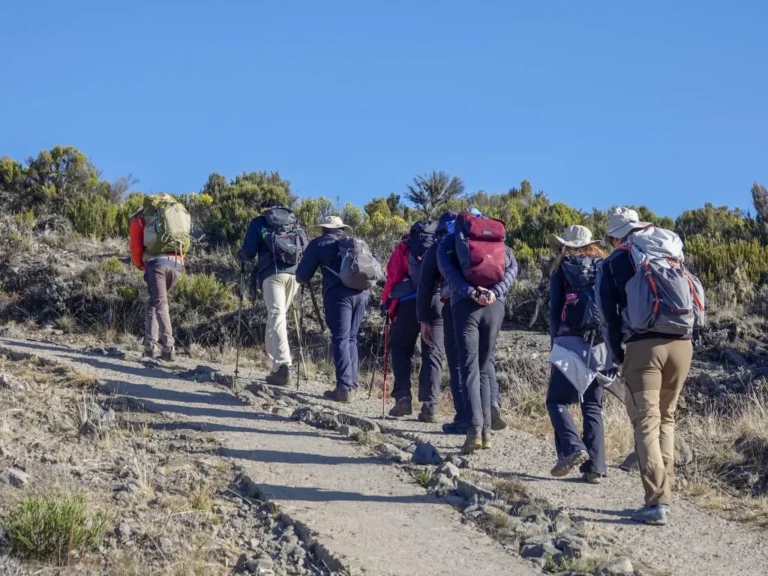
13-Day Kilimanjaro Climb, Cultural Tour & Zanzibar Holiday: Your Ultimate
This 13-day itinerary offers an unparalleled Tanzanian experience, blending the thrill of conquering Mount Kilimanjaro with deep cultural exploration and the serene beauty of Zanzibar...
View package details
Kilimanjaro Questions To Ask During Your Briefing For Climbs 2026-2027
Before embarking on your Kilimanjaro adventure, a thorough briefing is crucial. This guide outlines the most important questions to ask your tour operator to ensure you're fully prepared...
View package details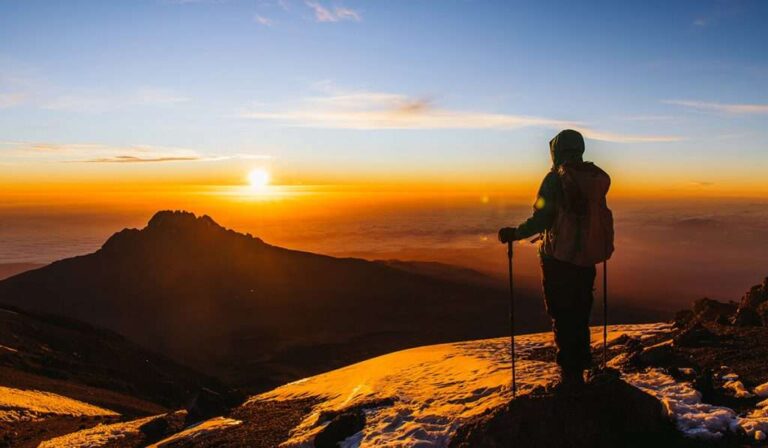
Kilimanjaro Contract Terms You Should Understand For Your Climb 2026-2027
Navigating the fine print of your Kilimanjaro climb contract is crucial. This guide breaks down essential terms, from payment schedules and cancellation policies to what's included and...
View package details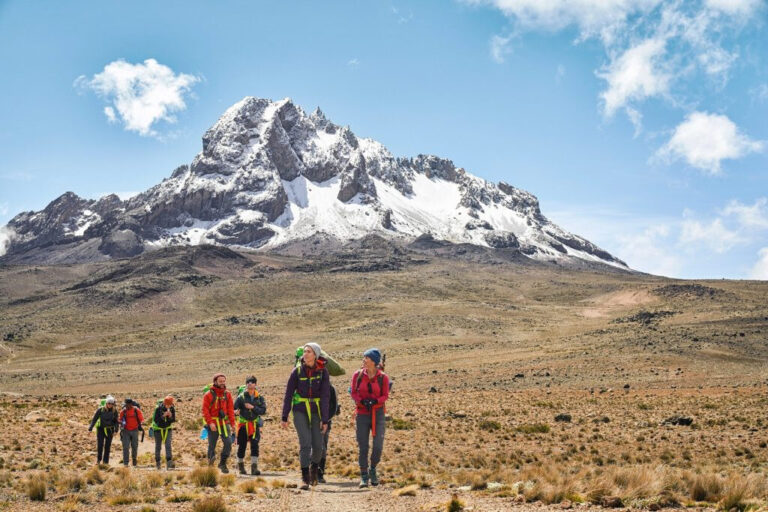
What A Kilimanjaro Mountain Crew Should Provide For Your Climb 2026-2027
Planning a Kilimanjaro climb? Understand precisely what your mountain crew needs to provide, from essential gear and experienced guides to food, safety, and logistical support. This...
View package details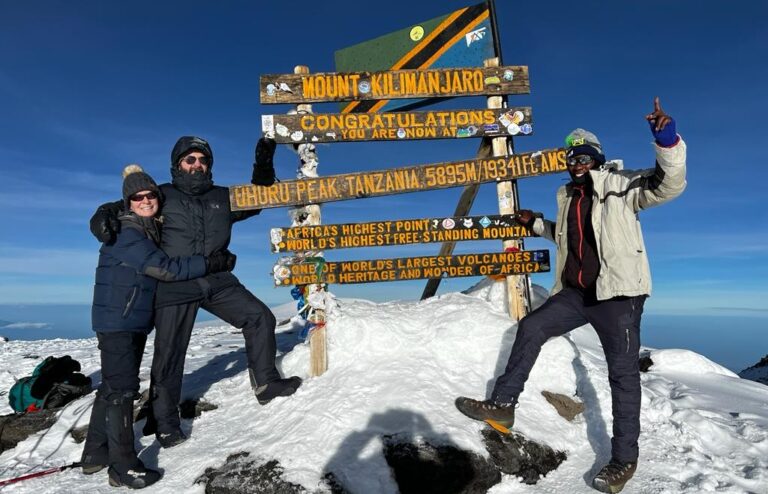
How To Compare Kilimanjaro Package Inclusions For Your Climb 2026-2027
Choosing the right Kilimanjaro climb package in 2026 or 2027 involves meticulously comparing what's included. This guide breaks down essential inclusions like park fees, guide/porter...
View package details
Kilimanjaro Booking Checklist For First-Time Climbers: Your Essential Guide
Planning your first Kilimanjaro climb in 2026 or 2027? This detailed checklist covers everything from choosing a route and operator to packing and acclimatization, ensuring a well-prepared...
View package details
Questions Your Kilimanjaro Operator Should Answer For A Successful Climb
Choosing the right Kilimanjaro operator is crucial for a safe and memorable climb. This comprehensive guide details the essential questions you must ask your potential tour operator...
View package detailsNo related package matches those filters. Clear one or more filters to see the other topic-matched options.



