
Barafu Camp and Kosovo Camp are both high-altitude staging posts used on Kilimanjaro’s popular routes, primarily the Barafu Route (often part of the Machame or Lemosho routes) and the Northern Circuit, respectively. Barafu Camp sits at approximately 4,650 meters (15,250 feet) and is known for being a more basic, exposed site that directly precedes the summit push. Kosovo Camp, situated slightly higher at around 4,900 meters (16,070 feet), offers a similar purpose but is often considered a slightly more sheltered option, though it’s still very basic. The choice between them, or which route utilizes which camp, depends heavily on the specific Kilimanjaro itinerary chosen, with Barafu Camp being the standard for many routes leading to Stella Point and Uhuru Peak, while Kosovo Camp is a feature of the Northern Circuit and the Western Breach approach, offering an alternative staging point closer to the crater rim.
Understanding Kilimanjaro’s High-Altitude Camps: Barafu and Kosovo
Kilimanjaro, the Roof of Africa, is not just a mountain; it’s a journey through diverse ecological zones, culminating in a challenging ascent to its snow-capped summit. For most climbers, reaching Uhuru Peak involves spending at least one night at a high-altitude camp before the final summit push. Among the frequently used camps, Barafu Camp and Kosovo Camp stand out as critical staging points. While both serve a similar ultimate purpose – to position climbers as close as possible to the summit for a pre-dawn start – they differ in their location, route association, and the specific experience they offer. Understanding these differences is crucial for any climber planning their expedition for 2026 or 2027, as the choice of route, and consequently the camp, significantly impacts acclimatization, comfort, and the overall success of the climb.
This article provides a comprehensive comparison of Barafu Camp vs Kosovo Camp on Kilimanjaro. We will explore their altitudes, geographical positions, the routes that lead to them, the typical conditions encountered, and what makes each camp a distinctive part of the Kilimanjaro climbing experience. For those planning their adventure in 2026-2027, this detailed breakdown aims to equip you with the knowledge needed to make informed decisions about your trek.
Barafu Camp: The Classic Summit Staging Post
Barafu Camp is perhaps the most well-known high-altitude camp on Kilimanjaro. Its name, meaning ‘ice’ in Swahili, hints at the chilly conditions climbers can expect. Located on a rocky, exposed moraine slope, Barafu Camp serves as the primary overnight stop for climbers on several of Kilimanjaro’s most popular routes, including the Machame, Lemosho, and Marangu (via the Barafu Route variation). These routes converge here before the final, demanding ascent to the summit.
Altitude and Location of Barafu Camp
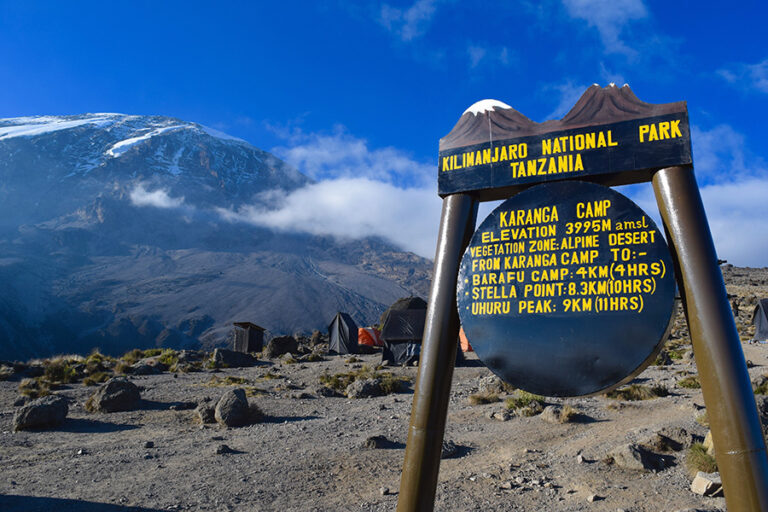
Barafu Camp sits at an altitude of approximately 4,650 meters (15,250 feet). This elevation is significant for acclimatization. By spending a night here, climbers allow their bodies to adjust further to the thinning air, which is vital for enduring the subsequent summit attempt. The camp is situated on a relatively flat, albeit rocky, saddle between the Kibo and Mawenzi peaks of Kilimanjaro. Its location is strategic: it’s close enough to the crater rim to make the summit push feasible in a single night, yet far enough to require a substantial effort. The terrain is rugged, with loose scree and rocks, offering little in terms of natural shelter from the elements.
Routes Leading to Barafu Camp
Several of Kilimanjaro’s climbing routes utilize Barafu Camp. The most common include:
- Machame Route: This is one of the most popular routes, known for its scenic beauty and excellent acclimatization profile. Barafu Camp is typically the camp used on day 5 of a 6 or 7-day Machame trek.
- Lemosho Route: Similar to Machame, Lemosho is highly regarded for its scenery and acclimatization. Barafu Camp is the usual overnight spot before the summit push on the Lemosho route as well, typically on day 6 of a 7-day trek.
- Marangu Route (Barafu Variation): While the standard Marangu route uses the Crater Camp or descends from Kibo Hut, a variation, often called the “Barafu Route” or “High Route,” uses Barafu Camp. This is less common than the standard Marangu approach.
- Northern Circuit (as a potential stopover): While the Northern Circuit primarily uses different camps for better acclimatization, some itineraries might use Barafu Camp as a strategic overnight point depending on the specific schedule and guide’s recommendation. However, it’s not the primary high-altitude camp for this route.
Conditions and Experience at Barafu Camp
The experience at Barafu Camp is defined by its harsh, exposed environment. Climbers typically arrive in the late afternoon after a day of trekking. The weather can be unpredictable, with strong winds, freezing temperatures, and potential for snow or rain. Shelter is minimal, usually consisting of tents pitched on the rocky ground. The primary focus upon arrival is to rest, hydrate, and prepare for the summit attempt, which usually begins around midnight or 1 AM. Meals are prepared by the support crew, but the atmosphere is one of focused preparation rather than comfort. The views, however, can be spectacular, with the vastness of the plains below and the looming presence of Mawenzi peak.
Kosovo Camp: A Higher, Alternative Summit Staging Post
Kosovo Camp is a less frequently discussed but equally important high-altitude camp on Kilimanjaro. It is primarily associated with the Northern Circuit and the Western Breach routes. While it serves a similar function to Barafu Camp, its higher altitude and slightly different strategic positioning offer a distinct advantage for acclimatization and access to certain summit routes.
Altitude and Location of Kosovo Camp
Kosovo Camp is situated at a higher altitude than Barafu Camp, typically around 4,900 meters (16,070 feet). This makes it one of the highest campsites on Kilimanjaro. Its location is often described as being closer to the crater rim, particularly the Western Breach, offering a more direct approach to the summit from this side of the mountain. Like Barafu, it is a basic, exposed campsite, often characterized by rocky terrain and limited shelter. The air is noticeably thinner here, and the cold is more intense.
Routes Leading to Kosovo Camp
Kosovo Camp is the designated high-altitude camp for specific routes:
- Northern Circuit: This is the longest and arguably most scenic route on Kilimanjaro, circumnavigating the mountain. Kosovo Camp is the standard overnight camp before the summit push on the Northern Circuit, typically on day 7 or 8 of an 8 or 9-day trek. Its higher altitude aids acclimatization for the final ascent.
- Western Breach: For climbers taking the Western Breach route (often an extension of Lemosho or a route on its own), Kosovo Camp is the typical staging point. This route involves traversing the crater floor and ascending the Western Breach wall, a challenging and technical climb that requires good acclimatization and a high starting camp.
Conditions and Experience at Kosovo Camp
The conditions at Kosovo Camp are similar to Barafu in their basic, rugged nature, but amplified by the higher altitude. Climbers will experience extreme cold, thin air, and potentially strong winds. The focus is entirely on preparing for the summit. The proximity to the crater rim can offer dramatic views, especially at sunrise, but the primary concern is physiological readiness for the demanding climb ahead. Because it’s used on longer routes like the Northern Circuit, climbers arriving at Kosovo Camp have generally experienced better acclimatization over more days, which can be a significant advantage.
Direct Comparison: Barafu Camp vs Kosovo Camp
When comparing Barafu Camp vs Kosovo Camp, several key factors emerge. The primary distinctions lie in their altitude, the routes they serve, and the strategic advantages they offer. For climbers planning their 2026 or 2027 Kilimanjaro adventure, understanding these nuances can help in selecting the most suitable route.
Altitude Difference and Acclimatization
The most significant difference is altitude: Barafu Camp at 4,650m (15,250 ft) versus Kosovo Camp at approximately 4,900m (16,070 ft). Kosovo Camp is about 250 meters (820 feet) higher. This difference is crucial for acclimatization. While both camps are used for the final summit push, Kosovo’s higher altitude means climbers are starting their summit day from a point closer to the physiological limit, having already spent more time at higher elevations on routes like the Northern Circuit.
For 2026-2027 Climbers: If your primary concern is maximizing acclimatization time before the summit push, routes leading to Kosovo Camp (like the Northern Circuit) offer more days at altitude. However, starting from a higher camp like Kosovo can also mean more intense symptoms of altitude sickness on summit night if not adequately acclimatized.
Route Association and Summit Approach
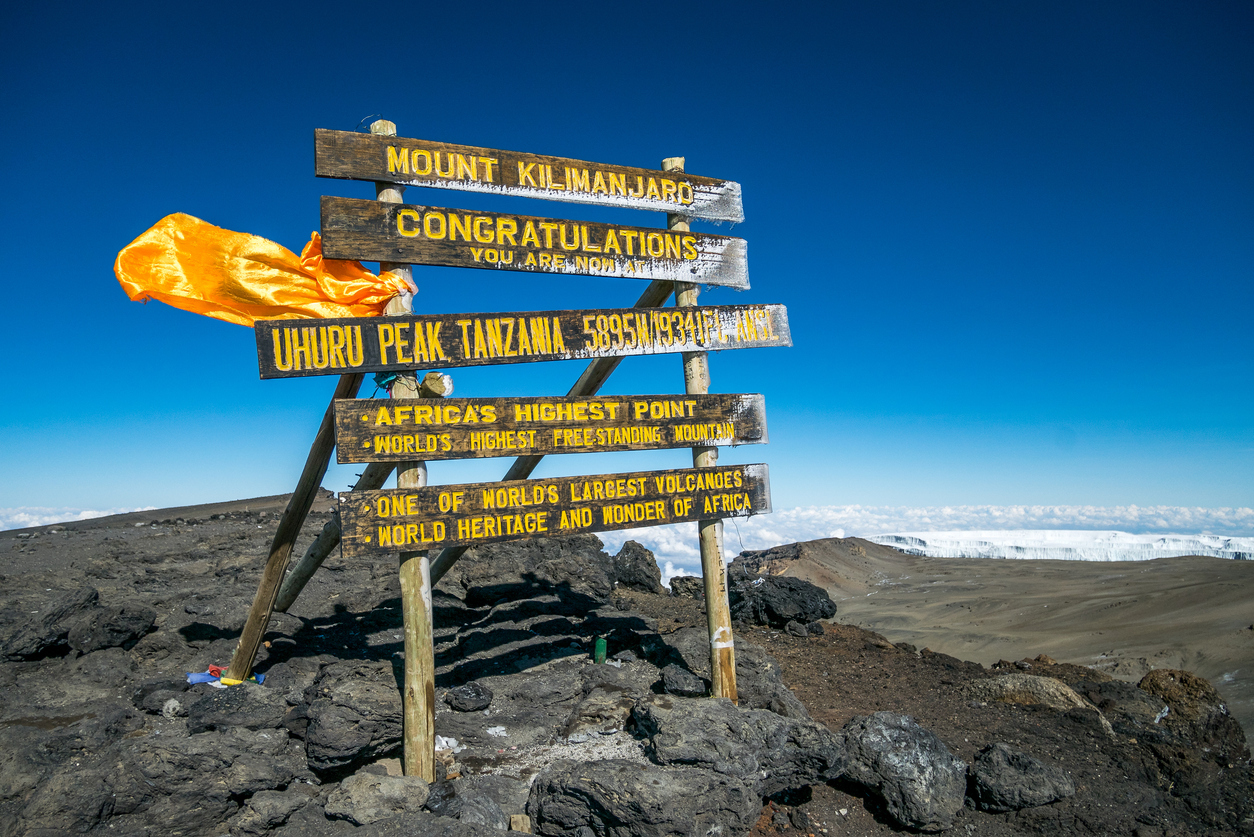
Barafu Camp is the gateway for the most common summit approaches from the south side of Kilimanjaro, via Machame, Lemosho, and the Barafu variation of Marangu. The summit path from Barafu leads up scree slopes to Stella Point (5,756m / 18,881 ft) and then a relatively flatter walk to Uhuru Peak (5,895m / 19,341 ft).
Kosovo Camp is the staging point for the Northern Circuit and the Western Breach. The Western Breach approach is more direct to the crater rim near the Reusch crater, offering a different perspective and a more challenging start. The Northern Circuit’s use of Kosovo Camp is part of its extended acclimatization strategy.
For 2026-2027 Climbers: If you prefer a more traditional and widely used summit path, Barafu Camp routes are the standard. If you’re seeking a more adventurous route, possibly involving traversing the crater or a more direct ascent from the north, Kosovo Camp routes (Western Breach) are the way to go. The Northern Circuit offers a more gradual acclimatization before reaching Kosovo Camp.
Camp Conditions and Amenities
Both Barafu and Kosovo Camps are very basic. They are exposed to the elements and consist of rocky ground where tents are pitched. There are no permanent structures, and amenities are limited to what the trekking crew carries. This includes:
- Toilets: Usually a portable toilet tent set up by the crew.
- Sleeping: Climbers sleep in their own tents.
- Meals: Hot meals are prepared by the camp chefs.
- Water: Usually melted snow or sourced from lower down.
The primary difference in conditions is the altitude’s effect on temperature and air density. Kosovo Camp, being higher, will generally be colder and have thinner air than Barafu Camp.
Pros and Cons Summary
Here’s a quick summary for Barafu Camp vs Kosovo Camp:
| Feature | Barafu Camp | Kosovo Camp |
|---|---|---|
| Altitude | ~4,650 m (15,250 ft) | ~4,900 m (16,070 ft) |
| Primary Routes | Machame, Lemosho, Marangu (Barafu Var.) | Northern Circuit, Western Breach |
| Acclimatization Profile | Good on standard 6-7 day treks | Excellent on longer treks (8-9 days for Northern Circuit) |
| Summit Approach | Via Stella Point to Uhuru Peak (standard) | Via crater rim (Western Breach) or near Reusch crater |
| Exposure/Shelter | High exposure, rocky | High exposure, rocky, potentially more exposed due to higher altitude |
| Typical Trek Duration | 6-7 days | 8-9 days (Northern Circuit) |
Choosing Your Route: Implications for Barafu vs Kosovo Camp
The decision between routes that lead to Barafu Camp or Kosovo Camp is essentially the decision about which Kilimanjaro route to take. Each route has its own character, duration, and acclimatization profile. Understanding these will help you choose the path that best suits your fitness, time, and preferences for 2026-2027.
Routes Utilizing Barafu Camp
Machame Route (6-7 Days): The “Whiskey Route” is popular for its scenic diversity and excellent acclimatization, especially on longer variations. It winds through different vegetation zones, offering stunning views. Arriving at Barafu Camp on Day 5 (for a 6-day trek) or Day 6 (for a 7-day trek) means climbers have spent a good amount of time at altitude already. The summit push is challenging but manageable for most fit individuals.
Lemosho Route (7-8 Days): Often considered the most scenic route, Lemosho offers a longer, more gradual ascent with superior acclimatization. It starts in the west and crosses the Shira Plateau before joining the Machame route. Barafu Camp is typically reached on Day 6 of a 7-day trek or Day 7 of an 8-day trek. The extra day or two on Lemosho significantly improves acclimatization before the final push from Barafu.
Marangu Route (Barafu Variation): While the standard Marangu “Coca-Cola” route uses huts and has a less optimal acclimatization profile, a less common “Barafu” or “High Route” variation can be arranged. This variation aims to provide a more challenging climb, potentially using Barafu Camp. However, it’s not the typical Marangu experience.
Routes Utilizing Kosovo Camp
Northern Circuit (8-9 Days): This is the longest route, offering the highest success rates due to its exceptional acclimatization profile. It circles the mountain, providing panoramic views and passing through diverse landscapes. Kosovo Camp is typically reached on Day 7 or 8, allowing climbers to spend more days at progressively higher altitudes than on shorter routes. This extended acclimatization is a significant advantage for tackling the summit from Kosovo Camp.
Western Breach (often part of Lemosho or a standalone route, 7+ days): This route is more technical and adventurous. It often involves traversing the crater floor and ascending the steep Western Breach wall. Kosovo Camp is the logical staging point for this challenging approach. Climbers need to be experienced and well-acclimatized, as the Western Breach can be treacherous, especially if icy.
Which Camp for Which Climber in 2026-2027?
The choice boils down to your priorities:
- For best acclimatization and highest success rates: Opt for the Northern Circuit (8-9 days), which uses Kosovo Camp. The extended duration allows for superior physiological adaptation.
- For a balance of scenery, acclimatization, and popularity: Choose the Lemosho Route (7-8 days). It uses Barafu Camp but provides an extra day for acclimatization compared to shorter Machame treks.
- For a classic, well-trodden path: The Machame Route (6-7 days) is a solid choice, leading to Barafu Camp. It’s popular for a reason – good scenery and decent acclimatization.
- For the adventurous and experienced: The Western Breach approach, using Kosovo Camp, offers a unique and challenging experience, but requires careful consideration of conditions and climber capability.
Preparing for Summit Night from Barafu or Kosovo
Summit night is the culmination of your Kilimanjaro journey, and whether you start from Barafu Camp or Kosovo Camp, the preparation is intense and critical. Both camps are basic, high-altitude environments where comfort is secondary to survival and summit success.
The Pre-Summit Routine
Regardless of whether you are at Barafu Camp or Kosovo Camp, the routine is similar:
- Arrival and Rest: Climbers usually arrive at the camp in the late afternoon after a day’s trek. After pitching tents, the immediate focus is on hydration and a light meal.
- Briefing: The guide will conduct a pre-summit briefing, explaining the route, timings, and what to expect. This is also the time to confirm gear and ensure everyone is mentally prepared.
- Early Sleep: The aim is to get as much sleep as possible before the pre-dawn wake-up call. This often means trying to sleep between 6 PM and 8 PM. Due to altitude and excitement, deep sleep can be difficult.
- Hydration and Nutrition: It’s vital to drink plenty of fluids (water, herbal tea) and eat nourishing food. Dehydration and lack of energy are major contributors to altitude sickness and fatigue.
Summit Night Conditions
The conditions on summit night are universally challenging:
- Extreme Cold: Temperatures can drop to -15°C to -25°C (-5°F to -13°F), with wind chill making it feel even colder. Proper layering is essential.
- Thin Air: At these altitudes, the oxygen level is roughly half that at sea level. Every step requires significant effort.
- Steep Terrain: The ascent involves climbing steep scree slopes (from Barafu) or potentially icy, rocky sections (Western Breach from Kosovo).
- Darkness: The climb begins in complete darkness, guided by headlamps. The first light appears as you approach Stella Point or the crater rim.
What to Pack for Summit Night
Essential items for summit night include:
- Warm Layers: Thermal base layers, fleece mid-layers, and a heavy-duty down or synthetic insulated jacket.
- Headwear: Warm hat that covers the ears, balaclava or neck gaiter.
- Handwear: Warm gloves, preferably with liners. Mittens are often warmer than gloves.
- Footwear: Insulated hiking boots, warm socks (multiple pairs), gaiters.
- Headlamp: With spare batteries.
- Water: Insulated water bottles or a hydration pack with an insulated tube to prevent freezing.
- Snacks: High-energy snacks that are easy to eat in the cold (e.g., energy bars, nuts, dried fruit).
- Sun Protection: Sunglasses (essential for snow glare), sunscreen, lip balm.
- First-Aid Kit: Including personal medications and blister treatment.
For 2026-2027 Climbers: Ensure your gear is top-notch. Renting or purchasing high-quality gear is a worthwhile investment for comfort and safety on summit night, whether starting from Barafu Camp or Kosovo Camp.
The Role of Guides and Support Crew
The success of any Kilimanjaro climb, regardless of the route or camp used, hinges significantly on the expertise and dedication of the guides and support crew. This is especially true for the challenging summit night that follows a stay at either Barafu Camp or Kosovo Camp.
Guide’s Responsibilities
Your lead guide is responsible for:
- Pace Management: Setting a slow, steady “pole pole” (slowly, slowly) pace crucial for acclimatization.
- Monitoring Health: Constantly observing climbers for signs of altitude sickness and making critical decisions regarding safety and descent if necessary.
- Route Navigation: Ensuring the correct path is followed, especially in darkness or poor visibility.
- Morale Boosting: Providing encouragement and support throughout the arduous journey.
- Decision Making: Ultimately responsible for the safety of the group, including deciding whether to proceed with the summit attempt or turn back.
Support Crew’s Contributions
The porters and cooks are the backbone of the expedition:
- Carrying Gear: They carry tents, food, cooking equipment, and personal luggage, making the trek feasible for climbers.
- Setting Up Camp: They establish camp, pitch tents, and prepare hot meals and drinks.
- Logistics: Ensuring supplies are managed and that the camp is set up efficiently at each stop, including Barafu Camp or Kosovo Camp.
For 2026-2027 Climbers: Choosing a reputable tour operator like Top Guide Adventures ensures you have experienced, well-trained guides and a professional, ethical support crew. This is paramount for a safe and successful climb, especially when dealing with the rigors of Barafu Camp or Kosovo Camp.
Health and Safety Considerations at High Altitude
Climbing Kilimanjaro involves significant health and safety considerations, particularly when ascending to camps like Barafu and Kosovo and undertaking the summit push.
Altitude Sickness (Acute Mountain Sickness – AMS)
AMS is the most common ailment. Symptoms can include headache, nausea, dizziness, fatigue, and loss of appetite. The best prevention is gradual ascent and adequate acclimatization, which is why longer routes using Kosovo Camp are often recommended. If symptoms worsen, descent is the only cure. Guides are trained to recognize and manage AMS.
Hypothermia and Frostbite
The extreme cold at Barafu and Kosovo Camps, and especially on summit night, poses risks of hypothermia (dangerously low body temperature) and frostbite (freezing of body tissues). Proper clothing, staying dry, and maintaining hydration are key preventative measures.
Physical Fitness and Preparation
While AMS is not directly related to fitness, good cardiovascular health makes the physical exertion much more manageable. Climbers should engage in regular aerobic exercise, including hiking with a backpack, in the months leading up to their 2026-2027 climb.
Choosing the Right Operator
Reputable operators adhere to strict safety protocols. This includes:
- Adequate guide-to-client ratios.
- Carrying comprehensive medical kits and oxygen.
- Using routes with good acclimatization profiles.
- Ensuring fair treatment and proper gear for porters (this also impacts safety).
For 2026-2027 Climbers: Prioritize safety. Research operators thoroughly. Top Guide Adventures is committed to the highest safety standards, employing experienced guides and supporting our crew ethically. You can reach us via WhatsApp +255616946642 or email topguideadventures@gmail.com.
Environmental Considerations on Kilimanjaro
Kilimanjaro is a UNESCO World Heritage Site, and its delicate alpine environment requires careful stewardship. Climbers and operators play a vital role in preserving its natural beauty for future generations, including those planning expeditions in 2026 and 2027.
Leave No Trace Principles
These principles are fundamental:
- Pack it in, Pack it out: All waste, including organic matter, must be carried down the mountain.
- Stay on Trails: To prevent erosion and protect vegetation.
- Respect Wildlife: Do not feed or disturb animals.
- Minimize Campfire Impact: Campfires are generally prohibited. Use stoves for cooking.
- Proper Waste Disposal: Human waste must be disposed of in designated latrines or carried out.
The Role of Tour Operators
Responsible tour operators like Top Guide Adventures:
- Educate clients on environmental best practices.
- Ensure their crews follow Leave No Trace principles rigorously.
- Use portable toilets at camps like Barafu and Kosovo.
- Advocate for sustainable tourism practices.
For 2026-2027 Climbers: Be an environmentally conscious climber. Understand and follow the guidelines provided by your guides. Your actions contribute to the preservation of Kilimanjaro’s unique ecosystem.
Barafu Camp vs Kosovo Camp: Making Your Final Decision for 2026-2027
The comparison between Barafu Camp and Kosovo Camp ultimately leads back to the choice of route. There isn’t a universally “better” camp; rather, there is a camp that is better suited to a particular route and a particular climber’s goals and preparation.
- If you prioritize the highest chance of success through superior acclimatization and have 8-9 days: Choose the Northern Circuit, leading to Kosovo Camp.
- If you want a scenic route with good acclimatization over 7-8 days: Opt for Lemosho, which uses Barafu Camp.
- If you prefer a classic, popular route over 6-7 days: Select Machame, also leading to Barafu Camp.
- If you seek a more challenging, unique summit approach: Consider the Western Breach route, using Kosovo Camp.
For 2026 and 2027, planning ahead is key. Popular routes, especially those with better acclimatization profiles (like the Northern Circuit), book up quickly. Early booking with a trusted operator like Top Guide Adventures is highly recommended.
Booking Your Kilimanjaro Climb with Top Guide Adventures
At Top Guide Adventures, we specialize in crafting unforgettable Kilimanjaro experiences. We understand the nuances of each route and camp, including the critical differences between staging at Barafu Camp or Kosovo Camp. Our itineraries are designed with acclimatization and safety as top priorities, ensuring you have the best possible chance of reaching Uhuru Peak.
We offer a range of routes, including those that utilize both Barafu Camp and Kosovo Camp, catering to different preferences and timeframes for 2026-2027 expeditions. Our experienced guides and dedicated support crew are committed to providing personalized attention and support throughout your journey.
Ready to plan your 2026-2027 Kilimanjaro adventure?
- Contact us for a personalized quote: topguideadventures@gmail.com
- WhatsApp us for immediate assistance: +255616946642
- Explore our group departures: Visit our group departures page for available dates on routes like Machame, Lemosho, and Northern Circuit.
- Follow us for inspiration: Check out our Instagram for stunning photos and client stories.
Choosing between Barafu Camp and Kosovo Camp is a significant part of planning your Kilimanjaro climb. By understanding their roles and the routes they serve, you can make an informed decision that aligns with your fitness, experience, and aspirations for conquering Africa’s highest peak in 2026 or 2027.
Check Availability for Barafu Camp Vs Kosovo On Kilimanjaro: A Definitive Comparison For Climbers
Ready to compare dates, prices, and the best option for your group? Send the package name and travel month so the team can reply with a clear quote, availability, and what is included.
What Is Kosovo Camp On Kilimanjaro? 2026-2027
What Is Kosovo Camp on Kilimanjaro? is explained with current 2026-2027 planning, price, itinerary and booking information.
View package details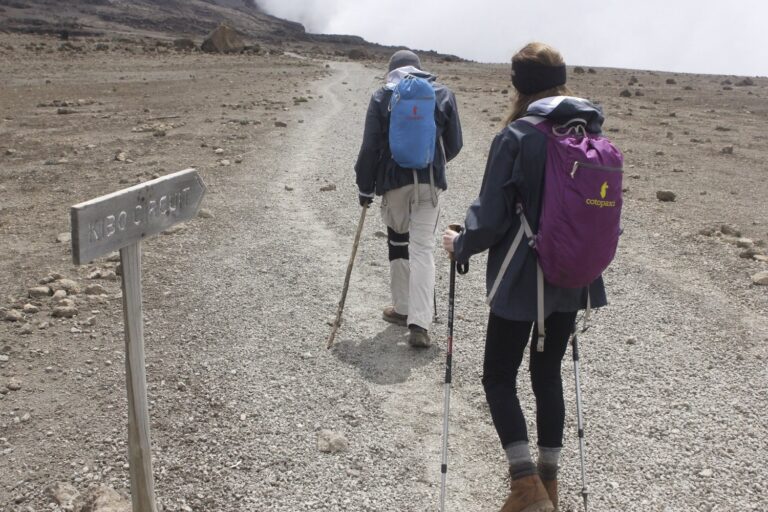
Kilimanjaro Standard Camp Vs Luxury Your Ultimate Comparison For Climbs
Choosing between standard and luxury camping on Kilimanjaro significantly impacts your trek experience. This guide breaks down the key differences in accommodation, meals, equipment, and...
View package details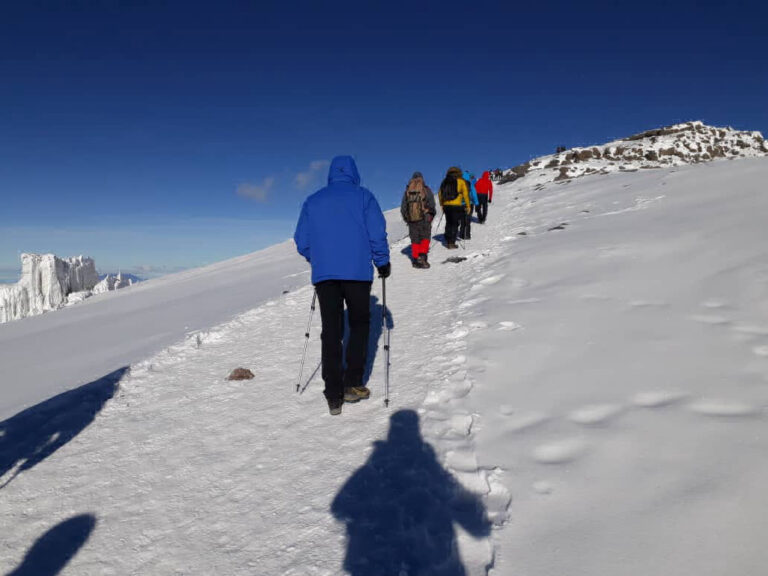
How Busy Is Barafu Camp? Your Guide To Crowds And Planning For 2026-2027
Barafu Camp's busyness on Kilimanjaro varies significantly by season. High seasons like January-February and June-October see more trekkers, making it busier. Off-peak times are generally...
View package details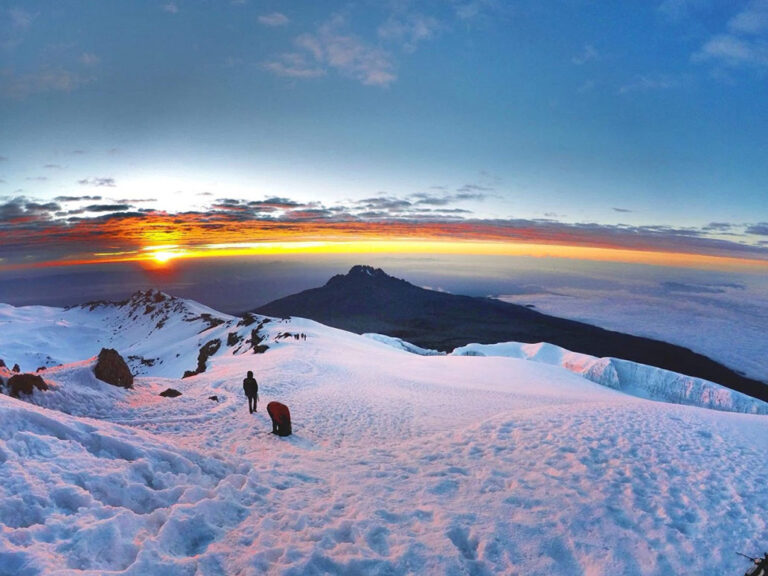
Kilimanjaro Climb With Materuni Recovery Day 2026-2027
Kilimanjaro Climb with Materuni Recovery Day is explained with current 2026-2027 planning, price, itinerary and booking information.
View package details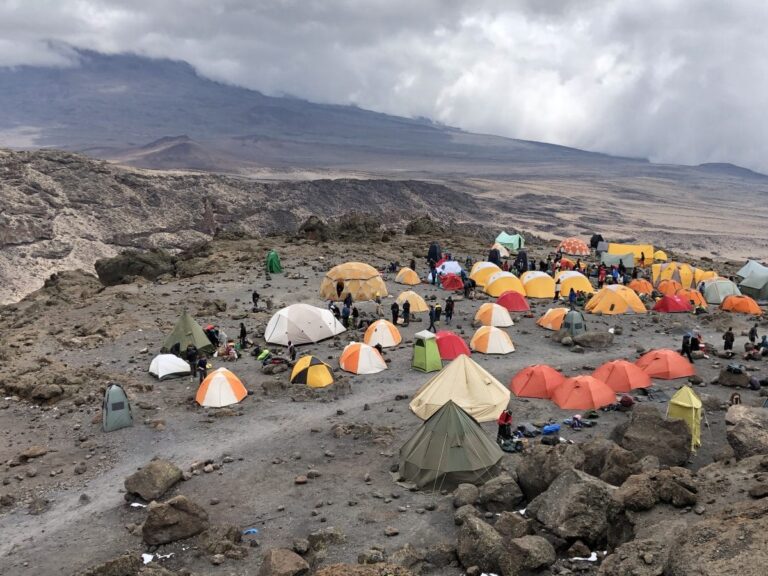
Kilimanjaro Climb With Lake Chala Relaxation Day: Your Ultimate Post-Trek
Experience the ultimate Kilimanjaro adventure followed by serene relaxation at Lake Chala. This guide details how to combine these incredible Tanzanian experiences, covering itineraries...
View package detailsKilimanjaro Climb & West Safari: The Ultimate Tanzania Adventure 2026-2027
Experience the pinnacle of Tanzania with a combined Kilimanjaro climb and West Kilimanjaro safari. This guide details itineraries, preparation, and what to expect for your 2026-2027...
View package details
Kilimanjaro Climb With Mkomazi Rhino Safari 2026-2027
Kilimanjaro Climb with Mkomazi Rhino Safari is explained with current 2026-2027 planning, price, itinerary and booking information.
View package details
Kilimanjaro Climb With Amboseli Safari Extension: Your Ultimate Tanzania
Experience the pinnacle of African adventure by combining a challenging Kilimanjaro climb with a impressive safari in Amboseli National Park. This guide details itineraries, costs, best...
View package details
21-Day Kilimanjaro And Complete Tanzania Holiday: Your Ultimate Adventure
This comprehensive 21-day itinerary offers the ultimate Tanzanian adventure, merging the challenge of climbing Mount Kilimanjaro with the wildlife wonders of its famed national parks and...
View package details
18-Day Kilimanjaro And Northern Tanzania Grand Adventure: Trek, Safari &
An 18-day itinerary blending Kilimanjaro's summit with Northern Tanzania's wildlife and culture offers a comprehensive African experience. This adventure typically includes a multi-day trek...
View package details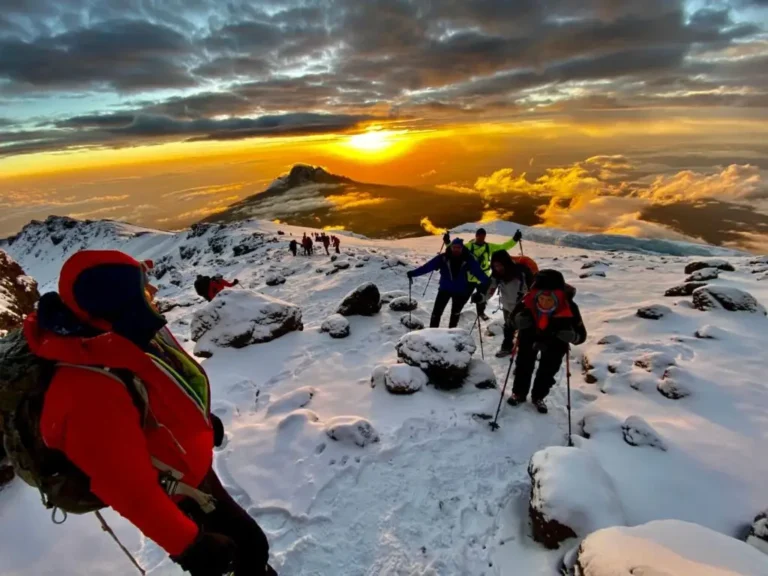
17-Day Kilimanjaro, Serengeti, Ngorongoro & Zanzibar Tour: Your Ultimate
This 17-day tour combines the iconic Mount Kilimanjaro climb with unparalleled wildlife safaris in the Serengeti and Ngorongoro Crater, culminating in a relaxing beach escape in Zanzibar...
View package details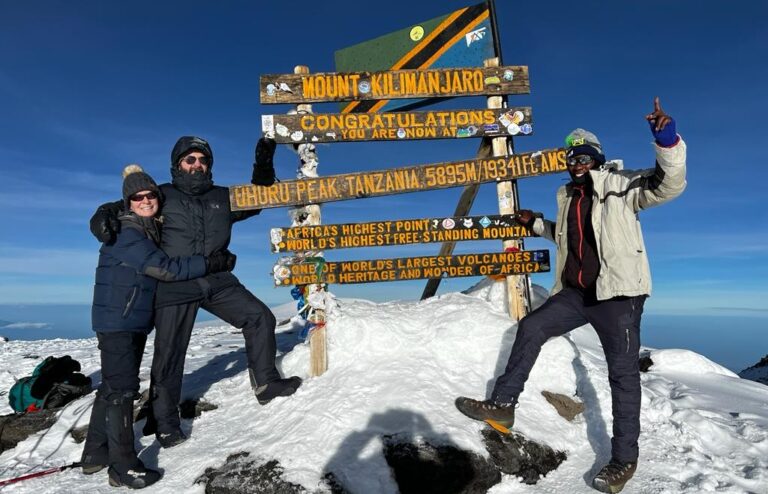
15-Day Kilimanjaro, Great Migration & Zanzibar Beach Package | Top Guide
Combine the thrill of summiting Mount Kilimanjaro, witnessing the iconic Great Migration in the Serengeti, and unwinding on the pristine beaches of Zanzibar in one unforgettable 15-day...
View package detailsNo related package matches those filters. Clear one or more filters to see the other topic-matched options.



