
Avoiding Kilimanjaro tipping mistakes involves understanding the recommended amounts for guides, assistant guides, porters, and cooks, tipping at the end of the trek, consolidating tips for porters, and distributing them fairly among the crew. Proper etiquette ensures your support team feels appreciated for their hard work, which is crucial for a successful and safe climb in 2026 or 2027.
Understanding Kilimanjaro Tipping: Why It’s Essential
Climbing Mount Kilimanjaro is an extraordinary feat, and a significant part of that experience is the dedicated team that supports you every step of the way. Guides, assistant guides, cooks, and porters work tirelessly, often in challenging conditions, to ensure your safety, comfort, and success on the ‘Roof of Africa’. Tipping is not just a customary practice in Tanzania; it’s a vital component of their income and a direct reflection of your appreciation for their strenuous efforts. For many, tips form a substantial portion of their annual earnings, making it essential to get it right.
As you plan your Kilimanjaro adventure for 2026 or 2027, understanding Kilimanjaro tipping mistakes and etiquette is paramount. This isn’t about simply handing over cash; it’s about showing respect, acknowledging hard work, and contributing to a fair system that supports the local economy and the livelihoods of these incredible individuals. Many tour operators, including Top Guide Adventures, provide guidelines, but the final decision and distribution rest with you. Getting this right can significantly impact your trekking experience and the morale of your support crew.
Common Kilimanjaro Tipping Mistakes to Avoid
While the intention behind tipping is always positive, several common pitfalls can lead to unintended consequences, misunderstandings, or even unfair distribution of your generosity. Being aware of these potential mistakes is the first step to ensuring your tips are well-received and appropriately allocated.
Mistake 1: Tipping Too Little
Perhaps the most significant mistake is under-tipping. This often stems from a lack of clear guidance or an underestimation of the effort involved. Tour operators typically provide recommended tipping ranges, often based on international standards and local cost of living. Failing to meet these recommendations can leave your crew feeling undervalued and can be a source of disappointment, especially after they’ve gone above and beyond.
Example: If the recommended range for a lead guide is $20-25 per day, tipping only $10-$15 per day might be considered insufficient, especially on longer climbs. Similarly, for porters, who carry the bulk of the gear and often walk long distances, a daily tip that’s too low is a common oversight.
Mistake 2: Tipping Too Much (Unintentionally)
While less common, some climbers might over-tip without realizing it. This can create an uneven playing field for future climbs and set unrealistic expectations. It’s important to stick to recommended guidelines rather than tipping excessively based on personal wealth or a desire to be overly generous. The goal is fair compensation, not creating an unsustainable standard.
Mistake 3: Tipping During the Climb
It is generally advised not to tip individual crew members during the trek. This can lead to favoritism, disrupt the team dynamic, and make it difficult to track your total tips accurately. The best practice is to consolidate your tips and present them at the end of the climb, usually at Mweka Gate or a designated point in Arusha.
Mistake 4: Not Tipping All Crew Members
Every member of your support crew plays a role. From the cooks preparing your meals to the porters carrying your equipment and the guides ensuring your safety, each person contributes significantly. Failing to tip any category of crew member, or short-changing a specific group (like porters), is a common and regrettable mistake. Ensure everyone who assisted you receives a tip.
Mistake 5: Incorrect Distribution Among Porters
Porters are often the largest group, and distributing tips among them can be challenging. Some climbers may tip the lead porter to distribute among the rest, which can sometimes lead to uneven distribution. It’s better to have the head guide or a designated senior crew member assist in ensuring all porters receive a fair share.
Mistake 6: Tipping in the Wrong Currency or Form
While US Dollars are widely accepted and preferred for tips, ensure your bills are relatively new and in good condition. Very old, torn, or heavily marked bills may be refused. Avoid tipping in Tanzanian Shillings for larger amounts, as exchange rates can fluctuate, and USD is the standard. Also, consider that crew members may need to exchange currency, so clear denominations are helpful.
Mistake 7: Not Understanding the Crew Structure
Kilimanjaro crews are structured. You have lead guides, assistant guides, cooks, and porters. Each role has different responsibilities and, therefore, different tipping expectations. Understanding this hierarchy helps in allocating tips appropriately. For instance, guides take on significant responsibility for your safety and well-being, often requiring a higher daily tip than porters.
Mistake 8: Relying Solely on the Tour Operator’s Default Guidelines Without Context
While tour operators provide essential guidelines, they are often a baseline. Your experience, the crew’s performance, and the length of your trek all factor into the final tip amount. Don’t treat the guidelines as rigid rules if the crew’s service was exceptional or if your climb significantly deviated from the standard itinerary.
Mistake 9: Forgetting to Tip for Extra Services
If your crew goes above and beyond – perhaps by providing extra hot water, carrying a heavier load than required, or offering exceptional comfort and encouragement – consider a small additional tip to acknowledge these extra efforts.
Mistake 10: Tipping Based on Perceived Wealth, Not Service
It’s crucial to tip based on the quality of service and the crew’s hard work, not on how wealthy you perceive them to be. The tips are essential for their livelihood, and judging their need is not the basis for tipping; rather, acknowledging their professional service is.
Kilimanjaro Tipping Etiquette: Best Practices for 2026-2027 Climbers
Proper etiquette goes beyond just the amount; it involves the manner of giving, the timing, and the respect shown. Following these best practices will ensure your appreciation is communicated effectively and respectfully.
1. When to Tip
The universally accepted time to tip your Kilimanjaro crew is at the end of the trek, typically at Mweka Gate or back in Arusha. This allows you to assess the entire experience and tip based on the overall service received throughout the climb. Presenting tips at the end also prevents potential disruptions or uneven effort during the ascent.
2. How to Tip
Cash is king. US Dollars are the preferred currency for tips. Ensure you have a good supply of smaller denominations (like $1, $5, $10, $20 bills) for easier distribution, especially for porters. Newer, crisp bills are best, as older, torn, or heavily marked notes might be rejected.
It’s advisable to prepare your tips in separate envelopes, clearly marked for each crew member or role (e.g., ‘Lead Guide’, ‘Porter’). This helps maintain organization and ensures the correct amounts go to the intended individuals. Some climbers prefer to hand tips directly, while others prefer to give them to the head guide or tour representative to distribute, especially for the porter pool.
3. Who to Tip
You should tip:
- Lead Guide(s)
- Assistant Guide(s)
- Cook(s)
- Porters (all of them)
The number of assistant guides and porters usually depends on the size of your group and the amount of gear. Your tour operator will provide an accurate ratio. For example, a group of 2 climbers might have 1 lead guide, 1 assistant guide, 1 cook, and 4-6 porters, while a larger group will have more.
4. Distribution Among Porters
This is often the most complex part. Since porters are the most numerous, direct individual tipping can be cumbersome. A common and recommended practice is to consolidate the tips designated for porters and hand them to the Head Porter or the Lead Guide to distribute among the entire porter team. This ensures that everyone who carried equipment, from the base camp to the highest camps, receives a share. Ensure you clarify with the Lead Guide how this distribution will occur.
5. Communication is Key
Don’t hesitate to ask your tour operator or guide for clarification on tipping practices before your climb. During the trek, if you have questions about the crew or their roles, ask politely. At the end, when presenting tips, a simple ‘Thank you for your hard work’ goes a long way.
6. Consider Performance
While standard amounts are recommended, feel free to adjust your tips based on the performance of your crew. If a particular guide was exceptional in managing the group, keeping spirits high, and ensuring safety, a slightly higher tip is appropriate. Conversely, if service was unsatisfactory (which is rare on well-organized treks), you might adjust downwards, but this should be done with careful consideration and ideally discussed with your tour operator.
7. Tipping for Extra Services
If you requested specific meals, had special dietary needs catered for exceptionally well, or if the crew provided services beyond their standard duties (like carrying extra personal gear without complaint), a small bonus can be a thoughtful gesture.
Recommended Kilimanjaro Tipping Amounts for 2026-2027
These figures are based on general recommendations from reputable tour operators and are subject to change. It’s always best to confirm with your specific operator. These amounts are per climber and represent a total tip for the entire trek, not per day, unless specified.
Important Note for 2026-2027 Climbers: While these ranges are standard, inflation and economic conditions can influence recommendations. Always check the latest guidelines from your tour operator closer to your climb date.
Lead Guide
- Recommended Tip: $25 – $35 USD per day
- Total for a 7-day climb: $175 – $245 USD
- Total for a 10-day climb: $250 – $350 USD
The lead guide is responsible for the overall success and safety of the climb. They manage the team, navigate the route, monitor your health, and make critical decisions. Their role is paramount.
Assistant Guide(s)
- Recommended Tip: $20 – $25 USD per day
- Total for a 7-day climb: $140 – $175 USD
- Total for a 10-day climb: $200 – $250 USD
Assistant guides provide crucial support, helping climbers, monitoring their condition, and assisting the lead guide. The number of assistant guides depends on the group size.
Cook
- Recommended Tip: $15 – $20 USD per day
- Total for a 7-day climb: $105 – $140 USD
- Total for a 10-day climb: $150 – $200 USD
The cook is responsible for preparing all meals, often under challenging conditions at high altitudes. Good food is vital for energy and morale.
Porters
- Recommended Tip: $10 – $15 USD per day per porter
- Total for a 7-day climb: $70 – $105 USD per porter
- Total for a 10-day climb: $100 – $150 USD per porter
Porters carry the majority of the equipment, including tents, food, sleeping bags, and personal luggage (up to a certain limit). Their contribution is physically demanding and essential for the expedition.
Example Calculation for a 7-Day Climb (per climber):
- Lead Guide: $200
- Assistant Guide: $150
- Cook: $120
- Porters (assuming 4 porters per climber): 4 x $90 = $360
- Total Estimated Tip: Approximately $830 USD per climber
Note: This is a rough estimate. The actual number of porters and guides can vary based on the operator’s policy and the group’s size and needs. Always confirm the crew ratio with your tour operator.
Calculating Your Total Tip Pool
To simplify, many climbers calculate the total tip pool based on the number of days and the number of crew members. For instance, if you have 1 lead guide, 1 assistant guide, 1 cook, and 5 porters on an 8-day climb, you would multiply the daily recommended tip for each role by 8 days and then sum these amounts. The total is then divided among the climbers in your group.
Example: 8-day climb, 1 lead guide, 1 assistant guide, 1 cook, 5 porters.
- Lead Guide: 8 days x $30/day = $240
- Assistant Guide: 8 days x $22/day = $176
- Cook: 8 days x $18/day = $144
- Porters: 5 porters x 8 days x $12/day/porter = $480
- Total Tip Pool: $1040 USD
If you are a group of 4, each person would contribute approximately $260 USD towards the tip pool.
Tipping for Group vs. Private Climbs
The structure of tipping differs slightly between group and private climbs.
Group Climbs (Shared Departures)
In group climbs, the total tip pool is divided equally among all participating climbers. This is often the most straightforward approach, as the cost is shared. The recommended amounts per day are usually factored into the overall cost of the trip or are clearly communicated by the tour operator. When planning for 2026 or 2027 group departures, check if tipping is included or if it’s an additional cost to budget for.
Private Climbs
For private climbs, the entire tip responsibility falls on your group. If you are a couple or a small group, the total tip pool will be divided among fewer people, making the per-person contribution higher. This requires careful budgeting. For instance, a private climb for two people on a 9-day trek might mean a total tip pool of over $1500 USD, with each person contributing around $750+.
When booking a private climb for 2026-2027, ensure you discuss tipping expectations thoroughly with your operator like Top Guide Adventures. They can help you estimate the total tip pool based on the crew size for your specific group size and trek duration.
Tipping Beyond the Standard Crew
While the core crew receives the bulk of the tips, consider if any other individuals contributed significantly to your experience.
Hotel Staff
If your tour includes accommodation before or after the climb in Arusha or Moshi, it’s customary to tip hotel staff. A small amount ($5-$10 USD) for the bellhop, room service, or waitstaff who provided excellent service is appreciated. Some prefer to give a tip to the hotel manager at the end to distribute to the staff.
Drivers and Transfer Personnel
If drivers for airport transfers or excursions were helpful and professional, a tip of $10-$20 USD per transfer or per day of service is appropriate.
Park Rangers (Limited Tipping)
Park rangers are government employees and generally do not accept tips. Their role is official, and accepting gratuities can be against regulations. Focus your appreciation on the trekking crew.
Factors Influencing Tipping Amounts
Several factors can influence the amount you choose to tip:
- Trek Duration: Longer treks naturally require higher total tips.
- Route Difficulty: More challenging routes might warrant higher tips if the crew’s effort was exceptional in managing risks.
- Crew Performance: Exceptional service, going above and beyond, deserves recognition.
- Group Size: In private climbs, smaller groups mean higher per-person contributions.
- Tour Operator Policy: Some operators have specific recommendations or inclusions/exclusions regarding tips.
- Personal Budget: While recommendations exist, your personal financial situation also plays a role. However, try to adhere to the general guidelines as closely as possible.
Preparing Your Tips: Practical Tips for 2026-2027 Climbers
Proper preparation ensures you’re not scrambling for cash at the end of your trek.
Pre-Climb Tip Preparation Checklist:
- Estimate Total Cost: Based on the recommended daily rates and your trek duration, calculate the approximate total tip amount. Add a buffer of 10-15% for unexpected generosity or tips for extra services.
- Currency Exchange: Obtain enough US Dollars in smaller denominations. Ensure bills are clean and relatively new. Exchange currency before you leave your home country or at a reputable bank in Tanzania. Avoid exchanging large sums at the airport if possible.
- Separate Envelopes: Prepare individual envelopes for each guide, the cook, and potentially a larger one for the porter pool. Label them clearly.
- Discretion: Keep your tip money secure and separate from your general spending money.
- Consult Your Operator: Before your trip, confirm the recommended tipping amounts and procedures with your tour operator, such as Top Guide Adventures. They can provide the most up-to-date figures for 2026-2027 climbs.
The Role of the Tour Operator in Tipping
Reputable tour operators like Top Guide Adventures play a crucial role in managing tipping expectations and ensuring fairness.
- Providing Guidelines: They offer clear, recommended tipping amounts based on industry standards and their experience.
- Crew Ratios: They ensure the correct number of guides, cooks, and porters are assigned based on regulations and climber numbers.
- Facilitating Distribution: They often advise on or facilitate the tip distribution process, especially for the porter pool, to ensure fairness.
- Addressing Concerns: If any issues arise regarding tipping or crew performance, they act as intermediaries.
For your 2026 or 2027 Kilimanjaro climb, choose an operator that is transparent about tipping policies. Top Guide Adventures is committed to fair treatment of its staff and provides comprehensive guidance to clients.
What if I’m Unhappy with the Service?
While most climbers have incredibly positive experiences, there might be rare instances of dissatisfaction. If you are unhappy with the service:
- Communicate Immediately: Speak to your lead guide during the trek about your concerns. They may be able to rectify the situation.
- Contact Your Operator: If the issue isn’t resolved or is significant, inform your tour operator as soon as possible.
- Adjust Tips Thoughtfully: If the service was genuinely poor, you have the discretion to adjust your tips. However, this should be a last resort and based on significant service failures, not minor inconveniences. Discuss any intended reduction with your tour operator first. It’s important to remember that the crew works extremely hard, and under-tipping due to minor issues can be disheartening.
Ethical Tipping Considerations
Tipping in Tanzania, particularly on Kilimanjaro, is more than just a transaction; it’s an ethical consideration.
- Fair Wages: Tips supplement wages that may be lower than in Western countries. Your tips ensure a dignified income for the crew.
- Supporting Local Economy: Tipping directly supports local families and communities.
- Respect and Dignity: Proper tipping shows respect for the challenging work performed by the crew.
When planning your 2026-2027 expedition, remember that your tips contribute to the well-being of the people who make your dream climb possible.
Tipping for Different Kilimanjaro Routes
The duration of the route directly impacts the total tip amount. Here’s a comparison:
- Shorter Routes (e.g., Marangu 5-day, Machame 6-day): These shorter treks will result in lower total tip amounts compared to longer routes, as the daily rates are multiplied by fewer days.
- Standard Routes (e.g., Machame 7-day, Lemosho 8-day): These offer a good balance between acclimatization and duration, leading to moderate total tip amounts.
- Longer Routes (e.g., Lemosho 9-day, Northern Circuit 9-10 days): With more days on the mountain, the total tip pool will be significantly higher, reflecting the extended service provided by the crew.
For example, a 7-day Machame climb might have a total tip pool of around $800-$1000 USD per person, while a 9-day Lemosho or Northern Circuit could push this to $1000-$1300+ USD per person. Always check the specific recommendations for your chosen route and duration when booking for 2026 or 2027.
Tips for Packing Your Tip Money
Carrying a large amount of cash requires careful planning.
- Secure Money Belt: Use a reliable money belt or secure pouch to keep your tip money safe during travel and while on the mountain.
- Distribute Responsibility: If traveling with a partner or group, consider having each person carry a portion of the tip money to minimize risk.
- Bank Access: Ensure you have enough cash for the entire duration. ATMs on the mountain are non-existent, and reliable ones may be scarce in remote areas.
Common Questions About Kilimanjaro Tipping
Here are answers to some frequently asked questions regarding Kilimanjaro tipping:
What currency should I use for tips?
US Dollars are the preferred currency for tipping on Kilimanjaro. Ensure the bills are relatively new and in good condition.
Should I tip the guide and porters differently?
Yes, the recommended tip amounts differ based on the roles and responsibilities. Guides typically receive a higher daily rate than porters due to their extensive training, decision-making, and responsibility for safety.
Can I tip using a credit card?
No, credit card tips are generally not accepted for the mountain crew. Tips must be in cash (US Dollars).
What if I have a very large group?
For larger groups, you can collectively decide on the tip amounts and designate one or two people to manage the distribution. Ensure clear communication within the group about individual contributions.
Are tips included in the tour package price?
Typically, tips are not included in the base tour package price. They are considered an additional expense, allowing you to reward the crew based on your experience. Always confirm this with your tour operator.
What happens if I can’t afford the recommended tips?
While adhering to recommendations is appreciated, your tour operator understands budget constraints. Communicate openly if you face difficulties. It’s better to tip what you can afford consistently and respectfully than to not tip at all or to tip a very small amount that might be seen as dismissive.
When is the best time to book a 2026-2027 Kilimanjaro climb?
The best time to book for 2026-2027 climbs is typically 6-12 months in advance, especially for peak seasons (January-March and June-October). This secures your preferred dates and routes, and allows ample time for preparation and tip money gathering.
Making Your Kilimanjaro Climb a Success with Top Guide Adventures
Choosing the right tour operator is fundamental to a successful and enjoyable Kilimanjaro climb. At Top Guide Adventures, we pride ourselves on providing exceptional service, experienced guides, and a commitment to the well-being of both our clients and our dedicated mountain crew. We understand the importance of fair compensation and ethical treatment for our guides, porters, and cooks.
When you book your Kilimanjaro expedition with us for 2026 or 2027, you receive comprehensive pre-climb support, including detailed packing lists, itinerary specifics, and clear guidelines on tipping etiquette and recommended amounts. Our team is always available to answer your questions and ensure you feel prepared and confident.
We believe that a well-supported and fairly compensated crew is key to your safety and success on the mountain. We encourage open communication regarding tipping and are transparent about our crew-to-climber ratios and the roles each member plays.
Ready to plan your 2026-2027 Kilimanjaro adventure? Don’t let tipping be an afterthought. Plan ahead, understand the etiquette, and ensure your appreciation for your crew is clearly communicated. Contact Top Guide Adventures today to discuss your climb:
- WhatsApp: +255616946642
- Email: topguideadventures@gmail.com
- Backup Email: info@topguideadventures.com
Let us help you create an unforgettable and ethical Kilimanjaro experience. Your successful summit starts with careful planning and a respectful approach to the incredible team that will guide you to the top.
Check Availability for Kilimanjaro Tipping Mistakes And Etiquette: A Comprehensive Guide For…
Ready to compare dates, prices, and the best option for your group? Send the package name and travel month so the team can reply with a clear quote, availability, and what is included.
Kilimanjaro Group-Climb Mistakes: Avoid Common Pitfalls For A Successful
This guide details common Kilimanjaro group-climb mistakes, offering practical advice for trekkers aiming for a successful summit. Learn about preparation, acclimatization, gear, and...
View package details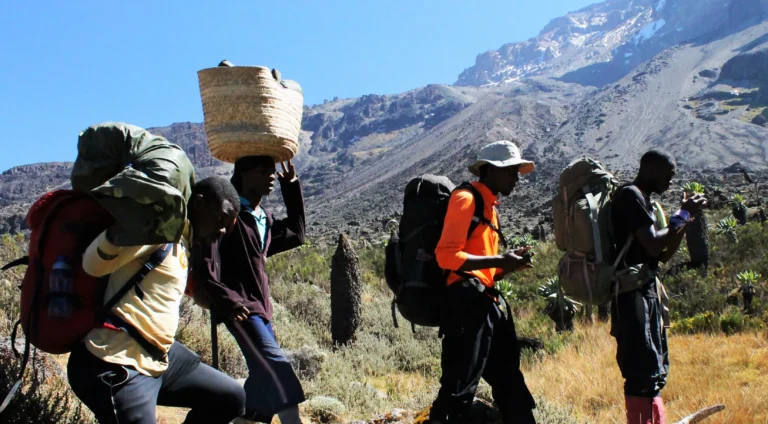
Kilimanjaro Photography Mistakes At High Altitude 2026-2027
Kilimanjaro Photography Mistakes at High Altitude is explained with current 2026-2027 planning, price, itinerary and booking information.
View package details
Kilimanjaro Food And Nutrition Mistakes: Avoid These To Summit Successfully
Proper nutrition is crucial for a successful Kilimanjaro climb. This guide details common food and nutrition mistakes climbers make, offering expert advice on what to eat, when to eat it...
View package details
Kilimanjaro Gear-Rental Mistakes To Avoid For Your Climb 2026-2027
Planning a Kilimanjaro climb for 2026 or 2027? Renting gear can save money and hassle, but mistakes are common. This guide details the most frequent errors climbers make when renting...
View package details
Kilimanjaro Hotel Booking Mistakes: Avoid These Pitfalls For A Smooth Climb
Booking accommodation near Kilimanjaro is crucial for a successful climb. This guide details common Kilimanjaro hotel booking mistakes to help you avoid them, ensuring comfort and readiness...
View package detailsKilimanjaro Flight-Booking Mistakes: Avoid These Pitfalls For Your Climb
Planning your Kilimanjaro climb for 2026 or 2027? Don't let flight booking errors derail your adventure. This guide covers critical mistakes to avoid, from choosing the right airport and...
View package details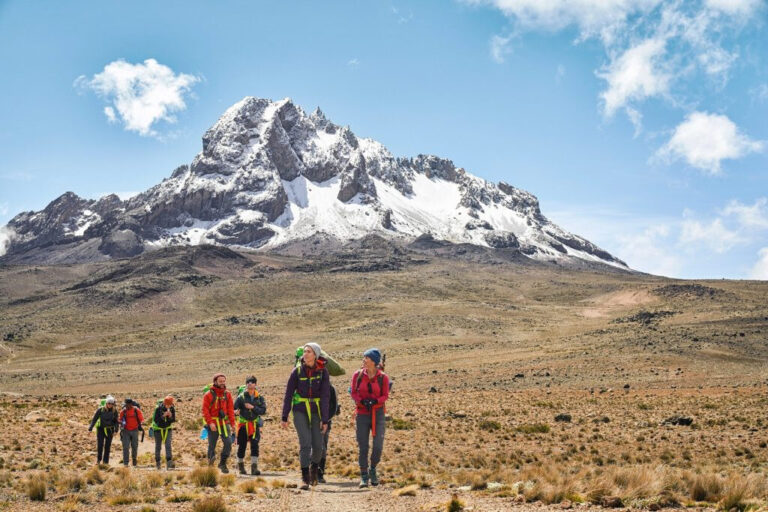
Kilimanjaro Insurance Mistakes To Avoid For A Safe Climb In 2026-2027
Climbing Mount Kilimanjaro is a dream for many, but overlooking proper insurance can turn an incredible adventure into a costly disaster. This guide details the most common Kilimanjaro...
View package details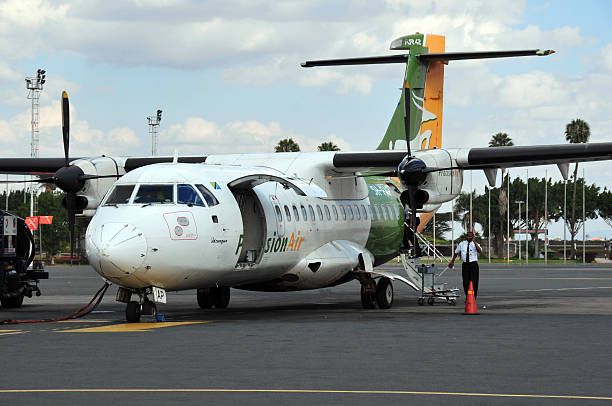
Kilimanjaro Route-Selection Mistakes 2026-2027
Kilimanjaro Route-Selection Mistakes is explained with current 2026-2027 planning, price, itinerary and booking information.
View package details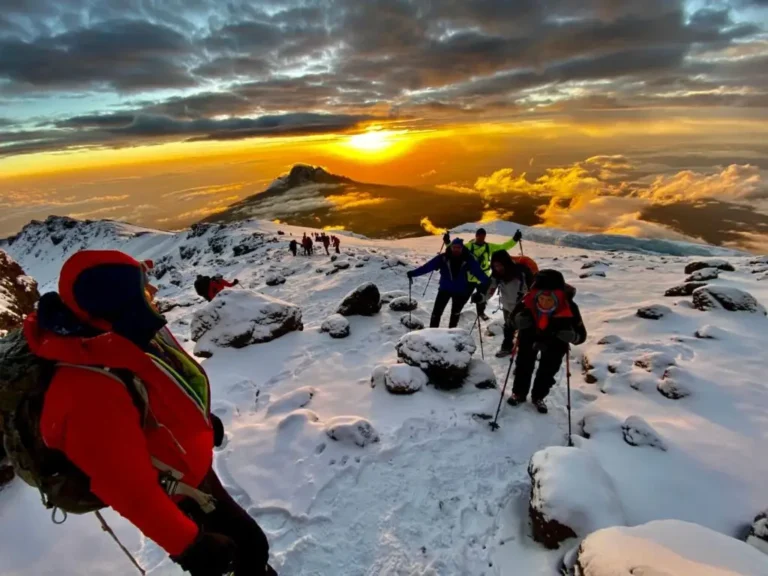
Kilimanjaro Layering Mistakes That Leave Climbers Cold: Expert Guide 2026-2027
Discover the common Kilimanjaro layering mistakes that can lead to discomfort and hypothermia. This guide provides essential tips on choosing the right gear and layering system to ensure...
View package details
Kilimanjaro Footwear Mistakes And Blister Prevention 2026-2027
Kilimanjaro Footwear Mistakes and Blister Prevention is explained with current 2026-2027 planning, price, itinerary and booking information.
View package details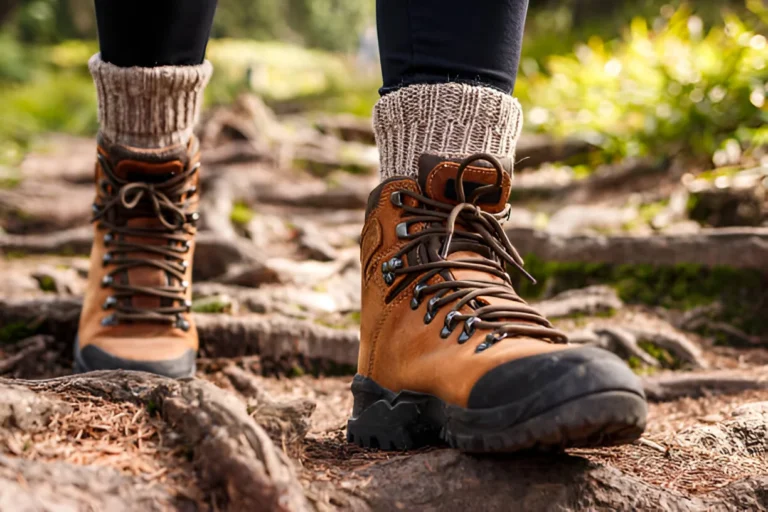
Kilimanjaro Packing Mistakes To Avoid For A Successful Climb In 2026-2027
Packing for Kilimanjaro is crucial for a successful trek. This guide details common packing mistakes to avoid, ensuring you have the right gear for the varying altitudes and conditions...
View package details
Kilimanjaro Booking Mistakes That Can Cost You Money 2026-2027
Kilimanjaro Booking Mistakes That Can Cost You Money is explained with current 2026-2027 planning, price, itinerary and booking information.
View package detailsNo related package matches those filters. Clear one or more filters to see the other topic-matched options.



