
The most common Kilimanjaro gear-rental mistakes involve failing to thoroughly inspect equipment before committing, not understanding what is and isn’t included in rental packages, choosing rental providers based solely on price without considering quality or support, and neglecting to test essential items like sleeping bags and boots in conditions similar to the mountain, all of which can lead to discomfort, safety issues, or unexpected costs on your 2026-2027 climb.
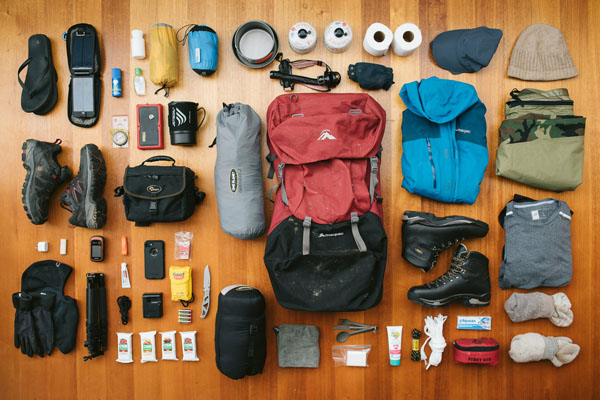
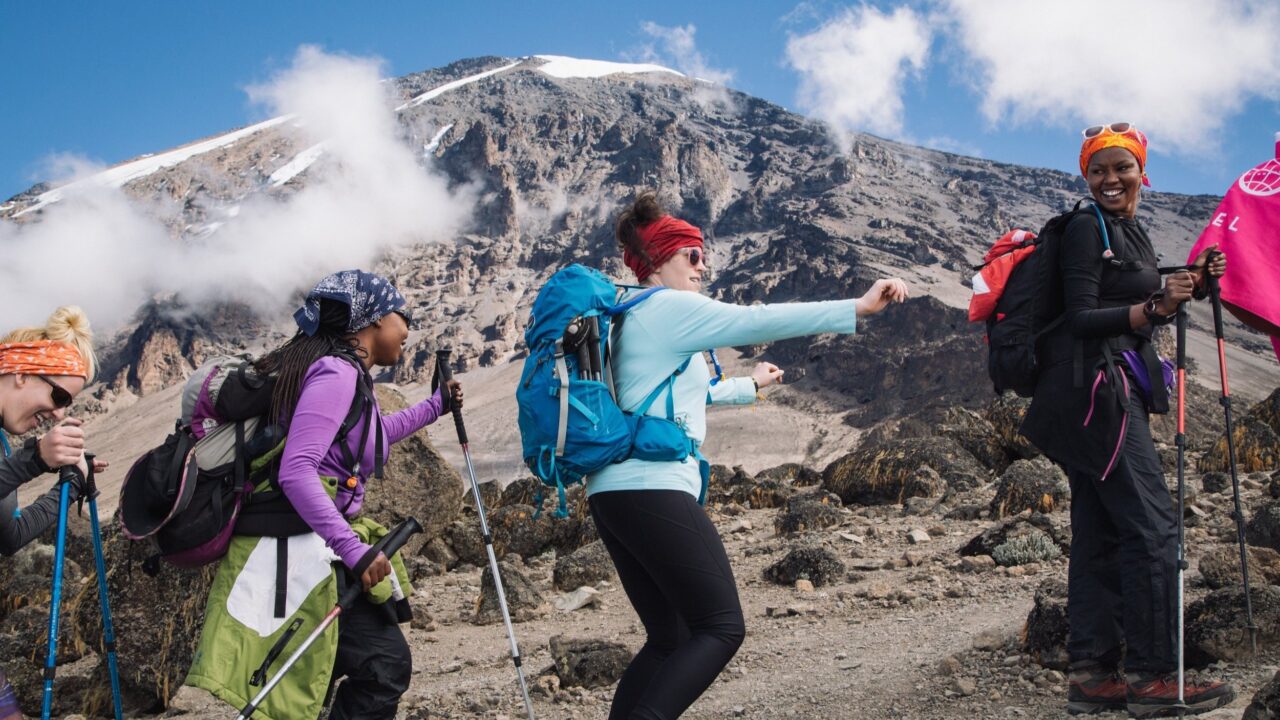
Understanding the Nuances of Kilimanjaro Gear Rental for Your 2026-2027 Expedition
Climbing Mount Kilimanjaro is a dream for many, and preparing for this incredible adventure requires careful planning, especially regarding your equipment. For trekkers looking to manage costs or avoid the burden of purchasing specialized gear, renting equipment is a popular and often sensible choice. However, the path to successful gear rental is paved with potential pitfalls. Many climbers, particularly those planning their ascent for 2026 or 2027, overlook critical details, leading to avoidable mistakes that can compromise their comfort, safety, and overall experience on the mountain. At Top Guide Adventures, we’ve guided thousands of climbers and have seen firsthand the consequences of these common errors. This comprehensive guide is designed to equip you with the knowledge to navigate the Kilimanjaro gear rental landscape confidently, ensuring you secure the right equipment for your 2026-2027 expedition.
Renting gear can be an excellent solution, especially for items like high-altitude sleeping bags, down jackets, and trekking poles that you might not use frequently. It simplifies packing, reduces initial investment, and can be particularly beneficial for international travelers. Yet, the allure of convenience and cost savings can sometimes blind climbers to the essential due diligence required. This article will meticulously detail the most frequent Kilimanjaro gear-rental mistakes, providing practical advice and insights to help you make informed decisions, whether you’re booking your 2026 climb or finalizing plans for 2027.
Mistake 1: Underestimating the Importance of Pre-Rental Inspection
Perhaps the most fundamental error climbers make is failing to physically inspect the gear before agreeing to rent it, or worse, before it’s even delivered to the mountain. While reputable rental companies maintain their equipment, wear and tear are inevitable. A thorough inspection is your first line of defense against receiving substandard or damaged items.
What to Inspect: A Detailed Checklist
- Sleeping Bags: Check the zippers for smooth operation and ensure there are no tears in the fabric or lining. Feel the insulation; it should be lofty and evenly distributed, not clumped or flattened. Inquire about the temperature rating and ensure it’s appropriate for Kilimanjaro’s summit conditions (typically rated to -15°C or -20°C / 0°F to -4°F).
- Down Jackets: Look for signs of excessive wear, such as thinning patches of down or loose stitching. Ensure all zippers and drawstrings are functional. A good down jacket should feel warm and puffy.
- Trekking Poles: Test the locking mechanisms; they should be secure and easy to adjust. Check for any bends or cracks in the poles themselves. The straps should be intact and comfortable.
- Waterproof Outerwear (Jackets & Pants): Inspect for any rips, tears, or compromised seams. Ensure zippers and Velcro closures are intact and functional. Check the waterproof coating for signs of delamination or damage.
- Boots (if renting): This is a critical item and often best purchased. If renting, ensure they are well-maintained, with no signs of sole separation or significant wear. More importantly, ensure they fit perfectly.
- Gaiters: Check for tears and ensure the fastening mechanisms (zippers, Velcro, buckles) are secure.
- Headlamps: While often overlooked, test the battery compartment and ensure the light functions. Bring spare batteries regardless.
Why this matters for 2026-2027: As you plan further ahead for your 2026 or 2027 climb, you might be tempted to book gear rentals early. However, don’t confirm your rental without a clear understanding of when and how you can inspect the items. Some companies deliver directly to the gate, offering no pre-rental inspection opportunity. This is a major red flag. Always aim to inspect gear in person, ideally a day or two before your climb begins, so you have time to request replacements if needed.
Mistake 2: The Price Trap – Sacrificing Quality for Cost
It’s natural to seek value when planning a Kilimanjaro expedition for 2026 or 2027, and budget considerations are paramount for many. However, opting for the absolute cheapest gear rental can be a false economy. Extremely low prices often indicate lower quality equipment, poor maintenance, or hidden fees. The mountain is unforgiving, and inadequate gear can lead to hypothermia, frostbite, or simply extreme discomfort, turning your dream climb into a miserable ordeal.
Factors Influencing Rental Prices
- Quality of Equipment: Premium brands and newer, well-maintained items naturally cost more to rent.
- Inclusions: Comprehensive packages with a wide range of essential items will be priced higher than basic bundles.
- Rental Duration: Longer rental periods may offer discounts, but the base price reflects the item’s value.
- Company Reputation and Service: Established companies with good customer service, reliable delivery, and support often charge more.
- Location: Renting directly in Moshi or Arusha might offer different pricing than online-only services.
The Risk of Cheap Rentals: Gear that is worn out, poorly insulated, or not waterproof will fail when you need it most. A sleeping bag that doesn’t reach its rated temperature, a jacket that loses its loft, or boots that leak can have serious consequences. For a 2026-2027 climb, prioritize reputable companies known for quality gear, even if they aren’t the absolute cheapest. The difference in price is often minor compared to the potential impact on your safety and enjoyment.
Top Guide Adventures’ Gear Philosophy
At Top Guide Adventures, we understand the critical role of quality gear. While we don’t offer gear rental as a standalone service, we partner with trusted local suppliers who provide high-quality, well-maintained equipment specifically suited for Kilimanjaro. We ensure that any gear recommended or arranged through us meets stringent standards for warmth, durability, and functionality, giving you peace of mind for your 2026-2027 climb. We focus on providing reliable equipment as part of a complete, safe climbing package.
Mistake 3: Not Clarifying What’s Included (and What’s Not)
Rental packages can vary significantly. Some offer a comprehensive list of essential items, while others provide only a few key pieces. Failing to understand exactly what you’re renting can lead to unexpected purchases at inflated prices in Moshi or Arusha, or worse, arriving on the mountain without a crucial piece of gear.
Common Inclusions and Exclusions
- Typically Included: Sleeping bag (rated for altitude), insulated down jacket, waterproof jacket and pants, fleece jacket, thermal base layers, hiking trousers, warm hat, gloves (inner and outer), balaclava/neck gaiter, duffel bag for porters, sleeping mat.
- Often Excluded (or available at extra cost): Hiking boots, socks, base layers (sometimes), personal items like water bottles, headlamp, sunglasses, sunscreen, trekking poles, gaiters.
The Devil is in the Details: Always ask for a detailed list of every item included in the rental package. Pay close attention to the specifications of items like sleeping bags (temperature rating) and down jackets (fill power). If you’re unsure, ask for clarification. For instance, does the rental include both inner and outer gloves? Is the sleeping bag rated to -15°C or -20°C? Clarifying these details for your 2026-2027 climb prevents surprises.
Top Tip for 2026-2027 Planning: When comparing rental options, create a spreadsheet and list the items offered by each provider. This visual comparison makes it easy to see who offers the most comprehensive package and where you might need to supplement.
Mistake 4: Over-Reliance on Rental Boots
Hiking boots are arguably the most critical piece of gear for a Kilimanjaro climb. They need to fit perfectly, be broken in, and provide adequate support and waterproofing. Renting boots is a frequent mistake because finding a well-fitting, pre-broken-in pair of rental boots is exceptionally difficult.
Why Renting Boots is Risky
- Fit is Paramount: Even a slight pinch or rub can become excruciatingly painful over days of trekking, especially at altitude.
- Break-in Period: New or rarely used rental boots are unlikely to be sufficiently broken in, leading to blisters.
- Hygiene Concerns: While reputable companies clean their boots, some climbers have reservations about wearing shoes previously worn by many others.
- Quality Varies: Rental boots might not always be the high-quality, waterproof, supportive models recommended for Kilimanjaro.
The Better Approach for 2026-2027 Climbs: Purchase your own hiking boots well in advance of your climb. Spend time breaking them in on local hikes. This investment ensures comfort, reduces the risk of blisters, and provides the necessary support. If budget is a major constraint, consider buying good quality used boots or looking for sales.
If you absolutely must rent boots, inspect them meticulously. Ensure they are waterproof, have good tread, and feel comfortable when you try them on. Wear thick hiking socks with them during the trial fit. However, we strongly advise against this for your 2026 or 2027 expedition if possible.
Mistake 5: Not Testing Gear in Similar Conditions
You wouldn’t test a swimsuit in a snowstorm, so why wouldn’t you test your high-altitude gear before ascending Kilimanjaro? Many climbers rent gear, assume it will perform as expected, and only discover its shortcomings on the mountain. This is a critical error, especially for items like sleeping bags and jackets.
Simulating Mountain Conditions
- Sleeping Bag Test: Sleep in your rented sleeping bag on a cold night. If possible, sleep outdoors or in an unheated room. If you feel cold, the bag might not be warm enough for Kilimanjaro’s summit.
- Jacket Test: Wear your rented down jacket on a cold, windy day. Does it provide sufficient warmth? Does it block the wind effectively?
- Waterproofs Test: Wear your waterproof jacket and pants during a rain shower. Are they truly waterproof? Do the zippers work smoothly?
- Boots Test (if rented): Wear them on a long hike, preferably on varied terrain, to check for fit and comfort.
The Value of a Trial Run for 2026-2027 Climbers: Testing your rented gear allows you to identify issues early. You can then contact the rental company to exchange items or make adjustments. This proactive step can save you from a miserable experience on the mountain. Even a simple test in your backyard on a chilly evening can reveal a lot about a sleeping bag’s warmth.
Mistake 6: Neglecting Essential Accessories
While the big-ticket items like sleeping bags and jackets get most of the attention, neglecting smaller, essential accessories available for rent can also cause problems. These items are crucial for comfort and functionality.
Key Accessories to Consider Renting (or Buying)
- Duffel Bag: Porters will carry your main gear in a large duffel bag. Ensure it’s waterproof or water-resistant and large enough (typically 80-100 liters). Check that the zippers are robust.
- Headlamp: Essential for navigating in the dark, especially during summit night. Ensure it has fresh batteries or rent one with spare batteries included.
- Water Bottles/Hydration Reservoir: Crucial for staying hydrated. Ensure bottles are insulated or use reservoirs with insulated tubes to prevent freezing.
- Gaiters: Prevent snow, mud, and scree from entering your boots.
- Trekking Poles: Aid balance, reduce strain on your knees, and help with ascents and descents.
Why These Matter for Your 2026-2027 Climb: A reliable headlamp is non-negotiable for summit night. A good duffel bag protects your belongings from rain. Insulated water bottles prevent dehydration due to frozen water. Don’t overlook these items when assessing rental options.
Mistake 7: Not Understanding Rental Return Policies
Most rental companies expect their gear back in a reasonably clean condition. Failure to understand the return policy can lead to additional charges or disputes.
Key Aspects of Return Policies
- Cleaning Requirements: Are you expected to wash items? If so, how? Many rental companies specify that down items should not be machine washed.
- Damage Charges: Understand what constitutes damage beyond normal wear and tear and what the associated fees are.
- Return Deadline: Be aware of the timeframe for returning the gear after your climb.
- Late Fees: Ignorance of return deadlines can result in significant late fees.
Best Practice for 2026-2027: Ask for a copy of the rental agreement and read it carefully. When returning your gear, take photos of the items to document their condition. This can be helpful if any disputes arise regarding damage.
Mistake 8: Overlooking the Importance of a Reputable Rental Partner
Choosing a rental company is not just about the gear; it’s about the service and reliability. Some climbers opt for the easiest or cheapest option without vetting the provider.
Vetting Your Rental Provider
- Read Reviews: Look for independent reviews on platforms like TripAdvisor, Google, and trekking forums. Pay attention to comments about gear quality, reliability, and customer service.
- Ask Your Tour Operator: If you’re booking a climb package, your tour operator (like Top Guide Adventures) often has trusted rental partners. They can recommend providers known for quality and reliability.
- Check Their Website: A professional website with clear information about their gear, pricing, and policies is a good sign.
- Communication: How responsive are they to your inquiries? Good communication before the rental process often translates to better service during and after.
For your 2026-2027 Kilimanjaro climb: Do your research. A reliable rental partner ensures you get quality gear and responsive support, which are invaluable on the mountain.
Partnering for Quality: Top Guide Adventures’ Approach
We understand that reliable gear is crucial for a successful Kilimanjaro climb. While we focus on providing comprehensive climbing packages that include expert guides, porters, cooks, park fees, and accommodation, we also collaborate with trusted local gear suppliers in Moshi. These partners are vetted for the quality and maintenance of their equipment. When you book with Top Guide Adventures for your 2026 or 2027 expedition, we can facilitate the rental of essential high-quality gear, ensuring you are well-equipped without the stress of finding a reliable provider yourself. Our goal is to eliminate potential gear-related problems so you can focus on the climb.
Mistake 9: Not Packing Essential Personal Items
Even with the best rented gear, personal items are essential for comfort and hygiene. Forgetting these can lead to discomfort and added expense.
Personal Items to Pack (or Purchase Separately)
- High-Quality Hiking Socks: Several pairs of wool or synthetic hiking socks are vital to prevent blisters.
- Liner Gloves: Thin gloves worn inside warmer mittens or gloves for dexterity.
- Balaclava/Neck Gaiter: Crucial for protecting your face from wind and cold.
- Sunscreen and Lip Balm with SPF: The sun is intense at high altitudes.
- Sunglasses: Essential for eye protection against glare and UV rays.
- Water Bottles/Hydration Reservoir: As mentioned, crucial for hydration.
- Headlamp with Spare Batteries: Non-negotiable for night ascents.
- Personal First-Aid Kit: Include blister treatment, pain relievers, and any personal medications.
- Hand Sanitizer and Wet Wipes: For hygiene on the trail.
- Camera and Power Bank: To capture memories and keep devices charged.
- Snacks: High-energy snacks you enjoy.
The 2026-2027 Planning Insight: Create a comprehensive packing list that separates rented gear from personal items. Double-check your personal items before leaving home, as purchasing them in Moshi can be more expensive and time-consuming.
Mistake 10: Assuming All Rental Companies are Equal
The rental market for Kilimanjaro gear can include everything from established local businesses with dedicated warehouses to small operators or even individuals renting out their own equipment. Assuming they all offer the same level of quality, service, and reliability is a mistake.
Differentiating Rental Providers
- Professional Rental Companies: These businesses specialize in renting climbing gear. They typically have a wide selection, maintain their inventory well, and offer professional service.
- Tour Operators with Rental Services: Many climbing companies offer gear rental as an add-on. The quality can vary, but often they partner with reputable local suppliers or maintain their own stock.
- Local Shops/Informal Rentals: Some smaller shops or individuals might offer gear. While potentially cheaper, the quality and maintenance might be inconsistent.
Choosing Wisely for 2026-2027: Opt for established companies or those recommended by your tour operator. Prioritize providers who can clearly demonstrate their commitment to quality gear and customer satisfaction. Don’t be afraid to ask questions about their equipment sourcing and maintenance procedures.
Mistake 11: Not Considering the Environmental Conditions
Kilimanjaro’s environment is extreme and varied. Temperatures can plummet well below freezing, winds can be fierce, and precipitation can range from rain to snow. Gear must be suitable for these conditions.
Understanding Kilimanjaro’s Climate Zones
- Cultivation Zone (1800m-2600m): Mild temperatures, potential for rain.
- Rainforest Zone (2600m-3500m): Humid, cooler, frequent rain, sometimes mist.
- Moorland Zone (3500m-4500m): Drier, significant temperature drops at night, windy.
- Alpine Desert Zone (4500m-5700m): Very dry, extreme temperature fluctuations (cold nights, warmer days), strong winds.
- Arctic Zone (5700m-5895m): Extremely cold, strong winds, low oxygen, potential for snow and ice.
Gear Implications for 2026-2027: Your rented gear must perform across all these zones, especially in the harsh Alpine Desert and Arctic zones. A sleeping bag rated only to 0°C will be insufficient for summit night. A non-waterproof jacket will be useless in the rainforest. Ensure your rented gear, particularly the sleeping bag and insulated jacket, is rated for temperatures of at least -15°C to -20°C (0°F to -4°F).
Mistake 12: Ignoring Layering Principles
Even the best rented gear needs to be used correctly. Many climbers make the mistake of relying solely on one heavy piece of clothing rather than employing a layering system.
The Three-Layer System
- Base Layer: Wicks moisture away from the skin (e.g., merino wool or synthetic thermals).
- Mid Layer: Provides insulation (e.g., fleece jacket, down vest).
- Outer Layer (Shell): Protects against wind and water (e.g., waterproof and windproof jacket and pants).
Renting and Layering for 2026-2027: Ensure your rental package includes appropriate mid-layers (like fleece or a lighter down jacket) and a robust outer shell. You will need to supplement these with your own base layers and potentially an extra insulating layer depending on the weather and your personal needs. Understanding how to use these layers effectively is key to staying comfortable.
Mistake 13: Not Packing for the Descent
The descent is often overlooked but can be just as challenging as the ascent. Climbers may become complacent, thinking the hardest part is over, and neglect their gear.
Descent Considerations
- Fatigue: You’ll be tired, making careful footing and proper gear essential.
- Changing Conditions: Weather can change rapidly.
- Footwear: Ensure your boots remain comfortable and supportive.
Rental Gear and Descent for 2026-2027: Your rented gear needs to last the entire trek, including the demanding descent. Ensure your sleeping bag is kept dry and warm for the final nights, and your outer layers are ready for any weather.
Mistake 14: Forgetting About Altitude Sickness and Gear
While gear can’t prevent altitude sickness, it plays a role in managing its effects and ensuring your safety.
How Gear Impacts Altitude Management
- Warmth: Staying warm is crucial. Hypothermia can exacerbate altitude sickness symptoms. A warm sleeping bag and jacket are vital.
- Hydration: Having reliable water bottles or reservoirs is key.
- Comfort: Being comfortable allows you to focus on acclimatization and listen to your body.
For your 2026-2027 climb: Prioritize gear that keeps you warm and dry. This directly supports your body’s ability to acclimatize effectively. A rented sleeping bag that fails to keep you warm at night will hinder your recovery and acclimatization.
Mistake 15: Not Planning for Communication and Emergencies
While not strictly a gear rental issue, communication devices and emergency preparedness are often overlooked.
Communication and Safety
- Satellite Phone/Personal Locator Beacon (PLB): Essential for emergencies, especially if your tour operator doesn’t provide one.
- Power Bank: To keep your phone and headlamp charged.
Rental Considerations for 2026-2027: Ensure your rented duffel bag can accommodate these items securely. Some tour operators may offer satellite phone rentals as part of their package.
Mistake 16: Overlooking Sizing and Fit
This ties back to inspection but deserves its own point. Even high-quality gear is useless if it doesn’t fit properly.
Ensuring Proper Fit
- Jackets and Trousers: Ensure they are roomy enough to accommodate base layers underneath without being overly baggy.
- Sleeping Bags: Standard sizes usually fit most people, but check dimensions if you are particularly tall or broad.
- Boots: As emphasized, fit is paramount.
Actionable Advice for 2026-2027: When inspecting or receiving your rented gear, try everything on. Move around in it. Simulate the actions you’ll be doing on the mountain (e.g., zipping up a sleeping bag, putting on a backpack over a jacket). If anything feels restrictive or ill-fitting, request an exchange immediately.
Mistake 17: Not Packing a Daypack with Essentials
While porters carry your main duffel bag, you’ll need a daypack for items you need access to during the hiking day.
Daypack Contents
- Water bottles/hydration reservoir
- Snacks
- Rain jacket and pants
- Warm mid-layer (fleece or light down jacket)
- Sunscreen, lip balm
- Sunglasses
- Camera
- Headlamp (for potential delays or unexpected darkness)
- Personal first-aid kit
- Hand sanitizer
Rental vs. Personal Daypack: Daypacks are rarely rented. You will likely need to purchase or bring your own. Ensure it’s comfortable, has a good capacity (around 30-40 liters), and has a rain cover.
Mistake 18: Poor Maintenance of Rented Gear Before Return
While you don’t own the gear, treating it with care during your trek and ensuring it’s reasonably clean upon return is good practice and avoids extra charges.
Post-Trek Care for Rented Items
- Drying: Hang damp gear to dry whenever possible during the trek.
- Cleaning: Wipe down boots and clean off excess mud from waterproofs.
- Packing: Pack items carefully in your duffel bag to avoid damage.
Return Policy Adherence for 2026-2027: Check the rental company’s policy on cleaning. Some may prefer you don’t wash down items yourself. Generally, removing obvious dirt and mud is appreciated.
Mistake 19: Not Considering the Specific Route
While most gear requirements are similar across Kilimanjaro routes, some minor differences might exist.
Route-Specific Gear Notes
- Marangu Route: You sleep in huts, so a sleeping mat might not be strictly necessary, though a liner is still recommended.
- Other Routes (Machame, Lemosho, etc.): Camping routes require a sleeping mat.
Planning for 2026-2027: Ensure your rental package aligns with the specific route you choose. Most reputable companies will offer packages suitable for all routes, but it’s worth confirming.
Mistake 20: Not Having a Backup Plan
What if your rented gear fails completely, or the rental company can’t provide what you need? Having a contingency plan is wise.
Contingency Planning
- Identify Local Shops: Know where you can buy essential items in Moshi or Arusha if needed.
- Tour Operator Support: Your tour operator should be able to assist in emergencies, potentially providing spare items.
- Emergency Fund: Allocate a small budget for unexpected gear needs.
For your 2026-2027 expedition: Discuss emergency gear provision with your tour operator. Top Guide Adventures is committed to ensuring our clients are well-equipped and can assist with last-minute needs where possible.
Conclusion: Renting Kilimanjaro Gear Smartly for 2026-2027
Renting gear for your Kilimanjaro climb in 2026 or 2027 can be a cost-effective and practical solution. However, avoiding the common pitfalls requires diligence, careful inspection, clear communication, and a focus on quality over the absolute lowest price. By understanding what to look for, what to ask, and how to prepare, you can ensure that your rented equipment enhances, rather than hinders, your journey to the Roof of Africa. Remember, the right gear is an investment in your safety, comfort, and success on the mountain.
If you’re planning your Kilimanjaro adventure for 2026 or 2027 and want to ensure you have reliable, high-quality gear without the hassle of finding a rental company yourself, consider booking a comprehensive package with Top Guide Adventures. We partner with trusted suppliers to provide excellent equipment as part of our all-inclusive climbing services. Reach out to us to discuss your climb and how we can help you prepare for an unforgettable experience. You can contact us via WhatsApp +255616946642 or email us at topguideadventures@gmail.com or info@topguideadventures.com.
Check Availability for Kilimanjaro Gear-Rental Mistakes To Avoid For Your Climb 2026-2027
Ready to compare dates, prices, and the best option for your group? Send the package name and travel month so the team can reply with a clear quote, availability, and what is included.
Kilimanjaro Group-Climb Mistakes: Avoid Common Pitfalls For A Successful
This guide details common Kilimanjaro group-climb mistakes, offering practical advice for trekkers aiming for a successful summit. Learn about preparation, acclimatization, gear, and...
View package details
Kilimanjaro Photography Mistakes At High Altitude 2026-2027
Kilimanjaro Photography Mistakes at High Altitude is explained with current 2026-2027 planning, price, itinerary and booking information.
View package details
Kilimanjaro Food And Nutrition Mistakes: Avoid These To Summit Successfully
Proper nutrition is crucial for a successful Kilimanjaro climb. This guide details common food and nutrition mistakes climbers make, offering expert advice on what to eat, when to eat it...
View package details
Kilimanjaro Hotel Booking Mistakes: Avoid These Pitfalls For A Smooth Climb
Booking accommodation near Kilimanjaro is crucial for a successful climb. This guide details common Kilimanjaro hotel booking mistakes to help you avoid them, ensuring comfort and readiness...
View package detailsKilimanjaro Flight-Booking Mistakes: Avoid These Pitfalls For Your Climb
Planning your Kilimanjaro climb for 2026 or 2027? Don't let flight booking errors derail your adventure. This guide covers critical mistakes to avoid, from choosing the right airport and...
View package details
Kilimanjaro Tipping Mistakes And Etiquette: A Comprehensive Guide For Climbers
Navigating Kilimanjaro tipping can be confusing. This guide details common mistakes and proper etiquette for tipping your support crew, ensuring fair compensation and a positive experience...
View package details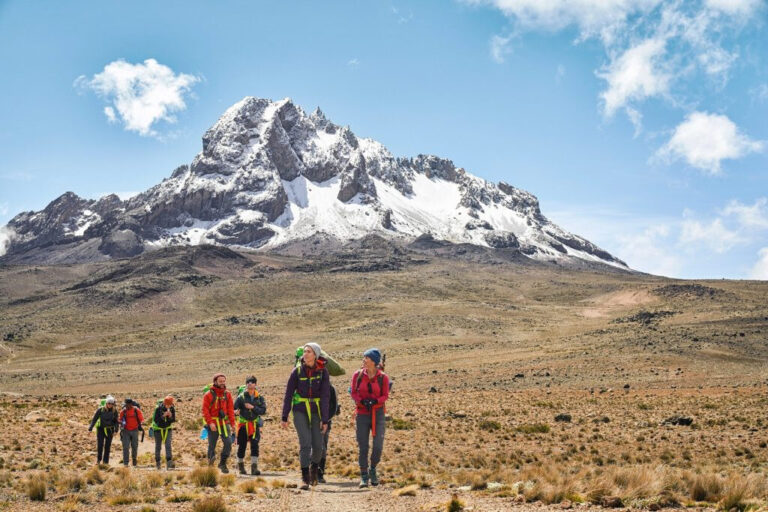
Kilimanjaro Insurance Mistakes To Avoid For A Safe Climb In 2026-2027
Climbing Mount Kilimanjaro is a dream for many, but overlooking proper insurance can turn an incredible adventure into a costly disaster. This guide details the most common Kilimanjaro...
View package details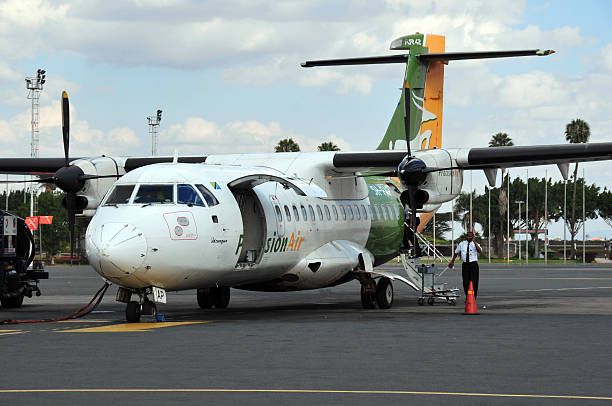
Kilimanjaro Route-Selection Mistakes 2026-2027
Kilimanjaro Route-Selection Mistakes is explained with current 2026-2027 planning, price, itinerary and booking information.
View package details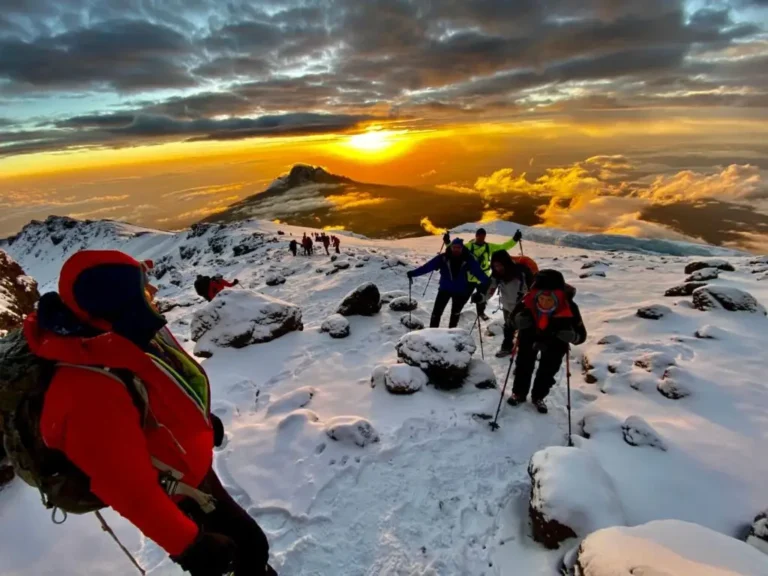
Kilimanjaro Layering Mistakes That Leave Climbers Cold: Expert Guide 2026-2027
Discover the common Kilimanjaro layering mistakes that can lead to discomfort and hypothermia. This guide provides essential tips on choosing the right gear and layering system to ensure...
View package details
Kilimanjaro Footwear Mistakes And Blister Prevention 2026-2027
Kilimanjaro Footwear Mistakes and Blister Prevention is explained with current 2026-2027 planning, price, itinerary and booking information.
View package details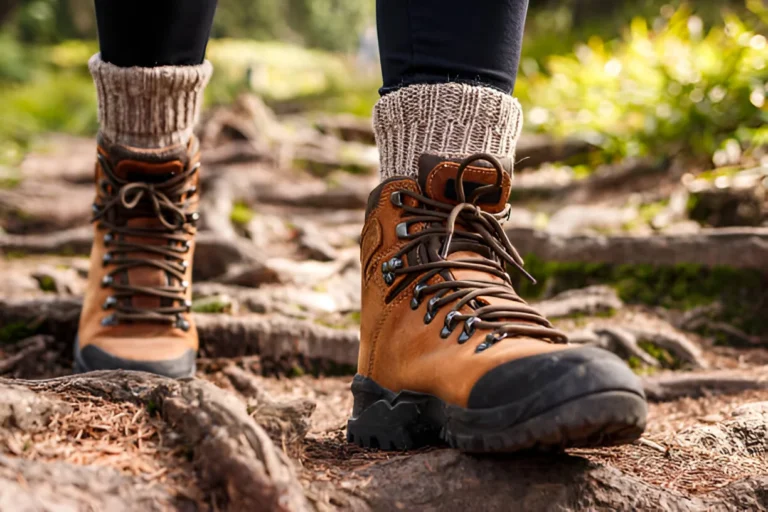
Kilimanjaro Packing Mistakes To Avoid For A Successful Climb In 2026-2027
Packing for Kilimanjaro is crucial for a successful trek. This guide details common packing mistakes to avoid, ensuring you have the right gear for the varying altitudes and conditions...
View package details
Kilimanjaro Booking Mistakes That Can Cost You Money 2026-2027
Kilimanjaro Booking Mistakes That Can Cost You Money is explained with current 2026-2027 planning, price, itinerary and booking information.
View package detailsNo related package matches those filters. Clear one or more filters to see the other topic-matched options.



