
The most common Kilimanjaro food and nutrition mistakes include underestimating calorie needs, relying too heavily on processed snacks, poor hydration, eating unfamiliar foods before the climb, and not preparing for appetite loss at altitude. Ensuring you consume adequate carbohydrates, proteins, and healthy fats, stay consistently hydrated with water and electrolytes, and practice eating the food provided by your outfitter during training hikes are key to avoiding these pitfalls and maximizing your chances of summiting.
Understanding Kilimanjaro Food and Nutrition: A Critical Component of Success
Climbing Mount Kilimanjaro is an extraordinary physical and mental challenge. While many focus on physical training, gear, and acclimatization schedules, one of the most overlooked yet vital elements for success is nutrition. The right food and hydration strategy can mean the difference between reaching Uhuru Peak and turning back. Conversely, making critical Kilimanjaro food and nutrition mistakes can lead to fatigue, altitude sickness exacerbation, digestive issues, and a significantly diminished climbing experience. This comprehensive guide, tailored for climbers planning their ascent in 2026 and 2027, will explore deep into the common pitfalls and provide actionable advice from experienced guides at Top Guide Adventures.
Why Kilimanjaro Nutrition Matters More Than You Think
Kilimanjaro is not a typical hike; it’s a multi-day expedition where you ascend through five distinct climate zones. This means your body is under constant stress. It expends a significant amount of energy simply to stay warm, breathe at lower oxygen levels, and move uphill for hours each day. Your dietary intake must compensate for this increased energy expenditure and provide the building blocks for muscle repair and sustained performance.
* Energy Demands: Daily calorie expenditure on Kilimanjaro can range from 4,000 to over 6,000 calories, depending on the route, pace, and individual metabolism. Failing to meet these demands leads to a caloric deficit, resulting in fatigue, weakness, and reduced cognitive function.
* Altitude Adaptation: While acclimatization is primarily about gradual ascent, nutrition plays a supportive role. Carbohydrates are particularly important for providing readily available energy and can help with oxygen utilization at higher altitudes.
* Immune System Support: The stress of climbing can temporarily suppress the immune system. A balanced diet rich in vitamins and minerals helps maintain immune function, reducing the risk of illness, which can force an early descent.
* Digestive Health: The body’s digestive processes can be affected by altitude and stress. Choosing easily digestible foods and avoiding anything that might upset your stomach is paramount.
By understanding these fundamental reasons, you can better appreciate why avoiding Kilimanjaro food and nutrition mistakes is not just about comfort, but about safety and success.
Common Kilimanjaro Food and Nutrition Mistakes to Avoid
Making informed choices about what you eat and drink on Kilimanjaro requires awareness of potential errors. Many climbers, even those who are physically fit, fall into common traps. Let’s break down the most frequent Kilimanjaro food and nutrition mistakes:
Mistake 1: Underestimating Calorie and Macronutrient Needs
This is perhaps the most pervasive error. Climbers often pack snacks they are familiar with from shorter hikes, without considering the sheer volume of energy required for a week-long trek at altitude.
* Insufficient Caloric Intake: Eating too little is a direct path to exhaustion. If you’re not consuming enough calories, your body will break down muscle tissue for energy, leading to severe fatigue and a higher risk of injury. You might feel full from a small meal, but your body’s actual energy requirement is far greater.
* Over-reliance on Protein or Fat: While protein is essential for muscle repair and fats provide sustained energy, a diet too high in either and too low in carbohydrates can be detrimental at altitude. Carbohydrates are the body’s preferred fuel source, especially for high-intensity exercise, and are more efficiently metabolized at higher altitudes than fats.
* Ignoring Macronutrient Balance: A balanced intake of carbohydrates (for energy), protein (for muscle repair), and fats (for sustained energy) is crucial. A typical recommendation for high-altitude trekking is a diet consisting of approximately 60-70% carbohydrates, 15-20% protein, and 15-20% fats.
Planning for 2026-2027: When planning your Kilimanjaro climb, discuss your expected daily caloric needs with your outfitter. Most reputable companies, like Top Guide Adventures, provide three substantial meals a day, plus snacks, designed to meet these demands. Your personal snack strategy should supplement, not replace, this provided food.
Mistake 2: Poor Hydration Strategy
Dehydration is a silent killer on Kilimanjaro. It mimics and exacerbates symptoms of altitude sickness, leading to headaches, nausea, dizziness, and fatigue. Many climbers simply don’t drink enough.
* Not Drinking Enough Water: The dry, cold air at altitude, combined with increased respiration and perspiration, leads to rapid fluid loss. Aim to drink 3-5 liters of water per day, more on strenuous days.
* Avoiding Water Due to Cold: As temperatures drop, the thought of cold water can be unappealing. However, sipping lukewarm or even warm water is crucial. Many climbers opt for insulated water bottles or thermoses.
*
Neglecting Electrolytes: While water is essential, replenishing lost electrolytes (sodium, potassium, magnesium) is also vital for proper bodily function and hydration. Plain water alone might not be sufficient, especially if you’re sweating a lot.
* Over-reliance on Caffeinated or Sugary Drinks: While a little caffeine might offer a temporary boost, excessive consumption can lead to dehydration and disrupt sleep. Sugary drinks provide quick energy but can lead to a subsequent energy crash and don’t hydrate as effectively as water.
Practical Tip for 2026-2027 Climbs: Start hydrating well before your climb begins. Carry multiple water bottles and a hydration reservoir. Use electrolyte powders or tablets that you can add to your water. Your guides will often provide boiled (and cooled) water or purified water. Always accept it and drink it.
Mistake 3: Bringing and Eating Unfamiliar or Problematic Foods
It’s tempting to pack your favorite energy bars or snacks from home. However, trying new foods or relying on items that don’t agree with you can spell disaster.
* Introducing New Foods on the Mountain: Your digestive system is already under stress. Introducing new, complex, or highly processed foods on Kilimanjaro can lead to upset stomachs, indigestion, or worse.
* Over-reliance on Processed Snacks: While convenient, many energy bars, gels, and candies are loaded with sugar, artificial ingredients, and low in essential nutrients. They can cause energy spikes and crashes.
* Choosing Foods That Cause Digestive Upset: Foods high in fiber, complex carbohydrates, or certain fats might be fine at sea level but can cause gas, bloating, or discomfort at altitude. Spicy foods, excessively fatty foods, or dairy products can be particularly problematic for some.
Guidance for 2026-2027 Climbers: Stick to simple, familiar foods for your personal snacks. If you want to try something new, test it thoroughly during your training hikes. Prioritize snacks that offer a good balance of carbohydrates and some protein, and are easy to digest.
Mistake 4: Not Preparing for Appetite Loss at Altitude
As you gain altitude, many people experience a reduced appetite. This is a natural physiological response, but if you don’t plan for it, you can end up severely underfueling.
* Ignoring Reduced Hunger: Simply not feeling hungry doesn’t mean your body doesn’t need food. You must consciously eat, even if your appetite is low.
* Skipping Meals: This is one of the worst things you can do. Even small, frequent snacks are better than skipping meals entirely.
*
Failing to Eat Before and After Strenuous Efforts: The night before summit night and the early morning before starting the ascent are critical times to fuel up, even if you don’t feel like it.
Strategy for 2026-2027 Climbers: Eat small, frequent meals and snacks. Choose foods that are palatable and easy to eat, even when you don’t feel hungry. Think nutrient-dense options that require minimal effort to consume. Your guides will encourage you to eat, but the ultimate responsibility is yours.
Mistake 5: Improper Use of Personal Snacks
While your outfitter provides most of your food, personal snacks are important for bridging gaps, providing comfort, and offering familiar fuel. However, they can also be a source of mistakes.
* Bringing Too Much or Too Little: Overpacking adds unnecessary weight. Underpacking means you might run out of your preferred fuel when you need it most.
* Relying Solely on Snacks: Personal snacks should supplement the main meals provided by your outfitter, not replace them. The meals are designed for balanced nutrition.
* Choosing Inappropriate Snacks: As mentioned earlier, snacks that are too sugary, too fatty, or difficult to digest can cause problems.
* Not Practicing with Snacks: Using snacks for the first time on Kilimanjaro is a recipe for disaster. You don’t know how your body will react.
Recommendation for 2026-2027 Climbers: Pack a variety of snacks: some for quick energy (e.g., dried fruit, energy chews), some for sustained energy (e.g., nuts, seeds, trail mix), and some for comfort (e.g., a favorite chocolate bar). Ensure they are calorie-dense and easy to carry and eat.
Mistake 6: Ignoring Pre-Climb Nutrition and Lifestyle Choices
Your nutritional preparation begins long before you set foot on the mountain. Lifestyle choices in the weeks and months leading up to your climb can significantly impact your performance.
* Poor Diet in the Months Prior: If your diet is generally unhealthy or deficient in essential nutrients, your body will be less resilient to the stresses of climbing.
* Excessive Alcohol Consumption: Alcohol dehydrates you, disrupts sleep, and hinders muscle recovery. It’s best to significantly reduce or eliminate alcohol in the weeks before your climb.
* Smoking: Smoking impairs oxygen uptake and cardiovascular function, directly impacting your ability to perform at altitude.
*
Sudden Dietary Changes: Drastic changes to your diet just before the climb can upset your digestive system.
Pre-Climb Planning for 2026-2027: Focus on a balanced, whole-foods diet in the months leading up to your climb. Ensure you are well-hydrated and get adequate sleep. Avoid starting any new fad diets or extreme cleanses. If you have specific dietary needs or allergies, communicate them well in advance to your tour operator.
The Role of Your Tour Operator in Kilimanjaro Nutrition
Reputable tour operators like Top Guide Adventures understand the critical importance of food and hydration on Kilimanjaro. They employ experienced chefs and porters who are trained in preparing nutritious, safe, and appealing meals at high altitudes.
What to Expect from a Quality Kilimanjaro Outfitter
* Balanced Menus: Chefs prepare menus that prioritize carbohydrates for energy, with adequate protein for muscle repair and healthy fats. Meals are designed to be easily digestible and appealing.
* Variety of Food: While the ingredients might be simple, the chefs create diverse meals to prevent food fatigue. You can expect soups, stews, pasta dishes, rice, chicken, vegetables, and fruits.
* Hydration Support: Porters will carry water and often boil water for you to drink and for making hot beverages. They ensure you have access to safe drinking water throughout the trek.
* Dietary Accommodations: Most good operators can cater to specific dietary requirements such as vegetarian, vegan, gluten-free, or allergies, provided they are notified well in advance (ideally during the booking process for your 2026 or 2027 climb).
* Snack Provision: Daily packed lunches often include snacks, and hot drinks and snacks are usually provided during breaks.
Choosing the Right Operator for 2026-2027: When researching tour operators for your 2026-2027 Kilimanjaro adventure, inquire about their food policy, menu examples, and how they handle dietary restrictions. A company that prioritizes nutrition is likely to prioritize your overall safety and success.
Specific Nutritional Strategies for Different Stages of the Climb
Your nutritional needs and strategies will evolve as you ascend Kilimanjaro.
Pre-Climb Preparation (Days Before Departure)
* Carbohydrate Loading: In the 2-3 days before starting your trek, increase your intake of complex carbohydrates. Think pasta, rice, potatoes, bread, and oats. This helps to ‘top up’ your glycogen stores, providing readily available energy for the initial days of the climb.
* Stay Hydrated: Continue to drink plenty of water. Avoid alcohol and excessive caffeine.
* Familiarize Yourself with Food: If your outfitter provides sample meals or menus, review them. If possible, try similar dishes at home.
Day 1-3: Acclimatization Phase
* Focus: Energy and Hydration. Your body is adjusting to the lower oxygen levels and increased exertion.
* Meals: Expect hearty breakfasts (oatmeal, eggs, pancakes), lunches (sandwiches, wraps, pasta salads), and dinners (soups, stews, rice dishes with protein). Continue to drink 3-4 liters of fluids daily.
* Snacks: Trail mix, dried fruits, energy bars.
Day 4-6: The ‘Crucial’ Days and Summit Push
* Focus: Sustained Energy, Combating Appetite Loss. This is where altitude effects become more pronounced, and appetite can decrease.
* Meals: Continue with balanced meals, but focus on palatability. If you’re not feeling like eating a full meal, try to consume smaller portions more frequently. Hot, comforting foods like soups and porridges can be more appealing.
* Hydration: Absolutely critical. Aim for 4-5 liters daily. Warm drinks (tea, broth) are often preferred.
* Snacks: High-energy, easily digestible snacks are key. Think dates, figs, energy chews, and perhaps a small amount of chocolate. Anything that requires minimal chewing or effort to eat is beneficial.
Summit Night: The Ultimate Test
* Pre-Summit Meal: This is often a very early dinner or a late afternoon meal. Focus on easily digestible carbohydrates. Some climbers find lighter meals easier to stomach at this point.
* During the Summit Push: This is often done in the dark and cold. You need quick, accessible energy. Small, frequent sips of water and bites of high-energy snacks (e.g., energy gels, chocolate, boiled sweets) are essential. Your guides will encourage you to eat and drink regularly.
*
Post-Summit Breakfast: If you reach Stella Point or the summit and descend to Barafu or Millennium camp, you’ll likely have a substantial breakfast. Eat what you can.
Descent
* Focus: Replenishment. Your body has been through a lot. Focus on rehydrating and refueling.
* Meals: Enjoy the meals provided. You’ll likely have a renewed appetite as you descend to lower altitudes.
Understanding Kilimanjaro’s Unique Nutritional Environment
Kilimanjaro presents specific challenges that influence nutrition:
* Temperature Fluctuations: Food can freeze at night and become unpalatable. Your outfitter will use insulated bags and containers. Your personal snacks should also be protected.
* Limited Cooking Facilities: Meals are prepared with portable stoves. This means simpler, yet nutritious, dishes are favored over complex culinary creations.
* Food Safety: Reputable operators adhere to strict food safety standards to prevent foodborne illnesses, which would be disastrous on the mountain. This includes proper water purification and food handling.
* Altitude and Digestion: The lower atmospheric pressure and reduced oxygen affect the body’s metabolic rate and digestive efficiency. Foods that are easy to digest are prioritized.
Practical Tips for Managing Kilimanjaro Food and Nutrition
Beyond avoiding mistakes, proactive strategies can enhance your experience.
- Hydration is Paramount: Carry a minimum of 3 liters of water capacity. Drink consistently throughout the day. Use a thermos for warm drinks, especially on summit night.
- Snack Smart: Pack a variety of snacks that offer sustained energy (nuts, dried fruit, jerky) and quick energy (energy chews, chocolate). Ensure they are easy to open and eat with gloves on.
- Practice Makes Perfect: Use your chosen snacks during training hikes to see how your body responds. Eat the type of food your outfitter provides during training if possible.
- Listen to Your Body, But Don’t Give Up: If you feel nauseous, try bland, easily digestible foods like crackers or plain rice. If you have no appetite, focus on fluids and small, frequent bites.
- Communicate with Your Guides: Inform your guides about any digestive issues, lack of appetite, or concerns. They have experience and can offer advice or adjust meal pacing.
- Pack a Small Personal First-Aid Kit: Include remedies for common digestive issues like antacids, anti-diarrhea medication, and rehydration salts.
- Consider Altitude-Specific Supplements (with caution): Some climbers use supplements like ginger for nausea or certain vitamins. Always consult your doctor before taking any supplements, especially those marketed for altitude.
- Mindful Eating: Even when you don’t feel hungry, make an effort to eat. Think of it as fueling a high-performance machine. Small bites are better than nothing.
- Post-Climb Nutrition: After descending, focus on rehydrating and consuming nutrient-rich foods to aid recovery.
Addressing Specific Dietary Needs for Your 2026-2027 Climb
If you have specific dietary requirements, it’s crucial to communicate these early.
Vegetarian and Vegan Climbers:
Most reputable operators can easily accommodate vegetarian and vegan diets. Expect meals like lentil stews, vegetable curries, pasta with vegetable sauces, and plant-based protein sources. Ensure your personal snacks align with your dietary choices.
Gluten-Free Climbers:
This requires careful planning. While many staple foods like rice and potatoes are gluten-free, cross-contamination can be a concern. Discuss this with your operator. They will need to ensure strict protocols are followed. Pack gluten-free snacks and bread/crackers.
Allergies (Nuts, Dairy, etc.):
Allergies can be serious. Provide detailed information about your allergies and any necessary emergency medication (e.g., EpiPen). Ensure your operator understands the severity and has protocols in place to prevent exposure. Nuts are common in trail mixes, so if you have a nut allergy, you’ll need to bring your own specialized snacks.
Other Requirements:
If you have other dietary restrictions (e.g., low-FODMAP, kosher, halal), discuss them openly with your tour operator. While some may be more challenging to cater to perfectly on the mountain, a good operator will do their utmost to provide suitable options or advise you on how to supplement.
Key Action for 2026-2027 Bookings: When you book your Kilimanjaro climb with Top Guide Adventures, you will be asked about dietary needs. Please be thorough and honest. This information is vital for the kitchen team to prepare safely and adequately for your entire trek.
The Psychology of Eating on Kilimanjaro
Beyond the physical, the mental aspect of eating on Kilimanjaro cannot be underestimated.
* Comfort Food: Familiar snacks can provide a psychological boost when you’re tired and feeling the effects of altitude.
* Social Aspect: Sharing meals with your group and guides can be a bonding experience. Even if you don’t have a huge appetite, participating in mealtimes can be beneficial.
* Mind Over Matter: Sometimes, you just have to force yourself to eat and drink. Remind yourself why you are there and the importance of fueling your body for the summit.
Beyond the Climb: Recovery Nutrition
Once you’ve descended, your body needs support to recover.
* Rehydration: Continue drinking plenty of fluids, including electrolyte-rich beverages.
* Replenishing Glycogen: Focus on complex carbohydrates to restore energy stores.
* Muscle Repair: Ensure adequate protein intake to help repair muscle tissue.
* Nutrient Density: Eat a variety of fruits and vegetables to replenish vitamins and minerals.
Your Kilimanjaro Food and Nutrition Partner: Top Guide Adventures
At Top Guide Adventures, we understand that a successful Kilimanjaro climb in 2026 or 2027 hinges on meticulous planning, including a robust food and nutrition strategy. Our experienced team is dedicated to providing not just a safe and memorable climb, but also delicious, nutritious meals prepared by our skilled chefs. We cater to a wide range of dietary needs and work hard to ensure every climber is well-fueled for their journey to the Roof of Africa.
We know that avoiding Kilimanjaro food and nutrition mistakes is crucial. Our porters and guides are trained to encourage consistent hydration and eating, even when appetites wane. We use fresh, locally sourced ingredients whenever possible, combined with carefully selected non-perishables, to create balanced and energy-giving meals.
Don’t let poor nutrition sabotage your Kilimanjaro dream. Let us handle the culinary complexities so you can focus on the climb.
Ready to plan your Kilimanjaro adventure for 2026 or 2027? For personalized advice on nutrition, itineraries, and booking, contact our expert team at Top Guide Adventures. We are committed to making your climb a success.
WhatsApp: +255616946642
Email: topguideadventures@gmail.com
Backup Email: info@topguideadventures.com
Visit our website for more information on our treks and services: www.topguideadventures.com
Frequently Asked Questions About Kilimanjaro Food and Nutrition
Q1: What kind of food will I eat on Kilimanjaro?
You can expect a variety of nutritious meals prepared by our chefs. Breakfasts often include oatmeal, eggs, or pancakes. Lunches are typically packed and might be sandwiches, wraps, or pasta salads. Dinners are hot meals like soups, stews, rice dishes with chicken or vegetables, and pasta. We aim for a balance of carbohydrates, protein, and healthy fats to fuel your climb.
Q2: How much water should I drink on Kilimanjaro?
It’s vital to stay hydrated. Aim to drink between 3 to 5 liters of water per day. This includes plain water, herbal teas, and broths. Your guides will ensure you have access to safe drinking water throughout the trek.
Q3: Can you cater to dietary restrictions like vegetarian, vegan, or allergies?
Yes, absolutely. Top Guide Adventures is experienced in catering to various dietary needs, including vegetarian, vegan, gluten-free, and allergies. Please inform us of any requirements well in advance when booking your 2026 or 2027 climb so our chefs can prepare accordingly.
Q4: What personal snacks should I bring for my Kilimanjaro climb?
It’s recommended to bring a variety of calorie-dense, easily digestible snacks. Good options include trail mix, nuts, dried fruits, energy bars, energy chews, jerky, and a small amount of chocolate. These supplement the meals provided and offer quick energy boosts. Practice with these snacks during your training hikes.
Q5: Will my appetite decrease at high altitude?
Yes, it’s common for appetite to decrease as you gain altitude due to physiological changes. It’s crucial to consciously eat small, frequent meals and snacks, even if you don’t feel hungry. Your guides will encourage you to eat and drink regularly.
Q6: What if I experience nausea or digestive issues on the mountain?
If you experience nausea or digestive problems, inform your guide immediately. They can suggest bland, easily digestible foods like crackers, plain rice, or broth. Staying hydrated with clear fluids is also important. Your personal first-aid kit should include remedies for common stomach ailments.
Q7: Is carbohydrate loading necessary before climbing Kilimanjaro?
Yes, carbohydrate loading in the 2-3 days leading up to your climb is beneficial. Increasing your intake of complex carbohydrates helps to maximize your body’s glycogen stores, providing a crucial energy reserve for the initial stages of the trek. Ensure you also stay well-hydrated during this period.
Q8: How does altitude affect food digestion?
At higher altitudes, the lower atmospheric pressure and reduced oxygen can slow down digestive processes. This is why easily digestible foods are preferred. Foods that are heavy, greasy, or require a lot of complex digestion can lead to discomfort, gas, or bloating.
Q9: What are the most common Kilimanjaro food and nutrition mistakes?
The most frequent mistakes include underestimating calorie needs, poor hydration, eating unfamiliar foods, not preparing for appetite loss, and relying too heavily on processed snacks. Avoiding these pitfalls by planning carefully and working with an experienced outfitter like Top Guide Adventures is key to a successful climb.
Q10: When is the best time to book my Kilimanjaro climb for 2026-2027?
The best time to book your Kilimanjaro climb for 2026 or 2027 is as early as possible, ideally 6-12 months in advance, especially if you have specific dates or prefer a particular route. This ensures availability, allows ample time for training and preparation, and gives you peace of mind. Peak seasons, like January-March and June-October, fill up quickly.
Check Availability for Kilimanjaro Food And Nutrition Mistakes: Avoid These To Summit Successfully
Ready to compare dates, prices, and the best option for your group? Send the package name and travel month so the team can reply with a clear quote, availability, and what is included.
Kilimanjaro Group-Climb Mistakes: Avoid Common Pitfalls For A Successful
This guide details common Kilimanjaro group-climb mistakes, offering practical advice for trekkers aiming for a successful summit. Learn about preparation, acclimatization, gear, and...
View package details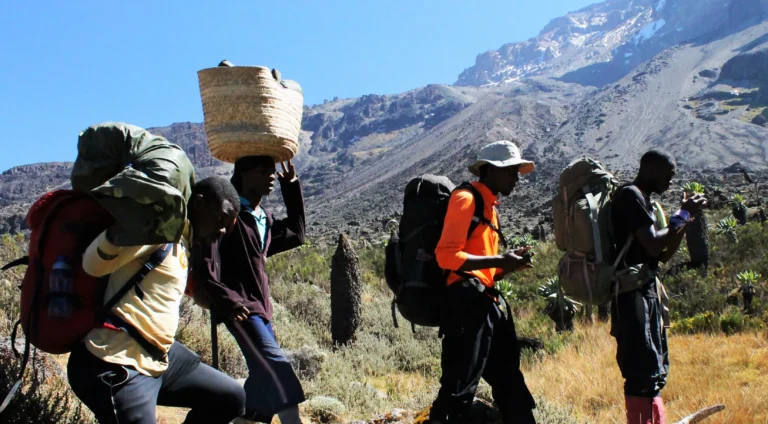
Kilimanjaro Photography Mistakes At High Altitude 2026-2027
Kilimanjaro Photography Mistakes at High Altitude is explained with current 2026-2027 planning, price, itinerary and booking information.
View package details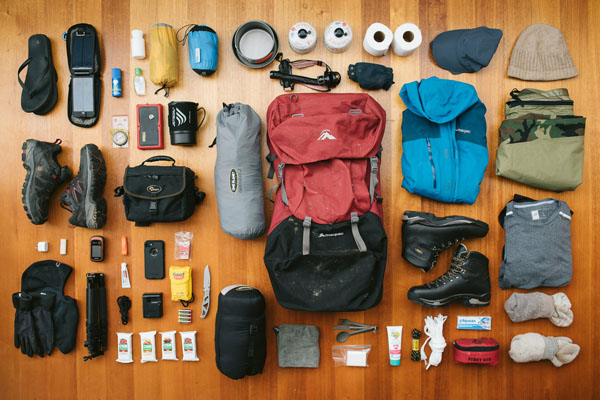
Kilimanjaro Gear-Rental Mistakes To Avoid For Your Climb 2026-2027
Planning a Kilimanjaro climb for 2026 or 2027? Renting gear can save money and hassle, but mistakes are common. This guide details the most frequent errors climbers make when renting...
View package details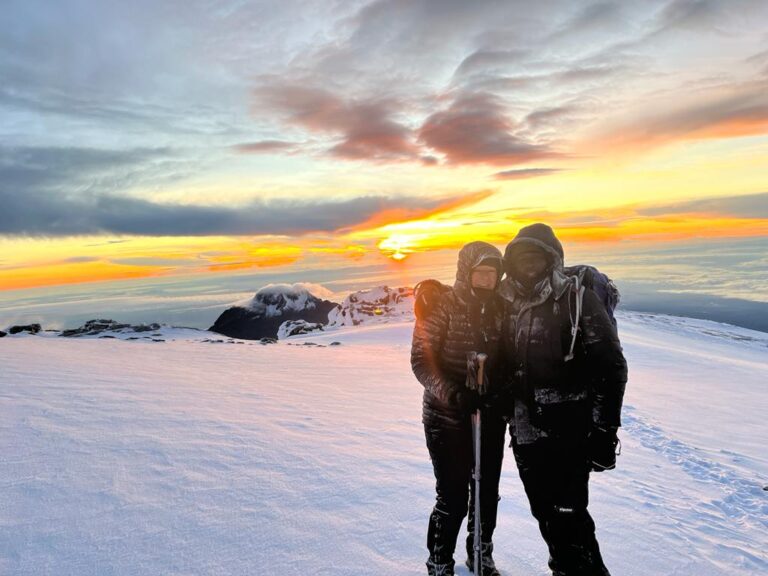
Kilimanjaro Hotel Booking Mistakes: Avoid These Pitfalls For A Smooth Climb
Booking accommodation near Kilimanjaro is crucial for a successful climb. This guide details common Kilimanjaro hotel booking mistakes to help you avoid them, ensuring comfort and readiness...
View package detailsKilimanjaro Flight-Booking Mistakes: Avoid These Pitfalls For Your Climb
Planning your Kilimanjaro climb for 2026 or 2027? Don't let flight booking errors derail your adventure. This guide covers critical mistakes to avoid, from choosing the right airport and...
View package details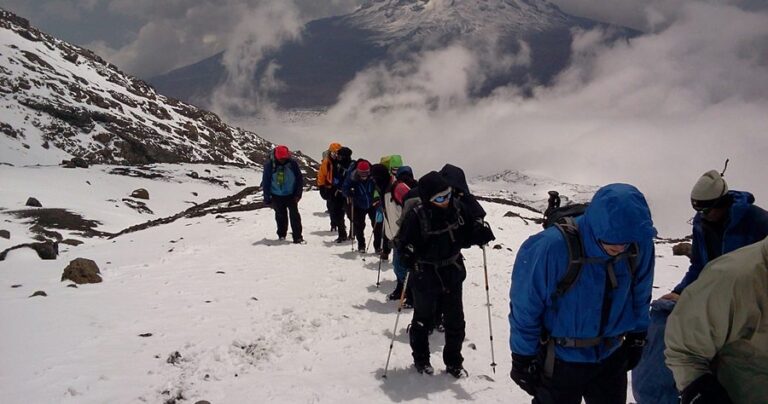
Kilimanjaro Tipping Mistakes And Etiquette: A Comprehensive Guide For Climbers
Navigating Kilimanjaro tipping can be confusing. This guide details common mistakes and proper etiquette for tipping your support crew, ensuring fair compensation and a positive experience...
View package details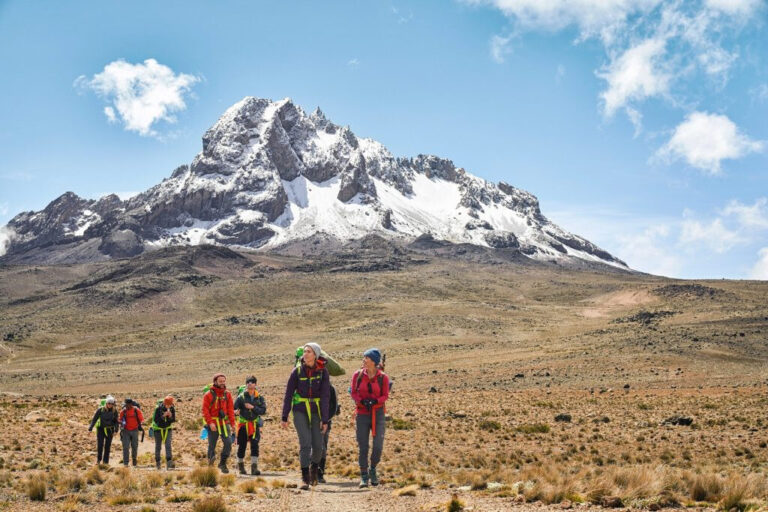
Kilimanjaro Insurance Mistakes To Avoid For A Safe Climb In 2026-2027
Climbing Mount Kilimanjaro is a dream for many, but overlooking proper insurance can turn an incredible adventure into a costly disaster. This guide details the most common Kilimanjaro...
View package details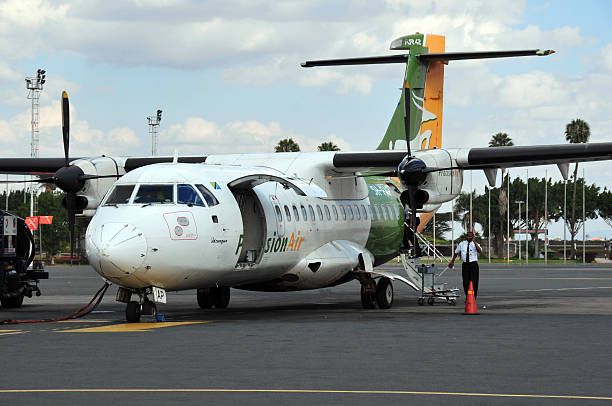
Kilimanjaro Route-Selection Mistakes 2026-2027
Kilimanjaro Route-Selection Mistakes is explained with current 2026-2027 planning, price, itinerary and booking information.
View package details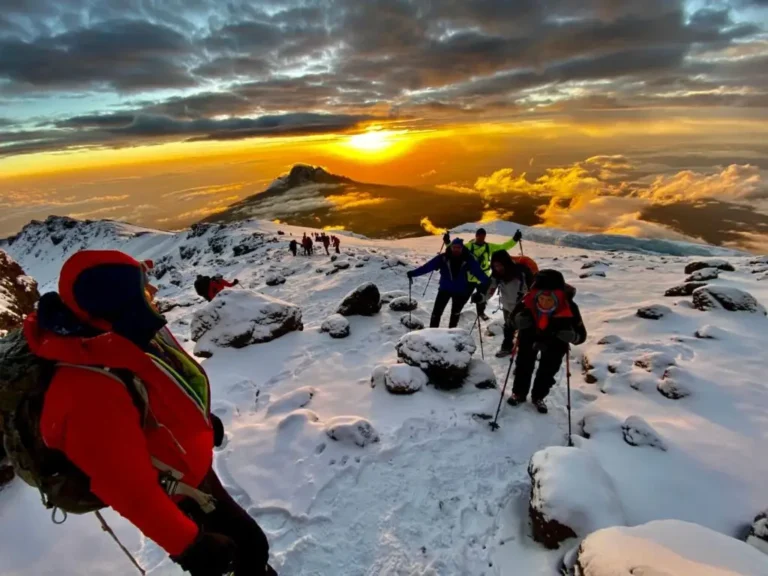
Kilimanjaro Layering Mistakes That Leave Climbers Cold: Expert Guide 2026-2027
Discover the common Kilimanjaro layering mistakes that can lead to discomfort and hypothermia. This guide provides essential tips on choosing the right gear and layering system to ensure...
View package details
Kilimanjaro Footwear Mistakes And Blister Prevention 2026-2027
Kilimanjaro Footwear Mistakes and Blister Prevention is explained with current 2026-2027 planning, price, itinerary and booking information.
View package details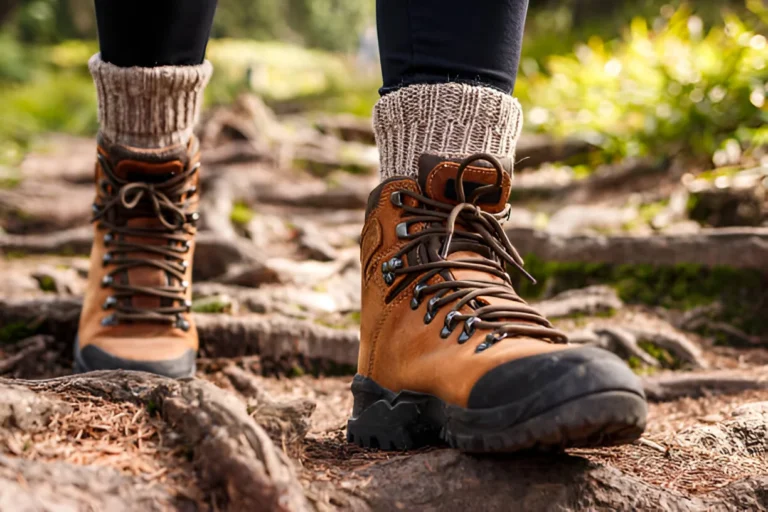
Kilimanjaro Packing Mistakes To Avoid For A Successful Climb In 2026-2027
Packing for Kilimanjaro is crucial for a successful trek. This guide details common packing mistakes to avoid, ensuring you have the right gear for the varying altitudes and conditions...
View package details
Kilimanjaro Booking Mistakes That Can Cost You Money 2026-2027
Kilimanjaro Booking Mistakes That Can Cost You Money is explained with current 2026-2027 planning, price, itinerary and booking information.
View package detailsNo related package matches those filters. Clear one or more filters to see the other topic-matched options.



