
Comparing Kilimanjaro package inclusions for your 2026-2027 climb requires a detailed look at what each tour operator offers, focusing on critical elements such as park fees, guide and porter salaries, meals, accommodation before and after the trek, safety equipment, emergency evacuation coverage, and ground transportation. Understanding these specifics will help you differentiate between operators, identify potential hidden costs, and ensure you select a package that prioritizes your safety, comfort, and overall success on the mountain.
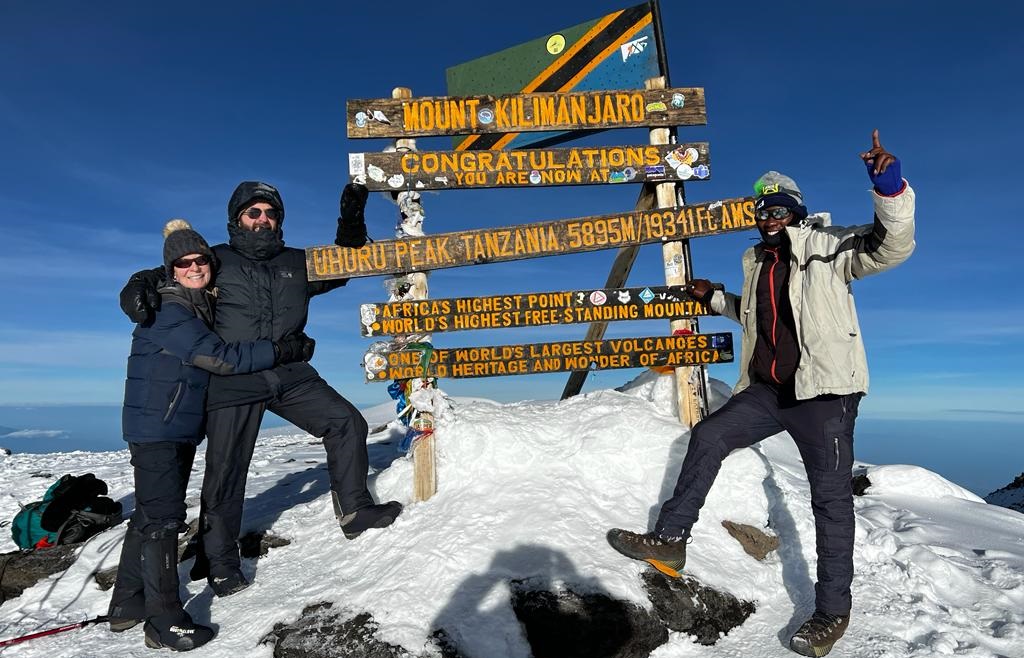
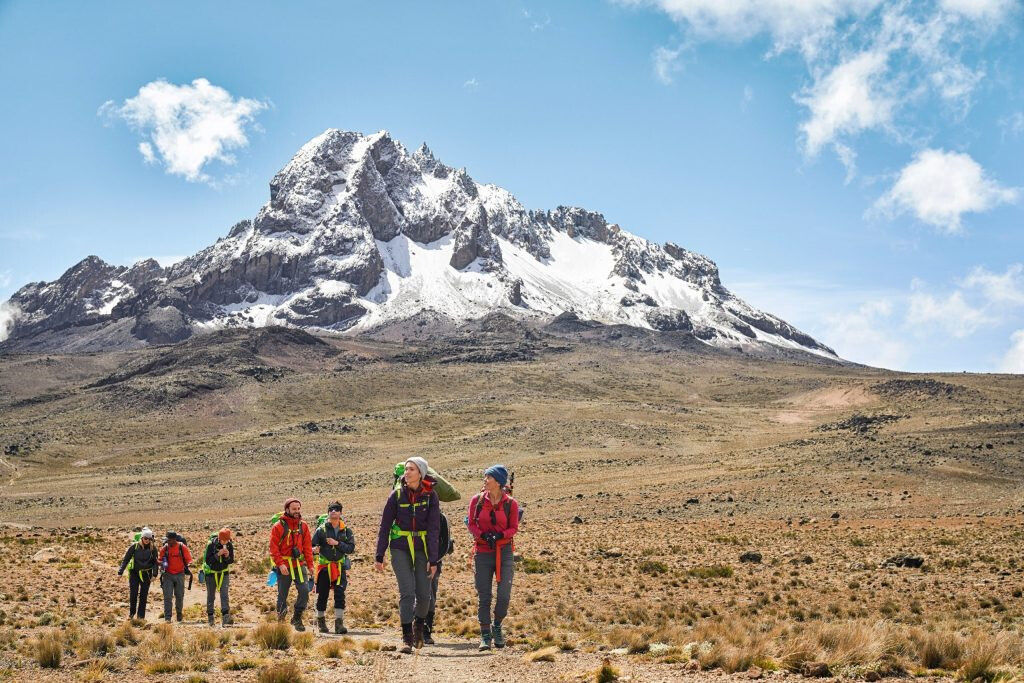
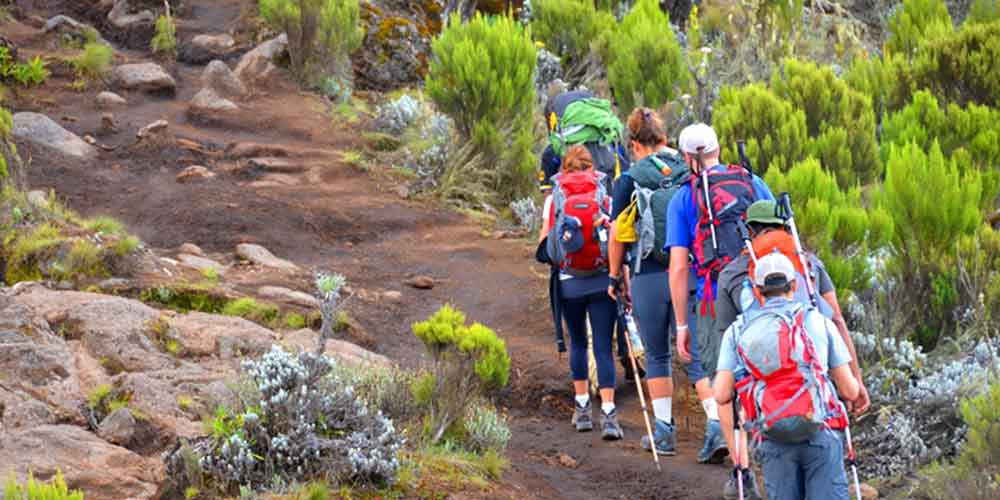
Understanding Kilimanjaro Package Inclusions: Your Essential Checklist
Planning a Kilimanjaro climb for 2026 or 2027 is an ambitious and rewarding goal. As you research different tour operators, you’ll quickly notice that prices can vary significantly. The primary reason for these differences often lies in the package inclusions – what is literally included in the price you pay. A comprehensive understanding of these inclusions is paramount to making an informed choice and avoiding unexpected expenses or compromises on quality and safety.
At Top Guide Adventures, we believe in transparency. We’ve helped countless climbers successfully reach Uhuru Peak and want to empower you with the knowledge to compare packages effectively, whether you choose us or another reputable operator. This guide will dissect every vital component of a Kilimanjaro package, detailing what to look for, what questions to ask, and how to interpret the fine print.
Core Inclusions: The Non-Negotiables for Your Kilimanjaro Climb
Certain inclusions are fundamental to any Kilimanjaro climb, regardless of the route or operator. These are the essential services and items that ensure the trek is possible, safe, and managed professionally. When you compare Kilimanjaro package inclusions, these should be the first items you verify.
1. Park Entrance Fees and Permits
This is often the single largest component of a trek cost after operational expenses. Kilimanjaro National Park is a UNESCO World Heritage Site, and its fees are substantial. Reputable operators will always include these fees in their package price. Always confirm that park entrance fees, camping/hut fees, and rescue fees are explicitly mentioned as included.
What to check:
- Are the fees for the entire duration of your climb included?
- Are there any additional conservation fees or community development levies not covered?
- For 2026-2027 climbs, ensure the operator is aware of any potential fee increases by the park authorities.
Excluding these fees means you could be faced with an additional bill of several hundred US dollars upon arrival or at the park gate, which is a common but unwelcome surprise for unprepared climbers.
2. Guide and Porter Services
The quality and professionalism of your guides and porters are critical to your safety and success. A standard Kilimanjaro package will include:
- Lead Guide(s): Typically, one lead guide for every 6-10 climbers, and often an assistant guide. They are trained in first aid and high-altitude medicine.
- Porters: These are the backbone of the climb, carrying tents, food, cooking equipment, and your main duffel bag (usually up to 15kg). The number of porters is determined by the group size and the amount of gear.
- Cook: For camping routes, a dedicated cook is essential for preparing your meals.
What to check:
- Salaries and Fair Wages: Does the package include fair wages for guides and porters? This is a crucial ethical consideration. Operators who pay their staff poorly often cut corners elsewhere. Look for operators that are KPAP (Kilimanjaro Porters Assistance Project) partners or follow similar ethical guidelines.
- Ratio of Staff to Climbers: A good ratio ensures adequate support. For example, a 1:2 guide-to-climber ratio (1 lead guide, 1 assistant guide for 2 climbers) is excellent, though 1:6 is more common. Ensure porter ratios are also sufficient.
- Experience and Training: Inquire about the guides’ certifications (e.g., Wilderness First Responder) and their experience with Kilimanjaro.
Top Guide Adventures is committed to fair treatment of our mountain crew. We ensure all our guides and porters receive fair wages, adequate food, and proper gear.
3. Meals on the Mountain
Food is vital for energy at altitude. Most packages will include three main meals a day (breakfast, lunch, dinner) plus snacks. For camping routes, this involves a cook preparing meals. For Marangu Route (hut accommodation), meals are provided in the dining halls.
What to check:
- Quality and Variety: What kind of food is provided? Is it nutritious and varied? Operators like Top Guide Adventures offer diverse menus catering to different dietary needs.
- Hydration: Does the package include boiled water for drinking and cooking? Are water purification tablets or filters provided?
- Snacks: Are energy bars, biscuits, fruits, or other snacks included?
- Dietary Requirements: Can they cater to vegetarian, vegan, gluten-free, or other dietary needs? This should be confirmed well in advance.
4. Accommodation
This refers to accommodation both before and after your climb, and on the mountain itself.
- Pre- and Post-Climb Accommodation: Most reputable operators include at least one night of accommodation in Moshi or Arusha before the climb (for briefing and gear check) and one night after the climb (for celebration and rest). This is often in a mid-range hotel.
- On-Mountain Accommodation: This varies by route. The Marangu Route uses public huts. All other routes (Machame, Lemosho, Shira, Rongai, Northern Circuit, Umbwe) use tents. Ensure the package specifies the type and quality of tents provided (e.g., 3-season or 4-season, number of people per tent).
What to check:
- Is the pre/post-climb accommodation included in a comfortable, clean hotel with amenities like hot showers and Wi-Fi?
- For camping routes, are quality tents, sleeping mats, and mess tents (for dining) included?
- What is the standard of the huts on the Marangu route if applicable?
5. Safety Equipment and Procedures
Safety should be the top priority for any Kilimanjaro operator. Essential safety provisions include:
- First-Aid Kit: A comprehensive kit carried by the lead guide.
- Oxygen: Portable oxygen cylinders for emergency use. Not all operators include this, but it’s a crucial safety item.
- Gamow Bag (Portable Altitude Chamber): A life-saving device for treating Acute Mountain Sickness (AMS). Its availability is a strong indicator of a safety-conscious operator.
- Communication: Satellite phones or two-way radios for communication between camps and with the base office.
What to check:
- Is emergency oxygen provided? How many cylinders?
- Is a Gamow Bag available?
- What communication devices are used?
- What are the operator’s emergency evacuation procedures?
Top Guide Adventures equips all our climbs with essential safety gear, including emergency oxygen and communication devices. We work closely with a local air rescue service for swift evacuations if needed.
6. Transportation
This typically covers transfers to and from Kilimanjaro International Airport (JRO) and transport to the park gates and back to your hotel after the climb.
What to check:
- Are airport transfers included?
- Is transportation to and from the Kilimanjaro National Park gates included?
- What type of vehicle is used? (e.g., comfortable safari vehicle).
Variable Inclusions: Items That Differentiate Packages
Beyond the core essentials, several other items can be included or excluded, significantly impacting the final price and your experience. Carefully comparing these variable inclusions is key to finding a package that matches your expectations and budget for a 2026-2027 climb.
7. Equipment Rental
Some operators include the rental of essential climbing gear, while others charge extra or expect you to bring your own.
What to check:
- Sleeping Bags: Are they rated for cold temperatures (e.g., -15°C to -20°C)?
- Trekking Poles: Often provided, but worth confirming.
- Waterproof Gear: Some may offer rain ponchos or jackets.
- Other items: Headlamps, gaiters, duffel bags.
Note: While convenient, rental gear might not be as high-quality or well-maintained as your own. Many climbers prefer to bring their personal, high-quality gear. However, if you’re on a tight budget, included rentals can be a significant saving.
8. Tips for Guides and Porters
Tipping is customary and expected on Kilimanjaro. Some operators include a suggested tipping amount in their package price, while others leave it entirely to the climber.
What to check:
- Is a tipping guideline provided?
- Are tips pre-paid as part of the package, or are you expected to tip in cash at the end of the climb?
Including a tipping estimate can help you budget more accurately. Operators that provide clear tipping guidelines often do so because they also ensure their staff are well-compensated, making the tipping amount a bonus rather than a necessity.
9. Travel Insurance
Comprehensive travel insurance is usually mandatory for Kilimanjaro climbs. However, not all operators include it in their package price.
What to check:
- Altitude Coverage: Ensure your insurance covers high-altitude trekking up to 6,000 meters.
- Emergency Evacuation: This is the most critical component. Ensure it covers helicopter evacuation from Kilimanjaro.
- Trip Cancellation/Interruption: Covers unforeseen events preventing you from completing your trip.
- Medical Expenses: Covers treatment for illness or injury.
Most operators will require proof of insurance, but they may not offer it as part of the package. Always verify what your policy covers.
10. Pre-Climb Briefing and Gear Check
A thorough briefing and gear check the day before your climb is standard practice for responsible operators.
What to check:
- Is this included? (It almost always is, but worth confirming).
- Does it include advice on acclimatization, nutrition, and what to expect each day?
11. Bottled Water or Purification
While operators provide boiled water, some might offer bottled water or purification tablets as an added convenience.
What to check:
- Is drinking water provided throughout the climb?
- Are purification methods (boiling, filters, tablets) clearly stated?
12. Celebratory Items
Some operators include small touches like a celebratory drink or certificate upon reaching the summit.
What to check:
- Are there any celebratory gestures included?
These are minor points but can add to the overall experience.
Exclusions: What is Typically NOT Included?
Understanding what is not included is just as important as knowing what is. Common exclusions are:
- International Flights: Flights to and from Kilimanjaro International Airport (JRO).
- Visa Fees: For Tanzania.
- Travel Insurance: As mentioned, usually mandatory but purchased separately.
- Personal Climbing Gear: Unless specified, you’ll need to bring your own boots, clothing, backpack, etc.
- Lunches and Dinners in Town: Meals on non-climbing days in Moshi/Arusha are often not included.
- Alcoholic Beverages and Soft Drinks: Beyond basic water and possibly juice with meals.
- Personal Porter: Some operators offer the option to hire a personal porter for your duffel bag at an extra cost.
- Gratuities (Tips): Usually expected for guides, porters, and cooks, unless stated otherwise.
- Medications and Personal First-Aid Supplies: While guides have kits, it’s wise to carry your personal medications.
- Battery Charging: Available in some hotels but not on the mountain.
Comparing Routes and Their Impact on Inclusions
The route you choose for your Kilimanjaro climb (e.g., Machame, Lemosho, Marangu, Rongai, Northern Circuit) can influence the specific inclusions and how they are delivered. While core services remain the same, the type of accommodation and duration can vary.
- Marangu Route: Uses public huts. The package will reflect hut fees rather than camping fees.
- Camping Routes (Machame, Lemosho, Shira, Rongai, Umbwe, Northern Circuit): Use tents. The package must specify the quality of tents, sleeping mats, and the provision of a mess tent.
- Duration: Longer routes like the Northern Circuit (9 days) or Lemosho (7-8 days) will naturally have higher park fees and more food/staff days compared to shorter routes like Marangu or Rongai (5-6 days). Ensure the package duration aligns with the route’s standard length.
When comparing, ensure the operator clearly states which route the package is for and that all associated costs for that specific route are itemized or clearly included.
Key Questions to Ask When Comparing Kilimanjaro Packages
Don’t hesitate to ask detailed questions. A reputable operator will be happy to provide clear answers. Here are essential questions to help you compare Kilimanjaro package inclusions:
- Are all park fees, conservation fees, and rescue fees included in your quoted price?
- What is the ratio of guides to climbers? What about porters?
- Are your guides certified in Wilderness First Aid or higher medical training?
- Do you pay your porters fairly? Are you a KPAP partner or do you follow similar ethical standards?
- What specific safety equipment is carried on every climb (e.g., emergency oxygen, Gamow Bag)?
- What type of accommodation is provided before and after the climb?
- What is the quality of the tents and camping equipment provided?
- Can you accommodate specific dietary requirements? How?
- What is your emergency evacuation plan? Do you have a relationship with a local rescue service?
- Are tips for the crew included, or are we expected to tip separately? If separate, what is the recommended amount?
- What is the cancellation policy?
- What is the group size typically for your climbs? Do you offer private climbs?
Price vs. Value: Making Sense of Different Costings
It’s tempting to opt for the cheapest package, but this can be a false economy on Kilimanjaro. Low prices often indicate compromises in safety, crew welfare, food quality, or equipment.
When comparing Kilimanjaro package inclusions, consider the value proposition:
- High Inclusions = Higher Price, Better Value: Packages that include almost everything (park fees, good food, quality gear, safety equipment, fair wages for staff) will naturally cost more but offer peace of mind and a higher chance of success and safety.
- Low Inclusions = Lower Price, Potential Hidden Costs: Packages that seem cheap might exclude crucial items like park fees or adequate food, leading to significant unexpected expenses. They might also use less experienced staff or lower-quality equipment.
For your 2026-2027 climb, aim for a mid-range to upper-mid-range package from a reputable operator. This typically offers the best balance of cost, quality, safety, and ethical practices.
A Note on Ethical Trekking
Choosing an operator that prioritizes the welfare of its guides and porters is crucial. Look for companies that are transparent about their employment practices and support initiatives like the Kilimanjaro Porters Assistance Project (KPAP). This not only ensures fair treatment for the mountain crew but often correlates with higher quality service and a safer climb for you.
Comparing Specific Inclusions: A Deeper Dive
Let’s break down some of the more nuanced aspects of inclusions that can distinguish one package from another.
Tents and Camping Gear Quality
For the camping routes, the quality of tents is paramount. A good operator will provide:
- Spacious Dome Tents: Typically 3-person tents for 2 people, offering more room and comfort.
- High-Quality Materials: Waterproof and windproof fabrics, strong poles, and good ventilation to combat the mountain’s harsh conditions. Brands like The North Face, Macpac, or similar quality are good indicators.
- Separate Mess Tent: A dedicated tent for dining, often equipped with tables and chairs, providing a comfortable space to eat, especially during inclement weather.
- Toilet Tent: For privacy and comfort, especially during the night.
What to watch out for: Operators offering basic, low-quality tents that may not withstand strong winds or heavy rain. Ensure sleeping mats are comfortable and insulating.
Food Quality and Preparation
The food on Kilimanjaro can range from basic to surprisingly gourmet. A good package includes:
- Nutritious and Varied Menu: Breakfasts might include porridge, eggs, toast. Lunches often feature sandwiches, salads, or hot soups. Dinners are typically hearty meals like stews, pasta, rice dishes, and chicken or beef.
- Fresh Ingredients: Where possible, especially at lower altitudes.
- High-Energy Snacks: Biscuits, cookies, chocolate, fruit, and sometimes energy bars.
- Beverages: Boiled water is standard. Some may offer tea, coffee, or hot chocolate.
What to watch out for: Packages that mention very basic food or rely heavily on pre-packaged meals. Confirm they can handle your dietary needs well in advance.
Guide and Porter Support Structure
Beyond just numbers, the experience and training of your guides are crucial. Top Guide Adventures ensures our guides:
- Have extensive experience on Kilimanjaro.
- Hold certifications in Wilderness First Aid (WFA) and CPR.
- Are trained in high-altitude physiology and AMS management.
- Are fluent in English and possess strong communication skills.
Porters are also vital. Ensure the package details fair treatment, including adequate food, shelter, and appropriate clothing. For 2026-2027 climbs, ethical treatment is becoming an even more significant factor for conscientious travelers.
Emergency Response Protocols
This is where budget operators often fall short. A robust emergency plan includes:
- Dedicated Rescue Team: Some larger operators have their own rescue teams or work exclusively with specific air rescue services.
- Clear Communication Chain: How a medical emergency is reported and actioned.
- Regular Check-ins: Base office tracking the progress of each team on the mountain.
- Contingency Planning: What happens if a rescue is delayed due to weather?
Always ask about the specific emergency evacuation procedures and the availability of critical equipment like oxygen and a Gamow Bag.
Tailoring Your Kilimanjaro Package for 2026-2027
While many operators offer standard packages, the best ones allow for customization. This is where you can truly compare and refine your choice.
- Private vs. Group Climbs: A private climb offers more flexibility and personalized attention but comes at a higher cost. Group climbs are more economical. Ensure the package clearly states whether it’s a private or shared group.
- Route Extensions/Combinations: Some operators might offer extensions, like a safari after your climb, which can sometimes be bundled into a comprehensive package.
- Luxury Options: For those seeking more comfort, some operators offer upgraded gear, private toilet tents, or even private chefs on certain routes.
- Custom Itineraries: If you have specific needs or preferences (e.g., a slower pace, specific acclimatization days), a good operator will work with you to build a tailor-made itinerary.
When comparing, consider if the operator is flexible enough to meet your specific needs for a 2026 or 2027 climb.
Understanding Pricing Structures: What Drives the Cost?
The price of a Kilimanjaro package is influenced by numerous factors, and understanding these helps in comparing inclusions effectively.
- Operator Type: Local vs. International. Local operators like Top Guide Adventures often have lower overheads and direct control over operations, potentially offering better value. International operators may have higher marketing costs.
- Group Size: Smaller groups or private climbs are more expensive per person.
- Route Choice: Longer routes cost more due to extra days, staff, food, and park fees.
- Quality of Service: Higher quality food, gear, and experienced guides command higher prices.
- Ethical Practices: Fair wages and good treatment for staff add to operational costs but are essential.
- Inclusions: As detailed throughout this article, the more items included, the higher the initial price, but it often saves money and hassle later.
Key takeaway: Don’t just compare the final price. Compare the value provided by the inclusions. A slightly more expensive package that includes everything crucial for safety and comfort is usually a better investment for your 2026-2027 Kilimanjaro adventure.
Tips for a Smooth Kilimanjaro Climb in 2026-2027
Once you’ve compared packages and chosen an operator, focus on preparation:
- Physical Training: Start months in advance. Focus on cardiovascular fitness and endurance.
- Acclimatization: Choose a longer route (7+ days) for better acclimatization. Follow the ‘pole pole’ (slowly, slowly) principle on the mountain.
- Gear: Invest in good quality, broken-in gear. Layering is key.
- Hydration and Nutrition: Drink plenty of water and eat well on the mountain.
- Mental Preparation: Kilimanjaro is physically and mentally demanding. Stay positive and focused.
By meticulously comparing Kilimanjaro package inclusions, you set yourself up for a well-prepared, safe, and successful climb. For reliable, ethical, and comprehensive Kilimanjaro climbing experiences for your 2026 or 2027 adventure, consider Top Guide Adventures. We are dedicated to providing personalized attention and complete travel experiences across Tanzania.
For inquiries or to discuss your personalized Kilimanjaro climb package, please reach out to us:
- WhatsApp: +255616946642
- Email: topguideadventures@gmail.com
- Backup Email: info@topguideadventures.com
Visit our website for more information on our Tanzania tours and safaris, including specific details on our Machame Route Kilimanjaro group departures. We look forward to helping you achieve your dream of climbing Kilimanjaro!
Check Availability for How To Compare Kilimanjaro Package Inclusions For Your Climb 2026-2027
Ready to compare dates, prices, and the best option for your group? Send the package name and travel month so the team can reply with a clear quote, availability, and what is included.
Kilimanjaro Climb With Materuni Recovery Day 2026-2027
Kilimanjaro Climb with Materuni Recovery Day is explained with current 2026-2027 planning, price, itinerary and booking information.
View package details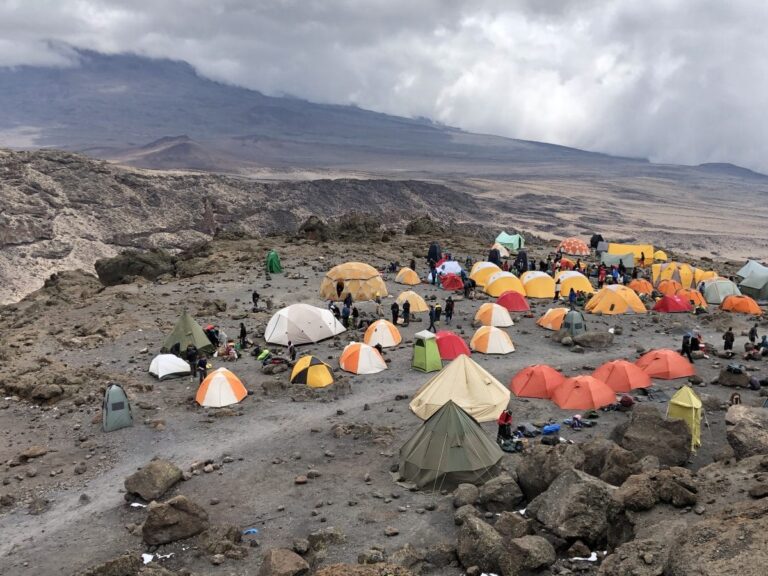
Kilimanjaro Climb With Lake Chala Relaxation Day: Your Ultimate Post-Trek
Experience the ultimate Kilimanjaro adventure followed by serene relaxation at Lake Chala. This guide details how to combine these incredible Tanzanian experiences, covering itineraries...
View package details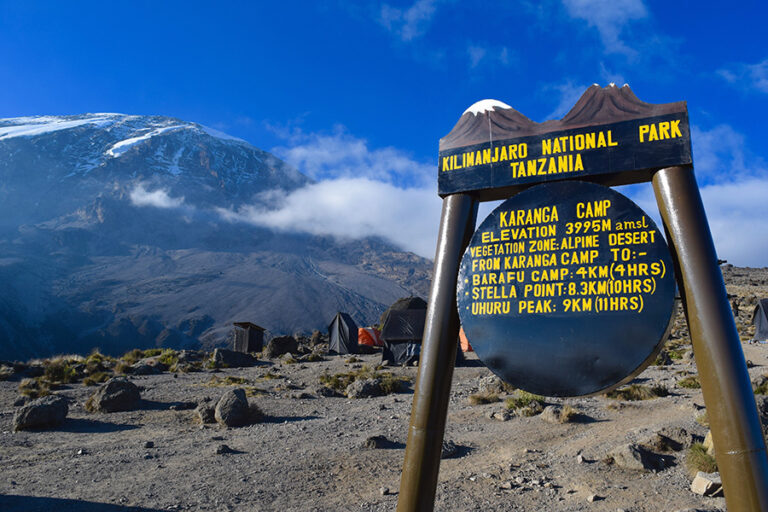
Kilimanjaro Climb & West Safari: The Ultimate Tanzania Adventure 2026-2027
Experience the pinnacle of Tanzania with a combined Kilimanjaro climb and West Kilimanjaro safari. This guide details itineraries, preparation, and what to expect for your 2026-2027...
View package details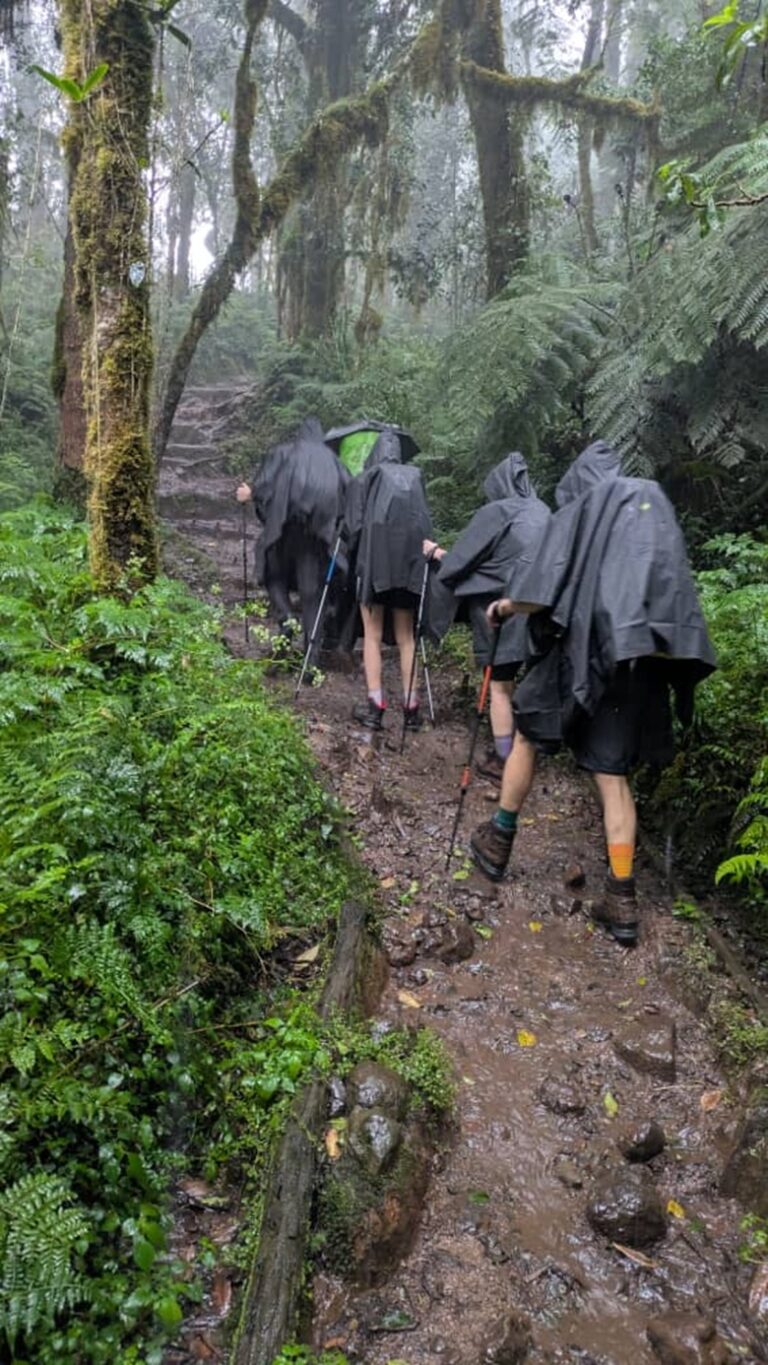
Kilimanjaro Climb With Mkomazi Rhino Safari 2026-2027
Kilimanjaro Climb with Mkomazi Rhino Safari is explained with current 2026-2027 planning, price, itinerary and booking information.
View package details
Kilimanjaro Climb With Amboseli Safari Extension: Your Ultimate Tanzania
Experience the pinnacle of African adventure by combining a challenging Kilimanjaro climb with a impressive safari in Amboseli National Park. This guide details itineraries, costs, best...
View package details
21-Day Kilimanjaro And Complete Tanzania Holiday: Your Ultimate Adventure
This comprehensive 21-day itinerary offers the ultimate Tanzanian adventure, merging the challenge of climbing Mount Kilimanjaro with the wildlife wonders of its famed national parks and...
View package details
18-Day Kilimanjaro And Northern Tanzania Grand Adventure: Trek, Safari &
An 18-day itinerary blending Kilimanjaro's summit with Northern Tanzania's wildlife and culture offers a comprehensive African experience. This adventure typically includes a multi-day trek...
View package details
17-Day Kilimanjaro, Serengeti, Ngorongoro & Zanzibar Tour: Your Ultimate
This 17-day tour combines the iconic Mount Kilimanjaro climb with unparalleled wildlife safaris in the Serengeti and Ngorongoro Crater, culminating in a relaxing beach escape in Zanzibar...
View package details
15-Day Kilimanjaro, Great Migration & Zanzibar Beach Package | Top Guide
Combine the thrill of summiting Mount Kilimanjaro, witnessing the iconic Great Migration in the Serengeti, and unwinding on the pristine beaches of Zanzibar in one unforgettable 15-day...
View package details
13-Day Kilimanjaro Climb, Cultural Tour & Zanzibar Holiday: Your Ultimate
This 13-day itinerary offers an unparalleled Tanzanian experience, blending the thrill of conquering Mount Kilimanjaro with deep cultural exploration and the serene beauty of Zanzibar...
View package details
11-Day Kilimanjaro Acclimatization, Summit And Safari Package 2026-2027
11-Day Kilimanjaro Acclimatization, Summit and Safari Package is explained with current 2026-2027 planning, price, itinerary and booking information.
View package details
Final 48-Hour Checklist Before Kilimanjaro 2026-2027
Final 48-Hour Checklist before Kilimanjaro is explained with current 2026-2027 planning, price, itinerary and booking information.
View package detailsNo related package matches those filters. Clear one or more filters to see the other topic-matched options.



