
To confirm Kilimanjaro rescue coverage, you must meticulously review your tour operator’s inclusions, understand their emergency protocols, and verify that your travel insurance specifically covers high-altitude mountain rescue and emergency evacuation. Reputable operators, like Top Guide Adventures, will clearly state their rescue provisions, which typically involve trained guides, communication equipment, and coordination with park authorities and private rescue services. For climbs planned in 2026 and 2027, always get these details in writing and ensure your insurance policy aligns with the high-altitude demands of Kilimanjaro.
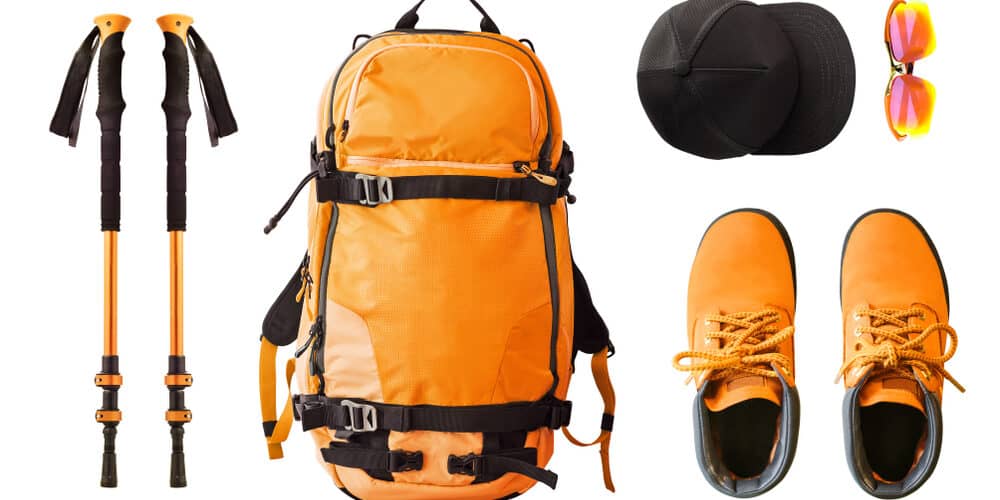
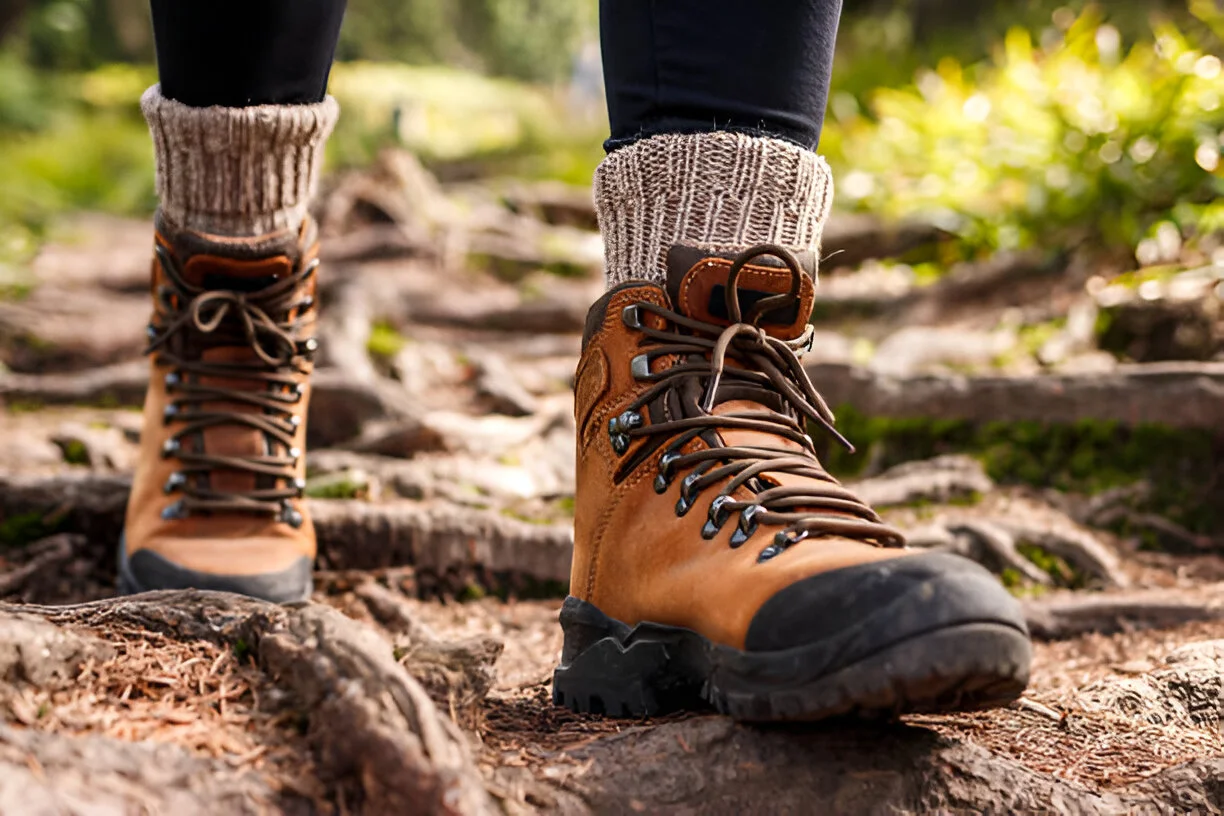
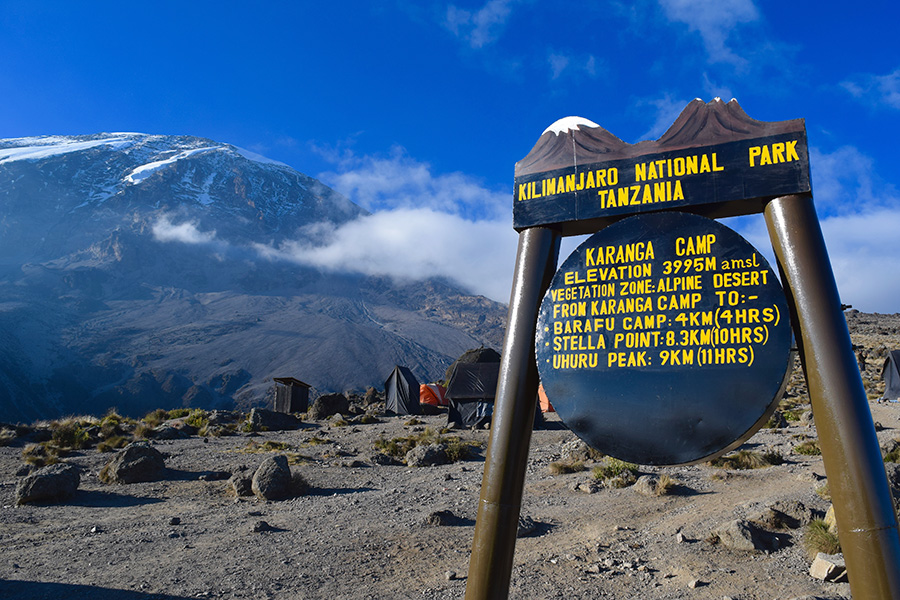
Understanding Kilimanjaro Rescue Coverage: What Every Climber Needs to Know
Climbing Mount Kilimanjaro is an extraordinary adventure, a journey to the Roof of Africa that demands thorough preparation. While the allure of the summit is powerful, so too is the importance of safety. Central to this safety is understanding Kilimanjaro rescue coverage. This isn’t just about having a plan; it’s about having the right plan, the right resources, and the right support should an emergency arise on the mountain. For trekkers planning their ascent in 2026 or 2027, clarity on rescue coverage is non-negotiable.
Many aspiring climbers focus on the physical training, the gear, and the itinerary, sometimes overlooking the critical aspect of emergency response. What happens if someone gets altitude sickness? What if there’s an injury? Who is responsible for getting them down safely and to medical care? These questions lead directly to the concept of Kilimanjaro rescue coverage, a multifaceted element involving your tour operator, park regulations, and your personal insurance.
At Top Guide Adventures, we prioritize climber safety above all else. We understand that peace of mind is as vital as sturdy hiking boots when you’re thousands of meters above sea level. This comprehensive guide is designed to demystify Kilimanjaro rescue coverage, providing you with the knowledge to confirm you are adequately protected for your 2026-2027 Kilimanjaro expedition. We’ll explore what constitutes effective rescue coverage, how to verify it with your chosen operator, the role of insurance, and the specific measures Top Guide Adventures takes to ensure your well-being.
The Essential Components of Kilimanjaro Rescue Coverage
Kilimanjaro rescue coverage is not a single service but a combination of coordinated efforts and resources designed to ensure the safety and evacuation of climbers in distress. For a climb in 2026 or 2027, understanding these components will help you assess the quality of coverage provided by any operator.
1. Operator’s In-House Rescue Capabilities and Protocols
The first line of defense in any emergency on Kilimanjaro is the tour operator’s own team. A responsible operator will have well-defined emergency protocols and trained personnel ready to act. This includes:
- Experienced Guides: Your guides are trained in wilderness first aid, recognizing symptoms of altitude sickness (AMS), hypothermia, and other potential issues. They are equipped to make critical decisions regarding descent.
- Communication Systems: Reliable communication is key. This means ensuring guides have access to satellite phones, radios, or other devices that can reach park rangers and the base camp. Battery life and signal reliability are crucial considerations.
- Emergency Kits: Guides carry comprehensive first-aid kits, including oxygen, portable stretcher (if applicable to the route and operator), and medications for common ailments.
- Porter Support for Evacuation: In many cases, if a climber needs to descend due to illness or injury, a team of porters will be mobilized to assist in carrying the individual down, especially on steeper or more challenging sections of the trail.
- Coordination with Park Rangers: Guides work closely with Kilimanjaro National Park rangers, who are stationed at various points on the mountain and are part of the official rescue chain.
When planning your 2026-2027 climb, inquire about the specific training your guides receive and the communication equipment they use. Top Guide Adventures ensures all our guides undergo regular training and are equipped with the necessary tools for effective communication and emergency response.
2. Kilimanjaro National Park’s Role and Rescue Services
Kilimanjaro National Park (KINAPA) plays a significant role in mountain rescue operations. They maintain a network of park rangers and have established rescue points and procedures.
- Ranger Stations: Rangers are present at various gates and camps along the popular routes. They are often the first official responders and can facilitate communication and the initial stages of rescue.
- Mandatory Rescue Fees: KINAPA charges a mandatory rescue fee for every climber. This fee contributes to the park’s general rescue infrastructure and services. It’s essential to confirm that your operator includes this fee in their package.
- Cooperation with Private Services: While park rangers provide initial support, for more serious evacuations, KINAPA often collaborates with private mountain rescue services, especially for reaching remote areas or providing advanced medical transport.
The mandatory rescue fee is a critical part of Kilimanjaro rescue coverage. Ensure your operator explicitly states this is included in their quoted price for your 2026-2027 expedition. Top Guide Adventures always includes the KINAPA rescue fee in our transparent pricing.
3. Private Mountain Rescue Services
For comprehensive and rapid evacuation, especially from higher altitudes or difficult terrain, private mountain rescue services are often engaged. These services are typically contracted by tour operators or are part of your travel insurance policy.
- Specialized Evacuation Teams: These teams are trained for high-altitude rescues and often have access to specialized equipment like stretchers, ropes, and even mechanical winches in extreme cases (though winches are rarely used on Kilimanjaro itself due to terrain and accessibility).
- Medical Support: Private services may offer more advanced medical support during evacuation, including paramedics.
- Coordination with Hospitals: They coordinate the transfer of the evacuated climber to the nearest appropriate medical facility, often in Moshi or Arusha.
The involvement of private rescue services is a key differentiator between operators. Some smaller operators might rely solely on park rangers and basic porter assistance, which may not be sufficient for all emergencies. Top Guide Adventures partners with reputable private rescue organizations to ensure the highest level of emergency support for our clients climbing in 2026 and 2027.
4. Travel Insurance with High-Altitude Rescue Coverage
This is arguably the most crucial element of personal Kilimanjaro rescue coverage. Your tour operator’s rescue capabilities are essential, but the financial responsibility for an extensive evacuation, medical treatment, and repatriation often falls on the climber unless they have adequate insurance.
- Mandatory Altitude Limit: Ensure your policy covers trekking up to 6,000 meters (19,700 feet), the summit of Kilimanjaro. Many standard travel insurance policies have lower altitude limits.
- Emergency Evacuation and Repatriation: This should cover the cost of getting you from the mountain to a medical facility and back home if necessary. This can be extremely expensive.
- Medical Expenses: Cover for treatment received at hospitals and clinics.
- Search and Rescue: Specifically cover costs associated with search and rescue operations.
- Trip Cancellation/Interruption: While not directly rescue coverage, this can be vital if you are unable to complete your climb due to illness or injury before or during the trek.
It is vital to read the fine print of any travel insurance policy. Do not assume that standard coverage is sufficient. For your 2026-2027 Kilimanjaro climb, confirm the specific wording related to high-altitude trekking and emergency evacuation.
How to Confirm Your Operator’s Kilimanjaro Rescue Coverage
Confirming the specifics of Kilimanjaro rescue coverage requires proactive inquiry and careful review of information provided by your tour operator. Here’s a step-by-step approach:
1. Scrutinize the Operator’s Inclusions List
A reputable tour operator will clearly detail what their package includes regarding safety and rescue. Look for specific mentions of:
- Inclusion of KINAPA Rescue Fee: This should be explicitly stated.
- Provision of Oxygen: Whether emergency oxygen is carried for clients.
- Emergency Communication Devices: Mention of satellite phones or similar equipment.
- Partnerships with Rescue Services: If they work with specific private rescue companies.
- Guide Training Standards: Any certifications or training protocols for their guides.
Top Guide Adventures provides a detailed breakdown of inclusions for every Kilimanjaro climb package. We believe in transparency, so you know exactly what to expect regarding safety provisions for your 2026-2027 trek.
2. Request Specific Documentation
Don’t hesitate to ask for written confirmation of their rescue policies and procedures. This could include:
- Emergency Protocol Outline: A brief document explaining their steps in case of an emergency.
- Confirmation of Rescue Fee Inclusion: A statement confirming the KINAPA rescue fee is covered.
- Details on Rescue Partners: If they partner with a specific private rescue firm, ask for information about that firm’s capabilities.
When you book with Top Guide Adventures, we are happy to provide all necessary documentation to assure you of our commitment to your safety on Kilimanjaro.
3. Read Reviews and Testimonials
While not a direct confirmation, reviews from previous clients can offer insights into an operator’s performance during emergencies. Look for comments regarding:
- How the operator handled medical issues or difficult situations.
- The responsiveness and professionalism of guides and support staff.
- Any mention of rescue operations.
Client feedback on platforms like TripAdvisor provides valuable perspectives on our service. We are proud of the positive reviews we’ve received, reflecting our dedication to client care, including safety protocols. Read our client testimonials here.
4. Direct Communication (Phone/Email/WhatsApp)
The most effective way to confirm details is to ask directly. Contact the operator with your specific questions about Kilimanjaro rescue coverage. A good operator will be knowledgeable, transparent, and reassuring.
Top Guide Adventures is always available to answer your questions. You can reach us via:
- WhatsApp: +255616946642
- Email: topguideadventures@gmail.com
- Backup Email: info@topguideadventures.com
We encourage potential climbers for 2026 and 2027 to reach out with any concerns about safety and rescue coverage.
Verifying Your Travel Insurance for Kilimanjaro
Your personal travel insurance is your ultimate safety net. Simply having travel insurance is not enough; it must be specifically suited for a Kilimanjaro climb. Here’s how to ensure yours is adequate for 2026-2027:
1. Check the Altitude Limit
This is the single most critical factor. Kilimanjaro stands at 5,895 meters (19,341 feet). Your policy must cover activities up to at least 6,000 meters. Many standard policies exclude coverage above 2,500 or 3,000 meters. You need specialist adventure travel insurance.
2. Confirm Emergency Evacuation and Repatriation Coverage
This is where the costs can escalate dramatically. A helicopter evacuation from high on Kilimanjaro, or transport to a hospital in Nairobi, can cost tens of thousands of dollars. Ensure your policy has a high limit for:
- Emergency Medical Evacuation: Covers the cost of medically necessary transport from the point of an accident or illness to the nearest adequate medical facility.
- Repatriation: Covers the cost of returning you to your home country if you are too ill or injured to travel on your own.
3. Look for Specific “Search and Rescue” Coverage
Some policies might cover medical treatment but not the actual cost of the search and rescue operation itself, which can be substantial. Ensure this is explicitly included.
4. Review Medical Expense Coverage
Beyond evacuation, ensure your policy covers:
- Hospital stays
- Doctor’s fees
- Medication
- Emergency dental treatment (sometimes overlooked but important)
5. Understand Policy Exclusions and Pre-existing Conditions
Be honest about any pre-existing medical conditions. Failure to disclose them can invalidate your policy. Also, check for exclusions related to:
- High-risk activities (though trekking Kilimanjaro is usually covered if declared).
- Travel to certain regions (ensure Tanzania is covered).
- Improper use of medication or alcohol.
6. Get It in Writing
Once you’ve chosen a policy, save a copy of the policy document and the emergency contact number. Many insurers provide a dedicated 24/7 emergency assistance line. Keep this number accessible.
7. Recommended Insurers (Examples)
While Top Guide Adventures does not sell insurance, we recommend climbers research providers known for covering high-altitude trekking. Examples include (but are not limited to):
- World Nomads
- World First
- Global Rescue (often an add-on or separate membership)
- Travelex (check specific adventure policies)
- Allianz Travel Insurance (check specific adventure policies)
Always double-check the policy details directly with the insurer before purchasing, especially for your 2026 or 2027 climb.
Important Note on Insurance and Operators:
Some tour operators may require proof of specific insurance coverage as a condition of booking. Others might offer their own insurance or recommend a specific provider. While this can simplify the process, it’s always wise to independently verify that the recommended insurance meets all your needs, particularly the altitude and rescue coverage requirements for Kilimanjaro.
What to Expect During an Emergency Evacuation on Kilimanjaro
Understanding the potential evacuation process can help demystify the experience and reduce anxiety. While every situation is unique, here’s a general outline of what typically happens during an emergency evacuation on Kilimanjaro:
1. Recognition and Initial Response
The process begins when a guide or fellow climber notices a climber is in distress. This could be due to:
- Acute Mountain Sickness (AMS): Symptoms like headache, nausea, dizziness, fatigue, and loss of appetite. Severe AMS can progress to HAPE (High Altitude Pulmonary Edema) or HACE (High Altitude Cerebral Edema), which are life-threatening.
- Injury: Sprains, fractures, or falls.
- Exhaustion or Dehydration.
The guide will assess the situation using their training. If the condition is serious, the primary decision is often whether the climber can descend under their own power, with assistance, or requires a full evacuation.
2. Communication and Alerting Authorities
The guide will use their satellite phone, radio, or relay through other team members to contact:
- Park Rangers: Informing them of the situation and location.
- Base Camp: To coordinate support and resources.
- Emergency Contact (if applicable): If the situation is immediately life-threatening and requires swift external intervention.
3. Stabilisation and Initial Descent
While waiting for further assistance or evacuation teams, the guide will administer first aid and attempt to stabilize the climber. This might involve:
- Administering oxygen.
- Providing medication (e.g., Diamox for AMS, pain relievers).
- Ensuring the climber is warm and hydrated.
- Beginning a slow, careful descent if the climber is mobile enough.
4. Mobilizing Rescue Teams
Depending on the severity and location:
- Park Rangers: May assist in guiding the descent or providing basic support.
- Porters: A dedicated team of porters might be dispatched to carry the climber on a stretcher, especially down steep sections.
- Private Rescue Services: If the operator has contracted services or if the insurance company authorizes it, a specialized team might be deployed. This is more common for severe cases or when a climber is stranded in a difficult-to-reach spot.
5. Evacuation to Medical Facilities
Once the climber reaches a lower altitude or a point accessible by vehicle (usually at one of the park gates like Marangu or Mweka), they will be transferred to:
- Local Clinics: For minor issues.
- Hospitals in Moshi or Arusha: For more serious conditions requiring hospitalization.
- Referral to Nairobi: In very critical cases, patients might be airlifted to specialized hospitals in Nairobi, Kenya, or even repatriated home, depending on insurance coverage.
6. Role of the Insurance Company
If you have comprehensive travel insurance, you (or your guide/operator on your behalf) will need to contact your insurance provider’s emergency assistance line as soon as possible. They will guide you through the process, authorize necessary treatments and evacuations, and arrange for direct payment to providers where possible, or reimburse you later.
Top Guide Adventures works closely with clients and their insurance providers to facilitate swift and effective emergency responses. For your 2026-2027 climb, ensure you have the emergency contact details for your insurer readily available.
Factors Influencing the Cost of Kilimanjaro Rescue
While the KINAPA rescue fee is mandatory and relatively small, the true cost of a serious rescue operation can be substantial. Understanding these costs helps underscore the importance of adequate insurance and choosing an operator with robust rescue provisions.
- Distance from Gate/Camp: The further up the mountain an evacuation is needed, the more complex and costly it becomes.
- Terrain: Steep, rocky, or slippery terrain significantly increases the difficulty and time required for manual evacuation by porters or rescue teams.
- Required Equipment: Specialized stretchers, ropes, or oxygen supplies add to the cost.
- Personnel Involved: The number of guides, porters, or professional rescuers required, and their time.
- Transportation: Ambulance services from the gate to the hospital, and potentially air ambulance services.
- Medical Treatment: Hospitalization, surgery, medication, and intensive care.
- Repatriation: The cost of flying a patient home, potentially requiring a medical escort.
A significant emergency evacuation and medical treatment can easily run into tens of thousands of US dollars. This is why confirming your Kilimanjaro rescue coverage, especially through comprehensive travel insurance, is crucial for any trekker planning for 2026 or 2027.
Choosing an Operator: How Top Guide Adventures Ensures Your Safety
When you choose Top Guide Adventures for your Kilimanjaro climb in 2026 or 2027, you are selecting a company deeply committed to your safety and well-being. We understand the risks inherent in high-altitude trekking and have established protocols to mitigate them.
Our Commitment to Safety Includes:
- Highly Trained Guides: Our guides are certified in Wilderness First Aid and CPR, with extensive experience on Kilimanjaro. They are trained to recognize and manage altitude sickness and other potential emergencies.
- Mandatory KINAPA Rescue Fee: This fee is always included in our pricing, ensuring you are covered by the park’s basic rescue services.
- Emergency Oxygen and First Aid: Every climbing group is equipped with emergency oxygen cylinders and comprehensive first-aid kits, managed by our lead guide.
- Reliable Communication: Our lead guides carry satellite phones to maintain contact with our operations office and, if necessary, emergency services.
- Partnerships with Private Rescue: We work with reputable local and international rescue organizations to ensure advanced support is available if needed.
- Strict Itinerary Pacing: We design our itineraries with acclimatization in mind, using the “pole pole” (slowly, slowly) approach to minimize the risk of altitude sickness.
- 24/7 Support: Our ground team is available around the clock to manage any situations that arise.
We believe that thorough preparation and robust safety measures are the cornerstones of a successful and enjoyable Kilimanjaro climb. For your 2026-2027 adventure, let Top Guide Adventures handle the logistics of safety, so you can focus on the incredible experience of ascending Kilimanjaro.
Frequently Asked Questions About Kilimanjaro Rescue Coverage
What is the mandatory rescue fee on Kilimanjaro?
Kilimanjaro National Park (KINAPA) charges a mandatory rescue fee for every climber. This fee contributes to the park’s general rescue infrastructure and services. It is typically around $20-$30 USD per climber and should be included in your tour package price. Top Guide Adventures always includes this fee.
Does my standard travel insurance cover Kilimanjaro?
It is highly unlikely that standard travel insurance will cover a Kilimanjaro climb. You need a policy specifically designed for adventure travel that includes high-altitude trekking up to 6,000 meters and covers emergency evacuation and repatriation. Always check the policy details carefully.
What happens if I get altitude sickness and need to descend?
If you show symptoms of altitude sickness, your guide will assess your condition. If descent is necessary, your guide will lead you down, possibly with the assistance of porters if you are unable to walk unaided. The operator’s team will coordinate support, and if the situation is serious, your travel insurance will be contacted for evacuation to a medical facility.
Who pays for the rescue if I don’t have insurance?
If you do not have adequate travel insurance covering emergency evacuation and rescue, you will be personally liable for all costs incurred. These costs can be extremely high, potentially running into tens of thousands of dollars. This is why confirming your Kilimanjaro rescue coverage is essential.
Can the tour operator refuse to rescue me?
A reputable tour operator like Top Guide Adventures has a duty of care to its clients. They will always initiate rescue procedures based on their guides’ assessment. However, the ultimate responsibility for the *cost* of extensive medical evacuation often lies with the climber’s insurance. The operator’s role is to manage the immediate safety and coordination on the mountain.
What is the role of Kilimanjaro National Park rangers in rescues?
Park rangers are stationed at various points on the mountain. They are part of the official rescue network, can provide initial assistance, and help coordinate evacuations, especially from lower sections. They work in conjunction with tour operator guides and private rescue services.
When should I contact my insurance company during a rescue?
Ideally, your tour operator will contact your insurance company on your behalf if authorized. However, if you are able, or if the situation requires immediate personal authorization, contact your insurer’s 24/7 emergency assistance line as soon as possible. Keep their number handy.
Are there specific rescue services Top Guide Adventures uses?
Top Guide Adventures partners with reliable local and international rescue providers to ensure comprehensive coverage. We can provide details on our partners if you inquire directly. Our primary goal is to ensure that if an evacuation is necessary for your 2026-2027 climb, the best possible support is mobilized.
Planning Your 2026-2027 Kilimanjaro Climb with Confidence
Embarking on a Kilimanjaro climb is a significant undertaking, and proper planning is key to a successful and safe expedition. Understanding Kilimanjaro rescue coverage is a critical part of this preparation, ensuring that you are protected should any unforeseen circumstances arise on the mountain.
By carefully reviewing your tour operator’s inclusions, confirming the specifics of your travel insurance, and knowing what to expect during an emergency, you can climb with greater peace of mind. For your 2026 or 2027 Kilimanjaro adventure, Top Guide Adventures is dedicated to providing not only an unforgettable experience but also the highest standards of safety and support.
We invite you to contact us with any questions about our safety protocols, rescue coverage, or any aspect of planning your Kilimanjaro climb. Our team is ready to assist you in making your dream of reaching the Roof of Africa a reality.
Connect with Top Guide Adventures today:
- WhatsApp: +255616946642
- Email: topguideadventures@gmail.com
- Backup Email: info@topguideadventures.com
Let us help you confirm your Kilimanjaro rescue coverage and plan an extraordinary journey for 2026-2027.
“,
“faq_schema”: [
{
“question”: “What is the mandatory rescue fee on Kilimanjaro?”,
“answer”: “Kilimanjaro National Park (KINAPA) charges a mandatory rescue fee for every climber. This fee contributes to the park’s general rescue infrastructure and services. It is typically around $20-$30 USD per climber and should be included in your tour package price. Top Guide Adventures always includes this fee.”
},
{
“question”: “Does my standard travel insurance cover Kilimanjaro?”,
“answer”: “It is highly unlikely that standard travel insurance will cover a Kilimanjaro climb. You need a policy specifically designed for adventure travel that includes high-altitude trekking up to 6,000 meters and covers emergency evacuation and repatriation. Always check the policy details carefully.”
},
{
“question”: “What happens if I get altitude sickness and need to descend?”,
“answer”: “If you show symptoms of altitude sickness, your guide will assess your condition. If descent is necessary, your guide will lead you down, possibly with the assistance of porters if you are unable to walk unaided. The operator’s team will coordinate support, and if the situation is serious, your travel insurance will be contacted for evacuation to a medical facility.”
},
{
“question”: “Who pays for the rescue if I don’t have insurance?”,
“answer”: “If you do not have adequate travel insurance covering emergency evacuation and rescue, you will be personally liable for all costs incurred. These costs can be extremely high, potentially running into tens of thousands of dollars. This is why confirming your Kilimanjaro rescue coverage is essential.”
},
{
“question”: “Can the tour operator refuse to rescue me?”,
“answer”: “A reputable tour operator like Top Guide Adventures has a duty of care to its clients. They will always initiate rescue procedures based on their guides’ assessment. However, the ultimate responsibility for the *cost* of extensive medical evacuation often lies with the climber’s insurance. The operator’s role is to manage the immediate safety and coordination on the mountain.”
},
{
“question”: “What is the role of Kilimanjaro National Park rangers in rescues?”,
“answer”: “Park rangers are stationed at various points on the mountain. They are part of the official rescue network, can provide initial assistance, and help coordinate evacuations, especially from lower sections. They work in conjunction with tour operator guides and private rescue services.”
},
{
“question”: “When should I contact my insurance company during a rescue?”,
“answer”: “Ideally, your tour operator will contact your insurance company on your behalf if authorized. However, if you are able, or if the situation requires immediate personal authorization, contact your insurer’s 24/7 emergency assistance line as soon as possible. Keep their number handy.”
},
{
“question”: “Are there specific rescue services Top Guide Adventures uses?”,
“answer”: “Top Guide Adventures partners with reliable local and international rescue providers to ensure comprehensive coverage. We can provide details on our partners if you inquire directly. Our primary goal is to ensure that if an evacuation is necessary for your 2026-2027 climb, the best possible support is mobilized.”
}
]
}
“`
Check Availability for How To Confirm Kilimanjaro Rescue Coverage 2026-2027
Ready to compare dates, prices, and the best option for your group? Send the package name and travel month so the team can reply with a clear quote, availability, and what is included.
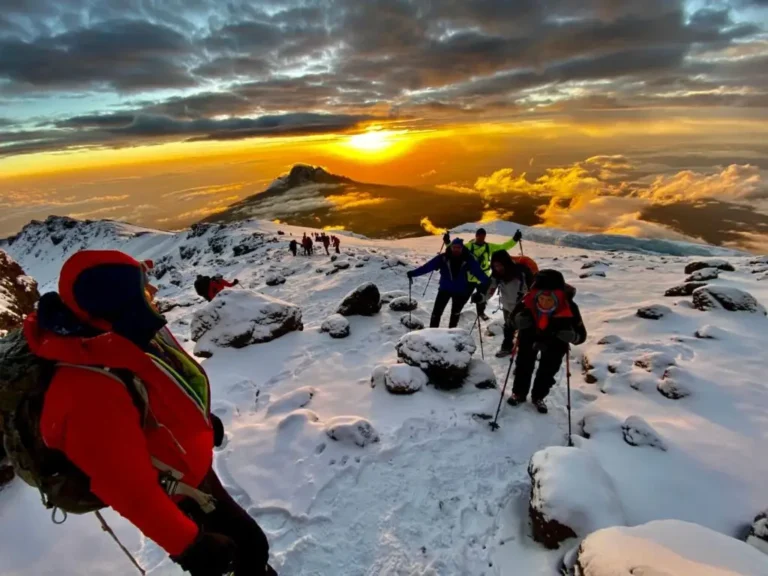
How To Confirm Your Kilimanjaro Departure Is Guaranteed With Top Guide
Learn how to guarantee your Kilimanjaro trek departure with Top Guide Adventures. This guide covers everything from booking confirmations and route selection to essential pre-trek...
View package details
Who Pays For Kilimanjaro Mountain Rescue? 2026-2027
Who Pays for Kilimanjaro Mountain Rescue? is explained with current 2026-2027 planning, price, itinerary and booking information.
View package details
Kilimanjaro Climb With Materuni Recovery Day 2026-2027
Kilimanjaro Climb with Materuni Recovery Day is explained with current 2026-2027 planning, price, itinerary and booking information.
View package details
Kilimanjaro Climb With Lake Chala Relaxation Day: Your Ultimate Post-Trek
Experience the ultimate Kilimanjaro adventure followed by serene relaxation at Lake Chala. This guide details how to combine these incredible Tanzanian experiences, covering itineraries...
View package details
Kilimanjaro Climb & West Safari: The Ultimate Tanzania Adventure 2026-2027
Experience the pinnacle of Tanzania with a combined Kilimanjaro climb and West Kilimanjaro safari. This guide details itineraries, preparation, and what to expect for your 2026-2027...
View package details
Kilimanjaro Climb With Mkomazi Rhino Safari 2026-2027
Kilimanjaro Climb with Mkomazi Rhino Safari is explained with current 2026-2027 planning, price, itinerary and booking information.
View package details
Kilimanjaro Climb With Amboseli Safari Extension: Your Ultimate Tanzania
Experience the pinnacle of African adventure by combining a challenging Kilimanjaro climb with a impressive safari in Amboseli National Park. This guide details itineraries, costs, best...
View package details
21-Day Kilimanjaro And Complete Tanzania Holiday: Your Ultimate Adventure
This comprehensive 21-day itinerary offers the ultimate Tanzanian adventure, merging the challenge of climbing Mount Kilimanjaro with the wildlife wonders of its famed national parks and...
View package details
18-Day Kilimanjaro And Northern Tanzania Grand Adventure: Trek, Safari &
An 18-day itinerary blending Kilimanjaro's summit with Northern Tanzania's wildlife and culture offers a comprehensive African experience. This adventure typically includes a multi-day trek...
View package details17-Day Kilimanjaro, Serengeti, Ngorongoro & Zanzibar Tour: Your Ultimate
This 17-day tour combines the iconic Mount Kilimanjaro climb with unparalleled wildlife safaris in the Serengeti and Ngorongoro Crater, culminating in a relaxing beach escape in Zanzibar...
View package details15-Day Kilimanjaro, Great Migration & Zanzibar Beach Package | Top Guide
Combine the thrill of summiting Mount Kilimanjaro, witnessing the iconic Great Migration in the Serengeti, and unwinding on the pristine beaches of Zanzibar in one unforgettable 15-day...
View package details
13-Day Kilimanjaro Climb, Cultural Tour & Zanzibar Holiday: Your Ultimate
This 13-day itinerary offers an unparalleled Tanzanian experience, blending the thrill of conquering Mount Kilimanjaro with deep cultural exploration and the serene beauty of Zanzibar...
View package detailsNo related package matches those filters. Clear one or more filters to see the other topic-matched options.



