
A Kilimanjaro climb combined with a Tanzania food tour offers an unparalleled way to experience East Africa, blending the physical challenge of summiting Africa’s highest peak with the rich cultural and culinary discoveries of local Tanzanian cuisine, making for a deeply rewarding 2026-2027 travel experience.
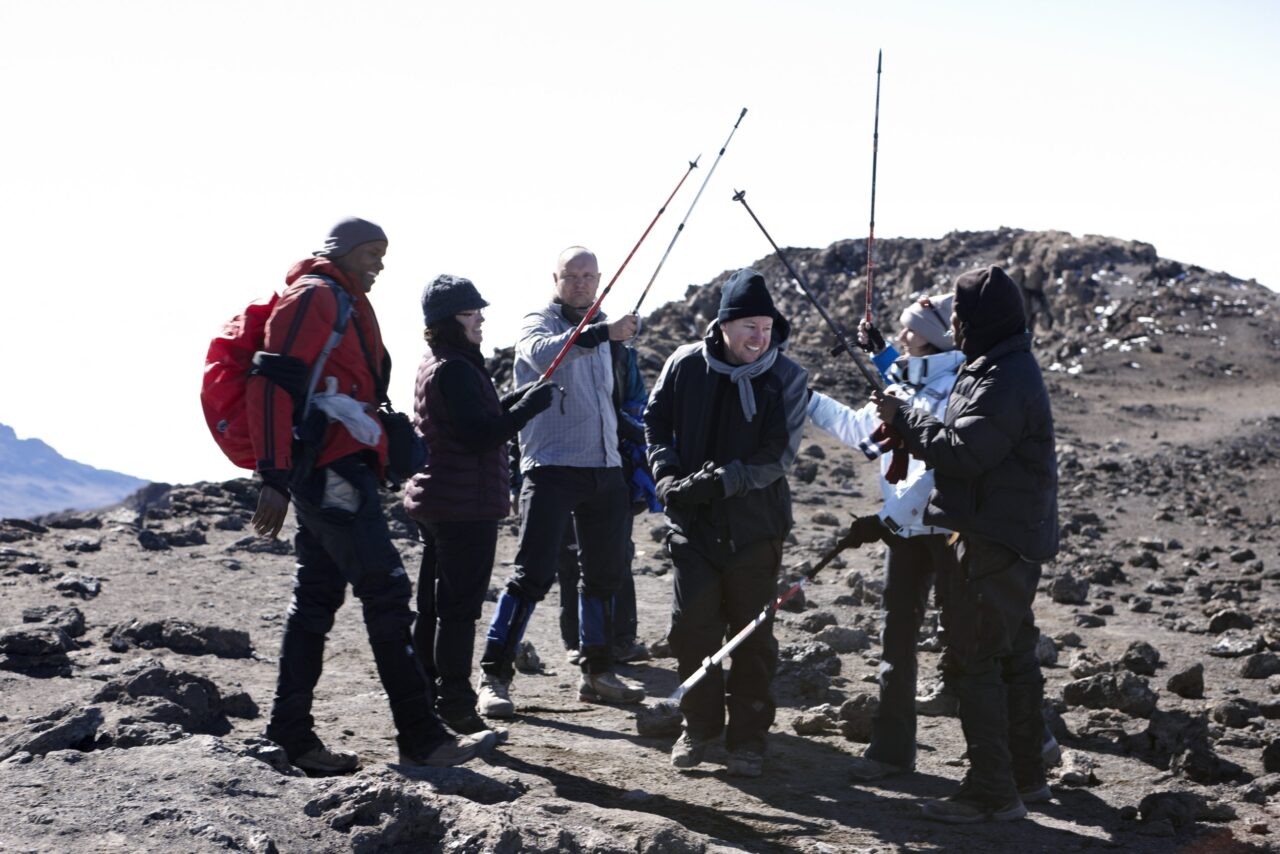
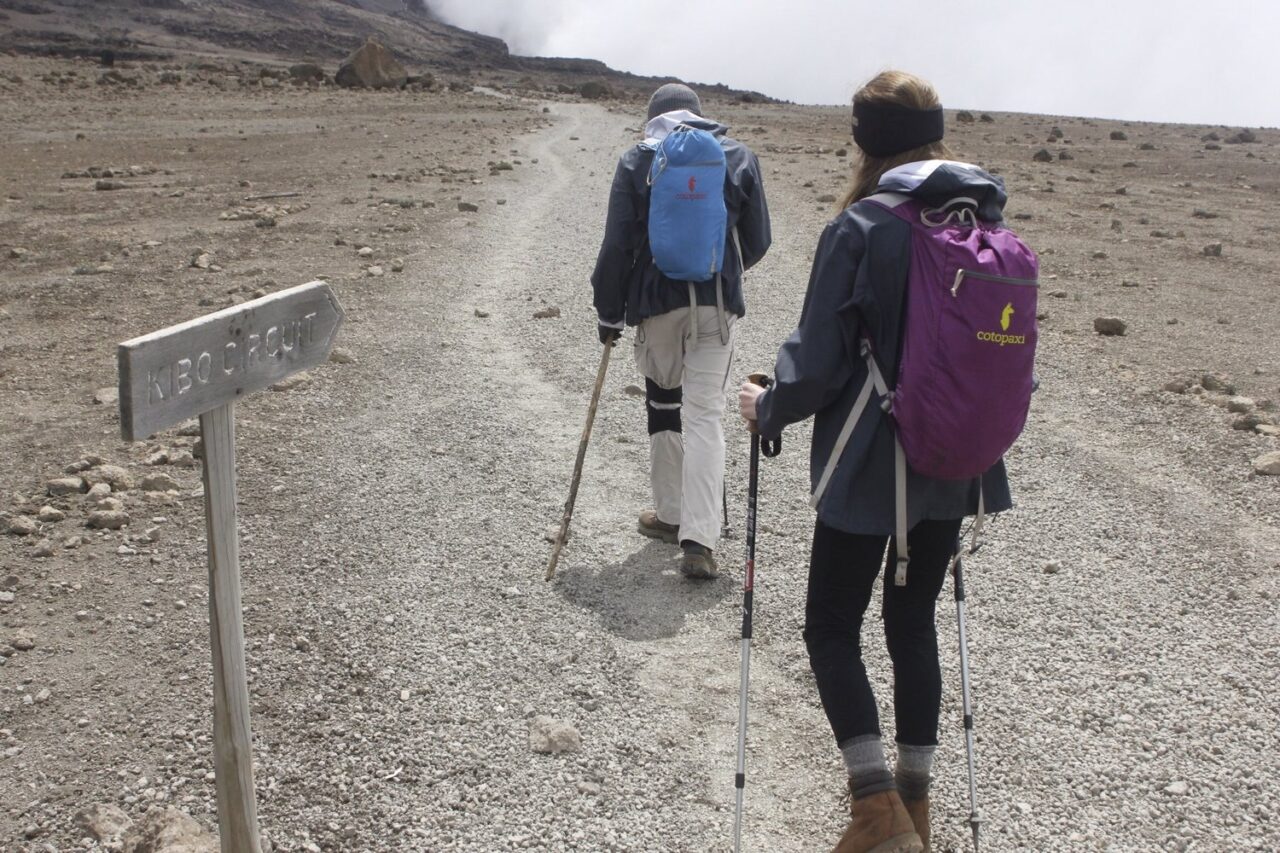
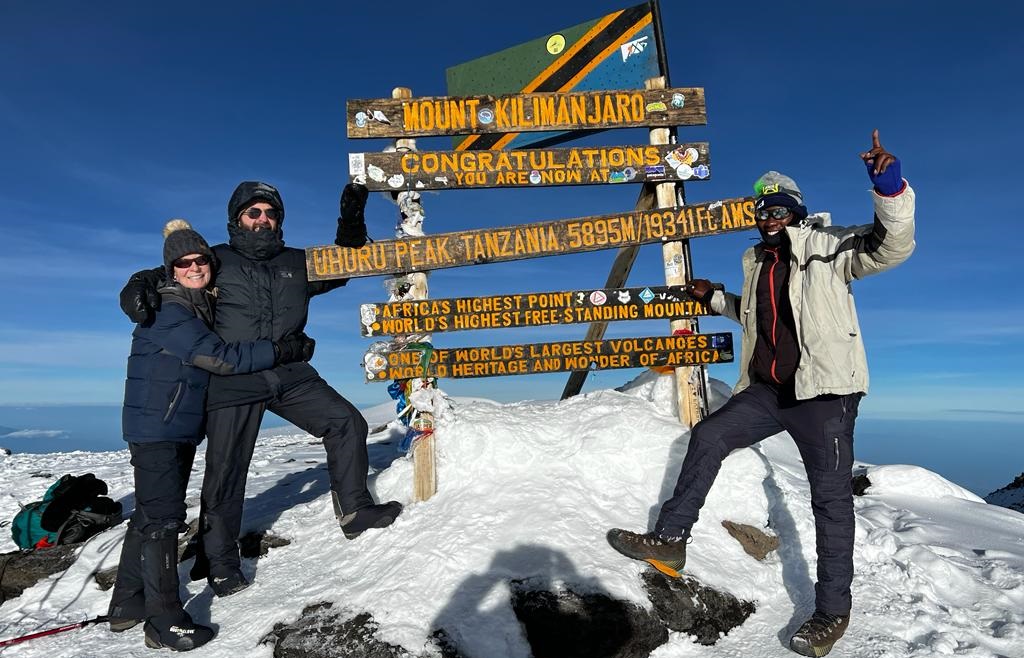
Combining Kilimanjaro’s Majesty with Tanzania’s Culinary Delights
The dream of standing atop Kilimanjaro, the Roof of Africa, is a powerful one. Yet, for many travelers, the journey can be enhanced by something more. Integrating a Tanzania food tour into your Kilimanjaro climb transforms a strenuous trek into a comprehensive cultural immersion. This dual-adventure allows you to conquer a dormant volcano while simultaneously exploring the vibrant flavors, traditions, and local life that define Tanzania. Imagine reaching Uhuru Peak, feeling the elation of accomplishment, and then descending to savor authentic Tanzanian dishes, learning their stories and preparing them yourself. This is not just a climb; it’s a full-spectrum exploration of what makes Tanzania so special.
For travelers planning their 2026 or 2027 expeditions, this combined approach offers a unique value proposition. It allows for a deeper connection with the country, moving beyond the mountain and into the heart of its communities. Top Guide Adventures specializes in crafting these bespoke experiences, ensuring that your Kilimanjaro climb is as enriching culinarily as it is physically rewarding. We believe that the best adventures are those that engage all the senses, and what better way to do this than through the incredible food of Tanzania?
Why Combine a Kilimanjaro Climb with a Food Tour?
The synergy between climbing Kilimanjaro and exploring Tanzanian cuisine is potent. Here’s why this combination is ideal for the discerning traveler:
- Cultural Immersion: Food is a universal language. Engaging with Tanzanian dishes, ingredients, and cooking methods provides direct insight into local customs, agricultural practices, and daily life.
- Holistic Experience: It moves beyond the singular focus of the climb, offering a broader appreciation of Tanzania’s natural beauty, cultural heritage, and the warmth of its people.
- Balanced Adventure: The physical exertion of the climb is perfectly complemented by the sensory pleasure and relaxation of culinary exploration.
- Unique Memories: You’ll return not just with photos of the summit, but with recipes, stories, and a taste of Tanzania that lasts a lifetime.
- Support Local Communities: Food tours often involve visiting local markets, farms, and eateries, directly contributing to the livelihoods of Tanzanian communities.
Planning for 2026-2027 allows ample time to curate the perfect itinerary that balances the demands of the climb with the leisurely pace of culinary discovery. Top Guide Adventures is dedicated to making this smooth.
Understanding Your Kilimanjaro Climb: Routes, Durations, and Preparation
Before we explore the delicious world of Tanzanian food, a solid understanding of the Kilimanjaro climb itself is crucial. The mountain offers several routes, each with its own challenges, scenery, and acclimatization profiles. Choosing the right route is paramount for success and enjoyment, especially when factoring in the added elements of a food tour.
Popular Kilimanjaro Routes for 2026-2027 Climbers
Each route offers a distinct experience, and your choice will impact the overall duration and your acclimatization. For a combined Kilimanjaro climb and food tour, we often recommend longer routes that allow for better acclimatization and a more relaxed pace, providing more time for culinary exploration before and after the trek.
- Marangu Route (Coca-Cola Route): The oldest and most established route. It’s known for its gradual ascent and the unique feature of sleeping in huts rather than tents. It’s the shortest route (5-6 days), which might be too rushed for a combined food tour unless the food exploration is primarily post-climb.
- Machame Route (Whiskey Route): This is the most popular route, known for its scenic beauty and excellent acclimatization profile, typically taking 6-7 days. It involves camping and offers a high summit success rate. It’s an excellent choice for combining with a food tour, as the 7-day option provides good acclimatization.
- Lemosho Route: Considered one of the most scenic routes, Lemosho offers fantastic acclimatization over 7-8 days. It starts in the west and traverses the mountain, offering diverse landscapes. This is a prime candidate for those wanting a more in-depth experience, including ample time for food tours.
- Shira Route: Similar to Lemosho but starts at a higher altitude. It’s also a scenic and well-regarded route for acclimatization, usually 7-8 days.
- Rongai Route: The only route approaching from the north. It’s drier and less crowded, making it a good option during the rainy seasons. It typically takes 6-7 days.
- Northern Circuit: The longest route (9-10 days), offering the best acclimatization and highest success rates. It circumnavigates the mountain, providing stunning views. This is ideal for those who want to maximize their time on the mountain and have plenty of days for culinary adventures before or after.
- Umbwe Route: The steepest and most challenging route, requiring good physical fitness and acclimatization. It’s generally not recommended for beginners or those combining it with extensive food tours due to its demanding nature.
For a Kilimanjaro climb with a Tanzania food tour in 2026-2027, we generally recommend routes of 7 days or longer, such as Machame, Lemosho, Shira, or the Northern Circuit. These provide better acclimatization, reducing the risk of altitude sickness and increasing your chances of summit success, while also allowing for a more relaxed pace and more time to savor the culinary experiences.
Duration of Your Kilimanjaro Climb
The duration of your climb is directly tied to the route chosen and is critical for acclimatization. Rushing the climb increases the risk of altitude sickness. For a combined experience:
- 5-6 Days: Typically for the Marangu route. Best suited if your food tour is extensive and planned entirely post-climb.
- 7 Days: Common for Machame, Rongai, and Shira. Offers good acclimatization and is a popular choice for those seeking a balance.
- 8 Days: Ideal for Lemosho and Shira. Provides excellent acclimatization and allows for a more leisurely pace on the mountain.
- 9-10 Days: The Northern Circuit route. Offers the best acclimatization and is perfect for those who want to fully experience themselves in both the climb and the surrounding landscapes, leaving ample room for pre or post-climb culinary exploration.
When planning your 2026-2027 Kilimanjaro climb with a food tour, allocate sufficient days. A 7-day climb plus 3-5 days for a food tour is a common and highly recommended setup.
Essential Preparation for Your Climb
Conquering Kilimanjaro requires thorough preparation. This includes physical training, proper gear, and mental readiness. For a combined food tour, add dietary considerations and a willingness to explore new tastes.
- Physical Fitness: Focus on cardiovascular endurance (hiking, running, cycling) and strength training, especially for your legs and core. Practice hiking with a weighted backpack.
- Acclimatization Strategy: Choose a longer route and ascend slowly. Follow the principle of “pole pole” (slowly, slowly).
- Gear: Invest in high-quality, waterproof, and insulated gear. This includes boots, layers, a warm sleeping bag, and a waterproof jacket and trousers.
- Hydration and Nutrition: Drink plenty of water. On the mountain, you’ll be provided with nutritious meals, but understanding local food helps prepare your palate.
- Medical Check-up: Consult your doctor about altitude sickness medication (like Diamox) and ensure you are fit for the trek.
- Mental Fortitude: Kilimanjaro is as much a mental challenge as a physical one. Be prepared for varying weather conditions and demanding days.
For your 2026-2027 adventure, start your physical training at least 3-6 months in advance. For the food tour aspect, research Tanzanian cuisine and be open to trying new dishes. Your guide can help explain ingredients and cultural significance.
The Culinary Landscape of Tanzania: A Food Tour Primer
Tanzania’s cuisine is a vibrant reflection of its diverse cultures, history, and geography. Influenced by Arab, Indian, and European traders, as well as indigenous traditions, Tanzanian food is characterized by fresh ingredients, aromatic spices, and hearty staples. A dedicated food tour, especially when combined with a Kilimanjaro climb, offers a delightful counterpoint to the mountain’s austerity.
Staple Foods and Key Dishes
The foundation of most Tanzanian meals revolves around carbohydrates, often accompanied by flavorful stews or grilled meats.
- Ugali: The undisputed national dish. Made from maize flour (cornmeal) cooked with water to a stiff consistency, ugali is eaten with hands and used to scoop up accompanying dishes. It’s a filling and essential part of the diet.
- Pilau: A fragrant rice dish cooked with spices like cumin, cardamom, cloves, and cinnamon, often including meat (beef, chicken, or goat) and vegetables. It’s a celebratory dish and a favorite across Tanzania.
- Biryani: A rich and flavorful rice dish with layers of spiced meat or vegetables, often found in coastal areas due to Arab influence.
- Chips Mayai: A popular street food, this is essentially a potato (chip) omelet, a delicious and simple combination of fried potatoes and beaten eggs.
- Mishkaki: Skewered and grilled meat (often beef or goat), marinated in spices. It’s a common and tasty snack or appetizer.
- Samaki wa Kupaka: Fish (often tilapia or snapper) cooked in a rich, creamy coconut sauce, seasoned with spices. A delicacy, especially near the coast and lakes.
- Ndizi Nyama: A hearty stew made with plantains (ndizi) and meat (usually beef), slow-cooked with spices and tomatoes.
- Kachumbari: A fresh tomato and onion salad, often with chili and cilantro, served as a refreshing accompaniment to main dishes.
Fruits and Vegetables
Tanzania boasts an abundance of tropical fruits and fresh vegetables, which play a significant role in its cuisine.
- Tropical Fruits: Mangoes, papayas, bananas (many varieties), pineapples, passion fruit, and coconuts are widely available and used in juices, desserts, and savory dishes.
- Vegetables: Spinach (mchicha), collard greens, okra, eggplant, tomatoes, onions, and various local greens are common ingredients in stews and side dishes.
Beverages
Beyond the ubiquitous coffee and tea, Tanzania offers unique local drinks.
- Tanzania Coffee: Grown in the Kilimanjaro region and other highlands, Tanzanian coffee is world-renowned.
- Tanzania Tea: High-quality tea is also produced and widely consumed.
- Local Beers: Serengeti Lager and Kilimanjaro Lager are popular choices.
- Palm Wine (Tembo): Fermented from palm sap, it’s a traditional drink in some regions.
- Fresh Juices: Made from local fruits, these are refreshing and readily available.
A food tour will allow you to sample these dishes, understand their preparation, and learn about their cultural significance. For 2026-2027 trips, consider incorporating a cooking class to get hands-on experience.
Designing Your Combined Kilimanjaro Climb and Food Tour Itinerary
The beauty of a combined adventure lies in its flexibility. You can structure it to prioritize the climb, the food tour, or find an equal balance. Top Guide Adventures excels at tailoring these journeys to your preferences. Here are a few itinerary concepts for 2026-2027:
Option 1: The Culinary Explorer (Food Tour First)
This itinerary focuses on immersing yourself in Tanzanian food culture before tackling the mountain.
- Days 1-4: Arusha & Surrounds Food Exploration. Arrive in Arusha, the gateway to Kilimanjaro. Spend these days exploring local markets (like Arusha Central Market), participating in cooking classes focusing on dishes like Pilau and Ugali, visiting coffee plantations, and enjoying meals at authentic local restaurants. You might also explore nearby villages to understand rural food production.
- Day 5: Preparation & Briefing. Meet your climbing guides, finalize gear checks, and have a pre-climb briefing. Enjoy a final, hearty Tanzanian meal.
- Days 6-12: Kilimanjaro Climb (e.g., 7-Day Machame Route). Ascend Kilimanjaro, with nutritious meals provided by your dedicated support crew.
- Day 13: Descent & Relaxation. Descend from the mountain, enjoy a well-deserved hot shower, and rest.
- Day 14: Farewell Meal. Enjoy a celebratory final meal, perhaps revisiting a favorite dish or trying something new based on your earlier exploration.
This structure allows you to build energy and cultural understanding before the physical challenge, potentially making the climb more enjoyable as you appreciate the cultural context more deeply.
Option 2: The Summit Seeker (Climb First)
This approach focuses on the climb, with the food tour serving as a well-earned reward and cultural exploration post-summit.
- Days 1-7: Kilimanjaro Climb (e.g., 7-Day Lemosho Route). Arrive in Tanzania, transfer to your starting point, and commence your Kilimanjaro climb.
- Day 8: Descent & Celebration. Reach the base, celebrate your achievement, and rest.
- Days 9-12: Arusha & Surrounds Food Exploration. After recovering from the climb, start your culinary journey. Visit local eateries, take a cooking class, explore markets, and perhaps visit a Maasai village for traditional foods and cultural insights.
- Day 13: Departure. Depart from Kilimanjaro International Airport (JRO).
This is a popular choice for those whose primary goal is the summit, with the food tour providing a gentle, enjoyable way to transition back to lower altitudes and explore Tanzanian culture at a relaxed pace.
Option 3: The Balanced Adventurer (Integrated Experience)
This itinerary weaves culinary experiences throughout the trip, starting from arrival.
- Day 1: Arrival in Arusha. Settle in and enjoy a welcome dinner featuring classic Tanzanian dishes.
- Day 2: Arusha Market & Coffee Tour. Explore the vibrant Arusha Central Market, learning about local produce, and then visit a local coffee plantation for a tasting and tour.
- Day 3: Climb Preparation & Local Cooking Class. Finalize climb preparations and participate in a hands-on cooking class focusing on a staple like Ugali and a popular stew.
- Days 4-10: Kilimanjaro Climb (e.g., 7-Day Machame Route). Your climb, with carefully prepared meals.
- Day 11: Descent & Rest. Return to Arusha, rest, and reflect on your summit achievement.
- Day 12: Zanzibar Spice Tour (Optional Extension). For an even richer food experience, consider a short flight to Zanzibar for its famous spice tours and unique Swahili cuisine. (This would add 2-3 days).
- Day 13: Farewell Dinner. Enjoy a final Tanzanian feast.
- Day 14: Departure. Depart from JRO.
This integrated approach ensures that the culinary discoveries are a continuous thread throughout your Tanzanian adventure, complementing the mountain experience perfectly. For your 2026-2027 travel plans, discuss these options with Top Guide Adventures to customize.
Key Considerations for Your 2026-2027 Kilimanjaro Climb with Food Tour
Planning a trip of this magnitude requires attention to detail. Here are crucial factors to consider when booking your 2026 or 2027 adventure.
Choosing the Right Tour Operator
Selecting a reputable tour operator is paramount. For a combined Kilimanjaro climb and food tour, you need a company that understands both the logistical complexities of mountain trekking and the nuances of authentic culinary experiences.
- Experience: Look for operators with a proven track record in both Kilimanjaro climbs and organizing cultural/food tours in Tanzania.
- Safety Standards: Ensure they adhere to high safety protocols on the mountain, including well-trained guides, adequate oxygen, and emergency procedures.
- Guide Quality: Guides should be knowledgeable not only about the mountain but also about local culture and cuisine, able to enrich your food tour experience.
- Inclusions: Clearly understand what is included in your package – park fees, meals, accommodation, gear rental, transfers, guide fees, and specific food tour activities.
- Ethical Practices: Choose operators who support local communities and employ porters fairly.
Top Guide Adventures prides itself on these very aspects. With years of experience in organizing successful Kilimanjaro climbs and authentic Tanzanian experiences, we offer personalized attention and dedicated support. Contact us via WhatsApp +255616946642 or Email topguideadventures@gmail.com to discuss your 2026-2027 plans.
Best Time to Travel for Climbing and Food Exploration
Tanzania has distinct seasons that affect both the climb and the availability of certain foods.
- Dry Seasons (June to October, January to February): These are considered the best times for climbing Kilimanjaro due to clear skies and stable weather. This period also coincides with the availability of many fruits and vegetables. January and February are particularly good for the Kilimanjaro climb with a Tanzania food tour, as many tropical fruits are in season.
- Rainy Seasons (March to May, November to December): While climbing is possible, rain can make trails slippery and visibility poor. However, these months can be less crowded and offer lower prices. Food-wise, certain local greens might be more abundant.
For a 2026-2027 Kilimanjaro climb with a Tanzania food tour, the dry seasons (June-October 2026/2027 and Jan-Feb 2027) are highly recommended to maximize your chances of summit success and enjoy pleasant weather for both activities.
Budget and Costs for 2026-2027
The cost of a combined Kilimanjaro climb and food tour will vary significantly based on the route, duration, group size, accommodation choices, and the extent of the food tour. Generally, expect the following:
- Kilimanjaro Climb: Prices can range from $1,500 to $3,500+ per person for a standard 7-day climb, depending on the operator and inclusions. Longer routes and higher-end services will increase this cost.
- Tanzania Food Tour: A dedicated 3-5 day food tour can cost anywhere from $500 to $1,500+ per person, depending on activities like private cooking classes, market tours, guided restaurant visits, and any included accommodation.
- Total Package: A combined 10-14 day trip (e.g., 7-day climb + 4 days food tour) could range from $2,000 to $5,000+ per person.
Key Cost Factors:
Estimated Cost Breakdown (per person, based on 7-day climb + 4-day food tour)
| Inclusion Category | Estimated Range (USD) |
|---|---|
| Kilimanjaro Climb (mid-range operator) | $1,800 – $2,500 |
| National Park Fees (approx.) | $700 – $900 |
| Food Tour Activities (markets, classes, meals) | $600 – $1,200 |
| Accommodation (pre/post-climb) | $150 – $300 |
| Transfers (airport, trailhead) | $100 – $200 |
| Total Estimated Range | $3,350 – $5,100+ |
Note: These are estimates for 2026-2027. Prices can vary. Excludes international flights, visas, travel insurance, tips, and personal expenses.
For precise pricing for your 2026-2027 Kilimanjaro climb with a Tanzania food tour, please contact Top Guide Adventures. We offer transparent pricing and can tailor packages to fit different budgets.
Packing Essentials for Both Adventures
Packing smart is essential. You’ll need gear for the mountain and comfortable, versatile clothing for your food explorations.
Kilimanjaro Climb Essentials:
- Clothing: Moisture-wicking base layers, fleece mid-layers, insulated down jacket, waterproof and windproof outer shell, thermal underwear, hiking trousers, shorts, warm hat, gloves, buff/balaclava.
- Footwear: Broken-in waterproof hiking boots, camp shoes/sandals, warm socks (wool or synthetic).
- Equipment: 4-season sleeping bag, sleeping bag liner, trekking poles, headlamp with extra batteries, sunglasses, sunscreen, lip balm with SPF.
- Personal Items: Water bottles/hydration reservoir, water purification tablets/filter, toiletries, personal first-aid kit, camera, power bank.
Tanzania Food Tour Essentials:
- Clothing: Comfortable, breathable clothing suitable for warm weather, modest attire for visiting villages or religious sites, comfortable walking shoes, a light rain jacket (just in case).
- Accessories: A small backpack for day trips, insect repellent, hand sanitizer.
- Open Mind: The most important item – be ready to taste new flavors and embrace local culinary traditions!
Your tour operator will provide a comprehensive packing list. For 2026-2027 trips, ensure your gear is up-to-date and well-maintained.
Deep look at Tanzanian Culinary Experiences
Beyond the staple dishes, a dedicated food tour allows for deeper exploration of Tanzania’s rich culinary mix. This is where the “Tanzania Food Tour” aspect of your combined adventure truly shines.
Market Visits: A Feast for the Senses
Local markets are the vibrant heart of Tanzanian food culture. Visiting markets like the Arusha Central Market or Dar es Salaam’s Kariakoo Market is an essential part of any food tour.
- Produce: Witness the incredible variety of fresh fruits (mangoes, passion fruits, jackfruits, local varieties you’ve never seen), vegetables (a rainbow of greens, vibrant tomatoes, exotic tubers), and spices.
- Local Life: Observe the bustling activity, interact with vendors, and understand the daily rhythm of local commerce. Your guide can help translate and explain the uses of different ingredients.
- Street Food: Markets are often hubs for delicious and affordable street food. Sample local snacks like ‘mandazi’ (sweet fried bread), ‘kashata’ (peanut brittle), or freshly grilled corn.
For your 2026-2027 trip, consider a guided market tour early in your food exploration phase to get a comprehensive overview of Tanzanian ingredients.
Cooking Classes: Hands-On Culinary Learning
Participating in a cooking class is one of the most engaging ways to learn about Tanzanian cuisine. These classes typically focus on preparing classic dishes.
- Learn Traditional Techniques: Master the art of making ‘Ugali’ to the perfect consistency, learn to balance spices for a flavorful ‘Pilau’, or prepare a rich coconut-based stew.
- Ingredient Sourcing: Often, the class begins with a visit to a local market to select fresh ingredients, followed by preparation in a local home or a dedicated culinary school.
- Cultural Exchange: These classes offer a fantastic opportunity to interact with local chefs and home cooks, learning about family recipes and culinary traditions passed down through generations.
Top Guide Adventures can arrange private cooking classes as part of your customized 2026-2027 itinerary, ensuring an authentic and educational experience.
Coffee and Tea Plantations
Tanzania is a significant producer of high-quality coffee and tea, particularly in the regions surrounding Mount Kilimanjaro and Mount Meru.
- Coffee Tours: Visit a coffee estate to learn about the entire process, from bean to cup. Understand cultivation, harvesting, processing, roasting, and enjoy a tasting session of world-class Tanzanian coffee. The Kilimanjaro region is famous for its Arabica beans.
- Tea Plantations: Explore lush tea estates, learn about tea cultivation and processing, and enjoy a refreshing cup of locally grown tea.
These tours offer insight into Tanzania’s agricultural economy and provide a delightful sensory experience, perfect for a relaxed day during your food tour segment.
Exploring Regional Cuisines
While there are national staples, Tanzania’s diverse regions offer unique culinary flavors.
- Coastal Cuisine (Swahili): Influenced by Arab, Indian, and African traditions, this includes dishes like Biryani, seafood curries (like Samaki wa Kupaka), and coconut rice. Zanzibar is the epicenter of Swahili food.
- Inland/Highland Cuisine: More focused on maize (for Ugali), beans, local greens, and meats like beef, goat, and chicken. Dishes like Ndizi Nyama are common.
- Lake Victoria Region: Famous for its fresh tilapia and dagaa (small dried fish), often prepared simply grilled or fried.
A well-designed food tour can incorporate visits to different regions or restaurants specializing in these varied cuisines, offering a comprehensive taste of Tanzania.
Street Food Adventures
Tanzanian street food is diverse, delicious, and an integral part of the local experience. A food tour should definitely include sampling these readily available treats.
- Samosas: Spiced lentil or meat-filled pastries, a popular snack.
- Mishkaki: Grilled meat skewers, a common evening street food.
- Mahamri: Slightly sweet, fried bread often enjoyed for breakfast or with tea.
- Street Corn: Grilled corn on the cob, often seasoned with salt, lemon, and chili.
- Fresh Fruit: Sliced mango, pineapple, and watermelon sold by vendors are refreshing on a warm day.
Always choose vendors who appear clean and have high turnover for the freshest food. Your guide can point out the best and safest options.
Integrating Food Experiences with Your Kilimanjaro Climb Schedule
The key to a successful combined trip is smooth integration. This means planning activities thoughtfully around the physical demands of the climb.
Pre-Climb Culinary Engagement
Starting your food tour before the climb can help you acclimatize culturally and physically. Enjoying hearty, flavorful meals can build energy reserves. A cooking class can also serve as a fun, engaging activity in the days leading up to the trek, providing a sense of accomplishment before the mountain challenge.
During the Climb: Mountain Cuisine
While you won’t be sampling local street food on the mountain, the meals prepared by your crew are an essential part of the Kilimanjaro experience. Expect nutritious, well-balanced meals designed to provide energy and sustenance.
- Breakfast: Often porridge, eggs, toast, or chapati.
- Lunch: Packed lunches on the trail, typically including sandwiches, boiled eggs, fruit, and biscuits.
- Dinner: Hot meals like soup, rice dishes (similar to pilau), pasta, stews, and vegetables, followed by tea and sometimes a simple dessert.
- Snacks: Biscuits, nuts, chocolate, and fruit are provided to keep energy levels up.
These meals are surprisingly varied and delicious, prepared by your dedicated cook. They offer a taste of simplified Tanzanian flavors adapted for high-altitude trekking.
Post-Climb Culinary Celebration
After descending Kilimanjaro, your body will crave good food and comfort. This is the perfect time to indulge in a more extensive food tour.
- Recovery Meals: Enjoy delicious, restorative meals in Arusha or Moshi. Revisit favorite dishes or try new ones you missed before the climb.
- Culinary Exploration: Dedicate specific days to market visits, cooking classes, and exploring restaurants that showcase the best of Tanzanian cuisine. This is your chance to fully celebrate your achievement through taste.
- Optional: Zanzibar Extension: For an unparalleled culinary finale, consider a short trip to Zanzibar to explore its unique spice markets and Swahili dishes. This is an excellent addition for a 2026-2027 trip aiming for maximum culinary exposure.
Top Guide Adventures can arrange post-climb culinary packages that focus on relaxation and gastronomic delight, ensuring your recovery is as enjoyable as the adventure itself.
Planning Your 2026-2027 Trip: Booking and Logistics
Booking your combined Kilimanjaro climb and Tanzania food tour requires careful planning. Here’s how to approach it for 2026 and 2027.
When to Book
The earlier you book, the better. For peak climbing seasons (June-October and January-February), it’s advisable to book at least 6-12 months in advance to secure your preferred dates and ensure availability, especially if you’re traveling in a group or want specific customizations for your food tour.
Customizing Your Itinerary
Top Guide Adventures specializes in tailor-made journeys. We work closely with you to:
- Select the ideal Kilimanjaro route and duration based on your fitness and preferences.
- Design a food tour itinerary that matches your interests, whether it’s street food, fine dining, cooking classes, or agricultural tours.
- Integrate the climb and food tour seamlessly, considering travel times and rest days.
- Adjust accommodations and logistics to suit your budget and comfort level.
Reach out to us for a personalized consultation for your 2026-2027 adventure: WhatsApp +255616946642 or Email topguideadventures@gmail.com.
Visa and Health Requirements
Ensure you are up-to-date on visa and health recommendations for Tanzania.
- Visas: Most nationalities require a visa for Tanzania. This can often be obtained online in advance or upon arrival at the airport. Check the latest requirements for your nationality.
- Vaccinations: Consult your doctor or a travel clinic about recommended vaccinations (e.g., Yellow Fever, Hepatitis A & B, Typhoid) and malaria prophylaxis.
- Travel Insurance: Comprehensive travel insurance covering high-altitude trekking and medical evacuation is essential.
It’s crucial to arrange these well in advance of your 2026-2027 departure.
What’s Typically Included
A comprehensive package for a Kilimanjaro climb with a Tanzania food tour usually includes:
- Kilimanjaro National Park entry fees, camping/hut fees, rescue fees.
- Professional mountain guides, cook, and porters.
- All meals during the Kilimanjaro climb.
- Tents, sleeping mats, and cooking equipment.
- Accommodation in Arusha before and after the climb (often based on double/twin sharing).
- All specified food tour activities (market tours, cooking classes, plantation visits, guided meals).
- Ground transportation to/from the airport and trailhead.
- Boiled water on the mountain.
Exclusions typically are:
- International flights.
- Visa fees.
- Travel insurance.
- Tips for guides, porters, and cook.
- Personal climbing gear (can often be rented).
- Personal expenses (souvenirs, drinks, laundry).
- Meals and drinks not specified in the itinerary.
Always confirm inclusions and exclusions with your tour operator. For 2026-2027 bookings, Top Guide Adventures provides detailed breakdowns.
Why Choose Top Guide Adventures for Your Kilimanjaro Climb and Food Tour
At Top Guide Adventures, we are passionate about creating authentic and memorable travel experiences in Tanzania. We understand that a Kilimanjaro climb is a significant undertaking, and combining it with a food tour adds another layer of richness that we are uniquely equipped to deliver.
- Local Expertise: As one of Tanzania’s trusted tour companies, we have deep-rooted knowledge of the country, its mountains, its culture, and its incredible cuisine.
- Personalized Service: We offer personal attention, care, and dedicated support for every client. Your journey is crafted around your specific needs and desires.
- Safety First: Your safety on Kilimanjaro is our highest priority. We employ experienced guides and adhere to strict safety protocols.
- Authentic Food Experiences: We partner with local chefs, market vendors, and farmers to ensure your food tour is genuine, educational, and delicious.
- Comprehensive Packages: We organize everything from Kilimanjaro climbs and Tanzania safaris to Zanzibar holidays and cultural experiences, including specialized food tours.
- Tailor-Made Journeys: Whether you seek a challenging climb followed by a relaxed culinary exploration or an integrated adventure, we create bespoke itineraries for 2026-2027 and beyond.
We invite you to connect with us to start planning your ultimate Kilimanjaro climb with a Tanzania food tour. Let us help you craft an adventure that will stay with you long after you’ve returned home. Reach out today:
- WhatsApp: +255616946642
- Email: topguideadventures@gmail.com
- Backup Email: info@topguideadventures.com
- Website: www.topguideadventures.com
- Instagram: @top_guide_adventures
- TripAdvisor Reviews: See our client experiences
Prepare for an unforgettable journey that combines the triumph of Kilimanjaro with the vibrant tastes and rich culture of Tanzania. Your adventure awaits in 2026-2027!
“,
“faq_schema”: [
{
“question”: “What is the best time of year for a Kilimanjaro climb with a Tanzania food tour?”,
“answer”: “The best time for a Kilimanjaro climb with a Tanzania food tour is during the dry seasons: June to October and January to February. These months offer clear skies and stable weather for trekking, and also coincide with the availability of many delicious tropical fruits and vegetables for your culinary explorations. For 2026-2027 trips, these periods are highly recommended.”
},
{
“question”: “How long should my combined Kilimanjaro climb and food tour itinerary be?”,
“answer”: “A well-rounded combined itinerary typically spans 10 to 14 days. This usually includes a 7-day Kilimanjaro climb (like the Machame or Lemosho route for better acclimatization) and 3-5 days dedicated to exploring Tanzanian cuisine through market visits, cooking classes, and restaurant experiences. Longer climbs or more extensive food tours will require more days.”
},
{
“question”: “What are the typical costs for a Kilimanjaro climb and food tour package?”,
“answer”: “Costs vary significantly based on route, duration, and operator. A typical 7-day Kilimanjaro climb might range from $1,800 to $2,500 per person (excluding park fees, which add $700-$900). A 3-5 day food tour can add $600 to $1,200 per person. Therefore, a comprehensive 10-14 day package for a Kilimanjaro climb with a Tanzania food tour in 2026-2027 could range from $3,350 to $5,100+ per person, excluding international flights, visas, and tips.”
},
{
“question”: “Which Kilimanjaro route is best for combining with a food tour?”,
“answer”: “For a combined Kilimanjaro climb and food tour, routes offering better acclimatization and a more relaxed pace are recommended. The 7-day Machame Route, 8-day Lemosho Route, or the 9-10 day Northern Circuit are excellent choices. These longer durations increase summit success rates and provide more time for culinary exploration before or after the climb.”
},
{
“question”: “What kind of food can I expect on a Tanzania food tour?”,
“answer”: “A Tanzania food tour offers a diverse culinary experience. You can expect to explore staple dishes like Ugali (maize porridge) and Pilau (spiced rice), enjoy grilled meats (Mishkaki), sample fresh seafood and coconut-based curries (Samaki wa Kupaka), taste vibrant tropical fruits, and discover local snacks from bustling markets. Cooking classes and visits to coffee or tea plantations are also common highlights.”
}
]
}
“`
Check Availability for Kilimanjaro Climb With Tanzania Food Tour 2026-2027
Ready to compare dates, prices, and the best option for your group? Send the package name and travel month so the team can reply with a clear quote, availability, and what is included.
Kilimanjaro Climb With Door-To-Door Tanzania Logistics: Your Ultimate Guide
Expertly plan your Kilimanjaro climb with Top Guide Adventures' smooth door-to-door Tanzania logistics. This comprehensive guide covers everything from initial planning and route selection...
View package details
Kilimanjaro Climb With Coffee Farm Tour: Your Ultimate Tanzania Adventure
Experience the thrill of summiting Mount Kilimanjaro followed by a refreshing exploration of Tanzania's vibrant coffee farms. Top Guide Adventures offers this unique blend for an...
View package details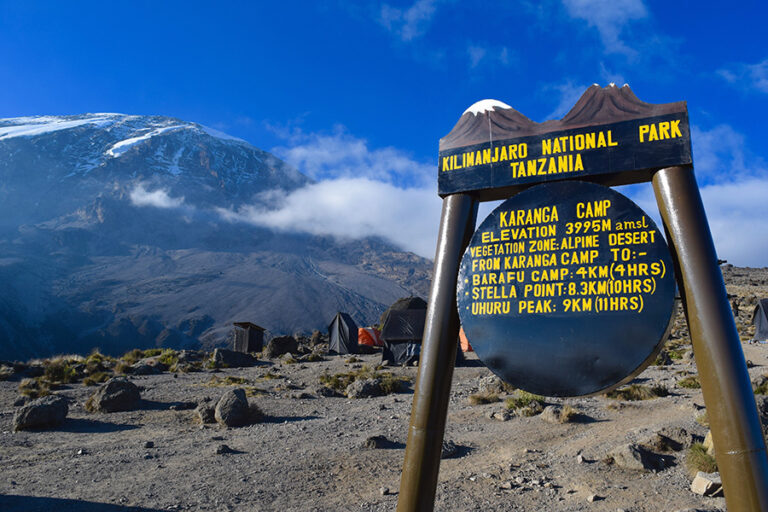
Kilimanjaro Climb & West Safari: The Ultimate Tanzania Adventure 2026-2027
Experience the pinnacle of Tanzania with a combined Kilimanjaro climb and West Kilimanjaro safari. This guide details itineraries, preparation, and what to expect for your 2026-2027...
View package details
Kilimanjaro Climb With Amboseli Safari Extension: Your Ultimate Tanzania
Experience the pinnacle of African adventure by combining a challenging Kilimanjaro climb with a impressive safari in Amboseli National Park. This guide details itineraries, costs, best...
View package details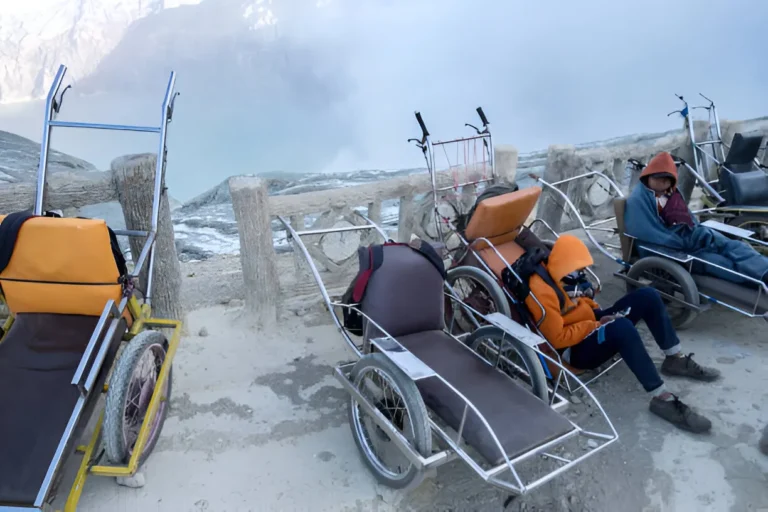
Kilimanjaro Climb With A Personal Support Assistant: Your Ultimate Guide
Climbing Mount Kilimanjaro with a personal support assistant offers unparalleled safety, comfort, and focus on your summit goals. This guide details what a personal assistant entails, its...
View package detailsKilimanjaro Hydration Mistakes Climbers Make And How To Avoid Them 2026-2027
Proper hydration is critical for a successful Kilimanjaro climb. This guide details common hydration mistakes climbers make, from under-drinking to choosing the wrong fluids, and provides...
View package details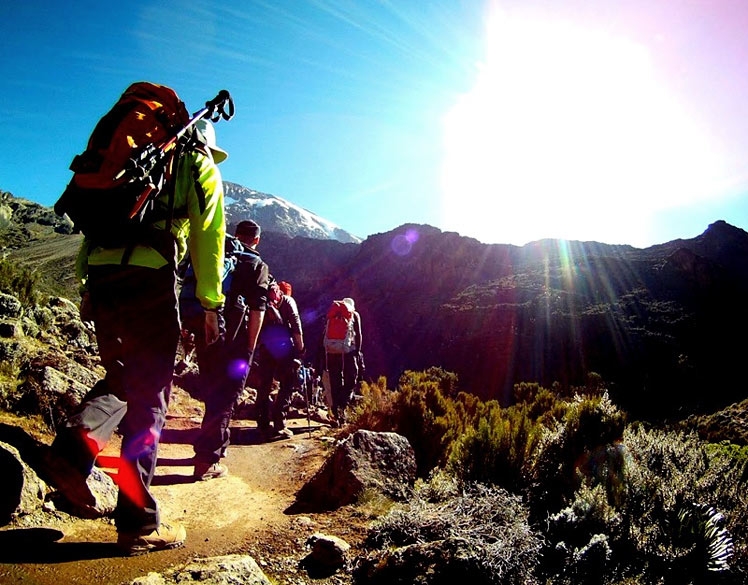
Kilimanjaro Summit-Night Mistakes To Avoid: Your Essential Guide For Climbs
Summit night on Kilimanjaro is the most challenging part of the climb. Avoiding common mistakes in acclimatization, gear, hydration, and pacing is crucial for success. This guide details...
View package details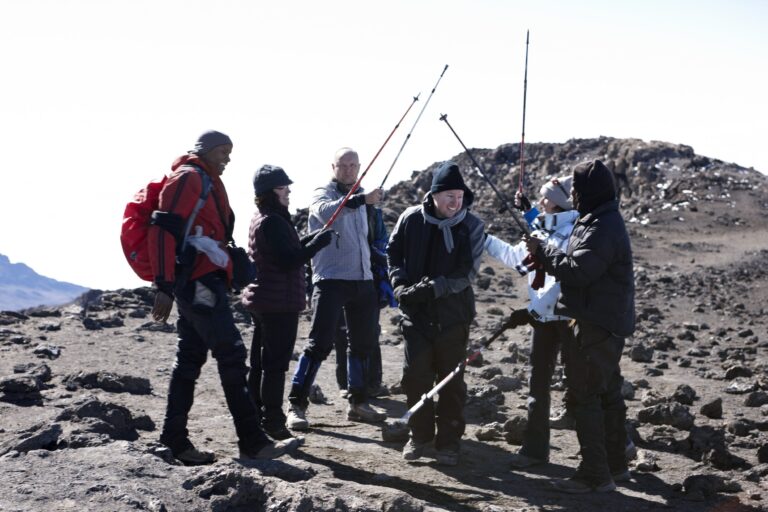
Kilimanjaro Airport Vs Arusha For Climbers: The Definitive Guide 2026-2027
A comprehensive comparison of Kilimanjaro International Airport (JRO) and Arusha Airport (ARK) for trekkers planning a Mount Kilimanjaro climb, detailing pros, cons, and booking advice for...
View package details
Kilimanjaro Climb For Retired Couples: Planning Your Adventure 2026-2027
Planning a Kilimanjaro climb as a retired couple is an achievable and rewarding goal. This guide offers in-depth advice on route selection, physical preparation, essential gear, and the...
View package details
Can A 16-Year-Old Climb Kilimanjaro? Your Essential Guide 2026-2027
Discover if a 16-year-old can summit Kilimanjaro. This comprehensive guide covers age requirements, health, fitness, essential gear, and planning for younger trekkers aiming for Africa's...
View package details
Content For Parents And Young Climbers: Conquering Kilimanjaro Safely
Planning a Kilimanjaro climb with children or as a young climber requires special attention. This guide provides comprehensive content for parents and young adventurers, covering...
View package details
Kilimanjaro Tree-Planting Climbing Package Guide
Combine your dream Kilimanjaro climb with a meaningful conservation effort. Our Kilimanjaro Tree-Planting Climbing Package allows you to ascend Africa's highest peak while actively...
View package detailsNo related package matches those filters. Clear one or more filters to see the other topic-matched options.



