
Cycling around Mount Kilimanjaro is a challenging but rewarding expedition that typically involves traversing rugged tracks and dirt roads through diverse landscapes surrounding the mountain, rather than a direct ascent. While there isn’t a single established “cycling route” that circumnavigates the entire massif due to its sheer scale and the protected park boundaries, adventurous cyclists can plan multi-day tours focusing on the lower slopes and surrounding areas, often combining mountain biking with cultural experiences. Expect a demanding trip requiring significant physical fitness, careful planning for logistics like support vehicles and accommodation, and a spirit of adventure, with 2026 and 2027 offering excellent opportunities for well-prepared travelers.

Understanding the Scope: Cycling the Kilimanjaro Foothills
The idea of cycling around Mount Kilimanjaro conjures images of epic journeys, and indeed, it is an undertaking that speaks to the adventurous spirit. However, it’s crucial to understand what this entails. Unlike trekking routes that aim for the summit, cycling tours focus on the expansive lower slopes and the varied terrain that encircles Africa’s highest peak. This isn’t a leisurely pedal through picturesque villages; it’s a demanding expedition that tests endurance, resilience, and your ability to adapt to challenging conditions. The sheer size of Kilimanjaro, combined with the protected status of its upper reaches as a National Park and UNESCO World Heritage Site, means a complete circumnavigation at high altitudes is not feasible or permitted. Instead, cycling adventures typically explore the network of tracks, rural roads, and sometimes rougher trails that wind through the agricultural lands, forests, and savannahs at the mountain’s base and on its lower flanks.
For those considering this unique adventure in 2026 or 2027, preparation is key. This guide aims to provide a comprehensive overview of what cycling around Mount Kilimanjaro involves, from the types of routes you might encounter to the physical and logistical preparations needed. We’ll look at the best times to travel, the challenges you can expect, and how to make your cycling expedition a success with a trusted local partner like Top Guide Adventures.
Kilimanjaro by Bicycle: What to Expect
Cycling around Kilimanjaro is far from a typical road cycling tour. It’s an exploration of a vast, varied, and often rugged environment. The experience is defined by:
- Terrain Diversity: You’ll encounter everything from dusty, flat plains to steep, muddy climbs through rainforests, and rocky, uneven tracks. The roads can range from well-maintained dirt paths to barely discernible trails.
- Altitude Fluctuations: While you won’t be summiting, you will be riding at significant altitudes, with base camps and villages often situated between 1,000 and 2,000 meters (3,000-6,500 feet). This means acclimatization, even for cycling, is a consideration.
- Support Requirements: Due to the remoteness and challenging terrain, a support vehicle is almost always essential. This vehicle carries supplies, spares, food, water, and provides a crucial safety net and a place to rest if needed.
- Cultural Immersion: The routes often pass through numerous local communities, offering incredible opportunities for cultural exchange and insight into the lives of the Chagga people and other local inhabitants.
- Physical Demand: This is not a leisurely cycling holiday. It requires a high level of cardiovascular fitness, strength, and stamina. Expect long days in the saddle, often with significant elevation gain.
Potential Routes and Itinerary Ideas
Given the absence of a single, defined circumnavigation route, cycling tours around Kilimanjaro are typically custom-designed or follow established regional tracks. Most expeditions focus on exploring specific sections of the mountain’s vast perimeter, often over several days. Here are some common approaches and areas explored:
The Northern Circuit (Kenya Border to West Kilimanjaro
This section often involves riding through areas closer to the Kenyan border, potentially including routes that skirt the drier, northern slopes of the mountain. You might start from towns like Rombo or approach from areas near Amboseli National Park in Kenya (though border crossings require careful planning). The terrain here can be more arid, with rolling hills and open savannahs interspersed with agricultural plots. This part of the ride can offer spectacular views of Kilimanjaro’s Kibo and Mawenzi peaks from a different perspective. Expect some challenging climbs and descents on unpaved roads.
The Western Slopes and Foothills
Riding on the western side of Kilimanjaro, you’ll often pass through lush coffee plantations and small villages. Areas around West Kilimanjaro and towards the town of Karatu (though Karatu is more associated with the Ngorongoro Crater, it can be a starting or ending point for broader northern Tanzania cycling tours) offer varied terrain. This region is known for its fertile soil and vibrant communities. The roads here can be a mix of hard-packed earth and gravel, with opportunities to stop and learn about local farming practices.
Eastern Kilimanjaro and Marangu Area
The eastern side, particularly the Marangu area, is famous as the starting point for the Marangu route trek. While the trek goes upwards, cycling tours in this region explore the lower slopes, passing through dense montane forests and terraced farms. The roads can be steep and winding, especially as you gain elevation. This area is also home to the famous Marangu waterfalls and offers a cooler climate due to the higher rainfall and forest cover. Cycling here requires good climbing skills and can be muddy after rains.
Southern Kilimanjaro and Moshi Region
The southern slopes, leading towards the major hub of Moshi town, offer a mix of agricultural land and developing infrastructure. This area provides access to many local communities and can be a starting or ending point for many tours. Routes here might include trails that follow rivers or wind through plantations. The proximity to Moshi means easier logistics for support and accommodation, making it a practical area for both the beginning and end of a cycling expedition.
Custom Itineraries for 2026-2027
Top Guide Adventures specializes in creating bespoke cycling itineraries. For 2026 and 2027, we work with clients to design tours that match their fitness levels, desired duration, and specific interests. A typical cycling tour around Kilimanjaro might last anywhere from 5 to 14 days, depending on the scope and pace. An example itinerary could look like this:
Sample 7-Day Kilimanjaro Cycling Expedition (Customizable)
- Day 1: Arrival in Moshi & Preparation
- Arrive at Kilimanjaro International Airport (JRO).
- Transfer to your hotel in Moshi.
- Bike fitting and gear check. Briefing on the upcoming tour.
- Day 2: Moshi to Marangu (Approx. 40-50 km)
- Begin cycling east towards Marangu, passing through coffee and banana plantations.
- Experience the lush foothills and local village life.
- Overnight in a guesthouse near Marangu.
- Day 3: Marangu to Tarakea (Approx. 50-60 km)
- Continue east and north, heading towards the border town of Tarakea.
- The route involves rolling hills and potentially some steeper climbs through more remote agricultural areas.
- Overnight in a local lodge or camp.
- Day 4: Tarakea to Kilema (Approx. 50-60 km)
- Turn south-west, riding along the northern slopes and then descending towards the eastern side.
- This day can offer dramatic views of Kilimanjaro’s peaks. Terrain will be varied, including gravel and dirt tracks.
- Overnight near Kilema or a similar village.
- Day 5: Kilema to Old Moshi (Approx. 40-50 km)
- Cycle through more agricultural land and small communities on the southern eastern slopes.
- Explore local markets and interact with residents.
- Overnight in a lodge or camp in the Old Moshi area.
- Day 6: Old Moshi to Materuni Waterfalls & Back to Moshi (Approx. 30-40 km cycling + hike)
- A shorter cycling day, potentially including a visit to the scenic Materuni Waterfalls and a coffee tour.
- Enjoy a final ride back to Moshi.
- Farewell dinner.
- Day 7: Departure
- Transfer to Kilimanjaro International Airport (JRO) for your departure.
This is a sample. Routes can be extended, shortened, or modified based on your preferences and fitness. Longer tours might incorporate rides further west or north, requiring more extensive logistical support.
Preparing for Your Kilimanjaro Cycling Adventure
Cycling around Mount Kilimanjaro is a significant undertaking that requires thorough preparation. It’s not just about having a good bike; it’s about physical conditioning, mental readiness, and logistical planning.
Physical Fitness and Training
The demands of cycling on varied terrain at altitude cannot be overstated. Your training should focus on:
- Endurance Cycling: Regularly ride for several hours at a time, building up to the distances you expect to cover daily on your tour. Include long rides of 50-100 km or more.
- Hill Training: Kilimanjaro’s lower slopes are not flat. Incorporate significant climbing into your training rides. If you live in a flat area, look for bridges, overpasses, or use indoor trainers with incline settings.
- Strength Training: Focus on core strength, leg strength (quads, hamstrings, glutes), and upper body strength for bike handling and stability on rough terrain.
- Technical Skills: Practice riding on gravel, dirt tracks, and uneven surfaces. If possible, ride a mountain bike or a hybrid bike to get accustomed to handling such conditions.
- Acclimatization: While you won’t be climbing Kilimanjaro, you will be riding at altitudes that can affect performance. Spending a day or two at altitude before beginning your cycling tour can help. If your tour starts immediately upon arrival, ensure a gradual pace on the first days.
Essential Gear and Equipment
Having the right gear is crucial for comfort and safety. Top Guide Adventures can advise on specific needs, but generally, you’ll require:
- Bicycle: A sturdy mountain bike or a robust hybrid/gravel bike is recommended. Ensure it’s well-maintained and suitable for off-road conditions. Top Guide Adventures can arrange bike rentals if needed.
- Cycling Apparel: Padded cycling shorts, moisture-wicking jerseys, a windproof and waterproof jacket, gloves, and comfortable cycling shoes.
- Helmet: A mandatory safety item.
- Navigation: GPS device or smartphone with offline maps. Your support vehicle will also have navigation.
- Repair Kit: Multi-tool, spare tubes, tire levers, pump, patch kit, and chain lubricant. Your support vehicle will carry more extensive repair equipment.
- Water and Hydration: Water bottles or a hydration pack. Electrolyte tablets are highly recommended.
- Sun Protection: Sunscreen, sunglasses, and a wide-brimmed hat or cap.
- First-Aid Kit: A personal kit with essentials like bandages, antiseptic wipes, pain relievers, and any personal medications.
- Headlamp: Useful for early starts or if riding extends into the evening.
- Camera: To capture the incredible scenery and experiences.
Logistics and Support
A well-organized support system is vital for a cycling tour around Kilimanjaro. This typically includes:
- Support Vehicle: A 4×4 vehicle is essential to follow you along the routes, carrying water, food, spare parts, tools, and providing a place for riders to rest or be transported if necessary.
- Experienced Guide: A knowledgeable guide who understands the routes, local conditions, and can manage logistics is indispensable. They should also be trained in basic first aid.
- Mechanic: For longer or more challenging tours, a dedicated mechanic is highly beneficial.
- Accommodation: Arrangements for overnight stays, which can range from basic lodges and guesthouses to comfortable hotels in towns, depending on your chosen itinerary and budget. Camping is also an option for more adventurous trips.
- Food and Water: Provision of adequate food and safe drinking water throughout the tour.
Best Time for Cycling Around Kilimanjaro (2026-2027)
Choosing the right time to visit is crucial for a comfortable and enjoyable cycling experience. Kilimanjaro experiences distinct wet and dry seasons, which significantly impact road conditions and rider comfort.
Dry Seasons: Ideal for Cycling
The two main dry seasons are generally considered the best times for cycling around Kilimanjaro:
- January to March: This period is typically warm and dry. The skies are often clear, offering excellent visibility and stunning views of the mountain. The roads are usually in good condition, making for faster and more pleasant cycling. This is a peak season for tourism in Tanzania, so expect more visitors and potentially higher prices for accommodation and services in 2026 and 2027.
- June to October: This is another extended dry and cooler season. The temperatures are pleasant, and the landscape is generally dry. The northern and eastern sides of the mountain might experience some cloud cover, but the southern and western sides often remain clear. This period is also popular, especially July and August, so booking in advance for 2026 or 2027 is advisable.
Wet Seasons: Challenges and Considerations
The wet seasons present more challenges for cycling:
- March to May (Long Rains): This is the heaviest rainy season. Roads can become muddy, impassable, and prone to erosion. Rivers may swell, and landslides can occur. Cycling can be extremely difficult, slow, and potentially dangerous. Visibility is often poor.
- November to December (Short Rains): These rains are usually less intense but can still cause slippery conditions and occasional downpours. While manageable, they can make certain sections of the route more challenging than during the dry seasons.
Recommendation for 2026-2027: For the best cycling experience around Kilimanjaro, aim for the dry months of January-March or June-October. If your travel dates fall within the shoulder months of late May or early November, you might find fewer crowds and potentially better deals, but be prepared for variable weather.
Challenges of Cycling Around Kilimanjaro
This adventure is not without its difficulties. Being aware of these challenges will help you prepare mentally and physically.
Terrain and Road Conditions
As mentioned, the terrain is highly variable. Expect:
- Unpaved Surfaces: The majority of routes will be on dirt, gravel, or rocky tracks. These can be loose, uneven, and require constant attention and skillful bike handling.
- Steep Gradients: Even at lower altitudes, the slopes can be very steep, testing your climbing endurance.
- Mud and Dust: Depending on the season, roads can be either deeply muddy and slippery or extremely dusty, affecting visibility and breathing.
- River Crossings: Some routes may involve small river crossings, which can be challenging depending on water levels.
Altitude Effects
While not climbing to the summit, riding at altitudes of 1,500-2,500 meters (approx. 5,000-8,000 feet) can still cause:
- Reduced Performance: Lower oxygen levels can make climbing feel harder and reduce overall stamina.
- Headaches and Fatigue: Mild altitude sickness symptoms can occur if you ascend too quickly or don’t stay hydrated.
- Importance of Hydration: Staying well-hydrated is critical at altitude to help mitigate these effects.
Logistical Complexity
Organizing a cycling tour around such a large and diverse area requires significant planning:
- Route Planning: Identifying suitable and safe routes that can be traversed by bike and followed by a support vehicle.
- Permits and Access: While most cycling is done outside the national park boundaries, understanding local regulations and any necessary permits for certain areas is important.
- Support: Ensuring reliable support vehicles, fuel, food, water, and accommodation throughout the journey.
- Mechanical Issues: Bikes can break down, especially on rough terrain. Having a mechanic and spare parts readily available is crucial.
Cultural and Environmental Sensitivity
Riding through local communities requires respect and awareness:
- Dress Code: Be mindful of local customs regarding clothing, especially when interacting with villagers.
- Photography: Always ask permission before taking photos of people.
- Waste Management: Pack out everything you pack in. Avoid leaving any litter behind, particularly in sensitive natural areas.
- Respect for Local Life: Be aware that you are passing through people’s homes and farms. Ride considerately and avoid disturbing daily life.
Choosing the Right Tour Operator
Selecting a reputable and experienced tour operator is paramount for a safe, enjoyable, and successful cycling adventure around Kilimanjaro. Top Guide Adventures has extensive experience in organizing challenging expeditions in Tanzania.
Why Choose Top Guide Adventures?
- Local Expertise: As a leading Tanzanian tour company, we possess intimate knowledge of the terrain, culture, and logistics surrounding Kilimanjaro.
- Tailor-Made Itineraries: We specialize in crafting personalized cycling tours that cater to your specific fitness level, interests, and desired duration for 2026 and 2027 adventures.
- Safety First: Your safety is our top priority. We provide experienced guides, reliable support vehicles, and ensure all necessary safety protocols are in place.
- Quality Equipment: We offer well-maintained mountain bikes for rent and can advise on all necessary gear.
- Cultural Sensitivity: We foster respectful interactions with local communities, ensuring a positive experience for both our clients and the people they meet.
- Comprehensive Support: From initial planning to your departure, our team provides dedicated support, ensuring a smooth experience.
When planning your 2026 or 2027 cycling trip, consider operators who:
- Have a proven track record with cycling expeditions in Tanzania.
- Offer detailed itineraries and transparent pricing.
- Prioritize safety and environmental responsibility.
- Provide excellent pre-trip communication and support.
Booking Your 2026-2027 Cycling Expedition
To start planning your unique cycling adventure around Mount Kilimanjaro for 2026 or 2027, get in touch with Top Guide Adventures. We can discuss your requirements, suggest potential routes, and provide a personalized quote. Our team is ready to help you create an unforgettable journey.
Contact us today:
- WhatsApp: +255616946642
- Email: topguideadventures@gmail.com
- Backup Email: info@topguideadventures.com
We look forward to helping you experience the magic of Kilimanjaro from a different perspective – on two wheels!
Frequently Asked Questions about Cycling Kilimanjaro
What is the typical duration of a cycling tour around Kilimanjaro?
Cycling tours around Kilimanjaro are highly customizable. They can range from a short 3-5 day exploration of the immediate foothills to a more extensive 10-14 day expedition covering larger sections of the mountain’s perimeter. The duration depends on the distance covered, the pace, and the number of cultural stops or side activities included.
Is it possible to cycle to the summit of Kilimanjaro?
No, it is not possible or permitted to cycle to the summit of Mount Kilimanjaro. The mountain’s upper slopes are part of a national park and a UNESCO World Heritage Site, with designated trekking routes only. Cycling tours focus on the diverse terrain of the lower slopes and surrounding areas, not the ascent to the peak.
What kind of bicycle is best for cycling around Kilimanjaro?
A robust mountain bike or a sturdy gravel bike is highly recommended. The terrain is predominantly unpaved, with dirt tracks, gravel, rocks, and occasional mud. Ensure your bike is in excellent mechanical condition and equipped with suitable tires for off-road conditions.
Do I need a support vehicle?
Yes, a support vehicle is almost always essential for cycling tours around Kilimanjaro. It carries water, food, spare parts, tools, and provides a safe haven for riders who may need to rest or are unable to continue. It also ensures you can navigate the varied and sometimes remote routes safely.
What are the best months for cycling around Kilimanjaro?
The best months are during the dry seasons: January to March and June to October. These periods offer clearer skies, more predictable weather, and better road conditions. The rainy seasons (March-May and November-December) can make roads muddy, slippery, and potentially impassable.
What level of fitness is required?
A good to high level of cardiovascular fitness and cycling endurance is required. You should be comfortable cycling for several hours a day, often with significant elevation gains on challenging terrain. Training should include long rides and hill climbing.
Can I rent a bicycle in Tanzania?
Yes, reputable tour operators like Top Guide Adventures can arrange for well-maintained mountain bikes for rent. It’s advisable to book your rental bike in advance and ensure it is properly fitted to you before the tour begins.
What should I pack for a cycling trip around Kilimanjaro?
Essential items include a helmet, padded cycling shorts, moisture-wicking jerseys, a waterproof/windproof jacket, gloves, sturdy cycling shoes, sunscreen, sunglasses, a personal first-aid kit, and a multi-tool/repair kit. Your tour operator will provide a more detailed packing list.
What are the main challenges of cycling Kilimanjaro’s base?
The main challenges include the rugged and varied terrain, steep ascents, potential for mud or dust, altitude effects (though less severe than summit climbs), and the logistical planning required for support and accommodation. Cultural sensitivity is also important when riding through local communities.
What is the cost of a cycling tour around Kilimanjaro?
The cost varies significantly based on the tour duration, the level of support, accommodation standard, and inclusions. For a well-supported, multi-day cycling expedition around Kilimanjaro, expect prices to range from approximately $150 to $300+ per person per day. This typically covers guides, support vehicle, meals, accommodation, and bike rental. For specific quotes for 2026 or 2027, it’s best to contact a tour operator like Top Guide Adventures directly.
Cycling around Mount Kilimanjaro offers an unparalleled way to experience the diverse landscapes and vibrant cultures of this iconic region. It’s an adventure that requires preparation, resilience, and a spirit of exploration. With the right planning and a trusted partner like Top Guide Adventures, your 2026 or 2027 cycling expedition promises to be an unforgettable journey. Contact us to start crafting your personalized adventure!
Check Availability for Cycling Around Mount Kilimanjaro Guide
Ready to compare dates, prices, and the best option for your group? Send the package name and travel month so the team can reply with a clear quote, availability, and what is included.
Kilimanjaro Hiking And Cycling Combination Tour 2026-2027
Kilimanjaro Hiking and Cycling Combination Tour is explained with current 2026-2027 planning, price, itinerary and booking information.
View package details
Kilimanjaro Road-Cycling Training Camp: Your Ultimate Preparation Guide
This comprehensive guide details everything you need to know about a Kilimanjaro road-cycling training camp, from essential preparation and training regimens to gear and best practices for...
View package detailsWhat Animals Live On Mount Kilimanjaro? 2026-2027
What Animals Live on Mount Kilimanjaro? is explained with current 2026-2027 planning, price, itinerary and booking information.
View package details
Run The Kilimanjaro Marathon And Climb Mountain 2026-2027
Run the Kilimanjaro Marathon and Climb the Mountain is explained with current 2026-2027 planning, price, itinerary and booking information.
View package details
Highest Rugby Match On Mount Kilimanjaro 2026-2027
Highest Rugby Match on Mount Kilimanjaro is explained with current 2026-2027 planning, price, itinerary and booking information.
View package details
Kilimanjaro Climb With Mount Meru Pre-Acclimatization Guide
Combine a Mount Meru trek with a Kilimanjaro climb for superior acclimatization and a richer Tanzanian adventure. This guide details routes, benefits, planning tips for 2026-2027, and...
View package detailsWhat A Kilimanjaro Mountain Crew Should Provide For Your Climb 2026-2027
Planning a Kilimanjaro climb? Understand precisely what your mountain crew needs to provide, from essential gear and experienced guides to food, safety, and logistical support. This...
View package details
The Truth About Climbing Mount Kilimanjaro 2026-2027
The Truth about Climbing Mount Kilimanjaro is explained with current 2026-2027 planning, price, itinerary and booking information.
View package details
Kilimanjaro Packed Lunch Vs Hot Mountain 2026-2027
Kilimanjaro Packed Lunch vs Hot Mountain Lunch is explained with current 2026-2027 planning, price, itinerary and booking information.
View package details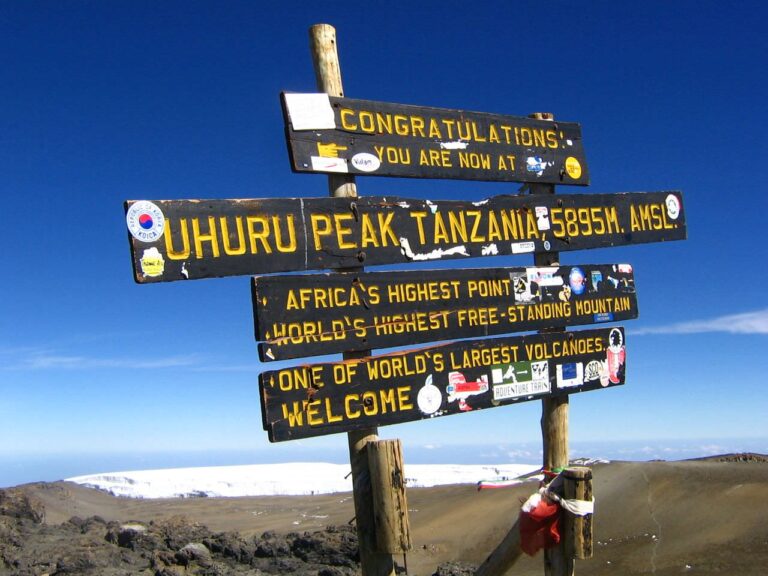
What Does Kilimanjaro Rainforest Look Like? A Trekkers Visual Guide 2026-2027
The Kilimanjaro rainforest is a vibrant, humid zone of dense vegetation, towering trees, and diverse plant life found on the mountain's lower slopes. It's the first major ecosystem trekkers...
View package details
Kilimanjaro Climb With A Personal Support Assistant: Your Ultimate Guide
Climbing Mount Kilimanjaro with a personal support assistant offers unparalleled safety, comfort, and focus on your summit goals. This guide details what a personal assistant entails, its...
View package details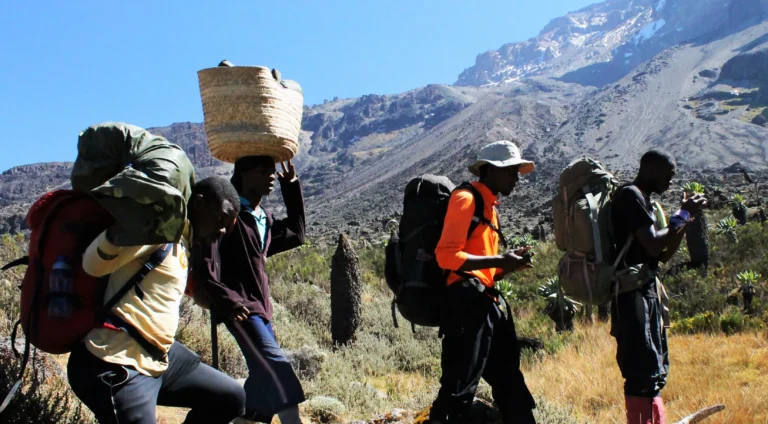
How To Know Whether You Are Ready For Kilimanjaro: A Comprehensive Guide
Climbing Mount Kilimanjaro is a significant undertaking. This guide helps you evaluate your physical, mental, and logistical readiness to ensure a safe and successful trek in 2026 or 2027...
View package detailsNo related package matches those filters. Clear one or more filters to see the other topic-matched options.



