
The best Kilimanjaro routes for July are generally those offering higher acclimatization profiles and scenic beauty, with the Machame Route and Lemosho Route standing out as top choices for the 2026-2027 climbing season. July falls within Kilimanjaro’s dry season, providing excellent trekking conditions with clear skies and minimal rain, making it an ideal month to climb. Both Machame and Lemosho are known for their success rates, largely due to their longer durations (6-7 days typically) which promote better acclimatization, and their varied, beautiful scenery. The Northern Circuit is also an excellent option for those prioritizing acclimatization and a less crowded experience, though it’s longer and more expensive.
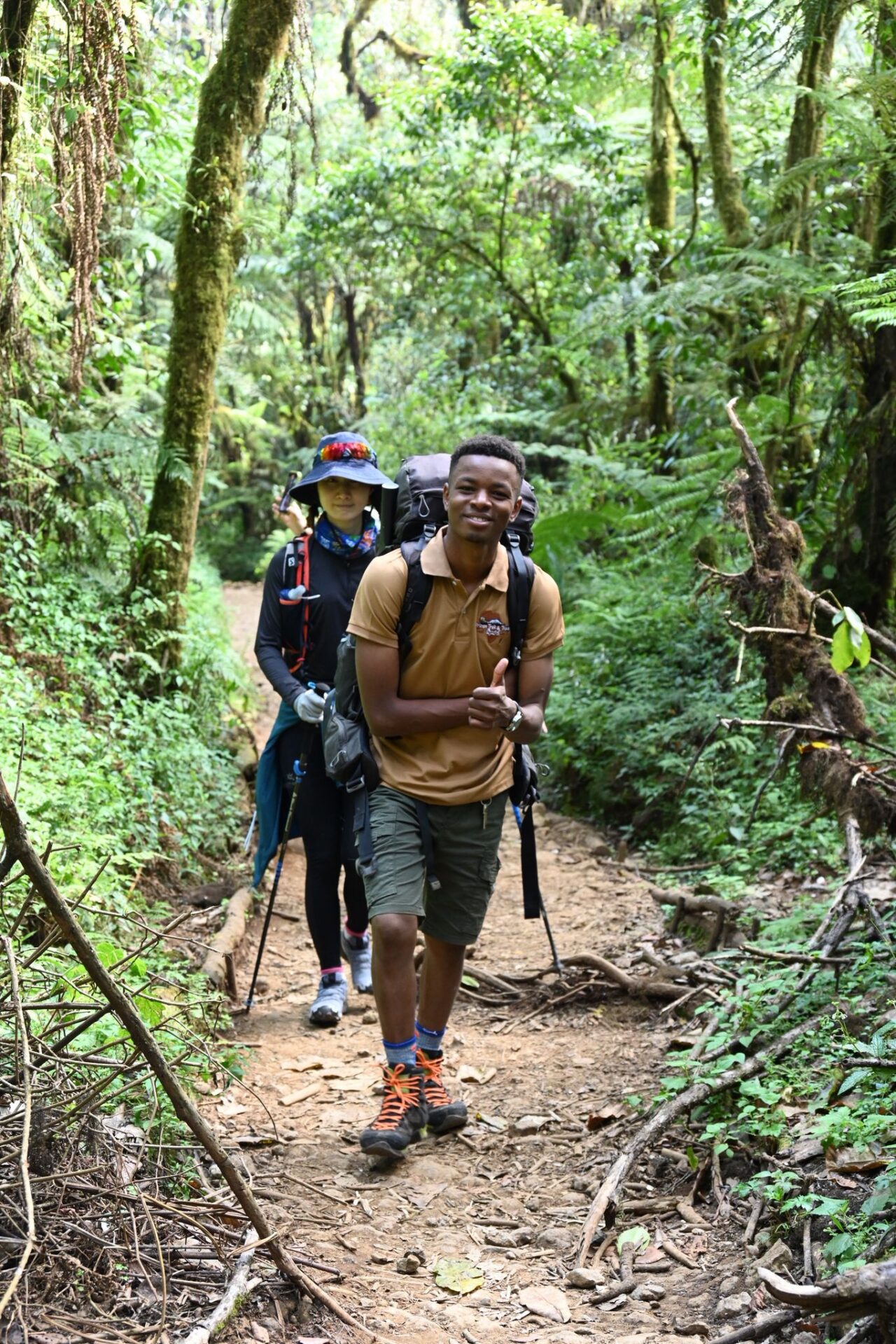
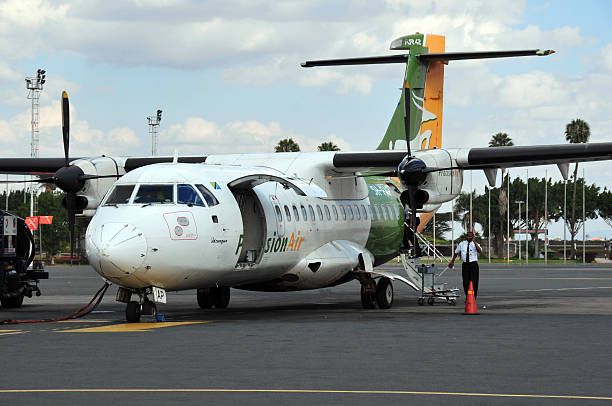
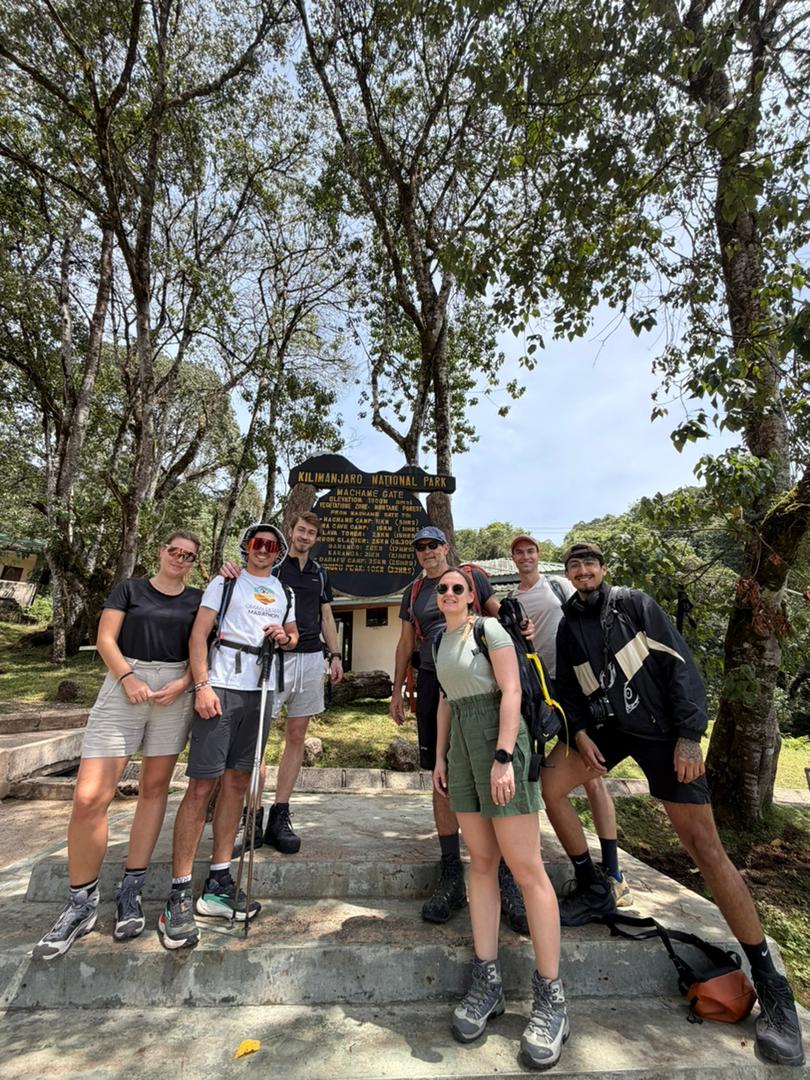
Understanding Kilimanjaro in July: Weather and Conditions
July marks the beginning of Kilimanjaro’s second dry season, a highly sought-after period for trekkers aiming for the summit. Unlike the heavier rains of the April-May period, July offers generally stable and pleasant weather, making it one of the most popular months to ascend Africa’s highest peak. For your 2026-2027 climb, understanding these conditions is paramount to selecting the right route and preparing adequately.
Kilimanjaro’s Climate in July
The weather on Kilimanjaro in July is characterized by:
- Clear Skies: Expect significantly clearer skies compared to the wet seasons. This means fantastic panoramic views of the surrounding landscape, including Mount Meru and, on exceptionally clear days, glimpses of the Kenyan plains.
- Low Precipitation: Rainfall is minimal. While occasional light showers can occur, especially on the lower slopes, they are infrequent and rarely disrupt trekking for extended periods. The higher altitudes are typically dry, though you might encounter frost or light snow near the summit.
- Cool to Cold Temperatures: Temperatures can vary dramatically depending on altitude. The base camp areas might be pleasantly warm (around 20-25°C or 68-77°F), but as you ascend, temperatures drop sharply. At the summit (Uhuru Peak, 5,895m / 19,341ft), expect temperatures to be well below freezing, often ranging from -5°C to -15°C (23°F to 5°F), and potentially colder with wind chill, especially during the pre-dawn summit push.
- Lower Humidity: The air is generally drier, which can be more comfortable for breathing during the strenuous climb.
- Increased Foot Traffic: Due to the favorable weather, July is a peak season. This means popular routes will be busier, and campsites might be more crowded. Booking well in advance for 2026-2027 is highly recommended.
Why July is a Great Month for Kilimanjaro
The combination of dry weather, clear views, and cooler temperatures makes July an attractive option for many climbers. It balances the advantages of the very popular December-February dry season with potentially fewer crowds initially, though it quickly becomes a busy month. For trekkers concerned about altitude sickness, the cooler temperatures can sometimes make breathing feel easier at lower altitudes, though the acclimatization process remains the most critical factor regardless of the month.
Top Kilimanjaro Routes for July Climbers
When planning your Kilimanjaro expedition for July 2026-2027, route selection is as important as your training. The best routes for this dry month are those that offer excellent acclimatization profiles, stunning scenery, and good success rates. We will explore the most recommended options, detailing their unique characteristics.
1. Machame Route: The “Whiskey Route”
The Machame Route is consistently one of the most popular choices for Kilimanjaro climbers, and for good reason, especially during the dry months like July. It’s often nicknamed the “Whiskey Route” because it’s considered a more challenging option compared to the “Coca-Cola Route” (Marangu). Its popularity stems from its high success rate, beautiful scenery, and gradual acclimatization profile.
Machame Route Itinerary & Acclimatization
Machame is typically offered as a 6-day or 7-day trek. For July 2026-2027, we strongly recommend the 7-day Machame Route itinerary. This extra day significantly improves acclimatization and, consequently, your chances of reaching Uhuru Peak.
A typical 7-day Machame itinerary looks like this:
- Day 1: Machame Gate (1,800m/5,905ft) to Machame Camp (3,000m/9,842ft) – Trek: 5-7 hours.
- Day 2: Machame Camp to Shira 2 Camp (3,850m/12,631ft) – Trek: 4-6 hours.
- Day 3: Shira 2 Camp to Barranco Camp (3,950m/12,959ft) via Lava Tower (4,600m/15,091ft) – Trek: 6-8 hours. This day is crucial for acclimatization as you trek high and sleep low.
- Day 4: Barranco Camp to Karanga Camp (4,000m/13,123ft) – Trek: 3-5 hours.
- Day 5: Karanga Camp to Barafu Camp (4,650m/15,255ft) – Trek: 4-5 hours.
- Day 6: Barafu Camp to Uhuru Peak (5,895m/19,341ft) and descend to Mweka Camp (3,100m/10,170ft) – Trek: 7-8 hours to summit, 4-6 hours descent.
- Day 7: Mweka Camp to Mweka Gate (1,600m/5,249ft) – Trek: 3-5 hours.
Machame Route Pros for July
- Excellent Scenery: Machame offers diverse landscapes, from rainforests to alpine deserts and the glacial zone. The views are consistently stunning throughout the trek.
- High Success Rate: With a 7-day itinerary, the acclimatization is good, leading to higher summit success rates compared to shorter routes.
- Good Acclimatization: The route follows the “climb high, sleep low” principle effectively, particularly on Day 3, which is vital for altitude adaptation.
- Well-Established Camps: Campsites are generally well-maintained and equipped.
Machame Route Cons for July
- Popularity: Being very popular, campsites and trails can be crowded, especially during the peak July season. This can detract from the wilderness experience for some.
- Steep Ascents/Descents: Some sections, like the Barranco Wall, involve scrambling, which can be challenging for those with a fear of heights.
- No Camping on Summit Night: Unlike Marangu, Machame does not allow camping on the summit night itself; you ascend directly from Barafu Camp.
2. Lemosho Route: The Scenic Choice
The Lemosho Route is often considered the most beautiful route on Kilimanjaro. It starts in the west and traverses the Shira Plateau, offering impressive views and excellent acclimatization opportunities. For trekkers in 2026-2027 seeking a balance of scenery, success rate, and a slightly less crowded experience than Machame, Lemosho is an outstanding option.
Lemosho Route Itinerary & Acclimatization
Lemosho is typically offered as a 7-day or 8-day trek. For July, the 8-day Lemosho Route is highly recommended to maximize acclimatization and enjoyment of the scenery. The longer duration allows for a more relaxed pace and better adaptation to the altitude.
A common 8-day Lemosho itinerary:
- Day 1: Londorossi Gate (2,360m/7,742ft) to Mti Mkubwa Camp (2,800m/9,186ft) – Trek: 3-4 hours.
- Day 2: Mti Mkubwa Camp to Shira 1 Camp (3,500m/11,482ft) – Trek: 5-7 hours.
- Day 3: Shira 1 Camp to Shira 2 Camp (3,850m/12,631ft) – Trek: 3-5 hours.
- Day 4: Shira 2 Camp to Barranco Camp (3,950m/12,959ft) via Lava Tower (4,600m/15,091ft) – Trek: 6-8 hours.
- Day 5: Barranco Camp to Karanga Camp (4,000m/13,123ft) – Trek: 3-5 hours.
- Day 6: Karanga Camp to Barafu Camp (4,650m/15,255ft) – Trek: 4-5 hours.
- Day 7: Barafu Camp to Uhuru Peak (5,895m/19,341ft) and descend to Mweka Camp (3,100m/10,170ft) – Trek: 7-8 hours to summit, 4-6 hours descent.
- Day 8: Mweka Camp to Mweka Gate (1,600m/5,249ft) – Trek: 3-5 hours.
Lemosho Route Pros for July
- Exceptional Scenery: Lemosho offers arguably the most diverse and stunning views, including the vast Shira Plateau and panoramic vistas.
- High Success Rate: The 8-day itinerary provides excellent acclimatization, leading to high summit success rates.
- Less Crowded: Especially in the initial days, Lemosho is less crowded than Machame, offering a more tranquil trekking experience.
- Good Acclimatization: Similar to Machame, it utilizes the “climb high, sleep low” strategy effectively.
Lemosho Route Cons for July
- More Expensive: Generally, Lemosho is pricier than Machame due to the longer duration and potentially more complex logistics at the start.
- Remote Start: The initial days are quite remote, with basic facilities, which might be a consideration for some.
- Barranco Wall: Like Machame, it also involves the Barranco Wall scramble.
3. Northern Circuit: The Ultimate Acclimatization Route
For trekkers prioritizing acclimatization and a more exclusive experience, the Northern Circuit is the longest and arguably the best route for overall success, especially for those who might be more susceptible to altitude sickness. It circles the mountain, offering a 360-degree view and passing through diverse ecological zones. For a 2026-2027 climb, this route is ideal for those with ample time and a desire for a comprehensive Kilimanjaro experience.
Northern Circuit Itinerary & Acclimatization
The Northern Circuit is typically an 8-day or 9-day trek. The 9-day Northern Circuit is the standard and provides the best possible acclimatization.
A typical 9-day Northern Circuit itinerary:
- Day 1: Londorossi Gate (2,360m/7,742ft) to Mti Mkubwa Camp (2,800m/9,186ft) – Trek: 3-4 hours.
- Day 2: Mti Mkubwa Camp to Shira 2 Camp (3,850m/12,631ft) – Trek: 5-7 hours.
- Day 3: Shira 2 Camp to Lava Tower (4,600m/15,091ft) and then down to Barranco Camp (3,950m/12,959ft) – Trek: 6-8 hours.
- Day 4: Barranco Camp to Kikelewa Caves (4,400m/14,435ft) – Trek: 6-7 hours.
- Day 5: Kikelewa Caves to Mawenzi Tarn Camp (4,700m/15,419ft) – Trek: 4-5 hours.
- Day 6: Mawenzi Tarn Camp to Kibo Camp (4,700m/15,419ft) via the saddle between Mawenzi and Kibo – Trek: 4-5 hours.
- Day 7: Kibo Camp to Uhuru Peak (5,895m/19,341ft) and descend to Kibo Huts (4,700m/15,419ft) for a short rest before descending further to Millennium Camp (3,800m/12,467ft) – Trek: 8-10 hours to summit, 3-4 hours descent to Kibo Huts, 3-4 hours descent to Millennium Camp.
- Day 8: Millennium Camp to Mweka Gate (1,600m/5,249ft) – Trek: 5-7 hours.
- Day 9: Mweka Camp to Mweka Gate (1,600m/5,249ft) – Trek: 3-5 hours. (Note: Some itineraries combine Day 8 and 9 descents, or use Mweka Camp after Barafu descent. The itinerary above is a common 9-day structure.)
Northern Circuit Pros for July
- Best Acclimatization: The longest duration and gradual ascent provide the best conditions for altitude adaptation, leading to the highest success rates.
- Spectacular Views: The circuit offers unparalleled 360-degree views of Kilimanjaro’s massif and the surrounding plains.
- Least Crowded: It’s the least crowded route, offering a more serene and wild trekking experience.
- Diverse Scenery: It traverses diverse landscapes, including the remote northern slopes.
Northern Circuit Cons for July
- Most Expensive: This is typically the most expensive route due to its length and longer park fees.
- Longest Duration: Requires more time off work or commitments.
- More Remote: The remoteness means support logistics are more extensive.
4. Rongai Route: A Good Alternative, Especially for Lower Rainfall
While July is a dry season, the Rongai Route, which approaches Kilimanjaro from the north, is known for receiving less rainfall than routes on the southern side. It’s a good option if you’re looking for a slightly different perspective and a route that can be completed in 6 or 7 days. It’s generally considered less scenic than Machame or Lemosho but offers a higher chance of spotting wildlife in the drier northern foothills.
Rongai Route Itinerary & Acclimatization
Rongai is usually offered as a 6-day or 7-day trek. For July, a 7-day Rongai Route is recommended to improve acclimatization.
A typical 7-day Rongai itinerary:
- Day 1: Nale Muru Gate (1,950m/6,398ft) to Simba Camp (2,600m/8,530ft) – Trek: 3-4 hours.
- Day 2: Simba Camp to Kikelewa Cave (3,600m/11,811ft) – Trek: 6-7 hours.
- Day 3: Kikelewa Cave to Mawenzi Tarn Camp (4,700m/15,419ft) – Trek: 4-5 hours.
- Day 4: Mawenzi Tarn Camp to Kibo Camp (4,700m/15,419ft) – Trek: 4-5 hours.
- Day 5: Kibo Camp to Uhuru Peak (5,895m/19,341ft) and descend to Kibo Huts (4,700m/15,419ft) – Trek: 8-10 hours to summit, 3-4 hours descent.
- Day 6: Kibo Huts to Horombo Camp (3,700m/12,139ft) – Trek: 4-5 hours descent.
- Day 7: Horombo Camp to Marangu Gate (1,860m/6,102ft) – Trek: 5-7 hours.
Rongai Route Pros for July
- Less Rainfall: Approaches from the drier northern side, meaning potentially less rain even during the shoulder seasons.
- Wildlife Sightings: Higher chance of seeing animals in the lower foothills.
- Less Crowded: Generally less busy than Machame or Lemosho.
- Good Success Rate (7-day): The 7-day version offers reasonable acclimatization.
Rongai Route Cons for July
- Less Scenic: The scenery is considered less dramatic than Machame or Lemosho, especially in the initial days.
- Limited Acclimatization (6-day): The 6-day option is not recommended for July due to poor acclimatization.
- Less Varied Terrain: The route offers less diversity in its landscape compared to southern routes.
5. Marangu Route: The “Coca-Cola Route” (Less Recommended for July)
The Marangu Route is the oldest and most established path up Kilimanjaro. It’s known for its unique “huts” accommodation rather than camping, and its direct ascent and descent profile. While it’s the cheapest and easiest to train for, it is generally not the best choice for July, especially for those prioritizing success and acclimatization.
Marangu Route Itinerary & Acclimatization
Marangu is typically a 5-day or 6-day trek. The 5-day version is notoriously difficult due to poor acclimatization, and even the 6-day version offers less gradual acclimatization than other routes.
Marangu Route Pros for July
- Huts Accommodation: Offers basic dormitory-style huts, which can be more comfortable than camping for some.
- Cheapest Option: Often the most budget-friendly route.
- Direct Descent: The descent uses the same path as the ascent, which is less strenuous on the knees for some.
Marangu Route Cons for July
- Poor Acclimatization: The direct ascent profile leads to significantly lower success rates, especially on the 5-day option. The 6-day option is better but still inferior to Machame or Lemosho.
- Least Scenic: It offers the least varied scenery and a less in-depth trekking experience.
- Crowded: Being the cheapest and easiest, it’s often very crowded.
- Suboptimal for July: The benefits of the dry season are somewhat diminished by the route’s inherent acclimatization challenges.
Comparing Kilimanjaro Routes for July 2026-2027
To help you decide, here’s a comparative overview of the most suitable routes for a July climb. We focus on factors critical for success and enjoyment during this dry season.
| Route | Typical Duration (Recommended for July) | Acclimatization Profile | Scenery | Success Rate (with recommended duration) | Crowds (July) | Cost (Approximate Range) |
|---|---|---|---|---|---|---|
| Machame | 7 Days | Good (Climb High, Sleep Low) | Excellent (Diverse Landscapes) | High | High | Mid-Range |
| Lemosho | 8 Days | Very Good (Gradual Ascent) | Exceptional (Panoramic Views) | Very High | Moderate | Mid-to-High Range |
| Northern Circuit | 9 Days | Excellent (Best Acclimatization) | Outstanding (360° Views) | Highest | Low | High |
| Rongai | 7 Days | Moderate (Good for Dry Season) | Good (Less Dramatic) | Moderate-to-High | Moderate | Mid-Range |
| Marangu | 6 Days (minimum recommended) | Poor | Basic | Low (even on 6-day) | Very High | Low |
Key Factors for Choosing Your July Kilimanjaro Route
When making your final decision for a 2026-2027 climb, consider these points:
- Your Experience Level: If you are a novice trekker, prioritize acclimatization and choose a longer route like Lemosho (8 days) or Northern Circuit (9 days). If you have trekking experience but are concerned about altitude, the 7-day Machame is a solid choice.
- Budget: Marangu is the cheapest, followed by Machame and Rongai. Lemosho and Northern Circuit are more expensive due to their longer durations and logistics.
- Time Availability: Do you have 6 days, 7 days, 8 days, or 9 days to dedicate to the climb? This will significantly narrow down your options.
- Crowd Tolerance: If you prefer a quieter experience, the Northern Circuit is your best bet. Machame and Marangu will be the busiest in July.
- Scenery Preference: Lemosho and Northern Circuit are renowned for their visual splendor.
Preparing for Your Kilimanjaro Climb in July 2026-2027
A successful Kilimanjaro climb depends heavily on preparation. For a July 2026-2027 expedition, focus on these areas:
1. Physical Training
Kilimanjaro is a strenuous trek, not a technical climb. The key is cardiovascular fitness and endurance. Start training at least 2-3 months before your climb:
- Hiking: Regular hikes with a weighted backpack are essential. Aim for at least 2-3 hikes per week, including one long hike (4-6 hours) on weekends.
- Cardio: Engage in activities like running, cycling, swimming, or stair climbing for 30-60 minutes, 3-4 times a week.
- Strength Training: Focus on leg strength (squats, lunges) and core stability.
- Altitude Training: If possible, try to do some high-altitude hikes in the months leading up to your trip.
2. Gear and Equipment
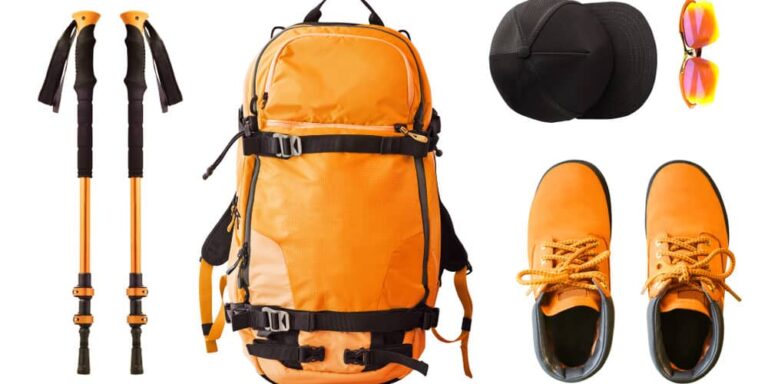
Proper gear is crucial for comfort and safety in Kilimanjaro’s varied conditions, especially in July’s cold summit temperatures. Layering is key:
- Base Layers: Moisture-wicking thermals (synthetic or merino wool).
- Mid Layers: Fleece jackets or down vests for insulation.
- Outer Layer: Waterproof and windproof jacket and trousers (Gore-Tex or similar).
- Footwear: Broken-in, waterproof hiking boots.
- Headwear: Warm hat, sun hat, and balaclava/neck gaiter.
- Gloves: Warm, waterproof gloves and liner gloves.
- Sleeping Bag: A 4-season sleeping bag (-15°C to -20°C comfort rating) is recommended for July.
- Trekking Poles: Essential for stability and reducing knee strain.
- Headlamp: With extra batteries.
Top Guide Adventures can provide detailed packing lists to ensure you have everything you need for your 2026-2027 climb.
3. Acclimatization Strategies
Even on the best routes for July, understanding acclimatization is vital:
- Go “Pole Pole”: This Swahili phrase means “slowly, slowly.” Walk at a pace that allows you to hold a conversation.
- Hydration: Drink plenty of water (3-4 liters per day). Dehydration can worsen altitude sickness symptoms.
- Avoid Alcohol and Smoking: These can exacerbate altitude sickness.
- Eat Well: Consume high-carbohydrate meals, which are easier to digest at altitude.
- Ascend Gradually: Choose longer routes (7+ days) for July.
- Listen to Your Body: Report any symptoms of altitude sickness (headache, nausea, dizziness) to your guide immediately.
4. Mental Preparation
Climbing Kilimanjaro is as much a mental challenge as a physical one. Be prepared for difficult moments, cold temperatures, and exhaustion. Positive self-talk, focusing on the goal, and enjoying the journey are crucial.
Why Choose Top Guide Adventures for Your July 2026-2027 Kilimanjaro Climb?
Choosing the right tour operator is critical for a safe and enjoyable Kilimanjaro experience. At Top Guide Adventures, we are dedicated to providing personalized, high-quality treks that prioritize your safety, success, and overall satisfaction. For your July 2026-2027 climb, we offer:
Our Commitment to Your Kilimanjaro Adventure
- Experienced Guides: Our guides are certified, highly experienced, and trained in wilderness first aid and altitude sickness management. They are passionate about Kilimanjaro and dedicated to your success.
- Safety First: We carry adequate oxygen supplies, pulse oximeters, and comprehensive first-aid kits on every climb. Our itineraries are designed with acclimatization as a top priority.
- Quality Equipment: We provide high-quality tents, sleeping mats, and cooking gear. You can also rent essential items like warm sleeping bags and trekking poles from us.
- Sustainable Tourism: We are committed to responsible tourism practices, ensuring minimal environmental impact and fair treatment of our porters and staff.
- Tailored Experiences: Whether you prefer a private climb or joining a small group, we can customize your itinerary to suit your needs and budget for 2026-2027.
- Personalized Support: From your initial inquiry to your successful summit and beyond, our team provides dedicated support. We help with visa information, packing lists, and pre-climb advice.
- Excellent Reviews: Our clients consistently praise our service, safety standards, and overall expedition experience. Check our reviews on TripAdvisor.
We understand that choosing the best Kilimanjaro route for July involves many considerations. Our team is here to guide you through every step. We can help you select the ideal route based on your fitness, time, budget, and preferences, ensuring your 2026-2027 climb is a memorable success.
Frequently Asked Questions about Climbing Kilimanjaro in July
Here are some common questions we receive about climbing Kilimanjaro during the month of July:
Q1: Is July a good month to climb Kilimanjaro?
A: Yes, July is an excellent month to climb Kilimanjaro. It falls within one of the two dry seasons, offering clear skies, good visibility, and minimal rainfall, though temperatures can be cold, especially at higher altitudes and near the summit.
Q2: Which Kilimanjaro route has the highest success rate in July?
A: Routes with longer durations and better acclimatization profiles generally have higher success rates. For July, the Northern Circuit (9 days), Lemosho Route (8 days), and the 7-day Machame Route are recommended for their superior acclimatization, leading to the highest summit success rates.
Q3: What is the weather like on Kilimanjaro in July?
A: July is characterized by dry weather with clear skies and good visibility. Temperatures can range from pleasant on the lower slopes to well below freezing at the summit, especially during the pre-dawn summit push. Expect temperatures around 20-25°C (68-77°F) at lower altitudes and -5°C to -15°C (23°F to 5°F) or colder at the summit, with wind chill.
Q4: Do I need to book my Kilimanjaro climb for July 2026 or 2027 far in advance?
A: Yes, July is a peak season. It’s highly advisable to book your Kilimanjaro climb for July 2026 or 2027 at least 6-12 months in advance, especially if you are looking for specific dates or private group arrangements. This ensures availability with reputable operators and park permits.
Q5: What are the biggest challenges of climbing Kilimanjaro in July?
A: The primary challenge is the cold, particularly on summit night. Altitude sickness remains a significant risk, which is why choosing a longer route for acclimatization is crucial. Crowding on popular routes like Machame can also be a factor.
Q6: Is the Machame Route suitable for a July climb?
A: Absolutely. The 7-day Machame Route is one of the best choices for July. It offers excellent scenery, good acclimatization, and high success rates, making it a favorite for many climbers heading to Kilimanjaro in July.
Q7: What kind of gear is essential for Kilimanjaro in July?
A: Essential gear includes warm, waterproof, and windproof outer layers, multiple insulating mid-layers, thermal base layers, a warm sleeping bag (rated to at least -15°C), sturdy hiking boots, warm hat and gloves, and trekking poles. Layering is key to managing the temperature fluctuations.
Q8: How much does it cost to climb Kilimanjaro in July?
A: The cost varies significantly by route, operator, and inclusions. For July 2026-2027, expect prices to range from approximately $1,500 to $3,500+ per person for a reputable operator offering a 7-day Machame or Lemosho climb. Longer routes like the Northern Circuit will be at the higher end. This typically includes park fees, guide and porter salaries, food, and accommodation on the mountain.
Finalizing Your Best Kilimanjaro Route for July 2026-2027
The decision on the best Kilimanjaro route for July hinges on balancing acclimatization, scenery, duration, and budget. For the 2026-2027 climbing season, the Machame Route (7 days) and Lemosho Route (8 days) are outstanding choices, offering high success rates and memorable trekking experiences in the dry July conditions. For those prioritizing the ultimate acclimatization and a less crowded journey, the Northern Circuit (9 days) is unparalleled, albeit at a higher cost and time commitment.
Remember, regardless of the route you choose, thorough preparation, the right gear, and a reputable tour operator like Top Guide Adventures are vital for a safe and successful ascent. We are passionate about helping you achieve your Kilimanjaro dream. Our team is ready to answer all your questions and tailor the perfect expedition for you. Don’t hesitate to reach out to us to plan your unforgettable 2026-2027 Kilimanjaro adventure.
Contact us today for a personalized quote and expert advice:
WhatsApp: +255 616 946 642
Email: topguideadventures@gmail.com
Backup Email: info@topguideadventures.com
Visit our website at www.topguideadventures.com to learn more about our services and see our client testimonials.
Check Availability for Best Kilimanjaro Route For July : Your Expert Guide To Success 2026-2027
Ready to compare dates, prices, and the best option for your group? Send the package name and travel month so the team can reply with a clear quote, availability, and what is included.
Reasons Climbers Regret Choosing A Short Kilimanjaro Route | Top Guide
Many Kilimanjaro climbers opt for shorter routes to save time or money, only to later regret their decision. This article details the common pitfalls of short routes, focusing on...
View package detailsKilimanjaro Route-Selection Mistakes 2026-2027
Kilimanjaro Route-Selection Mistakes is explained with current 2026-2027 planning, price, itinerary and booking information.
View package details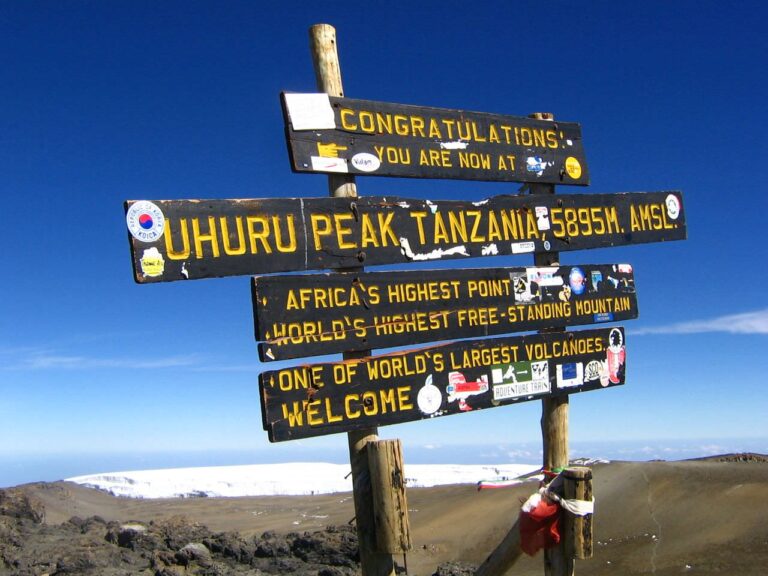
What Does Kilimanjaro Rainforest Look Like? A Trekkers Visual Guide 2026-2027
The Kilimanjaro rainforest is a vibrant, humid zone of dense vegetation, towering trees, and diverse plant life found on the mountain's lower slopes. It's the first major ecosystem trekkers...
View package details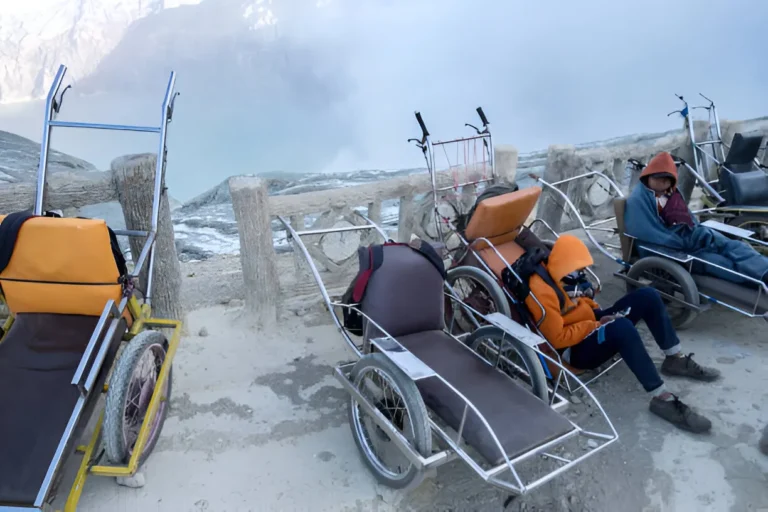
Kilimanjaro Climb With A Personal Support Assistant: Your Ultimate Guide
Climbing Mount Kilimanjaro with a personal support assistant offers unparalleled safety, comfort, and focus on your summit goals. This guide details what a personal assistant entails, its...
View package details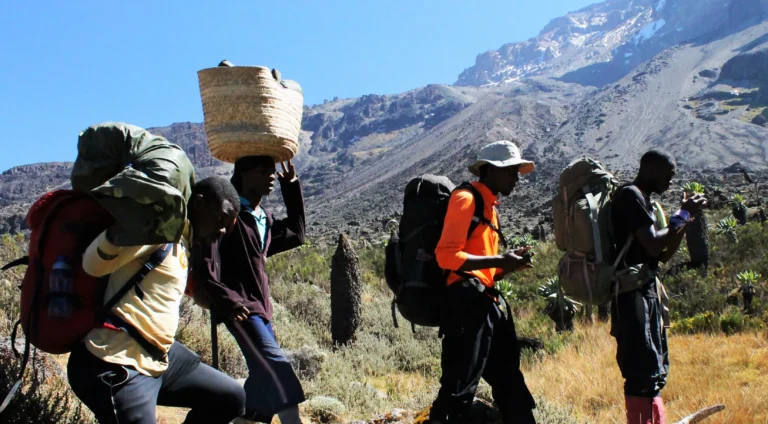
How To Know Whether You Are Ready For Kilimanjaro: A Comprehensive Guide
Climbing Mount Kilimanjaro is a significant undertaking. This guide helps you evaluate your physical, mental, and logistical readiness to ensure a safe and successful trek in 2026 or 2027...
View package details
Kilimanjaro Hydration Mistakes Climbers Make And How To Avoid Them 2026-2027
Proper hydration is critical for a successful Kilimanjaro climb. This guide details common hydration mistakes climbers make, from under-drinking to choosing the wrong fluids, and provides...
View package details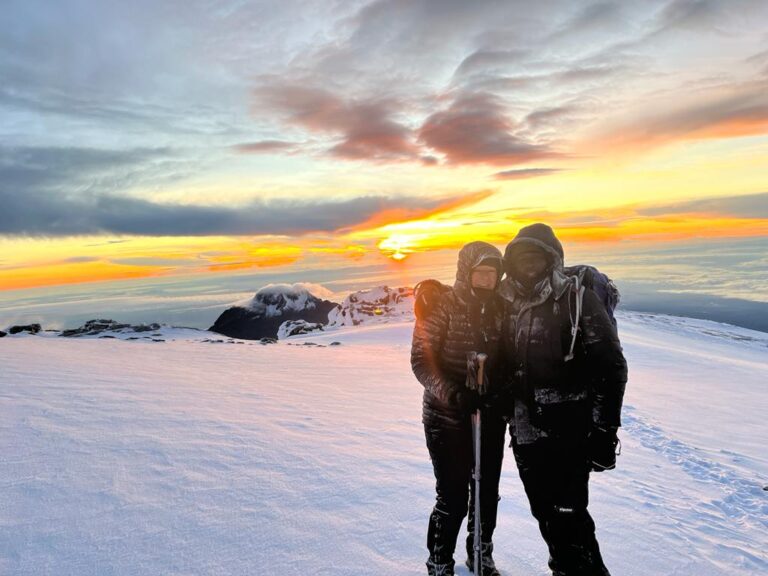
Kilimanjaro Altitude-Sickness Mistakes 2026-2027
Kilimanjaro Altitude-Sickness Mistakes is explained with current 2026-2027 planning, price, itinerary and booking information.
View package details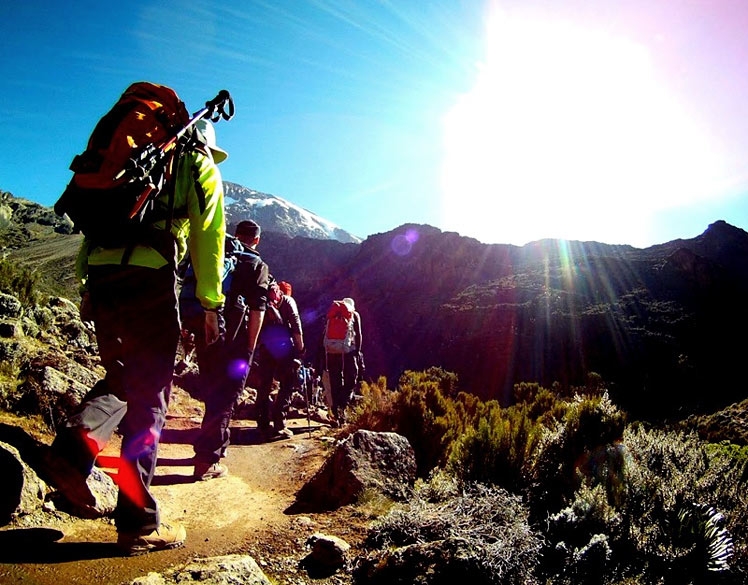
Kilimanjaro Summit-Night Mistakes To Avoid: Your Essential Guide For Climbs
Summit night on Kilimanjaro is the most challenging part of the climb. Avoiding common mistakes in acclimatization, gear, hydration, and pacing is crucial for success. This guide details...
View package details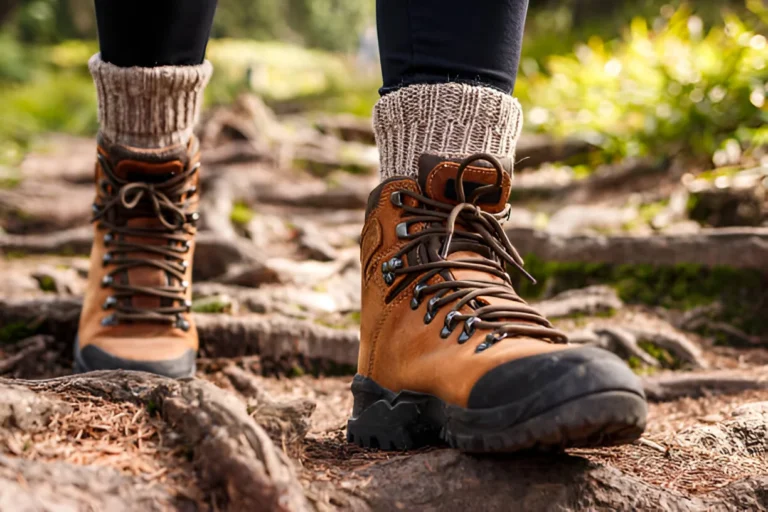
Kilimanjaro Training Mistakes That Reduce Summit Success 2026-2027
Kilimanjaro Training Mistakes that Reduce Summit Success is explained with current 2026-2027 planning, price, itinerary and booking information.
View package details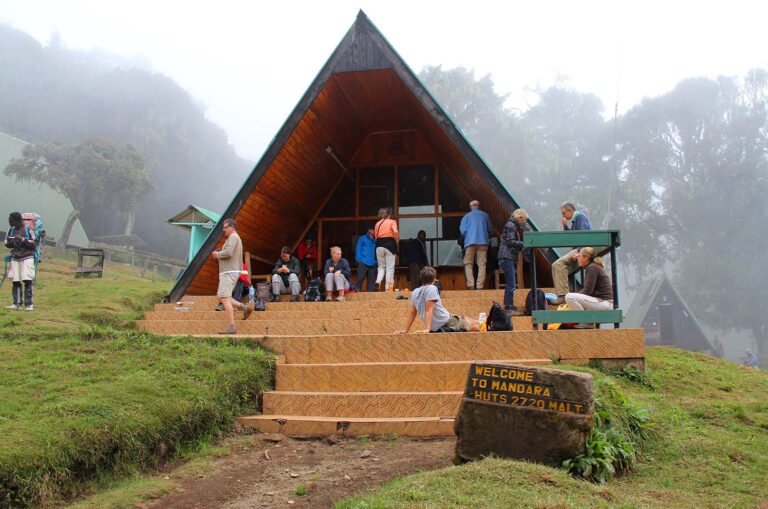
Kilimanjaro Personal Porter Vs Standard Support 2026-2027
Kilimanjaro Personal Porter vs Standard Porter Support is explained with current 2026-2027 planning, price, itinerary and booking information.
View package details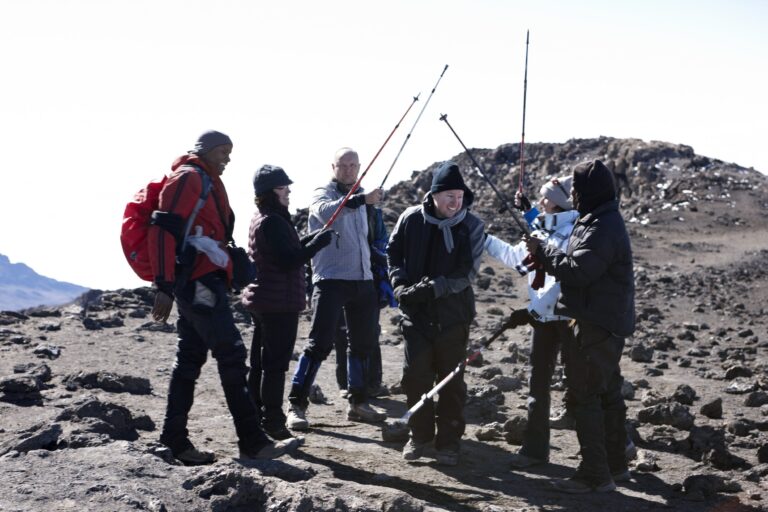
Kilimanjaro Airport Vs Arusha For Climbers: The Definitive Guide 2026-2027
A comprehensive comparison of Kilimanjaro International Airport (JRO) and Arusha Airport (ARK) for trekkers planning a Mount Kilimanjaro climb, detailing pros, cons, and booking advice for...
View package details
Kilimanjaro Climb For Retired Couples: Planning Your Adventure 2026-2027
Planning a Kilimanjaro climb as a retired couple is an achievable and rewarding goal. This guide offers in-depth advice on route selection, physical preparation, essential gear, and the...
View package detailsNo related package matches those filters. Clear one or more filters to see the other topic-matched options.



