
The 7-day Machame Route Kilimanjaro climb in July offers excellent weather conditions for trekkers, with dry days and clear skies being common, making it one of the best months for attempting the summit. This itinerary provides a balanced acclimatization profile, increasing your chances of success on Mount Kilimanjaro. Expect daytime temperatures to be cool to mild, with significant drops at night, and prepare for potential frost at higher altitudes. July falls within Kilimanjaro’s dry season, making it a popular choice for climbers planning their 2026 or 2027 expeditions.
Understanding the 7-Day Machame Route for a July Kilimanjaro Expedition
Mount Kilimanjaro, Africa’s highest peak, calls to adventurers worldwide. Among the most popular and scenic ascents is the Machame Route. Opting for the 7-day Machame Route Kilimanjaro climb in July positions you perfectly to experience one of the mountain’s most favorable trekking windows. July marks the heart of Kilimanjaro’s dry season, meaning longer periods of sunshine, lower humidity, and significantly reduced chances of rain compared to the wet seasons. This predictability is invaluable for any climber, especially when planning an expedition for 2026 or 2027.
The Machame Route itself is renowned for its ‘climb high, sleep low’ philosophy, which is crucial for effective acclimatization. The 7-day itinerary is widely considered the optimal duration for this route, offering a good balance between a challenging climb and sufficient time for your body to adapt to the increasing altitude. This extended duration allows for a more gradual ascent, significantly boosting success rates and enhancing the overall trekking experience. For those looking ahead to Kilimanjaro climbs in July 2026 or July 2027, understanding the nuances of the 7-day Machame offers a distinct advantage.
Top Guide Adventures specializes in crafting memorable Kilimanjaro experiences, and our 7-day Machame Route packages are designed with your safety, comfort, and success in mind. We understand that climbing Kilimanjaro is a significant undertaking, and choosing the right route, duration, and time of year is paramount. This guide is dedicated to providing you with all the essential information for a successful 7-day Machame Route Kilimanjaro climb in July.
Why July is Ideal for Your 7-Day Machame Route Kilimanjaro Climb
Choosing July for your 7-day Machame Route Kilimanjaro climb is a strategic decision driven by the mountain’s microclimates and weather patterns. Kilimanjaro experiences two distinct dry seasons: a longer one from June to October and a shorter one from January to February. July falls squarely within the primary dry season, offering a compelling set of advantages:
- Clear Skies and Visibility: July typically boasts clear, sunny days. This means you’ll have unobstructed views of the surrounding landscape, the crater rim, and, on summit night, the stunning sunrise. The photographic opportunities are unparalleled during this period.
- Lower Rainfall: While not entirely rain-free, July sees very minimal rainfall. Any precipitation is usually light and brief, often occurring in the late afternoon or evening, and is much less frequent than during the rainy seasons (March-May and November-December).
- Moderate Temperatures: Daytime temperatures on the lower slopes can be pleasantly warm, often in the range of 20-25°C (68-77°F). As you ascend, temperatures will drop significantly. At higher altitudes, expect temperatures to hover around 0-10°C (32-50°F) during the day, plummeting to below freezing, potentially -5°C to -15°C (23°F to 5°F), on summit night. July’s dry conditions mean the cold is often a dry cold, which can be more manageable than damp, biting cold.
- Reduced Mud and Slippery Trails: The dry weather means trails are generally in better condition, reducing the risk of slipping on mud and making the trekking more comfortable and safer.
- Higher Success Rates: While success on Kilimanjaro depends on many factors (acclimatization, fitness, crew, gear), the favorable weather in July contributes to higher overall success rates for trekkers. Less challenging trail conditions and better visibility can boost morale and physical endurance.
For trekkers planning their expeditions for July 2026 or July 2027, this dry season advantage is a significant factor. It allows for more consistent trekking days and a more enjoyable journey up the mountain. Top Guide Adventures ensures that all our 7-day Machame Route Kilimanjaro climb expeditions in July are equipped to handle the specific conditions, providing experienced guides and porters who are adept at navigating Kilimanjaro’s terrain in any weather.
The 7-Day Machame Route Itinerary: A Detailed Breakdown
The Machame Route is known for its scenic beauty and effective acclimatization profile. The 7-day version is particularly recommended as it allows for a slower pace and a better chance to adapt to the altitude. Here’s a typical itinerary for a 7-day Machame Route Kilimanjaro climb in July:
Day 1: Machame Gate (1,800m/5,905ft) to Machame Camp (3,050m/10,007ft)
Distance: 11 km / 7 miles
Trekking Time: 5-7 hours
Habitat: Rainforest
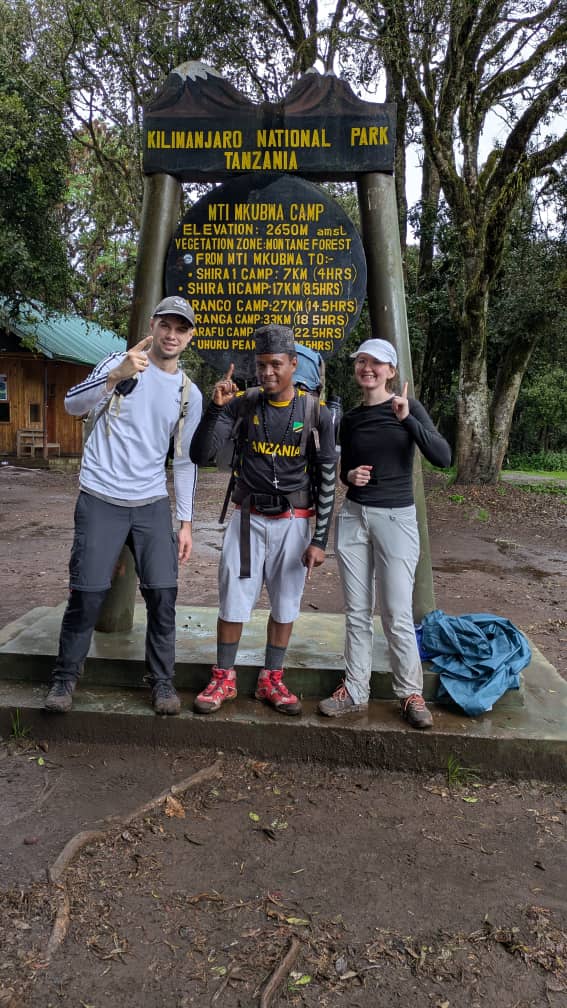
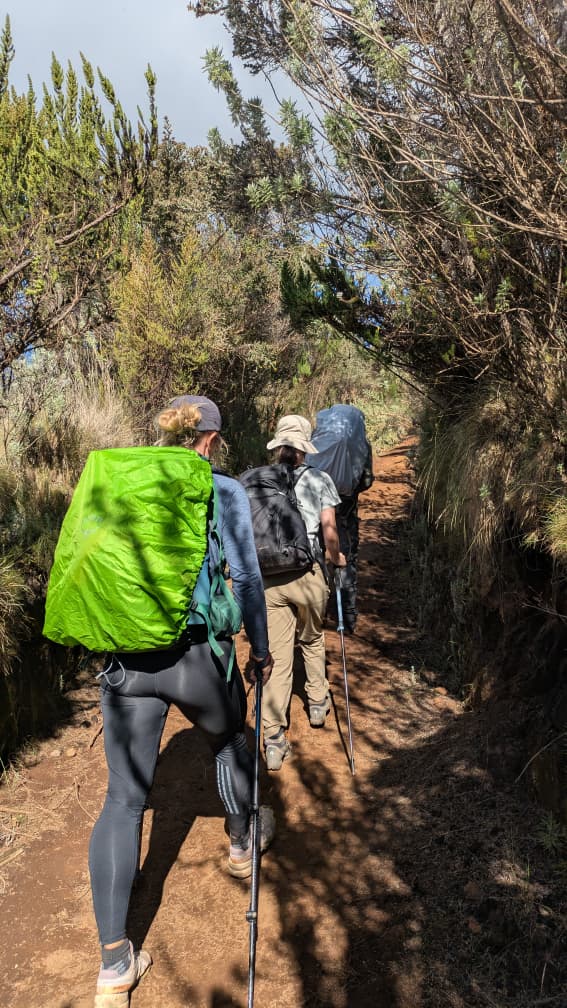
Your adventure begins at Machame Gate, where you’ll complete registration formalities. The trek starts immediately through a dense, vibrant rainforest. The path can be steep and muddy, especially in July, so sturdy, waterproof boots are essential. You’ll likely encounter diverse flora and fauna, including monkeys. The day ends at Machame Camp, situated on the edge of the forest zone.
Day 2: Machame Camp (3,050m/10,007ft) to Shira 2 Camp (3,850m/12,631ft)
Distance: 5 km / 3 miles
Trekking Time: 4-6 hours
Habitat: Moorland
Today’s trek takes you out of the rainforest and into the moorland zone. The terrain becomes more open with heather and giant groundsels. The trail is generally steeper, with some rocky sections. You’ll gain significant altitude, and the views start to open up. Shira 2 Camp is located on a plateau with spectacular views, especially towards the Shira Massif.
Day 3: Shira 2 Camp (3,850m/12,631ft) to Lava Tower (4,600m/15,091ft) to Barranco Camp (3,950m/12,959ft)
Distance: 10 km / 6 miles
Trekking Time: 6-8 hours
Habitat: Semi-desert
This is a key acclimatization day. You’ll trek east towards the Lava Tower, a prominent volcanic plug. Reaching Lava Tower at 4,600m is a significant altitude gain. After a break and lunch, you’ll descend to Barranco Camp. This ‘climb high, sleep low’ strategy is vital for acclimatization. The landscape is stark and rocky. Barranco Camp is in a stunning valley, offering dramatic views of the Great Barranco Wall.
Day 4: Barranco Camp (3,950m/12,959ft) to Karanga Camp (4,000m/13,123ft)
Distance: 5 km / 3 miles
Trekking Time: 3-5 hours
Habitat: Alpine desert
The morning starts with the famous scramble up the Great Barranco Wall. While challenging, it’s more of a steep climb than a technical rock climb and is well within the capabilities of most trekkers with good hiking fitness. After conquering the wall, the terrain becomes less steep as you traverse across alpine desert landscapes. Karanga Camp is situated in a sheltered valley, offering a welcome rest stop.
Day 5: Karanga Camp (4,000m/13,123ft) to Barafu Camp (4,650m/15,255ft)
Distance: 4 km / 2.5 miles
Trekking Time: 3-5 hours
Habitat: Alpine desert
This is a shorter trekking day, designed to conserve energy for the summit push. You’ll ascend through increasingly barren alpine desert. The views become more expansive as you approach Barafu Camp, which is located on a rocky saddle. Barafu Camp is your base for the summit attempt, with significant altitude gain today.
Day 6: Barafu Camp (4,650m/15,255ft) to Summit (Uhuru Peak, 5,895m/19,341ft) and down to Mweka Camp (3,100m/10,170ft)
Distance: 7 km / 4.5 miles ascent, 12 km / 7.5 miles descent
Trekking Time: 7-9 hours ascent, 4-6 hours descent
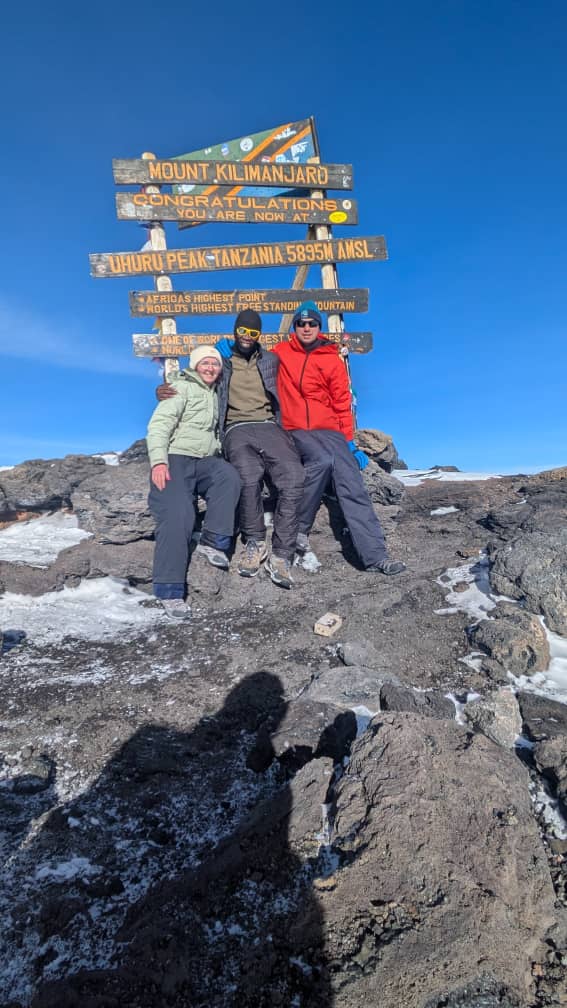
Summit night! You’ll start your ascent around midnight, trekking up steep scree slopes in the dark, guided by headlamps. The goal is to reach Stella Point (5,756m/18,881ft) by sunrise, and then continue to Uhuru Peak, the highest point in Africa. The temperature will be well below freezing. After celebrating at the summit, you’ll descend back to Barafu Camp for a short rest before continuing down to Mweka Camp. This is a very long and demanding day.
Day 7: Mweka Camp (3,100m/10,170ft) to Mweka Gate (1,500m/4,921ft)
Distance: 10 km / 6 miles
Trekking Time: 3-5 hours
Habitat: Rainforest
Your final day involves descending through the remaining rainforest. The trails are often muddy. Upon reaching Mweka Gate, you’ll receive your summit certificates. A vehicle will be waiting to transfer you back to your hotel in Moshi or Arusha, where you can finally relax and celebrate your incredible achievement.
Preparing for Your 7-Day Machame Route Kilimanjaro Climb in July 2026-2027
Successful preparation is key to an enjoyable and safe 7-day Machame Route Kilimanjaro climb in July. The dry season conditions in July are favorable, but the altitude and the sheer effort involved require thorough planning.
Physical Fitness and Training
Kilimanjaro is a trek, not a technical climb, but it demands significant physical endurance. Start your training at least 2-3 months before your expedition. Focus on:
- Cardiovascular Fitness: Engage in activities like hiking (with a backpack), running, cycling, or swimming for at least 3-4 times a week.
- Strength Training: Focus on leg strength (squats, lunges) and core strength.
- Hiking Practice: Undertake long hikes, preferably with inclines and carrying a weighted backpack, to simulate mountain conditions. Aim for hikes of 4-6 hours.
While July offers dry trails, the rocky sections and steep ascents still require strong legs and good stamina. Your fitness will significantly contribute to your ability to manage the daily ascents and the demanding summit night.
Acclimatization Strategy
The 7-day Machame Route is designed with acclimatization in mind, but your personal adaptation to altitude is paramount. The ‘climb high, sleep low’ principle used on days 3 and 4 is highly effective. During your trek, remember:
- Hydrate: Drink plenty of water (3-4 liters per day).
- Eat Well: Consume high-carbohydrate meals to maintain energy levels.
- Pace Yourself: “Pole pole” (slowly, slowly) is the mantra on Kilimanjaro. Don’t rush your ascent.
- Listen to Your Body: Report any symptoms of altitude sickness to your guide immediately.
For Kilimanjaro climbs in July 2026 or 2027, understanding and respecting altitude is non-negotiable. Your Top Guide Adventures guides are trained to monitor for signs of altitude sickness and manage the situation effectively.
Gear and Packing List for a July Climb
Packing correctly is crucial for comfort and safety on Kilimanjaro, especially in July. While it’s the dry season, temperatures fluctuate dramatically, and you’ll experience conditions from warm rainforest to freezing summit. Layering is key.
Essential Clothing:
- Base Layers: Moisture-wicking thermal tops and bottoms (synthetic or merino wool).
- Mid Layers: Fleece jackets or vests for insulation.
- Outer Layer: Waterproof and windproof jacket (Gore-Tex or similar) and trousers.
- Insulated Jacket: A warm down or synthetic insulated jacket for cold evenings and summit night.
- Trekking Trousers: Quick-drying, comfortable hiking pants (avoid jeans).
- Shorts: Optional for lower, warmer sections.
- Shirts: Moisture-wicking t-shirts and long-sleeved shirts.
Footwear:
- Hiking Boots: Waterproof, sturdy, broken-in hiking boots with good ankle support.
- Camp Shoes: Comfortable shoes or sandals for camp.
- Socks: Several pairs of wool or synthetic hiking socks.
- Gaiters: To keep debris and water out of your boots.
Headwear and Handwear:
- Warm Hat: Wool or fleece hat that covers your ears.
- Sun Hat: Wide-brimmed hat for sun protection.
- Gloves: Warm, waterproof outer gloves and thinner liner gloves.
- Balaclava/Neck Gaiter: For wind protection.
Sleeping Gear:
- Sleeping Bag: Rated to at least -10°C to -20°C (0°F to -4°F).
- Sleeping Bag Liner: Adds warmth and keeps your bag clean.
- Sleeping Pad: For comfort and insulation (often provided by tour operators, check with Top Guide Adventures).
Trekking Equipment:
- Backpack: A comfortable daypack (30-40 liters) for daily essentials.
- Duffel Bag: Waterproof duffel bag (80-100 liters) for porters to carry.
- Trekking Poles: Highly recommended for reducing strain on knees.
- Headlamp: With extra batteries.
- Water Bottles/Hydration Reservoir: Capacity for 3-4 liters.
- Water Purification: Tablets or filter (though boiled water is usually provided).
- Sunscreen: High SPF.
- Lip Balm: With SPF.
- Sunglasses: UV protection.
- Personal First-Aid Kit: Include blister treatment, pain relievers, and any personal medications.
- Toiletries: Biodegradable soap, toothbrush, toothpaste, wet wipes.
- Camera and Binoculars: Optional.
- Power Bank: For charging electronics.
Always confirm the specific gear list provided by Top Guide Adventures, as they can offer advice tailored to the 7-day Machame Route Kilimanjaro climb in July and the gear they provide.
Understanding the Challenges of the 7-Day Machame Route
While July presents favorable conditions, climbing Kilimanjaro is never to be underestimated. The 7-day Machame Route Kilimanjaro climb, despite its excellent acclimatization profile, still poses significant challenges:
- Altitude Sickness: This is the most significant risk. Symptoms can range from headaches and nausea to severe conditions like High Altitude Cerebral Edema (HACE) and High Altitude Pulmonary Edema (HAPE). Proper acclimatization, hydration, and immediate reporting of symptoms to your guide are critical.
- Extreme Temperatures: Even in July, temperatures can drop dramatically, especially on summit night. Frostbite is a risk if proper gear isn’t used.
- Physical Exertion: The long trekking days, steep ascents, and the final summit push require considerable physical stamina and mental fortitude.
- Terrain: While July means less mud, the trails can still be steep, rocky, and covered in scree, particularly on the final ascent.
- Summit Night Fatigue: The combination of extreme cold, darkness, steepness, and altitude makes summit night the most challenging part of the climb.
For your Kilimanjaro climb in July 2026 or 2027, Top Guide Adventures prioritizes safety. Our guides are highly trained in wilderness first aid and altitude sickness management. We ensure our clients are well-informed and prepared to mitigate these risks.
Success Rates on the 7-Day Machame Route in July
Success rates on Kilimanjaro vary widely depending on the route, duration, operator, and individual climber’s preparation. However, the 7-day Machame Route is generally considered to have one of the highest success rates among the popular routes, especially when trekked during the dry seasons like July.
Factors contributing to higher success rates on the 7-day Machame in July include:
- Optimal Acclimatization: The 7-day itinerary provides a slower ascent with the ‘climb high, sleep low’ strategy, allowing the body more time to adapt to altitude.
- Favorable Weather: July’s dry conditions mean fewer weather-related disruptions and more comfortable trekking, allowing climbers to conserve energy.
- Well-Defined Trails: The Machame route is well-trodden and maintained, making navigation straightforward.
While exact figures are hard to pin down, estimates suggest that success rates for the 7-day Machame Route can range from 70% to over 90% for well-prepared trekkers using reputable operators like Top Guide Adventures. It’s crucial to remember that success is not guaranteed and depends heavily on individual preparation, acclimatization, and adherence to safety guidelines during the climb.
When planning your 7-day Machame Route Kilimanjaro climb in July 2026 or 2027, choosing an operator with a strong safety record and experienced guides is paramount. Top Guide Adventures is committed to maximizing your chances of reaching Uhuru Peak safely.
Costs and Inclusions for a 7-Day Machame Route Climb in July
The cost of a 7-day Machame Route Kilimanjaro climb in July can vary significantly based on the tour operator, the level of service, and what is included in the package. Top Guide Adventures offers comprehensive packages designed to provide excellent value and a safe, memorable experience.
Generally, Kilimanjaro climb costs fall into categories such as budget, mid-range, and luxury. A typical mid-range to upper-mid-range 7-day Machame Route Kilimanjaro climb in July with a reputable operator like Top Guide Adventures might range from $2,000 to $3,500 USD per person. This range is an estimate for 2026-2027 expeditions and can be influenced by group size, specific inclusions, and current park fee structures.
Typical Inclusions in a 7-Day Machame Route Package:
- Park entrance fees, camping fees, and rescue fees
- Experienced, licensed mountain guides
- Assistant guides (ratio typically 1:2 or 1:3 guides per climber)
- Porters to carry group and personal gear (usually up to 15kg per climber)
- Cook to prepare all meals on the mountain
- All meals on the mountain (breakfast, lunch, dinner)
- Boiled drinking water
- Accommodation in tents
- Campsite fees
- Portable toilet (for the group)
- All necessary camping equipment (tents, mess tent, cooking gear)
- Airport transfers on arrival and departure
- Accommodation in a hotel before and after the climb (often 1 night each, confirm with operator)
- Briefing before the climb
Common Exclusions:
- International flights
- Visa fees
- Travel insurance (mandatory, including emergency evacuation)
- Tips for guides, porters, and cook (a significant part of local crew earnings)
- Personal climbing gear (sleeping bag, hiking poles, clothing, etc.)
- Snacks, alcoholic beverages, and soft drinks
- Optional gratuity for hotel staff
- Vaccinations and personal medications
- Climb summit certificate fee (sometimes separate)
When comparing prices for your Kilimanjaro climb in July 2026 or 2027, always look at the inclusions. Top Guide Adventures is transparent about what’s included, ensuring there are no hidden costs. We aim to provide a premium service that prioritizes your safety and comfort, offering competitive pricing for a top-tier experience.
Choosing a Tour Operator: Top Guide Adventures for Your 7-Day Machame Route Climb
Selecting the right tour operator is one of the most critical decisions you’ll make for your 7-day Machame Route Kilimanjaro climb in July. A responsible and experienced operator ensures your safety, provides quality equipment, employs well-treated staff, and maximizes your chances of a successful summit bid.
Top Guide Adventures stands out as a trusted partner for your Kilimanjaro expedition. We are a locally owned and operated company based in Tanzania, giving us an intimate understanding of the mountain and the surrounding culture.
Why Choose Top Guide Adventures for Your July 2026-2027 Climb?
- Local Expertise: As a leading Tanzanian tour company, we have deep roots and extensive experience on Kilimanjaro. Our guides and support staff are local, highly trained, and passionate about sharing their knowledge.
- Safety First: Your safety is our utmost priority. We adhere to strict safety protocols, carry comprehensive first-aid kits, and ensure our guides are certified in wilderness first aid and altitude management. We have oxygen systems available for emergencies.
- Ethical Treatment of Crew: We are committed to the fair treatment and ethical employment of our guides, porters, and cooks. This includes providing adequate food, shelter, appropriate gear, and fair wages, ensuring they are motivated and well-equipped to support you.
- Quality Equipment: We provide high-quality, well-maintained tents, sleeping pads, cooking gear, and safety equipment. We are meticulous about the condition of our gear, which is essential for comfort and safety on the mountain.
- Personalized Service: We believe in providing personal attention to every client. From initial inquiry to post-climb celebration, our team is dedicated to making your journey smooth and memorable. We offer tailor-made options and support to suit your needs.
- Proven Track Record: We have a history of successful climbs and satisfied clients. We encourage you to read reviews from previous trekkers who have chosen Top Guide Adventures for their Kilimanjaro expeditions.
When planning your 7-day Machame Route Kilimanjaro climb in July 2026 or July 2027, partnering with Top Guide Adventures means choosing reliability, expertise, and a commitment to an unforgettable adventure. We are dedicated to making your dream of standing on Uhuru Peak a reality.
Frequently Asked Questions about the 7-Day Machame Route in July
What is the best time of year to climb Kilimanjaro via the Machame Route?
The dry seasons are generally considered the best times to climb Kilimanjaro. This includes the long dry season from June to October and the shorter dry season from January to February. July falls within the primary dry season, offering clear skies and minimal rain, making it an excellent choice for a 7-day Machame Route Kilimanjaro climb.
Is July a good month for Kilimanjaro?
Yes, July is an excellent month for climbing Kilimanjaro. It’s part of the dry season, characterized by sunny days, low humidity, and very little rainfall. Temperatures are cool to cold, especially at higher altitudes, but the dry conditions make it more manageable.
What are the expected temperatures on Kilimanjaro in July?
Temperatures vary significantly with altitude. On lower slopes, daytime temperatures can be around 20-25°C (68-77°F). As you ascend, expect daytime temperatures to drop to 0-10°C (32-50°F). Nighttime and summit night temperatures can plummet to below freezing, potentially -5°C to -15°C (23°F to 5°F) or colder, especially with wind chill.
Do I need to book my 7-day Machame Route climb far in advance for July?
Yes, July is a peak season due to the favorable weather. It is highly recommended to book your 7-day Machame Route Kilimanjaro climb at least 6-12 months in advance, especially if you are planning for 2026 or 2027, to secure your preferred dates and operators. This also allows ample time for your physical training and gear preparation.
What is the main difference between the 6-day and 7-day Machame Route?
The primary difference is the pace of acclimatization. The 7-day Machame Route offers an extra day, typically inserted between Barranco Camp and Karanga Camp, or by extending the trek to Lava Tower and descending to Barranco Camp on the same day. This extra day allows for a more gradual ascent and ‘climb high, sleep low’ strategy, significantly improving acclimatization and increasing success rates compared to the 6-day option.
What should I pack specifically for July on Kilimanjaro?
You’ll need a comprehensive layering system. Key items include waterproof/windproof outer layers, a warm down jacket, thermal base layers, fleece mid-layers, sturdy waterproof hiking boots, warm gloves, a wool hat, and a sleeping bag rated to at least -10°C (0°F). Sun protection (hat, sunglasses, sunscreen) is also essential due to the high altitude and clear skies.
Is the 7-day Machame Route difficult?
The 7-day Machame Route is considered a challenging trek, primarily due to the altitude. While the trails are well-maintained, the sustained ascents, especially on summit night, require good physical fitness and mental determination. The 7-day itinerary provides the best possible acclimatization for this route, which helps manage the difficulty.
What are the chances of rain on the 7-day Machame Route in July?
Rainfall is minimal in July as it is the dry season. While brief showers are possible, prolonged or heavy rain is unlikely. You are much more likely to encounter dry conditions, though mist can occur at lower altitudes.
Planning Your 2026-2027 Kilimanjaro Expedition with Top Guide Adventures
Your dream of conquering Mount Kilimanjaro via the 7-day Machame Route in July 2026 or July 2027 is within reach. At Top Guide Adventures, we are dedicated to providing you with an exceptional trekking experience, prioritizing your safety, comfort, and success.
We understand that planning an international trek involves many details. Our team is here to guide you through every step of the process. From answering your initial questions about the 7-day Machame Route Kilimanjaro climb to providing detailed pre-departure information, we ensure you are fully prepared.
Consider the advantages of booking with a local, experienced operator like Top Guide Adventures:
- Expert Guidance: Our guides are among the most experienced on Kilimanjaro, with extensive knowledge of the mountain, acclimatization techniques, and emergency procedures.
- Comprehensive Support: We handle all the logistics, including park permits, park fees, crew management, and meals, allowing you to focus on your climb.
- Value for Money: We offer competitive pricing without compromising on safety or quality. Our packages are designed to provide an unforgettable adventure at a fair price.
Don’t miss the opportunity to experience the magic of Kilimanjaro during its prime trekking season. July offers a fantastic combination of good weather, clear views, and manageable trail conditions for your 7-day Machame Route Kilimanjaro climb.
Ready to take the first step towards your Kilimanjaro adventure? Contact us today to discuss your 7-day Machame Route Kilimanjaro climb in July 2026 or 2027. We are excited to help you plan an expedition that you will cherish for a lifetime. Reach out via WhatsApp at +255616946642, email us at topguideadventures@gmail.com, or use our backup email info@topguideadventures.com. Let’s make your Kilimanjaro dream a reality!
Check Availability for 7-Day Machame Route Kilimanjaro Climb In July : Your Expert Guide 2026-2027
Ready to compare dates, prices, and the best option for your group? Send the package name and travel month so the team can reply with a clear quote, availability, and what is included.
7-Day Rongai Route Kilimanjaro Climb In May: Your Ultimate Guide 2026-2027
Your comprehensive guide to conquering Kilimanjaro via the Rongai Route in May over 7 days. Learn about the itinerary, what to pack, acclimatization, and why May is a great month for this...
View package details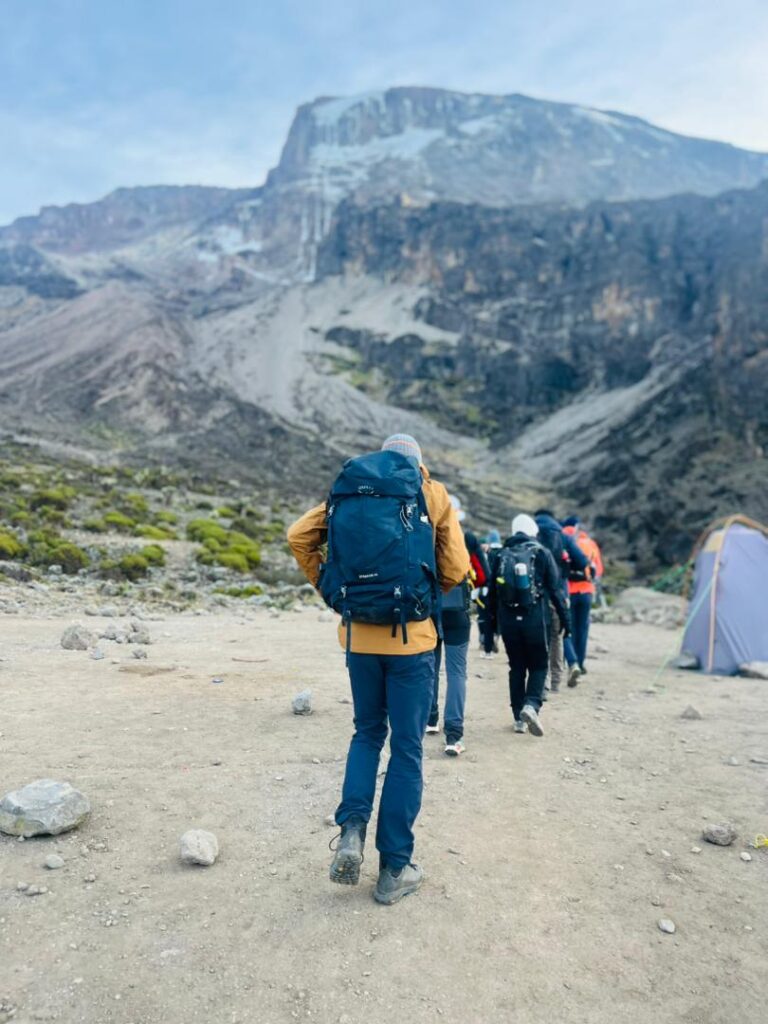
7-Day Rongai Route Kilimanjaro Climb In April: Your Expert Guide For 2026-2027
The 7-Day Rongai Route offers a unique and often drier approach to climbing Kilimanjaro, especially beneficial in April. This guide provides an in-depth look at the itinerary, essential...
View package details8-Day Lemosho Route Kilimanjaro Climb In January | Top Guide Adventures
An in-depth guide to the 8-day Lemosho Route Kilimanjaro climb during January, detailing the itinerary, weather, costs, and preparation needed for a successful trek in 2026-2027. Expert...
View package details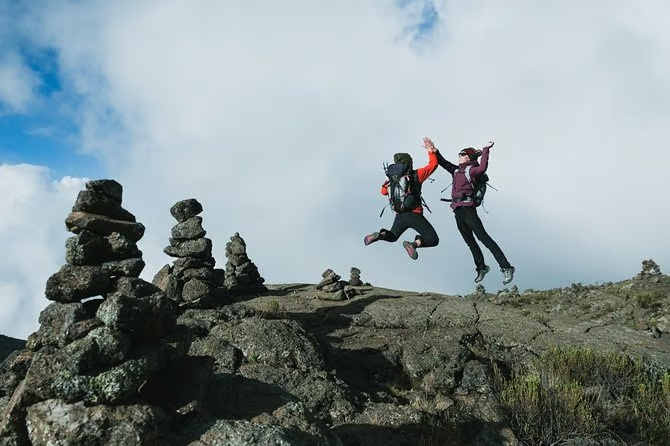
July Vs August Kilimanjaro Climbing: The Ultimate Comparison For 2026-2027
Choosing between July and August for your Kilimanjaro climb? This in-depth comparison details weather patterns, crowd levels, route popularity, and essential planning tips for 2026-2027 to...
View package details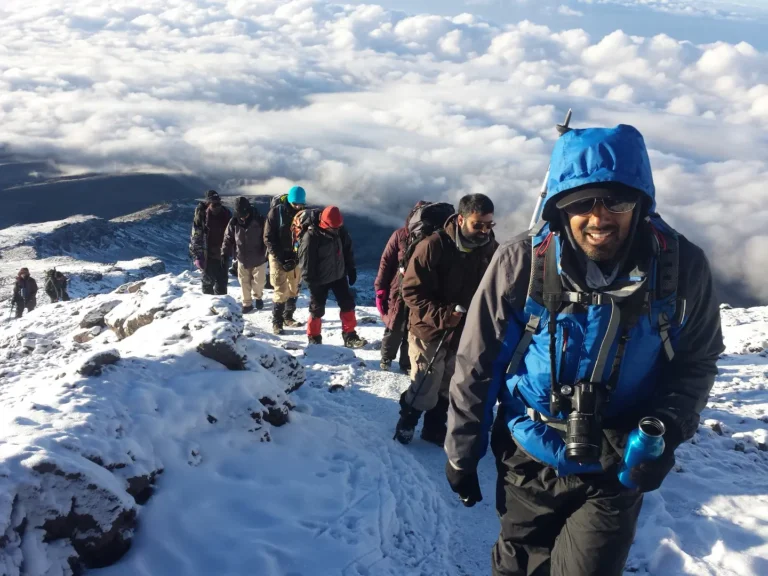
Kilimanjaro Route With The Gentlest Altitude Profile For Climbs 2026-2027
Choosing the right Kilimanjaro route is crucial for a successful and enjoyable climb, especially if you're concerned about altitude. The Marangu and Lemosho routes are often cited for their...
View package details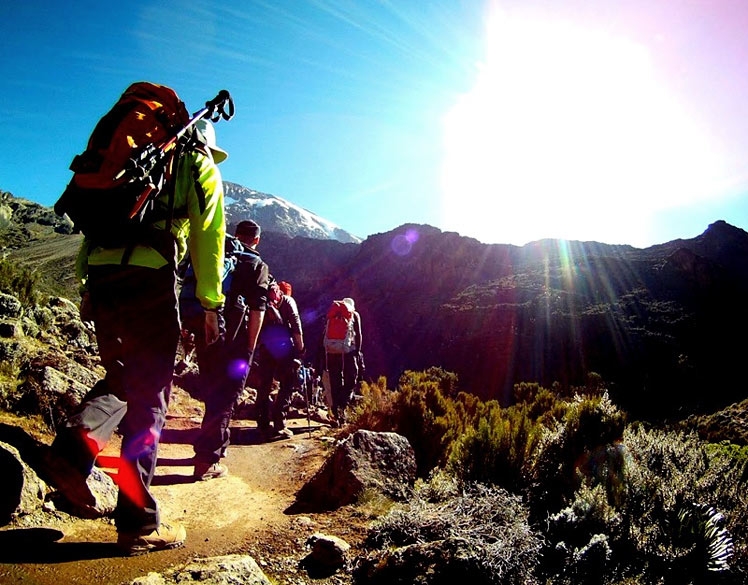
Driest Month To Climb Kilimanjaro: Your Guide For 2026-2027
The driest months for climbing Kilimanjaro are generally January, February, and June through October. These periods offer the clearest skies and lowest rainfall, ideal for a successful and...
View package detailsMay Vs June: When Should You Climb Kilimanjaro? 2026-2027
Choosing between May and June for your Kilimanjaro ascent? This in-depth guide compares the two months, helping you pick the optimal time for your trek based on weather patterns, crowd...
View package details
July Kilimanjaro Last-Minute Availability Guide
Planning a last-minute Kilimanjaro climb in July 2026 or 2027? This guide covers current availability, best routes, essential packing, and how to secure your spot with Top Guide Adventures.
View package details
Are Crampons Required On Kilimanjaro? Your Essential Guide For Climbs
Climbers often wonder about crampons on Kilimanjaro. While not always mandatory, they can be crucial depending on conditions, especially during certain seasons. This guide details when and...
View package details
Do You Need Microspikes For Kilimanjaro? Expert Advice Climbers 2026-2027
Climbers often wonder about the necessity of Microspikes for Kilimanjaro. While not always mandatory, they can significantly enhance safety and comfort on icy sections, particularly on...
View package details
Best Acclimatization Hikes Near Kilimanjaro For Climbs 2026-2027
Optimize your Kilimanjaro climb by selecting the best acclimatization hikes near the mountain. This guide details essential pre-climb training and routes for 2026-2027.
View package details
Should You Climb Mount Meru Before Kilimanjaro? 2026-2027
Should You Climb Mount Meru before Kilimanjaro? is explained with current 2026-2027 planning, price, itinerary and booking information.
View package detailsNo related package matches those filters. Clear one or more filters to see the other topic-matched options.



