
A Machame Route private climb to Uhuru Peak offers a highly personalized and potentially more comfortable Kilimanjaro experience, typically spanning 6 to 7 days, allowing for better acclimatization and a focus on your group’s pace and needs. This popular route is known for its scenic beauty and excellent success rates, especially when undertaken with private arrangements for 2026-2027, ensuring dedicated guides and support staff.
Understanding the Machame Route Private Climb to Uhuru Peak
The allure of standing atop Africa’s highest peak, Uhuru Peak on Mount Kilimanjaro, is a dream for many adventurers. For those seeking a more intimate and tailored journey, a Machame Route private climb to Uhuru Peak stands out as an exceptional choice. Unlike group climbs where you join strangers, a private climb means the entire expedition is curated for you and your companions. This typically includes dedicated guides, porters, chefs, and a private campsite, offering flexibility, enhanced comfort, and a personalized pace that can significantly contribute to your success and enjoyment in 2026-2027.
Top Guide Adventures specializes in crafting these bespoke Kilimanjaro experiences. Our private climbs on the Machame Route are designed to maximize your chances of reaching Uhuru Peak while ensuring safety, comfort, and a deep appreciation for the mountain’s diverse ecosystems. This guide will walk you through every aspect of planning and undertaking such an expedition, from route specifics and preparation to what you can realistically expect on your journey to the Roof of Africa.
Why Choose a Private Machame Route Climb?
The Machame Route, often called the ‘Whiskey Route,’ is one of the most sought-after paths up Kilimanjaro. Its popularity stems from its scenic diversity, gradual ascent profile, and high summit success rates. Opting for a private climb on this route elevates the experience further:
- Personalized Pace: Your group sets the rhythm. Whether you prefer to hike slowly and steadily or cover more ground, your guides will adapt. This is crucial for acclimatization and enjoyment.
- Dedicated Support: You have exclusive access to your guiding team, cooks, and porters. This means immediate attention to your needs, from meal preferences to health concerns.
- Enhanced Comfort: Private campsites often mean more spacious arrangements, fewer people around, and a quieter atmosphere for rest and recovery.
- Flexibility: While itineraries are planned, private climbs allow for minor adjustments based on group dynamics or unforeseen circumstances.
- Group Bonding: Sharing this immense challenge with your chosen friends, family, or colleagues creates an unparalleled bonding experience.
For 2026-2027 trekkers, booking a private climb ensures that your specific dates are secured and your team is fully dedicated to your group’s success.
Machame Route: A Detailed Itinerary for Uhuru Peak Success
The Machame Route is typically completed over 6 or 7 days. While a 6-day option exists, the 7-day Machame Route private climb to Uhuru Peak is highly recommended by Top Guide Adventures for its superior acclimatization profile and significantly higher summit success rates. Longer ascents allow your body more time to adjust to the altitude, reducing the risk of Acute Mountain Sickness (AMS).
Here’s a sample 7-day itinerary that highlights the progression and beauty of the Machame Route:
Day 1: Machame Gate (1,800m/5,905ft) to Machame Camp (3,050m/10,007ft)
Distance: 11 km (7 miles)
Trekking Time: 5-7 hours
Habitat: Rainforest
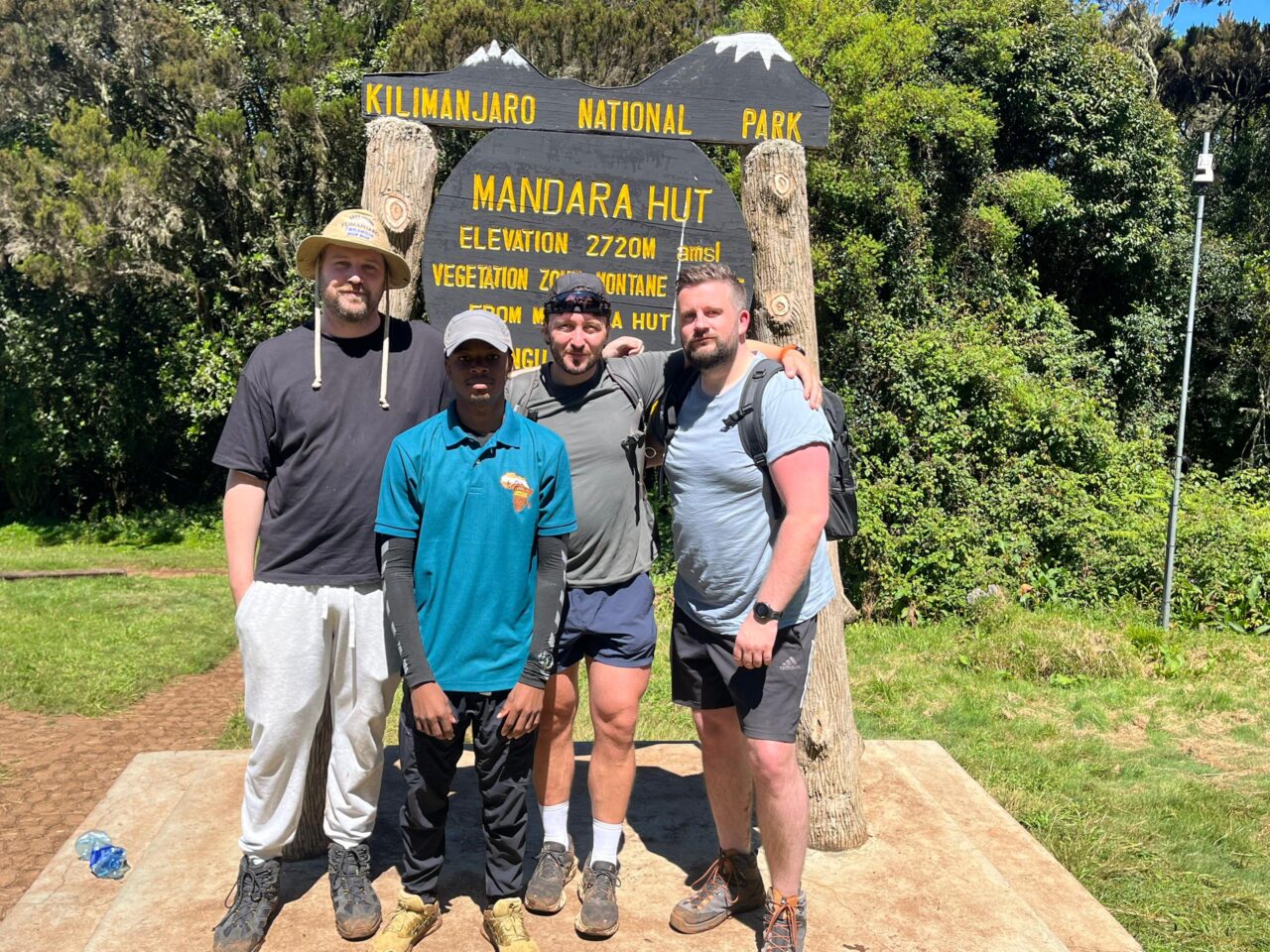
Your journey begins at the Machame Gate, where you’ll complete registration formalities. The initial trek winds through lush, vibrant rainforest, often alive with the sounds of birds and monkeys. The path can be muddy and steep in places, requiring sturdy waterproof boots. Your guides will brief you on the trek ahead. Machame Camp is situated on the edge of the forest line, offering a beautiful introduction to the mountain environment.
Day 2: Machame Camp (3,050m/10,007ft) to Shira 2 Camp (3,850m/12,631ft)
Distance: 5 km (3 miles)
Trekking Time: 4-6 hours
Habitat: Moorland
Today’s trek involves a steeper ascent out of the rainforest and into the moorland zone. You’ll traverse a ridge with superb views of the Machame route snaking below. Shira 2 Camp is a large campsite located on the Shira Plateau, an open, windswept area offering dramatic vistas, especially at sunrise and sunset. You’ll begin to feel the altitude more keenly today.
Day 3: Shira 2 Camp (3,850m/12,631ft) to Lava Tower (4,600m/15,091ft) then to Barranco Camp (3,950m/12,959ft)
Distance: 10 km (6 miles)
Trekking Time: 6-8 hours
Habitat: Alpine Desert
This is a significant day for acclimatization. You’ll ascend steadily towards Lava Tower, a prominent volcanic rock formation. This is a crucial point for ‘climb high, sleep low.’ After reaching Lava Tower and having lunch, you’ll descend significantly to Barranco Camp. This descent helps your body acclimatize effectively. Barranco Camp is located at the base of the imposing Barranco Wall, a spectacular natural amphitheater.
Day 4: Barranco Camp (3,950m/12,959ft) to Karanga Camp (4,000m/13,123ft)
Distance: 5 km (3 miles)
Trekking Time: 4-5 hours
Habitat: Alpine Desert
The day begins with the challenging but rewarding scramble up the Barranco Wall. Your guides will assist you, and the views from the top are phenomenal. The rest of the day involves trekking across undulating terrain through the alpine desert, with Karanga Camp offering a picturesque stopover before the final push to the summit zone. This day continues the acclimatization process.
Day 5: Karanga Camp (4,000m/13,123ft) to Barafu Camp (4,600m/15,091ft)
Distance: 4 km (2.5 miles)
Trekking Time: 3-5 hours
Habitat: Alpine Desert
A shorter trekking day allows for ample rest before the critical summit attempt. The landscape becomes increasingly barren and rocky. Barafu Camp is situated on a rocky ridge, exposed to the elements. You’ll have an early dinner and rest as much as possible in preparation for the midnight start to the summit push.
Day 6: Barafu Camp (4,600m/15,091ft) to Uhuru Peak (5,895m/19,341ft) and down to Mweka Camp (3,100m/10,170ft)
Distance: 5 km (3 miles) ascent, 12 km (7.5 miles) descent
Trekking Time: 7-9 hours ascent, 4-6 hours descent
Habitat: Arctic
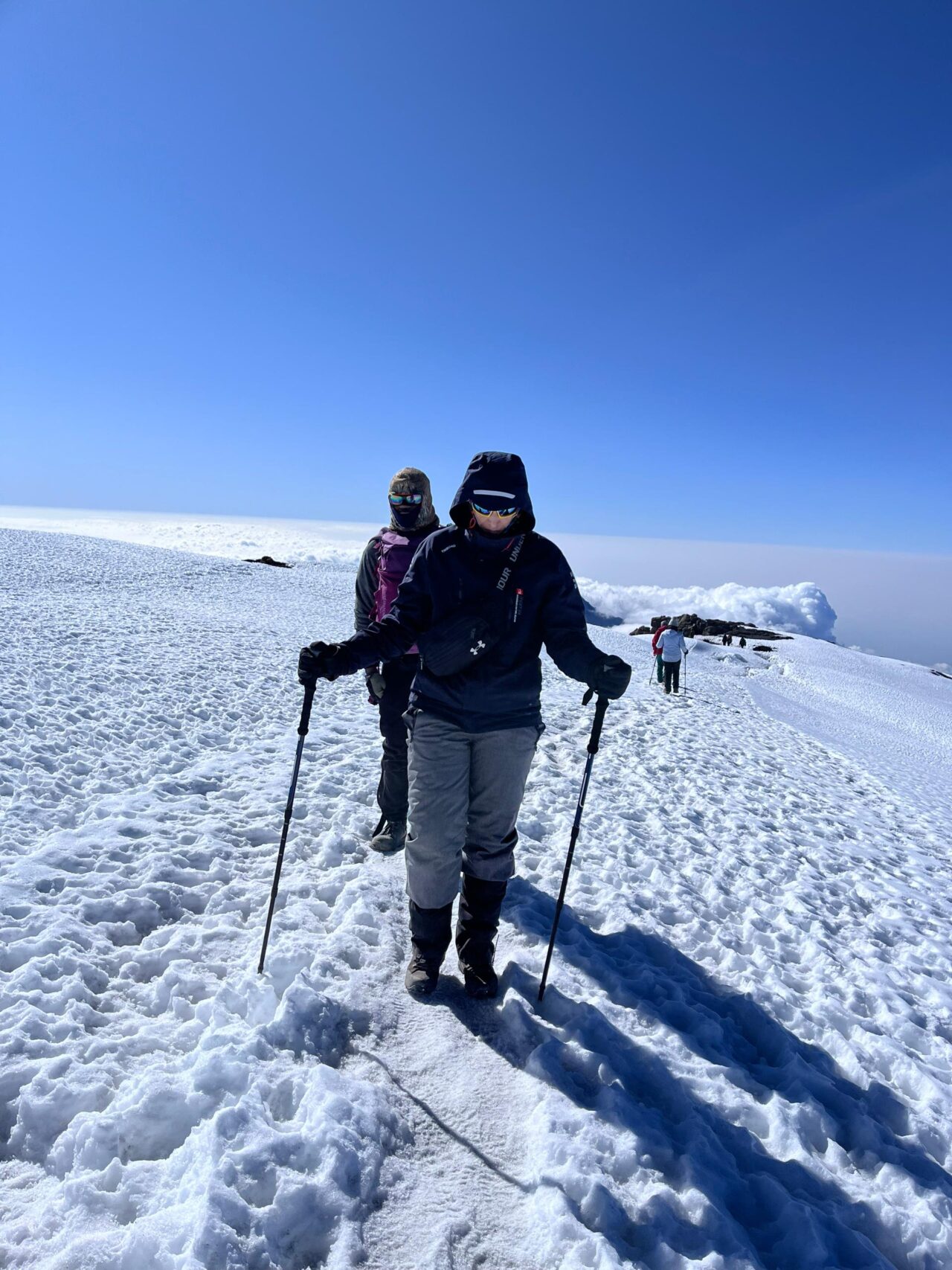
This is summit night! You’ll start hiking around midnight, trekking in the dark towards Stella Point (5,750m/18,865ft) via the scree slopes. The final ascent to Uhuru Peak is challenging, with the cold and altitude taking their toll. Reaching Uhuru Peak at sunrise is an unforgettable moment. After celebrating, you’ll descend back past Barafu Camp, continuing all the way to Mweka Camp, a significant descent that aids recovery.
Day 7: Mweka Camp (3,100m/10,170ft) to Mweka Gate (1,500m/4,921ft)
Distance: 10 km (6 miles)
Trekking Time: 3-5 hours
Habitat: Rainforest
The final descent is through the forest, often a welcome change from the alpine zones. You’ll reach Mweka Gate, where you’ll receive your summit certificates. A vehicle will be waiting to transfer you back to your hotel in Moshi, where you can rest and celebrate your incredible achievement. Many clients opt for a private transfer and celebration dinner arranged by Top Guide Adventures.
The 6-Day Machame Route Option
While the 7-day itinerary is preferred for acclimatization, a 6-day Machame Route private climb to Uhuru Peak is also possible. This option condenses the itinerary, often by combining the trek from Karanga Camp to Barafu Camp with the summit attempt on the same day, or by skipping Karanga Camp altogether and trekking directly from Barranco Camp to Barafu Camp. This saves a day but significantly increases the strain on the body due to less gradual acclimatization. Success rates are generally lower, and the risk of AMS is higher.
For trekkers considering 2026-2027, we strongly advise the 7-day option for a more rewarding and safer ascent.
Preparing for Your Private Machame Climb in 2026-2027
Success on Kilimanjaro, especially via the Machame Route, is a combination of choosing the right itinerary, having excellent support, and being physically and mentally prepared. For your Machame Route private climb to Uhuru Peak in 2026-2027, preparation should begin months in advance.
Physical Training
Kilimanjaro is a strenuous trek, not a technical climb. The main challenge is the altitude and the sustained effort over multiple days. Your training should focus on:
- Cardiovascular Fitness: Engage in regular aerobic activities like hiking, running, cycling, or swimming. Aim for at least 3-4 sessions per week.
- Strength Training: Focus on leg strength (squats, lunges) and core stability. You’ll be carrying a daypack and navigating varied terrain.
- Hiking with a Pack: The most critical preparation is hiking on uneven terrain with a weighted backpack (5-10 kg). This simulates the actual trek conditions and helps your body adapt. Try to do at least one long hike (4+ hours) per week.
- Stair Climbing: This is an excellent exercise for building endurance and leg strength, mimicking the uphill nature of the trek.
Start your training program at least 3-4 months before your climb date in 2026 or 2027.
Mental Preparation
The mental aspect of climbing Kilimanjaro is as important as the physical. Be prepared for challenging conditions:
- Embrace Discomfort: There will be cold, fatigue, and moments of doubt. Mentally prepare to push through these.
- Patience and Persistence: Kilimanjaro is a marathon, not a sprint. ‘Pole pole’ (slowly, slowly) is the mantra.
- Positive Attitude: A positive outlook can significantly influence your experience and your body’s response to altitude.
Altitude Acclimatization
While no amount of training can fully prepare you for altitude, the 7-day Machame Route is designed for optimal acclimatization. Key strategies include:
- Hydration: Drink plenty of water (3-4 liters per day) starting days before the climb and throughout. Avoid alcohol and caffeine, which can dehydrate you.
- ‘Pole Pole’: Hike at a slow, steady pace. This allows your body to adjust to the decreasing oxygen levels.
- Listen to Your Body: Be aware of AMS symptoms (headache, nausea, dizziness). Communicate any concerns immediately to your guide.
What to Pack
Packing correctly is vital for comfort and safety. For a Machame Route private climb to Uhuru Peak, consider these essentials:
Clothing Layers:
- Moisture-wicking base layers (tops and bottoms)
- Insulating mid-layers (fleece jackets, down vests)
- Waterproof and windproof outer shell (jacket and pants)
- Warm hat and gloves (waterproof outer gloves recommended)
- Sun hat with a wide brim
Footwear:
- Broken-in hiking boots (waterproof, sturdy ankle support)
- Camp shoes or comfortable trainers
- Several pairs of wool or synthetic hiking socks
Gear:
- Durable backpack (40-60 liters)
- Sleeping bag (rated to -10°C/14°F or lower)
- Sleeping pad (for extra insulation and comfort)
- Headlamp with extra batteries
- Trekking poles (highly recommended)
- Water bottles or hydration reservoir (at least 3 liters capacity)
- Water purification tablets or filter
- Sunscreen (SPF 30+) and lip balm
- Sunglasses
- Personal first-aid kit (including blister treatment, pain relievers)
- Toiletries (biodegradable soap, toothbrush, toothpaste)
- Hand sanitizer
- Quick-dry towel
- Snacks (energy bars, nuts, dried fruit)
Documents & Money:
- Passport and visa (if required)
- Yellow fever vaccination certificate (if required)
- Travel insurance details
- Cash for tips and personal expenses
Top Guide Adventures provides a detailed packing list upon booking your Machame Route private climb to Uhuru Peak.
The Role of Guides and Support Crew on Your Private Climb
On a private climb, your guiding team is your lifeline. Top Guide Adventures employs highly experienced, certified guides who are trained in first aid, mountain rescue, and AMS management. They are your primary resource for:
- Safety: Monitoring your health, assessing risks, and making critical decisions for your well-being.
- Navigation: Guiding you safely along the Machame Route.
- Acclimatization: Advising on pacing, hydration, and rest.
- Information: Sharing insights about the flora, fauna, and geology of Kilimanjaro.
- Motivation: Providing encouragement and support, especially during challenging moments.
Your porters carry the bulk of your equipment, setting up camp, and ensuring you have hot meals and drinks. The chef prepares nutritious and delicious meals designed to provide energy and aid recovery. Having this dedicated team for your Machame Route private climb to Uhuru Peak ensures a focused and supportive environment.
Cost of a Private Machame Route Climb to Uhuru Peak
The cost of a Machame Route private climb to Uhuru Peak varies depending on the operator, the duration of the climb, the inclusions, and the level of service. As a private climb, it will naturally be more expensive than a group climb due to the dedicated resources.
Factors influencing the price:
- Duration: 7-day climbs are more expensive than 6-day climbs.
- Inclusions: Full board, park fees, rescue fees, equipment rental, transfers, hotel stays before and after the climb, and guide/porter wages are typically included.
- Accommodation: Quality of pre- and post-climb hotel accommodation.
- Group Size: While private, the price is often quoted per person, with a minimum number of participants (e.g., 2 people).
- Operator Reputation: Established operators with a strong safety record and ethical treatment of staff often have higher prices.
For 2026-2027, expect private 7-day Machame Route climbs to range from approximately $2,200 to $3,500+ per person. This typically covers all major mountain logistics. It’s crucial to understand exactly what is included in the price. Top Guide Adventures offers competitive pricing for private climbs, emphasizing value through high-quality service, experienced guides, and a commitment to client safety and success. For a personalized quote for your Machame Route private climb to Uhuru Peak, please contact us directly.
What’s Typically Included in a Private Climb Package?
Standard Inclusions:
- Park entrance fees
- Camping fees
- Rescue fees
- Salaries for guides, cooks, and porters
- All meals on the mountain
- Boiled water on the mountain
- Accommodation in tents at campsites
- Private transfers from/to Kilimanjaro International Airport (JRO) and Moshi
- One night’s accommodation in a hotel in Moshi before and after the climb (often included)
- Climbing permits
- Portable toilet tent (for private climbs)
Typical Exclusions:
- International flights
- Visa fees
- Travel insurance (mandatory)
- Tips for guides, cooks, and porters (a significant part of their income)
- Personal climbing gear (can often be rented)
- Lunches and dinners in Moshi (unless specified)
- Soft drinks and alcoholic beverages
- Summit bonus
Always confirm inclusions and exclusions with your tour operator when booking your Machame Route private climb to Uhuru Peak for 2026-2027.
Summit Night: The Ultimate Challenge on the Machame Route
Summit night is the most demanding part of any Kilimanjaro climb. Starting around midnight from Barafu Camp, you’ll ascend through the cold, thin air towards Stella Point and then Uhuru Peak. The altitude is extreme, and the temperature can drop significantly, often below freezing.
Key aspects of summit night:
- Pacing: Your guides will enforce a slow, steady pace (‘pole pole’). Resist the urge to rush.
- Hydration and Fuel: Sip water regularly and eat high-energy snacks. Your body needs fuel to generate heat and energy.
- Mental Fortitude: This is where mental strength is tested. Focus on one step at a time.
- Breathing: Conscious, deep breaths are essential to maximize oxygen intake.
- Gear Check: Ensure your headlamp is bright, your layers are adequate, and your gloves are warm.
Reaching Uhuru Peak at sunrise is an emotional and triumphant moment. Take time to absorb the view and the accomplishment before beginning the long descent.
Post-Climb Celebrations and Recovery
After descending to Mweka Gate, you’ll be transferred back to your hotel in Moshi. The feeling of accomplishment is immense, but your body will be exhausted. The recovery period is important:
- Rest: Allow yourself plenty of rest. Sleep is crucial for muscle repair and energy restoration.
- Hydration and Nutrition: Continue to drink fluids and eat well.
- Gentle Movement: Light walking can help prevent stiffness.
- Celebrate: Enjoy a well-deserved celebration! Top Guide Adventures can arrange special dinners or cultural experiences in Moshi.
Many trekkers combine their Kilimanjaro climb with a safari in the Serengeti or Ngorongoro Crater, or a relaxing beach holiday in Zanzibar, creating a comprehensive Tanzanian adventure for 2026-2027.
Choosing Top Guide Adventures for Your Private Climb
When planning your Machame Route private climb to Uhuru Peak for 2026-2027, selecting the right tour operator is paramount. Top Guide Adventures is committed to providing safe, ethical, and unforgettable Kilimanjaro experiences.
We offer:
- Experienced and Certified Guides: Our team is among the best in Tanzania.
- Safety First: We prioritize your well-being with comprehensive safety protocols and equipment.
- Fair Treatment of Staff: We adhere to ethical labor practices, ensuring our porters and guides are well-compensated and treated with respect.
- Tailored Itineraries: We specialize in private climbs that cater to your specific needs and preferences.
- High Success Rates: Our focus on acclimatization and quality support contributes to excellent summit success.
We understand that a private climb is a significant investment, and we are dedicated to delivering exceptional value and a truly life-changing experience. For personalized advice, detailed itinerary planning, and a quote for your Machame Route private climb to Uhuru Peak, please reach out to our team.
You can contact us via WhatsApp at +255616946642, email at topguideadventures@gmail.com, or our backup email info@topguideadventures.com. We look forward to helping you achieve your dream of reaching Uhuru Peak in 2026 or 2027!
Check Availability for Machame Route Private Climb To Uhuru Peak: Your Expert Guide 2026-2027
Ready to compare dates, prices, and the best option for your group? Send the package name and travel month so the team can reply with a clear quote, availability, and what is included.
Kilimanjaro Climb With A Private Sleeping Tent: Your Ultimate Comfort Guide
Planning a Kilimanjaro climb? Discover the benefits of opting for a private sleeping tent, ensuring personal space and comfort on the mountain. This guide covers everything you need to know...
View package details
Private Kilimanjaro Interpreter And Guide Package: Your Ultimate Summit
Discover the benefits of a Private Kilimanjaro Interpreter and Guide Package for your trek. Ensure safety, cultural understanding, and a smoother journey to the Roof of Africa with expert...
View package details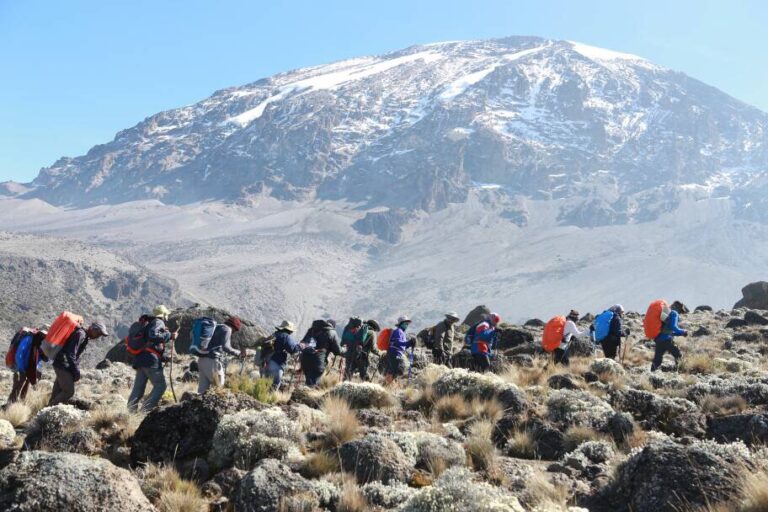
Can You Change Clothes Privately On Kilimanjaro? Guide
Discover how to maintain privacy and comfort while changing clothes during your Kilimanjaro trek. Top Guide Adventures explains the practicalities of staying clean and dignified on the...
View package details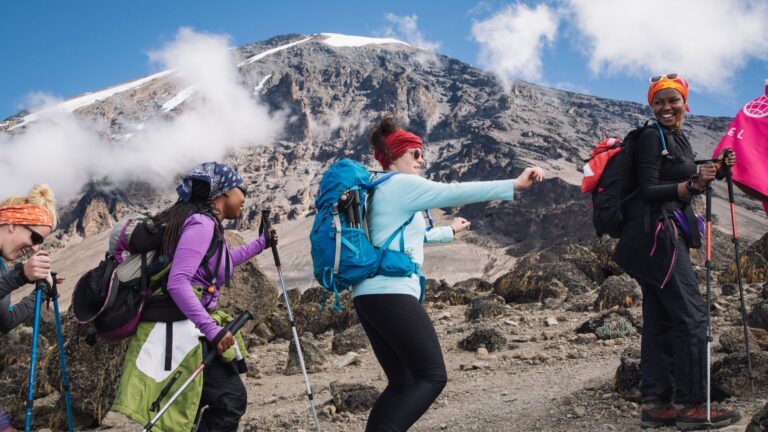
Kilimanjaro Climb With A Swahili-Speaking Guide: Your Essential Top Adventures
Ascend Mount Kilimanjaro with Top Guide Adventures, led by experienced Swahili-speaking guides. This comprehensive guide covers everything you need to know for a successful climb in...
View package details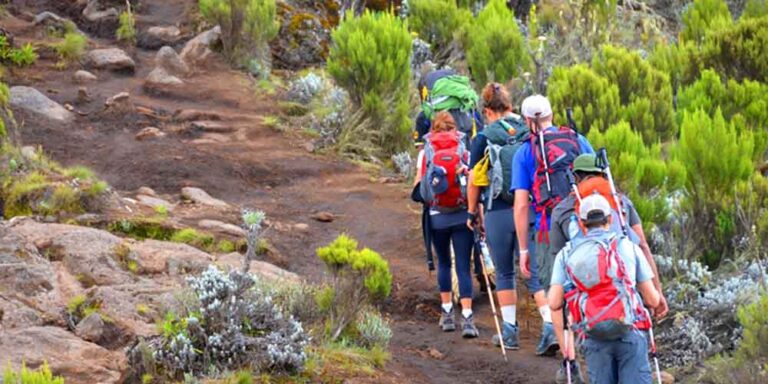
Kilimanjaro Climb With A Hindi-Speaking Guide 2026-2027
Kilimanjaro Climb with a Hindi-Speaking Guide is explained with current 2026-2027 planning, price, itinerary and booking information.
View package details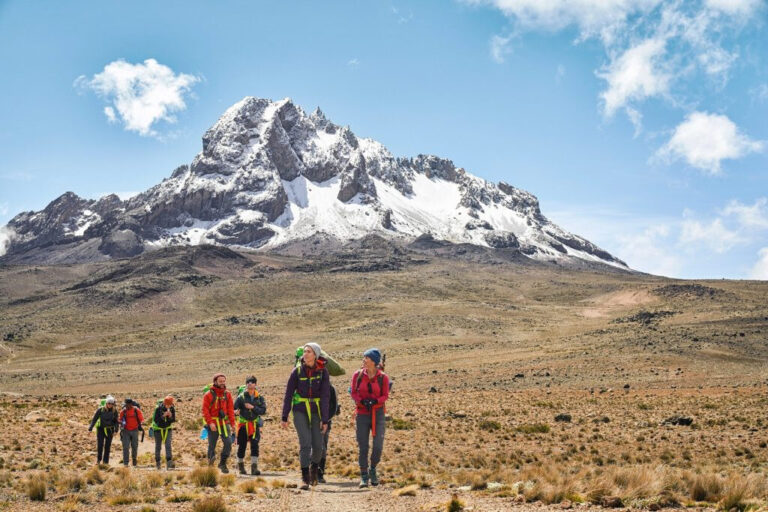
Kilimanjaro Climb With A Hebrew-Speaking Guide: Your Adventure 2026-2027
Discover how to arrange a Kilimanjaro climb with a Hebrew-speaking guide, ensuring a comfortable and culturally connected experience for Israeli hikers planning their 2026-2027 adventure...
View package details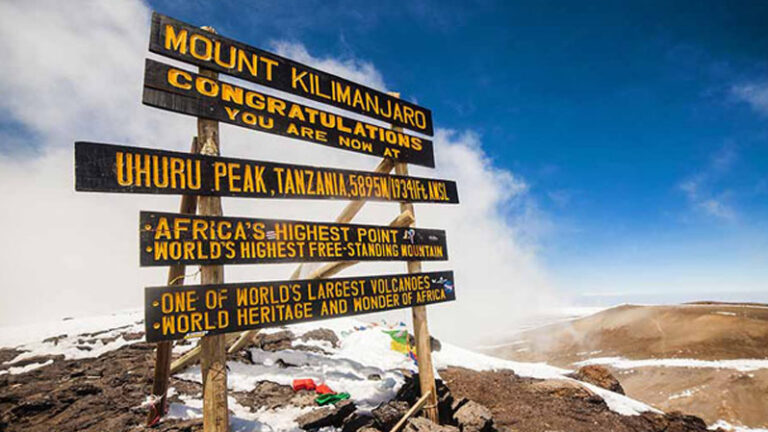
Kilimanjaro Climb With A Korean-Speaking Guide 2026-2027
Kilimanjaro Climb with a Korean-Speaking Guide is explained with current 2026-2027 planning, price, itinerary and booking information.
View package details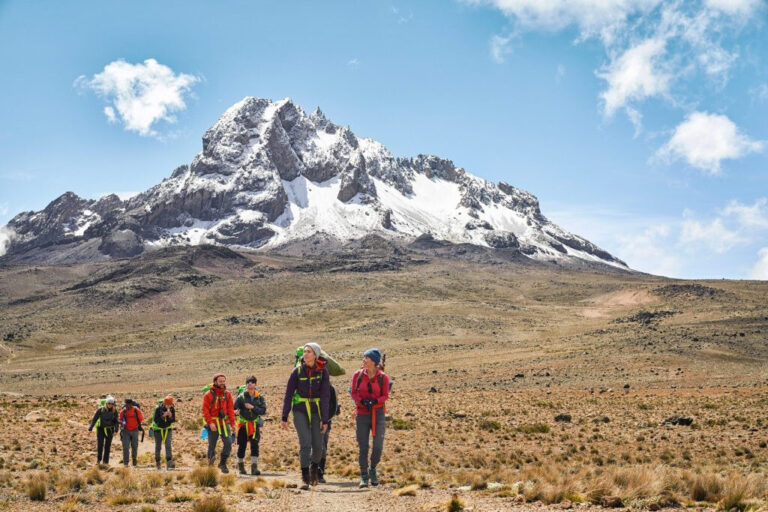
Kilimanjaro Climb With A Japanese-Speaking Guide: Your Ultimate Adventure
start your dream Kilimanjaro climb with a trusted Japanese-speaking guide from Top Guide Adventures. We provide comprehensive support, ensuring a safe and unforgettable experience on...
View package detailsKilimanjaro Climb With An Arabic-Speaking Guide In | Top Adventures 2026-2027
Ascend Mount Kilimanjaro with a dedicated Arabic-speaking guide. Top Guide Adventures provides comprehensive support, safety, and personalized experiences for your 2026-2027 climb.
View package details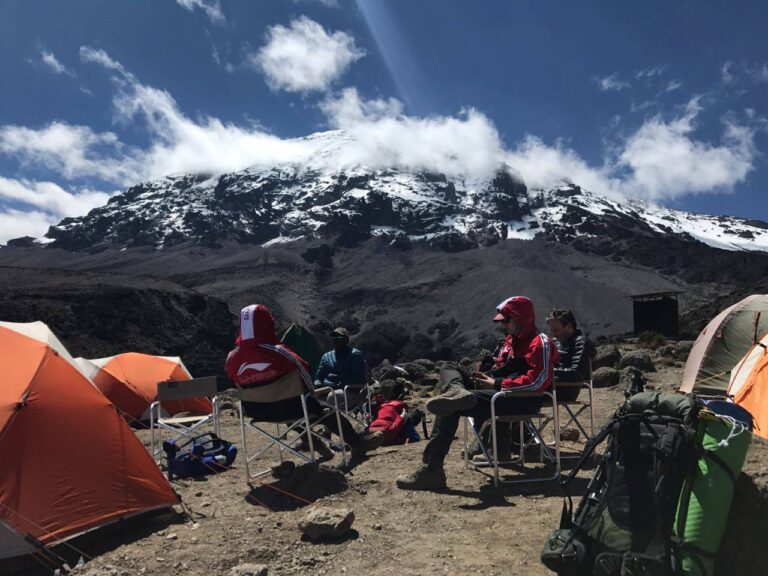
Kilimanjaro Climb With A Russian-Speaking Guide: Your Ultimate Adventure
start your Kilimanjaro adventure with a dedicated Russian-speaking guide. This comprehensive guide covers everything you need to know for a successful climb in 2026-2027, from choosing the...
View package details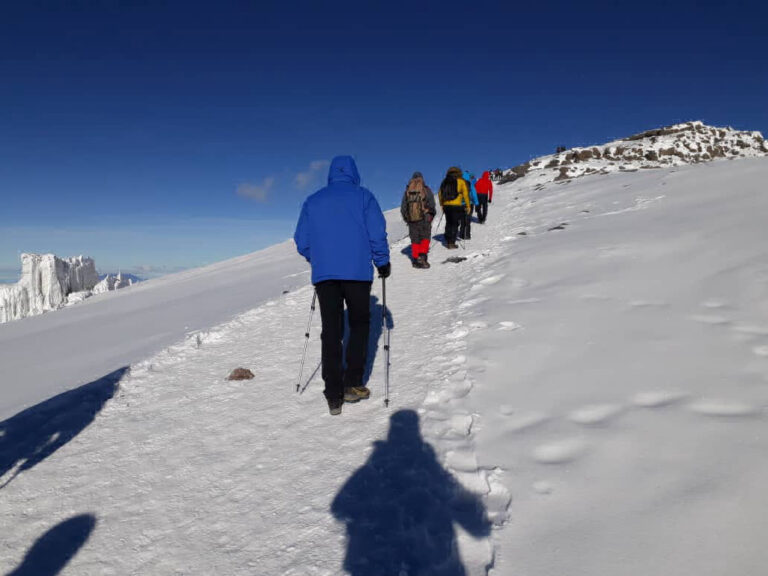
Kilimanjaro Climb With A Polish-Speaking Guide: Your Comprehensive Planning
Discover how to arrange a Kilimanjaro climb with a dedicated Polish-speaking guide. This extensive guide covers route options, preparation, costs, and booking considerations for your...
View package details
Kilimanjaro Climb With A Portuguese-Speaking Guide: Your Expert For 2026-2027
Discover everything you need to know for a Kilimanjaro climb with a Portuguese-speaking guide. Top Guide Adventures provides comprehensive planning details for your 2026-2027 ascent...
View package detailsNo related package matches those filters. Clear one or more filters to see the other topic-matched options.



