
A Luxury Northern Circuit Kilimanjaro Photography Trek offers a premium experience for photographers, combining the longest and most scenic Kilimanjaro route with enhanced comfort, expert guiding, and dedicated support to capture exceptional mountain landscapes and wildlife. This approach prioritizes photographic opportunities, allowing for slower pacing, strategic stops, and access to unique vantage points, making it ideal for serious photographers planning their 2026 or 2027 adventure.
Defining the Luxury Northern Circuit Kilimanjaro Photography Trek
The concept of a “Luxury Northern Circuit Kilimanjaro Photography Trek” is more than just climbing Africa’s highest peak; it’s about curating an expedition that caters specifically to the needs and desires of photographers. This means focusing on elements that enhance the photographic process, from the route selection to the logistical support and accommodation. The Northern Circuit route itself is a significant advantage, offering a more gradual ascent, diverse scenery, and a higher success rate, which translates into more time and better conditions for capturing stunning images. When combined with luxury services, this trek becomes an unparalleled opportunity for photographic exploration.
Luxury in this context doesn’t mean opulent hotels at the base; it refers to the elevated standard of service and comfort provided during the trek itself. This includes:
- Higher Guide-to-Client Ratios: More guides per photographer ensure personalized attention and safety.
- Dedicated Photography Guides: Guides with an understanding of photographic composition, lighting, and potential wildlife sightings.
- Comfortable Camping: High-quality tents, comfortable sleeping mats, and often dedicated mess tents with tables and chairs.
- Gourmet Meals: Freshly prepared, nutritious, and varied meals, often exceeding standard trekking fare.
- Extended Itinerary: Longer trek durations on the Northern Circuit allow for acclimatization and ample time for photography.
- Private Facilities: Options for private toilet tents and sometimes even private dining setups.
- Logistical Excellence: Efficient equipment management, timely communication, and experienced support crews.
The Northern Circuit, being the longest route at approximately 90-100 kilometers (56-62 miles), naturally lends itself to a slower pace. This is crucial for photographers who need to stop frequently, wait for optimal light, and compose their shots without feeling rushed. The diverse landscapes encountered, from the arid western slopes to the lush northern side and the alpine desert, provide a rich visual palette. For those planning a trip in 2026 or 2027, booking in advance is highly recommended to secure the best guides and preferred dates, especially for this specialized trek.
Why the Northern Circuit for Photography?
The Northern Circuit route stands out for several reasons that are particularly beneficial for photographers compared to shorter, more direct routes like Marangu or Machame. Its primary advantage is its length and the unique path it takes around the mountain’s northern and western flanks, offering a comprehensive photographic journey.
Unrivaled Scenery and Diverse Vistas
Unlike routes that ascend primarily on one side, the Northern Circuit provides a 360-degree perspective of Kilimanjaro and its surroundings. Photographers will experience:
- The Shira Plateau: Expansive, ancient lava flows offering dramatic, open landscapes with the mountain looming in the background. The unique flora and stark beauty of this region are a photographer’s dream.
- The Remote Northern Slopes: This less-traveled side offers a sense of wilderness and solitude. Views of the northern plains stretching into Kenya can be spectacular, especially during sunrise and sunset.
- The Crater Highlands: The circuit passes through varied ecological zones, from montane forests to alpine desert and the arctic summit zone. This variety ensures a dynamic portfolio of images.
- Unique Lighting Conditions: The circuit’s path allows for capturing the mountain in different light throughout the day, from the soft morning glow on the eastern face to the dramatic shadows cast on the western side in the afternoon.
Extended Acclimatization and Success Rates
The Northern Circuit is typically an 8-day or 9-day trek, making it the longest route available. This extended duration is paramount for effective acclimatization. For photographers, this means:
- Reduced Risk of Altitude Sickness: Better acclimatization leads to a more comfortable trek, allowing photographers to focus on their craft rather than their physical discomfort.
- More Time for Photography: The slower pace and extra days provide ample opportunity to capture dawn and dusk light, wait for wildlife, and explore photographic subjects without pressure.
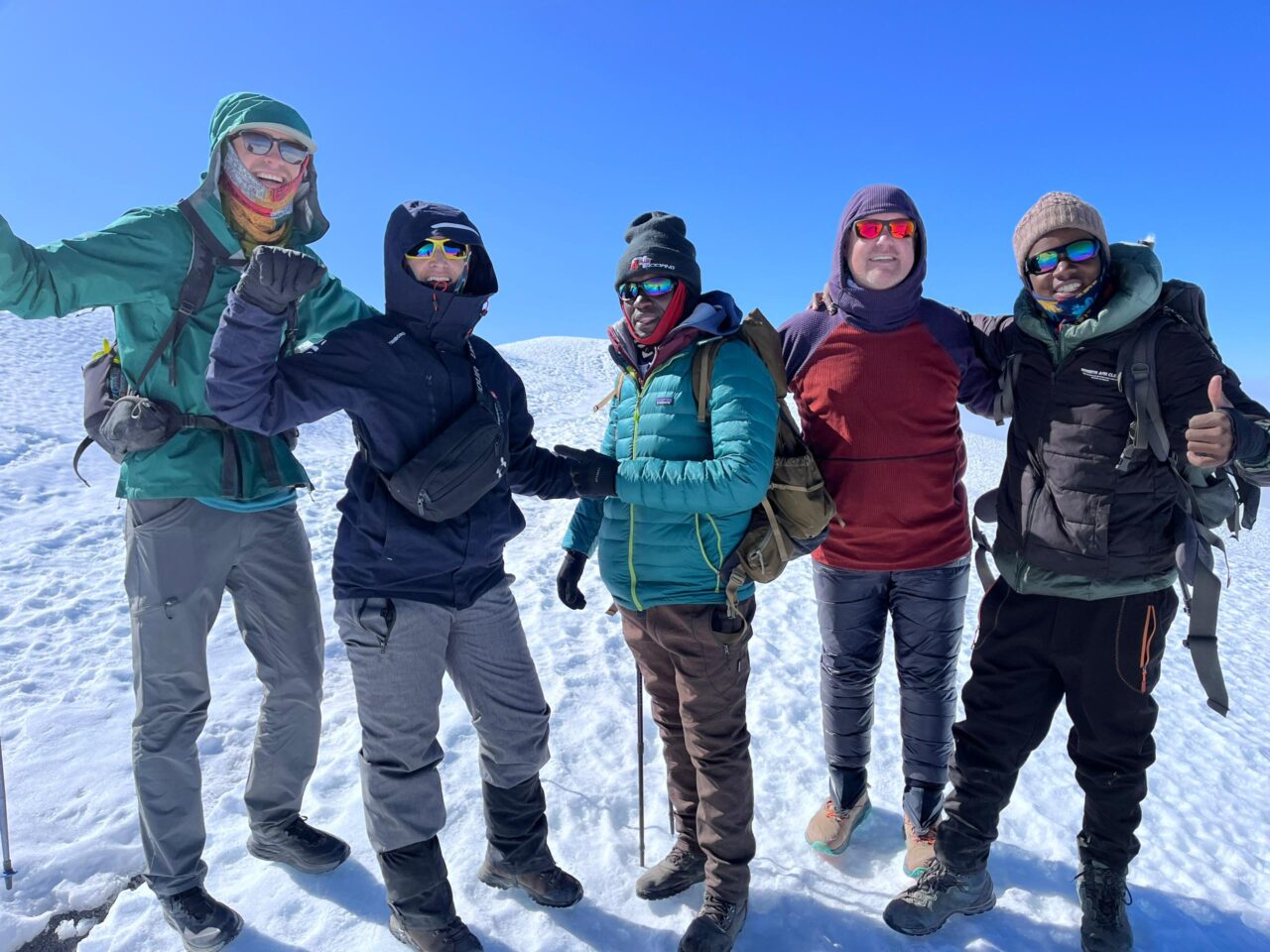
- Higher Summit Success Rates: The gradual ascent significantly increases the chances of reaching Uhuru Peak, allowing photographers to capture the iconic summit shots. A successful summit bid is, of course, the ultimate photographic prize for many.
Fewer Crowds and Enhanced Solitude
The Northern Circuit is less popular than routes like Machame or Marangu due to its length and cost. This is a significant benefit for photographers seeking to capture the majesty of Kilimanjaro without the distraction of large crowds. The solitude allows for:
- Uninterrupted Compositions: Frame shots without other trekkers or queues at scenic points.
- Peaceful Observation: Observe wildlife and natural phenomena in a tranquil environment.
- A Deeper Connection: Experience the mountain’s grandeur more intimately.
For those planning a 2026 or 2027 trip, booking the Northern Circuit with a luxury operator ensures you maximize these advantages. The investment in a longer, more comfortable trek pays dividends in both photographic results and overall experience.
Luxury Enhancements for the Discerning Photographer
The “luxury” aspect of this trek is what truly distinguishes it for photographers. It’s about providing an environment where the focus can remain squarely on capturing incredible images, with all other needs expertly managed.
Expert Guiding and Support Teams
A luxury trek involves a highly professional and experienced team. For photographers, this means:
- Knowledgeable Guides: Beyond standard mountain guiding, these guides often have a keen eye for photographic opportunities, understanding the best times and locations for shots. They can point out unique flora, fauna, and geological features.
- Photography-Focused Briefings: Guides can provide insights into the day’s photographic potential, such as upcoming sunrises, potential wildlife encounters, or dramatic cloud formations.
- Porter Support: On luxury treks, porters often carry more than the standard weight, allowing clients to bring more specialized photography gear without undue burden. Support staff are well-trained, ensuring safety and efficiency.
- Emergency Preparedness: Luxury operators typically have robust emergency plans, including access to oxygen, comprehensive first-aid kits, and efficient evacuation procedures, offering peace of mind.
Comfortable Campsites and Facilities
Camping on Kilimanjaro can range from basic to surprisingly comfortable. Luxury operators excel in providing:
- Spacious Tents: High-quality, waterproof tents that offer ample space to move around and organize gear.
- Dedicated Mess Tent: A comfortable, sheltered space for dining, relaxing, and reviewing photos, often equipped with tables, chairs, and even lighting. This is invaluable for planning the next day’s shots or simply escaping the elements.
- Portable Toilets: Private, clean toilet tents are standard, offering dignity and comfort that is often missing on standard treks.
- Sleeping Arrangements: Thick, comfortable sleeping mats or even camp beds, along with high-quality sleeping bags, ensure a good night’s rest, which is vital for energy and focus.
Gourmet Dining and Hydration
Food and hydration are critical for energy and well-being, especially at altitude. Luxury treks elevate the dining experience:
- Fresh, Varied Menus: Chefs prepare delicious, nutritious meals using fresh ingredients, often catering to dietary restrictions and preferences. Expect more than just pasta and rice; think fresh vegetables, fruits, and diverse protein options.
- Hot Drinks and Snacks: Hot beverages are readily available, and snacks are provided throughout the day to maintain energy levels.
- Safe Water: Purified and boiled water is consistently supplied, ensuring hydration without compromising safety.
These luxury elements collectively create an environment where photographers can perform at their best. They reduce the physical and logistical stresses of climbing Kilimanjaro, allowing the client to concentrate on the artistic and technical aspects of photography. For those planning a 2026 or 2027 journey, understanding these distinctions is key to choosing the right operator.
Essential Photography Gear for Kilimanjaro
Capturing the grandeur of Kilimanjaro requires careful consideration of photography gear. The conditions on the mountain are demanding – from intense sunlight and dust to freezing temperatures and altitude. A luxury trek allows you to carry more, but smart packing is still essential.
Camera Bodies and Lenses
- Primary Camera: A DSLR or mirrorless camera capable of shooting in RAW format for maximum post-processing flexibility. Consider weather sealing for protection against dust and moisture.
- Backup Camera: For critical trips like this, especially in 2026-2027, a backup body is highly recommended. It could be a simpler model or a similar professional one.
- Versatile Zoom Lens: A 24-70mm or 24-105mm equivalent lens is incredibly useful for general landscapes and tighter shots.
- Wide-Angle Lens: Essential for capturing expansive mountain vistas, starry skies, and dramatic landscapes. A 14-24mm or 16-35mm equivalent is ideal.
- Telephoto Lens: Useful for wildlife spotting (though less common on Kilimanjaro itself, it can be valuable on safari before or after the trek) and for compressing landscapes to emphasize the mountain’s scale. A 70-200mm or 100-400mm equivalent can be beneficial.
- Prime Lens: A fast prime lens (e.g., 50mm f/1.8 or f/1.4) is excellent for low-light conditions, astrophotography, or creating shallow depth-of-field portraits.
Accessories for Durability and Performance
The mountain environment necessitates specific accessories:
- Tripod: A sturdy yet lightweight tripod is crucial for low-light shots, long exposures (e.g., star trails), and ensuring sharpness.
- Extra Batteries: Cold drains batteries rapidly. Bring at least 2-3 fully charged spare batteries. Keep them warm in an inside pocket.
- Memory Cards: Plenty of high-capacity memory cards. Shoot in RAW + JPEG if you need quick previews, but RAW is essential for editing.
- Lens Cleaning Kit: Microfiber cloths, lens cleaning solution, and a rocket blower are essential for dealing with dust and condensation.
- Camera Bag/Backpack: A comfortable, durable, and weather-resistant backpack with good padding and easy access to your camera. A rain cover is mandatory. Consider a bag that can also carry water and essentials for the day.
- Dry Bags: To protect camera gear from moisture, especially during potential rain or fog.
- Gaffer Tape: Invaluable for quick repairs or securing loose parts.
Protecting Your Gear from the Elements
The most significant challenge for photography gear on Kilimanjaro is the extreme temperature fluctuations and the fine volcanic dust.
- Battery Warmers: Keep spare batteries in an insulated pouch or your inside jacket pocket to maintain their charge.
- Lens Hoods: Use these to protect your lens from dust and reduce flare.
- Camera Covers: A dedicated rain cover or even a simple plastic bag can protect your camera from dust and moisture during treks.
- Condensation Management: When moving from a cold exterior to a warm interior (like a mess tent), keep your camera in its bag until it acclimatizes to prevent condensation buildup on the lens and sensor.
- Dust Protection: After each day, carefully clean your gear. Use a blower to remove loose dust before wiping with a microfiber cloth. Avoid changing lenses in dusty conditions.
A luxury trek allows you to bring more of this gear, but it’s still crucial to pack efficiently. Discuss your specific gear needs with your operator. For 2026 or 2027 bookings, inquire about any specific gear recommendations or support provided by the tour operator.
Best Time of Year for Photography on Kilimanjaro (2026-2027)
While Kilimanjaro can be climbed year-round, certain periods offer significantly better conditions for photography, primarily due to clearer skies and more stable weather. Planning your 2026 or 2027 luxury photography trek during these optimal times will greatly enhance your chances of capturing stunning images.
Peak Seasons: Clear Skies and Dramatic Light
The two main dry seasons are the most sought-after for climbing Kilimanjaro and, by extension, for photography:
- January to March: This period offers clear skies, excellent visibility, and generally pleasant temperatures. It’s a fantastic time for capturing sharp, detailed images of the mountain and surrounding landscapes. The summit can be cold, but the lower slopes are often lush and green.
- June to October: This is the longest dry season and arguably the best time for photography. The skies are typically very clear, offering dramatic sunrises and sunsets. The air is crisp, and the mountain views are often spectacular. Temperatures can be cooler, especially at higher altitudes, which is excellent for preserving battery life and comfort.
Shoulder Seasons: Fewer Crowds, Unique Light
The shoulder seasons can also be rewarding, offering fewer crowds and potentially unique photographic opportunities, though with a higher chance of rain.
- April and May: These months mark the main rainy season. While photography can be challenging due to clouds and mist, the rain can create dramatic, moody landscapes and vibrant colors on the lower slopes. Sunrises and sunsets might be obscured, but unique atmospheric conditions can be captured.
- November and December: These months can be transitional, with a chance of light rains. However, they often offer good visibility and fewer trekkers than the peak seasons. The light can be softer, and the landscapes might still be recovering from recent rains.
Considering Light and Wildlife
For photographers, the “golden hours” around sunrise and sunset are critical. The Northern Circuit’s path allows you to position yourself for these moments effectively. During the dry seasons, visibility is at its best, allowing for impressive shots of the summit against a clear sky or dramatic cloud formations.
Wildlife sightings on Kilimanjaro itself are limited, especially at higher altitudes. However, the montane forest zone (lower slopes) can offer opportunities to photograph monkeys (like the Black and White Colobus), various bird species, and other small mammals. The best chances for significant wildlife photography are typically on a safari before or after your trek. Planning a luxury photography safari in the Serengeti or Tarangire in conjunction with your Kilimanjaro climb is highly recommended for a comprehensive Tanzanian experience in 2026 or 2027.
When booking your 2026-2027 luxury Northern Circuit Photography Trek, confirm the ideal departure dates with your tour operator to align with these prime photographic conditions.
The Itinerary: A Photographer’s Perspective on the Northern Circuit
The Northern Circuit, typically spanning 8 to 9 days, is designed for slow ascent and acclimatization. This extended timeline is a photographer’s best friend, allowing for ample time to capture the mountain’s diverse beauty. Here’s a look at a sample 9-day itinerary, highlighting photographic opportunities.
Sample 9-Day Luxury Northern Circuit Itinerary
- Day 1: Londorossi Gate to Mti Mkubwa Camp
Photography Focus: Transition into the montane forest. Look for colobus monkeys, birds, and lush vegetation. The initial descent into the forest offers opportunities for dramatic light filtering through the canopy.
- Day 2: Mti Mkubwa Camp to Shira 1 Camp
Photography Focus: Emerge onto the Shira Plateau. Capture the vast, open landscapes, unique volcanic rock formations, and the first clear views of Kibo and Shira ridges. This is prime territory for wide-angle shots and dramatic vistas.
- Day 3: Shira 1 Camp to Shira 2 Camp
Photography Focus: Further exploration of the Shira Plateau. The higher elevation offers different perspectives. Capture the plateau’s unique flora and the imposing presence of the mountain. Sunset shots here can be spectacular.
- Day 4: Shira 2 Camp to Lava Tower to Arrow Glacier Camp
Photography Focus: Ascend towards Lava Tower, a prominent volcanic plug. Capture close-ups of the unique geological formations. Continue to Arrow Glacier, offering stunning views of the Western Breach and the ice fields. This day involves significant altitude gain, so focus on capturing the changing alpine desert environment.
- Day 5: Arrow Glacier Camp to Kibo Camp
Photography Focus: Traverse the remote northern slopes. This is a day for capturing the stark beauty of the alpine desert and the immense scale of the mountain. The views across the northern plains can be panoramic. Prepare for the summit push – early rest is key.
- Day 6: Kibo Camp to Uhuru Peak, then down to Barafu Camp
Photography Focus: The summit push! Capture the pre-dawn climb, the iconic sunrise from Stella Point or Uhuru Peak, and the dramatic glacial features. The summit offers unparalleled panoramic views. The descent to Barafu Camp is also visually interesting, showcasing the scree slopes and the mountain’s lower reaches.
- Day 7: Barafu Camp to Millennium Camp
Photography Focus: Descend through the moorland and forest zones. Capture the changing light and landscapes as you lose altitude. The views back towards the summit can be impressive from different angles.
- Day 8: Millennium Camp to Mweka Gate, then transfer to Arusha
Photography Focus: Final descent through the lush forest. Capture the vibrant greenery and celebrate the accomplishment with celebratory shots. Transfer to Arusha for well-deserved rest and to begin processing your incredible images.
- Day 9 (Optional/Luxury Add-on): Rest Day & Image Review in Arusha
Photography Focus: This optional day allows for rest, relaxation, and perhaps a session to review and back up your photos. Many luxury operators can arrange for you to connect with a professional photographer for a brief critique or editing session.
This itinerary is a template. Luxury operators often offer flexibility, allowing for longer stops at particularly photogenic spots or adjusting the pace based on the group’s photographic interests. For your 2026 or 2027 trek, discuss these possibilities with your chosen provider.
Physical and Mental Preparation for a Photography Trek
While the Northern Circuit’s gradual ascent aids acclimatization, a luxury photography trek still demands significant physical and mental preparation. Photographers need stamina not only for climbing but also for carrying potentially heavier gear and spending long hours composing shots.
Physical Conditioning
- Cardiovascular Fitness: Engage in regular aerobic activities like hiking, running, cycling, or swimming for at least 3-4 months prior to your trek. Focus on endurance.
- Strength Training: Strengthen your legs (squats, lunges), core, and back. This is crucial for carrying your daypack with camera gear and for navigating varied terrain.
- Hiking with Weight: Practice hiking on hills or stairs with a backpack that simulates the weight of your photography daypack (including camera, lenses, extra batteries, water, and snacks).
- Altitude Simulation (Optional): If possible, spend time at higher altitudes in the weeks leading up to your trip.
Mental Preparedness
- Patience and Resilience: Mountain weather is unpredictable. Be prepared for cloudy days, rain, or fog. Mental resilience is key to maintaining a positive attitude and continuing to seek photographic opportunities.
- Focus on the Journey: While summit photos are important, the real photographic treasure lies in the diverse landscapes and experiences along the way. Embrace the entire journey.
- Gear Management: Mentally prepare for the challenges of using and protecting your gear in extreme conditions. Understand that dust, cold, and moisture are constant factors.
- Flexibility: Be prepared to adapt your plans based on weather, your physical condition, or unexpected photographic opportunities.
Photography-Specific Training
- Practice Shooting in Different Light: Experiment with sunrise, sunset, and low-light conditions.
- Master Your Gear: Ensure you are proficient with your camera settings, especially manual mode, for various lighting scenarios.
- Composition Techniques: Study landscape photography principles, including leading lines, framing, and the rule of thirds.
A luxury trek operator will provide detailed pre-departure information. Use this, along with your own research, to tailor your preparation. For those planning a 2026 or 2027 trip, starting your fitness routine early will make a significant difference in your enjoyment and photographic output.
Choosing the Right Luxury Operator for Your Photography Trek
Selecting the right tour operator is paramount for a successful Luxury Northern Circuit Kilimanjaro Photography Trek. The “luxury” aspect implies a higher standard of service, safety, and attention to detail, which is especially important for photographers.
Key Considerations for Luxury Operators:
- Experience and Reputation: Look for operators with a long history of successful Kilimanjaro climbs, particularly on the Northern Circuit. Check reviews on platforms like TripAdvisor, focusing on comments about service, guide quality, and safety.
- Guide Qualifications: Ensure guides are certified, experienced, and ideally have some training or understanding of photography needs. Inquire about guide-to-client ratios.
- Safety Protocols: A top-tier operator will have robust safety measures, including carrying supplementary oxygen, comprehensive first-aid kits, emergency communication devices, and well-defined evacuation plans.
- Quality of Equipment: Ask about the quality of tents, sleeping bags, sleeping mats, and camping furniture. For luxury treks, expect high-end, well-maintained gear.
- Gourmet Dining: Inquire about the menu variety, freshness of ingredients, and ability to cater to dietary requirements. A skilled cook can make a significant difference.
- Photography Support: Some operators may offer specialized photography guides or have partnerships with photography experts. Inquire if they can accommodate specific photographic needs, such as extended stops for light or wildlife.
- Environmental Responsibility: Choose operators committed to sustainable tourism practices, respecting the mountain environment.
- Transparency in Pricing: Understand what is included and excluded. Luxury treks often have higher price points due to superior service, but the value should be clear.
Booking for 2026-2027
Peak seasons for Kilimanjaro are highly sought after. For a luxury trek in 2026 or 2027, it is advisable to book at least 6-12 months in advance to secure your preferred dates and ensure availability of the best guides and equipment.
Top Guide Adventures is a reputable Tanzanian-based operator known for its commitment to quality and client satisfaction. They specialize in Kilimanjaro treks and safaris, offering various routes including the Northern Circuit. Their luxury packages often include:
- Experienced, certified guides.
- High-quality camping equipment.
- Nutritious and varied meals prepared by skilled cooks.
- Adequate support staff for safety and comfort.
- A focus on client well-being and success rates.
For personalized inquiries about a Luxury Northern Circuit Kilimanjaro Photography Trek, especially for planning in 2026-2027, you can reach out to Top Guide Adventures directly:
- WhatsApp: +255616946642
- Email: topguideadventures@gmail.com
- Backup Email: info@topguideadventures.com
Thoroughly vetting potential operators will ensure your luxury photography trek is a safe, comfortable, and visually rewarding experience.
The Economic Aspect: Understanding Luxury Trek Costs
A Luxury Northern Circuit Kilimanjaro Photography Trek represents a significant investment, reflecting the enhanced services, longer duration, and specialized support provided. Understanding the cost factors is crucial for planning your 2026 or 2027 expedition.
Factors Influencing Cost
- Route Duration: The Northern Circuit’s 8-9 days is longer than most other routes, increasing operational costs (more food, staff days, park fees).
- Level of Luxury: This includes higher quality tents, more comfortable sleeping arrangements, gourmet meals, private toilet facilities, and potentially higher guide-to-client ratios.
- Guide and Staff Quality: Employing highly experienced, certified guides and well-trained support crews commands higher wages.
- Park Fees: Kilimanjaro National Park fees are substantial and are a major component of any trek cost. These are set by the Tanzanian government and are generally uniform across operators for the same route and duration, though they can be subject to change.
- Equipment Quality: Investment in top-tier camping gear, safety equipment (like oxygen systems), and transportation adds to the overall cost.
- Inclusions: Luxury packages often include more than basic treks, such as airport transfers, pre- and post-trek accommodation, and sometimes even specialized photography gear rental options.
Typical Price Range (Estimate for 2026-2027)
While exact prices vary significantly between operators and depend on the specific inclusions, a Luxury Northern Circuit Kilimanjaro Photography Trek typically ranges from $3,500 to $6,000+ per person for an 8-9 day trek. This is a premium price point compared to standard treks, which might range from $1,800 to $3,000.
Key inclusions to look for in a luxury package:
- All park and camping fees.
- Professional, certified mountain guides.
- Sufficient porters and support staff.
- High-quality tents (individual or double occupancy).
- Comfortable sleeping mats and sleeping bags.
- All meals on the mountain (breakfast, lunch, dinner, snacks).
- Boiled and purified drinking water.
- Supplementary oxygen for emergencies.
- Transfer from Kilimanjaro International Airport (JRO) to your hotel.
- 1-2 nights’ accommodation in a comfortable hotel before and after the trek.
- Climbing permits.
Exclusions to be aware of:
- International flights.
- Visa fees.
- Travel insurance (mandatory).
- Tips for guides and porters (a significant cultural expectation).
- Personal gear (clothing, footwear, sleeping bag if not provided).
- Optional activities or extra hotel nights.
- Lunches and dinners in towns (often included in hotel stays but not always).
For the most accurate pricing and detailed breakdowns for 2026 or 2027, it is essential to request personalized quotes from reputable luxury operators. When contacting Top Guide Adventures, be specific about your interest in a Luxury Northern Circuit Kilimanjaro Photography Trek to receive a tailored proposal.
Beyond the Summit: Post-Trek Photography Opportunities
Completing your Luxury Northern Circuit Kilimanjaro Photography Trek is a monumental achievement, but the photographic journey doesn’t have to end at the summit. Tanzania offers incredible opportunities to complement your mountain images with stunning wildlife and cultural photography.
Tanzania Safari Add-ons
Combining your Kilimanjaro climb with a safari is a classic Tanzanian experience. For photographers, this is an opportunity to capture a completely different set of subjects:
- Serengeti National Park: Famous for the Great Migration (timing dependent), vast plains, and abundant predators like lions, leopards, and cheetahs. Ideal for wildlife action shots.
- Ngorongoro Conservation Area: A unique caldera ecosystem teeming with wildlife, including the rare black rhino. Offers dramatic landscapes and dense animal populations.
- Tarangire National Park: Known for its large elephant herds and iconic baobab trees, especially vibrant during the dry season.
- Lake Manyara National Park: Famous for its tree-climbing lions and diverse birdlife.
Luxury safari packages mirror the comfort and service of your Kilimanjaro trek, often including private vehicles, expert driver-guides, and high-quality lodges or tented camps.
Cultural Encounters
Tanzania is rich in cultural diversity. Interacting with local communities can provide compelling photographic subjects:
- Maasai Villages: Learn about traditional Maasai life, their vibrant attire, and their relationship with the land. Ethical photography practices are crucial here.
- Local Markets: Capture the bustling atmosphere, colorful produce, and daily life in towns like Arusha or Moshi.
- Local Craftsmen: Photograph artisans at work, creating traditional crafts or art.
Zanzibar Holidays
For a complete contrast to the mountain and safari, consider a relaxing holiday on the exotic island of Zanzibar. Its historic Stone Town offers unique architectural photography, while its pristine beaches and turquoise waters provide opportunities for landscape and lifestyle shots.
When planning your 2026 or 2027 trip, discuss these add-on possibilities with your tour operator. Top Guide Adventures can help craft a comprehensive itinerary that includes a Luxury Northern Circuit Kilimanjaro Photography Trek, followed by a thrilling safari or a relaxing beach escape.
Final Thoughts for Your 2026-2027 Photography Expedition
A Luxury Northern Circuit Kilimanjaro Photography Trek is an investment in an unparalleled experience. It combines the challenge and reward of summiting Africa’s highest peak with the specific needs of a photographer, enhanced by superior comfort and service. The Northern Circuit route provides the time and diverse scenery necessary for capturing exceptional images, while the luxury elements ensure you are well-rested, well-fed, and fully supported.
By carefully selecting your operator, preparing your gear, conditioning your body, and choosing the right time of year, you can maximize the photographic potential of your 2026 or 2027 Kilimanjaro adventure. Remember that the journey itself, with its changing landscapes and unique light, offers the most profound photographic opportunities.
For those ready to plan their dream photography expedition, reaching out to experienced operators is the next step. Top Guide Adventures is ready to help you craft a bespoke Luxury Northern Circuit Kilimanjaro Photography Trek. Connect with them today to discuss your plans for 2026-2027:
- WhatsApp: +255616946642
- Email: topguideadventures@gmail.com
- Website: Top Guide Adventures
Prepare for an adventure that will not only test your limits but also fill your memory cards with images you’ll cherish forever.
Check Availability for Luxury Northern Circuit Kilimanjaro Photography Trek: Your Ultimate Guide
Ready to compare dates, prices, and the best option for your group? Send the package name and travel month so the team can reply with a clear quote, availability, and what is included.
Kilimanjaro Photography Tour For Non-Hikers: Capture Iconic Views Safely
Experience the grandeur of Mount Kilimanjaro through a unique photography tour designed for those who prefer not to undertake the challenging climb. Capture impressive landscapes, unique...
View package details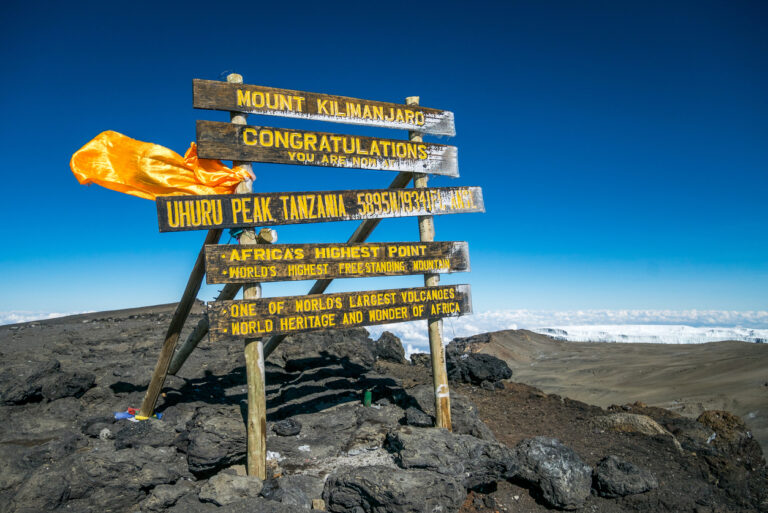
Kilimanjaro Emergency Contact And Family Communication Plan For Trekkers
Planning a Kilimanjaro climb is an incredible adventure. A crucial, yet often overlooked, aspect of preparation is establishing a robust emergency contact and family communication plan...
View package details
Kilimanjaro Scenic Experience Without Summiting: Best Views & Treks 2026-2027
Experience the majestic beauty of Mount Kilimanjaro without the demanding summit climb. This guide details the best scenic viewpoints, lower-altitude treks, and unique natural wonders...
View package details
How To Stay Clean During A Seven-Day Kilimanjaro Trek | Top Guide Adventures
Maintaining hygiene on Mount Kilimanjaro for seven days is achievable with the right preparation and practices. This guide details essential strategies for staying clean, from managing...
View package details
How To Brush Your Teeth On Kilimanjaro: Essential Hygiene Tips For Trekkers
Maintaining oral hygiene on Mount Kilimanjaro is crucial for comfort and health. Learn the best practices for brushing your teeth at altitude, from water conservation to gear selection...
View package details
Foods To Avoid Before A Kilimanjaro Climb: Expert Guide For Trekkers 2026-2027
Planning your Kilimanjaro climb for 2026 or 2027? Proper nutrition is key. This guide details essential foods and drinks to avoid before and during your trek to prevent digestive issues and...
View package details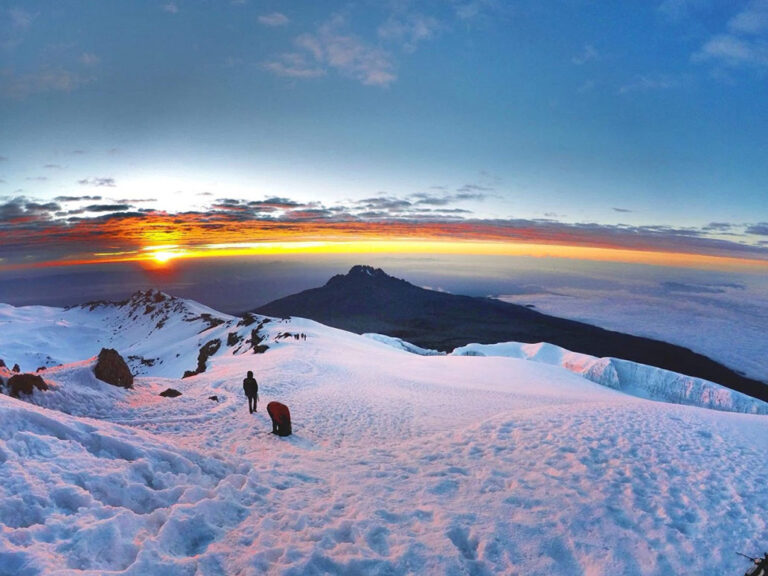
Kilimanjaro Hydration Salts And Electrolyte Guide For Trekkers 2026-2027
Proper hydration is critical for a successful Kilimanjaro climb. This comprehensive guide focuses on the vital role of hydration salts and electrolytes, explaining how they aid...
View package details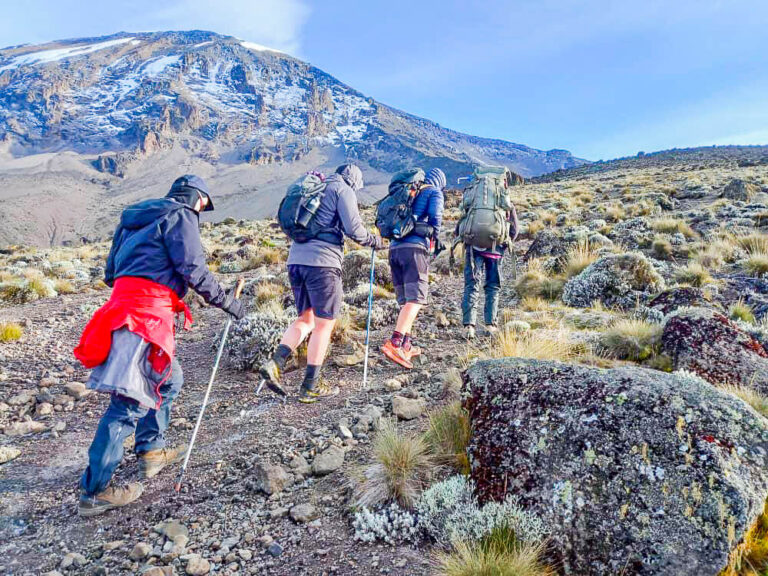
Kilimanjaro Repeat-Guest And Referral Discounts Guide
Planning another Kilimanjaro climb or know someone who is? Top Guide Adventures offers exclusive repeat-guest and referral discounts for 2026-2027, rewarding your loyalty and helping...
View package details
What Is The Kilimanjaro Summit Sign Like? Your Complete Guide 2026-2027
The Kilimanjaro summit sign is a recognizable metal signpost at Uhuru Peak, marking the highest point on the continent. Reaching it signifies the culmination of a challenging trek, offering...
View package details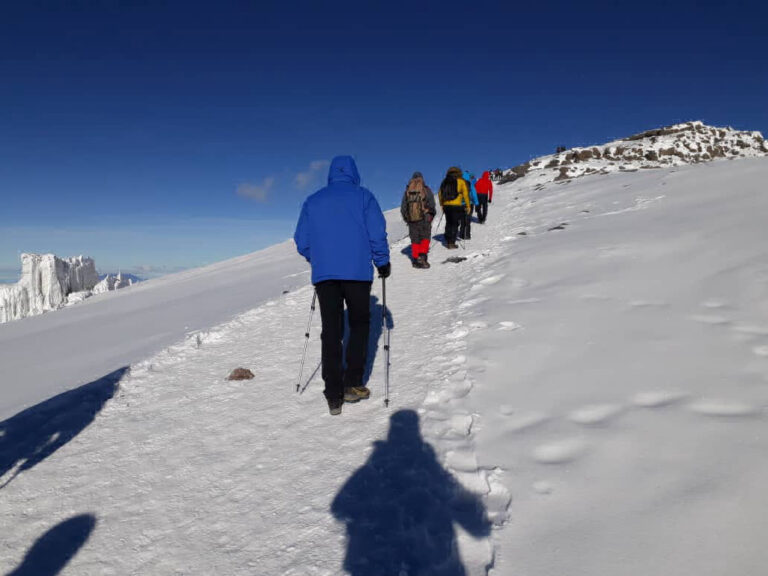
What Happens At Mweka Gate After Your Kilimanjaro Climb? 2026-2027
Your Kilimanjaro adventure culminates at Mweka Gate. Learn about the descent, certificate ceremony, post-climb celebrations, and what to expect logistically upon reaching the base.
View package detailsHow Long Does It Take To Climb The Barranco Wall On Kilimanjaro? 2026-2027
The Barranco Wall, a highlight of Kilimanjaro climbs, typically takes between 3 to 5 hours to ascend. This challenging yet rewarding section requires scrambling and careful navigation, with...
View package details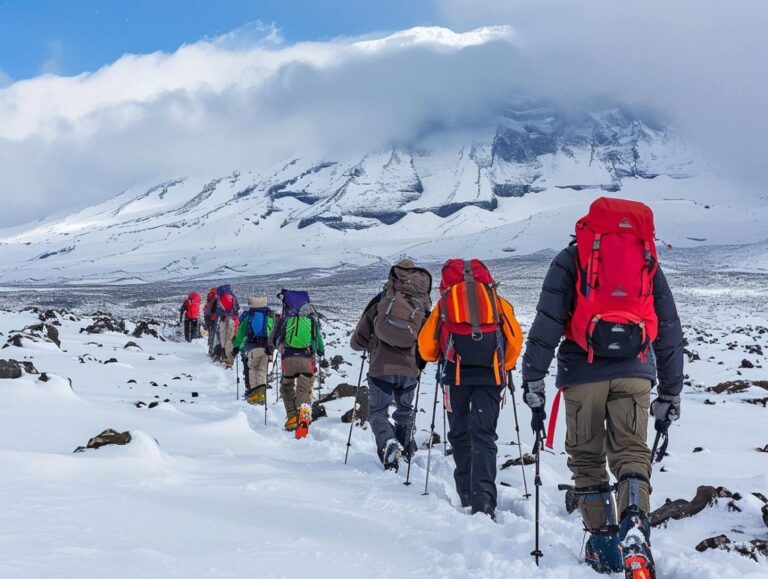
Do You Need Ropes On The Barranco Wall? Kilimanjaro Climb Essentials 2026-2027
The Barranco Wall is a famous Kilimanjaro landmark. While not technically requiring ropes for all climbers, its steep and challenging sections often lead to discussions about safety and...
View package detailsNo related package matches those filters. Clear one or more filters to see the other topic-matched options.



