
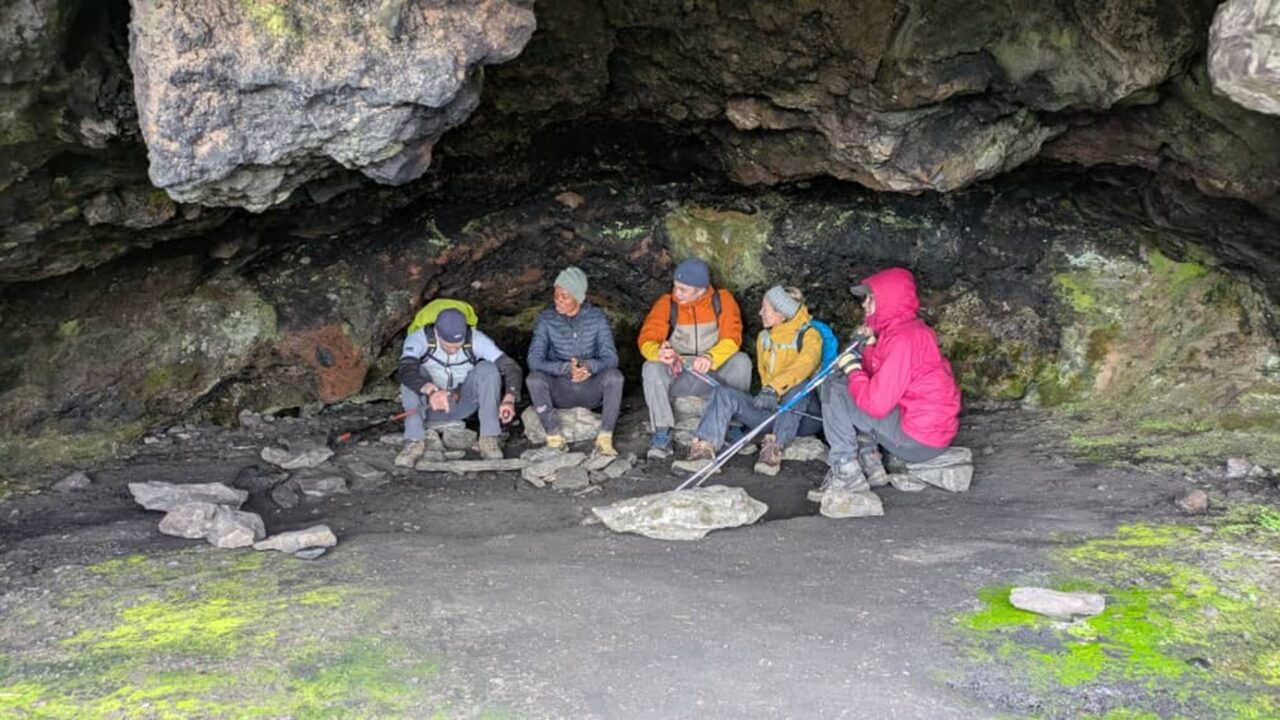
A private Kilimanjaro climb with dedicated medical support ensures a highly personalized and secure trekking experience, ideal for individuals or groups seeking enhanced safety, customized pacing, and immediate expert attention to altitude-related issues or medical emergencies. This service typically includes experienced guides trained in high-altitude medicine, a comprehensive medical kit, oxygen supplies, and emergency evacuation protocols, ensuring peace of mind throughout your 2026-2027 ascent.

Why Choose a Private Kilimanjaro Climb with Medical Support?
The allure of Mount Kilimanjaro, Africa’s highest peak, draws thousands of adventurers each year. While many undertake this challenge with standard tour operators, a private Kilimanjaro climb with medical support elevates the experience beyond the ordinary. This specialized offering is designed for trekkers who prioritize safety, comfort, and a personalized journey to the Roof of Africa. For your 2026-2027 expeditions, understanding the unique advantages of this service is crucial for a successful and memorable climb.
Opting for a private climb means you are not tied to the pace or schedule of a larger group. You can move at your own speed, take longer breaks when needed, and enjoy a more intimate connection with the mountain and your fellow climbers. When this is combined with robust medical support, the benefits are amplified significantly. It’s about more than just reaching the summit; it’s about doing so safely, confidently, and with the assurance that expert care is readily available.
Enhanced Safety Protocols
The primary driver for selecting a private climb with medical support is the heightened level of safety. Kilimanjaro, while not technically demanding, presents significant challenges due to its altitude. Altitude sickness (Acute Mountain Sickness or AMS) is a common concern, and its symptoms can range from mild headaches to severe, life-threatening conditions like High Altitude Cerebral Edema (HACE) and High Altitude Pulmonary Edema (HAPE).
A private climb with medical support ensures that your team is equipped with the best resources to manage these risks. This typically involves:
- Highly Trained Guides: Guides are not just experienced in navigation and mountain rescue but also possess advanced first-aid and high-altitude medicine certifications. They are adept at recognizing early signs of altitude sickness and know how to respond effectively.
- Comprehensive Medical Kit: A fully stocked medical kit tailored for high-altitude trekking is carried. This includes prescription medications (like Diamox for AMS prevention/treatment), pain relievers, wound care supplies, and other essential medical items.
- Supplemental Oxygen: For private climbs, portable oxygen systems are often included. This can be administered to climbers experiencing moderate altitude symptoms, providing immediate relief and preventing conditions from worsening.
- Emergency Evacuation Plans: Pre-arranged emergency evacuation procedures and contacts are in place. This might include arrangements with local rescue services or even helicopter evacuation for critical situations.
These elements provide a critical safety net, especially for trekkers who may have pre-existing health conditions or are particularly concerned about altitude sickness. Planning for 2026-2027 expeditions, this level of preparedness can make the difference between a successful summit bid and a premature descent.
Personalized Itinerary and Pace
One of the significant advantages of a private climb is the flexibility it offers. Unlike group climbs where the pace is set by the slowest member, a private trek allows you to dictate the rhythm. This is particularly beneficial for:
- Slower Trekkers: Those who prefer a more leisurely ascent can take their time, enjoy the scenery, and reduce the physical strain, which can also help in acclimatization.
- Faster Trekkers: While pace is important for acclimatization, some individuals may feel they are holding others back on group treks. A private climb allows them to maintain a comfortable pace without pressure.
- Specific Needs: Individuals with specific physical requirements or those wanting to focus on photography or nature observation can build this into their daily schedule.
This personalized approach, combined with medical support, means that if you start experiencing mild symptoms, your guide can adjust the pace, schedule extra rest days, or administer medication without affecting a larger group’s itinerary. This adaptability is invaluable for a safe and enjoyable climb.
Exclusive Experience and Comfort
A private climb often translates to a more comfortable and exclusive experience. This can include:
- Dedicated Crew: You have a dedicated team of guides, porters, and cooks solely focused on your group’s needs.
- Higher Quality Gear: Often, private treks utilize higher-quality tents, sleeping mats, and dining equipment.
- Gourmet Meals: While all Kilimanjaro climbs provide meals, private treks might offer more varied and elaborate menus, catering to specific dietary preferences or restrictions.
This elevated level of service, coupled with the assurance of medical support, contributes to a more relaxing and focused journey. When planning for 2026 or 2027, this enhanced comfort can significantly impact your overall enjoyment and recovery.
Choosing the Right Route for Your Private Climb with Medical Support
The route you select for your Kilimanjaro climb is critical, influencing acclimatization, scenery, difficulty, and overall success rates. When opting for a private climb with medical support, certain routes are better suited due to their gradual ascent profiles, which are conducive to better acclimatization and thus reduce the risk of altitude-related illnesses.
Recommended Routes for Optimal Acclimatization
Routes with higher acclimatization rates are generally considered safer and offer a better chance of summiting. For a private climb with medical support, where your pace can be adjusted, these routes become even more effective:
- Lemosho Route: Often cited as the most scenic, Lemosho offers a slow, steady ascent, particularly in its early days. It boasts a high summit success rate, partly due to its excellent acclimatization profile over 7 to 8 days. The longer duration allows your body to adapt more effectively to the increasing altitude.
- Machame Route: Known as the ‘Whiskey Route’ due to its popularity, Machame is also very scenic and offers good acclimatization, especially when trekked over 7 days. It follows a similar path to Lemosho after the initial days, with a strong emphasis on the ‘climb high, sleep low’ principle.
- Northern Circuit: This is the longest route, typically taking 9 days. Its extended duration provides the best acclimatization possible, significantly increasing summit success rates and minimizing altitude sickness risks. It circles the mountain, offering diverse landscapes.
- Rongai Route: This route approaches from the north, making it a drier option. While it can be completed in 6 days, a 7-day itinerary is recommended for better acclimatization. It’s a good choice for those concerned about weather, as it avoids the western side which can be wetter.
Routes to Approach with Caution (or Longer Durations)
While possible, shorter routes or those with steeper initial ascents might require even more careful monitoring and potentially longer durations when combined with private medical support, to ensure adequate acclimatization.
- Marangu Route: The ‘Coca-Cola’ route is the only one with huts and the shortest option (5 days). Its rapid ascent profile means a higher risk of altitude sickness. For a private climb with medical support, opting for the 6-day Marangu itinerary is highly recommended to improve acclimatization.
- Umbwe Route: This is the shortest and steepest route, offering the least favorable acclimatization. It’s generally recommended only for very experienced high-altitude climbers. If chosen for a private climb with medical support, a 7-day or 8-day itinerary is essential, with extremely vigilant monitoring.
When planning your 2026-2027 trip, discuss your fitness level, previous high-altitude experience, and comfort with potential altitude sickness symptoms with your tour operator. They can help you select the route that best balances scenery, challenge, and safety, especially when enhanced medical support is a priority.
What Medical Support Entails on a Private Kilimanjaro Climb
The term ‘medical support’ on a Kilimanjaro climb can encompass a range of services and equipment designed to ensure climber safety. For a private climb, this support is often more comprehensive and tailored to the group’s specific needs.
Essential Medical Equipment and Supplies
Your private medical support team will carry a range of essential equipment:
- Portable Oxygen Systems: Usually, a demand-valve system is carried. This provides oxygen on demand, which can be life-saving for climbers experiencing severe AMS, HACE, or HAPE. Guides are trained in its proper administration.
- Pulse Oximeters: These devices measure blood oxygen saturation and pulse rate. Regular checks, especially during the night and at higher altitudes, help guides monitor climbers’ physiological responses to altitude.
- Gamow Bag (Portable Hyperbaric Chamber): Some operators may carry a Gamow bag. This is a lightweight, inflatable pressure bag that simulates a descent by increasing the surrounding pressure. It can provide significant relief for climbers suffering from AMS, HACE, or HAPE, acting as a temporary measure until evacuation is possible.
- Comprehensive First-Aid Kit: Beyond basic bandages, this kit includes:
- Medications for AMS (e.g., Acetazolamide/Diamox), headaches, nausea, and pain.
- Antibiotics and Antihistamines.
- Antiseptics and wound dressings.
- Supplies for treating blisters, sprains, and minor injuries.
- Emergency medications as prescribed for individual climbers (if declared).
- Communication Devices: Reliable satellite phones or two-way radios are crucial for contacting rescue services or emergency contacts in case of a serious medical incident.
Role of Guides and Medical Personnel
On a private climb with medical support, the role of the guides is paramount:
- Daily Health Checks: Guides will conduct regular health checks, including monitoring symptoms, checking pulse and respiration rates, and using pulse oximeters. They are trained to identify subtle changes that might indicate altitude sickness.
- Pacing and Acclimatization Management: Guides ensure the ‘pole pole’ (slowly, slowly) philosophy is adhered to, adjusting the pace based on individual climber performance and acclimatization status.
- Decision Making: Guides are empowered to make critical decisions regarding descent if a climber’s condition deteriorates, prioritizing safety above all else.
- First Aid Administration: They are trained to administer first aid and manage minor medical issues that may arise.
In some higher-end private arrangements, a dedicated medic or doctor might accompany the group, especially for larger private parties or those with specific health concerns. However, for most private climbs, the responsibility falls on highly trained guides with advanced medical certifications.
Pre-Climb Medical Consultation and Preparation
To maximize the effectiveness of medical support, pre-climb preparation is key:
- Medical Check-up: Climbers should undergo a thorough medical check-up with their doctor before the trip, discussing their plans to climb Kilimanjaro and any pre-existing conditions (e.g., heart conditions, respiratory issues, diabetes).
- Altitude Sickness Medication: Discuss the use of prophylactic medications like Acetazolamide (Diamox) with your doctor. While not a substitute for proper acclimatization, it can significantly help in preventing or reducing AMS symptoms. Your private guide will also advise on its use.
- Fitness Training: Maintaining a good level of cardiovascular fitness is essential. This helps your body cope better with the physical demands and altitude.
- Hydration and Nutrition: Understanding the importance of staying well-hydrated and eating properly before and during the climb is crucial for acclimatization and energy levels.
For those planning their 2026-2027 Kilimanjaro adventure, starting these preparations well in advance ensures you are physically and medically ready for the challenge.
Booking Your Private Kilimanjaro Climb with Medical Support in 2026-2027
Securing a private Kilimanjaro climb with medical support requires careful planning and selection of a reputable tour operator. The process involves understanding inclusions, costs, and the importance of clear communication.
Selecting a Reputable Tour Operator
Choosing the right operator is paramount for a safe and successful private climb. Look for companies that:
- Specialize in Kilimanjaro: Operators with deep expertise in Kilimanjaro trekking are more likely to have robust safety protocols and experienced staff.
- Offer Clear Medical Support Packages: Ensure their definition of ‘medical support’ aligns with your expectations. Inquire specifically about oxygen, medical kits, guide training, and evacuation procedures.
- Have Excellent Safety Records: Check reviews and testimonials, particularly those mentioning safety and guide competence.
- Are Transparent About Inclusions/Exclusions: Understand exactly what is covered in the price, especially regarding medical equipment, oxygen, and emergency evacuation logistics.
- Provide Detailed Itineraries: A well-structured itinerary that prioritizes acclimatization is a sign of a professional operator.
Top Guide Adventures is a Tanzanian-based operator with extensive experience in organizing Kilimanjaro climbs, including private treks with enhanced medical support. We understand the unique challenges of the mountain and are committed to providing safe, personalized, and unforgettable experiences for our clients planning for 2026 and 2027.
Understanding Costs and Inclusions
A private Kilimanjaro climb with medical support will naturally be more expensive than a standard group trek. The cost reflects the dedicated resources and personalized service.
Typical Inclusions for a Private Climb with Medical Support:
- All park and climbing fees.
- Private camping or hut accommodation on the mountain.
- All meals on the mountain (breakfast, lunch, dinner, snacks).
- Porters and guides (with a higher guide-to-climber ratio for private groups).
- Dedicated medical equipment: including pulse oximeter, first-aid kit, and potentially supplemental oxygen and a Gamow bag.
- Emergency communication devices (e.g., satellite phone).
- Transfer from Kilimanjaro International Airport (JRO) to your hotel and back.
- Pre- and post-climb briefings.
- Bottled water on the mountain.
Potential Exclusions:
- International flights.
- Visa fees.
- Travel insurance (must cover high-altitude trekking and emergency evacuation).
- Personal gear (clothing, boots, sleeping bag).
- Tips for guides and porters.
- Lunches and dinners in town before/after the climb.
- Optional activities.
Cost Factors:
- Route Duration: Longer routes generally cost more due to more days of service.
- Group Size: While private, the cost per person decreases with more people in your private group.
- Level of Medical Support: The inclusion of oxygen systems or a dedicated medic will increase the price.
- Time of Year: Peak seasons (January-March, June-October) may have slightly higher operational costs than the shoulder or low seasons.
For specific pricing for your 2026-2027 private climb with medical support, it is best to request a personalized quote. Top Guide Adventures can provide detailed quotes based on your chosen route, duration, and specific requirements. You can reach us via WhatsApp at +255616946642 or email at topguideadventures@gmail.com.
The Booking Process
Once you have chosen an operator:
- Consultation: Discuss your requirements, fitness, and any health concerns.
- Quotation: Receive a detailed quote outlining all inclusions and exclusions.
- Deposit: A deposit is typically required to confirm your booking.
- Documentation: Provide necessary personal details and flight information.
- Pre-Trip Information: You will receive detailed information regarding packing lists, training, and arrival instructions.
- Final Payment: Usually due a few weeks before your departure date.
Booking your 2026-2027 private Kilimanjaro climb with medical support well in advance is recommended, especially if you have specific date requirements or are traveling during peak seasons.
Preparing for Your Private Kilimanjaro Climb with Medical Support
Success on Kilimanjaro, especially with the added layer of medical support, hinges on thorough preparation. This involves physical conditioning, mental readiness, and understanding the physiological aspects of high-altitude trekking.
Physical Training Regimen
Your training should focus on building cardiovascular endurance and leg strength. The goal is to prepare your body for sustained effort over multiple days at altitude.
- Cardiovascular Exercise: Aim for at least 3-4 sessions per week. Activities like hiking (with a weighted pack), running, cycling, and swimming are excellent. Gradually increase the duration and intensity.
- Hiking with a Pack: This is the most relevant training. Simulate trek conditions by hiking on varied terrain (hills, stairs) with a backpack weighing 5-10 kg (11-22 lbs). This helps your body adapt to carrying weight and navigating uneven ground.
- Strength Training: Focus on leg and core strength. Squats, lunges, step-ups, and planks will build the necessary muscle endurance.
- Stamina Building: Incorporate longer hikes (4-6 hours) on weekends to build stamina. Practice hiking on consecutive days if possible to simulate the trek’s demands.
Start your training at least 2-3 months before your climb. Consistency is key. Remember, the aim isn’t to become an elite athlete, but to build a solid base of fitness that will make the climb more enjoyable and manageable.
Mental Preparation and Acclimatization Strategies
The mental aspect of climbing Kilimanjaro is often underestimated. The combination of physical exertion, altitude effects, and challenging conditions requires mental resilience.
- Understand Altitude Sickness: Educate yourself about the symptoms of AMS, HACE, and HAPE. Knowing what to expect and how to communicate your symptoms clearly to your guide is vital. Your private medical support team will be looking for these signs, but your self-awareness is the first line of defense.
- Embrace ‘Pole Pole’: This Swahili phrase, meaning ‘slowly, slowly,’ is the mantra for climbing Kilimanjaro. Resisting the urge to rush, especially on summit night, is crucial for acclimatization and conserving energy.
- Positive Mindset: Focus on the journey and the incredible experience rather than solely on the summit. Break down the climb into daily goals.
- Trust Your Guides: Your guides are experts. Trust their judgment regarding pace, rest, and any medical decisions.
- Hydration and Nutrition: Staying well-hydrated (3-4 liters per day) and eating nutritious food is critical for both physical performance and acclimatization. Your private chef will prepare meals, but your intake is your responsibility.
For your 2026-2027 climb, remember that acclimatization is the most important factor for success and safety. Choose a longer route, listen to your body, and communicate openly with your guide.
Packing Essentials for a Private Kilimanjaro Climb
While your tour operator will provide a detailed packing list, here are some essential items to consider for a private climb with medical support:
- Layered Clothing: Base layers (merino wool or synthetic), mid-layers (fleece), and an outer layer (waterproof and windproof jacket and pants).
- Footwear: Broken-in, waterproof hiking boots are essential. Also, carry comfortable camp shoes or sandals.
- Headwear: A warm, insulated hat and a sun hat with a brim.
- Gloves: Warm, waterproof gloves and liner gloves.
- Sleeping Bag: A 4-season sleeping bag rated to at least -15°C (0°F).
- Headlamp: With extra batteries.
- Sun Protection: High SPF sunscreen, lip balm with SPF, and sunglasses.
- Personal First-Aid Kit: Include any personal medications, blister treatment, and pain relievers.
- Water Bottles/Hydration Reservoir: Capacity for at least 3 liters.
- Trekking Poles: Highly recommended for stability and reducing knee strain.
- Toiletries: Including hand sanitizer and biodegradable wet wipes.
- Camera and Power Bank: To capture the stunning scenery.
Ensure you have all necessary personal medications clearly labeled and inform your guide about them. The private medical support kit will be comprehensive, but personal items are your responsibility.
The Summit Night Experience and Post-Climb
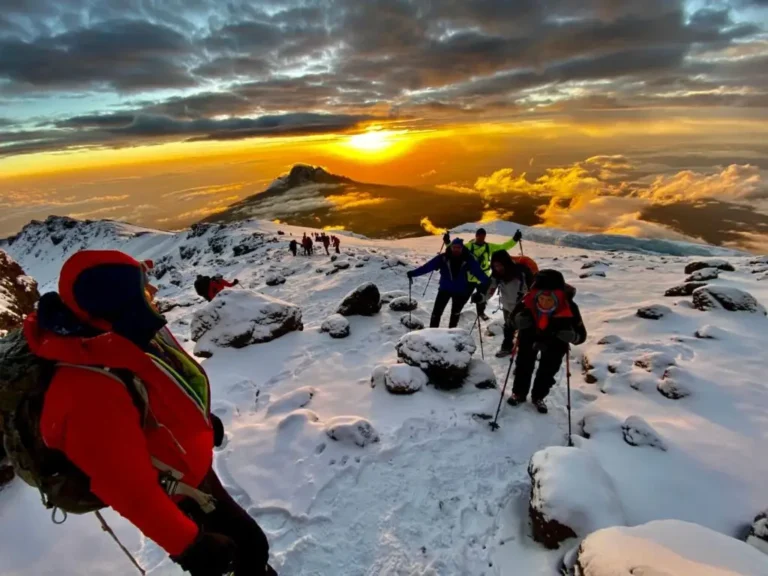
Summit night on Kilimanjaro is the most challenging part of the trek. It begins late at night, typically around midnight, and involves ascending steep scree slopes in the dark, often in cold temperatures and potentially windy conditions.
Navigating Summit Night with Medical Support
For a private climb, summit night is managed with heightened attention:
- Pacing: Guides will enforce a very slow, steady pace (‘pole pole’) to conserve energy and aid acclimatization. Small steps and frequent short rests are key.
- Monitoring: Guides will be extra vigilant, checking on each climber frequently using pulse oximeters and observing for any signs of distress or altitude sickness.
- Oxygen Use: If supplemental oxygen is part of your private package, guides will be ready to administer it if needed, helping climbers push through difficult sections.
- Headlamp Focus: The focus is on the small circle of light from your headlamp, concentrating on each step.
- Decision to Turn Back: Guides are trained to make the difficult but necessary decision to turn climbers back if their condition deteriorates or if they are not progressing safely. This is where the medical support aspect is most critical – ensuring that safety decisions are made promptly and correctly.
Reaching Stella Point on the crater rim by sunrise is a significant achievement, followed by the final push to Uhuru Peak (5,895m / 19,341ft).
Descent and Post-Climb Recovery
The descent is often quicker but can be hard on the knees and legs. Proper hydration and nutrition continue to be important.
- Assisted Descent: Porters will assist with carrying heavier loads, and guides will ensure safe footing on the steep slopes.
- Hydration and Snacks: Continued intake of fluids and energy-rich snacks helps maintain energy levels.
- Camp Arrival: Upon reaching the lower camps, you can begin to relax and recover.
- Return to Moshi/Arusha: After completing the trek, you will be transferred back to your hotel for a well-deserved rest and celebration.
A private climb with medical support ensures that even during the demanding descent, your well-being is monitored. For those planning their 2026-2027 adventure, knowing that recovery is also part of the well-managed process adds to the overall peace of mind.
Frequently Asked Questions about Private Kilimanjaro Climbs with Medical Support
Here are some common questions regarding private Kilimanjaro climbs with enhanced medical provisions.
What is the typical cost difference for a private climb with medical support versus a group climb?
A private climb with comprehensive medical support will generally cost 15-30% more than a standard group climb. This premium covers the dedicated guide, personalized itinerary, exclusive use of equipment, and the advanced medical supplies and protocols. For example, a 7-day Machame group climb might start around $1,500-$2,000 per person, while a private version with medical support could range from $2,000 to $3,500+ per person, depending on the operator and specific inclusions.
Is travel insurance mandatory for a private Kilimanjaro climb?
Yes, comprehensive travel insurance is absolutely mandatory for any Kilimanjaro climb, especially a private one with medical support. Your policy must specifically cover high-altitude trekking (up to 6,000 meters) and include emergency medical evacuation and repatriation. Operators will require proof of this insurance.
How do I know if I am fit enough for Kilimanjaro?
Kilimanjaro is a challenging trek, but it does not require technical mountaineering skills. The primary requirement is good cardiovascular fitness and endurance. If you can comfortably hike for 6-8 hours a day with a moderate pack on varied terrain, you likely have the basic fitness. However, consulting with your doctor and following a dedicated training program is essential. Your private climb allows for a more flexible pace, which aids those who are less intensely fit but still well-prepared.
What happens if I get altitude sickness?
Your guides are trained to recognize and manage altitude sickness. For mild symptoms (headache, nausea), they may recommend rest, hydration, medication (like Diamox), and potentially a slow descent. For severe symptoms (HACE/HAPE), immediate descent is required, and the medical support team (including oxygen and potentially a Gamow bag) will be utilized to stabilize the climber until evacuation is possible. Your private tour operator will have emergency protocols in place.
Can I bring my own medication?
Yes, absolutely. You should bring any personal prescription medications you regularly take, plus any specific medications recommended by your doctor for altitude sickness (e.g., Diamox). Ensure you have enough for the duration of your trip, plus a few extra days. Clearly label all medications and inform your lead guide about them during the pre-climb briefing.
Planning Your 2026-2027 Kilimanjaro Adventure
A private Kilimanjaro climb with medical support is an investment in your safety, comfort, and overall success. It’s an ideal choice for those who value personalized service, require extra assurance regarding health, or are celebrating a special occasion and want a truly unique experience. For planning your 2026 or 2027 expedition, starting the conversation early with a trusted operator like Top Guide Adventures is key. We are dedicated to providing tailor-made adventures that meet your specific needs. Contact us today to discuss your dream climb:
- WhatsApp: +255616946642
- Email: topguideadventures@gmail.com
- Backup Email: info@topguideadventures.com
Let us help you craft an unforgettable and safe journey to the summit of Kilimanjaro.
Check Availability for Private Kilimanjaro Climb With Medical Support: Your Ultimate Guide…
Ready to compare dates, prices, and the best option for your group? Send the package name and travel month so the team can reply with a clear quote, availability, and what is included.
Kilimanjaro Climb With A Private Sleeping Tent: Your Ultimate Comfort Guide
Planning a Kilimanjaro climb? Discover the benefits of opting for a private sleeping tent, ensuring personal space and comfort on the mountain. This guide covers everything you need to know...
View package details
Private Kilimanjaro Interpreter And Guide Package: Your Ultimate Summit
Discover the benefits of a Private Kilimanjaro Interpreter and Guide Package for your trek. Ensure safety, cultural understanding, and a smoother journey to the Roof of Africa with expert...
View package details
Can You Change Clothes Privately On Kilimanjaro? Guide
Discover how to maintain privacy and comfort while changing clothes during your Kilimanjaro trek. Top Guide Adventures explains the practicalities of staying clean and dignified on the...
View package details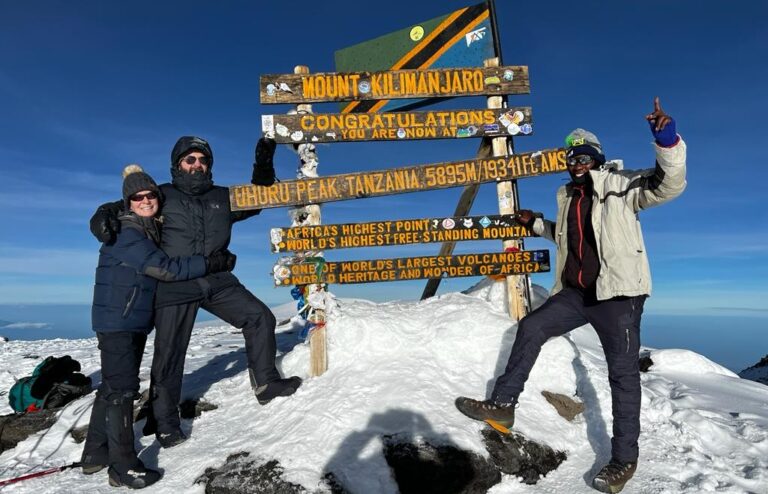
Kilimanjaro Climb With Portable Hyperbaric Support Guide
Discover the benefits and logistics of a Kilimanjaro climb incorporating portable hyperbaric support. This advanced safety measure enhances acclimatization and reduces altitude sickness...
View package details
Kilimanjaro Climb With A Dedicated Medical Porter 2026-2027
Kilimanjaro Climb with a Dedicated Medical Porter is explained with current 2026-2027 planning, price, itinerary and booking information.
View package details
Single-Occupancy Tents On Kilimanjaro: Your Guide To Privacy And Comfort
Discover the advantages of opting for a single-occupancy tent during your Kilimanjaro climb. This guide details the benefits, costs, and booking process for solo tent arrangements, ensuring...
View package details
Kilimanjaro Climb With A Swahili-Speaking Guide: Your Essential Top Adventures
Ascend Mount Kilimanjaro with Top Guide Adventures, led by experienced Swahili-speaking guides. This comprehensive guide covers everything you need to know for a successful climb in...
View package details
Kilimanjaro Climb With A Hindi-Speaking Guide 2026-2027
Kilimanjaro Climb with a Hindi-Speaking Guide is explained with current 2026-2027 planning, price, itinerary and booking information.
View package details
Kilimanjaro Climb With A Hebrew-Speaking Guide: Your Adventure 2026-2027
Discover how to arrange a Kilimanjaro climb with a Hebrew-speaking guide, ensuring a comfortable and culturally connected experience for Israeli hikers planning their 2026-2027 adventure...
View package details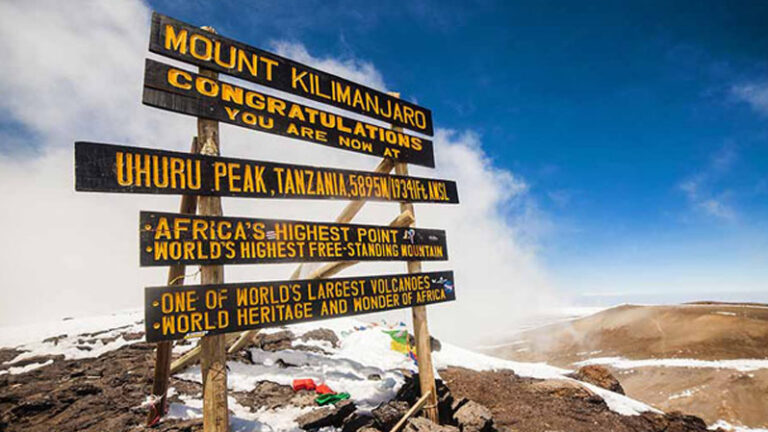
Kilimanjaro Climb With A Korean-Speaking Guide 2026-2027
Kilimanjaro Climb with a Korean-Speaking Guide is explained with current 2026-2027 planning, price, itinerary and booking information.
View package details
Kilimanjaro Climb With A Japanese-Speaking Guide: Your Ultimate Adventure
start your dream Kilimanjaro climb with a trusted Japanese-speaking guide from Top Guide Adventures. We provide comprehensive support, ensuring a safe and unforgettable experience on...
View package detailsKilimanjaro Climb With An Arabic-Speaking Guide In | Top Adventures 2026-2027
Ascend Mount Kilimanjaro with a dedicated Arabic-speaking guide. Top Guide Adventures provides comprehensive support, safety, and personalized experiences for your 2026-2027 climb.
View package detailsNo related package matches those filters. Clear one or more filters to see the other topic-matched options.



