
A 2-day Lemosho Route trek from Arusha is not a standard ascent of Mount Kilimanjaro but rather a highly condensed experience focusing on the initial, lower-altitude sections of the Lemosho Route, often tailored for acclimatization or a brief taste of the mountain’s environment. This short Kilimanjaro tour typically starts from Arusha, involves a drive to the Lemosho starting point, and covers one to two days of hiking before returning to Arusha, offering scenic views and a feel for the lower Kilimanjaro ecosystem without reaching the summit.
Understanding the 2-Day Lemosho Route Trek from Arusha
The concept of a “2-day Lemosho Route trek from Arusha” is distinct from the full Lemosho Route climb, which typically takes 7 to 8 days. This shorter version is designed for travelers who have limited time but still wish to experience a part of Kilimanjaro’s majesty. It’s crucial to understand that this is not a summit attempt; instead, it’s an introductory trek focusing on the initial stages of the Lemosho trail, known for its scenic beauty and gradual ascent.
For those planning their adventures in 2026 or 2027, this short tour offers a unique opportunity to engage with the mountain’s lower slopes, providing a valuable acclimatization experience or simply a memorable day or two in the Tanzanian wilderness. The Lemosho Route itself is celebrated for its stunning scenery and high success rates when climbed over its standard duration, and even its initial phases are remarkably beautiful.
### What Does a 2-Day Lemosho Trek Entail?
A typical 2-day Lemosho Route trek from Arusha would involve:
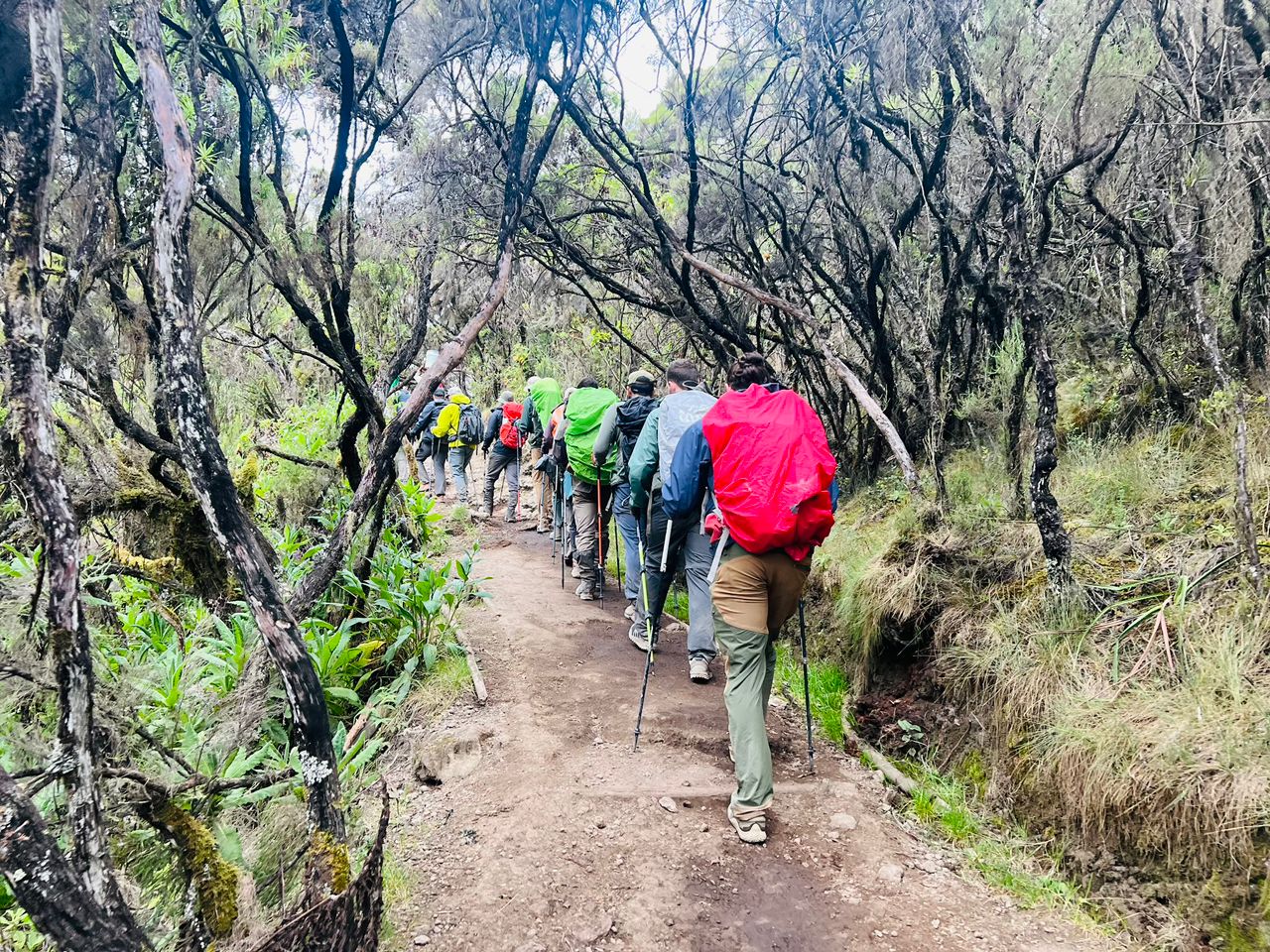
- Day 1: Drive from Arusha to the Lemosho Gate (or nearby starting point), followed by a hike through the montane forest. This day focuses on acclimatization and enjoying the rich biodiversity of the lower slopes. You might hike for 3-5 hours, covering a few kilometers.
- Day 2: Continue hiking for a few more hours, perhaps reaching a viewpoint or a specific camp area like Mti Mkubwa, before descending back to the starting point. The return drive to Arusha would follow.
This condensed itinerary prioritizes experiencing the mountain’s atmosphere and initial landscapes. It’s an excellent option for individuals or small groups looking for an accessible trekking experience without the commitment of a multi-day summit climb.
### Why Choose a Short Kilimanjaro Tour?
Several reasons might lead a traveler to opt for a 2-day Lemosho Route trek:
- Time Constraints: Many travelers have busy schedules and cannot afford the 7-8 days required for a full Kilimanjaro ascent.
- Acclimatization Practice: For those considering a longer trek in the future or at higher altitudes in East Africa, a short trek can serve as a valuable acclimatization exercise.
- Introduction to Kilimanjaro: It provides a taste of the Kilimanjaro trekking experience, allowing individuals to gauge their fitness and enjoyment of high-altitude hiking.
- Scenic Appreciation: The lower slopes of Kilimanjaro, especially along the Lemosho Route, are incredibly lush and offer diverse flora and fauna.
- Accessibility: This short tour is generally more accessible in terms of physical demands compared to a full summit attempt.
For planning in 2026-2027, this short tour remains a popular choice for those seeking a brief but meaningful encounter with Africa’s highest peak.
The Lemosho Route: A Brief Overview
While you won’t complete the entire Lemosho Route in two days, understanding its reputation provides context for why even its initial sections are appealing. The Lemosho Route is widely considered one of the most beautiful routes on Kilimanjaro. It begins in the west, near the Tanzanian-Kenyan border, and offers varied landscapes, including rainforest, moorland, alpine desert, and arctic zones as it ascends.
Key characteristics of the full Lemosho Route include:
- Scenery: It’s renowned for its panoramic views and diverse ecosystems.
- Acclimatization: Its longer duration allows for better acclimatization, contributing to higher success rates.
- Starting Point: The trail typically starts at the Lemosho Glades.
- Duration: Usually 7 or 8 days for a summit attempt.
The 2-day trek from Arusha will only cover the very first part of this journey, likely from the Lemosho starting point into the montane forest. This section is characterized by dense vegetation, diverse birdlife, and potentially sightings of colobus monkeys and other forest dwellers.
### Why Lemosho for a Short Trek?
Even for a short duration, the Lemosho Route’s initial segment offers:
- Beautiful Forest Environment: The montane forest is appealing, with giant ferns, moss-covered trees, and a vibrant ecosystem.
- Gradual Initial Ascent: The early part of the route provides a relatively gentle introduction to hiking at altitude.
- Remote Feel: Lemosho is less crowded than some other routes, especially in its initial stages.
This makes the first day or two of Lemosho an ideal focus for a short, impactful Kilimanjaro experience originating from Arusha.
Planning Your 2-Day Lemosho Route Trek from Arusha for 2026-2027
While this is a short trip, proper planning is still essential to ensure a safe and enjoyable experience. Here’s what you need to consider for your 2026-2027 adventure.
When to Go
Kilimanjaro has two main dry seasons, which are the best times for trekking:
- June to October: This is the longest and most popular dry season, offering clear skies and cooler temperatures.
- December to March: This period also offers good trekking conditions, with warmer temperatures and clear mornings, though occasional rain showers can occur.
While the 2-day trek is less susceptible to weather disruptions than a summit attempt, these periods will still provide the most pleasant hiking conditions. For 2026-2027, booking during these windows is advisable for optimal weather.
Fitness and Preparation
Even for a 2-day trek, a basic level of fitness is recommended. You should be comfortable walking for several hours a day on uneven terrain. Preparation can include:
- Cardiovascular Exercise: Engage in activities like brisk walking, jogging, or cycling regularly in the months leading up to your trek.
- Hiking Practice: If possible, go on day hikes with hills or stairs to simulate trekking conditions.
- Hydration: Ensure you are well-hydrated in the days before and during your trek.
While not as demanding as a summit climb, being prepared will significantly enhance your enjoyment and ability to appreciate the scenery.
What to Pack
Given the short duration and focus on lower altitudes, you won’t need the extensive gear for a summit climb. However, essentials include:
- Comfortable Hiking Boots: Broken-in and waterproof.
- Layered Clothing: Include moisture-wicking base layers, a fleece or insulating mid-layer, and a waterproof/windproof outer shell.
- Daypack: To carry water, snacks, camera, and personal items.
- Water Bottle/Hydration Reservoir: At least 1-2 liters capacity.
- Sun Protection: Sunscreen, hat, and sunglasses.
- Insect Repellent: Especially for the forest sections.
- Camera: To capture the stunning views.
- Personal First-Aid Kit: With any personal medications.
Your tour operator will provide a more detailed packing list tailored to the specific itinerary.
Choosing a Tour Operator
Selecting a reputable tour operator is vital for any Kilimanjaro-related trip. For a 2-day Lemosho Route trek from Arusha, look for operators who:
- Specialize in Kilimanjaro: They understand the mountain’s conditions and safety protocols.
- Offer Tailored Itineraries: Can customize short treks to meet your needs.
- Provide Experienced Guides: Knowledgeable about the Lemosho Route and local flora/fauna.
- Ensure Safety Standards: Carry adequate first-aid supplies and have emergency procedures in place.
Top Guide Adventures is a trusted Tanzanian operator experienced in crafting memorable Kilimanjaro experiences, including short treks. You can reach them via WhatsApp +255616946642 or Email topguideadventures@gmail.com.
The Experience: What to Expect on the Trail
The 2-day Lemosho Route trek offers a distinct experience compared to the full climb. The focus shifts from summit achievement to appreciating the journey and the immediate environment.
Day 1: Into the Montane Forest
Your day begins with an early breakfast in Arusha. After meeting your guide, you’ll start a scenic drive towards the western side of Kilimanjaro, heading for the Lemosho starting point. The drive itself can take a couple of hours, offering glimpses of rural Tanzanian life and the mountain’s vastness.
Upon arrival at the gate (often near the forest reserve boundary), you’ll complete park formalities. The trek begins immediately into the dense montane rainforest. The air is cool and moist, filled with the sounds of birds and the rustling of leaves. Your guide will point out unique plant species, such as giant ferns, ancient trees, and various orchids. The trail is typically well-defined but can be muddy, especially after rain.
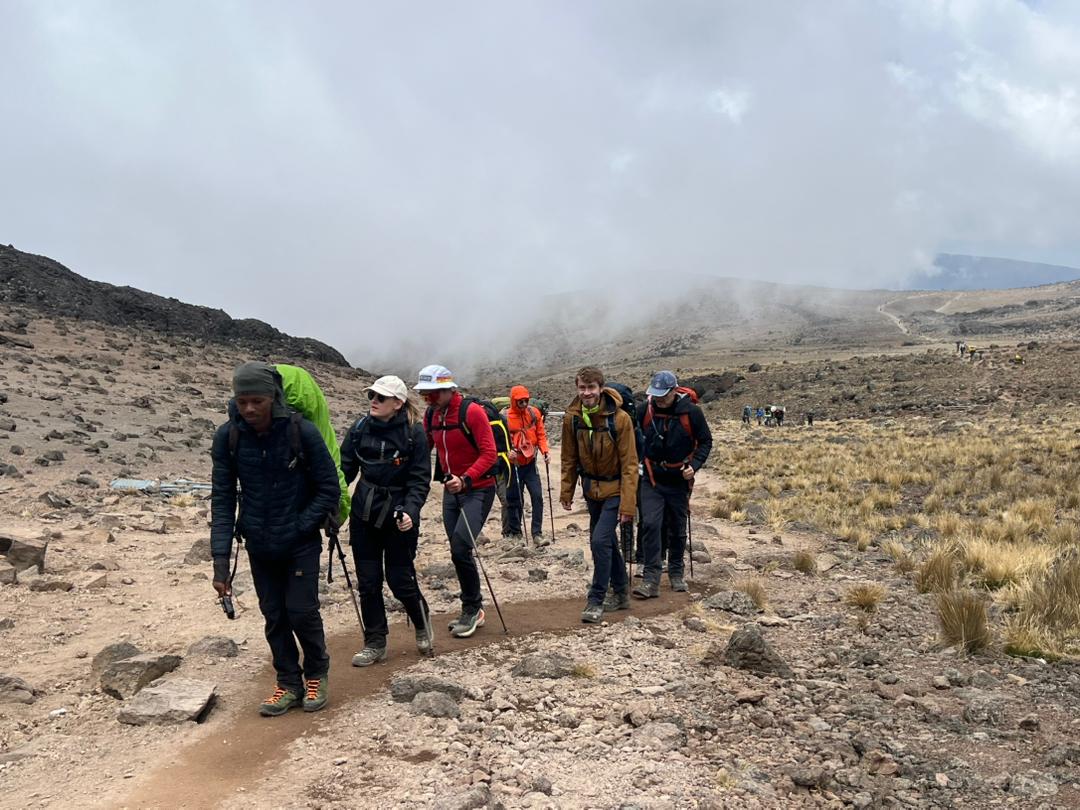
Your guide will set a comfortable pace, allowing you to acclimatize to the altitude and absorb the surroundings. Depending on the exact itinerary, you might hike for 3-5 hours, covering perhaps 5-8 kilometers. The goal for the day is usually to reach a designated campsite or a scenic spot within the forest for a picnic lunch before starting the descent or preparing for the next day’s short hike.
Throughout the day, your guide will share insights into the local ecosystem, the history of Kilimanjaro, and Tanzanian culture. The feeling is one of being immersed in a natural wonderland, far removed from the hustle of city life.
Day 2: Forest Exploration and Return
Day two continues the exploration of Kilimanjaro’s lower slopes. After breakfast at your lodge or camp, you’ll head back towards the Lemosho starting point. The hike might take you slightly further into the forest or to a different section, offering new perspectives. Some itineraries might aim for a specific viewpoint or a landmark like the ‘Big Tree’ (Mti Mkubwa), a large fig tree that is a common stopping point.
This day’s hike is often shorter than the first, perhaps 2-4 hours, allowing ample time for the return journey. You’ll continue to enjoy the rich biodiversity, the fresh mountain air, and the sense of accomplishment from having trekked on Africa’s iconic mountain. The descent is usually quicker than the ascent, and you’ll be accompanied by your guide and potentially a porter or two for support.
Once you reach the starting point, you’ll bid farewell to your trekking crew and begin the drive back to Arusha. The return journey provides an opportunity to reflect on your short but memorable Kilimanjaro adventure.
### Wildlife and Scenery
During your 2-day trek, you can expect:
- Flora: Abundant plant life, including various species of ferns, mosses, wildflowers, and the iconic giant heather and senecio plants at higher elevations (though you likely won’t reach these on a 2-day trek).
- Fauna: Birdlife is prolific. Keep an eye out for various species of weavers, turacos, and hornbills. You might also spot colobus monkeys, blue monkeys, and various smaller mammals.
- Scenery: Lush green forests, clear mountain streams, and panoramic views of the surrounding plains when the clouds permit.
While not the dramatic alpine desert or arctic summit zones, the montane forest is a vibrant and interesting environment in its own right.
Logistics and Inclusions for a Short Kilimanjaro Tour
When booking a 2-day Lemosho Route trek from Arusha, understanding what’s included in your package is crucial for managing expectations and costs for 2026-2027.
Typical Inclusions
Reputable tour operators like Top Guide Adventures generally include:
- Park Fees: Entrance fees for Kilimanjaro National Park.
- Guides and Porters: Professional, licensed guides and sufficient porters to carry gear and assist.
- Transfers: Transportation from Arusha to the Lemosho starting point and back.
- Meals: Depending on the package, this might include packed lunches on trekking days and potentially basic meals at a starting camp if overnight is included.
- Camping Equipment: If the itinerary includes an overnight stay at a basic campsite, tents and basic camping gear might be provided.
It’s important to clarify the exact inclusions with your chosen operator.
Typical Exclusions
Common exclusions often include:
- Accommodation: Pre- and post-trek accommodation in Arusha.
- Meals: Meals not specified in the itinerary (e.g., dinners in Arusha).
- Tips: Gratuities for guides, porters, and cook (a significant part of their income).
- Personal Gear: Sleeping bags, trekking poles, personal clothing, and accessories.
- Travel Insurance: Highly recommended for any trip.
- Visa Fees and Flights: International travel costs.
Understanding these exclusions helps in budgeting accurately for your 2026-2027 trip.
Cost Considerations
The cost of a 2-day Lemosho Route trek will be significantly lower than a full summit climb. Prices can vary based on the operator, group size (private vs. shared, though shared is rare for such short treks), and the level of service provided. Expect prices to range from approximately $300 to $600 USD per person for a well-organized 2-day trek. This cost typically covers park fees, guide services, transfers, and essential equipment. Always request a detailed quote for your specific 2026-2027 travel dates.
For a personalized quote and to discuss options for your 2-day Lemosho Route trek from Arusha, contact Top Guide Adventures at WhatsApp +255616946642 or Email topguideadventures@gmail.com.
Is a 2-Day Lemosho Trek Right for You?
This short Kilimanjaro tour is ideal for specific types of travelers:
- Time-Poor Adventurers: Those with only a few days available but a strong desire to experience Kilimanjaro.
- Beginner Hikers: Individuals new to trekking who want a manageable introduction to mountain environments.
- Acclimatization Seekers: People looking for a low-risk way to test their body’s response to altitude before attempting higher peaks.
- Nature Enthusiasts: Travelers interested in the unique montane forest ecosystem of Kilimanjaro, regardless of summit goals.
However, if your primary goal is to summit Kilimanjaro, this 2-day trek is insufficient. It is crucial to manage expectations and understand that this is an introductory experience, not a full mountain climb.
### Alternatives for Short Kilimanjaro Experiences
If the 2-day Lemosho trek doesn’t perfectly align with your goals, consider these alternatives:
- Day Hikes on Kilimanjaro: Some operators offer day hikes from Marangu or other lower points, providing a few hours on the mountain.
- Kilimanjaro National Park Day Tours: Exploring the lower slopes and surrounding areas without formal trekking permits, focusing on viewpoints and cultural experiences.
- Mount Meru Day Hikes: Mount Meru, a neighboring volcano, offers excellent day hiking opportunities with stunning views of Kilimanjaro.
For those seeking a slightly longer but still relatively short Kilimanjaro experience, consider the Marangu Route’s first day, which often reaches Mandara Huts within a day’s trek, or the initial stages of the Machame Route. For group departures and detailed itineraries for longer treks, explore options like the Machame Route Kilimanjaro Group Departures.
## Frequently Asked Questions about the 2-Day Lemosho Route Trek
Here are answers to common questions about this specialized Kilimanjaro tour.
Can you summit Kilimanjaro in 2 days?
No, it is impossible to summit Mount Kilimanjaro in just 2 days. The mountain’s altitude and the need for proper acclimatization require a minimum of 5-6 days, with 7-8 days being optimal for most routes, including the Lemosho Route.
Is the 2-day Lemosho trek difficult?
The difficulty is relative. For someone with a basic fitness level, the 2-day Lemosho trek focusing on the lower forest sections is generally considered moderate. The terrain can be uneven and muddy, but the altitude gain is minimal compared to a full ascent, making it significantly less demanding.
What is the main difference between this and the full Lemosho Route?
The primary difference is the duration and objective. The full Lemosho Route is a multi-day summit attempt (7-8 days) aiming for Uhuru Peak. The 2-day trek is a short, introductory experience focusing only on the initial, lower-altitude forest sections of the Lemosho trail, without reaching the summit.
Do I need special permits for a 2-day trek?
Yes, park entrance fees for Kilimanjaro National Park are required for any trek on the mountain, even for a short duration. Reputable operators will include these in their package price.
What kind of wildlife can I expect to see?
In the montane forest sections of the Lemosho Route, you can expect to see various bird species, monkeys (like colobus and blue monkeys), and diverse plant life. Larger mammals are rare at these altitudes.
Can I arrange this short trek for 2026 or 2027?
Absolutely. Tour operators like Top Guide Adventures can arrange customized 2-day Lemosho Route treks from Arusha for 2026 and 2027. It’s advisable to book in advance, especially for peak seasons.
Final Thoughts: A Glimpse of Kilimanjaro’s Grandeur
The 2-day Lemosho Route trek from Arusha offers a unique and accessible way to experience a part of Mount Kilimanjaro. While it doesn’t lead to the summit, it provides a valuable introduction to the mountain’s stunning lower landscapes, its rich biodiversity, and the overall trekking environment. It’s a perfect option for those with limited time or as a stepping stone to future adventures.
For travelers planning their trips for 2026-2027, this short Kilimanjaro tour provides an unforgettable experience. Whether you seek a brief encounter with nature or a gentle introduction to high-altitude hiking, this condensed trek along the initial stages of the Lemosho Route is an excellent choice. To discuss your personalized 2-day Lemosho Route trek from Arusha and receive a detailed itinerary and quote, please connect with the experts at Top Guide Adventures. Reach out via WhatsApp +255616946642, Email topguideadventures@gmail.com, or backup info@topguideadventures.com. They are ready to help you plan your memorable Tanzanian adventure.
Check Availability for 2 Day Lemosho Route Trek From Arusha: A Short Kilimanjaro Tour Experience
Ready to compare dates, prices, and the best option for your group? Send the package name and travel month so the team can reply with a clear quote, availability, and what is included.
Kilimanjaro Scenic Experience Without Summiting: Best Views & Treks 2026-2027
Experience the majestic beauty of Mount Kilimanjaro without the demanding summit climb. This guide details the best scenic viewpoints, lower-altitude treks, and unique natural wonders...
View package details
How To Stay Clean During A Seven-Day Kilimanjaro Trek | Top Guide Adventures
Maintaining hygiene on Mount Kilimanjaro for seven days is achievable with the right preparation and practices. This guide details essential strategies for staying clean, from managing...
View package details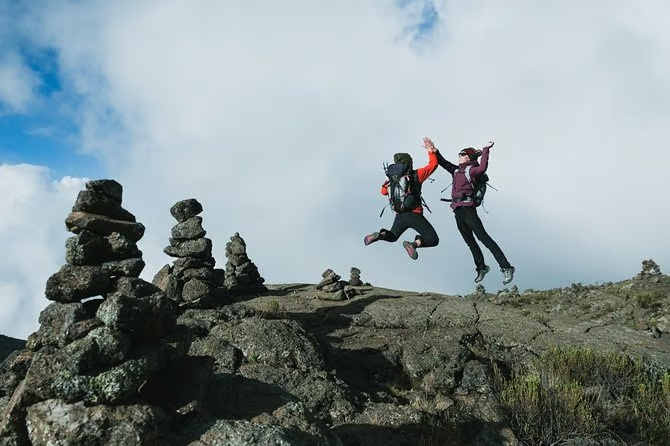
How To Brush Your Teeth On Kilimanjaro: Essential Hygiene Tips For Trekkers
Maintaining oral hygiene on Mount Kilimanjaro is crucial for comfort and health. Learn the best practices for brushing your teeth at altitude, from water conservation to gear selection...
View package details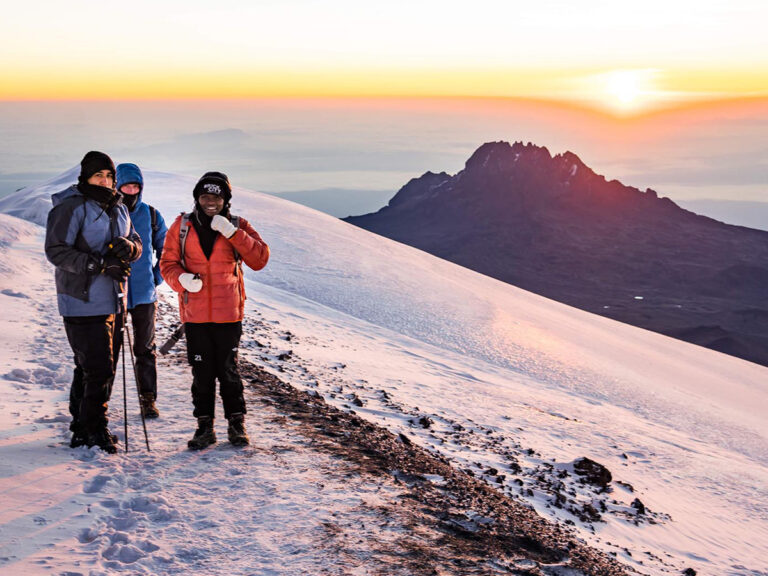
Foods To Avoid Before A Kilimanjaro Climb: Expert Guide For Trekkers 2026-2027
Planning your Kilimanjaro climb for 2026 or 2027? Proper nutrition is key. This guide details essential foods and drinks to avoid before and during your trek to prevent digestive issues and...
View package details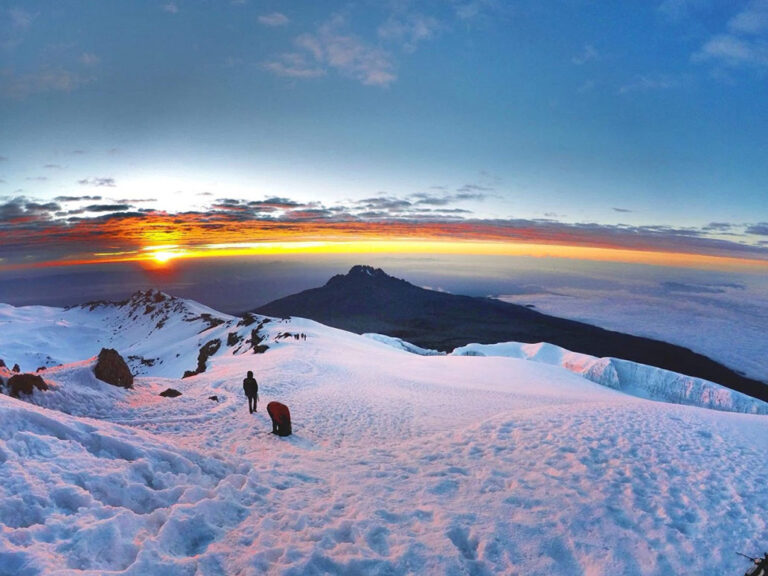
Kilimanjaro Hydration Salts And Electrolyte Guide For Trekkers 2026-2027
Proper hydration is critical for a successful Kilimanjaro climb. This comprehensive guide focuses on the vital role of hydration salts and electrolytes, explaining how they aid...
View package details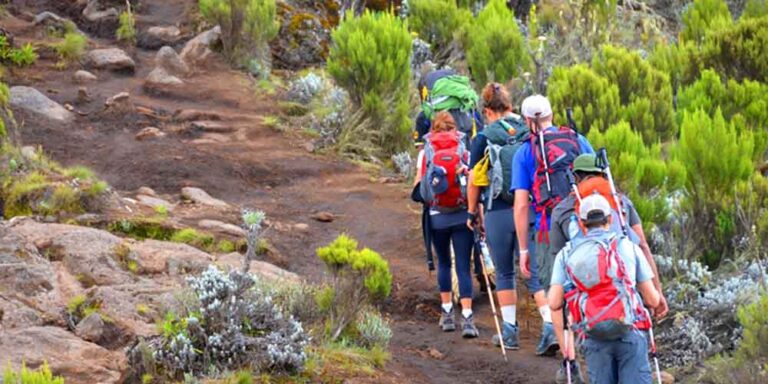
How To Prevent Wet Boots On Kilimanjaro: A Comprehensive Guide For Trekkers
Wet boots on Kilimanjaro can ruin your trek. This guide covers everything from choosing waterproof footwear to managing moisture during your climb, ensuring comfort and safety.
View package details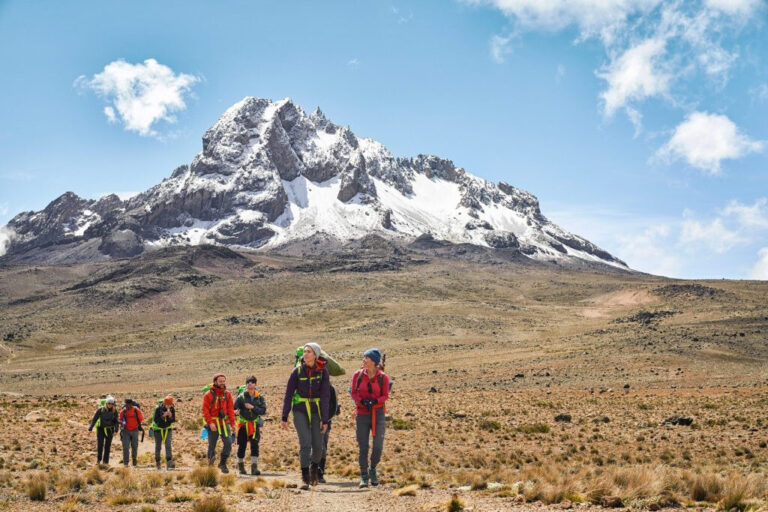
Kilimanjaro Extended-Itinerary Summit Trek: Your Ultimate Guide For 2026-2027
Choosing an extended itinerary for your Kilimanjaro summit trek offers superior acclimatization and a more rewarding experience. This guide details the benefits, best routes, and essential...
View package details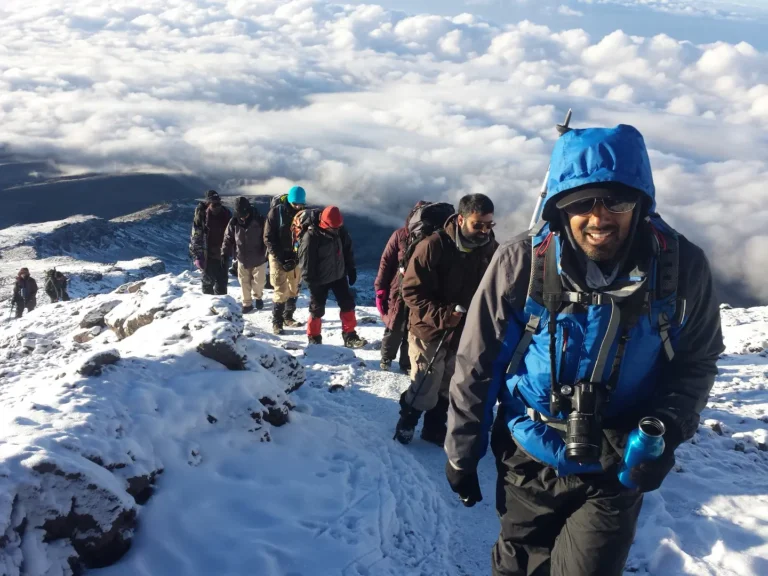
Kilimanjaro Route With The Gentlest Altitude Profile For Climbs 2026-2027
Choosing the right Kilimanjaro route is crucial for a successful and enjoyable climb, especially if you're concerned about altitude. The Marangu and Lemosho routes are often cited for their...
View package details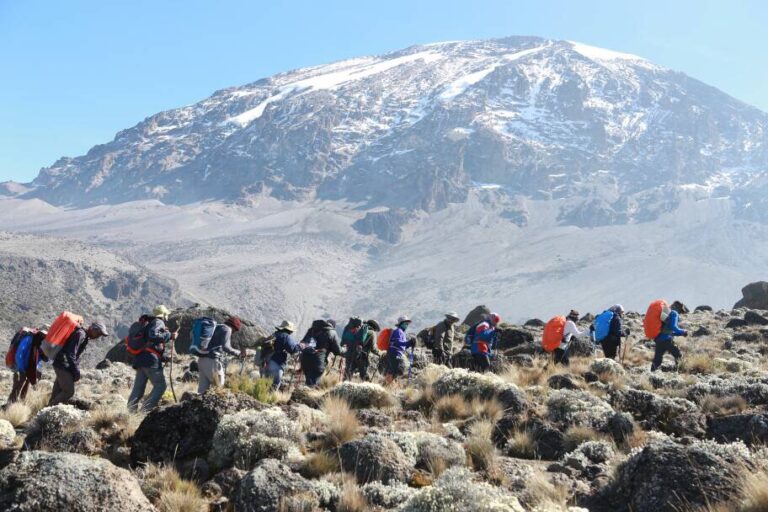
Kilimanjaro High-Altitude Running Camp: Training, Itinerary & Expert Guide
Prepare for peak performance on Kilimanjaro with a specialized high-altitude running camp. This comprehensive guide covers training protocols, ideal routes, essential gear, and expert...
View package detailsKilimanjaro Support Package For Mixed-Ability Groups: Expert Guidance Climbs
Top Guide Adventures offers specialized Kilimanjaro support packages designed for mixed-ability groups, ensuring a safe and successful climb for everyone in 2026 and 2027. This...
View package details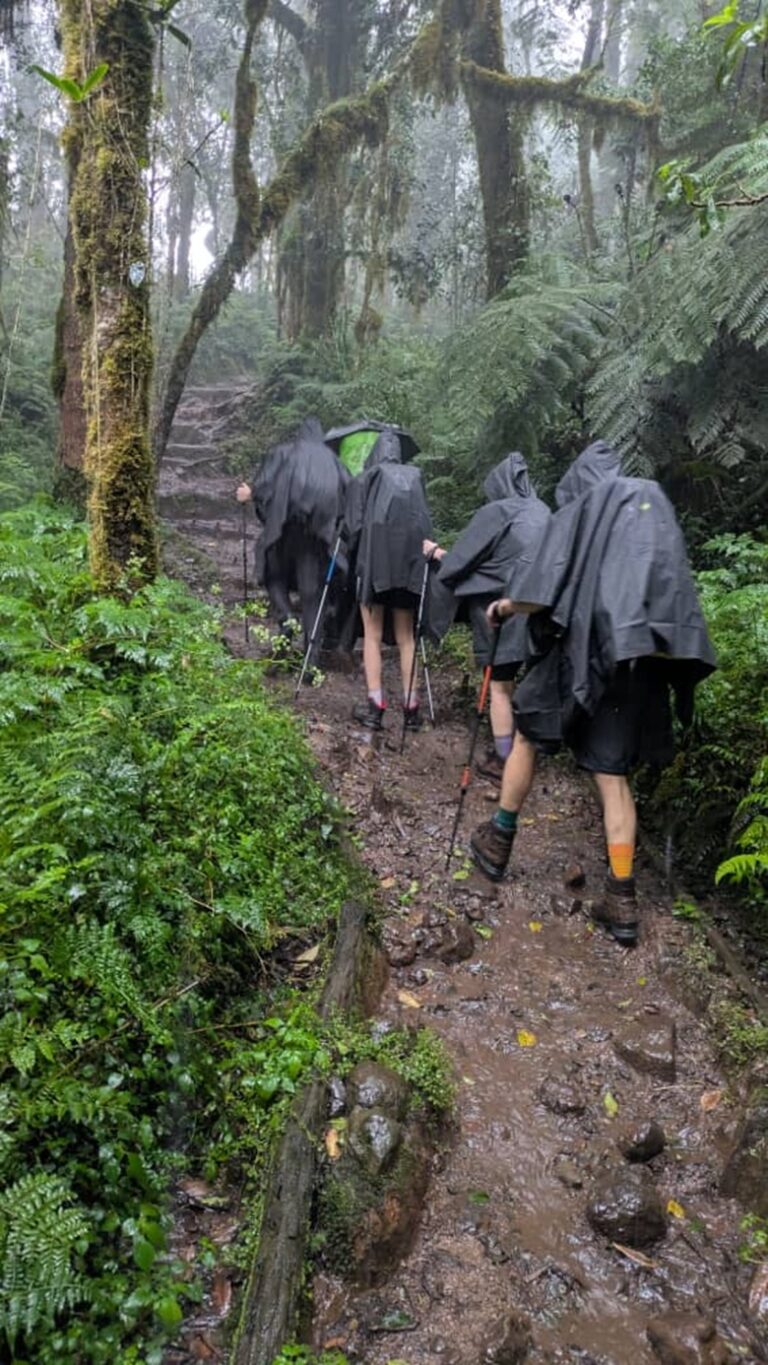
Kilimanjaro Foothills Tour For Non-Climbers: Experience The Majesty Without
Explore the impressive Kilimanjaro foothills on a specialized tour designed for those who prefer to experience the mountain's grandeur without undertaking a strenuous climb. Discover local...
View package details
Slow-Paced Inclusive Kilimanjaro Expedition For 2026-2027
start a Kilimanjaro climb designed for a slower pace and maximum inclusivity. Our expeditions prioritize acclimatization, comfort, and personalized support for trekkers of all abilities...
View package detailsNo related package matches those filters. Clear one or more filters to see the other topic-matched options.



