
March on Kilimanjaro marks the end of the second rainy season and the beginning of drier, cooler weather, presenting a mixed bag of trail conditions. Expect lingering rain showers, especially in the lower rainforest sections, potentially muddy paths, and increasing chances of clear skies and excellent visibility as the month progresses. Temperatures will be cold, particularly at higher altitudes, with snow possible on the summit. Crowds are generally lower than during peak dry seasons, making it a good time for those seeking a quieter ascent. Proper gear for rain, cold, and varying temperatures is crucial for a successful 2026-2027 trek.
Understanding Kilimanjaro’s Climate in March
Kilimanjaro’s climate is complex, dictated by its immense altitude and geographical location near the equator. The mountain experiences distinct wet and dry seasons, with transitional periods in between. March falls within the shoulder season, specifically at the tail end of the ‘long rains’ (typically February to May) and leading into the drier months of June to October. This means trekkers in March can experience a dynamic weather pattern.
The early part of March might still show remnants of the February rains, with increased cloud cover and precipitation. However, as the month advances, the likelihood of clear skies, sunshine, and more stable weather conditions grows significantly. This transition period is key to understanding the March Kilimanjaro trail conditions. You might encounter wet, muddy trails in the rainforest, followed by dry, dusty paths higher up, and potentially snow and ice near the summit. The unpredictability is part of the adventure, but preparedness is paramount for any trekker planning a climb in 2026 or 2027.
Rainfall Patterns in March
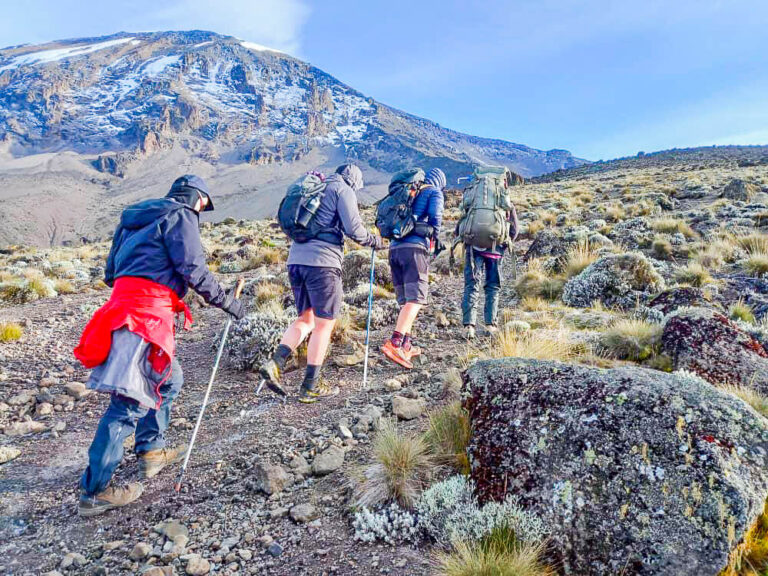
While March is technically the end of a rainy season, it’s not characterized by continuous downpours like the height of the long rains. Instead, expect intermittent showers. These are more common in the lower elevations, particularly within the montane forest zone (around 1,800m to 2,600m). These rains can make the trails muddy and slippery, requiring good waterproof footwear and trekking poles for stability. As you ascend through the heath and moorland zones, rainfall typically decreases, and the weather can become drier and windier. However, cloud build-up is still possible, leading to mist or light drizzles even at higher altitudes.
The latter half of March generally sees a noticeable reduction in rainfall. This is when the mountain starts to dry out, and the chances of clear trekking days increase. The visibility often improves dramatically, offering stunning panoramic views of the surrounding plains. For those aiming for a 2026 or 2027 March climb, understanding these rainfall patterns helps in packing appropriately and setting realistic expectations.
Temperature Fluctuations: From Rainforest to Summit
Temperatures on Kilimanjaro vary drastically with altitude and time of day. In March:
- Lower Slopes (Rainforest): Temperatures can be warm and humid, often ranging from 15°C to 25°C (59°F to 77°F) during the day. Nights are cooler but generally mild.
- Mid-Altitudes (Heath & Moorland): As you climb, temperatures drop significantly. Daytime highs might be around 10°C to 20°C (50°F to 68°F), while nighttime temperatures can fall to 0°C to 10°C (32°F to 50°F).
- High Altitudes (Alpine Desert & Arctic Zone): Above 4,500m, conditions become harsh. Daytime temperatures can hover around 0°C to 10°C (32°F to 50°F), but they plummet dramatically after sunset.
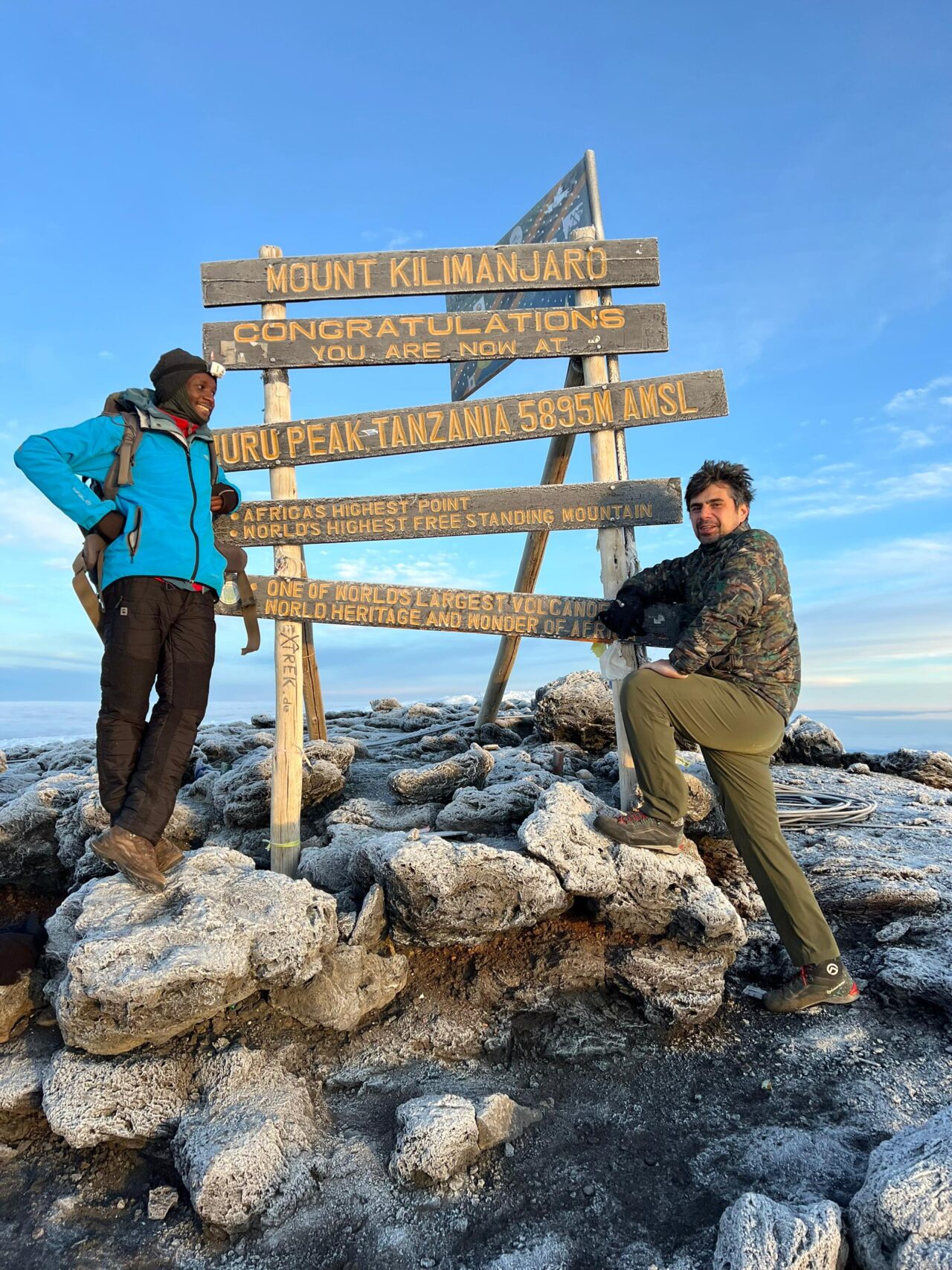
- Summit Night: This is the coldest part of the climb. Temperatures can range from -5°C to -20°C (23°F to -4°F), with wind chill making it feel even colder. Snow and ice are common on the crater rim and summit area.
The combination of potential rain and cold means layering is essential for March trekkers. You’ll need gear that can handle everything from humid warmth to sub-zero conditions. The March Kilimanjaro trail conditions demand versatility in your clothing system.
Wind and Visibility
Wind can be a significant factor on Kilimanjaro at any time of year, especially at higher altitudes. In March, as the weather begins to stabilize, winds can pick up, particularly in the afternoons. While this can help dry out trails, it also increases the ‘wind chill’ factor, making the cold feel more intense. Visibility can be excellent on clear days, offering stunning views of Mount Meru and the vast plains. However, cloud cover is still possible, especially in the mornings or during lingering rain showers, which can reduce visibility. Summit night often requires trekking in darkness, so good headlamps are a must regardless of daytime conditions.
Comparing March to Other Months
To truly appreciate the March Kilimanjaro trail conditions, it helps to see how they stack up against other times of the year. Kilimanjaro’s peak seasons are generally the dry months: January to February and June to October. These months offer the most stable weather, with minimal rain and clearer skies, but also attract the largest crowds and tend to be more expensive.
- January-February: Dry, warm, clear skies, but can be crowded. Ideal for summiting.
- March: Transition month. Lingering rain in early March, improving later. Fewer crowds than peak season. Cold at altitude.
- April-May: The heart of the long rainy season. High humidity, frequent heavy rain, muddy trails, poor visibility. Generally the least popular and cheapest months to climb, with fewer trekkers.
- June: Start of the dry season. Weather improves, crowds start to build. Can still be cool.
- July-October: Peak dry season. Clear skies, excellent visibility, stable weather, but can be crowded and colder at night.
- November-December: Start of the short rainy season. Can be a mix of sunny days and rain showers. Fewer crowds than peak season.
March offers a compromise: you avoid the worst of the long rains (April-May) and the peak season crowds, while still having a reasonable chance of good weather, especially in the latter half of the month. The trade-off is the potential for rain and cooler temperatures than the mid-year dry season. For trekkers prioritizing fewer people on the mountain and potentially better prices for 2026 or 2027 trips, March is a viable option if they are well-prepared for variable conditions.
Trail Conditions by Route in March
While general weather patterns apply to all routes, specific trail conditions can vary slightly depending on the route’s elevation profile and exposure to elements. Most popular routes like Machame, Lemosho, and Marangu all pass through similar ecological zones, meaning the core challenges of mud, cold, and altitude are consistent. However, some routes might be more exposed to wind or retain moisture longer.
Marangu Route (Coca-Cola Route)
The Marangu route is unique as it’s the only one with hut accommodation. In March, the lower sections can be quite wet and muddy. The ascent is often through dense forest, which can hold moisture. As you climb higher, the conditions become colder and potentially snowy near the summit. The huts offer a welcome dry respite, which can be particularly appreciated after a wet day on the trail. Visibility can be good on clear days, offering expansive views from the saddle between Kibo and Mawenzi peaks.
Machame Route (Whiskey Route)
Machame is a popular choice for its scenic beauty and high success rates. March on Machame means navigating potentially slippery rainforest paths initially. The route traverses steep sections, which can be challenging when wet. As you move into the moorland and alpine desert, trails can become drier but also more exposed to wind. The campsites can be muddy, so good tent placement and waterproof gear are essential. The Lava Tower area and Barranco Wall can experience mist and cooler temperatures. Summit night on Machame is demanding, with cold and potential ice on the scree slopes.
Lemosho Route
Lemosho is known for its longer duration and stunning scenery. The initial days are often through pristine forest, which can be damp in March. The route gradually gains altitude, passing through varied landscapes. Similar to Machame, expect muddy lower sections and potentially windy, colder conditions higher up. The longer itinerary of Lemosho can help with acclimatization, which is beneficial regardless of the month. The remote feel of Lemosho means fewer trekkers, which is a plus for March climbers.
Other Routes (Shira, Rongai, Northern Circuit)
Shira Route: Shares much of its upper path with Lemosho, so conditions are similar. The higher starting point can mean colder temperatures earlier on.
Rongai Route: Approaches from the north, which is typically drier. This can mean less mud in the lower sections compared to southern routes. However, it’s still Kilimanjaro, and rain is possible, especially as you gain altitude. The upper sections will still be cold and potentially snowy.
Northern Circuit: The longest route, offering the best acclimatization. It circumnavigates the mountain, exposing trekkers to varied conditions. While the northern side might be drier, March’s transitional weather means rain is still a possibility on any part of the mountain. The extended duration is excellent for acclimatization, which is crucial for summit success in any weather.
Regardless of the route chosen for a 2026 or 2027 climb, the core March Kilimanjaro trail conditions revolve around managing moisture, cold, and altitude.
Essential Gear for a March Kilimanjaro Climb
Packing for Kilimanjaro in March requires a focus on versatility and robust protection against the elements. Layering is your best strategy. Here’s a breakdown of essential gear:
Clothing Layers:
- Base Layers: Moisture-wicking thermal tops and bottoms (merino wool or synthetic). Bring at least two sets.
- Mid Layers: Fleece jackets or vests for insulation.
- Outer Layer (Insulation): A warm, down or synthetic insulated jacket for cold evenings and summit night.
- Outer Layer (Shell): Waterproof and windproof jacket (Gore-Tex or similar) and trousers. These are crucial for March’s potential rain and wind.
Footwear:
- Hiking Boots: Waterproof, sturdy, broken-in hiking boots with good ankle support. Essential for muddy and uneven terrain.
- Camp Shoes/Sandals: For relaxing at camp.
- Socks: Several pairs of warm wool or synthetic hiking socks. Liner socks can help prevent blisters.
- Gaiters: Highly recommended for keeping mud, rocks, and snow out of your boots.
Headwear & Handwear:
- Warm Hat: Wool or fleece hat that covers your ears.
- Sun Hat: Wide-brimmed hat for sun protection during the day.
- Balaclava/Neck Gaiter: For protecting your face and neck from wind and cold, especially on summit night.
- Gloves: Waterproof and insulated outer gloves, plus thinner liner gloves for dexterity.
Other Essentials:
- Backpack: A comfortable daypack (30-40 liters) for essentials you need during the day (water, snacks, extra layers, rain gear).
- Duffel Bag: A large, waterproof duffel bag (80-100 liters) for your main gear, carried by porters.
- Sleeping Bag: A 4-season sleeping bag rated to at least -15°C (5°F). March nights can be very cold.
- Trekking Poles: Essential for stability on slippery trails and reducing strain on knees.
- Headlamp: With extra batteries. Crucial for summit night and early mornings.
- Sunglasses: High UV protection.
- Sunscreen & Lip Balm: High SPF.
- Water Bottles/Hydration Reservoir: At least 3 liters capacity. Insulated covers are useful to prevent freezing.
- Personal First-Aid Kit: Including any personal medications.
- Toiletries: Biodegradable soap, toothbrush, toothpaste, wet wipes.
- Snacks: High-energy snacks like energy bars, nuts, and dried fruit.
- Camera: With extra batteries and memory cards.
- Waterproof Bags/Dry Bags: To protect electronics and valuables.
For a 2026 or 2027 climb, investing in good quality, waterproof, and insulated gear is non-negotiable. The March Kilimanjaro trail conditions demand nothing less.
Acclimatization and Altitude Sickness in March
Altitude sickness (Acute Mountain Sickness – AMS) is a risk on any Kilimanjaro climb, regardless of the month. However, the conditions in March, with potential rain and cold, can exacerbate symptoms or make trekkers push harder, increasing the risk. Proper acclimatization is the most critical factor in preventing AMS.
The “Pole Pole” Principle
The Swahili phrase “pole pole” means “slowly, slowly.” This is the golden rule for climbing Kilimanjaro. Ascending gradually allows your body to adapt to the lower oxygen levels at higher altitudes. This means:
- Walking at a slow, steady pace.
- Taking regular breaks.
- Ensuring you drink plenty of fluids.
- Eating well, even if your appetite is reduced.
Route Choice and Acclimatization
Longer routes like Lemosho and the Northern Circuit offer better acclimatization profiles due to their duration (8-9 days). These routes follow the principle of “climb high, sleep low,” which is crucial for adaptation. While March might have fewer crowds, the importance of acclimatization remains paramount for a 2026 or 2027 climb. Even with better weather later in the month, the altitude remains the primary challenge.
Recognizing Symptoms of AMS
Symptoms of AMS can include:
- Headache
- Nausea and vomiting
- Dizziness
- Fatigue
- Loss of appetite
- Difficulty sleeping
More severe forms, like High Altitude Cerebral Edema (HACE) and High Altitude Pulmonary Edema (HAPE), are life-threatening. Any sign of AMS should be taken seriously. Your guide is trained to monitor you and will make decisions based on your health. Descending is the most effective treatment for AMS.
Hydration and Nutrition
Staying well-hydrated is vital for acclimatization. Aim to drink 3-4 liters of fluid per day. Water, herbal teas, and electrolyte drinks are good choices. Dehydration can mimic AMS symptoms, so it’s essential to keep your fluid intake up, even if the cold weather reduces your thirst. Similarly, eating regular, high-carbohydrate meals helps maintain energy levels and aids acclimatization.
The March Kilimanjaro trail conditions, including the cold, might make you less inclined to drink and eat, making conscious effort even more important for a safe 2026-2027 trek.
Summit Night in March
Summit night is the most challenging part of the Kilimanjaro climb, and March presents its own set of conditions. Typically, you’ll start your ascent from Kibo Hut or Barafu Camp around midnight. The goal is to reach Uhuru Peak (5,895m / 19,341ft) by sunrise.
Temperatures and Weather
Summit night in March is extremely cold. Temperatures can range from -10°C to -25°C (14°F to -13°F), with wind chill exacerbating the cold significantly. Snow and ice are almost guaranteed on the upper reaches, making the volcanic scree slippery and treacherous. Visibility can be limited by darkness and potential clouds, though clear nights offer spectacular views of the stars and the curvature of the earth.
The Climb
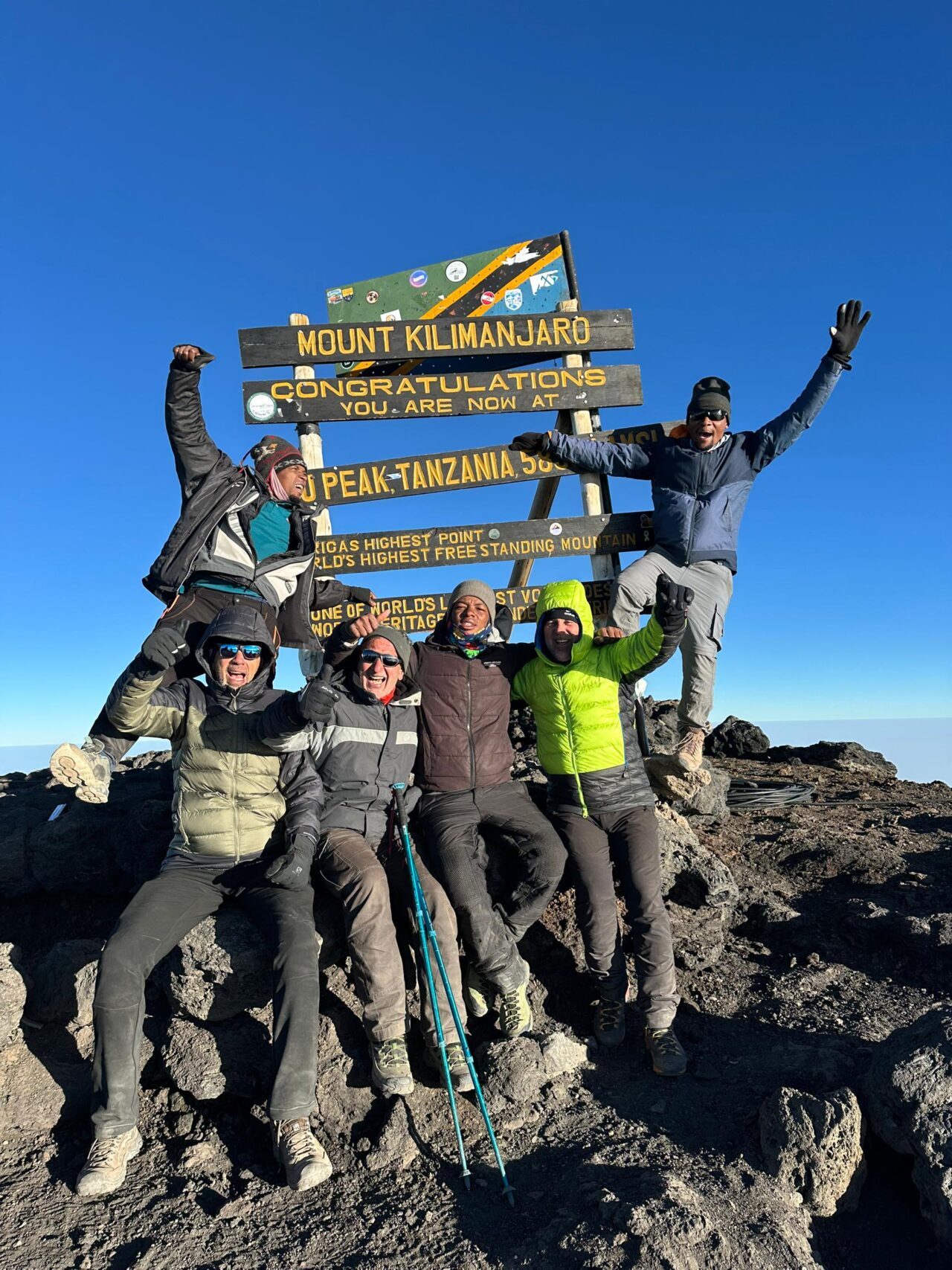
The ascent is steep and relentless, often on loose scree. The lack of oxygen at this altitude makes every step a significant effort. The cold and potential wind make it difficult to stop for long periods. Your high-quality winter gear, including insulated gloves and warm headwear, will be tested. The summit ridge and Stella Point (a common stopping point before Uhuru Peak) can be icy. Reaching Uhuru Peak requires navigating these challenging conditions.
Sunrise Views
If the weather cooperates, witnessing the sunrise from the roof of Africa is an unforgettable experience. The colours painting the sky above the clouds, with the vast plains stretching out below, can be magical. The increasing daylight also helps with visibility on the descent.
Descent
The descent is often underestimated. While gravity helps, trekking down steep scree can be hard on the knees and thighs. It’s also crucial to maintain focus, as fatigue from the summit push and the cold can lead to missteps. The conditions in March, with potential ice and loose rock, make a careful descent vital.
For a 2026 or 2027 summit attempt in March, mental fortitude, physical preparation, and the right gear are as important as the acclimatization process. The March Kilimanjaro trail conditions on summit night are demanding.
Crowds and Solitude in March
One of the significant advantages of climbing Kilimanjaro in March is the reduced number of trekkers compared to the peak dry seasons (June-October and January-February). The shoulder season, especially at the tail end of the rainy season, means you’re likely to encounter fewer people on the trails and at the campsites.
- Fewer Trekkers: This can lead to a more intimate and peaceful trekking experience. You might find yourself with more space on the trails and quieter campsites.
- Better Availability: While not a major concern for most routes, campsites and huts might have slightly more availability, though booking well in advance for 2026 or 2027 is still recommended.
- More Personal Attention: With fewer trekkers, guides and support staff might be able to offer more personalized attention to each group.
While March doesn’t guarantee completely empty trails, it offers a significant reprieve from the busy periods. This solitude can enhance the feeling of adventure and connection with nature. If avoiding crowds is a priority for your 2026 or 2027 Kilimanjaro climb, March is a strong contender, provided you are prepared for the weather.
Food and Water on the Mountain in March
Reputable tour operators provide three meals a day on Kilimanjaro, prepared by dedicated cooks. The food is designed to be nutritious, energy-dense, and palatable at altitude. March trekkers can expect the same quality and variety of meals as in other months.
Meals Provided
Typical meals include:
- Breakfast: Porridge, eggs, toast, pancakes, fruit.
- Lunch: Sandwiches, soups, pasta, rice dishes, salads.
- Dinner: Hearty meals like stews, chicken, fish, rice, vegetables, and pasta.
- Snacks: Biscuits, fruit, popcorn are often provided, but bringing your own high-energy snacks is advisable.
The cooks are skilled at preparing meals in basic conditions, and vegetarian, vegan, or other dietary requirements can usually be accommodated if communicated in advance. Ensure your tour operator is informed about any specific needs for your 2026 or 2027 climb.
Water Management
Access to safe drinking water is crucial. Tour operators typically provide boiled or treated water. Porters will collect water from streams, and cooks will boil it at the campsites. However, it’s wise to:
- Bring a Water Filter or Purification Tablets: As a backup or for extra security, especially if you are concerned about water sources.
- Use Electrolyte Powders: These can help with hydration and replace lost salts, and also make water more palatable.
- Insulate Water Bottles: In March, especially at night and on summit night, water can freeze. Using insulated bottles or keeping them inside your sleeping bag can prevent this.
The March Kilimanjaro trail conditions mean you need to be extra diligent about preventing water from freezing, which could leave you dehydrated.
Health and Safety Considerations for March Climbs
Safety is paramount on Kilimanjaro. While March generally has fewer weather-related emergencies than the peak rainy season, preparedness is key.
Medical Support
Reputable tour operators have trained guides who are certified in first aid and wilderness medicine. They carry comprehensive medical kits. Many operators also carry emergency oxygen and a Gamow bag (a portable hyperbaric chamber) for severe altitude sickness. Ensure your chosen operator for 2026 or 2027 prioritizes safety and has robust emergency protocols.
Insurance
Travel insurance is mandatory for all Kilimanjaro climbs. It must cover:
- High-altitude trekking up to 6,000m.
- Emergency medical evacuation.
- Trip cancellation and interruption.
Always check the policy details carefully to ensure it meets the requirements of your tour operator.
Pre-Climb Preparation
Physical fitness is essential. While acclimatization is the primary factor for summit success, being physically prepared will make the trek more enjoyable and reduce the risk of injury. Focus on cardiovascular fitness (running, cycling, swimming) and strength training, particularly for your legs and core.
Medical Check-up: Consult your doctor before planning your climb, especially if you have any pre-existing health conditions. Discuss altitude sickness medication like Diamox (Acetazolamide) if you are considering it.
Environmental Considerations
While March is not the height of the rainy season, the mountain environment still requires respect. Stick to trails, avoid littering, and use biodegradable toiletries. The weather can change rapidly, so always be prepared for sudden shifts.
The March Kilimanjaro trail conditions require a heightened awareness of safety due to the potential for slippery paths and cold temperatures, especially on summit night.
Booking Your March 2026-2027 Kilimanjaro Climb
Planning your Kilimanjaro adventure for 2026 or 2027 requires careful consideration, especially if you’re targeting March. Here’s what to keep in mind:
Choosing a Reputable Tour Operator
Selecting the right operator is crucial for safety, success, and overall experience. Look for companies that:
- Prioritize safety with experienced, certified guides.
- Offer comprehensive safety equipment (oxygen, medical kits).
- Use ethical porter treatment practices.
- Provide clear itineraries and inclusions/exclusions.
- Have positive reviews and a strong track record.
Top Guide Adventures is a trusted choice, known for its personal attention, dedicated support, and commitment to client safety. We organize Tanzania safaris, Kilimanjaro climbs, and more, ensuring a complete travel experience.
Itinerary Length
For March, longer itineraries (7-9 days) are highly recommended to allow for better acclimatization. While shorter treks are possible, the increased duration significantly boosts your chances of reaching the summit safely and comfortably, especially given the transitional weather.
When to Book
For popular trekking months, booking 6-12 months in advance is advisable. For March 2026 or March 2027 climbs, booking sooner rather than later is recommended, especially if you have specific date preferences or are part of a group. This ensures availability and allows ample time for preparation.
Costs and Inclusions
The cost of a Kilimanjaro climb varies widely based on the operator, route, and duration. In March, prices might be slightly lower than during peak seasons due to lower demand, but quality operators maintain consistent pricing for safety and service standards. Always clarify what is included:
- Park fees
- Guide and crew salaries
- All meals on the mountain
- Accommodation before and after the climb (sometimes)
- Camping equipment (tents, sleeping mats)
- Porters and their equipment
- Emergency oxygen and first-aid kit
Exclusions typically include flights, visas, travel insurance, tips for the crew, personal gear, and drinks on the mountain.
Preparing for Your Trip
Once booked, focus on physical training and acquiring the correct gear. Attend pre-climb briefings offered by your operator. Ensure you have all necessary vaccinations and malaria precautions if applicable to the lower regions.
Planning a March Kilimanjaro climb for 2026 or 2027 requires balancing the desire for fewer crowds with the need for solid preparation for variable weather. Understanding the March Kilimanjaro trail conditions is the first step to a successful and memorable adventure.
Conclusion: Is March the Right Month for Your Kilimanjaro Climb?
March on Kilimanjaro presents a compelling option for trekkers seeking a balance between manageable weather and fewer crowds. As the long rainy season wanes, you can expect a transition towards clearer skies and drier conditions, particularly in the latter half of the month. However, residual rain, muddy trails in lower sections, and cold temperatures at altitude, especially on summit night, are definite possibilities. The March Kilimanjaro trail conditions demand thorough preparation, including robust waterproof gear, effective layering, and a commitment to acclimatization. For those who are well-equipped and mentally prepared for variable weather, March offers a rewarding experience with a greater sense of solitude on the mountain. For your 2026 or 2027 Kilimanjaro adventure, consider March if you prioritize a quieter trek and are ready to embrace the dynamic mountain environment. Let Top Guide Adventures help you plan your unforgettable journey. Contact us via WhatsApp +255616946642 or Email topguideadventures@gmail.com to discuss your personalized 2026-2027 climb.
Check Availability for March Kilimanjaro Trail Conditions: What To Expect & How To Prepare…
Ready to compare dates, prices, and the best option for your group? Send the package name and travel month so the team can reply with a clear quote, availability, and what is included.
April Vs May Kilimanjaro Rain And Trail Conditions: Your Expert Guide
Deciding between April and May for your Kilimanjaro climb? This in-depth guide compares the rain, trail conditions, crowds, and overall experience for both months in 2026-2027 to help you...
View package details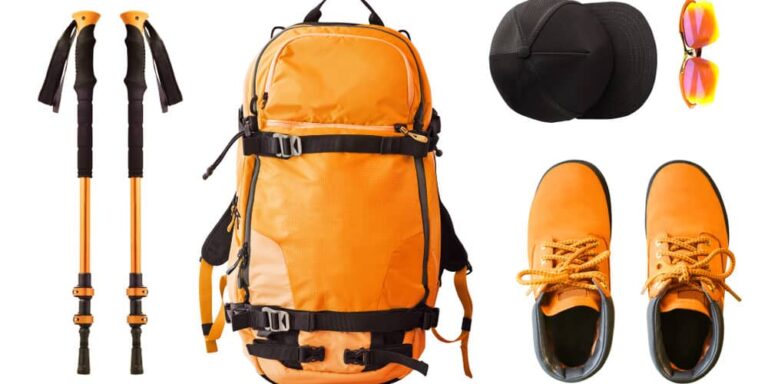
February Vs March Kilimanjaro Climbing Conditions 2026-2027
February vs March Kilimanjaro Climbing Conditions is explained with current 2026-2027 planning, price, itinerary and booking information.
View package details
November Kilimanjaro Trail Conditions: Your Essential Guide 2026-2027
Climbing Kilimanjaro in November offers a unique experience with cooler temperatures, a higher chance of rain in the early days, and significantly fewer trekkers. This guide details trail...
View package details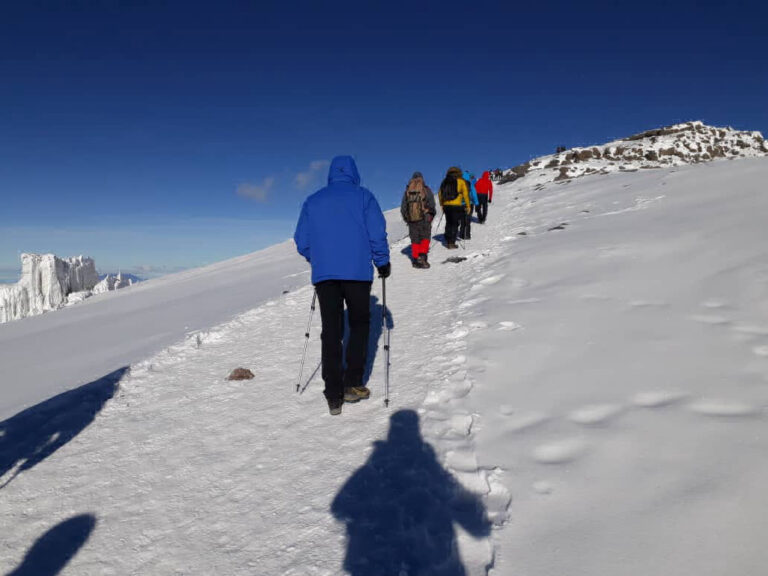
November Vs December Kilimanjaro Climbing Conditions Guide
Choosing between November and December for your Kilimanjaro climb? This guide details the distinct conditions, weather patterns, crowd levels, and cost considerations for each month...
View package details
March Vs April Kilimanjaro Weather Comparison For Climbs 2026-2027
Choosing between March and April for your Kilimanjaro climb involves understanding subtle yet significant weather differences. Both months fall within Kilimanjaro's second-best trekking...
View package details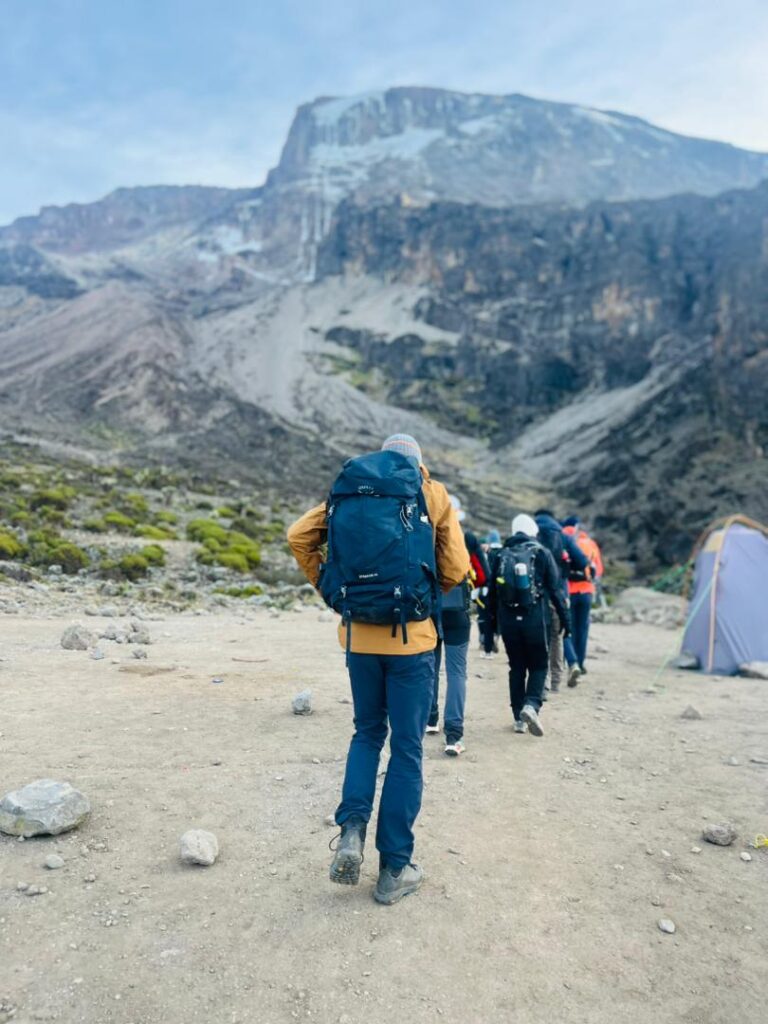
March Kilimanjaro Solo Traveller Group: Your Ultimate Guide For 2026-2027
Planning to climb Kilimanjaro solo in March? This guide connects you with group departures specifically for solo travellers, covering routes, costs, preparation, and what to expect in...
View package details
March Kilimanjaro Climb For Couples: Your Ultimate Guide 2026-2027
Planning a Kilimanjaro climb for couples in March? This guide covers everything from ideal routes and weather conditions to essential packing advice and booking considerations for your...
View package detailsDecember Kilimanjaro Trail Crowd Levels 2026-2027
December Kilimanjaro Trail Crowd Levels is explained with current 2026-2027 planning, price, itinerary and booking information.
View package details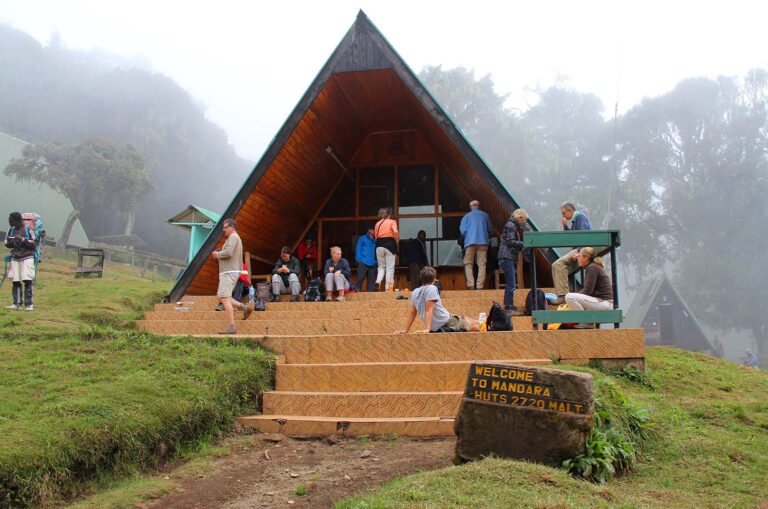
December Vs January Kilimanjaro Holiday Climb 2026-2027
December vs January Kilimanjaro Holiday Climb is explained with current 2026-2027 planning, price, itinerary and booking information.
View package detailsOctober Vs November Kilimanjaro Rainfall Guide 2026-2027
October vs November Kilimanjaro Rainfall Guide is explained with current 2026-2027 planning, price, itinerary and booking information.
View package details
May Vs June: When Should You Climb Kilimanjaro? 2026-2027
Choosing between May and June for your Kilimanjaro ascent? This in-depth guide compares the two months, helping you pick the optimal time for your trek based on weather patterns, crowd...
View package details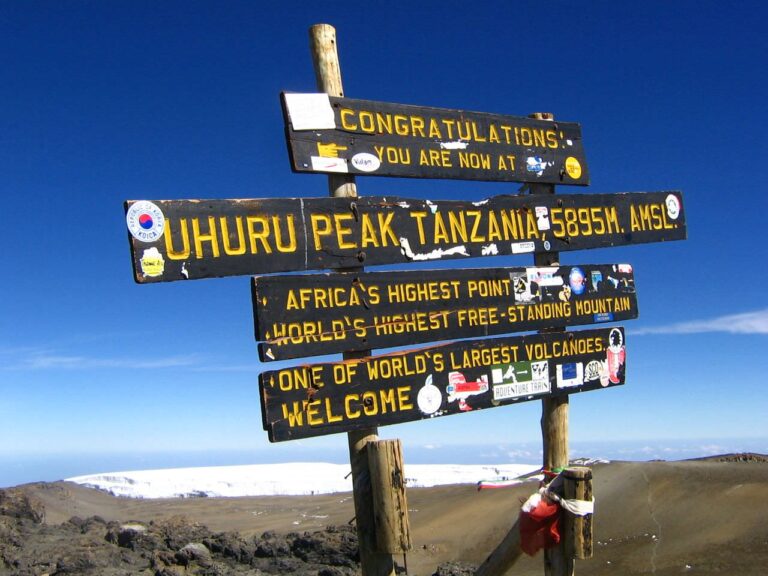
Highest-Altitude Trail Marathon On Mount Kilimanjaro 2026-2027
Highest-Altitude Trail Marathon on Mount Kilimanjaro is explained with current 2026-2027 planning, price, itinerary and booking information.
View package detailsNo related package matches those filters. Clear one or more filters to see the other topic-matched options.



