
Climbing Kilimanjaro in May offers a fantastic window for photography, characterized by clearing skies after the long rains and dramatic, often lower-lying cloud formations that can create spectacular vistas. Photographers can expect a mix of crisp, clear mountain views, particularly at higher altitudes, contrasted with stunning cloud inversions and atmospheric effects at dawn and dusk, making it an ideal month for capturing the mountain’s grandeur in 2026 and 2027.


Understanding Kilimanjaro’s May Climate for Photography
May falls within Kilimanjaro’s ‘long rains’ season, but this period often transitions into a drier, more stable climate as the month progresses. While occasional showers are possible, especially in the lower rainforest zones, the higher altitudes typically experience clearer conditions than earlier in April. This transitional weather is a photographer’s dream, offering dramatic skies and fewer crowds than the peak dry seasons.
The key photographic elements in May revolve around light, clouds, and the mountain itself. The receding rains mean the air is often cleaner, providing sharper views of distant landscapes and the volcanic cones of Kilimanjaro. However, the lingering moisture can also lead to incredible cloud formations. Understanding these dynamics is crucial for any photographer aiming to capture the best of Kilimanjaro.
The “Long Rains” Transition: What Photographers Can Expect
While April is typically the peak of the long rains, May marks a significant shift. Expect mornings to often start clear, with clouds building up during the day. This means that sunrise photography can be exceptionally rewarding, often showcasing clear skies above the cloud layer. As the day progresses, clouds may gather, particularly around the mountain’s mid-altitudes, creating a dynamic and ever-changing backdrop. This is ideal for capturing the mountain’s presence within a dramatic sky.
The lower slopes, including the rainforest and heather zones, might still experience some rain. This can lead to lush, vibrant greenery, which is excellent for foreground interest in your photographs. The mist and occasional rain can also add a mystical, atmospheric quality to images taken in these lower sections of the climb. By the end of May, conditions usually stabilize further, offering more predictable clear weather.
Altitude and Cloud Dynamics: A Photographer’s Perspective
Kilimanjaro’s altitude plays a significant role in cloud behavior. The lower zones (rainforest, moorland) are more prone to cloud cover and mist. As you ascend into the alpine desert and arctic zones, the clouds often sit *below* you. This creates stunning ‘cloud inversions,’ where you appear to be standing on an island in a sea of clouds. These scenes are particularly magical during sunrise and sunset.
In May, these cloud inversions are frequent. The moisture from the recent rains provides ample material for these formations. When the sun rises or sets, it can illuminate the cloud tops in spectacular hues of orange, pink, and gold. This is a prime photographic opportunity that seasoned climbers and photographers actively seek out.
Light Quality in May: Softness and Drama
The light in May can be softer than in the dry season due to the residual atmospheric moisture. This can be very flattering for portraits and can reduce harsh shadows, making it easier to capture detail in both highlights and shadows. However, when the skies are clear, especially at higher altitudes, the sunlight can be intense and bright, requiring careful exposure management.
Dawn and dusk are periods of dramatic light. The low angle of the sun, combined with cloud formations, can produce vibrant colors and long shadows. Planning your photography around these ‘golden hours’ will significantly enhance the quality of your images. The transition from night to day, or day to night, over a sea of clouds is a truly unforgettable sight and a highlight for many May climbers.
Best Kilimanjaro Routes for Photography in May
While all routes offer photographic potential, some are better suited for capturing dramatic cloudscapes and panoramic views, especially in May. The key is choosing a route that offers diverse scenery and good vantage points, particularly for those famous cloud inversions.
The Machame Route: A Popular Choice for Views
The Machame Route, often called the “Whiskey Route,” is highly recommended for photographers. It’s known for its scenic beauty, diverse landscapes, and a circuitous path that allows for excellent acclimatization. Its western and southern ascents provide stunning views of the Kibo crater and the surrounding plains, which are ideal for capturing cloud formations.
Key photographic spots on Machame include:
- Shira Plateau: Offers expansive views and dramatic sunsets over the plains, often with clouds below.
- Barranco Wall: The scramble up provides unique perspectives and opportunities to photograph the team against dramatic backdrops.
- Karanga Valley: Lush and green in May, offering a different photographic texture.
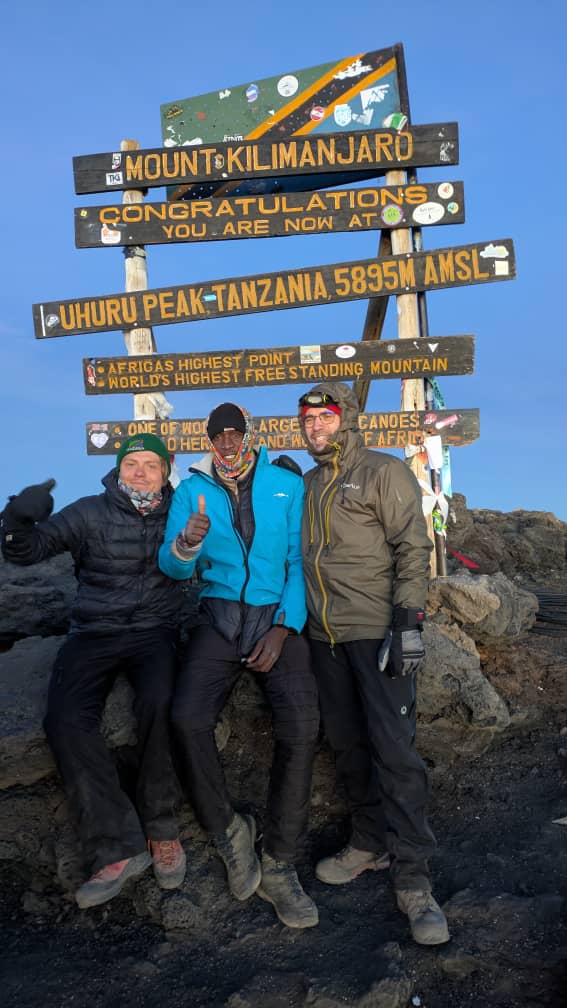
- Stella Point/Uhuru Peak: Sunrise views from the crater rim are legendary, especially with clouds filling the valleys below.
The Machame Route is a 6 or 7-day trek. The longer duration aids acclimatization, which is crucial for enjoying the climb and having the energy to focus on photography. For 2026 and 2027, booking Machame in May remains a top choice for many. Check Machame Route group departures for available dates.
The Lemosho Route: Extended Scenic Beauty
The Lemosho Route is longer (7-8 days) and offers arguably the most scenic approach to Kilimanjaro. It starts in the west, traversing the Shira Plateau and offering continuous impressive views. Its length provides excellent acclimatization and more time to capture the mountain’s changing moods.
Photographic highlights of Lemosho:
- Lemosho Glades: Early stages offer dense rainforest and potential wildlife sightings.
- Shira Plateau: Similar to Machame, but often experienced with fewer people.
- The Lava Tower: A unique geological feature providing excellent vantage points.
- Crater Rim and Summit: Similar spectacular views as Machame, but often reached with better acclimatization.
The Lemosho Route is ideal for photographers who want more time to soak in the scenery and maximize their chances of capturing stunning images. Its longer duration makes it particularly suitable for May’s transitional weather, offering more flexibility.
The Rongai Route: A Different Perspective
The Rongai Route approaches Kilimanjaro from the north, near the Kenyan border. It is drier than the southern routes and offers a unique perspective, often with fewer crowds. While it doesn’t traverse the Shira Plateau, it provides excellent views of the northern ice fields and the summit cone.
Photography considerations for Rongai:
- Dryer landscapes: May might see this route less affected by lingering rain compared to southern approaches.
- Unique summit views: The approach to the crater rim from the east (via Gilman’s Point) offers a different panorama.
- Less cloud cover on the approach: Potentially clearer views of the mountain from afar during the initial days.
While Rongai is excellent, the dramatic cloud inversions are often more pronounced on the southern and western routes like Machame and Lemosho due to their topography. However, for photographers seeking a less crowded experience and a different visual narrative, Rongai in May is a solid choice.
Other Routes: Marangu and Northern Circuit
The Marangu Route (“Coca-Cola Route”) is the oldest and most direct. It offers unique “hut-to-hut” accommodation but is less scenic and has poorer acclimatization profiles, making it less ideal for dedicated photography compared to Machame or Lemosho. However, its accessibility might appeal to some.
The Northern Circuit is the longest route (9-10 days) and circles the mountain, offering extensive views and excellent acclimatization. It provides ample opportunities for photography, especially the panoramic views from the northern slopes. Its length makes it a strong contender for photographers wanting the best chance at varied conditions and light.
Essential Photography Gear for Kilimanjaro in May
Packing the right gear is paramount for capturing stunning photos on Kilimanjaro, especially considering the variable May weather. You’ll need a versatile kit that can handle cold, moisture, and bright sunlight.
Camera Body and Lenses
A DSLR or mirrorless camera offers the most flexibility. For lenses, consider a versatile zoom and a prime lens:
- Wide-angle zoom (e.g., 16-35mm): Excellent for landscapes, capturing the vastness of the mountain, and dramatic cloud formations.
- Mid-range zoom (e.g., 24-70mm): A workhorse lens for general use, portraits, and capturing details.
- Telephoto zoom (e.g., 70-200mm): Useful for compressing landscapes, isolating distant features, and capturing wildlife if you’re lucky.
- Prime lens (e.g., 50mm f/1.8): Lightweight and great for low-light conditions (e.g., sunrise/sunset) and portraits, offering excellent image quality.
For May, prioritize lenses that perform well in lower light, as dawn and dusk will be key times. A lens with good weather sealing is also a plus.
Protecting Your Gear from the Elements
May can bring rain, mist, and dust. Protecting your camera is vital:
- Rain cover: A dedicated camera rain cover or even a simple plastic bag can save your gear during unexpected showers.
- Dry bags: Store your camera and lenses in dry bags when not in use.
- Silica gel packets: Place these in your camera bag to absorb moisture, especially when moving between cold outer temperatures and warmer tent interiors.
- Lens hood: Helps prevent rain and dew from hitting the front element and reduces flare.
Ensure your backpack has a good rain cover. Many reputable tour operators, like Top Guide Adventures, provide waterproof duffel bags for your main luggage.
Batteries, Memory Cards, and Power
Cold temperatures drain batteries quickly. Keep spares warm in an inside pocket. You’ll need plenty of memory cards, as you’ll be taking a lot of photos!
- Spare batteries: Bring at least 2-3 fully charged spare batteries.
- Power bank: A robust power bank can recharge batteries and devices overnight in your tent.
- Memory cards: Bring more than you think you’ll need (e.g., 64GB or 128GB cards).
- Chargers: Ensure you have the correct chargers and a travel adapter if needed.
Charging opportunities are limited to evenings in the tent, so plan accordingly. Many climbers use solar chargers, but reliability can be an issue with May’s variable cloud cover.
Tripod and Filters
A lightweight travel tripod is invaluable for low-light photography, long exposures (e.g., star trails if conditions permit), and capturing sharp images at sunrise and sunset. Filters can enhance your shots:
- Polarizing filter: Reduces glare, enhances sky colors, and increases contrast. Crucial for bright, sunny days.
- Neutral Density (ND) filter: Useful for long exposures during the day, though less critical for general May climbing photography.
Consider a compact, sturdy tripod that doesn’t add too much weight to your pack.
Photographing Kilimanjaro’s Cloud Formations in May
The unique cloud patterns in May are a major draw for photographers. Mastering how to capture them will elevate your images.
Capturing Cloud Inversions
Cloud inversions occur when a layer of clouds sits below your viewpoint. This is common on Kilimanjaro, especially from the crater rim looking down or from higher points like Shira Plateau.
- Timing: Aim for sunrise or sunset. The low sun angle illuminates the cloud tops beautifully.
- Composition: Look for foreground elements (rocks, vegetation) to add depth. Frame the shot to emphasize the ‘sea of clouds.’
- Exposure: Cloud inversions can have a high dynamic range. Use your camera’s bracketing feature or shoot in RAW to capture detail in both the bright clouds and darker foregrounds.
The contrast between the sharp, clear mountain air above and the soft, cotton-like clouds below is a powerful visual theme for May photography.
Mist and Fog Effects
In the lower rainforest and moorland zones, mist and fog are common in May. Don’t shy away from them; they add atmosphere.
- Backlighting: Shoot towards the light source (sun or bright sky) to make the mist glow.
- Silhouettes: Use mist to create moody silhouettes of trees or climbers.
- Color Palettes: Soft, diffused light in misty conditions can create beautiful pastel colors.
Embrace the moody, ethereal quality that mist can bring to your photographs of the lower mountain slopes.
Dramatic Skies and Weather Patterns
May’s transitional weather means you can capture a range of sky conditions:
- Cumulus clouds: Build up during the day, offering texture and drama.
- Lenticular clouds: Rare but spectacular, these lens-shaped clouds form near the summit in specific wind conditions.
- Stormy skies: While less common than in April, occasional dramatic, dark clouds can create powerful imagery.
Be prepared for rapid changes. Have your camera ready to capture fleeting moments of dramatic light or cloud formations.
Sunrise and Sunset Photography on Kilimanjaro in May
Sunrise and sunset are the ‘golden hours’ for photography on Kilimanjaro, and May offers exceptional opportunities.
Summit Sunrise: The Ultimate Shot
Reaching Stella Point or Uhuru Peak by sunrise is a highlight of any Kilimanjaro climb. In May, the chances of a clear view above the clouds are high.
- Preparation: Start your summit push in the early hours (around midnight). Dress warmly; it will be freezing.
- Location: Find a spot on the crater rim (Stella Point is often reached first, Uhuru Peak is the true summit).
- Camera Settings: Use a wide aperture (low f-number) for low light. Increase ISO if necessary, but be mindful of noise. Use a tripod if possible for maximum sharpness.
- The Scene: Capture the sun rising over the horizon, illuminating the clouds below and casting long shadows. Photograph the ice formations and the crater itself.
The experience of seeing the sun rise from Africa’s highest point, with a sea of clouds stretching out below, is unparalleled and a photographer’s ultimate reward. Ensure your camera is accessible and ready.
Sunset Views
Sunsets can be equally spectacular, especially from vantage points like the Shira Plateau or during the descent.
- Timing: Plan to be at a scenic spot about an hour before sunset.
- Composition: Use the mountain’s silhouette, foreground elements, and the dramatic sky.
- Light: Capture the warm, golden light that bathes the landscape.
Even if you’re not at the summit, sunset views can be incredibly rewarding, offering a different mood and color palette than sunrise.
Tips for Better Kilimanjaro Photography in May
Beyond gear and understanding the conditions, practical tips can significantly improve your photographic results.
Acclimatization and Photography
Good acclimatization is key. When you feel well, you have the energy and clarity to focus on photography. Rushing acclimatization leads to altitude sickness, which will ruin your trip and your photos.
- Pace Yourself: “Pole pole” (slowly, slowly) is the mantra.
- Hydrate: Drink plenty of water.
- Eat Well: Keep your energy levels up.
- Rest: Allow your body to adapt.
A well-acclimatized climber is a happier, more observant climber, and thus a better photographer.
Composition and Storytelling
Think beyond just landscape shots. Tell the story of your climb.
- Include People: Capture fellow climbers, guides, and porters. Their presence adds scale and human interest.
- Details: Photograph the unique flora, fauna, ice formations, and camp life.
- Perspective: Use different angles – low, high, wide, telephoto – to create dynamic compositions.
- Leading Lines: Use paths, ridges, or cloud formations to guide the viewer’s eye into the image.
Consider the narrative of your journey. What makes your Kilimanjaro experience unique?
Managing Light and Exposure
Kilimanjaro’s light can be challenging.
- Avoid Direct Midday Sun: It’s harsh and creates unflattering shadows. Shoot in the early morning or late afternoon.
- Use a Reflector (if feasible): A small, collapsible reflector can fill in shadows for portraits, though this is often impractical on a trek.
- RAW Format: Always shoot in RAW. This gives you maximum flexibility in post-processing to recover details in highlights and shadows.
- Exposure Compensation: Learn to use your camera’s exposure compensation feature, especially when shooting against bright skies or clouds.
Practice these techniques before your trip.
Post-Processing
Even the best photos benefit from post-processing.
- Software: Adobe Lightroom or similar software is ideal.
- Adjustments: Focus on exposure, contrast, white balance, and sharpening.
- Enhance, Don’t Alter: Aim to bring out the best in the scene as you saw it, rather than creating something artificial.
Post-processing can transform a good photo into a great one, especially for capturing the vibrant colors of sunrises and sunsets.
What to Pack for May Kilimanjaro: A Photographer’s Checklist
This checklist focuses on photography-specific items and considerations for May.
Photography Gear Checklist:
- DSLR or Mirrorless Camera
- Wide-angle zoom lens (e.g., 16-35mm)
- Mid-range zoom lens (e.g., 24-70mm)
- Telephoto zoom lens (optional, e.g., 70-200mm)
- Prime lens (optional, e.g., 50mm)
- Multiple spare camera batteries (at least 3)
- Battery charger
- High-capacity memory cards (e.g., 3-4 x 128GB)
- Memory card reader/transfer device
- Sturdy, lightweight travel tripod
- Circular Polarizer Filter (CPL)
- Camera rain cover / waterproof bag
- Dry bags for camera and accessories
- Lens cleaning kit (cloths, brush, solution)
- Small backpack or camera insert for daypack
- Power bank for recharging devices
- Headlamp (essential for summit night photography)
Clothing & Other Essentials (Photographer Focus):
- Warm layers (merino wool, fleece)
- Waterproof and windproof outer shell (jacket and trousers)
- Warm hat and gloves (consider liner gloves for camera operation)
- Sun hat and sunglasses
- High SPF sunscreen
- Lip balm with SPF
- Sturdy hiking boots
- Water bottles or hydration reservoir
- Headlamp with spare batteries
- Personal first-aid kit
- Snacks (energy bars, nuts)
- Camera protection from dust and moisture
- Warm pocket for spare batteries
Choosing a Tour Operator for Your May Kilimanjaro Photography Trip
Selecting the right tour operator is crucial for a successful Kilimanjaro climb, especially when photography is a priority. You need a company that understands the demands of the trek and the needs of photographers.
Why Top Guide Adventures for May 2026-2027 Climbs
At Top Guide Adventures, we specialize in creating memorable and safe Kilimanjaro climbing experiences. We understand that for many, capturing the mountain’s beauty is as important as reaching the summit.
- Experienced Guides: Our guides are not only expert mountaineers but also knowledgeable about the best times and locations for photography. They can help you position yourself for optimal shots during sunrise and sunset.
- Safety First: Your safety and acclimatization are paramount. We ensure our itineraries allow ample time for this, giving you the best chance to feel well and enjoy photography.
- Quality Equipment: We provide high-quality tents, food, and support, ensuring you are comfortable and well-rested, allowing you to focus on your photographic pursuits.
- Flexibility: While safety dictates the pace, our guides are often willing to pause for photographers to capture a special moment, provided it doesn’t compromise the group’s schedule or safety.
- Tailored Itineraries: We can discuss specific needs for photographers, ensuring you are on a route that offers the best visual opportunities.
What to Look for in a Tour Operator
- Reputation and Reviews: Check independent reviews (e.g., on TripAdvisor) for consistent positive feedback on safety, guide quality, and overall experience.
- Safety Standards: Ensure they have strict safety protocols, including oxygen supplies and emergency evacuation plans.
- Guide Qualifications: Look for operators who employ certified and experienced guides.
- Group Size: Smaller groups often allow for more flexibility.
- Inclusions: Understand what is included (e.g., park fees, meals, accommodation, porter services) to avoid hidden costs.
- Itinerary: Choose an operator offering routes known for scenery and good acclimatization profiles.
Booking Your 2026-2027 Kilimanjaro Photography Expedition
Planning ahead is essential, especially for popular months like May. For your 2026 or 2027 Kilimanjaro photography adventure, consider booking at least 6-12 months in advance.
Contact Top Guide Adventures today to discuss your photographic goals and plan your perfect Kilimanjaro climb. We offer a range of packages designed to maximize your experience.
WhatsApp: +255616946642
Email: topguideadventures@gmail.com
Backup Email: info@topguideadventures.com
Let us help you capture the magic of Kilimanjaro in May 2026 and 2027!
Frequently Asked Questions about May Kilimanjaro Photography
Q1: Is May a good month for photography on Kilimanjaro?
Yes, May is an excellent month for Kilimanjaro photography. It marks the transition out of the long rains, meaning skies often clear, offering crisp views. Crucially, the lingering moisture creates dramatic cloud inversions and atmospheric conditions, particularly at sunrise and sunset, which are fantastic for photography.
Q2: What are the typical cloud conditions on Kilimanjaro in May?
In May, you can expect a mix. Mornings are often clear, especially at higher altitudes. Clouds tend to build during the day, frequently forming spectacular cloud inversions that sit below the mountain’s upper reaches. Mist and fog are common in the lower rainforest zones, adding an atmospheric quality. By late May, conditions usually become more consistently dry.
Q3: Which Kilimanjaro route is best for photographers in May?
Routes like Machame and Lemosho are highly recommended for photographers in May due to their scenic diversity and the prevalence of stunning cloud inversions visible from their western and southern approaches. The longer Northern Circuit also offers excellent photographic potential. These routes provide ample vantage points for capturing dramatic skies and landscapes.
Q4: What camera gear should I bring for Kilimanjaro photography in May?
A versatile DSLR or mirrorless camera is recommended. Bring a wide-angle lens for landscapes and cloudscapes, and a mid-range zoom for general use. Essential accessories include spare batteries (kept warm), plenty of memory cards, a lightweight tripod, and robust weather protection (rain cover, dry bags) for your gear, as May can still bring occasional showers or mist.
Q5: How do I protect my camera from the elements on Kilimanjaro in May?
Use a dedicated camera rain cover or a plastic bag during showers. Store your camera in dry bags when not in use. Bring silica gel packets to absorb moisture inside your camera bag. A lens hood helps protect the front element. Ensure your backpack has a good rain cover, and always keep spare batteries warm in an inside pocket, as cold drains them quickly.
Q6: Are there specific times of day that are best for photography in May?
Yes, the ‘golden hours’ around sunrise and sunset are prime times. Sunrise from the crater rim offers the chance to photograph the sun appearing above a sea of clouds. Sunsets, especially from viewpoints like the Shira Plateau, provide dramatic lighting and color. Early mornings also tend to be clearer before clouds build up.
Q7: What about altitude sickness and photography?
Altitude sickness can severely impact your ability to enjoy and photograph the climb. Prioritize acclimatization by choosing a longer route (7+ days), pacing yourself (‘pole pole’), staying hydrated, and resting. Feeling well is essential for having the energy and mental clarity to focus on photography and capture the best moments.
Planning your Kilimanjaro climb for May 2026 or 2027 with a focus on photography allows you to experience the mountain’s beauty during a unique and visually rewarding period. The blend of clearing skies and dramatic cloud formations, combined with the right gear and a well-chosen route, promises an unforgettable photographic journey. Top Guide Adventures is here to help you make that journey a reality, ensuring safety, comfort, and ample opportunities to capture the magic of Kilimanjaro.
Check Availability for May Kilimanjaro Photography And Cloud Guide: Best Views & Tips For 2026-2027
Ready to compare dates, prices, and the best option for your group? Send the package name and travel month so the team can reply with a clear quote, availability, and what is included.
November Kilimanjaro Photography In The Short Rains: Your Ultimate Guide
Discover the unique photographic opportunities of climbing Kilimanjaro in November during the Short Rains. This guide covers optimal light, dramatic skies, vibrant landscapes, and essential...
View package details
December Vs January Kilimanjaro Holiday Climb 2026-2027
December vs January Kilimanjaro Holiday Climb is explained with current 2026-2027 planning, price, itinerary and booking information.
View package details
November Vs December Kilimanjaro Climbing Conditions Guide
Choosing between November and December for your Kilimanjaro climb? This guide details the distinct conditions, weather patterns, crowd levels, and cost considerations for each month...
View package details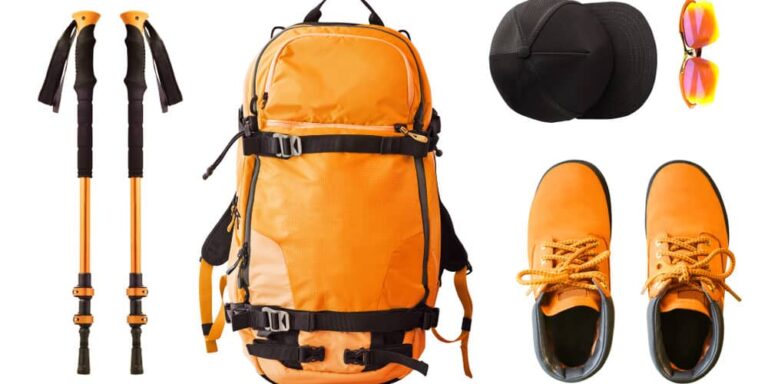
October Vs November Kilimanjaro Rainfall Guide 2026-2027
October vs November Kilimanjaro Rainfall Guide is explained with current 2026-2027 planning, price, itinerary and booking information.
View package details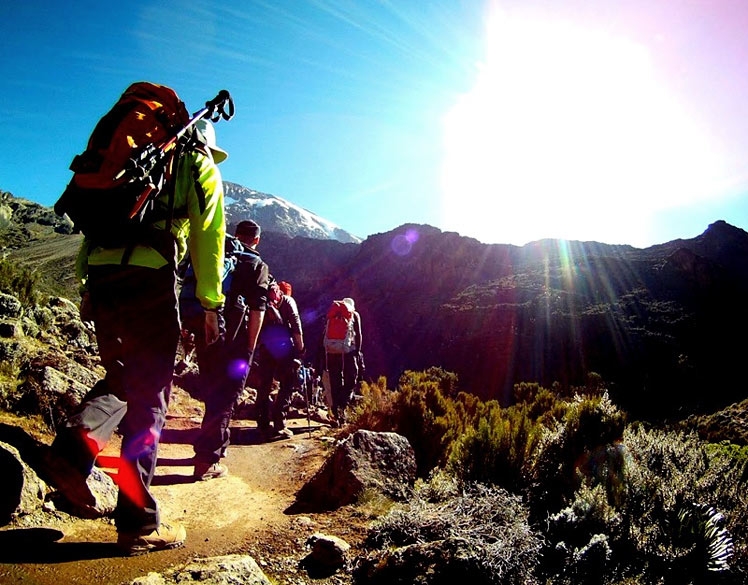
May Vs June: When Should You Climb Kilimanjaro? 2026-2027
Choosing between May and June for your Kilimanjaro ascent? This in-depth guide compares the two months, helping you pick the optimal time for your trek based on weather patterns, crowd...
View package details
April Vs May Kilimanjaro Rain And Trail Conditions: Your Expert Guide
Deciding between April and May for your Kilimanjaro climb? This in-depth guide compares the rain, trail conditions, crowds, and overall experience for both months in 2026-2027 to help you...
View package details
March Vs April Kilimanjaro Weather Comparison For Climbs 2026-2027
Choosing between March and April for your Kilimanjaro climb involves understanding subtle yet significant weather differences. Both months fall within Kilimanjaro's second-best trekking...
View package detailsFebruary Vs March Kilimanjaro Climbing Conditions 2026-2027
February vs March Kilimanjaro Climbing Conditions is explained with current 2026-2027 planning, price, itinerary and booking information.
View package details
March Kilimanjaro Solo Traveller Group: Your Ultimate Guide For 2026-2027
Planning to climb Kilimanjaro solo in March? This guide connects you with group departures specifically for solo travellers, covering routes, costs, preparation, and what to expect in...
View package details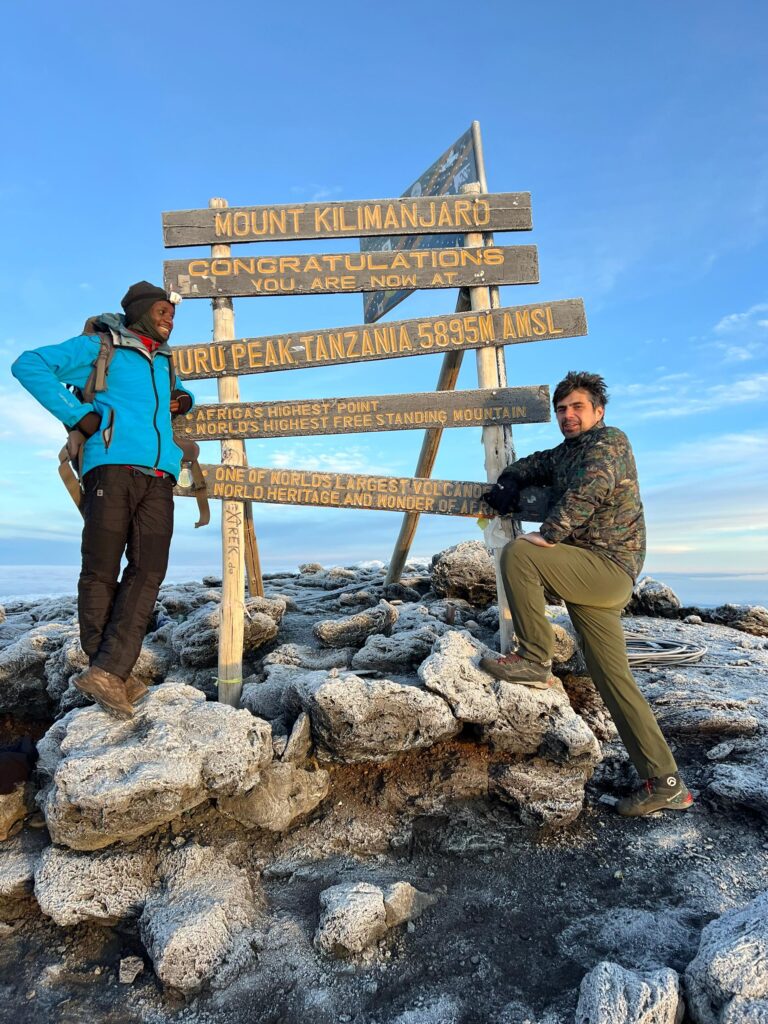
November Kilimanjaro Acclimatization-Focused Trek Guide
Discover essential strategies for a successful November Kilimanjaro climb, emphasizing acclimatization. This guide covers route selection, preparation, and what to expect during the...
View package details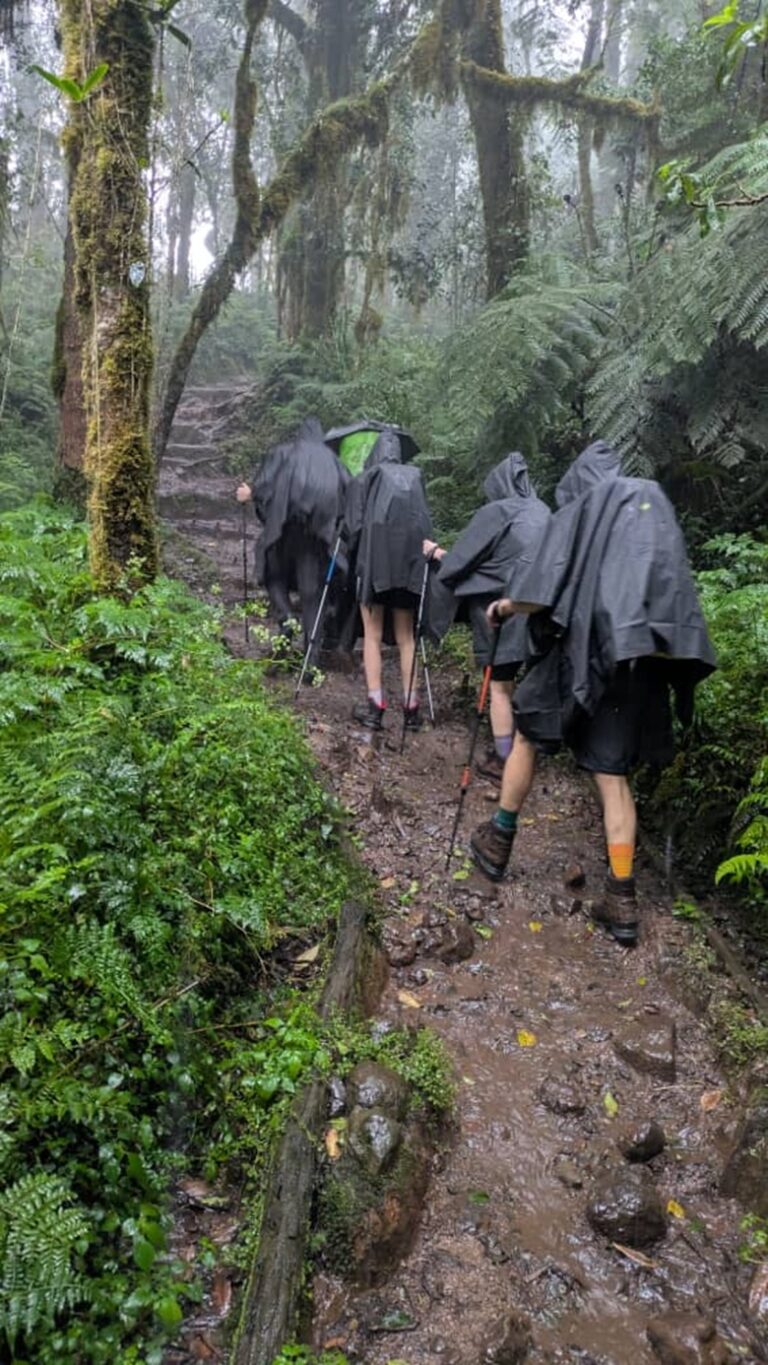
What To Pack For Kilimanjaro In May : Your Essential Gear Guide 2026-2027
Packing for Kilimanjaro in May requires careful consideration of its transitional weather. This guide covers everything you need, from base layers to waterproofs, ensuring a comfortable and...
View package details
May Kilimanjaro Climb For Solo Travellers: Your Expert Guide 2026-2027
Discover everything solo travellers need to know about climbing Kilimanjaro in May. This guide covers route selection, essential gear, training, safety, and typical costs for 2026-2027.
View package detailsNo related package matches those filters. Clear one or more filters to see the other topic-matched options.



