
An August Kilimanjaro packing checklist for 2026-2027 should focus on layers for cold, dry conditions, robust rain gear for potential equatorial showers, sun protection due to high altitude, and comfortable, broken-in hiking boots. Essential items include thermal base layers, fleece mid-layers, a waterproof and windproof outer shell, insulated gloves and hat, a warm sleeping bag, high-SPF sunscreen, and trekking poles. Proper preparation ensures comfort and safety on the mountain during this popular dry season month.
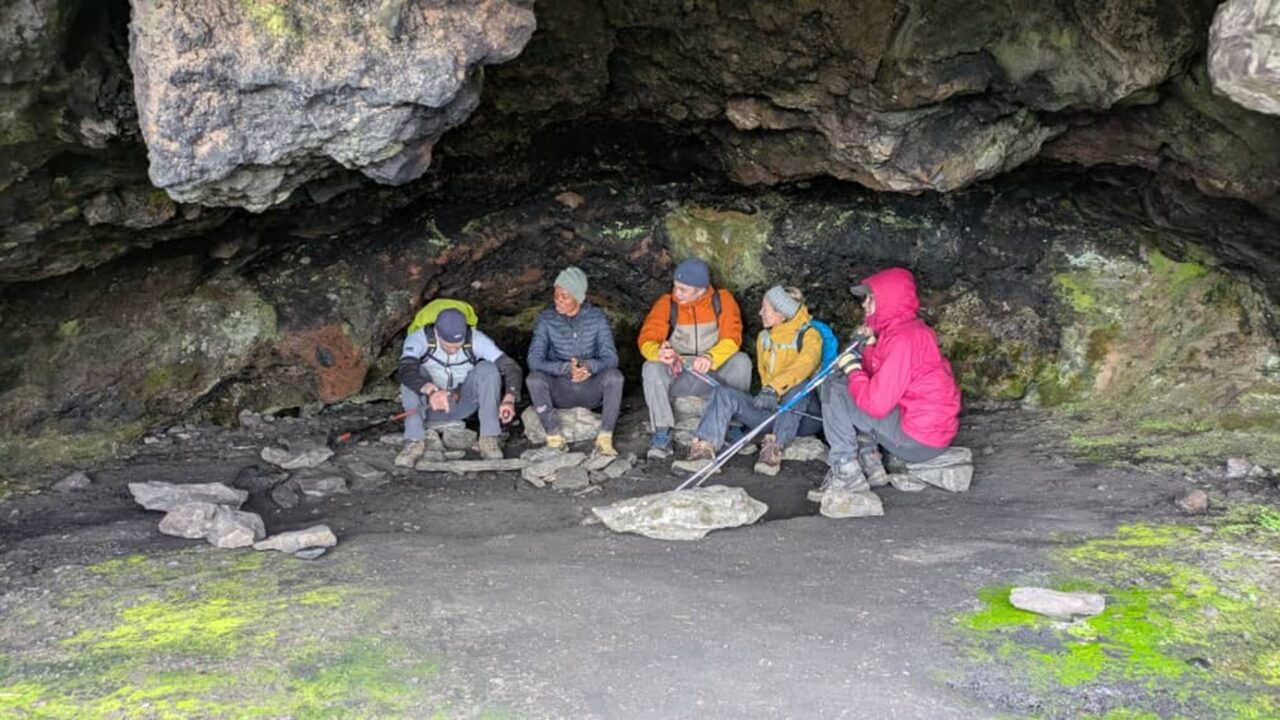

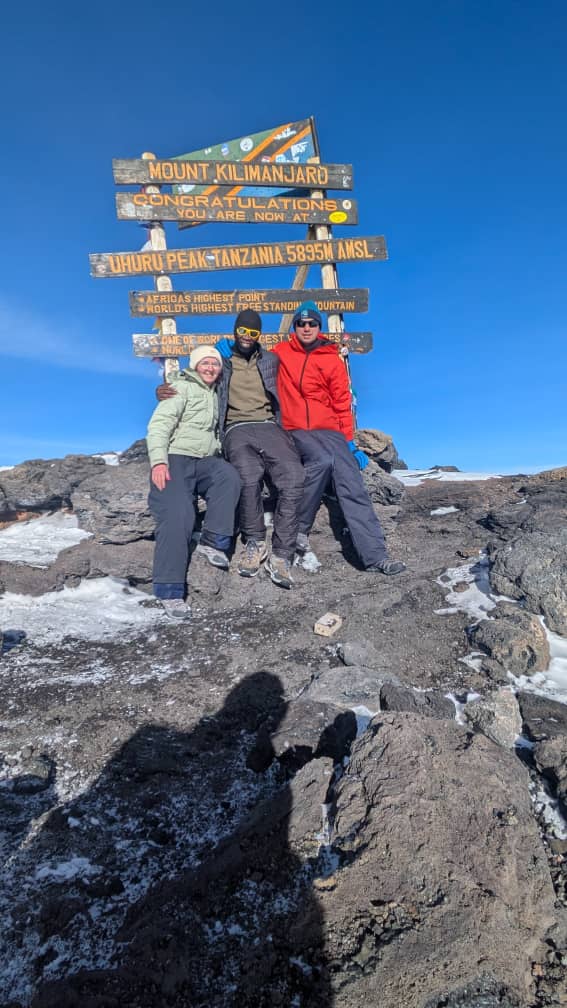
Understanding August Conditions on Kilimanjaro for Packing
Choosing to climb Kilimanjaro in August places you squarely in the heart of Tanzania’s dry season, a period generally characterized by clear skies and lower humidity. However, ‘dry’ on Kilimanjaro doesn’t mean warm or uneventful. The mountain’s altitude creates microclimates, and temperatures can plummet dramatically as you ascend. August offers some of the most stable weather for trekking, making it a prime month for many climbers aiming for the summit in 2026 and 2027. Understanding these specific conditions is the first step in creating an effective August Kilimanjaro packing checklist.
Temperature Fluctuations: From Tropical Base to Arctic Summit
At the base of Kilimanjaro, around Marangu or Mweka village, you’ll experience tropical warmth, often in the mid-20s Celsius (70s Fahrenheit). As you begin your ascent, temperatures will drop steadily. By the time you reach the higher camps like Barranco or Karanga, expect daytime highs around 10-15°C (50-60°F) and nighttime lows near freezing. The summit night, however, is a different story. Temperatures at Uhuru Peak can range from -7°C to -20°C (20°F to -4°F), and with wind chill, it can feel significantly colder. This vast temperature swing is why layering is the absolute cornerstone of your Kilimanjaro packing list for August.
Precipitation Patterns in August
While August is considered dry, it’s crucial to remember Kilimanjaro’s equatorial location. This means brief, localized rain showers are still possible, especially on the lower slopes and in the rainforest zone. These can occur unexpectedly. Higher up, precipitation is more likely to be frost or snow, particularly around Stella Point and Uhuru Peak. Therefore, your packing strategy must include excellent waterproof and windproof outer layers, even if heavy, prolonged rain is unlikely.
Sunlight Intensity at High Altitude
The clear skies common in August mean intense solar radiation. At high altitudes, the atmosphere is thinner, offering less protection from UV rays. Sunburn and sunstroke are real risks. Packing high-SPF sunscreen, a wide-brimmed hat, and sunglasses with UV protection is non-negotiable. Your August Kilimanjaro packing checklist must prioritize sun safety as much as warmth.
Layering System: The Foundation of Your Kilimanjaro Gear
The key to comfort on Kilimanjaro, regardless of the month, is a well-executed layering system. For August, this system needs to be robust enough for freezing summit nights yet breathable enough for strenuous daytime hiking. Top Guide Adventures always emphasizes this crucial aspect to our clients planning their 2026 or 2027 climbs.
Base Layers: Moisture Wicking is Key
Your base layers are the first line of defense against the cold and are critical for managing sweat. They should fit snugly against your skin and be made of synthetic materials (like polyester or nylon) or merino wool. Avoid cotton at all costs, as it holds moisture and will make you cold. Pack at least two to three sets of long-sleeved tops and bottoms.
- Merino Wool Base Layers: Excellent warmth, breathability, and odor resistance. Ideal for multi-day treks.
- Synthetic Base Layers: Lightweight, quick-drying, and durable. A good budget-friendly option.
Mid Layers: Insulation for Warmth
These layers trap body heat. Fleece jackets and vests are popular choices due to their warmth-to-weight ratio and breathability. Down or synthetic insulated jackets are also excellent for colder days and evenings, especially at higher altitudes. You might need one or two mid-layers depending on the expected temperatures during your trek.
- Fleece Jacket/Pullover: A mid-weight fleece (e.g., Polartec 100 or 200) is versatile.
- Insulated Jacket: A down or synthetic fill jacket provides significant warmth for summit night and cold evenings. Look for something packable.
Outer Layers: Protection from Wind and Rain
This is your shield against the elements. A waterproof and breathable jacket (hardshell) and waterproof trousers are essential. Even in August, a sudden shower or strong winds can make you feel much colder. The jacket should have a hood, and the trousers should ideally have side zippers for easy on-off over boots.
- Waterproof/Breathable Jacket: Gore-Tex or similar technology is recommended. Ensure it has a good hood.
- Waterproof Trousers: Lightweight and packable, with full-length side zips.
Headwear and Handwear: Crucial for Comfort and Safety
Extremities are the first to feel the cold, and protecting your head and hands is vital for maintaining core body temperature and preventing frostbite, especially on summit night in August.
Head Protection: Sun and Cold
You’ll need protection for both intense sun and freezing temperatures.
- Sun Hat: A wide-brimmed hat to shield your face and neck from the high-altitude sun.
- Warm Hat/Beanie: A fleece or wool hat that covers your ears. Essential for cold mornings and summit night.
- Balaclava or Neck Gaiter: Protects your face and neck from wind and cold. A neck gaiter can also be pulled up over your nose and mouth.
Hand Protection: Layered Approach
Similar to your body, layering your hands is the most effective strategy.
- Liner Gloves: Thin, moisture-wicking gloves (wool or synthetic) to wear inside your main gloves.
- Warm Gloves/Mittens: Insulated, waterproof, and windproof gloves or mittens. Mittens are generally warmer than gloves as they keep fingers together. Ensure they are dexterity-friendly enough for tasks like adjusting camera settings or using trekking poles.
Footwear: Your Most Important Kilimanjaro Gear
Your feet are your primary mode of transport on Kilimanjaro. Investing in the right footwear and taking care of your feet is paramount. This is one area where skimping on quality can lead to significant discomfort or even injury. For August climbs in 2026-2027, ensure your boots are well-worn before you arrive.
Hiking Boots: Broken-In and Waterproof
This is perhaps the single most critical item on your August Kilimanjaro packing checklist. Your boots should be:
- Waterproof: Essential for stream crossings and potential rain. Gore-Tex lined boots are a good choice.
- Ankle Support: Mid or high-cut boots provide crucial ankle support on uneven terrain.
- Well Broken-In: Never wear brand-new boots on Kilimanjaro. Break them in thoroughly on shorter hikes to avoid blisters.
- Good Traction: A sturdy sole with deep lugs for grip on various surfaces.
Camp Shoes and Socks
Once you take off your hiking boots, your feet will appreciate a change. Comfortable camp shoes are a luxury, and good socks are essential for blister prevention and warmth.
- Camp Shoes: Lightweight trainers, sandals, or comfortable slip-on shoes for wearing around camp.
- Hiking Socks: Several pairs of thick, moisture-wicking wool or synthetic socks. Aim for at least 5-7 pairs.
- Liner Socks: Thin socks worn under hiking socks can help prevent blisters by reducing friction.
Sleeping Gear: Staying Warm at Altitude
Even though you’ll be provided with tents, your personal sleeping gear is crucial for a comfortable night’s sleep and recovery. Nighttime temperatures can drop well below freezing, especially at the higher camps.
Sleeping Bag: Rated for Cold
A warm sleeping bag is non-negotiable for an August Kilimanjaro climb. Look for a bag rated for at least -10°C to -20°C (0°F to -4°F) comfort limit. Down-filled bags offer the best warmth-to-weight ratio but are expensive and lose insulation when wet. Synthetic fill is a good, more affordable alternative.
- Temperature Rating: Crucial for summit night.
- Down vs. Synthetic: Consider your budget and tolerance for risk if it gets wet.
Sleeping Bag Liner
A sleeping bag liner (silk or fleece) can add extra warmth to your sleeping bag, potentially extending its temperature rating by a few degrees. It also helps keep your sleeping bag cleaner.
Sleeping Pad
While tents provide shelter, a sleeping pad offers essential insulation from the cold ground and adds comfort. Most operators provide basic sleeping mats, but a self-inflating or inflatable pad will significantly improve your sleep quality.
Trekking Poles: Essential for Stability and Knee Support
Trekking poles are highly recommended for Kilimanjaro, particularly for the descents, which can be hard on your knees. They also provide stability on uneven terrain and can help you maintain rhythm during ascents.
- Adjustable: Ensure they are adjustable in length.
- Lightweight: Carbon fiber or lightweight aluminum poles are best.
- Anti-Shock Feature: Can help reduce impact on joints.
Backpack and Duffel Bag: Carrying Your Gear
You’ll need two main bags for your Kilimanjaro expedition.
- Daypack (30-40 liters): This is what you’ll carry daily with essentials like water, snacks, rain gear, camera, sunscreen, and warm layers. It should have a comfortable harness and hip belt.
- Duffel Bag (80-100 liters): This is your main luggage. It will be carried by porters. It should be waterproof or water-resistant and sturdy. Ensure it’s not excessively heavy, as porters have weight limits (typically around 15kg/33lbs per climber).
Hydration: Staying Watered at Altitude
Dehydration is a significant risk on Kilimanjaro and can exacerbate altitude sickness symptoms. Proper hydration is key to a successful climb.
- Water Bottles: Carry at least 2-3 liters of water capacity. Nalgene-type bottles are durable.
- Hydration Reservoir (Camelbak): A 2-3 liter reservoir is convenient for sipping water on the move. However, the hose can freeze in cold temperatures, especially on summit night in August. It’s often recommended to use water bottles and keep them insulated inside your jacket or sleeping bag at night.
- Water Purification: While your guides will provide boiled or treated water, having purification tablets or a filter as a backup is wise.
Clothing for Daily Trekking (Lower Altitudes)
While layers are essential for the entire trek, you’ll need specific items for the hiking days.
- Hiking Trousers: Two pairs of comfortable, quick-drying hiking trousers. Zip-off legs can offer versatility. Avoid jeans.
- Hiking Shirts: Two to three moisture-wicking, quick-drying shirts (short or long-sleeved).
- Fleece Jacket: As mentioned in mid-layers, a good fleece is invaluable.
- Insulated Jacket: Essential for evenings and higher altitudes.
Summit Night Specifics: Preparing for the Coldest Part of Your Climb
Summit night is the most challenging part of the Kilimanjaro climb, and August’s conditions demand extra preparedness. Temperatures will be at their lowest, often well below freezing.
- Heavyweight Base Layers: Ensure your warmest base layers are ready.
- Extra Warm Hat and Gloves: Consider a fleece-lined hat and very warm, insulated mittens.
- Balaclava: Absolutely essential for protecting your face.
- Hand and Foot Warmers: Disposable chemical warmers can be a lifesaver for summit night. Pack several pairs.
- Headlamp: A reliable headlamp with extra batteries is critical for navigating in the dark.
- Goggles: Ski goggles can be better than sunglasses in high winds and blowing snow/ice.
Headlamp and Batteries: Essential for Visibility
A reliable headlamp is crucial for navigating in the dark, especially during the pre-dawn start for summit night. Ensure it has fresh batteries, and carry a spare set.
- Bright LED Headlamp: Essential for seeing the trail and your footing.
- Spare Batteries: Always carry extra batteries. Cold temperatures can drain them faster.
Sun Protection: High Altitude Demands
The sun’s intensity at Kilimanjaro’s altitude is extreme. August’s clear skies amplify this. Consistent sun protection is vital to prevent sunburn and heatstroke.
- High SPF Sunscreen: SPF 50 or higher, broad-spectrum protection. Apply frequently.
- Lip Balm with SPF: Protect your lips from sun and wind.
- Sunglasses: High-quality sunglasses with UV protection are essential. Wraparound styles offer better protection.
- Sun Hat: A wide-brimmed hat is crucial for face and neck protection.
Personal Items and Toiletries
Keep personal items to a minimum to save weight, but don’t forget essentials for hygiene and comfort.
- Toiletries: Toothbrush, toothpaste, biodegradable soap, small quick-dry towel, hand sanitizer, wet wipes.
- Personal Medications: Any prescription medications, plus basics like pain relievers, anti-diarrhea medication, and blister treatment.
- Insect Repellent: Although less of an issue at higher altitudes, it’s useful for the lower rainforest sections.
- Sunscreen and Lip Balm: As mentioned, critical.
Health and First Aid
While your guides will carry a comprehensive first-aid kit and have medical training, carrying a small personal kit is a good idea.
- Personal First-Aid Kit: Include bandages, antiseptic wipes, pain relievers (ibuprofen, paracetamol), anti-diarrhea medication, antihistamines, motion sickness medication (if needed), and any personal prescriptions.
- Altitude Sickness Medication: Consult your doctor about Diamox (acetazolamide) or other preventative measures.
Important Accessories and Miscellaneous Items
These items might not seem critical at first glance but can greatly enhance your comfort and safety.
- Camera and Extra Batteries/Memory Cards: To capture the incredible views.
- Power Bank: For charging electronics, as power sources are scarce.
- Book or Journal: For downtime in the evenings.
- Plastic Bags/Dry Bags: To keep gear dry inside your duffel and daypack.
- Duct Tape: Surprisingly useful for repairs.
- Snacks: High-energy snacks like energy bars, nuts, and dried fruit. While meals are provided, personal snacks are always welcome.
- Passport and Visa: Keep these secure and accessible.
- Cash: For tips for guides and porters, and any personal purchases.
What NOT to Pack for Your August Kilimanjaro Climb
Packing light is as important as packing smart. Avoid bringing unnecessary items that will only add weight.
- Cotton Clothing: Especially for base layers and socks.
- Heavy Jeans or Cotton Trousers: They are uncomfortable when wet and take too long to dry.
- Excessive Toiletries: Pack travel-sized items.
- Valuables: Leave expensive jewelry or unnecessary electronics at home.
- Sleeping Bag Liners (if using a very warm bag): Unless you feel you need the extra warmth, they can be an unnecessary item.
Renting vs. Buying Gear for Your Kilimanjaro Trip
Not everyone wants to invest heavily in specialized trekking gear for a single climb. Top Guide Adventures understands this and can advise on rental options for some items. This is a viable strategy for items like sleeping bags, warm jackets, and sometimes even boots, especially for those planning a Kilimanjaro trip in 2026 or 2027 who might not have extensive trekking experience.
- Pros of Renting: Cost-effective for infrequent use, saves packing space, allows you to try higher-quality gear.
- Cons of Renting: Gear might not fit perfectly, hygiene concerns (ensure it’s clean), availability can be an issue during peak season.
We recommend discussing rental possibilities for items like sleeping bags and warm jackets with your tour operator. For critical items like your hiking boots, buying and breaking them in thoroughly is always the best approach.
Pre-Trip Preparation and Gear Checks
Your August Kilimanjaro packing checklist is only effective if you prepare your gear beforehand. A final gear check a week or two before your departure is essential.
- Test Your Gear: Ensure your headlamp works, your waterproofs are truly waterproof, and your boots are comfortable.
- Pack Your Duffel Bag: Get a feel for the weight and ensure everything fits.
- Break in Boots: If you haven’t already, do this now!
- Waterproof Your Gear: Use dry bags or plastic bags to protect items within your duffel.
Packing for Kilimanjaro in August 2026-2027: A Summary
Climbing Kilimanjaro in August offers excellent weather prospects, but the mountain’s altitude demands serious preparation. The key is layering, ensuring you have adequate protection against cold, wind, and sun. Your August Kilimanjaro packing checklist should be built around these principles. Focus on quality, moisture-wicking fabrics for base layers, effective insulation for mid-layers, and robust waterproofs for your outer shell. Don’t forget specialized items like warm headwear, gloves, and high-quality, broken-in hiking boots. Proper preparation will ensure your comfort and safety, allowing you to focus on the incredible journey to the Roof of Africa during your 2026 or 2027 expedition.
A Note from Top Guide Adventures
Planning a Kilimanjaro climb for 2026 or 2027 is an exciting undertaking. At Top Guide Adventures, we are dedicated to making your journey as smooth and enjoyable as possible. We provide detailed pre-climb information, including comprehensive packing advice tailored to the specific season of your trek. Our experienced guides are knowledgeable about mountain conditions and can offer real-time advice. If you have any questions about your August Kilimanjaro packing checklist, gear rentals, or any other aspect of your climb, please do not hesitate to contact us. We’re here to help you prepare for an unforgettable adventure.
WhatsApp: +255616946642
Email: topguideadventures@gmail.com
Backup Email: info@topguideadventures.com
You can also explore our group departure dates and tours for 2026-2027 here: Tanzania Safari & Kilimanjaro Group Departures and learn more about the popular Machame route here: Machame Route Group Departures.
Frequently Asked Questions About August Kilimanjaro Packing
Do I need a down jacket for Kilimanjaro in August?
Yes, a warm, insulated down or synthetic jacket is highly recommended for Kilimanjaro in August. While August is the dry season, summit night temperatures can drop significantly below freezing, often reaching -10°C to -20°C (14°F to -4°F) with wind chill. This jacket is crucial for warmth during the coldest parts of your trek, particularly during the final ascent to Uhuru Peak.
What kind of boots are best for Kilimanjaro in August?
The best boots for Kilimanjaro in August are waterproof, mid-to-high cut hiking boots with good ankle support and excellent traction. They must be well broken-in before your trek to prevent blisters. Consider Gore-Tex or a similar waterproof membrane. While rental boots are sometimes available, purchasing and breaking in your own pair is strongly advised for comfort and safety on the mountain.
How many layers should I pack for Kilimanjaro in August?
For an August Kilimanjaro climb, you should pack a three-layer system: base layers (moisture-wicking), mid-layers (insulation like fleece or down), and an outer layer (waterproof and windproof shell). You’ll typically need 2-3 sets of base layers, 1-2 fleece layers, and a substantial insulated jacket, plus waterproof jacket and trousers. This layering system allows you to adapt to the extreme temperature variations from the base camps to the summit.
Is it very cold on Kilimanjaro in August?
Yes, it can be very cold on Kilimanjaro in August, especially at higher altitudes and during summit night. While daytime temperatures in the lower camps might be mild to cool, nighttime temperatures frequently drop below freezing. At the summit (Uhuru Peak), temperatures can range from -7°C to -20°C (20°F to -4°F), and with wind chill, it feels even colder. Proper insulation and layering are essential.
What are the essential items for summit night on Kilimanjaro in August?
For summit night in August, essential items include heavyweight base layers, a warm insulated jacket, waterproof and windproof outer shell, warm hat, balaclava, insulated mittens, warm socks, and sturdy, broken-in hiking boots. A reliable headlamp with extra batteries, trekking poles, high-energy snacks, and plenty of water (kept from freezing) are also critical. Hand and foot warmers can provide extra comfort.
Check Availability for August Kilimanjaro Packing Checklist: Essential Gear For Your Climb…
Ready to compare dates, prices, and the best option for your group? Send the package name and travel month so the team can reply with a clear quote, availability, and what is included.
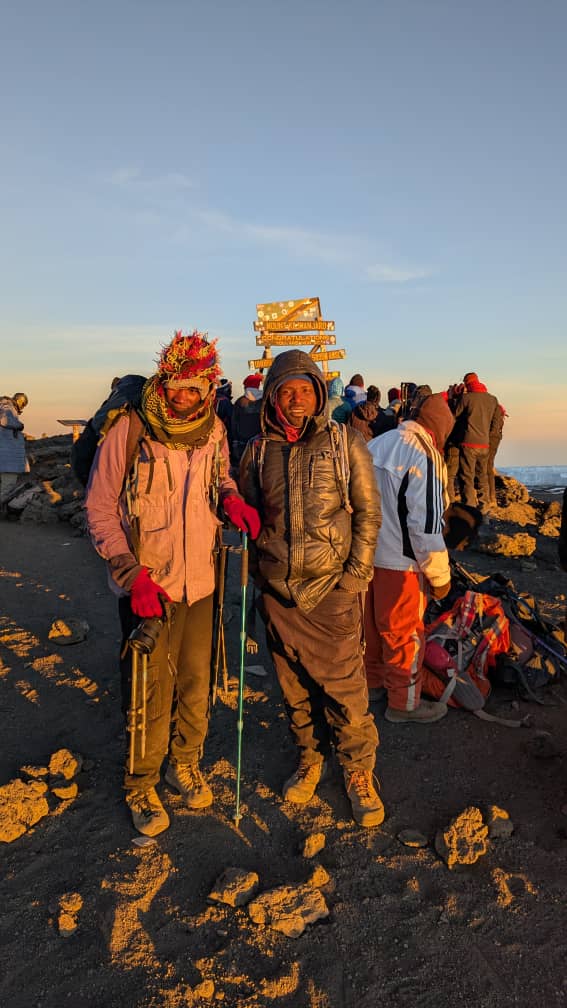
December Kilimanjaro Packing Checklist: Essential Gear For Climbs 2026-2027
Prepare for your December Kilimanjaro climb with our comprehensive packing checklist. This guide covers essential gear, clothing, and tips for conquering Africa's highest peak in the dry...
View package details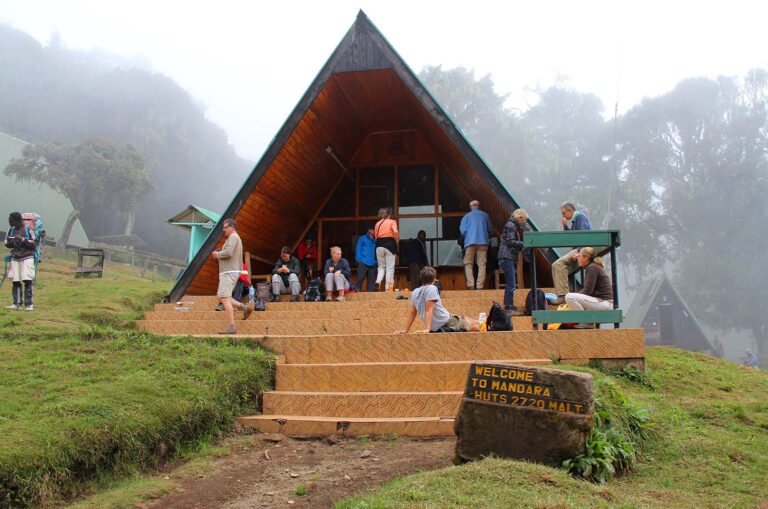
August Vs September: Best Kilimanjaro Summit Month In 2026-2027
Choosing between August and September for your Kilimanjaro climb involves weighing distinct advantages. While both months fall within the dry season, subtle differences in weather patterns...
View package details
July Vs August Kilimanjaro Climbing: The Ultimate Comparison For 2026-2027
Choosing between July and August for your Kilimanjaro climb? This in-depth comparison details weather patterns, crowd levels, route popularity, and essential planning tips for 2026-2027 to...
View package details
October Kilimanjaro Waterproof Packing Guide For Climbs 2026-2027
Prepare for your October Kilimanjaro climb with this comprehensive waterproof packing guide. Essential gear and clothing advice for 2026-2027 expeditions.
View package details
September Kilimanjaro Packing Guide 2026-2027
September Kilimanjaro Packing Guide is explained with current 2026-2027 planning, price, itinerary and booking information.
View package details
October Vs November Kilimanjaro Rainfall Guide 2026-2027
October vs November Kilimanjaro Rainfall Guide is explained with current 2026-2027 planning, price, itinerary and booking information.
View package details
September Vs October Kilimanjaro Weather Comparison 2026-2027
September vs October Kilimanjaro Weather Comparison is explained with current 2026-2027 planning, price, itinerary and booking information.
View package details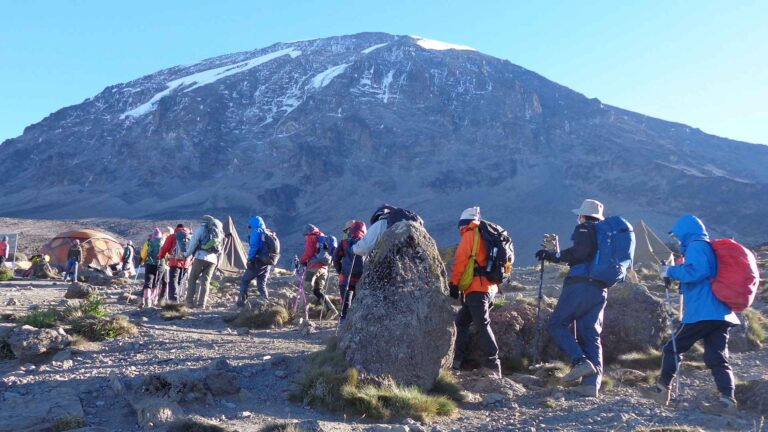
June Vs July Kilimanjaro Weather And Crowds 2026-2027
June vs July Kilimanjaro Weather and Crowds is explained with current 2026-2027 planning, price, itinerary and booking information.
View package details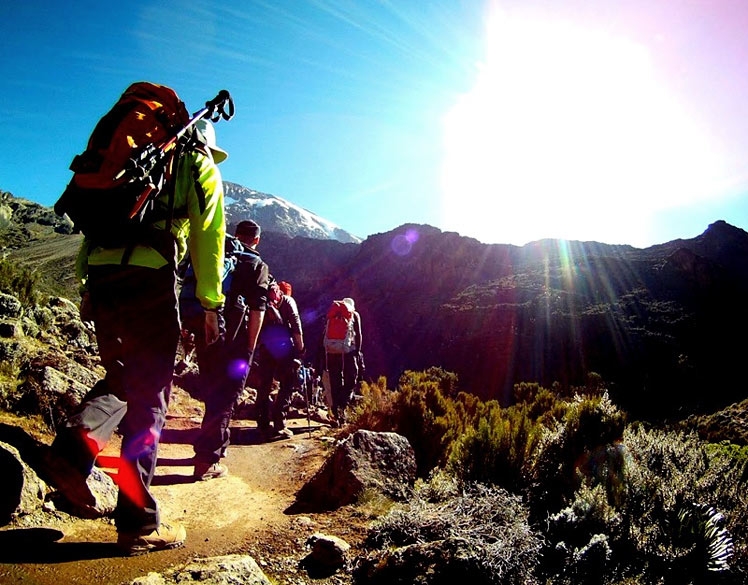
May Vs June: When Should You Climb Kilimanjaro? 2026-2027
Choosing between May and June for your Kilimanjaro ascent? This in-depth guide compares the two months, helping you pick the optimal time for your trek based on weather patterns, crowd...
View package details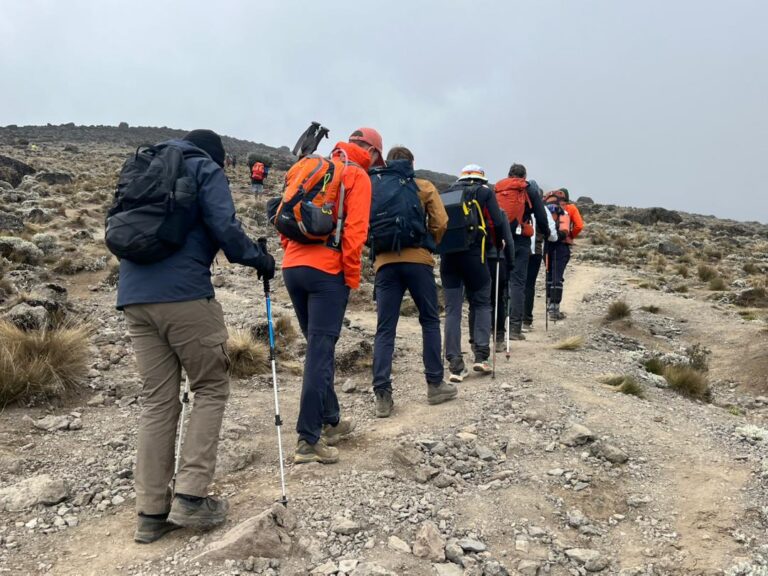
July Kilimanjaro Last-Minute Availability Guide
Planning a last-minute Kilimanjaro climb in July 2026 or 2027? This guide covers current availability, best routes, essential packing, and how to secure your spot with Top Guide Adventures.
View package detailsOctober Kilimanjaro Flexible Private Departure: Your Ultimate Guide 2026-2027
Secure your October Kilimanjaro flexible private departure with Top Guide Adventures. This comprehensive guide covers everything from route selection and best practices for your 2026-2027...
View package details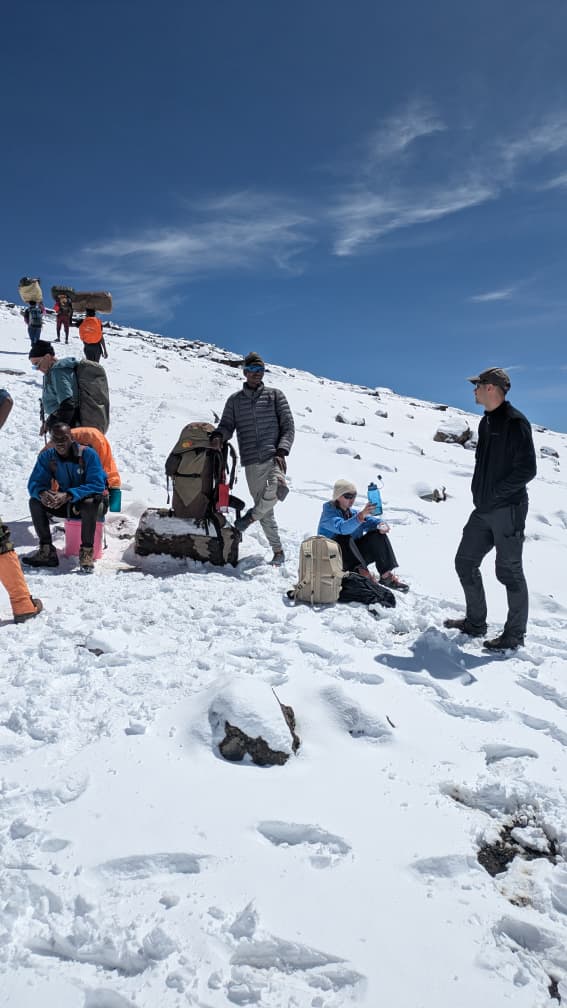
October Kilimanjaro Climb: Fewer Crowds, Great Weather 2026-2027
Planning an October Kilimanjaro climb offers a sweet spot with fewer trekkers and ideal weather conditions. Learn why October is a fantastic month for reaching Uhuru Peak and how to make...
View package detailsNo related package matches those filters. Clear one or more filters to see the other topic-matched options.



