
A September Kilimanjaro climb for seniors in 2026-2027 is highly achievable with proper planning, focusing on well-established routes like Machame or Lemosho for their gradual ascent and excellent acclimatization profiles. The key is choosing a longer itinerary (8-9 days), prioritizing a slower pace, ensuring adequate physical preparation, and selecting a reputable operator like Top Guide Adventures that emphasizes safety, experienced guides, and comfortable, supportive logistics. September offers stable weather, making it an ideal, albeit busy, month for older adventurers to reach Uhuru Peak.
Why September is a Prime Month for Senior Kilimanjaro Climbers in 2026-2027
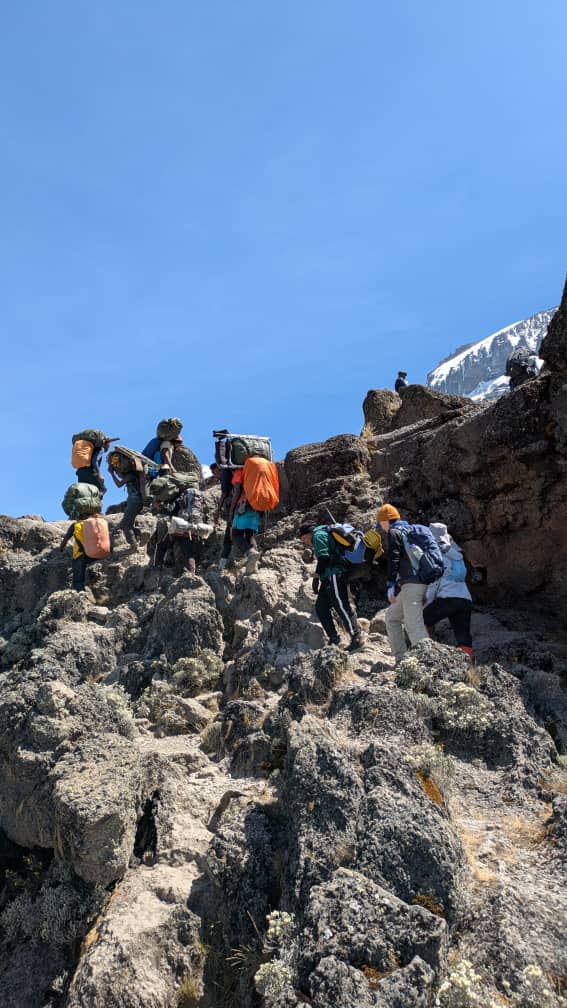
When considering a Kilimanjaro expedition, especially for seniors planning their adventure for the 2026 or 2027 seasons, the month of September stands out as a particularly favorable choice. This period falls within Kilimanjaro’s dry season, offering some of the most stable and pleasant weather conditions on the mountain. For older trekkers, predictable weather significantly reduces risks and enhances comfort, allowing them to focus more on the experience and less on unpredictable environmental challenges.
The dry season on Kilimanjaro is typically divided into two periods: January to March and June to October. September is the latter part of the longer dry season, often characterized by clear skies, lower humidity, and minimal rainfall. This means better visibility for stunning panoramic views from the summit and along the trails, and drier, more manageable trekking conditions underfoot. For seniors, this translates to a safer and more enjoyable ascent, with fewer chances of slippery trails or difficult river crossings that can occur during the rainy seasons.
Furthermore, September provides a good balance of favorable weather without the peak crowds that can sometimes characterize July and August. While it is still a popular month, the sheer volume of trekkers might be slightly less intense, offering a more serene experience. This can be particularly beneficial for seniors who may appreciate a less hurried atmosphere and more space on the trails and at campsites.
Choosing a September Kilimanjaro climb for seniors in 2026-2027 also means benefiting from the well-established infrastructure and operational efficiency that comes with peak season trekking. Tour operators are fully equipped, guides and porters are experienced and readily available, and emergency support services are at their most robust. This all contributes to a higher level of safety and reliability, crucial considerations for any trekker, and especially for those in their golden years.
Understanding the Unique Considerations for Senior Kilimanjaro Trekkers
Climbing Mount Kilimanjaro is a significant physical and mental undertaking for anyone, but seniors often face unique considerations that require careful attention. At Top Guide Adventures, we understand that age is just a number, and many individuals in their 60s, 70s, and even 80s successfully reach the summit. However, success hinges on acknowledging and proactively addressing these specific needs.
Physical Preparedness: Tailoring Training for Senior Climbers
The most critical factor for a senior’s Kilimanjaro climb is a tailored physical training regimen. While general fitness is essential, older adults might benefit from a program that emphasizes cardiovascular endurance, leg strength, and balance. The goal is not to train like a professional athlete, but to build sufficient stamina and resilience to handle prolonged periods of walking, often uphill, at altitude.
- Cardiovascular Training: Aim for at least 3-4 sessions per week of activities like brisk walking, hiking (with inclines if possible), cycling, or swimming. Gradually increase the duration and intensity. For a 2026-2027 September Kilimanjaro climb, start training at least 3-6 months in advance.
- Strength Training: Focus on leg muscles (quadriceps, hamstrings, calves) and core strength. Squats, lunges, calf raises, and planks are excellent exercises. Strong legs help with ascents and descents, while a strong core aids stability.
- Hiking Practice: The most relevant training is hiking. Undertake regular day hikes, progressing to longer treks with significant elevation gain. Wear the boots and backpack you intend to use on Kilimanjaro to break them in and get accustomed to the weight.
- Altitude Simulation (Optional but Recommended): If possible, practice hiking at higher altitudes or use altitude training masks, though real-world practice is best.
It’s vital for seniors to consult with their doctor before beginning any strenuous training program and before booking their Kilimanjaro climb. Discuss any pre-existing health conditions, such as heart issues, respiratory problems, or joint pain, to ensure the climb is appropriate and to get personalized advice.
Medical Clearance and Health Management
Obtaining a medical clearance from a physician is non-negotiable for seniors planning a Kilimanjaro climb. This clearance should specifically address the applicant’s fitness for high-altitude trekking. Doctors can advise on potential risks, recommend necessary medications (e.g., for altitude sickness), and help manage any chronic conditions that might be exacerbated by the climb.
During the climb itself, open communication with your guide is paramount. Seniors should be encouraged to report any symptoms, no matter how minor they seem, including headaches, nausea, dizziness, or fatigue. Early detection and management of altitude sickness (AMS) are crucial. Guides are trained to monitor climbers for signs of AMS and to make appropriate decisions regarding descent if necessary.
Pacing and Acclimatization: The Senior Advantage
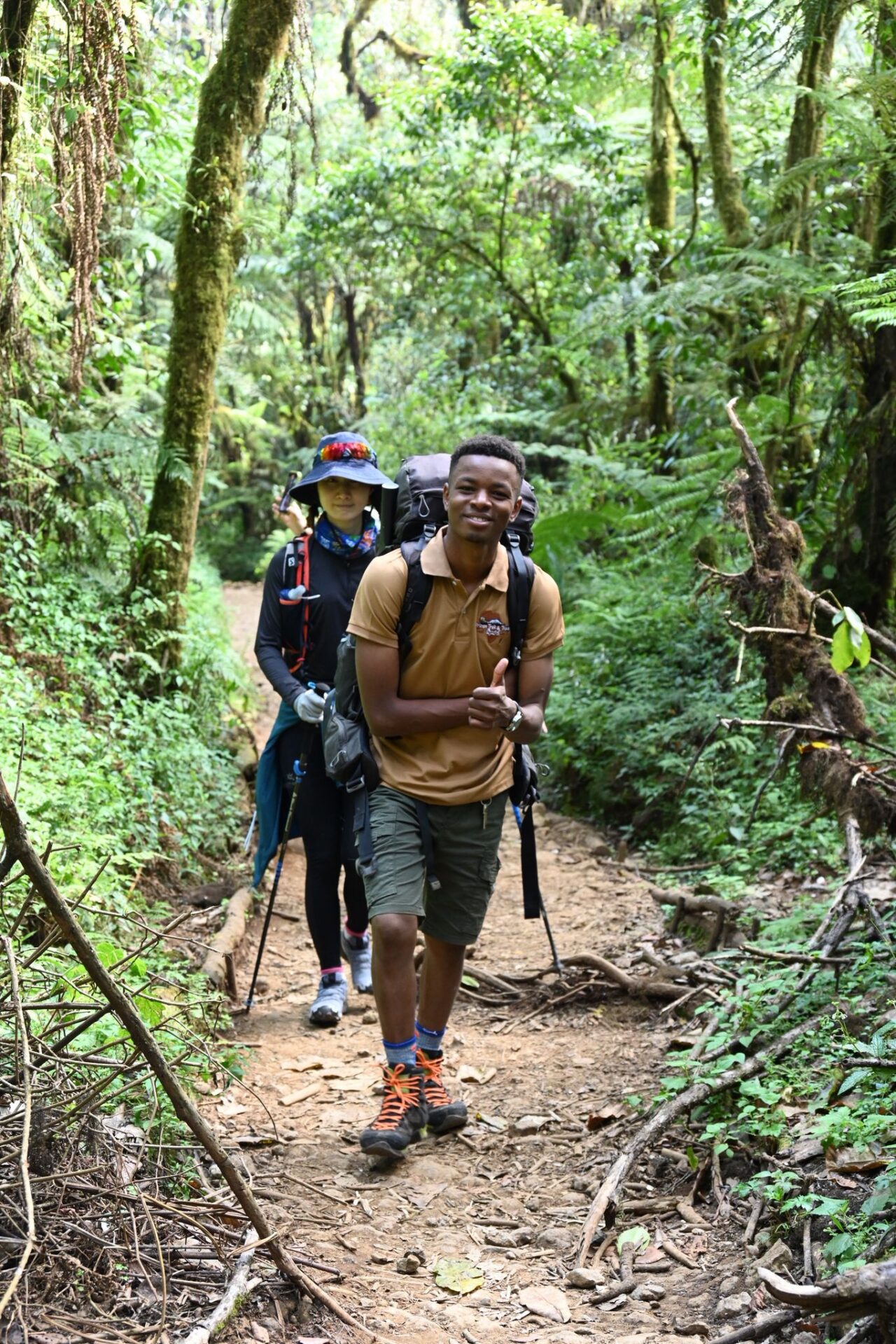
One of the greatest advantages seniors often possess is patience and a willingness to go slow. This mindset is perfectly suited for Kilimanjaro’s ascent profile, which famously follows the ‘pole pole’ (slowly, slowly) principle. While younger, less experienced trekkers might be tempted to rush, seniors often naturally adopt a sustainable pace.
For a September Kilimanjaro climb for seniors in 2026-2027, opting for a longer itinerary (8 or 9 days) is strongly advised. These extended trips allow for more gradual acclimatization, significantly reducing the risk of altitude sickness and increasing the chances of summit success. A longer trek means more days spent walking and sleeping at progressively higher altitudes, giving the body more time to adapt.
Mental Fortitude and Experience
Many seniors bring a wealth of life experience and a strong mental resilience that can be incredibly advantageous on the mountain. The ability to remain calm under pressure, to persevere through discomfort, and to maintain a positive outlook are invaluable assets. Kilimanjaro is as much a mental challenge as a physical one, and the wisdom that comes with age can provide a significant edge.
Choosing the Right Route for a Senior Kilimanjaro Climb in September 2026-2027
The selection of the climbing route is perhaps the most critical decision when planning a September Kilimanjaro climb for seniors. While Kilimanjaro offers several routes, some are significantly better suited for older trekkers due to their ascent profile, acclimatization opportunities, and overall difficulty.
Recommended Routes for Seniors: Machame and Lemosho
The Machame Route and the Lemosho Route are consistently recommended for seniors and first-time high-altitude trekkers. Both routes are known for their scenic beauty and, more importantly, their superior acclimatization profiles.
- Machame Route: Often called the “Whiskey Route,” Machame is popular for its challenging terrain and excellent acclimatization. It follows a “climb high, sleep low” strategy, which is crucial for helping the body adapt to altitude. It typically takes 6-7 days, but for seniors, we strongly recommend the 7-day or 8-day Machame option for better acclimatization. The 8-day Machame route is particularly beneficial for seniors in 2026-2027, offering an extra day for slower ascent and rest.
- Lemosho Route: This route is considered one of the most beautiful and logistically sound options. It starts in the west and crosses the Shira Plateau, offering a gradual ascent and excellent acclimatization, especially when extended to 8 or 9 days. The 8-day Lemosho route provides a fantastic balance of scenery, wildlife viewing in the early stages, and optimal acclimatization for seniors. The 9-day Lemosho variant offers even more time for the body to adjust, maximizing summit chances for older climbers.
Routes to Approach with Caution or Avoid for Seniors
While possible for exceptionally fit seniors with prior high-altitude experience, some routes are generally less recommended due to their steeper ascents and faster acclimatization profiles:
- Marangu Route (Coca-Cola Route): While known for its hut accommodations, the Marangu route has a relatively high failure rate due to its rapid ascent and poor acclimatization. It’s generally not the best choice for seniors seeking a comfortable and successful climb.
- Rongai Route: This route approaches from the north and is drier, making it a good option during wetter months. However, its acclimatization profile is not as ideal as Machame or Lemosho, and it can feel quite steep in sections.
- Northern Circuit and Umbwe Route: These are the longest and most challenging routes, respectively. The Northern Circuit offers excellent acclimatization but is very long. The Umbwe route is extremely steep and difficult, best suited for experienced mountaineers.
Duration: Why Longer is Better for Seniors
For any September Kilimanjaro climb for seniors in 2026-2027, we cannot overstate the importance of choosing a longer itinerary. While a 5-day climb might be tempting for its brevity, it significantly increases the risk of altitude sickness and summit failure. A 7-day climb is the minimum recommended for most, but an 8-day or 9-day itinerary is ideal for seniors.
These extra days allow for:
- Slower Ascent: More time to cover distances, reducing physical strain.
- Better Acclimatization: Crucial for allowing the body to adjust to decreasing oxygen levels.
- Rest Days: Opportunities to rest and recover, preventing burnout.
- Increased Summit Success Rates: Studies consistently show that longer treks lead to higher success rates, especially at altitude.
Top Guide Adventures specializes in crafting itineraries that prioritize safety and success. For seniors planning a 2026-2027 climb, we recommend discussing options for 8-day Machame or 8/9-day Lemosho routes. These offer the best balance of experience and physiological adaptation.
Essential Preparation for Your September Kilimanjaro Climb (2026-2027 Focus)
Preparation is the cornerstone of a successful and enjoyable Kilimanjaro climb, especially for seniors. Beyond physical training, several other aspects need meticulous attention to ensure a smooth journey in 2026 or 2027.
Gear and Equipment: Comfort and Functionality
Selecting the right gear is paramount. For seniors, comfort and functionality are key, as ill-fitting or inappropriate equipment can lead to discomfort, blisters, or even hypothermia. Layering is essential to adapt to the drastic temperature changes experienced on Kilimanjaro, from the tropical base to the arctic summit.
Clothing Layers:
- Base Layers: Moisture-wicking thermal underwear (merino wool or synthetic).
- Mid Layers: Fleece jackets or vests for insulation.
- Outer Layer: Waterproof and windproof jacket and pants (Gore-Tex or similar).
- Summit Suit: A down or synthetic insulated jacket for extreme cold at the summit.
Footwear:
- Hiking Boots: Sturdy, waterproof, broken-in hiking boots with good ankle support.
- Camp Shoes: Comfortable shoes or sandals for evenings at camp.
- Socks: Several pairs of warm, moisture-wicking hiking socks (wool blend).
Headwear and Handwear:
- Warm Hat: Wool or fleece hat that covers the ears.
- Sun Hat: Wide-brimmed hat for sun protection during the day.
- Gloves: Both liner gloves and warm, waterproof outer gloves or mittens.
Other Essentials:
- Backpack: A comfortable daypack (30-40 liters) for essentials during the day’s trek.
- Duffel Bag: A large, waterproof duffel bag (80-100 liters) for porters to carry.
- Sleeping Bag: A 4-season sleeping bag rated to at least -15°C (0°F).
- Trekking Poles: Highly recommended for seniors to reduce strain on knees and improve balance.
- Headlamp: With extra batteries for early morning starts and campsite navigation.
- Sunscreen and Lip Balm: High SPF.
- Sunglasses: UV protection.
- Water Bottles/Hydration Reservoir: At least 3 liters capacity. Insulated covers are useful.
- Personal First-Aid Kit: Including blister treatment, pain relievers, and any personal medications.
Top Guide Adventures provides a detailed gear list to all clients, ensuring they are well-equipped for their 2026-2027 September Kilimanjaro climb. We can also assist with gear rental for items like sleeping bags and jackets.
Nutrition and Hydration on the Mountain
Proper nutrition and hydration are vital for energy levels and acclimatization. On Kilimanjaro, tour operators like Top Guide Adventures provide well-balanced meals prepared by experienced cooks. However, seniors might have specific dietary needs or preferences.
- Hydration: Aim to drink 4-5 liters of water per day. This is crucial for acclimatization and preventing headaches. Dehydration can mimic altitude sickness symptoms.
- Nutrition: Meals typically include carbohydrates for energy (rice, pasta, potatoes), protein, and vegetables. High-energy snacks like nuts, dried fruit, and energy bars are excellent for supplementary fuel.
- Dietary Needs: Inform your tour operator well in advance about any allergies, intolerances, or dietary restrictions (e.g., vegetarian, vegan, gluten-free). Top Guide Adventures is adept at catering to diverse dietary requirements for your 2026-2027 climb.
- Appetite Loss: It’s common to experience a reduced appetite at altitude. Focus on easily digestible, calorie-dense foods. Soups and broths can be very helpful.
Mental Preparation and Setting Realistic Expectations
The mental aspect of climbing Kilimanjaro cannot be underestimated. Seniors, with their life experience, often possess a strong mental game. However, it’s important to:
- Understand the Challenge: Kilimanjaro is demanding. Be prepared for long days, cold temperatures, and the effects of altitude.
- Embrace ‘Pole Pole’: This philosophy is key. Rushing leads to fatigue and increases AMS risk.
- Stay Positive: A positive attitude is infectious and helps overcome challenges.
- Focus on the Journey: While the summit is the goal, appreciate the incredible scenery, the camaraderie, and the personal achievement of the trek itself.
- Be Flexible: Conditions can change, and summit night is particularly tough. Be prepared to adjust plans if necessary, prioritizing safety.
What to Expect on a September Kilimanjaro Climb for Seniors (2026-2027 Itinerary Insights)
A typical Kilimanjaro climb for seniors in September 2026-2027, particularly on the Machame or Lemosho routes, will follow a structured daily pattern designed for safety and success.
Daily Itinerary Structure
Each trekking day generally involves:
- Morning Wake-up: Around 7:00 AM, with hot water for washing and tea/coffee.
- Breakfast: A hearty meal to fuel the day’s trek.
- Trek Start: Usually between 8:00 AM and 9:00 AM, after packing and briefing.
- Trekking Pace: Slow and steady (‘pole pole’), with regular short breaks for water and snacks.
- Lunch: Served en route, often a packed lunch or a hot meal prepared by the support crew at a designated spot.
- Afternoon Trek: Continuing towards the day’s campsite.
- Camp Arrival: Mid-afternoon, allowing time to rest and acclimatize.
- Evening: Hot drinks and snacks upon arrival, followed by dinner. Guides will conduct daily briefings and health checks.
- Sleep: Aiming for adequate rest before the next day’s trek.
Summit Night: The Ultimate Challenge
Summit night is the most demanding part of the climb, typically starting around midnight on the final day before descent. It involves trekking for 6-8 hours in the dark, at very cold temperatures, and at high altitude.
- Departure: Wake up around 11:00 PM – midnight, have a light snack, and begin the ascent.
- Pace: Extremely slow, focusing on each step. Guides will closely monitor all climbers.
- Conditions: Expect temperatures well below freezing, potentially strong winds, and low oxygen levels.
- Uhuru Peak: Reaching the summit (5,895m / 19,341 ft) usually occurs around sunrise. Time on the summit is limited due to the cold and the need to descend.
- Descent: The descent is equally challenging, often taking 3-4 hours back to the last camp (e.g., Barafu Camp or Kosovo Camp). It’s crucial to maintain focus and hydration even during descent.
For seniors, summit night requires exceptional mental fortitude and physical endurance. Prioritizing hydration, energy intake, and communicating any discomfort to the guide is vital. The extended itineraries recommended for seniors significantly improve their readiness for this demanding night.
Post-Summit and Descent
After reaching the summit and beginning the descent, the journey is not over. The descent itself can be hard on the knees and requires careful footing.
- Descent to Mweka/Millennium Camp: After reaching the summit and descending to Barafu Camp (or similar), climbers often continue descending further to Mweka Camp (approx. 3,100m) or Millennium Camp (approx. 3,800m). This significant descent helps climbers acclimatize more rapidly to lower altitudes.
- Final Day: The last day involves descending through the rainforest to the Kilimanjaro National Park gate. This is often a celebratory occasion, with team photos and farewells to the mountain crew.
- Return to Hotel: Transfer to your hotel in Moshi or Arusha for a well-deserved rest and hot shower.
Safety Protocols for Seniors on Kilimanjaro
Safety is the absolute top priority for Top Guide Adventures, especially when guiding seniors on their September Kilimanjaro climb in 2026-2027. Our experienced guides and support teams are trained to manage risks associated with high-altitude trekking.
Altitude Sickness Management
Altitude sickness (Acute Mountain Sickness – AMS) is the primary concern. Our protocols include:
- Gradual Ascent: Prioritizing longer itineraries (8-9 days) is our first line of defense.
- ‘Pole Pole’: Strict adherence to a slow pace.
- Hydration Monitoring: Encouraging consistent fluid intake.
- Daily Health Checks: Guides monitor symptoms like headaches, nausea, and dizziness.
- Oxygen Monitoring: Pulse oximeters may be used to check blood oxygen saturation levels.
- Medication: Diamox (acetazolamide) is often prescribed by personal physicians for altitude acclimatization. We advise clients to consult their doctor about this.
- Prompt Descent: The most effective treatment for moderate to severe AMS is immediate descent. Our guides are empowered to make this decision without hesitation.
Experienced Guides and Crew
Our guides are certified by the Kilimanjaro National Park authority and possess extensive experience in high-altitude rescue and first aid. They are trained to:
- Recognize and manage altitude sickness.
- Provide first aid for common trekking injuries.
- Make critical decisions regarding climber safety and evacuation.
- Communicate effectively with clients, understanding their physical and mental state.
The entire crew, including porters, are also trained to assist climbers and report any concerns to the lead guide.
Emergency Procedures and Evacuation
In the event of a serious medical emergency, Top Guide Adventures has established procedures:
- Communication: Guides carry satellite phones or radios for emergencies.
- Evacuation: Depending on the location and severity, evacuation can involve:
- Assisted descent by guides and porters.
- Rescue by Kilimanjaro National Park rangers.
- Helicopter evacuation for critical cases (requires travel insurance covering this).
- Paramedic Support: For critical evacuations, we can arrange for mountain rescue paramedics.
We strongly advise all our senior clients planning a 2026-2027 September Kilimanjaro climb to secure comprehensive travel insurance that covers high-altitude trekking and emergency medical evacuation.
Top Guide Adventures: Your Partner for a Senior Kilimanjaro Climb in 2026-2027
At Top Guide Adventures, we pride ourselves on offering personalized, safe, and memorable Kilimanjaro climbing experiences. We understand the unique needs of senior adventurers and are dedicated to providing the highest level of care and support throughout your journey.
Why Choose Top Guide Adventures for Your Senior Trek?
- Experienced Senior Guides: Our guides are not only experts in mountaineering but also trained to cater to the specific needs of older climbers, ensuring patience, attentiveness, and a focus on safety.
- Tailored Itineraries: We design itineraries, especially for seniors, prioritizing longer durations (8-9 days) on routes like Machame and Lemosho for optimal acclimatization and comfort.
- Quality Equipment and Logistics: We provide high-quality tents, comfortable sleeping mats, nutritious meals, and reliable transportation, ensuring a comfortable and well-supported trek.
- Safety First Approach: Our comprehensive safety protocols, including daily health checks, emergency preparedness, and experienced crew, are designed to give you peace of mind.
- Personalized Attention: We offer dedicated support from the moment you inquire to the moment you return home, ensuring all your questions are answered and your needs are met.
Booking Your 2026-2027 September Kilimanjaro Climb
Planning your 2026 or 2027 September Kilimanjaro climb with Top Guide Adventures is straightforward. We encourage you to reach out early, especially for peak season dates.
Contact us today to discuss your senior Kilimanjaro climb:
- WhatsApp: +255616946642
- Email: topguideadventures@gmail.com
- Backup Email: info@topguideadventures.com
Our team is ready to answer all your questions, help you choose the perfect route and duration, and guide you through the booking process. Let us help you make your dream of reaching the roof of Africa a reality in 2026 or 2027.
Consider a September Kilimanjaro climb for seniors in 2026-2027 as an achievable goal with the right preparation and a trusted partner. Top Guide Adventures is here to ensure your expedition is safe, rewarding, and an unforgettable experience.
“,
“faq_schema”: [
{
“question”: “Is September a good month for seniors to climb Kilimanjaro?”,
“answer”: “Yes, September is an excellent month for seniors to climb Kilimanjaro. It falls within the dry season, offering stable weather, clear skies, and good visibility, which are crucial for comfort and safety. While popular, it generally has fewer crowds than July or August, providing a more serene experience.”
},
{
“question”: “What are the best routes for seniors climbing Kilimanjaro in September 2026-2027?”,
“answer”: “The Machame and Lemosho routes are highly recommended for seniors due to their gradual ascent profiles and better acclimatization opportunities. For seniors, we strongly advise choosing longer itineraries (8 or 9 days) on these routes to ensure adequate time for acclimatization and a slower pace.”
},
{
“question”: “How much training is needed for a senior Kilimanjaro climb?”,
“answer”: “Seniors should begin physical training at least 3-6 months before their climb. Focus on cardiovascular endurance (hiking, brisk walking, cycling), leg strength (squats, lunges), and balance. Regular, progressively longer hikes, ideally with elevation gain, are the most beneficial preparation. Consulting a doctor before starting is essential.”
},
{
“question”: “What are the safety measures for seniors on Kilimanjaro?”,
“answer”: “Safety is paramount. Top Guide Adventures employs experienced guides trained in altitude sickness management and first aid. We prioritize gradual ascent with longer itineraries, enforce the ‘pole pole’ (slowly, slowly) pace, conduct daily health checks, and have established emergency evacuation procedures. Comprehensive travel insurance covering high-altitude evacuation is strongly recommended.”
},
{
“question”: “What is the cost of a September Kilimanjaro climb for seniors in 2026-2027?”,
“answer”: “The cost of a September Kilimanjaro climb for seniors in 2026-2027 varies depending on the route, duration, and operator. Typically, prices range from $2,000 to $4,000+ per person for an 8-day climb. Factors include group size, quality of service, and inclusions. Top Guide Adventures offers competitive pricing for tailored senior itineraries; please contact us for a personalized quote.”
},
{
“question”: “What gear is essential for a senior Kilimanjaro climber?”,
“answer”: “Essential gear includes waterproof and windproof outer layers, warm insulating mid-layers, moisture-wicking base layers, sturdy broken-in hiking boots, warm gloves and hat, a 4-season sleeping bag, trekking poles (highly recommended for seniors), and a reliable headlamp. Layering is key to adapting to temperature changes. Top Guide Adventures provides a detailed gear list.”
},
{
“question”: “What are the risks for seniors climbing Kilimanjaro?”,
“answer”: “The primary risks are altitude sickness (AMS), pre-existing medical conditions exacerbated by altitude or exertion, and injuries from falls. However, with proper preparation, choosing the right route and duration, experienced guides, and diligent health monitoring, seniors can significantly mitigate these risks and have a safe, successful climb.”
}
]
}
“`
Check Availability for September Kilimanjaro Climb For Seniors 2026-2027
Ready to compare dates, prices, and the best option for your group? Send the package name and travel month so the team can reply with a clear quote, availability, and what is included.
Driest Month To Climb Kilimanjaro: Your Guide For 2026-2027
The driest months for climbing Kilimanjaro are generally January, February, and June through October. These periods offer the clearest skies and lowest rainfall, ideal for a successful and...
View package details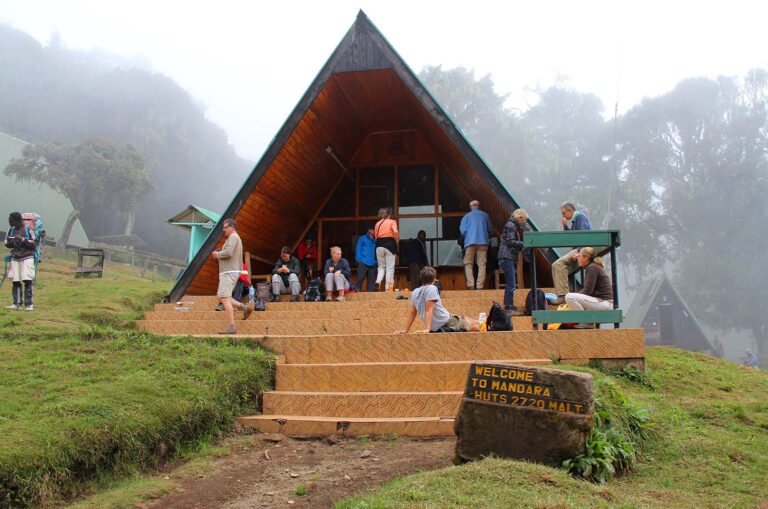
August Vs September: Best Kilimanjaro Summit Month In 2026-2027
Choosing between August and September for your Kilimanjaro climb involves weighing distinct advantages. While both months fall within the dry season, subtle differences in weather patterns...
View package details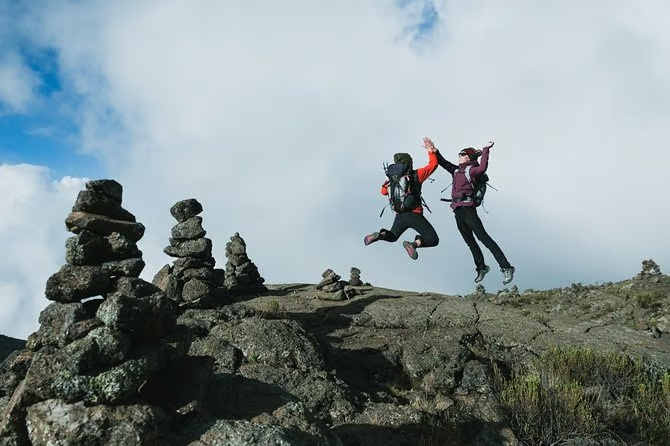
July Vs August Kilimanjaro Climbing: The Ultimate Comparison For 2026-2027
Choosing between July and August for your Kilimanjaro climb? This in-depth comparison details weather patterns, crowd levels, route popularity, and essential planning tips for 2026-2027 to...
View package detailsMay Vs June: When Should You Climb Kilimanjaro? 2026-2027
Choosing between May and June for your Kilimanjaro ascent? This in-depth guide compares the two months, helping you pick the optimal time for your trek based on weather patterns, crowd...
View package details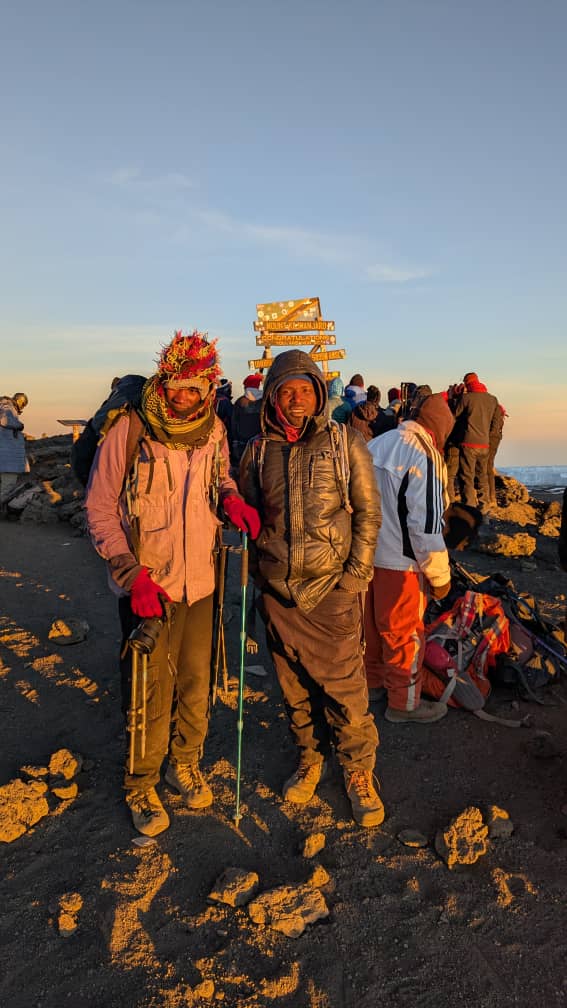
December Kilimanjaro Packing Checklist: Essential Gear For Climbs 2026-2027
Prepare for your December Kilimanjaro climb with our comprehensive packing checklist. This guide covers essential gear, clothing, and tips for conquering Africa's highest peak in the dry...
View package details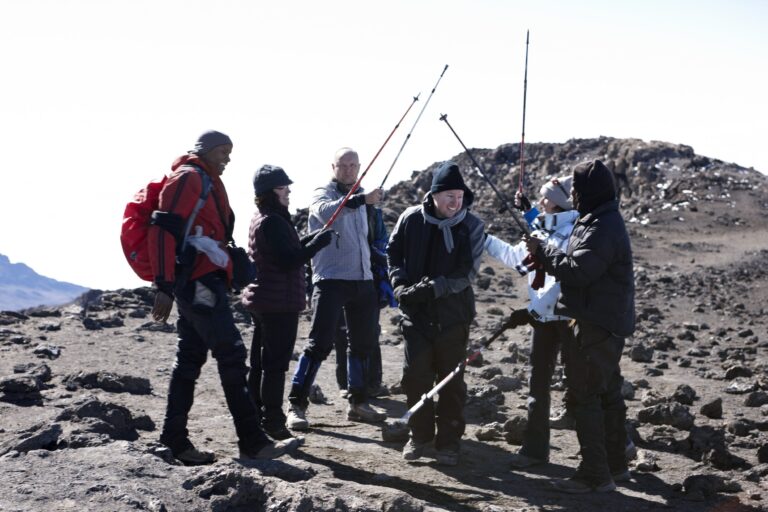
Kilimanjaro Pre-Climb Gear Check And Briefing: Your Essential Guide 2026-2027
Prepare thoroughly for your Kilimanjaro ascent with Top Guide Adventures. This comprehensive guide covers everything you need for your pre-climb gear check and briefing, ensuring you're...
View package details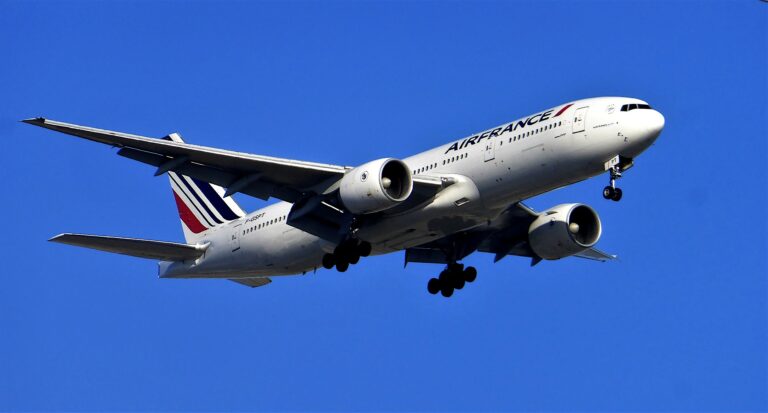
Best Arrival Schedule For A Kilimanjaro Climb In 2026-2027
Planning your Kilimanjaro climb involves many details, and the arrival schedule is crucial for success. Arriving 2-3 days before your trek begins allows for essential acclimatization, gear...
View package details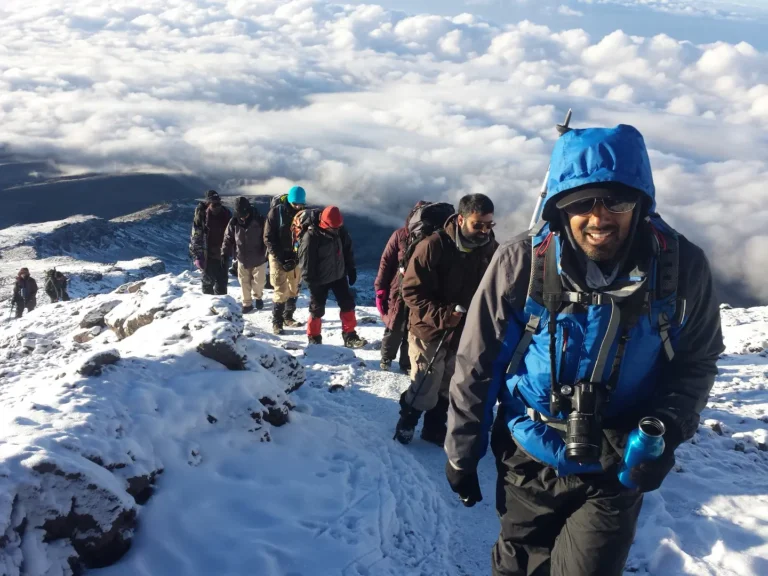
How Many Nights Should You Stay Before Kilimanjaro Climb? 2026-2027
The crucial question of how many nights to stay before climbing Kilimanjaro directly impacts your acclimatization and overall success. Experts recommend a minimum of 2-3 nights in Moshi or...
View package details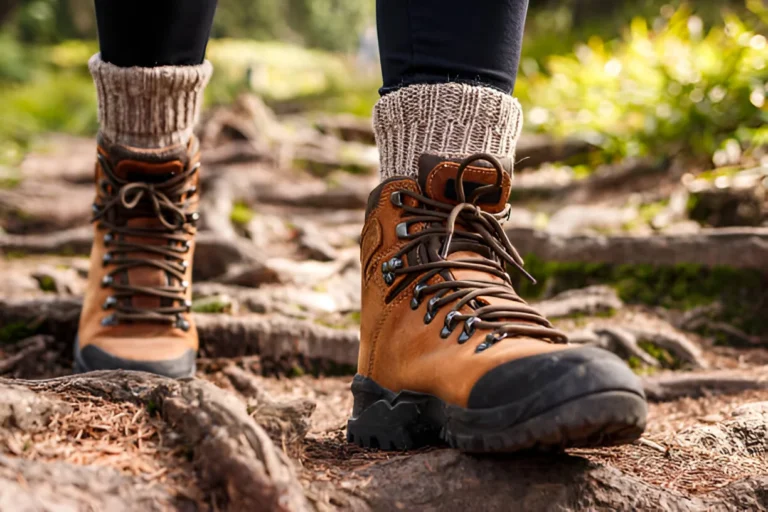
Late-Night Arrival At Kilimanjaro Airport Before Your Climb: Essential
Planning a Kilimanjaro climb with a late-night arrival at Kilimanjaro International Airport (JRO)? This guide covers everything you need to know for a smooth transition from the airport to...
View package details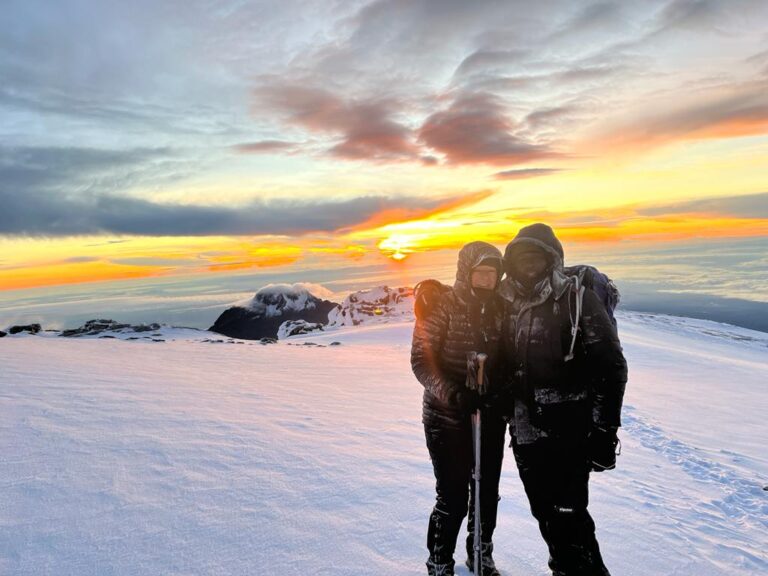
Kilimanjaro Full-Moon Birthday Climb: Plan Your Celebration 2026-2027
A Kilimanjaro full-moon birthday climb offers an unparalleled celebration, combining the thrill of summiting Africa's highest peak with the magical ambiance of a lunar glow. This guide...
View package details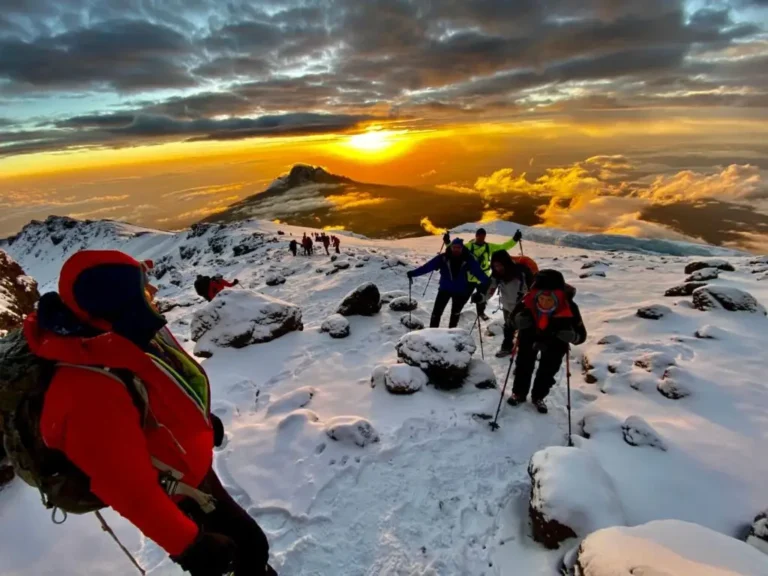
Kilimanjaro International Women’s Day Climb : A Powerful Ascent For Equality
Join a meaningful Kilimanjaro International Women's Day Climb in 2026-2027. This specialized trek celebrates women's empowerment while ascending Africa's highest peak. Discover itineraries...
View package details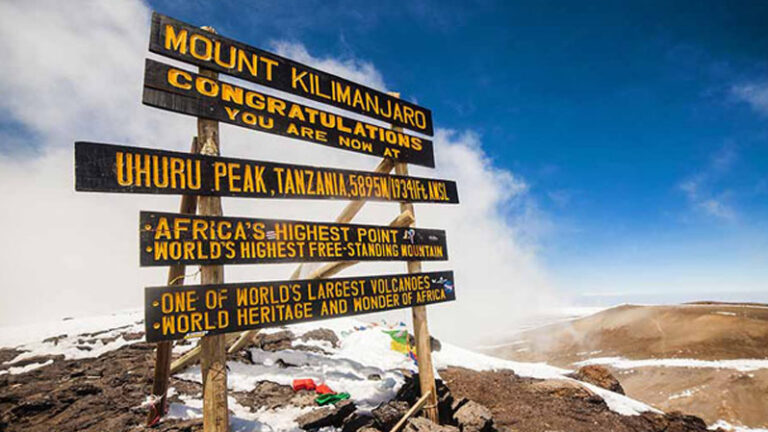
Kilimanjaro Independence Day Climbing Package | Top Guide Adventures 2026-2027
Celebrate Tanzania's Independence Day with an epic climb up Mount Kilimanjaro in 2026 or 2027. Top Guide Adventures offers specially curated packages designed for this significant period...
View package detailsNo related package matches those filters. Clear one or more filters to see the other topic-matched options.



