
Yes, October is generally a good time to climb Kilimanjaro, offering a favorable balance of clear skies, moderate temperatures, and manageable crowds, making it a popular choice for trekkers planning their 2026 or 2027 expeditions. While it falls within the shoulder season between the drier September and the peak dry season of December to February, October typically provides excellent visibility for stunning summit views and a comfortable climbing experience before the heavier rains of November arrive.

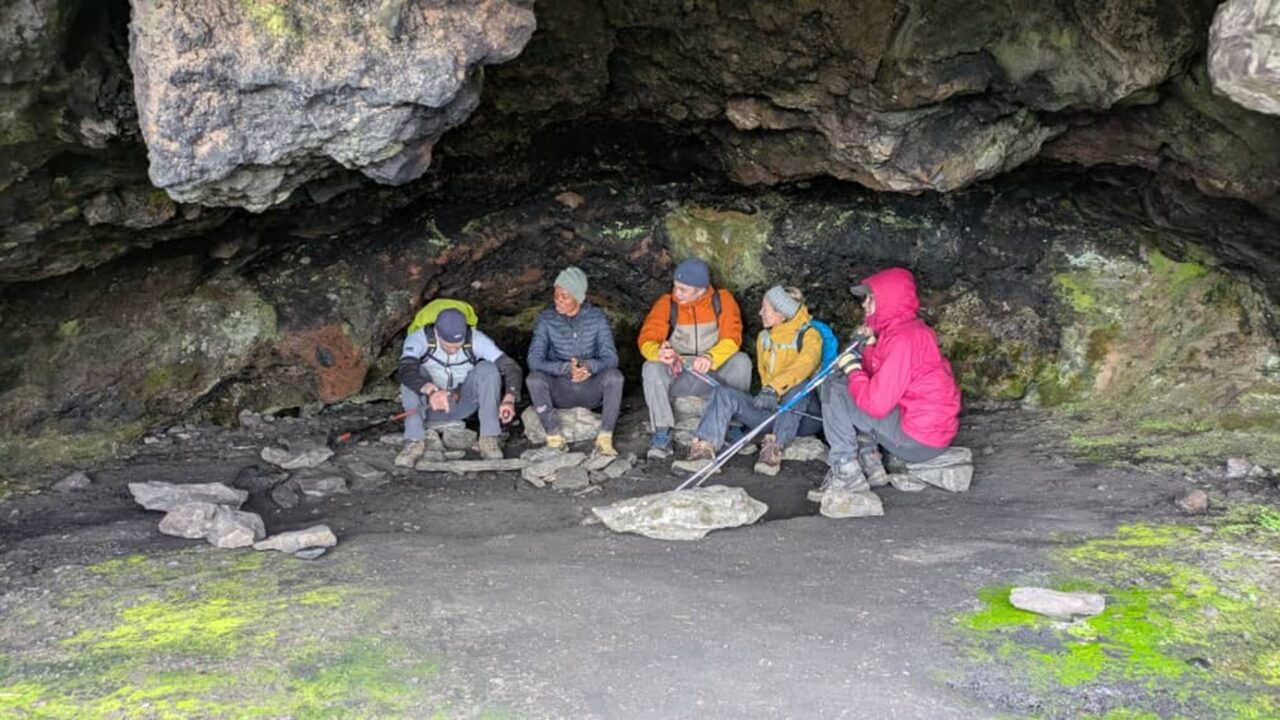

Kilimanjaro in October: Weather, Crowds, and Why It’s a Prime Choice
When considering the best month to summit the Roof of Africa, many trekkers find themselves drawn to the unique advantages of an October climb. As one of Tanzania’s most iconic destinations, Mount Kilimanjaro attracts adventurers year-round, but timing your expedition can significantly impact your experience. For those planning a climb in the coming years, particularly for 2026 and 2027, understanding the nuances of October conditions is crucial for making an informed decision. Top Guide Adventures, as one of Tanzania’s trusted tour operators, frequently assists clients in navigating these seasonal considerations.
October sits strategically between the main dry season (June to October) and the next dry season (December to February). This positioning means you often benefit from the lingering clear skies and pleasant temperatures of the dry period, while also potentially encountering fewer trekkers than during the absolute peak months. This makes October a compelling option for those seeking a balance of good weather and a more serene mountain experience. Let’s explore what makes climbing Kilimanjaro in October a distinct advantage.
Understanding Kilimanjaro’s Climate Seasons for October Planning
Kilimanjaro’s weather is dictated by its equatorial location and significant altitude variation. The mountain experiences two distinct dry seasons and two rainy seasons, each with its own characteristics. Understanding these seasons is key to determining if October is a good time to climb Kilimanjaro.
- The Long Dry Season: June to October. This period is characterized by cool, dry air, minimal rainfall, and clear skies. July, August, and September are the driest and most popular months.
- The Short Rainy Season: November to mid-December. This season sees a return of scattered showers, often in the afternoons, but typically doesn’t impede climbing significantly.
- The Short Dry Season: Mid-December to February. This is another excellent period for climbing, with dry conditions and warm temperatures.
- The Long Rainy Season: March to May. This is the wettest period, with heavy rainfall and often cloud cover obscuring views.
October falls at the tail end of the long dry season. This means the weather patterns usually align with the drier conditions. You can generally expect:
- Clear Skies: High probability of clear mornings and evenings, offering spectacular views of the surrounding plains and distant Mount Meru. Summit attempts are often rewarded with unobstructed vistas.
- Moderate Temperatures: Daytime temperatures on the lower slopes are warm and pleasant, while higher altitudes become significantly cooler. Expect temperatures to range from around 20-25°C (68-77°F) on the lower sections during the day, dropping to -10°C (14°F) or lower at the summit on the coldest nights. October’s temperatures are generally more moderate than the peak dry months, making acclimatization potentially more comfortable.
- Low Rainfall: While the dry season is ending, October typically sees only occasional, brief showers, usually in the late afternoon or early evening. These are often lighter and less persistent than the rains of November. The mountain is not usually drenched, and trails remain mostly clear.
- Wind: Winds can pick up at higher altitudes, especially near the summit. This is a factor in any season but is manageable with appropriate gear.
For trekkers comparing months, October offers a sweet spot. It avoids the intense cold and potential snow of the very dry, high-altitude winter months (July-August) and the peak crowds that accompany them. It also precedes the heavier rains that can make trekking more challenging in November.
Assessing Crowds and Mountain Experience in October
One of the significant advantages of climbing Kilimanjaro in October is the crowd level. While it’s a popular month due to its favorable weather, it generally experiences fewer trekkers compared to the absolute peak months of July, August, September, and the December-February period.
Fewer trekkers can mean:
- A More Intimate Experience: You’re less likely to feel like you’re part of a large caravan, especially on the more popular routes like Machame and Marangu. This allows for a more personal connection with the mountain environment and your trekking group.
- Better Campsite Availability: While campsites are managed by park authorities, having fewer people around can contribute to a more relaxed atmosphere at the designated camping spots.
- More Personal Attention from Guides and Porters: With slightly smaller groups or less overall congestion, your guide and support crew can often provide even more focused attention to your well-being and progress.
For those planning their Kilimanjaro climb for 2026 or 2027, booking in advance is always recommended, regardless of the month. However, October might offer a slightly wider window of availability for preferred dates and routes compared to the absolute peak seasons. Top Guide Adventures advises clients to book at least 6-9 months in advance to secure their desired climb dates.
Route Considerations for an October Kilimanjaro Climb
All seven major routes to Kilimanjaro’s summit are generally accessible in October. The choice of route is more about your preference for scenery, acclimatization profile, camping vs. hut accommodation, and budget. However, the weather in October can subtly influence the appeal of certain routes:
The Machame Route: Popularity and October
The Machame Route, often called the ‘Whiskey Route,’ is one of the most popular and offers a fantastic acclimatization profile over 6-7 days. In October, its popularity means it can still be busy, but less so than in July-September. The scenic beauty of Machame, with its varied landscapes, is fully on display during October’s clear days.
The Lemosho Route: Scenery and October
Lemosho is renowned for its stunning scenery and excellent acclimatization, typically taking 7-8 days. October’s clear skies enhance Lemosho’s dramatic vistas, particularly the rainforest sections and the Shira Plateau. It’s a slightly more expensive option due to its longer duration and remote start.
The Marangu Route: Huts and October
Known as the ‘Coca-Cola Route,’ Marangu is the only route offering hut accommodation instead of camping. It’s often chosen for its perceived ease and the comfort of sleeping in huts. While shorter (5-6 days), it has a steeper ascent and poorer acclimatization. In October, the huts can be a comfortable option, providing shelter from any brief showers, though camping routes generally offer better acclimatization and scenery.
The Rongai Route: Arid North and October
Rongai approaches from the north, the driest side of the mountain. This can be an advantage in October as it often receives slightly less rainfall than routes starting from the south. It’s a good option for those seeking a quieter experience, often done over 6-7 days.
The Northern Circuit and Shira Routes: Longer Options for October
These longer routes (9+ days) offer the highest success rates due to superior acclimatization. In October, their extended duration allows for a more leisurely pace and deeper appreciation of Kilimanjaro’s diverse ecosystems. The Northern Circuit, in particular, offers a more comprehensive circuit of the mountain.
Regardless of the route chosen for your 2026 or 2027 climb, Top Guide Adventures will ensure you have experienced guides who can adapt to the specific conditions of October, helping you to make the most of the mountain’s beauty and challenges.
Packing Essentials for an October Kilimanjaro Climb
While October offers generally favorable weather, packing correctly is paramount for comfort and safety on Kilimanjaro. The mountain’s climate can change rapidly, and you’ll experience everything from tropical heat on the lower slopes to freezing temperatures at the summit. Here’s a guide to essential gear for an October climb:
Layering System is Key
The principle of layering is non-negotiable. You’ll add or remove layers as you ascend and descend, and as the weather shifts.
- Base Layers: Moisture-wicking thermal underwear (long johns and tops). Merino wool or synthetic fabrics are best.
- Mid Layers: Fleece jackets or down vests for insulation. You might need one or two of these depending on the altitude and time of day.
- Outer Layer (Shell): A waterproof and windproof jacket (Gore-Tex or similar) and waterproof trousers are essential. These protect you from rain and wind, which can be significant even in October.
Headwear and Handwear
- Warm Hat: A woolly hat that covers your ears.
- Sun Hat: A wide-brimmed hat for sun protection on lower, hotter slopes.
- Balaclava or Neck Gaiter: Crucial for protecting your face from wind and cold, especially during summit night.
- Gloves: A pair of warm, waterproof gloves or mittens. Consider bringing liner gloves as well for dexterity.
Footwear
- Hiking Boots: Sturdy, waterproof, broken-in hiking boots with good ankle support.
- Camp Shoes: Comfortable shoes or sandals for wearing around camp.
- Socks: Several pairs of warm wool or synthetic hiking socks. Avoid cotton.
Other Crucial Items
- Sleeping Bag: A 4-season sleeping bag rated to at least -15°C (5°F). Temperatures at the summit can plummet well below freezing.
- Headlamp: With extra batteries. Essential for night hiking, especially on summit night.
- Sunglasses: High UV protection.
- Sunscreen: High SPF.
- Lip Balm: With SPF.
- Water Bottles/Hydration Reservoir: At least 2-3 liters capacity. Insulated covers are recommended to prevent water from freezing.
- Trekking Poles: Highly recommended for reducing strain on knees during descents and improving stability.
- Duffel Bag: Waterproof, large enough for your gear (porters will carry this).
- Daypack: For carrying essentials like water, snacks, rain gear, and camera during the day’s trek.
- Personal First-Aid Kit: Including any personal medications, blister treatment, pain relievers, and altitude sickness medication (consult your doctor).
- Toiletries: Biodegradable soap, toothbrush, toothpaste, wet wipes.
- Camera and Extra Batteries/Power Bank: To capture the incredible scenery.
Top Guide Adventures provides a comprehensive packing list to all clients booking a climb for 2026 or 2027. While October weather is generally good, being prepared for colder temperatures and potential brief showers is always wise. The mountain is a dynamic environment.
Potential Challenges and How to Prepare for an October Climb
While October is a favorable month, it’s essential to be aware of potential challenges and prepare accordingly. The mountain demands respect, regardless of the season.
Altitude Sickness (Acute Mountain Sickness – AMS)
This is the most significant risk on any Kilimanjaro climb, and October is no exception. AMS can affect anyone, regardless of fitness level. The key to prevention is slow ascent, adequate hydration, and proper acclimatization. Choosing a longer route (7-9 days) significantly increases your chances of success and reduces AMS risk. Your guides will monitor you closely for symptoms.
Brief Showers and Muddy Trails
As October marks the end of the dry season, there’s a possibility of light, intermittent rain, especially in the afternoons. While not usually heavy, these showers can make trails muddy and slippery. Good waterproof gear and sturdy hiking boots are crucial. These showers are typically short-lived and can even bring a refreshing change to the atmosphere.
Temperature Fluctuations
The temperature variation between the lower, warmer slopes and the frigid summit zone is extreme. Even with good weather, the summit night can be very cold, with temperatures often dropping below -10°C (14°F) and wind chill making it feel even colder. Proper layering, including warm hats, gloves, and a good sleeping bag, is vital.
Wind
Higher altitudes, particularly the alpine desert and arctic zones, can be exposed to strong winds. These winds can make the cold feel more intense and can be a challenge during the final ascent to Uhuru Peak. Windproof outer layers are essential.
Making the Most of Your October Climb with Top Guide Adventures
Choosing Top Guide Adventures for your Kilimanjaro climb in October 2026 or 2027 ensures you are in the hands of experienced professionals who understand the mountain’s intricacies. We pride ourselves on providing a complete travel experience with personal attention, care, and dedicated support.
Our Commitment to Your Climb
- Experienced Guides: Our guides are highly trained in mountain safety, first aid, and have extensive knowledge of Kilimanjaro’s routes and weather patterns. They will monitor your acclimatization and well-being throughout the trek.
- Quality Equipment: We provide high-quality tents, sleeping mats, and cooking equipment. While you bring your personal gear, we ensure the support equipment is top-notch.
- Nutritious Meals: Our cooks prepare delicious and energy-rich meals to keep you fueled for the demanding trek. We cater to dietary restrictions with advance notice.
- Safety First: We carry comprehensive first-aid kits, supplementary oxygen (on specific routes/conditions), and have established emergency protocols.
- Personalized Support: From your initial inquiry to your return from the mountain, our team offers dedicated support. We help with planning, packing, and logistics, ensuring a smooth and memorable journey.
Planning Your 2026-2027 Kilimanjaro Adventure
When you decide that October is the right month for your Kilimanjaro climb, reaching out to us early is key. For 2026 and 2027 expeditions, booking 6-9 months in advance is recommended to secure your preferred dates and route. This allows us ample time to arrange permits, guides, and logistics.
We offer a range of packages designed to suit different preferences and budgets, from group departures to private climbs. Each package is meticulously planned to maximize your chances of success while ensuring a safe and enjoyable experience. We can also help arrange pre- or post-climb activities, such as Tanzania safaris or Zanzibar holidays, to complement your mountain adventure.
Don’t hesitate to contact us with any questions about climbing Kilimanjaro in October or any other time of year. We are here to help you plan the adventure of a lifetime.
Comparing October to Other Months for Climbing Kilimanjaro
To truly understand if October is a good time to climb Kilimanjaro, it’s helpful to compare it with other months. This comparison highlights October’s unique position in the Kilimanjaro climbing calendar.
October vs. Peak Dry Season (July-September & December-February)
Pros of October over Peak Dry Season:
- Fewer Crowds: While still popular, October generally sees fewer trekkers than the absolute peak months of July-September and December-February. This translates to a more serene experience.
- Potentially Lower Prices: Sometimes, operators might offer slightly more competitive pricing during the shoulder season, though this isn’t always guaranteed for Kilimanjaro due to fixed park fees and permit costs.
- Pleasant Temperatures: October temperatures can be slightly warmer and more moderate than the cooler, drier conditions of July-September, which some trekkers find more comfortable.
Cons of October vs. Peak Dry Season:
- Slightly Higher Chance of Rain: As October is the end of the long dry season, there’s a small increased chance of brief showers compared to July-September.
- Shorter Daylight Hours: As the year progresses towards the end, daylight hours are slightly shorter than in the mid-year months.
October vs. Short Rainy Season (November-Mid-December)
Pros of October over Short Rainy Season:
- Significantly Less Rain: October typically has much less rainfall than November and early December. The risk of persistent rain, muddy trails, and obscured views is considerably lower.
- Better Visibility: Clearer skies are more common in October, offering superior views from lower altitudes and the summit.
- More Comfortable Conditions: The transition from dry to wet season can mean slightly cooler, more unpredictable weather in November.
Cons of October vs. Short Rainy Season:
- Slightly More Crowds: November can sometimes be less crowded than October, especially towards the end of the month as the season transitions.
October vs. Long Rainy Season (March-May)
Pros of October over Long Rainy Season:
- Dramatically Less Rain: This is the most significant difference. March to May is the wettest period, with heavy rains, mist, and snow at higher altitudes. October is vastly superior in terms of weather for climbing.
- Clearer Views: Visibility is usually excellent in October, whereas the long rains often bring persistent cloud cover.
- Safer and More Pleasant Trek: Trails are generally in better condition, and the overall climbing experience is more enjoyable and less hazardous.
Cons of October vs. Long Rainy Season:
- More Crowds: The long rainy season is the least popular time to climb, meaning October will always be busier. However, this is a trade-off for significantly better conditions.
In summary, October presents a compelling balance. It offers the benefits of the dry season – clear skies and manageable temperatures – with the added advantage of fewer crowds than the absolute peak months. The risk of rain is minimal, making it a reliable choice for a successful and enjoyable Kilimanjaro climb in 2026 or 2027.
Cost Considerations for Climbing Kilimanjaro in October
The cost of climbing Kilimanjaro can vary significantly based on the route, duration, operator, and inclusions. When planning for October 2026 or 2027, it’s important to understand that October, being a shoulder season month, might not always translate to significantly lower prices compared to peak season, especially with reputable operators like Top Guide Adventures. This is because many costs, such as park fees and staff wages, are fixed year-round.
However, some operators might offer slightly adjusted pricing or promotions during shoulder months. More importantly, choosing October can sometimes allow for more flexibility in securing spots on group departures, which are often more budget-friendly than private climbs.
Typical Cost Components
A typical Kilimanjaro climb package from a reputable operator like Top Guide Adventures usually includes:
- Park entrance fees, camping fees, and rescue fees (these are substantial and fixed).
- Salaries for your guides, assistant guides, cooks, and porters.
- All meals on the mountain.
- Tents, cooking equipment, and mess tent.
- Trekking poles (often provided).
- Bottled water on the mountain (or water purification systems).
- Temporary accommodation in Moshi before and after the climb (sometimes included).
- Airport transfers (sometimes included).
What is Usually Not Included
- Flights to Kilimanjaro International Airport (JRO).
- Visa fees.
- Travel and medical insurance (mandatory).
- Tips for guides, porters, and cooks (a significant cost component).
- Personal climbing gear (sleeping bag, clothing, boots, etc.).
- Snacks, energy bars, and personal drinks.
- Pre- and post-climb accommodation and activities (safaris, Zanzibar holidays).
- Vaccinations and medications.
Price Ranges for 2026-2027
For a reputable, safety-conscious operator like Top Guide Adventures, you can expect the following general price ranges for a standard 7-day climb (e.g., Machame or Lemosho) for 2026-2027:
- Budget Operators: $1,500 – $2,000 per person. These often cut corners on guide training, porter welfare, or equipment quality. We advise caution with extremely low-priced operators.
- Mid-Range Operators (like Top Guide Adventures): $2,000 – $3,500 per person. These operators focus on safety, quality equipment, fair porter wages, experienced guides, and good food. This range typically covers most essential inclusions.
- Luxury Operators: $3,500 – $5,000+ per person. These offer enhanced services, such as private toilet tents, higher guide-to-client ratios, or more comfortable pre/post-climb accommodation.
Important Note: For October climbs, the pricing from reputable operators will be similar to other months. The primary value of choosing October lies in the experience, not necessarily a significant cost saving. Always prioritize safety and ethical operator practices over the lowest price.
Tips for Budgeting
When budgeting for your October 2026 or 2027 climb:
- Factor in Tips: Budget around $250-$350 per climber for tips.
- Gear Rental: If you don’t own all the gear, factor in rental costs for items like sleeping bags and poles.
- Pre/Post Climb: Add costs for extra nights in hotels, safaris, or other activities.
- Travel Insurance: Ensure it covers high-altitude trekking and emergency evacuation.
Contact Top Guide Adventures directly for a personalized quote for your October 2026 or 2027 Kilimanjaro climb. We are transparent about our pricing and what is included, ensuring you can budget accurately for your adventure.
Preparing Physically and Mentally for an October Climb
While October offers good weather, climbing Kilimanjaro is a demanding physical and mental challenge. Proper preparation is key to a successful and enjoyable trek. This is true for any month, but being ready for potential temperature shifts and brief showers in October is important.
Physical Training
The most critical aspect of physical training for Kilimanjaro is building cardiovascular endurance and leg strength. You don’t need to be an elite athlete, but a good level of fitness is essential.
- Cardio: Aim for at least 3-4 sessions per week. Activities like hiking (with a backpack), running, cycling, swimming, or using an elliptical machine are beneficial. Focus on sustained effort for 1-2 hours.
- Hiking: The best training is hiking on uneven terrain, ideally with hills. Try to replicate the conditions you’ll face on Kilimanjaro, including wearing your hiking boots and carrying a weighted backpack (5-10 kg).
- Strength Training: Focus on leg muscles (quadriceps, hamstrings, calves) and core strength. Squats, lunges, step-ups, and calf raises are excellent exercises.
- Stamina: Practice longer hikes on weekends. Gradually increase the duration and elevation gain. A 6-8 hour hike with significant elevation change is good preparation.
- Acclimatization Training: While you can’t truly train for altitude, good cardiovascular fitness helps your body cope better.
Start your training at least 2-3 months before your planned October 2026 or 2027 climb. Consistency is more important than intensity.
Mental Preparation
Climbing Kilimanjaro is as much a mental battle as a physical one. The summit push, in particular, can be grueling.
- Understand the Challenge: Be realistic about the difficulties. Long days, cold temperatures, and altitude can be mentally taxing.
- Positive Mindset: Cultivate a positive attitude. Focus on one step at a time, one day at a time.
- Visualization: Imagine yourself successfully reaching the summit and enjoying the views.
- Coping Strategies: Develop strategies for dealing with discomfort, such as focusing on your breathing, reciting mantras, or engaging in conversation with your trekking partners.
- Trust Your Guides: Your guides are experienced professionals. Trust their judgment, follow their instructions, and communicate openly about how you are feeling.
Health and Altitude
- Consult Your Doctor: Discuss your plans with your physician well in advance. They can advise on necessary vaccinations, malaria precautions (for lower altitudes), and discuss altitude sickness medication like Diamox (acetazolamide).
- Hydration: Drink plenty of water in the weeks leading up to your climb and especially while on the mountain. Aim for 4-5 liters per day.
- Avoid Alcohol and Smoking: Reduce or eliminate alcohol and smoking before and during your trek, as they can hinder acclimatization and performance.
By combining diligent physical training with mental preparedness and consulting with healthcare professionals, you’ll be well-equipped for your October Kilimanjaro adventure in 2026 or 2027.
Booking Your October Kilimanjaro Climb with Top Guide Adventures
When you’ve decided that October is the perfect month for your Kilimanjaro ascent, the next step is to choose a reliable and experienced tour operator. Top Guide Adventures is dedicated to providing you with an exceptional trekking experience, focusing on safety, client satisfaction, and ethical tourism.
How to Book
Booking your climb for October 2026 or 2027 is straightforward:
- Contact Us: Reach out via email at topguideadventures@gmail.com or info@topguideadventures.com, or call/WhatsApp us at +255616946642.
- Discuss Your Preferences: Let us know your desired climb dates in October, preferred route, group size (private or joining a group), and any specific requirements.
- Receive a Custom Quote: We will provide a detailed itinerary and a personalized quote based on your choices.
- Confirmation and Deposit: Once you’re happy with the proposal, a deposit is required to secure your booking, permits, and guide arrangements.
- Pre-Trip Support: We will send you a comprehensive pre-departure information pack, including a detailed packing list, training advice, and visa information.
- Final Payment: The balance is typically due a few weeks before your departure.
Why Choose Top Guide Adventures for Your October Climb?
- Local Expertise: As a leading Tanzanian tour operator, we have intimate knowledge of Kilimanjaro and the surrounding region.
- Safety Standards: We adhere to the highest safety standards, ensuring our guides are certified, equipped, and experienced.
- Fair Treatment of Staff: We are committed to the fair wages and ethical treatment of our guides and porters, a crucial aspect of responsible tourism.
- Personalized Service: We offer dedicated support throughout your planning process and are available to answer all your questions.
- Integrated Experiences: We can combine your Kilimanjaro climb with unforgettable Tanzania safaris or relaxing Zanzibar holidays.
Don’t miss the opportunity to climb Kilimanjaro in October 2026 or 2027. This month offers a fantastic combination of favorable weather, manageable crowds, and stunning scenery. Let Top Guide Adventures be your partner in making this incredible journey a reality. We look forward to hearing from you!
Frequently Asked Questions About Climbing Kilimanjaro in October
Is October a good month for beginner climbers on Kilimanjaro?
Yes, October can be a good month for beginners due to generally stable weather and clear skies. However, it’s crucial for beginners to choose a longer route (7-8 days) for better acclimatization, regardless of the month. Proper physical training and choosing a reputable operator like Top Guide Adventures are also essential for a successful first climb.
What is the average temperature on Kilimanjaro in October?
Temperatures vary greatly with altitude. On the lower slopes, daytime temperatures can be around 20-25°C (68-77°F). As you ascend, it gets colder, dropping to below freezing at higher camps. At the summit (Uhuru Peak), temperatures can range from -5°C to -15°C (23°F to 5°F), with wind chill making it feel much colder, especially during the summit night push. October offers moderate conditions compared to the colder dry season months.
Will I need rain gear for an October climb?
Yes, absolutely. While October is at the end of the dry season, brief afternoon showers are possible. It’s essential to pack good quality waterproof and windproof outer layers (jacket and trousers) to stay dry and comfortable. This is standard practice for any Kilimanjaro climb, regardless of the month.
How crowded is Kilimanjaro in October?
October is considered a shoulder season month. It’s popular due to good weather, but generally less crowded than the absolute peak months of July-September and December-February. You will encounter other trekkers, but it’s unlikely to feel overly congested, offering a more personal experience.
What is the best route to take in October?
All routes are generally accessible and enjoyable in October. For optimal acclimatization and success rates, longer routes like the Lemosho (7-8 days) or the Northern Circuit (9 days) are highly recommended for any climber, including those climbing in October. The Machame Route (6-7 days) is also a very popular and scenic choice.
Can I climb Kilimanjaro in October 2026 or 2027?
Yes, October 2026 and 2027 are excellent months to plan your Kilimanjaro climb. Booking in advance, ideally 6-9 months ahead, is recommended to secure your preferred dates and route with a reputable operator like Top Guide Adventures.
Choosing October for your Kilimanjaro climb offers a fantastic blend of favorable weather conditions, manageable crowds, and impressive scenery. As the tail end of the dry season, it provides a high probability of clear skies and comfortable trekking temperatures, while avoiding the harshest cold of mid-winter or the heavier rains of November. With careful preparation, appropriate gear, and the support of an experienced operator like Top Guide Adventures, your October 2026 or 2027 expedition to the Roof of Africa promises to be an unforgettable adventure.
Check Availability for Is October A Good Time To Climb Kilimanjaro? Your Expert Guide For 2026-2027
Ready to compare dates, prices, and the best option for your group? Send the package name and travel month so the team can reply with a clear quote, availability, and what is included.
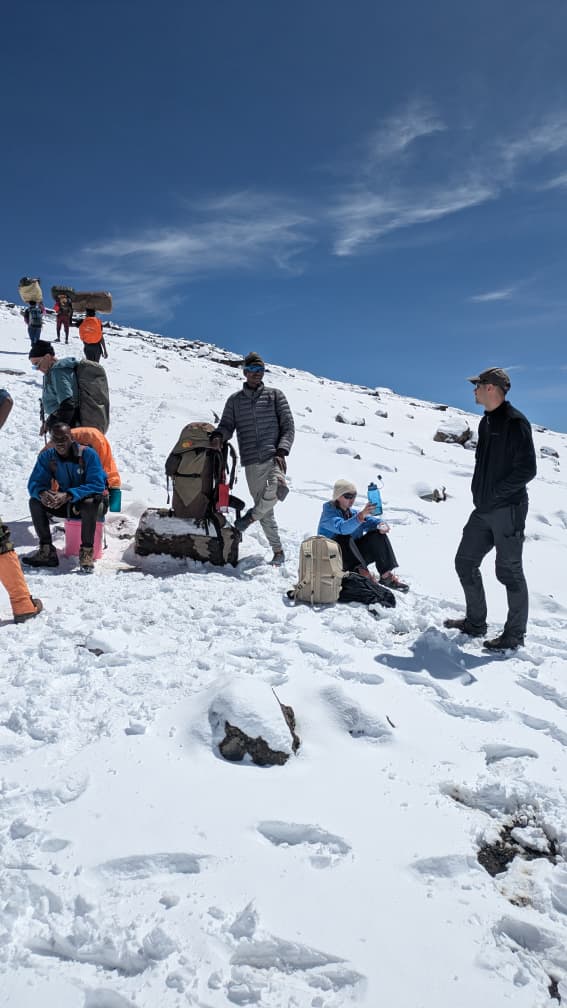
October Kilimanjaro Climb: Fewer Crowds, Great Weather 2026-2027
Planning an October Kilimanjaro climb offers a sweet spot with fewer trekkers and ideal weather conditions. Learn why October is a fantastic month for reaching Uhuru Peak and how to make...
View package details
October Kilimanjaro Waterproof Packing Guide For Climbs 2026-2027
Prepare for your October Kilimanjaro climb with this comprehensive waterproof packing guide. Essential gear and clothing advice for 2026-2027 expeditions.
View package details
October Kilimanjaro And Zanzibar Package: Climb & Island Bliss 2026-2027
Discover the ultimate October Kilimanjaro and Zanzibar package. This guide details combining a trek up Africa's highest peak with the idyllic beaches of Zanzibar, perfect for 2026-2027...
View package detailsOctober Kilimanjaro Climb For Couples: Your Ultimate Guide 2026-2027
Discover everything couples need to know for a successful Kilimanjaro climb in October. This guide covers the best routes, essential packing, weather insights, and booking tips for...
View package details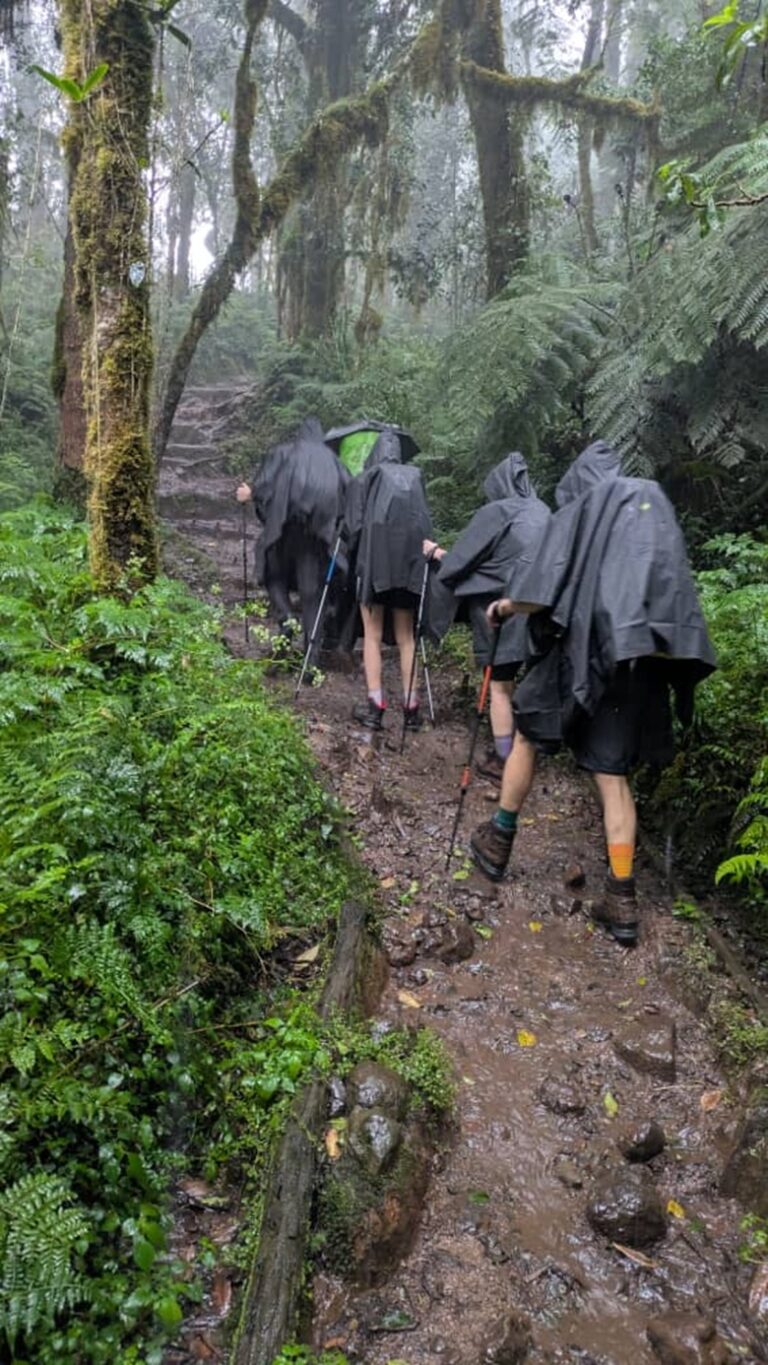
October Kilimanjaro Private Climbing Tour: Your Ultimate Guide For 2026-2027
Your comprehensive guide to embarking on a private Kilimanjaro climb in October 2026 or 2027. Discover optimal routes, essential preparations, and why a private tour offers unparalleled...
View package details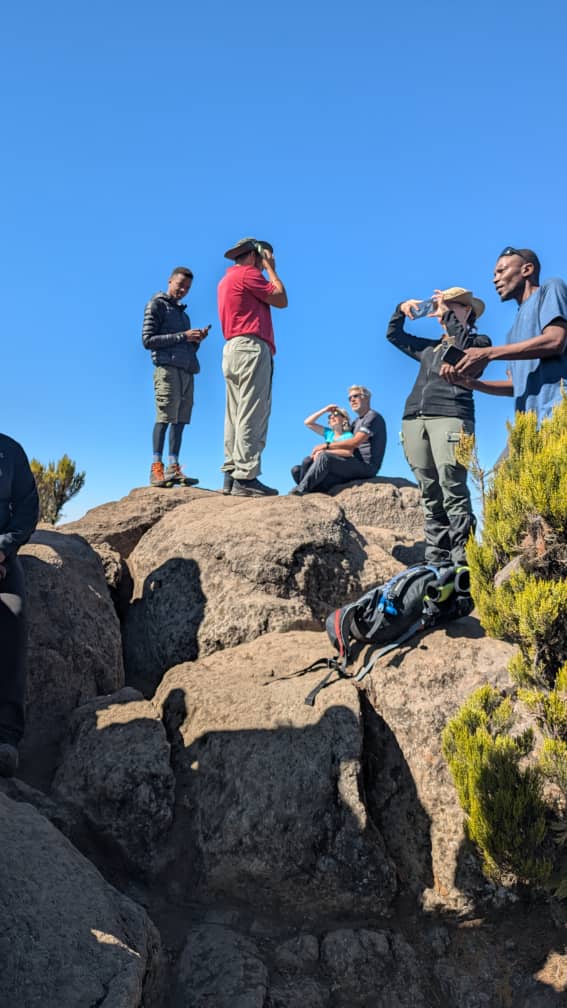
7-Day Rongai Route Kilimanjaro Climb In October : Your Expert Guide 2026-2027
Your comprehensive guide to the 7-Day Rongai Route Kilimanjaro climb in October, detailing itineraries, what to expect, and essential preparation for 2026-2027 climbs.
View package details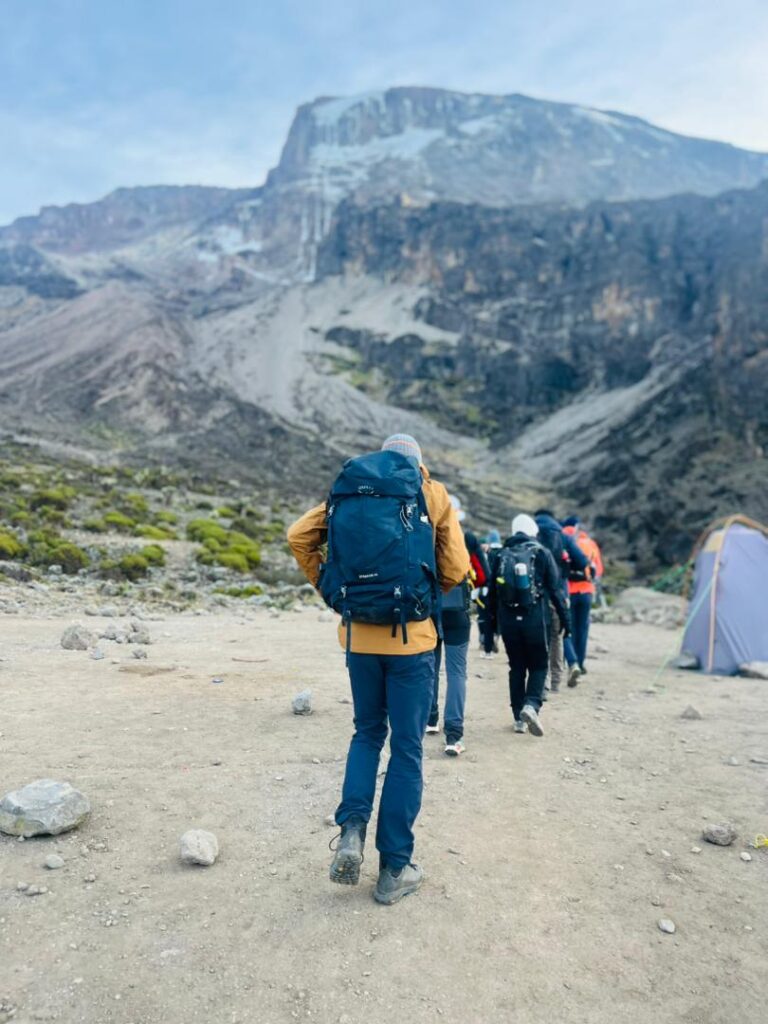
8-Day Lemosho Route Kilimanjaro Climb In October : Your Expert Guide 2026-2027
An in-depth guide to climbing Kilimanjaro via the 8-day Lemosho Route in October, detailing weather, itinerary, preparation, and what to expect in 2026-2027. Perfect for trekkers seeking...
View package details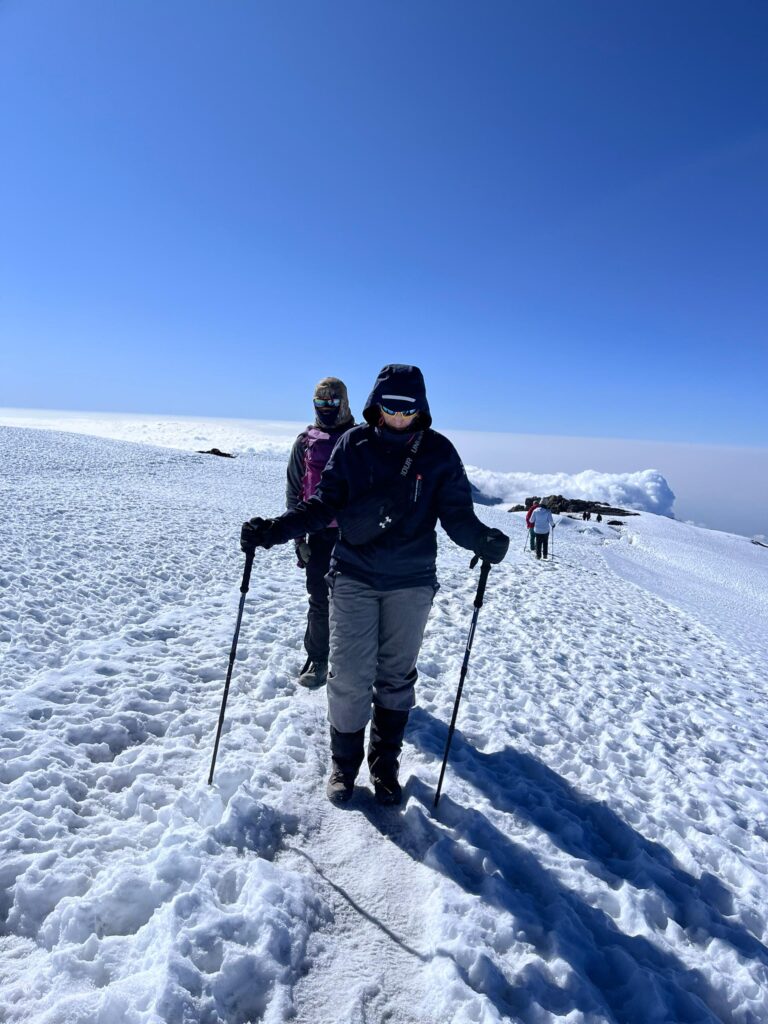
7-Day Machame Route Kilimanjaro Climb In October : Your Ultimate Guide
Discover everything you need to know for a 7-day Machame Route Kilimanjaro climb in October, including weather, packing, itinerary, and preparation for your 2026-2027 adventure.
View package details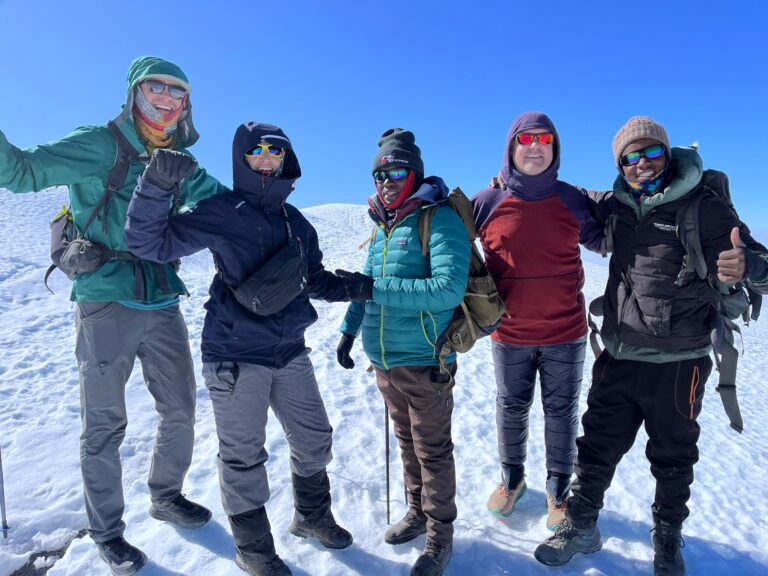
Early October Kilimanjaro Climbing Packages: Your Guide To Summit Success
Planning an early October climb of Kilimanjaro? This guide covers everything you need to know about packages, routes, weather, and preparation for your 2026-2027 adventure.
View package details
Kilimanjaro Climbing In October : Weather, Routes, And Planning 2026-2027
Planning a Kilimanjaro climb for October 2027? This guide details the excellent weather conditions, compares the most suitable routes like Machame and Lemosho, and provides essential...
View package detailsIs September Good For Climbing Kilimanjaro? Your Guide 2026-2027
Discover why September is a prime month for ascending Mount Kilimanjaro. This guide details the weather, crowds, and what to expect for your 2026-2027 climb.
View package details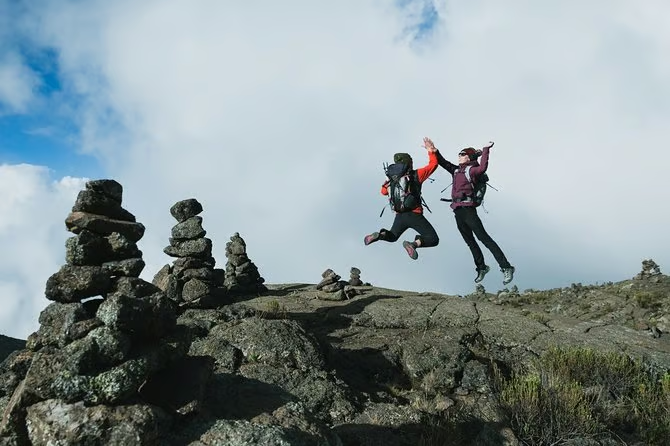
July Vs August Kilimanjaro Climbing: The Ultimate Comparison For 2026-2027
Choosing between July and August for your Kilimanjaro climb? This in-depth comparison details weather patterns, crowd levels, route popularity, and essential planning tips for 2026-2027 to...
View package detailsNo related package matches those filters. Clear one or more filters to see the other topic-matched options.



