
The best Kilimanjaro month for solo travellers in 2026-2027 generally falls within the two dry seasons: January to March and June to October. These periods offer the most stable weather, with clear skies and minimal rain, which are crucial for a safe and enjoyable ascent. While these months are popular, solo travellers can often find opportunities for shared group departures, balancing cost-effectiveness with the camaraderie of climbing with others.
Choosing Your Ideal Kilimanjaro Month: A Solo Traveller’s Perspective for 2026-2027
Climbing Mount Kilimanjaro is a monumental achievement, and for solo travellers, the planning process involves specific considerations. Beyond the physical preparation, selecting the right month to ascend Africa’s highest peak is paramount. The ‘best’ month isn’t a universal answer; it’s a personal equation balancing optimal weather conditions, crowd levels, and your own availability. For 2026 and 2027, understanding Kilimanjaro’s climate patterns and how they align with solo travel preferences is key to a successful and memorable expedition.
At Top Guide Adventures, we understand the unique needs of solo climbers. We help you navigate these choices, ensuring your Kilimanjaro journey is safe, rewarding, and perfectly timed. This guide will break down the pros and cons of each climbing season, helping you pinpoint the best Kilimanjaro month for your solo adventure in the upcoming years.
Understanding Kilimanjaro’s Climate: The Foundation of Your Choice
Kilimanjaro’s weather is dictated by its altitude and proximity to the equator. While the mountain experiences distinct seasons, the weather can be unpredictable at any time of year, especially at higher elevations. Generally, the mountain has two main dry seasons and two rainy seasons.
* Dry Seasons: These offer the clearest skies, lowest rainfall, and best visibility, making them the most sought-after times to climb. The trails are less muddy, and the views are more spectacular.
* Rainy Seasons: Characterized by frequent rainfall, cloud cover, and potentially snow at higher altitudes, these periods can make climbing more challenging and less visually rewarding.
For solo travellers aiming for the best possible experience, targeting the dry seasons is almost always the primary recommendation. However, the shoulder periods can offer a compelling alternative for those seeking fewer crowds or different atmospheric conditions.
The Peak Dry Season: June to October (Winter/Spring in the Northern Hemisphere)
This is widely considered the prime climbing season for Kilimanjaro. As the Northern Hemisphere experiences summer, Kilimanjaro enjoys its most stable and pleasant weather.
* Weather: Expect cool to cold temperatures, especially at night and on the summit. Rainfall is minimal, and the skies are typically clear, offering excellent visibility. This is crucial for appreciating the panoramic views from the roof of Africa.
* Crowds: Due to the ideal conditions, this is also the busiest period. Solo travellers will likely encounter more people on the trails and at the campsites. However, this can be a positive for solo climbers, as it increases the chances of joining a group, fostering a sense of camaraderie and shared experience. Many operators, including Top Guide Adventures, run regular group departures during these months, making it easier for solo travellers to find suitable dates in 2026 and 2027.
* Pros for Solo Travellers: Highest chance of excellent weather, increased safety due to more people on the mountain, easier to join existing group climbs, good visibility for stunning photos.
* Cons for Solo Travellers: Most crowded trails and camps, potentially higher prices due to demand.
Within this window, July, August, and September are often the absolute peak months. If you are planning for 2026 or 2027 and prioritize perfect weather above all else, these months are your top choice. However, consider the shoulder months of June and October if you want a slight reduction in crowds while still benefiting from generally good dry conditions.
The Shorter Dry Season: January to March (Late Summer/Early Autumn in the Northern Hemisphere)
This period offers another excellent window for climbing Kilimanjaro, often referred to as the ‘little dry season’.
* Weather: Generally dry and clear, though slightly warmer than the June-October season. Rainfall is still low, making it a reliable time to climb. Visibility is typically good, although occasional clouds can form, particularly in the afternoons.
* Crowds: This season is less crowded than the June-October peak. This can be a significant advantage for solo travellers seeking a more tranquil experience or those who prefer not to be in large groups.
* Pros for Solo Travellers: Good weather with fewer crowds than the main dry season, pleasant temperatures, still good chances to join group climbs, particularly in January and February.
* Cons for Solo Travellers: Can be slightly warmer, potentially leading to more sweating on the ascent. March can sometimes see the beginnings of the longer rainy season, though it’s usually still manageable.
For solo travellers planning their 2026 or 2027 climb, January and February are particularly strong contenders. They offer a fantastic balance of good weather and manageable crowds. If you are looking for a more intimate climbing experience without sacrificing too much on weather, this season is ideal.
Navigating the Rainy Seasons: For the Adventurous Solo Traveller
While not recommended for most first-time solo climbers, the rainy seasons do present opportunities for those seeking unique experiences or significant cost savings.
The Long Rainy Season: April and May (Spring in the Northern Hemisphere)
This is Kilimanjaro’s most significant wet period.
* Weather: Expect frequent and heavy rainfall, especially on the middle and upper slopes. This can lead to muddy trails, reduced visibility, and increased risk of landslides. Snowfall at the summit can be heavier and more persistent.
* Crowds: This is the least crowded time to climb. Trails and camps will be significantly emptier, offering a truly solitary experience.
* Pros for Solo Travellers: Minimal crowds, potentially lower prices from operators due to low demand, a sense of solitude.
* Cons for Solo Travellers: High risk of rain and poor visibility, muddy and challenging trails, increased risk of hypothermia, difficult summit conditions, significantly lower success rates.
Climbing during April and May is generally not advised for solo travellers unless you are highly experienced, well-prepared for adverse weather, and your primary goal is solitude over summit success. It’s crucial to partner with an operator like Top Guide Adventures that has robust safety protocols for these conditions.
The Short Rainy Season: November and December (Autumn/Early Winter in the Northern Hemisphere)
This period sees lighter, more sporadic rainfall compared to the long rains.
* Weather: Rainfall is common but usually in the form of short, intense showers, often in the afternoons or evenings. Mornings can still be clear. Temperatures are cool.
* Crowds: Crowds are moderate, generally less than the peak dry season but more than the main rainy season. December, particularly the latter half, can see an increase due to holiday travellers.
* Pros for Solo Travellers: Moderate crowds, potential for fewer people on the trails than peak season, prices might be slightly more negotiable.
* Cons for Solo Travellers: Risk of rain showers affecting visibility and trail conditions, less predictable weather than the dry seasons.
November can be a good ‘shoulder’ month if you’re looking for a balance. December, especially closer to Christmas and New Year’s, sees more activity, making it easier for solo travellers to join groups, but the weather becomes more unpredictable as the month progresses.
Key Factors for Solo Travellers When Choosing a Kilimanjaro Month
Beyond the general weather patterns, several specific factors influence the best Kilimanjaro month for a solo traveller.
1. Crowd Levels and Solo Experience
As a solo traveller, you have a unique opportunity to tailor your experience regarding social interaction. Some solo climbers actively seek the company of others for safety, camaraderie, and shared experiences. In this case, the peak dry seasons (June-October and January-March) are ideal, as they guarantee more people on the mountain and a higher likelihood of joining a group departure.
Other solo travellers might prioritize solitude and a more personal connection with the mountain. While Kilimanjaro is never truly ’empty’, the shoulder months and even the edges of the rainy seasons offer a quieter experience. However, it’s vital to balance this desire for solitude with safety. Climbing with a reputable operator like Top Guide Adventures, even during quieter periods, ensures you have support.
For 2026-2027, if you want to join a group, aim for July, August, September, January, or February. If you prefer fewer people, consider June, October, or November, but ensure your operator has robust safety measures in place.
2. Success Rates and Weather Reliability
Summit success rates on Kilimanjaro are significantly influenced by weather. The dry seasons offer the most reliable conditions for reaching the summit. Clearer skies mean better visibility on summit night, and less challenging trail conditions reduce the risk of exhaustion or injury.
* Highest Success Rates: June to October, and January to March.
* Moderate Success Rates: November, December.
* Lower Success Rates: April, May.
Solo travellers, especially those who may not have extensive high-altitude trekking experience, will benefit most from the conditions during the dry seasons. This is where the Best Kilimanjaro month for solo travellers is most clearly defined: the dry periods.
3. Cost Considerations for 2026-2027
While Kilimanjaro climbs have relatively stable pricing year-round due to fixed operational costs (guide salaries, park fees, equipment), there can be slight variations.
* Peak Season (June-Oct, Jan-Mar): Prices might be slightly higher from some operators due to high demand. However, for solo travellers, the abundance of group departures means you can often find competitive prices by joining a pre-scheduled group, potentially offsetting any peak season premium.
* Low Season (Apr-May): Prices might be more negotiable, but the significant weather challenges mean the overall value proposition is lower. It’s crucial to ensure any cost savings don’t compromise safety or the quality of the expedition.
For 2026-2027, booking in advance, especially for peak seasons, is advisable. Solo travellers looking for the best value should explore joining group departures offered by reputable companies like Top Guide Adventures. We offer various group departure dates throughout the year, making it easier to find a cost-effective option.
4. Route Choice and Month Availability
Different routes on Kilimanjaro have varying levels of popularity and can be more or less affected by seasonal conditions. Most reputable operators, including Top Guide Adventures, offer climbs on all major routes year-round. However, the ‘best’ route might be influenced by the time of year.
* Popular Routes (Machame, Lemosho, Marangu): These are well-trafficked and well-supported routes, suitable for most seasons.
* Route Considerations: Some routes, like the Mweka route, are primarily descent routes and might be more affected by rain. The Northern Circuit and Lemosho are longer and offer higher success rates due to acclimatization, making them excellent choices for any month.
For solo travellers, routes like Machame and Lemosho are often recommended due to their scenic beauty and good acclimatization profiles. The availability of group departures for these routes is generally high during the dry seasons, making them ideal for solo climbers.
Comparing the Best Kilimanjaro Months for Solo Travellers (2026-2027 Snapshot)
Let’s summarise the key months for solo travellers planning their Kilimanjaro climb in 2026-2027.
Prime Months: The Safest Bets for Solo Climbers
- July, August, September: The heart of the main dry season. Expect cool, clear weather. Highest chance of summit success. Most crowded, but excellent for solo travellers wanting to join groups. Ideal for photography.
- January, February: The start of the second dry season. Pleasant temperatures, good visibility. Less crowded than peak summer months. Still very good chances of summit success. Great balance for solo travellers.
Good Alternative Months: Balancing Weather and Crowds
- June: The beginning of the main dry season. Weather is usually excellent, but slightly fewer crowds than July-September. Good acclimatization potential.
- October: The end of the main dry season. Generally good weather, though slight increase in rain likelihood towards the end of the month. Crowds begin to thin.
- December: Can be a mixed bag. First half often has moderate weather and crowds. The second half sees holiday travellers, increasing group sizes and potential for more unpredictable weather as the short rains become more active.
Challenging Months: For Experienced or Solitude-Seeking Climbers
- March: Transition month. Usually good weather early in the month, but chances of rain increase significantly towards the end as the long rains approach.
- November: Beginning of the short rainy season. Expect intermittent showers, but often clear mornings. Trails can be wet.
Least Recommended Months: High Risk, Low Reward for Most
- April, May: The peak of the long rainy season. Heavy rainfall, poor visibility, muddy trails, and significantly reduced summit success rates. Best avoided unless you are an experienced adventurer specifically seeking solitude and prepared for tough conditions.
Making Your Decision: A Step-by-Step Approach for Solo Travellers
To help you finalize the best Kilimanjaro month for your 2026-2027 solo expedition, consider these steps:
1. Prioritize: What is most important to you? Perfect weather? Fewer crowds? Joining a group? Cost savings? Your priority will guide your month selection.
2. Check Availability: Once you have a few potential months, check with tour operators like Top Guide Adventures for group departure dates in 2026 and 2027 that align with your preferred timeframe. This is crucial for solo travellers looking to join others.
3. Consider Your Experience: If you’re new to high-altitude trekking, stick to the prime dry seasons. If you’re an experienced mountaineer comfortable with variable conditions, you might consider shoulder months.
4. Factor in Other Travel Plans: Are you combining your Kilimanjaro climb with a safari or a Zanzibar beach holiday? Ensure your chosen month works for all aspects of your trip to Tanzania.
Example Solo Traveller Scenarios for 2026-2027:
* Scenario A: The Social Climber
* Goal: Maximize summit chances, enjoy camaraderie, join a group.
* Best Months: July, August, September or January, February.
* Route: Machame or Lemosho (popular, well-supported, high success).
* Action: Book at least 6-9 months in advance for these popular dates in 2026-2027.
* Scenario B: The Crowd-Averse Explorer
* Goal: Experience Kilimanjaro with fewer people, good weather is still important but not the absolute top priority.
* Best Months: June or October.
* Route: Lemosho or Northern Circuit (longer routes offer more solitude).
* Action: Book 4-6 months in advance. Still good chances to join smaller groups.
* Scenario C: The Budget-Conscious Adventurer
* Goal: Potentially find slightly lower prices, willing to accept slightly less predictable weather.
* Best Months: November or December (first half).
* Route: Marangu or Machame.
* Action: Book 3-5 months in advance. Confirm operator’s safety protocols for variable weather.
Why Top Guide Adventures is Your Ideal Partner for a Solo Kilimanjaro Climb
Choosing the right tour operator is as critical as choosing the right month, especially for solo travellers. Top Guide Adventures is dedicated to providing exceptional support and ensuring the safety and success of every climber.
* Experienced Guides: Our guides are highly trained, certified, and possess extensive knowledge of Kilimanjaro’s routes, weather patterns, and high-altitude physiology. They are your lifeline on the mountain.
* Safety First: We adhere to strict safety protocols, including carrying supplementary oxygen, pulse oximeters, and comprehensive first-aid kits. Our guides are trained in emergency response.
* Group Departures: We run regular group departures throughout the year, making it easy for solo travellers to join a compatible group, share costs, and enhance the social aspect of their climb. Check our 2026-2027 departure dates for the Machame Route and other popular options.
* Personalized Support: Even within a group, we ensure individual attention. Our support staff in Moshi and on the mountain are dedicated to your well-being.
* Transparency: We provide clear information about what’s included in our packages, ensuring there are no hidden costs or surprises. We aim to be the most trusted tour company in Tanzania.
Kilimanjaro Climb Packages for Solo Travellers (Indicative Pricing for 2026-2027)
Pricing for Kilimanjaro climbs varies based on the route, duration, and level of service. Solo travellers often find the best value by joining our scheduled group departures.
| Route | Typical Duration | Indicative Price Range (USD) | Best Months for Solo Groups |
|---|---|---|---|
| Marangu | 5-6 Days | $1,200 – $1,800 | Jan-Mar, Jun-Oct |
| Machame | 6-7 Days | $1,300 – $2,000 | All year (peak Jan-Mar, Jun-Oct) |
| Lemosho | 7-8 Days | $1,400 – $2,200 | All year (peak Jan-Mar, Jun-Oct) |
| Northern Circuit | 9-10 Days | $1,600 – $2,500 | All year (peak Jan-Mar, Jun-Oct) |
Note: Prices are estimates for 2026-2027 and are subject to change. They typically include park fees, guide and porter salaries, meals on the mountain, tents, and transfers. International flights, visas, tips, and personal gear are usually excluded. Contact us for a detailed, personalized quote.
Final Thoughts on Your Solo Kilimanjaro Adventure in 2026-2027
The best Kilimanjaro month for solo travellers is ultimately the one that best aligns with their personal priorities for weather, crowds, and experience. While the dry seasons of January to March and June to October consistently offer the most favourable conditions, the shoulder months can provide a more secluded experience.
For 2026 and 2027, planning ahead is key. By understanding Kilimanjaro’s climate, considering your own preferences, and partnering with a trusted operator like Top Guide Adventures, you can ensure your solo climb is a resounding success. We are here to support you every step of the way, from choosing the right month and route to safely guiding you to the summit and back.
Ready to plan your unforgettable solo Kilimanjaro adventure for 2026 or 2027? Don’t hesitate to reach out. You can connect with our expert team via WhatsApp +255616946642, email us at topguideadventures@gmail.com, or our backup email info@topguideadventures.com. Let’s make your dream climb a reality.
Check Availability for Best Kilimanjaro Month For Solo Travellers: Your Guide 2026-2027
Ready to compare dates, prices, and the best option for your group? Send the package name and travel month so the team can reply with a clear quote, availability, and what is included.

May Kilimanjaro Climb For Solo Travellers: Your Expert Guide 2026-2027
Discover everything solo travellers need to know about climbing Kilimanjaro in May. This guide covers route selection, essential gear, training, safety, and typical costs for 2026-2027.
View package details
December Kilimanjaro Climb For Solo Travellers 2026-2027
December Kilimanjaro Climb for Solo Travellers is explained with current 2026-2027 planning, price, itinerary and booking information.
View package details
March Kilimanjaro Solo Traveller Group: Your Ultimate Guide For 2026-2027
Planning to climb Kilimanjaro solo in March? This guide connects you with group departures specifically for solo travellers, covering routes, costs, preparation, and what to expect in...
View package details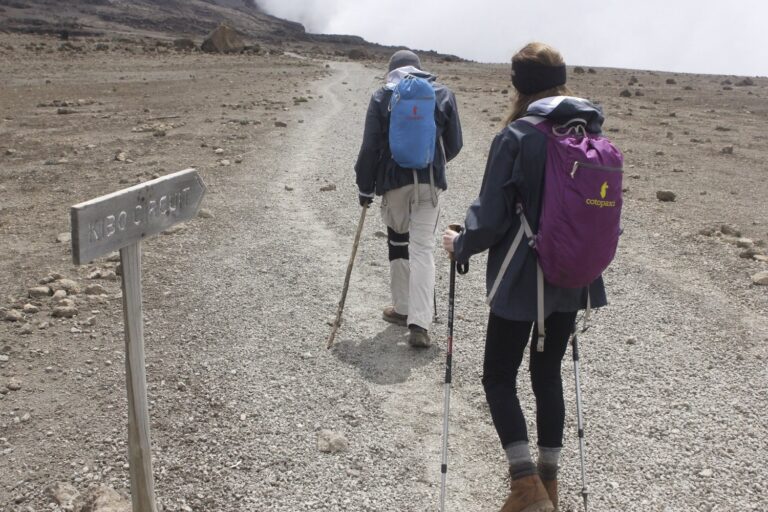
Kilimanjaro Acclimatization Package For Sea-Level Travellers | Top Guide
Planning a Kilimanjaro climb from sea level? Top Guide Adventures offers specialized acclimatization packages designed to maximize your success and safety. Learn about essential...
View package details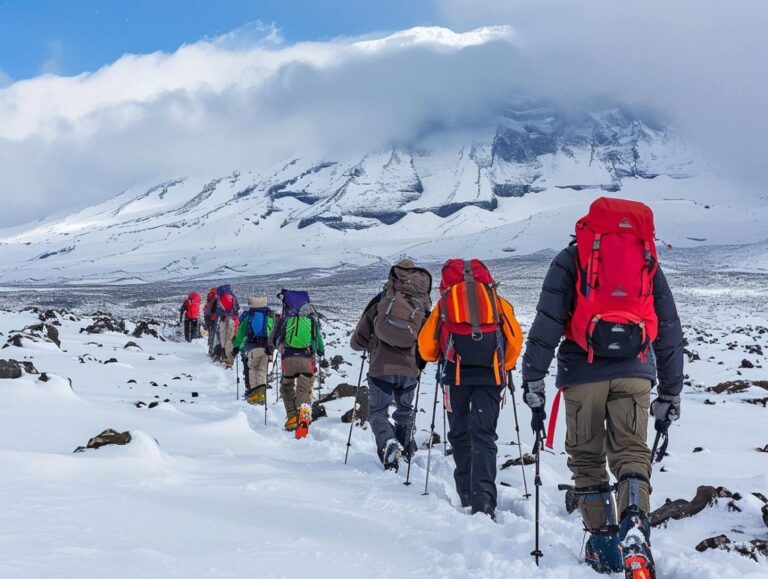
Kilimanjaro Month-By-Month Route Planner: Your Guide 2026-2027
Plan your Kilimanjaro climb with our month-by-month route planner. Covering 2026-2027, we detail weather patterns, route suitability, and expert advice for your successful summit.
View package details
Rainiest Month On Mount Kilimanjaro 2026-2027
Rainiest Month on Mount Kilimanjaro is explained with current 2026-2027 planning, price, itinerary and booking information.
View package details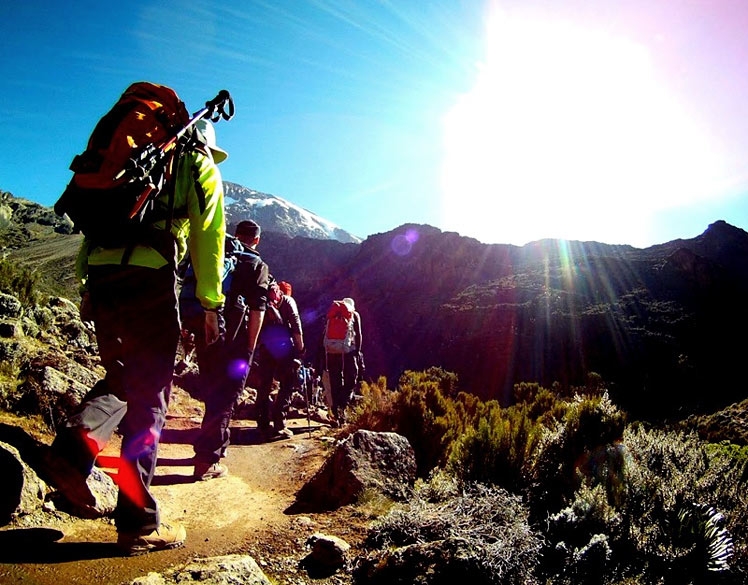
Driest Month To Climb Kilimanjaro: Your Guide For 2026-2027
The driest months for climbing Kilimanjaro are generally January, February, and June through October. These periods offer the clearest skies and lowest rainfall, ideal for a successful and...
View package details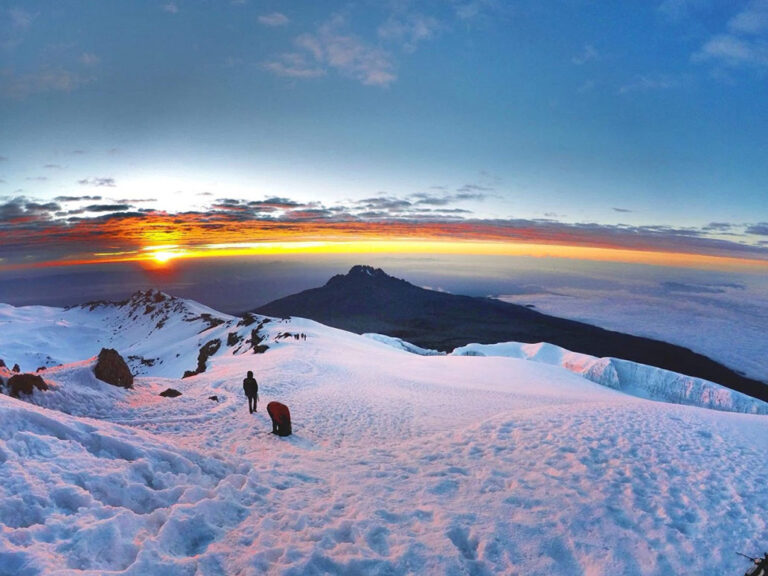
Coldest Month To Climb Kilimanjaro 2026-2027
Coldest Month to Climb Kilimanjaro is explained with current 2026-2027 planning, price, itinerary and booking information.
View package details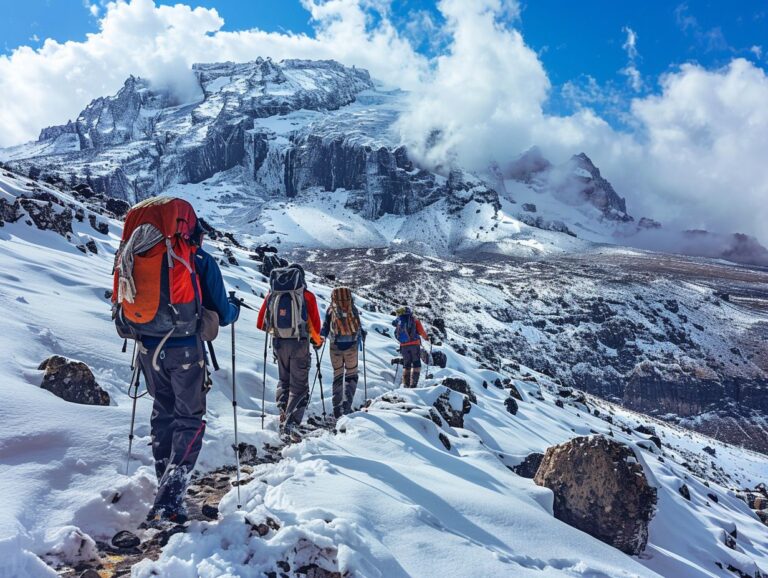
Warmest Month To Climb Kilimanjaro 2026-2027
Warmest Month to Climb Kilimanjaro is explained with current 2026-2027 planning, price, itinerary and booking information.
View package details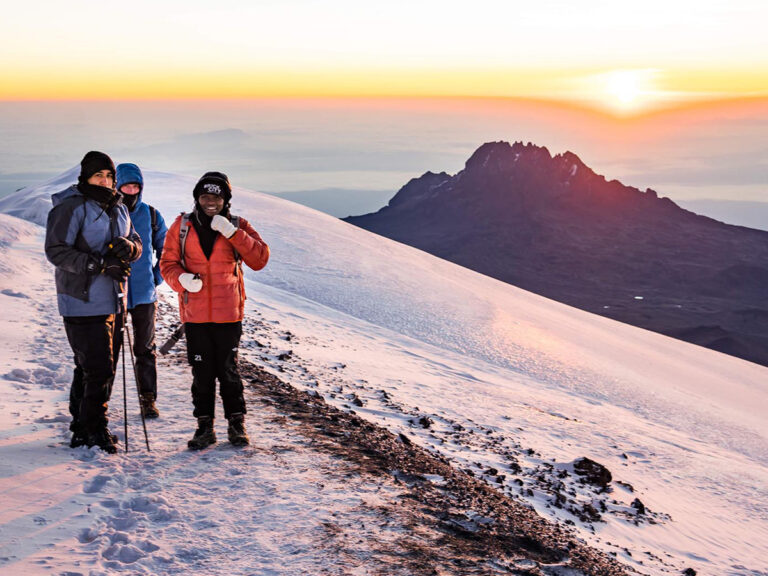
Quietest Month To Climb Kilimanjaro: Your Guide For 2026-2027
Planning a Kilimanjaro climb and seeking fewer fellow trekkers? This guide reveals the quietest months to ascend Africa's highest peak, focusing on shoulder seasons and off-peak periods for...
View package detailsBusiest Month To Climb Kilimanjaro: Peak Seasons & Planning For 2026-2027
Understanding the busiest month to climb Kilimanjaro is crucial for planning a successful trek. This guide details peak seasons, crowd considerations, and optimal times for your 2026-2027...
View package details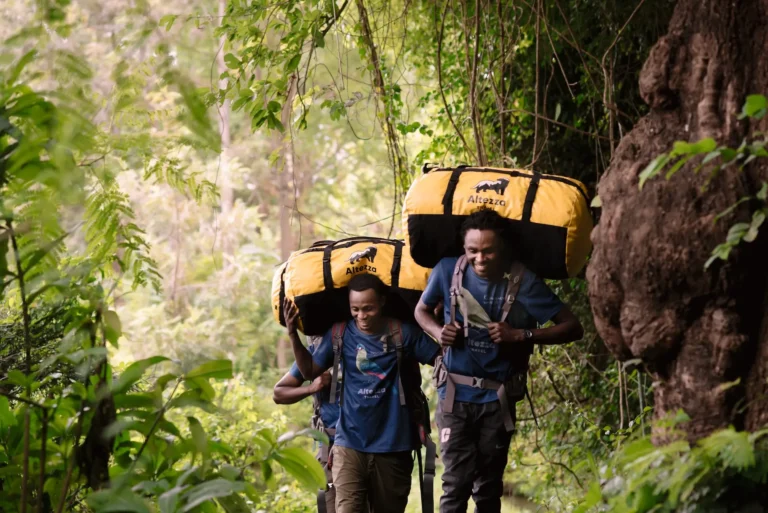
Best Kilimanjaro Month For A Zanzibar Extension: Your Ultimate Guide 2026-2027
Planning a Kilimanjaro climb followed by a Zanzibar beach holiday? This guide helps you choose the best month in 2026-2027 for perfect weather on the mountain and the islands, considering...
View package detailsNo related package matches those filters. Clear one or more filters to see the other topic-matched options.



