
The rainiest months on Mount Kilimanjaro are generally considered to be April and May, coinciding with the end of the long rainy season. During these months, trekkers can expect substantial rainfall, particularly on the lower slopes, which can lead to muddy trails, reduced visibility, and colder conditions as you ascend.
Understanding Kilimanjaro’s Climate and Rainfall Patterns
Mount Kilimanjaro, a majestic dormant volcano in Tanzania, is not a place with a single, predictable weather pattern. Its immense altitude creates distinct microclimates across its five major ecological zones. While many envision a constant, pleasant trekking experience, understanding the nuances of its climate, especially its rainy seasons, is paramount for any aspiring climber. The question of the rainiest month on Mount Kilimanjaro is a critical one for planning, as it directly influences trail conditions, visibility, temperature, and the overall comfort and safety of your ascent.
Kilimanjaro experiences two distinct rainy seasons. The longer, more significant rainy season typically occurs from March through May, with April often being the wettest month. Following this, a shorter, less intense rainy season usually happens between November and early December. Conversely, the driest and most popular months for climbing are generally January, February, and June through October.
When we talk about the rainiest month on Mount Kilimanjaro, we are primarily focusing on the period when precipitation is at its highest. This doesn’t mean continuous downpours from base to summit; rather, it signifies a higher probability of encountering significant rain, mist, and fog, especially in the montane forest and heather zones, which form the lower parts of the mountain. As you climb higher, the precipitation may transition from rain to sleet or snow, particularly in the alpine desert and arctic summit zones.
The Long Rainy Season: March, April, and May
The long rainy season on Kilimanjaro is a period characterized by heavier and more prolonged rainfall. This season is heavily influenced by the Intertropical Convergence Zone (ITCZ), which brings moisture-laden air from the Indian Ocean. While the exact timing and intensity can vary slightly year by year, and even within the 2026 and 2027 climbing seasons, this period is consistently the wettest.
April: The Peak of the Rains
Within the long rainy season, April is widely recognized as the rainiest month on Mount Kilimanjaro. During April, the montane forest, which is the first major zone trekkers enter, receives considerable rainfall. This translates into muddy, slippery trails, making the trekking more challenging and requiring sturdy, waterproof hiking boots and gaiters. Visibility can also be significantly reduced, obscuring the stunning views that Kilimanjaro is famous for, especially at lower to mid-altitudes.
The higher zones, such as the alpine desert and arctic summit, will experience colder temperatures, and precipitation here will likely be in the form of sleet or snow. While April is the wettest month, it doesn’t necessarily mean it’s impossible to climb. Many determined trekkers still choose to ascend during this period, often finding fewer crowds and a more solitary experience. However, it demands thorough preparation and a flexible mindset.
May: Lingering Showers and Transition
May often continues to see significant rainfall, though typically less intense than April. It marks the tail end of the long rainy season, and while the chances of heavy downpours remain, they tend to become shorter and more intermittent as the month progresses. Trail conditions in May can still be challenging due to lingering moisture, but there are often clearer periods, offering glimpses of the surrounding landscape.
Climbers in May might find a better balance between challenging weather and opportunities for good views compared to April. The lower temperatures of the rainy season can persist, making warm clothing essential. Planning a climb for late May might offer a transition towards the drier months, but it’s wise to prepare for rain as a significant possibility.
March: The Onset of the Rains
March signifies the beginning of the long rainy season. While it’s not usually as wet as April or May, the rainfall starts to increase noticeably. Trekkers in March can expect more frequent showers, especially in the afternoons, and the trails will begin to become muddier. The vegetation is often lush and green due to the initial rains, offering beautiful scenery before the full intensity of the wet season sets in.
For those considering a climb in March, it’s advisable to pack for wet conditions. The benefit of climbing in March can be the relative absence of crowds compared to the peak dry seasons. Visibility might be variable, with clearer mornings often giving way to cloudier afternoons.
The Short Rainy Season: November and Early December
Kilimanjaro also experiences a shorter, less severe rainy season, typically occurring in November and extending into early December. This season is influenced by the northeast monsoon winds.
November: Increased Rainfall
November sees a distinct increase in precipitation. While not as heavy or prolonged as the main rainy season (March-May), November can bring frequent showers, particularly in the afternoons. The montane forest zone is most affected, leading to damp trails. However, the rainfall in November is often less consistent than in April, meaning there can still be stretches of dry weather.
Climbing in November means preparing for unpredictable weather. It’s a good time to consider routes that might offer better shelter or drainage. The advantage here, like during other shoulder or wet seasons, is the potential for fewer trekkers on the mountain, allowing for a more personal experience.
Early December: Waning Rains
By early December, the short rainy season typically begins to wane. Rainfall becomes less frequent and less intense. While occasional showers are still possible, the weather generally starts to improve, paving the way for the drier months of late December and January. Early December can be a transitional period, offering a compromise for those looking to avoid the peak crowds of the dry season while still seeking relatively manageable weather.
Impact of Rainy Seasons on Your Kilimanjaro Climb
The presence of rain, especially during the rainiest month on Mount Kilimanjaro, has several practical implications for your trek. Understanding these impacts is key to making informed decisions about when to go, what to pack, and which routes might be more suitable.
Trail Conditions
Mud is the most immediate consequence of rain on Kilimanjaro’s trails. The well-trodden paths, especially those through the dense montane forest, can become extremely muddy and slippery. This makes trekking more physically demanding, requiring more effort and careful footing. In steeper sections, erosion can also become a factor, and the trails might feel more challenging to navigate.
For example, on the Machame Route, known for its scenic beauty and varied terrain, the muddy conditions in April can make the “hike high, sleep low” sections more arduous. Similarly, on the Lemosho Route, the initial forest sections can become particularly boggy.
Visibility
Rainy seasons are often accompanied by cloud cover and fog, significantly reducing visibility. This can be disappointing for trekkers who dream of panoramic views from the summit and along the way. While the summit views might be obscured, the experience of trekking through misty forests and clouds can also be quite atmospheric and unique. However, it does mean that iconic viewpoints might not be as clear.
Temperature
Rainfall, especially at higher altitudes, often brings a noticeable drop in temperature. When you are wet, your body loses heat much faster. Even if the temperature at base camp is mild, it can become significantly colder as you ascend and encounter rain or sleet. This makes warm, waterproof, and windproof layers absolutely essential, even outside the coldest months.
Acclimatization and Summit Success Rates
While rain itself doesn’t directly hinder acclimatization, the increased physical exertion from navigating slippery trails and the potential for feeling colder can indirectly impact a climber’s energy levels and overall well-being. Some studies suggest slightly lower summit success rates during the peak of the rainy season, though this is often attributed to a combination of factors, including less experienced climbers choosing these times and the general challenges posed by the weather. However, with proper preparation, acclimatization remains the primary factor for success, regardless of the month.
Crowds
One significant advantage of climbing during the rainiest month on Mount Kilimanjaro, or indeed during either rainy season, is the absence of large crowds. The peak climbing seasons (January-February and June-October) are when the mountain is busiest. If you prefer a more solitary trekking experience and don’t mind the potential for challenging weather, climbing during April, May, or November can offer a more peaceful journey.
Choosing Your Kilimanjaro Route Based on Rainy Seasons
While all routes will experience rain during the wettest months, some might offer slight advantages or require more careful consideration. It’s important to remember that the rainiest month on Mount Kilimanjaro affects the entire mountain, but the experience can vary slightly by route.
- Marangu Route (Coca-Cola Route): This route is known for its gradual ascent and the availability of dormitory-style huts. While it’s less exposed to extreme weather than some other routes, the huts can still be damp, and the trails will be muddy. Its lower overall altitude in parts might mean more consistent rain rather than snow at higher elevations.
- Machame Route (Whiskey Route): This popular route offers stunning scenery but involves challenging terrain. The steep ascents and descents, especially through the forest and moorland zones, can become very muddy and slippery during the rainy season. Proper gear is critical here.
- Lemosho Route: Known for its beauty and high success rate, Lemosho also traverses significant forest sections. Similar to Machame, expect muddy trails in the lower zones. Its longer duration can aid acclimatization, which is always beneficial, especially when facing adverse weather.
- Rongai Route: This route approaches Kilimanjaro from the north, which is technically drier than the southern approaches. While it still experiences rain during the wet season, it might receive slightly less precipitation compared to routes like Machame or Lemosho, especially in the initial stages. This can make it a slightly more favorable option if you’re determined to climb during a shoulder or wet month like November.
- Northern Circuit and Shira Routes: These longer routes offer excellent acclimatization. While they will still encounter rain, their duration means trekkers are generally better prepared physically and mentally for varied conditions.
Regardless of the route chosen, adequate preparation for wet weather is non-negotiable when climbing during or near the rainiest month on Mount Kilimanjaro.
What to Pack for Kilimanjaro During Rainy Months
Packing correctly is crucial for comfort and safety, especially if you are climbing during the wettest periods. Your gear needs to protect you from rain, wind, and cold.
Essential Gear for Rainy Season Climbs:
- Waterproof and Windproof Outer Shell: A high-quality jacket and trousers are paramount. Ensure they are breathable to prevent overheating during ascents.
- Waterproof Hiking Boots: Well-broken-in, waterproof boots are essential. Consider treating them with a waterproofing spray before your trip.
- Gaiters: These cover the top of your boots and lower legs, preventing mud, water, and small stones from entering your boots.
- Waterproof Gloves and Mittens: Essential for keeping hands warm and dry, especially at higher altitudes.
- Warm Layers: Fleece jackets, thermal base layers (merino wool or synthetic), and insulated mid-layers are vital.
- Waterproof Backpack Cover: To protect your gear inside your daypack.
- Dry Bags: Use these inside your main duffel bag to keep essential items like clothing, sleeping bags, and electronics completely dry.
- Trekking Poles: Highly recommended for stability on slippery, muddy trails.
- Warm Hat and Balaclava: For protection against cold wind and rain.
- Sunscreen and Sunglasses: Even on cloudy days, UV radiation can be strong at altitude.
- Headlamp with Extra Batteries: Essential for early morning summit attempts and navigating in low light.
Remember that your tour operator will provide a detailed packing list, but prioritizing waterproof and warm items is key when targeting periods around the rainiest month on Mount Kilimanjaro.
When is the Best Time to Climb Kilimanjaro?
While the question focuses on the rainiest month on Mount Kilimanjaro, it’s useful to contrast this with the ideal climbing times. The best times to climb Kilimanjaro are generally when the weather is driest and clearest:
- January and February: These months are typically dry and warm, offering excellent visibility and stable weather. It’s a popular time, so expect more trekkers.
- June to October: This is the longest dry season. June can be a transition month, but from July to October, conditions are usually excellent, with clear skies and moderate temperatures. This is another peak season.
Shoulder Seasons (March, November): These months fall between the peak dry and wet seasons. You might experience a mix of weather, with some rain but also periods of sunshine. Crowds are generally lower, and prices might be slightly more competitive. March often sees the start of the long rains, while November marks the short rains.
Wet Seasons (April, May, early December): April and May are the wettest months, with significant rainfall. Early December sees the tail end of the short rains. Climbing during these times means accepting the higher probability of challenging weather, but you’ll benefit from fewer people on the mountain.
Planning Your Kilimanjaro Climb for 2026-2027
When planning your Kilimanjaro adventure for 2026 or 2027, consider the weather patterns carefully. If your priority is clear skies and dry trails, aim for the peak seasons. However, if you are looking for a quieter experience and are well-prepared for potential rain, the shoulder or even wet seasons can be viable.
For example, if you’re aiming for a 2026 climb and want to experience Kilimanjaro with fewer people, consider a climb in late November or early December. You’ll need to pack diligently for potential rain, but the trails might be less crowded than in January or February. Similarly, for a 2027 expedition, choosing a climb in March could offer a balance of starting dry weather with increasing rain, potentially providing dramatic landscapes and fewer fellow climbers.
Conversely, if your 2026 or 2027 Kilimanjaro dream is all about maximizing your chances of clear summit views and comfortable trekking conditions, then booking for January, February, or between June and October is highly recommended. These months consistently offer the most favorable weather.
Booking with Top Guide Adventures for 2026-2027
At Top Guide Adventures, we help you navigate these seasonal choices to ensure your climb is as enjoyable and successful as possible. Whether you’re aiming for the peak season or looking for a more secluded experience during the wetter periods, our expert guides are equipped to handle all conditions. We offer comprehensive climbing packages for 2026 and 2027, including:
- Guidance on the best routes and departure dates based on your preferences and the time of year.
- High-quality camping equipment, including tents and sleeping bags.
- Experienced, licensed guides and support crew who prioritize your safety and well-being.
- Nutritious meals prepared by our dedicated cooks on the mountain.
- Park fees and all necessary permits.
We understand that choosing the right time to climb is a significant decision. Our team is available to discuss the pros and cons of climbing during any month, including the rainiest month on Mount Kilimanjaro, to help you make an informed choice for your 2026 or 2027 adventure. We can tailor itineraries to suit your needs, ensuring you are well-prepared for the specific conditions of your chosen climbing window.
Expert Advice on Timing Your Climb
While April is often cited as the rainiest month on Mount Kilimanjaro, it’s crucial to remember that weather patterns can be unpredictable. Even during the dry seasons, unexpected showers can occur, and during the rainy seasons, there can be days of clear sunshine. The key is thorough preparation and flexibility. If you are considering a climb during a wetter period for 2026 or 2027, discuss this with your tour operator. They can advise on routes that might be slightly less affected or offer more shelter, and ensure your gear is up to the task. For example, the Rongai route’s northern approach might experience slightly less rain than southern routes during the shoulder months.
Frequently Asked Questions About Kilimanjaro’s Rainiest Month
Q1: Is it possible to climb Kilimanjaro during the rainiest month?
Yes, it is absolutely possible to climb Kilimanjaro during the rainiest months (April, May, November). Many trekkers do so successfully. However, it requires more careful preparation, appropriate gear for wet and cold conditions, and a flexible attitude towards potentially challenging weather and reduced visibility. You will also encounter fewer crowds.
Q2: Which month is *definitely* the rainiest on Kilimanjaro?
April is consistently considered the rainiest month on Mount Kilimanjaro, experiencing the highest average rainfall, particularly in the lower forest zones. However, May is also very wet, and November brings a shorter, less intense rainy season.
Q3: How does rain affect the summit attempt?
Rain at lower altitudes means colder temperatures and potentially slippery trails. At higher altitudes (above 4,500m), precipitation will likely be sleet or snow. The biggest impacts on summit day are often the cold, wind, and reduced visibility. However, the summit success is primarily dependent on acclimatization, physical fitness, and mental preparedness, rather than just the weather on a single day.
Q4: Are there any routes that are better during the rainy season?
The Rongai Route, approaching from the north, is sometimes considered slightly drier than the southern routes like Machame or Lemosho, as the north side is in the rain shadow of Mount Meru. However, all routes will experience significant rain during the peak wet months. The key is preparation for the conditions on any chosen route.
Q5: Should I avoid climbing Kilimanjaro in April or May?
You don’t necessarily need to avoid it. If you are looking for fewer crowds and don’t mind the possibility of rain and mist, April and May can be a great time to climb. You’ll need excellent waterproof gear and a positive attitude. If clear views and dry trails are your top priority, then these months might not be ideal for your 2026 or 2027 climb.
Q6: How much rain can I expect in April?
Expect substantial rainfall, especially in the montane forest zone (around 1,800m to 2,800m). This can mean several hours of rain per day, often in the afternoons. Trails can become very muddy and waterlogged. Higher up, precipitation may be sleet or snow. While specific rainfall measurements vary, April consistently shows the highest precipitation levels.
Making the Decision for Your 2026-2027 Kilimanjaro Adventure
Deciding when to climb Mount Kilimanjaro involves balancing weather preferences, crowd tolerance, and budget considerations. Understanding the rainiest month on Mount Kilimanjaro is a crucial piece of that puzzle. While April and May present the highest likelihood of significant rainfall, they also offer solitude and a unique trekking experience for the well-prepared.
At Top Guide Adventures, we are committed to providing you with the most accurate information and the safest, most enjoyable climb possible, whether you choose to ascend during the peak dry season of 2026 or opt for a quieter journey in the wetter months of 2027. Our experienced team is ready to assist you with every aspect of your planning.
Contact us today to discuss your dream Kilimanjaro climb for 2026-2027. We can help you select the best route, departure date, and ensure you have all the necessary information and gear to make your adventure a success, regardless of the season. Reach out via WhatsApp at +255616946642, email us at topguideadventures@gmail.com, or our backup email info@topguideadventures.com.
“,
“faq_schema”: [
{
“question”: “Is it possible to climb Kilimanjaro during the rainiest month?”,
“answer”: “Yes, it is absolutely possible to climb Kilimanjaro during the rainiest months (April, May, November). Many trekkers do so successfully. However, it requires more careful preparation, appropriate gear for wet and cold conditions, and a flexible attitude towards potentially challenging weather and reduced visibility. You will also encounter fewer crowds.”
},
{
“question”: “Which month is definitely the rainiest on Kilimanjaro?”,
“answer”: “April is consistently considered the rainiest month on Mount Kilimanjaro, experiencing the highest average rainfall, particularly in the lower forest zones. However, May is also very wet, and November brings a shorter, less intense rainy season.”
},
{
“question”: “How does rain affect the summit attempt?”,
“answer”: “Rain at lower altitudes means colder temperatures and potentially slippery trails. At higher altitudes (above 4,500m), precipitation will likely be sleet or snow. The biggest impacts on summit day are often the cold, wind, and reduced visibility. However, the summit success is primarily dependent on acclimatization, physical fitness, and mental preparedness, rather than just the weather on a single day.”
},
{
“question”: “Are there any routes that are better during the rainy season?”,
“answer”: “The Rongai Route, approaching from the north, is sometimes considered slightly drier than the southern routes like Machame or Lemosho, as the north side is in the rain shadow of Mount Meru. However, all routes will experience significant rain during the peak wet months. The key is preparation for the conditions on any chosen route.”
},
{
“question”: “Should I avoid climbing Kilimanjaro in April or May?”,
“answer”: “You don’t necessarily need to avoid it. If you are looking for fewer crowds and don’t mind the possibility of rain and mist, April and May can be a great time to climb. You’ll need excellent waterproof gear and a positive attitude. If clear views and dry trails are your top priority, then these months might not be ideal for your 2026 or 2027 climb.”
},
{
“question”: “How much rain can I expect in April?”,
“answer”: “Expect substantial rainfall, especially in the montane forest zone (around 1,800m to 2,800m). This can mean several hours of rain per day, often in the afternoons. Trails can become very muddy and waterlogged. Higher up, precipitation may be sleet or snow. While specific rainfall measurements vary, April consistently shows the highest precipitation levels.”
}
]
}
“`
Check Availability for Rainiest Month On Mount Kilimanjaro 2026-2027
Ready to compare dates, prices, and the best option for your group? Send the package name and travel month so the team can reply with a clear quote, availability, and what is included.
Five-Day Cycle Around Mount Kilimanjaro 2026-2027
Five-Day Cycle around Mount Kilimanjaro is explained with current 2026-2027 planning, price, itinerary and booking information.
View package details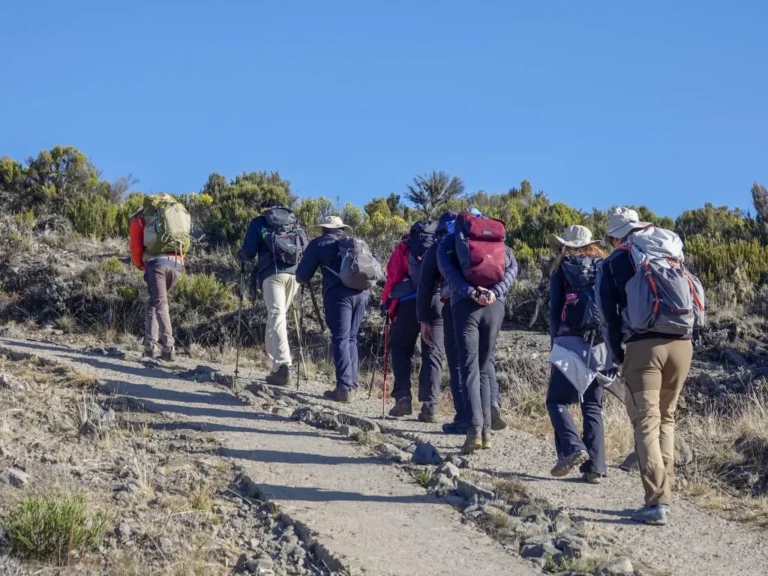
Kilimanjaro Mountain-Biking Tour From Moshi: Your Ultimate Adventure Guide
Discover the thrill of a Kilimanjaro Mountain-Biking Tour departing from Moshi. This comprehensive guide covers routes, preparation, costs, and what to expect for your 2026-2027 adventure.
View package details
How Comfortable Are Kilimanjaro Mountain Tents? A Guide 2026-2027
Understand the comfort levels of tents used on Kilimanjaro climbs. This guide details tent types, essential features, and factors influencing your sleeping experience, crucial for planning...
View package details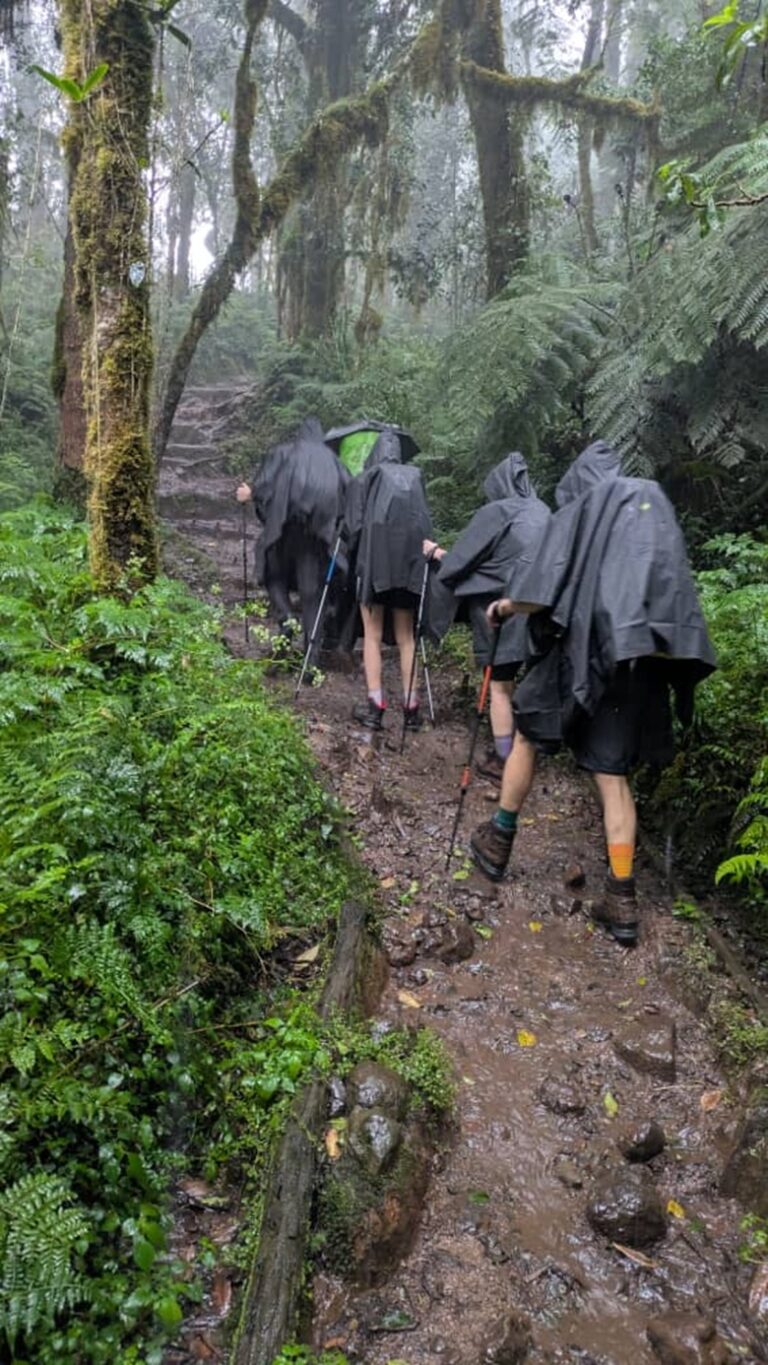
How To Wash On Mount Kilimanjaro 2026-2027
How to Wash on Mount Kilimanjaro is explained with current 2026-2027 planning, price, itinerary and booking information.
View package details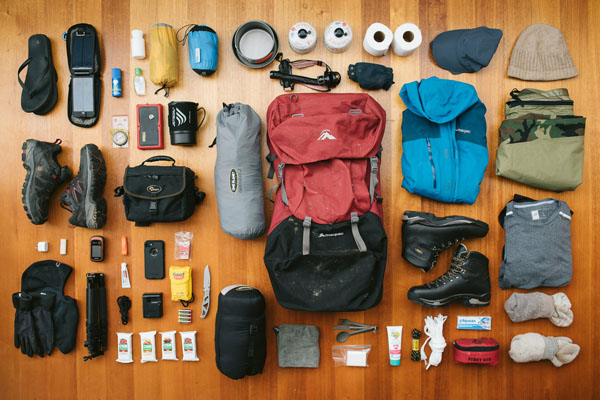
How Do You Sleep On Mount Kilimanjaro? 2026-2027
How Do You Sleep on Mount Kilimanjaro? is explained with current 2026-2027 planning, price, itinerary and booking information.
View package details
Kilimanjaro Mountain Meal Plan By Day: Fueling Your Summit Success 2026-2027
Understand the essential Kilimanjaro Mountain meal plan by day, covering daily menus, nutritional needs, and preparation tips for your trek. Top Guide Adventures provides insights into...
View package details
Kilimanjaro Climb With Vegan Mountain Meals: Your Expert Guide For 2026-2027
Embarking on a Kilimanjaro climb is a monumental achievement, and ensuring you have the right nutrition, especially with specific dietary needs like veganism, is crucial for success. Top...
View package detailsShould You Climb Mount Meru Before Kilimanjaro? 2026-2027
Should You Climb Mount Meru before Kilimanjaro? is explained with current 2026-2027 planning, price, itinerary and booking information.
View package detailsKilimanjaro Climb After Mount Meru: A Comprehensive Guide For 2026-2027
Discover the strategic advantages and practical considerations of climbing Mount Kilimanjaro immediately following a trek up Mount Meru. This comprehensive guide is designed for adventurers...
View package details
Kilimanjaro Zanzibar Extension For Mixed Groups: Your Ultimate Adventure Guide
Combine the thrill of climbing Mount Kilimanjaro with the tropical allure of Zanzibar. This guide details how mixed groups can best plan and enjoy this ultimate Tanzanian adventure in...
View package detailsKilimanjaro Safari Before Rejoining Your Climbing Group | Top Guide Adventures
Combining a safari with your Kilimanjaro climb is a classic Tanzanian adventure. Discover how to seamlessly integrate a wildlife safari experience before meeting your climbing group for the...
View package details
Kilimanjaro Airport And Hotel Support For Climbing Groups | Top Guide
Top Guide Adventures provides comprehensive support for Kilimanjaro climbing groups, from arrival at Kilimanjaro International Airport (JRO) to comfortable hotel stays before and after your...
View package detailsNo related package matches those filters. Clear one or more filters to see the other topic-matched options.



