
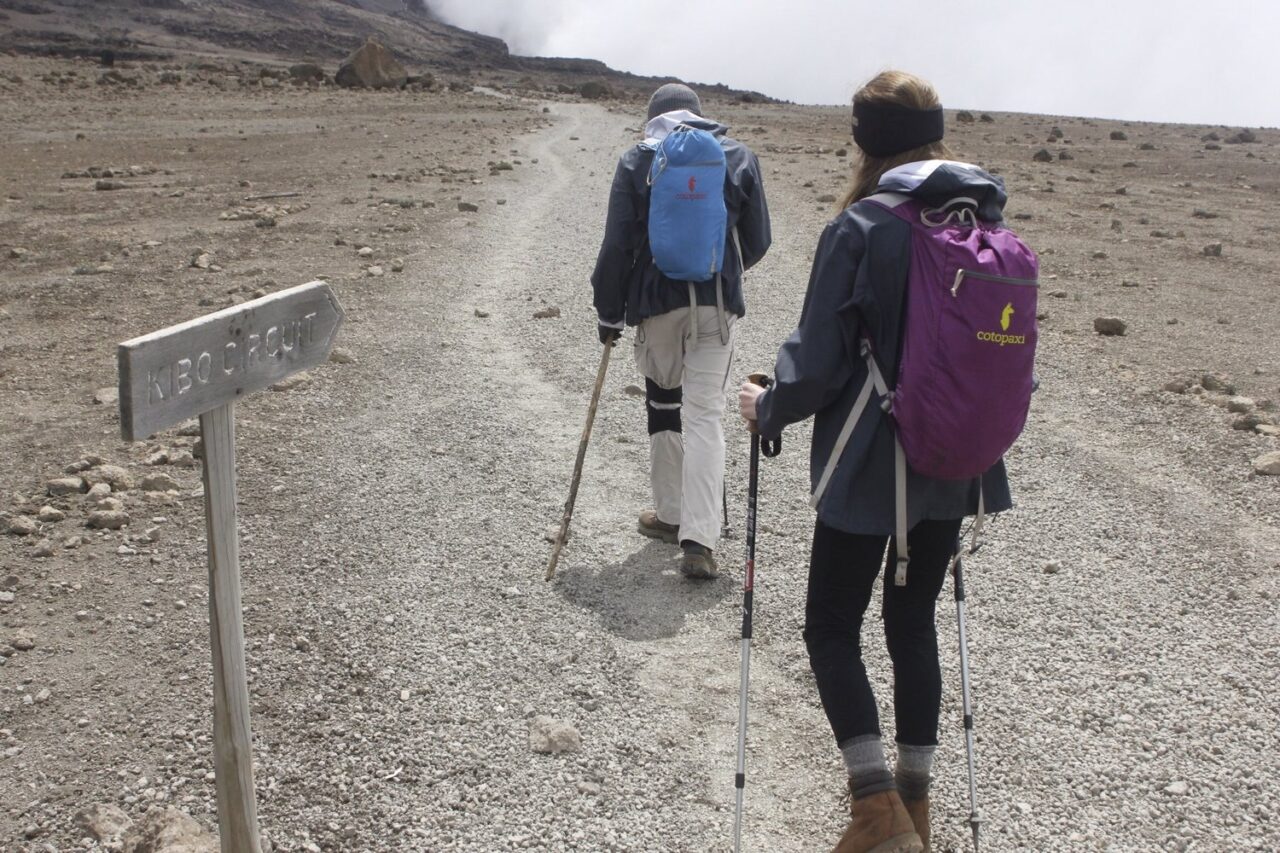
For climbing Mount Kilimanjaro, a daypack size between 20 to 35 liters is generally ideal. This size range allows you to comfortably carry essential items like water, snacks, extra layers of clothing, a first-aid kit, sunscreen, and your camera, while remaining lightweight and manageable throughout the trek. Smaller packs (under 20 liters) may not hold enough, and larger packs (over 35 liters) can become cumbersome and unnecessary, as your main luggage is carried by porters.
Choosing the Right Daypack Size for Your Kilimanjaro Expedition
Summiting Mount Kilimanjaro is an incredible adventure, and having the right gear can significantly enhance your experience. Among the most critical pieces of equipment, often overlooked in its importance, is the daypack. This is the bag you’ll carry with you every single day on the mountain, holding everything you need for that specific day’s trek, from hydration and snacks to essential clothing layers and personal items. The question of what size daypack you need for Kilimanjaro is therefore paramount. It’s a balance between carrying enough supplies and keeping your load light enough to maintain energy and comfort over several days of challenging ascent.
As one of Tanzania’s trusted tour operators, Top Guide Adventures has guided countless trekkers to the Roof of Africa. We understand the nuances of climbing Kilimanjaro, and that includes the practicalities of daily gear. Our expertise points towards a specific range for your daypack: generally, a capacity of 20 to 35 liters is the sweet spot for most climbers. This range offers enough space for the essentials without becoming a burden.
Let’s break down why this size is recommended and what factors influence this decision, helping you make an informed choice for your 2026 or 2027 Kilimanjaro climb.
Why Daypack Size Matters on Kilimanjaro
Kilimanjaro is not just a hike; it’s a multi-day expedition where you’ll experience dramatic changes in climate and terrain. Your daypack is your personal lifeline on the mountain, holding items that need to be readily accessible. The wrong size can lead to discomfort, fatigue, or even compromise your safety.
- Comfort and Ergonomics: A pack that is too large and not adequately filled can shift and sway, throwing off your balance and causing strain. Conversely, a pack that is too small might force you to strap items externally, creating an unbalanced load. The right size, properly fitted and packed, distributes weight evenly across your back and shoulders, minimizing fatigue.
- Accessibility: You’ll want to easily reach your water bottle, snacks, sunscreen, camera, and rain gear without having to stop and unpack your main duffel bag (which is carried by porters). A 20-35 liter pack typically has enough compartments and easy-access pockets for these items.
- Weight Management: While porters carry the bulk of your gear, you are responsible for your daypack’s contents and weight. Carrying an unnecessarily large or heavy daypack day after day will drain your energy reserves, which are precious when climbing at altitude.
- Weather Preparedness: Kilimanjaro’s weather can change rapidly. You need space in your daypack for extra layers, including a warm fleece, waterproof jacket and trousers, and a hat and gloves. The 20-35 liter range accommodates these crucial items.
The 20-35 Liter Sweet Spot Explained
Let’s look at what typically fits into a 20-35 liter daypack and why it’s sufficient for your daily needs on Kilimanjaro:
Core Essentials (Always in your daypack):
- Hydration: A 2-3 liter hydration reservoir (like a CamelBak) or two 1-liter water bottles.
- Snacks: Energy bars, nuts, dried fruit, chocolate – high-energy, easy-to-eat items.
- Sun Protection: High SPF sunscreen, lip balm with SPF, sunglasses, and a wide-brimmed hat or cap.
- Personal First-Aid: Blister treatment, pain relievers, antiseptic wipes, personal medications.
- Navigation/Safety: Headlamp with extra batteries (for summit night), whistle, basic emergency kit.
- Hygiene: Hand sanitizer, wet wipes.
- Camera/Phone: And a portable power bank.
Additional Layers (Depending on altitude and weather):
- Insulating Layer: A lightweight fleece jacket or vest.
- Waterproof Outer Layer: A breathable, waterproof jacket (Gore-Tex or similar) and waterproof trousers.
- Warm Hat & Gloves: A warm beanie and a pair of waterproof gloves or mittens.
- Buff/Neck Gaiter: For sun protection and warmth.
Other Potential Items:
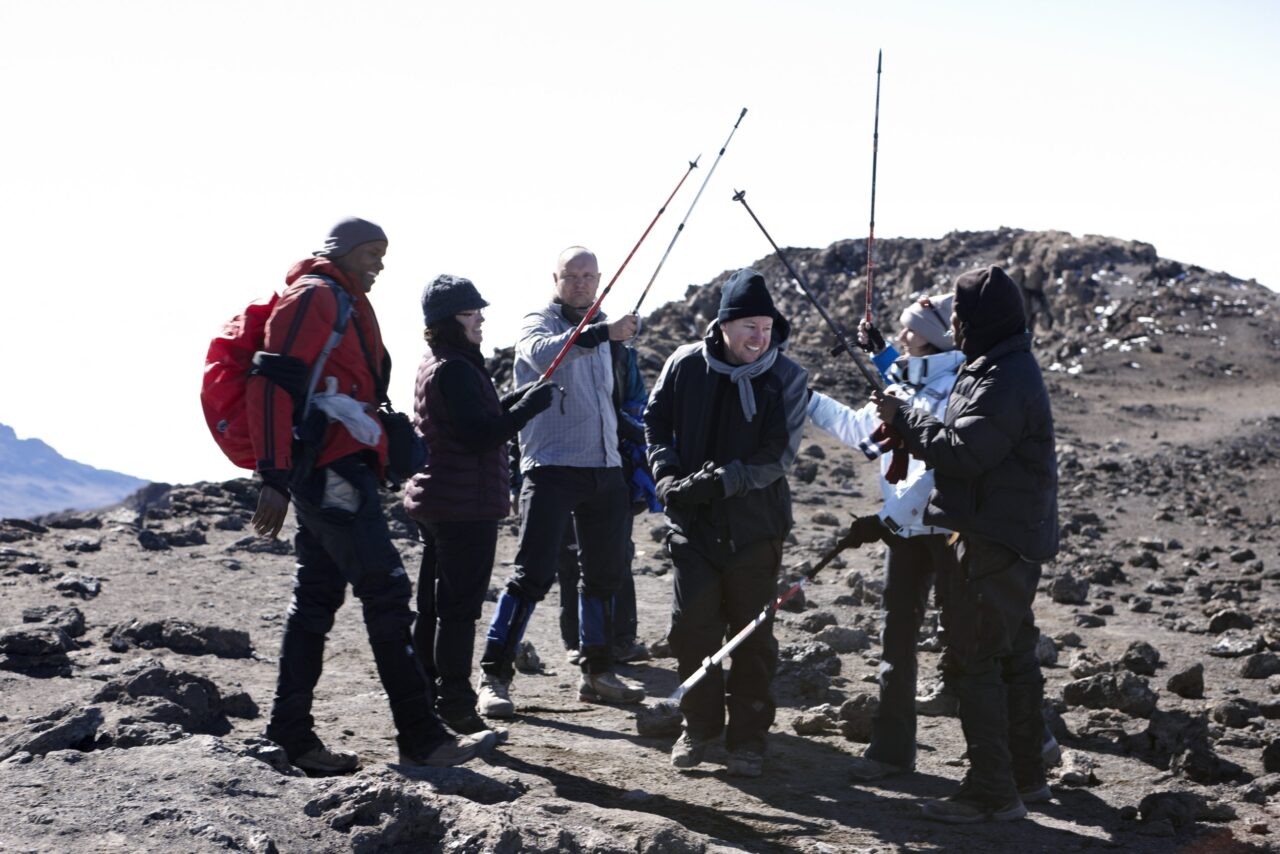
- Trekking Poles: Many packs have external straps or pockets for poles.
- Rain Cover: For your daypack itself.
- Small Towel: Quick-drying.
- Journal and Pen: For documenting your journey.
A pack within the 20-35 liter range allows you to carry all of the above comfortably. It’s spacious enough for a full change of layers if conditions demand it, yet not so large that it feels empty and unwieldy on easier days. For instance, a 25-liter daypack is often sufficient for many trekkers, especially those who are efficient packers and can manage with fewer layers. A 30-liter daypack offers a bit more room for bulkier items or extra provisions, which can be beneficial on longer or colder trekking days. A 35-liter daypack is usually the maximum recommended size, providing ample space for those who prefer to be extra prepared or are climbing during colder seasons.
What About Smaller Daypacks (Under 20 Liters)?
A daypack smaller than 20 liters is generally not recommended for Kilimanjaro. While it might seem appealing for its lightness, it quickly becomes impractical. You’ll struggle to fit all the necessary layers, especially your waterproofs and a warm fleece, along with your hydration system and snacks. You might find yourself having to carry extra items in your hands or strap them precariously to the outside of the pack, leading to discomfort and an unbalanced load. For a mountain like Kilimanjaro, where conditions can be extreme and preparedness is key, a pack under 20 liters is simply too restrictive.
What About Larger Daypacks (Over 35 Liters)?
Conversely, a daypack significantly larger than 35 liters is also usually unnecessary and can be detrimental. Here’s why:
- Unnecessary Bulk and Weight: A larger pack invites you to pack more than you need for a single day. This adds extra weight you have to carry, leading to premature fatigue.
- Porter Load Limits: While your main duffel bag (typically around 60-90 liters) is carried by porters, there are weight limits for porters. Bringing an oversized daypack that you then try to stuff extra items into, or a very heavy daypack, can indirectly contribute to porter overload or simply be inefficient.
- Cumbersome Handling: A large, bulky pack can be awkward to manage, especially on steeper sections or when navigating trails.
Remember, your main luggage is handled by porters. Your daypack is for what you need *during the day’s hike*. For most trekkers planning their 2026 or 2027 expedition, anything above 35 liters is likely overkill.
Key Features to Look For in a Kilimanjaro Daypack
Beyond just size, the features of your daypack are crucial for comfort and functionality. When selecting a pack between 20 and 35 liters, consider these aspects:
- Comfortable Padded Straps: Adjustable shoulder straps that are well-padded are essential for distributing weight comfortably.
- Sternum Strap: This strap across your chest helps stabilize the load and prevents the shoulder straps from slipping.
- Padded Hip Belt: A good hip belt transfers a significant portion of the pack’s weight to your hips, taking pressure off your shoulders and back. Look for one that is adjustable and comfortable.
- Back Panel Ventilation: A mesh or ventilated back panel helps reduce sweating and improve airflow, keeping you cooler.
- Hydration Compatibility: Ensure the pack has an internal sleeve for a hydration reservoir and a port for the drinking tube, or secure external pockets for water bottles.
- Multiple Compartments and Pockets: An main compartment, a front organizer pocket, and side pockets (for water bottles or snacks) are very useful. A small, secure zipped pocket on the hip belt or lid is great for keys or lip balm.
- External Attachment Points: Loops or straps can be useful for attaching items like trekking poles or a wet rain jacket.
- Durability and Water Resistance: The pack should be made from robust materials that can withstand the rigors of trekking. While not fully waterproof, a water-resistant fabric is a plus. A separate rain cover is highly recommended.
- Lightweight Construction: The pack itself should be as light as possible to maximize the carrying capacity for your essentials.
Packing Your Kilimanjaro Daypack: What Goes Where?
Efficient packing within your chosen daypack size is as important as the size itself. Here’s a guide to organizing your pack for optimal accessibility and balance:
Daypack Packing Strategy
- Bottom: Place bulkier, lighter items you might not need immediately, like an extra fleece or a packed rain cover.
- Middle: This is for heavier items, positioned close to your back for better weight distribution. This could include your water reservoir (if using one), a heavier snack bag, or a camera in a protective case.
- Top: Keep items you need frequent access to here: snacks, sunscreen, lip balm, hand sanitizer, a map, your headlamp (especially on summit night), and your first-aid kit.
- Front/Organizer Pocket: Ideal for smaller, frequently used items like sunglasses, phone, wallet, and any important documents you might need during the day.
- Side Pockets: Primarily for water bottles, but can also hold a packed lunch or quick-grab snacks.
- Hip Belt Pockets: For very small, essential items like lip balm, a few coins, or energy chews.
On summit night, your daypack becomes even more critical. You’ll need to carry extra warm layers (down jacket, warm hat, gloves, balaclava), a headlamp with spare batteries, plenty of high-energy snacks, and a significant amount of water (or a way to keep your hydration tube from freezing). The 20-35 liter range ensures you can fit these crucial items without compromising your ability to move efficiently.
Testing Your Daypack Before Kilimanjaro
Before you travel to Tanzania for your 2026 or 2027 Kilimanjaro adventure, it’s wise to test your chosen daypack. Pack it as you intend to on the mountain and go for a long hike. This will reveal:
- Comfort: Does it dig in anywhere? Does the weight feel balanced?
- Capacity: Can you comfortably fit everything you need?
- Accessibility: Can you easily reach your water and snacks?
- Functionality: Do the straps and pockets work as intended?
This practice run will help you identify any issues and make necessary adjustments or even decide if you need a different size or model.
Daypack Alternatives and Considerations
While a dedicated 20-35 liter hiking daypack is the standard recommendation, some trekkers might consider other options or have specific needs:
- Hydration Packs with Storage: Some hydration packs (e.g., 2-3 liter capacity) come with a small amount of storage space. However, these are generally too small for Kilimanjaro’s daily needs, as they often lack space for clothing layers.
- Smaller Backpacks with External Straps: A standard 30-liter school or travel backpack might seem like an option, but it likely lacks the ergonomic design, padded straps, and ventilation crucial for trekking comfort.
- Climbing Specific Packs: Some very lightweight climbing packs might fit the bill, but ensure they have enough pockets and comfort features for multi-day trekking.
For Kilimanjaro, a well-designed hiking daypack is almost always the best choice. Brands like Osprey, Deuter, Gregory, and The North Face offer excellent models in the 20-35 liter range.
Factors Influencing Your Daypack Choice
While the 20-35 liter range is a solid guideline, a few personal factors might slightly adjust your decision:
- Personal Packing Style: Are you someone who likes to carry extra comforts, or do you travel light? If you tend to pack more, lean towards the higher end of the range (30-35 liters). If you’re a minimalist, a 20-25 liter pack might suffice.
- Time of Year: Climbing during the colder, wetter seasons (e.g., March-May, November) might mean carrying slightly bulkier layers, potentially pushing you towards a 30-35 liter pack. Dry seasons (June-October, December-February) might allow for slightly lighter packing.
- Route Choice: While daypack size is largely route-independent, some routes are generally considered tougher or have more extreme temperature fluctuations, which might influence how many layers you feel you need to carry daily.
- Physical Build: A smaller individual might find a 35-liter pack feels too large, even when partially filled, whereas a larger individual might comfortably manage a larger pack. Fit and comfort are paramount.
The Role of Your Porter and Main Duffel
It’s vital to remember the distinction between your daypack and your main duffel bag. Your porter will carry your main duffel bag, which contains everything else you need for the trek: your sleeping bag, spare clothes, toiletries, camp shoes, and any items you don’t need immediate access to during the day’s hike. This duffel bag is usually a large, sturdy duffel, typically in the 60-90 liter range. The weight limit for this duffel is usually around 15 kg (33 lbs). This system ensures that while you carry your daily essentials, the bulk of your gear is managed by the support crew, allowing you to focus on the climb.
Therefore, your daypack should be optimized for what you need *between* campsites. It’s not a place to store your entire trekking wardrobe, just the layers and items required for that day’s conditions and emergencies.
What About Specific Kilimanjaro Routes?
The size of the daypack you need for Kilimanjaro doesn’t fundamentally change based on the route (e.g., Machame, Lemosho, Marangu, Rongai). All routes involve ascending through distinct climate zones, requiring similar daily essentials. The primary difference between routes lies in their length, acclimatization profiles, and scenery. Whether you’re on the popular Machame Route group departures in 2026 or planning a longer acclimatization on the Lemosho route, the contents of your daypack remain consistent: water, snacks, sun protection, rain gear, and extra warm layers.
The Machame Route, for instance, is known for its challenging terrain and “climb high, sleep low” principle, emphasizing the need for accessible layers. A 25-35 liter daypack is perfect here. Similarly, for the Rongai Route, which approaches from the north and can be drier, carrying adequate water and sun protection remains critical, fitting comfortably within a 20-35 liter pack.
Final Recommendations for Your Kilimanjaro Daypack in 2026-2027
Based on years of experience guiding trekkers on Kilimanjaro, Top Guide Adventures consistently recommends a daypack in the 20 to 35 liter capacity range. This size offers the best compromise between carrying capacity and comfortable weight management for daily use on the mountain.
- For most trekkers: A 25-30 liter daypack is often the sweet spot.
- For those who pack lighter: A 20-25 liter pack might be sufficient.
- For those who prefer extra layers or climb in colder seasons: A 30-35 liter pack provides that additional space.
Prioritize comfort, good fit, and essential features over sheer size. Test your pack before you depart for your 2026 or 2027 expedition, and pack it wisely. Your daypack is a critical partner on your journey to the summit, and choosing the right size and features will contribute significantly to your overall comfort and success.
Ready to plan your Kilimanjaro adventure with expert guidance? Top Guide Adventures offers complete travel experiences across Tanzania, with personal attention and dedicated support for every client. We organize Kilimanjaro climbs, Tanzania safaris, Zanzibar holidays, and tailor-made journeys. Contact us to discuss your trip for 2026 or 2027!
Reach out to us:
- WhatsApp: +255616946642
- Email: topguideadventures@gmail.com
- Backup Email: info@topguideadventures.com
You can also explore our group departure dates for Kilimanjaro and safaris to find a journey that suits you:
Follow us on Instagram for inspiring travel photos and updates: @top_guide_adventures.
See what other adventurers say about us on TripAdvisor: Top Guide Adventures Reviews.
For more about Tanzania tours and travel, visit our main site: Top Guide Adventures Tanzania.
“,
“faq_schema”: [
{
“question”: “What is the ideal daypack size for Kilimanjaro?”,
“answer”: “The ideal daypack size for Kilimanjaro is generally between 20 to 35 liters. This range allows you to carry essential daily items like water, snacks, extra clothing layers, and personal items without being overly bulky or heavy.”
},
{
“question”: “Can I use a daypack smaller than 20 liters for Kilimanjaro?”,
“answer”: “It is not recommended to use a daypack smaller than 20 liters for Kilimanjaro. This size is usually too small to accommodate necessary items such as extra clothing layers, rain gear, hydration systems, and snacks required for a full day of trekking at varying altitudes and weather conditions.”
},
{
“question”: “Is a daypack larger than 35 liters suitable for Kilimanjaro?”,
“answer”: “A daypack larger than 35 liters is generally unnecessary for Kilimanjaro. It can lead to carrying excess weight and bulk, which will cause fatigue. Your main duffel bag, carried by porters, holds all non-essential items, so your daypack should only contain daily necessities.”
},
{
“question”: “What essential items should I pack in my Kilimanjaro daypack?”,
“answer”: “Your Kilimanjaro daypack should include: hydration (water bottles or reservoir), high-energy snacks, sun protection (sunscreen, hat, sunglasses), a personal first-aid kit, a headlamp with extra batteries, a waterproof jacket and trousers, an extra warm layer (fleece), a warm hat and gloves, and personal items like a camera and phone.”
},
{
“question”: “Does the route on Kilimanjaro affect the daypack size needed?”,
“answer”: “No, the recommended daypack size for Kilimanjaro does not significantly change based on the route chosen (e.g., Machame, Lemosho, Marangu). All routes require carrying similar daily essentials due to the varied climate zones encountered on the mountain.”
},
{
“question”: “When should I plan to buy my Kilimanjaro daypack for a 2026-2027 climb?”,
“answer”: “It’s advisable to purchase and test your Kilimanjaro daypack several months before your planned 2026 or 2027 climb. This allows you time to break it in, ensure it fits comfortably, and make any necessary adjustments or exchanges.”
},
{
“question”: “What features are most important in a Kilimanjaro daypack?”,
“answer”: “Key features include comfortable padded shoulder straps, a sternum strap, a supportive hip belt, good back panel ventilation, hydration compatibility, multiple compartments for organization, durable water-resistant material, and external attachment points for items like trekking poles.”
}
]
}
“`
Check Availability for What Size Daypack Do You Need For Kilimanjaro? 2026-2027
Ready to compare dates, prices, and the best option for your group? Send the package name and travel month so the team can reply with a clear quote, availability, and what is included.
What Happens To Human Waste On Kilimanjaro? Managing On Africas Highest Peak
Human waste on Kilimanjaro is managed through a system of collection and removal, primarily using portable toilets and waste bags, to protect the mountain's fragile ecosystem. This guide...
View package details
What To Eat After Summiting Kilimanjaro Guide
Summiting Kilimanjaro is an incredible feat, but your body will be depleted. Learn what to eat afterward to maximize recovery, replenish nutrients, and celebrate your achievement.
View package detailsKilimanjaro Food Menu For Picky Eaters: What To Expect & How To Prepare
Climbing Kilimanjaro is an unforgettable adventure, but for picky eaters, the thought of mountain food can be a concern. This guide details the typical Kilimanjaro food menu, offering...
View package details
What Goes In Your Kilimanjaro Summit-Day Backpack? Expert Packing Guide
A comprehensive guide to packing your Kilimanjaro summit-day backpack. Discover the essential gear, clothing layers, hydration, nutrition, and safety items needed for a successful trek to...
View package details
The Best Rain Cover For A Kilimanjaro Daypack In 2026-2027
Choosing the right rain cover for your Kilimanjaro daypack is crucial for keeping essentials dry. This guide details what to look for, top recommendations, and why it's vital for your climb.
View package details
Do You Need An Ice Axe For Kilimanjaro? Expert Guide 2026-2027
Climbers often wonder if an ice axe is essential for ascending Kilimanjaro. This comprehensive guide from Top Guide Adventures clarifies when it's needed, what alternatives exist, and how...
View package details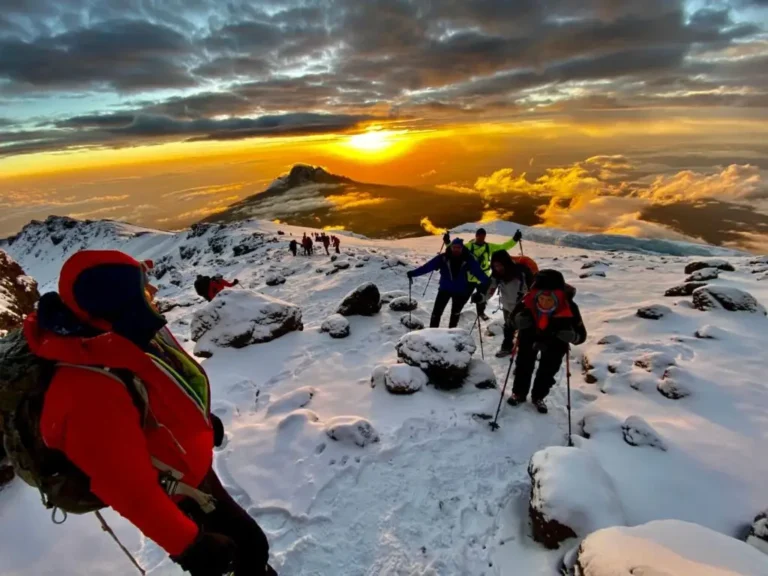
Do You Need Microspikes For Kilimanjaro? Expert Advice Climbers 2026-2027
Climbers often wonder about the necessity of Microspikes for Kilimanjaro. While not always mandatory, they can significantly enhance safety and comfort on icy sections, particularly on...
View package details
How Many Base Layers Do You Need For Kilimanjaro? A Complete Guide Climbers
Climbing Kilimanjaro requires careful gear selection. This guide breaks down the essential base layers needed to stay warm and dry on the mountain, with planning tips for 2026-2027...
View package details
What To Do On Arrival Day Before Kilimanjaro 2026-2027
What to Do on Arrival Day before Kilimanjaro is explained with current 2026-2027 planning, price, itinerary and booking information.
View package detailsSpanish Group Departures For Kilimanjaro: Dates, Costs & Planning 2026-2027
Discover upcoming Spanish group departures for Kilimanjaro climbs, offering a cost-effective and social way to conquer Africa's highest peak. This guide details 2026-2027 dates, route...
View package details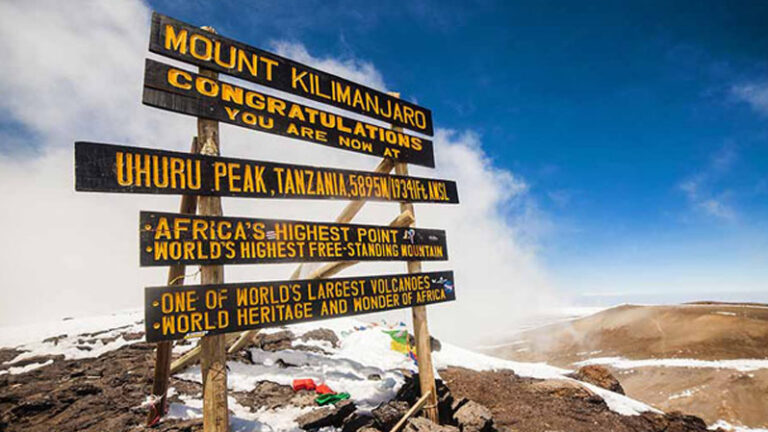
French Group Departures For Kilimanjaro: Your Guide 2026-2027
Discover essential information for French speakers planning a Kilimanjaro climb via group departures in 2026-2027. This comprehensive guide covers routes, preparation, costs, and booking...
View package details
German Group Departures For Kilimanjaro: Your Guide 2026-2027
Planning a Kilimanjaro climb with fellow German speakers? Discover curated group departures for 2026-2027, focusing on safety, success, and cultural connection. Top Guide Adventures...
View package detailsNo related package matches those filters. Clear one or more filters to see the other topic-matched options.



