
Washing on Mount Kilimanjaro is limited to using wet wipes, sanitizing hand gel, and a very basic wash with minimal water at lower altitudes, primarily for hygiene and comfort rather than a full shower experience. Most climbers rely on wet wipes for face and body cleaning, hand sanitizer before meals and after using the ‘toilet’ tent, and a small amount of warm water provided by porters for a quick wash in the mornings and evenings at the campsite.


Understanding Hygiene Challenges on Kilimanjaro
Climbing Mount Kilimanjaro is an extraordinary adventure, pushing your physical and mental limits as you ascend through diverse climatic zones. While the focus is often on acclimatization, gear, and summit success, maintaining personal hygiene is a critical, though often overlooked, aspect of the trek. The unique environment of Kilimanjaro presents specific challenges when it comes to staying clean. You’ll be far from modern conveniences, dealing with fluctuating temperatures, and conserving resources. Understanding these challenges is the first step to effectively managing your hygiene on the mountain.
The high altitude means colder temperatures, and the remoteness means limited access to water and facilities. This isn’t a holiday where you can pop into a shower after a day of sightseeing. Instead, it’s a multi-day expedition where every drop of water is precious, and every ounce of effort counts. Therefore, ‘washing’ takes on a different meaning. It’s about strategic cleaning, maintaining comfort, preventing illness, and ensuring you feel as fresh as possible under demanding conditions. This guide will break down exactly how to manage your personal hygiene on Kilimanjaro, ensuring you’re prepared for the realities of trekking at altitude.
The Reality of Washing on the Mountain
Let’s set expectations clearly: you will not have access to showers on Mount Kilimanjaro. There are no running water facilities, no sinks with hot water, and certainly no bathtubs. The concept of ‘washing’ is fundamentally different from what you’re accustomed to in daily life. Your hygiene routine will be adapted to the mountain environment, prioritizing efficiency and resource conservation.
The primary methods of cleaning will involve:
- Wet Wipes: These are your best friend for cleaning your face, hands, and body.
- Hand Sanitizer: Crucial for killing germs before eating and after using the portable toilets.
- Minimal Water: Porters will often provide a small amount of warm water in the morning and evening for a basic ‘wash-up’ at your tent. This is typically enough to rinse your face and hands, and perhaps a quick wipe down of other areas.
The goal is not to achieve a state of perfect cleanliness but rather to maintain a level of hygiene that promotes comfort, prevents infections, and boosts morale. By the time you reach higher altitudes, even the idea of a full wash-up might seem like a distant luxury. Focusing on key areas like hands, face, and feet, and managing body odor effectively, will be your main priorities.
Morning and Evening Wash-Ups
Your daily hygiene routine on Kilimanjaro will largely revolve around the morning and evening wash-ups. These are simple but vital moments for feeling refreshed.
Morning Routine: Starting the Day Clean
As soon as you wake up in your tent, your porter will likely bring you a basin of warm water. This is your opportunity for a quick refresh. Typically, this water is just enough for a face wash and perhaps a quick rinse of your hands. Using a small, quick-drying towel, you can dry yourself off. The key here is efficiency. You want to feel awake and ready for the day’s trek without wasting time or water. Some climbers also use this opportunity to brush their teeth and rinse their mouth. Keeping your toothbrush and toothpaste easily accessible in your daypack or tent pocket is advisable.
Evening Routine: Winding Down and Cleaning Up
After a day of trekking, often arriving at camp as dusk settles, the evening wash-up is a welcome ritual. Again, your porter will provide a basin of warm water. This is a good time to clean your face and hands thoroughly before dinner. It’s also an excellent moment to use wet wipes for a more comprehensive clean of your body. Focus on areas that tend to sweat or accumulate dirt. Some climbers also use this time to clean their feet, especially if they’ve been damp or dusty. Ensuring your feet are clean and dry before bed can prevent blisters and fungal infections, which are common concerns on long treks.
The Role of Wet Wipes and Hand Sanitizer
Given the scarcity of water, wet wipes and hand sanitizer become indispensable tools for maintaining hygiene on Kilimanjaro. They offer a practical and effective way to clean yourself when a full wash isn’t feasible.
Wet Wipes: Your Mobile Shower
Pack plenty of good quality, biodegradable wet wipes. These will be used daily for cleaning your face, neck, arms, and any other part of your body that needs a refresh. They are particularly useful for removing sweat, dirt, and grime accumulated throughout the day. After a strenuous hike, a thorough wipe-down can make you feel significantly more comfortable and ready to relax in camp. It’s also a good idea to use them to clean your sleeping bag’s inner lining occasionally, especially on longer treks, to keep it fresh.
Hand Sanitizer: The Germ Buster
Hand hygiene is paramount on any trek, and Kilimanjaro is no exception. You’ll be sharing tents, touching gear, and using portable toilets. Using hand sanitizer frequently, especially before eating and after using the toilet facilities, is crucial to prevent the spread of germs and potential stomach upsets. Make sure you have a good supply of alcohol-based hand sanitizer that is effective even in cold conditions. Keep a small bottle in your daypack for easy access during the day.
Essential Gear for Kilimanjaro Hygiene
Packing the right gear is essential for managing hygiene on Mount Kilimanjaro. Beyond the basics of clothing and shelter, specific items will significantly enhance your comfort and cleanliness. Thinking ahead about what you need will make a big difference to your overall trekking experience.
Personal Hygiene Kit Checklist
Assemble a dedicated hygiene kit that you can keep easily accessible. This kit should be tailored to the needs of high-altitude trekking, focusing on portability, effectiveness, and minimal waste.
- Wet Wipes: Several large packs. Look for biodegradable options if possible.
- Hand Sanitizer: At least two bottles (e.g., 100ml or 250ml).
- Toothbrush and Toothpaste: Travel-sized.
- Biodegradable Soap: A small bar or liquid soap for washing hands or occasional full wash if water is more plentiful (less common at higher altitudes).
- Quick-Drying Towel: A small to medium-sized microfiber towel is ideal as it dries quickly and packs small.
- Face Wash/Cleanser: A gentle, travel-sized option if you prefer.
- Moisturizer/Lip Balm with SPF: Essential for protecting skin from sun and wind.
- Sunscreen: High SPF for protecting exposed skin.
- Personal Medications: Including any for skin irritations or minor ailments.
- Small Comb or Brush: To manage hair.
- Toilet Paper: Pack extra, as it might not always be readily available in the toilet tent.
- Small Ziploc Bags: For disposing of used wipes and other waste.
Choosing the Right Wet Wipes and Sanitizer
Not all wet wipes and sanitizers are created equal, especially for the demanding conditions of Kilimanjaro. Consider these factors when making your selection:
- Biodegradability: While not always perfect, opt for wipes that are advertised as biodegradable or flushable (though never flush them on the mountain; pack them out). This minimizes environmental impact.
- Moisture Content: Ensure the wipes are well-moistened. Dry wipes are less effective for cleaning.
- Scent: Unscented or lightly scented options are generally better, as strong perfumes can be overpowering at altitude and may irritate sensitive skin.
- Alcohol Content (Sanitizer): Look for sanitizers with at least 60% alcohol for maximum effectiveness against germs.
- Portability: Choose travel-sized containers that are easy to fit into your daypack.
The Importance of a Quick-Drying Towel
A traditional cotton towel can become heavy and take ages to dry in the mountain air. A small, quick-drying microfiber towel is a important choice for Kilimanjaro hygiene. These towels are:
- Lightweight: They add minimal weight to your pack.
- Compact: They fold down very small.
- Fast-Drying: Crucial for hygiene; a damp towel can become a breeding ground for bacteria. You can dry it on your pack during the day or hang it inside your tent.
- Absorbent: Despite their light weight, they absorb water effectively.
You’ll use this towel for drying your face after washing, wiping down after using wet wipes, and drying your hands. Keeping it clean and dry is as important as using it.
Hygiene Practices at Different Altitudes
Your approach to hygiene will naturally evolve as you ascend Kilimanjaro. The environmental conditions change dramatically, influencing what is practical and necessary.
Lower Slopes: Machame, Marangu, Lemosho (Days 1-2)
On the initial days of your trek, when you are still within the montane forest and moorland zones, temperatures are milder, and there might be slightly more humidity. You’ll likely still receive a basin of warm water each morning and evening. This is the best time to make the most of it for a more thorough wash. You can afford to use a few more wet wipes and perhaps even a small amount of biodegradable soap if you feel the need for a more thorough clean, especially after a particularly muddy trail. Hand sanitizer use should already be a firm habit.
Tip: Keep your main toiletries bag in your duffel bag, but have a small, easily accessible pouch with your daily essentials (wipes, sanitizer, toothbrush, small towel) in your daypack.
Mid-Altitude Zones: Shira, Barranco, Karanga (Days 3-5)
As you climb higher into the alpine desert zone, the air becomes drier, and temperatures drop significantly, especially at night. Water may become more scarce, and the focus shifts towards essential cleaning. The morning and evening wash-ups will become more functional – a quick rinse for face and hands. Wet wipes are now your primary tool for a more complete body clean. You’ll likely find yourself relying heavily on hand sanitizer, especially before meals. The wind can also be a factor, drying out your skin, so moisturizer and lip balm are important.
Consider: Using unscented wet wipes might be preferable as strong scents can be less pleasant in the crisp, thin air and when you’re more sensitive to smells.
High Altitude and Summit Push: Barafu, Kibo (Days 6-7)
Above the clouds, in the arctic zone, conditions are extreme. Temperatures are freezing, and the air is very thin. Hygiene becomes a matter of survival and comfort. Full washing is essentially impossible. Your routine will be reduced to the bare minimum: a quick wipe of the face and hands with a wet wipe in the morning, and perhaps a similar quick clean before bed. Hand sanitizer remains critical. The priority is warmth and energy conservation. You won’t want to spend precious minutes or energy on extensive cleaning. Focus on keeping your hands and face clean and dry to prevent chapping or frostnip. The summit night is particularly harsh, with no opportunity for cleaning whatsoever.
Key Strategy: Layering your clothing helps manage sweat and warmth. Keeping your base layers clean for as long as possible is also a form of hygiene. You might even consider bringing an extra clean base layer to change into at camp on one of the higher days if conditions permit and you feel particularly grimy.
Practical Tips for Staying Clean on the Trail
Beyond the basic gear and routines, several practical tips can make a significant difference in your comfort and hygiene on Kilimanjaro. These are often learned through experience or passed down by seasoned guides.
1. Prioritize Hand Washing
This cannot be stressed enough. Always use hand sanitizer or soap and water (if available) before eating, after using the toilet, and after touching shared equipment. This is the single most effective way to prevent gastrointestinal illnesses that can severely impact your trek.
2. Manage Foot Hygiene
Your feet are crucial for trekking. Keeping them clean and dry can prevent blisters, fungal infections, and general discomfort. At the end of each day, if possible, clean your feet with a wet wipe or a small amount of water. Ensure they are thoroughly dried before putting on clean socks and sleeping. Changing into clean, dry socks each day is a simple but powerful hygiene practice.
3. Deal with Body Odor
While a full shower is out of the question, you can manage body odor. Use wet wipes to clean areas prone to sweating, like your armpits and groin. Some trekkers opt for deodorant wipes or even a small amount of roll-on deodorant if they can tolerate the cold. Wearing moisture-wicking base layers also helps manage sweat and odor. Changing into a clean base layer at camp can make a surprising difference.
4. Keep Your Tent and Sleeping Bag Clean
Your tent and sleeping bag are your personal spaces on the mountain. Try to keep them as clean as possible. Avoid bringing excessive dirt inside. Use your quick-drying towel to wipe down the inside of your tent if it gets dusty. If you use a sleeping bag liner, it’s much easier to wash the liner than the sleeping bag itself, and it helps keep your bag cleaner and fresher for longer.
5. Stay Hydrated
While not directly a washing tip, staying well-hydrated is crucial for your body’s overall function, including its ability to fight off infections. Drink plenty of water throughout the day. This also aids in flushing toxins from your body.
6. Pack Out What You Pack In
This applies to all waste, including used wet wipes and sanitary products. Kilimanjaro is a pristine environment, and it’s our responsibility to keep it that way. Ensure you have small bags to carry out all your personal waste from the mountain. Your guides will reinforce this, but it’s good practice to be mindful of it from the start.
7. Use Toilet Paper Wisely
Portable toilets are provided in a ‘toilet tent’ at each camp. While toilet paper might be supplied, it’s wise to carry your own supply in a waterproof bag. Some people prefer to use wet wipes instead of toilet paper for a more thorough clean. Remember to pack out all used toilet paper and wipes.
Common Hygiene Mistakes to Avoid
Even with the best intentions, trekkers can make mistakes that compromise their hygiene and comfort on Kilimanjaro. Being aware of these common pitfalls can help you avoid them.
- Underestimating the Need for Wipes: Many trekkers pack too few wet wipes. You’ll use them far more than you anticipate. It’s better to have too many than too few.
- Not Using Hand Sanitizer Consistently: Forgetting to use sanitizer before meals or after the toilet is a common oversight that can lead to illness. Make it a non-negotiable habit.
- Ignoring Foot Care: Neglecting your feet can lead to painful blisters and infections that can derail your climb. Clean, dry socks and clean feet are vital.
- Bringing Non-Biodegradable Wipes: While environmental impact is a challenge, choosing ‘flushable’ wipes and then not packing them out is harmful. Pack out everything.
- Over-reliance on Water: Expecting to have ample water for washing is unrealistic. Adapt to using wipes and sanitizer.
- Not Protecting Skin: The high-altitude sun and wind are harsh. Forgetting sunscreen and lip balm with SPF can lead to painful sunburn and chapped skin.
- Sharing Items Inappropriately: While communal living is part of trekking, avoid sharing personal hygiene items like towels or toothbrushes.
Hygiene and Health on Kilimanjaro: Preventing Illness
Maintaining good hygiene on Kilimanjaro is not just about comfort; it’s fundamentally about staying healthy. Illnesses like traveler’s diarrhea, colds, or skin infections can quickly diminish your enjoyment and even jeopardize your climb.
Preventing Gastrointestinal Issues
The most common ailment affecting trekkers is stomach upset. This is largely preventable with strict hygiene:
- Strict Hand Washing: As emphasized, this is your first line of defense.
- Safe Food and Water: Your tour operator (like Top Guide Adventures) will provide boiled or purified drinking water and safe, well-cooked meals. Trust their process and avoid drinking untreated water or eating uncooked food.
- Avoid Unnecessary Contamination: Be mindful of what you touch. Clean your hands after handling money, touching surfaces, or using the toilet facilities.
Respiratory Health
The dry, cold air at altitude can irritate your respiratory system. It can also make you more susceptible to colds and flu, especially when sharing close quarters with others.
- Cover Your Mouth and Nose: Use a buff or scarf to protect your airways from dust and cold air, especially during windy conditions.
- Avoid Close Contact with Sick Individuals: If someone in your group is unwell, try to maintain a little distance and ensure you are washing your hands diligently.
- Stay Hydrated: Keeping your mucous membranes moist helps them function as a barrier against pathogens.
Skin Health
The combination of sun, wind, and dryness can lead to skin problems.
- Sun Protection: Use high SPF sunscreen on all exposed skin and reapply regularly, especially on sunny days.
- Moisturize: Use a good moisturizer and lip balm with SPF to prevent chapping and sunburn.
- Cleanliness: Regular cleaning with wipes helps remove irritants and sweat that can cause rashes.
Environmental Considerations for Hygiene
Kilimanjaro is a UNESCO World Heritage Site, and preserving its delicate ecosystem is a shared responsibility. Your hygiene practices should reflect this.
Leave No Trace Principles
The “Leave No Trace” ethic is paramount on Kilimanjaro. This means:
- Pack It In, Pack It Out: All trash, including used wet wipes, sanitary products, and food wrappers, must be carried down the mountain by your support crew.
- Minimize Environmental Impact: Use biodegradable soaps and shampoos sparingly, and only in designated areas if permitted. Avoid polluting water sources.
- Respect Wildlife: Do not feed animals or leave food scraps.
Biodegradable Products
Where possible, choose biodegradable and eco-friendly hygiene products. This includes wet wipes, soaps, and even toilet paper. While “biodegradable” can be a relative term in harsh mountain conditions, it’s a step towards minimizing your footprint. However, remember that even biodegradable items must be packed out, as they will not decompose quickly in the cold, high-altitude environment.
Waste Management
Your tour operator, Top Guide Adventures, will have established waste management protocols. Your role is to contribute by properly collecting and disposing of your personal waste. Ensure you have designated bags for used wipes, toilet paper, and any other refuse. Your guides and porters will manage the collection and transport of this waste down the mountain.
Preparing for Kilimanjaro: Hygiene in Your Training
While you can’t fully replicate mountain conditions at home, you can incorporate hygiene awareness into your preparation.
- Practice with Your Gear: Use your chosen wet wipes and hand sanitizer on day hikes. Get a feel for how much you use and how often.
- Develop a Routine: Practice your morning and evening clean-up routine, even if it’s just a quick face and hand wash with a small towel.
- Test Your Towel: See how quickly your microfiber towel dries after washing.
- Pack Smart: Organize your hygiene kit so you know where everything is.
By the time you arrive in Tanzania, you should have a clear understanding of what works for you and how to manage your personal hygiene effectively on the mountain. This preparation will allow you to focus on the incredible journey of climbing Kilimanjaro.
Planning Your Kilimanjaro Climb with Top Guide Adventures for 2026-2027
When planning your Kilimanjaro adventure for 2026 or 2027, selecting the right tour operator is crucial for a safe, enjoyable, and well-supported trek. At Top Guide Adventures, we specialize in creating unforgettable Kilimanjaro climbing experiences, paying close attention to every detail, including the practicalities of personal hygiene.
We understand that hygiene is a key component of comfort and health on the mountain. Our experienced guides and porters are trained to assist you with daily wash-ups, providing warm water at your campsite. We also ensure that safe drinking water and nutritious meals are consistently provided, forming the foundation of good health during your trek. Our team is committed to upholding Leave No Trace principles, ensuring that waste is managed responsibly.
Choosing Top Guide Adventures means:
- Experienced and Professional Crew: Our guides are certified and have extensive knowledge of Kilimanjaro, including how to best support trekkers with hygiene needs.
- Quality Equipment: We provide sturdy tents and ensure our porters are well-trained in camp setup, including the management of the toilet tent and wash basins.
- Safety First: We prioritize your health and safety, which includes promoting good hygiene practices.
- Comprehensive Support: From initial planning to your successful summit, we offer dedicated support.
We offer various routes, including the popular Machame and Lemosho routes, tailored to different preferences and fitness levels. Whether you’re looking for a group departure in 2026 or planning a private climb for 2027, we can help you customize your journey.
For detailed information on our Kilimanjaro climbs, group departures, and how we support your journey, please visit our website or contact us directly. We are here to answer all your questions about how to wash on Mount Kilimanjaro and ensure you are fully prepared for an incredible adventure.
Contact Top Guide Adventures:
WhatsApp: +255616946642
Email: topguideadventures@gmail.com
Backup Email: info@topguideadventures.com
Let us help you plan your ultimate Kilimanjaro experience for 2026-2027. We are dedicated to providing personal attention, care, and support for every client, making your trek a memorable success.
“,
“faq_schema”: [
{
“question”: “Can I take a shower on Mount Kilimanjaro?”,
“answer”: “No, there are no shower facilities on Mount Kilimanjaro. You will rely on wet wipes, hand sanitizer, and limited warm water provided by porters for basic washing at campsites.”
},
{
“question”: “What is the best way to wash my face and hands on Kilimanjaro?”,
“answer”: “Your porters will provide a basin of warm water each morning and evening for a basic wash. Supplement this with biodegradable wet wipes and hand sanitizer, which should be used frequently, especially before meals and after using the toilet tent.”
},
{
“question”: “How many wet wipes should I pack for Kilimanjaro?”,
“answer”: “It’s recommended to pack more wet wipes than you think you’ll need. Aim for at least one large pack per day, or roughly 100-150 wipes for a 7-day trek, plus extra. Prioritize biodegradable options.”
},
{
“question”: “Is hand sanitizer essential on Kilimanjaro?”,
“answer”: “Yes, hand sanitizer is crucial for maintaining hygiene and preventing illness. Use it frequently, especially before eating, after using the toilet facilities, and after touching shared equipment.”
},
{
“question”: “What about washing my body on Kilimanjaro?”,
“answer”: “For body washing, rely primarily on wet wipes. Use them to clean your face, neck, arms, and any other areas that get sweaty or dirty. A quick wipe-down in the evening can significantly improve comfort.”
},
{
“question”: “How do I keep my feet clean and prevent blisters on Kilimanjaro?”,
“answer”: “At the end of each day, clean your feet with a wet wipe or a small amount of water, and ensure they are thoroughly dried before putting on clean socks. Changing to dry socks daily is highly recommended.”
},
{
“question”: “What kind of towel is best for Kilimanjaro?”,
“answer”: “A small, quick-drying microfiber towel is ideal. It’s lightweight, packs small, and dries rapidly, which is essential for hygiene in the mountain environment.”
},
{
“question”: “Are there toilet facilities on Kilimanjaro?”,
“answer”: “Yes, most campsites have a designated ‘toilet tent’ with portable toilet facilities. However, it’s advisable to bring your own supply of toilet paper and pack out all used paper and wipes.”
},
{
“question”: “What hygiene products are essential for Kilimanjaro in 2026-2027?”,
“answer”: “Essential hygiene items include wet wipes, alcohol-based hand sanitizer, toothbrush and toothpaste, a quick-drying towel, sunscreen, lip balm with SPF, and small bags for waste disposal. Pack biodegradable options where possible.”
},
{
“question”: “How does altitude affect hygiene practices on Kilimanjaro?”,
“answer”: “As you ascend, temperatures drop, water becomes scarcer, and the air gets drier. This means your hygiene routine will become more basic, focusing on essential cleaning with wipes and sanitizer, and prioritizing warmth and energy conservation.”
}
]
}
“`
Check Availability for How To Wash On Mount Kilimanjaro 2026-2027
Ready to compare dates, prices, and the best option for your group? Send the package name and travel month so the team can reply with a clear quote, availability, and what is included.
Who Pays For Kilimanjaro Mountain Rescue? 2026-2027
Who Pays for Kilimanjaro Mountain Rescue? is explained with current 2026-2027 planning, price, itinerary and booking information.
View package details
Five-Day Cycle Around Mount Kilimanjaro 2026-2027
Five-Day Cycle around Mount Kilimanjaro is explained with current 2026-2027 planning, price, itinerary and booking information.
View package details
Kilimanjaro Mountain-Biking Tour From Moshi: Your Ultimate Adventure Guide
Discover the thrill of a Kilimanjaro Mountain-Biking Tour departing from Moshi. This comprehensive guide covers routes, preparation, costs, and what to expect for your 2026-2027 adventure.
View package details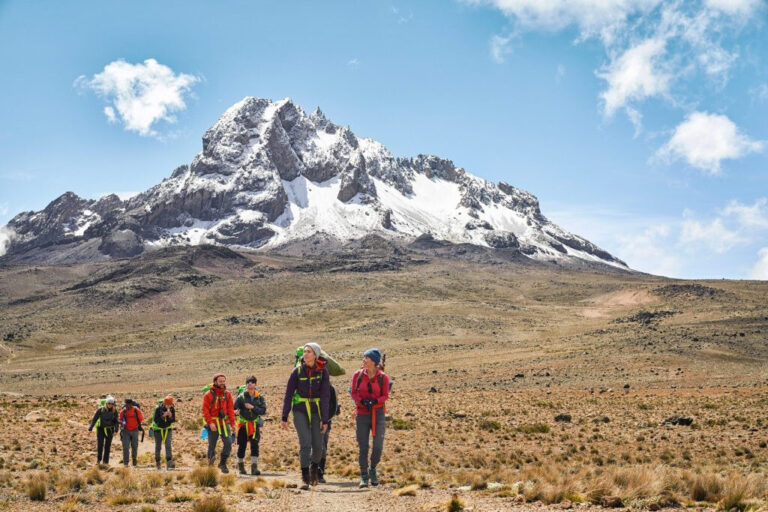
How Comfortable Are Kilimanjaro Mountain Tents? A Guide 2026-2027
Understand the comfort levels of tents used on Kilimanjaro climbs. This guide details tent types, essential features, and factors influencing your sleeping experience, crucial for planning...
View package details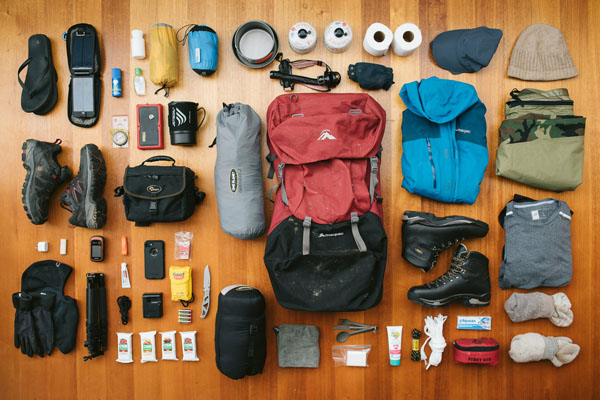
How Do You Sleep On Mount Kilimanjaro? 2026-2027
How Do You Sleep on Mount Kilimanjaro? is explained with current 2026-2027 planning, price, itinerary and booking information.
View package details
Kilimanjaro Mountain Meal Plan By Day: Fueling Your Summit Success 2026-2027
Understand the essential Kilimanjaro Mountain meal plan by day, covering daily menus, nutritional needs, and preparation tips for your trek. Top Guide Adventures provides insights into...
View package details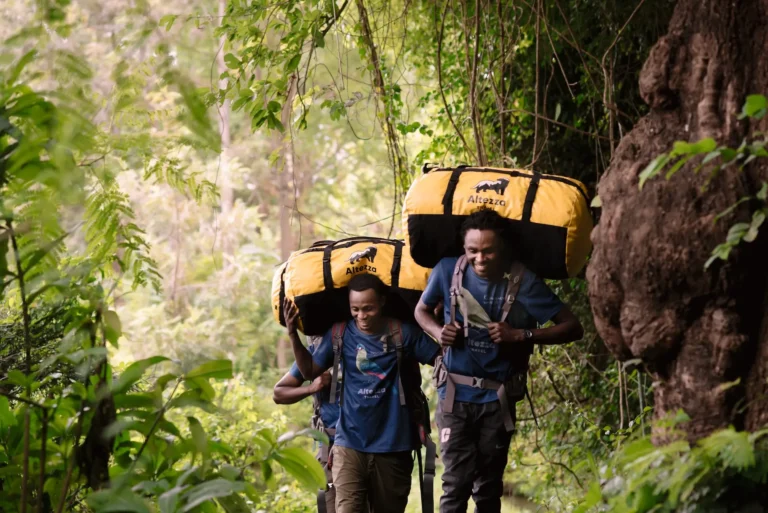
Kilimanjaro Climb With Vegan Mountain Meals: Your Expert Guide For 2026-2027
Embarking on a Kilimanjaro climb is a monumental achievement, and ensuring you have the right nutrition, especially with specific dietary needs like veganism, is crucial for success. Top...
View package details
Kilimanjaro Emergency Contact And Family Communication Plan For Trekkers
Planning a Kilimanjaro climb is an incredible adventure. A crucial, yet often overlooked, aspect of preparation is establishing a robust emergency contact and family communication plan...
View package detailsHow Are Kilimanjaro Emergencies Communicated? Essential Safety Protocols
Understanding how Kilimanjaro emergencies are communicated is vital for any trekker. This guide details the communication systems, rescue procedures, and essential safety measures Top Guide...
View package details
What Happens During A Kilimanjaro Medical Evacuation? 2026-2027
What Happens during a Kilimanjaro Medical Evacuation? is explained with current 2026-2027 planning, price, itinerary and booking information.
View package details
How Are Injured Climbers Evacuated From Kilimanjaro? A Comprehensive Guide
A detailed explanation of the evacuation process for injured climbers on Mount Kilimanjaro, covering procedures, equipment, and the role of guides and rescue teams.
View package details
Can You Leave Kilimanjaro Early? 2026-2027
Can You Leave Kilimanjaro Early? is explained with current 2026-2027 planning, price, itinerary and booking information.
View package detailsNo related package matches those filters. Clear one or more filters to see the other topic-matched options.



