
Kilimanjaro’s glaciers are shrinking predominantly because of human-induced climate change, which is causing rising global temperatures, altering rainfall patterns, and increasing sublimation (ice turning directly into vapor). These shifts lead to less snow accumulation on the summit, more melting, and a general loss of ice mass, threatening the mountain’s iconic ice fields for future visitors planning expeditions in 2026 and 2027.


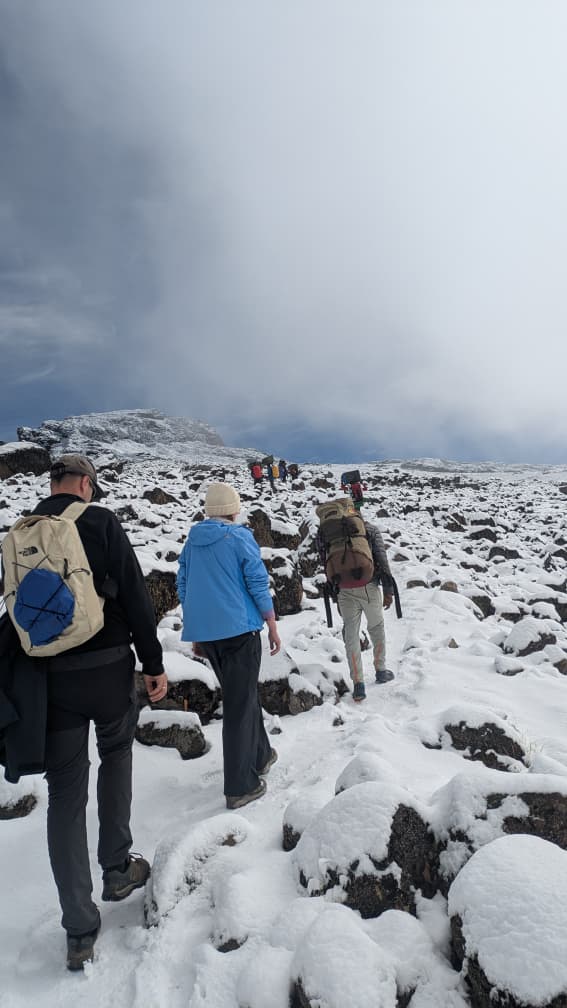
Understanding the Vanishing Ice on Kilimanjaro
Mount Kilimanjaro, Africa’s highest peak, is a majestic dormant volcano that has long been famed for its dramatic, snow-capped summit. However, this iconic image is rapidly changing. The glaciers and ice fields that crown Kilimanjaro have been in dramatic retreat for decades, a visible and concerning manifestation of global environmental shifts. For prospective trekkers and the global scientific community alike, understanding why Kilimanjaro’s glaciers are shrinking is crucial, not just for appreciating the mountain’s current state but also for planning future expeditions and understanding the broader implications of climate change. As we look towards 2026 and 2027, the state of these glaciers is a significant factor for anyone considering a climb.
For years, scientists have been closely monitoring the dramatic reduction in Kilimanjaro’s ice cover. Satellite imagery and on-the-ground observations paint a clear picture: what once were vast expanses of ice have become fragmented patches, and in some areas, have disappeared entirely. This isn’t a sudden event; it’s a trend that has been accelerating, prompting urgent research and global attention. The reasons are complex, interconnected, and rooted in the planet’s changing climate. Top Guide Adventures, deeply committed to the Kilimanjaro experience and the preservation of its environment, recognizes the importance of this issue for all our clients planning their climbs for 2026, 2027, and beyond.
This article aims to provide a comprehensive overview of the factors contributing to the shrinking glaciers of Kilimanjaro. We will explore the scientific mechanisms at play, the observed changes over time, the impact on the mountain’s ecosystem and local communities, and what this means for the future of trekking on Kilimanjaro. Understanding these elements will help you appreciate the unique environment you’ll encounter on your climb and the importance of sustainable tourism practices.
The Primary Driver: Global Climate Change
The most significant factor driving the shrinking of Kilimanjaro’s glaciers is undoubtedly global climate change, largely fueled by human activities. While local weather patterns play a role, the overarching trend of rising global temperatures is the primary culprit. This phenomenon is not unique to Kilimanjaro; ice caps and glaciers around the world, from the Himalayas to the Andes, are experiencing similar rapid melting.
### Rising Global Temperatures
Scientific consensus points to an increase in average global temperatures over the past century. This warming trend is directly impacting high-altitude environments like Kilimanjaro. Even a slight increase in average temperature can have a profound effect on glaciers, which are sensitive indicators of climatic shifts. For Kilimanjaro, higher temperatures mean that:
* Increased Melting: Warmer air temperatures accelerate the rate at which ice and snow melt. Even during cooler periods or at night, temperatures may remain high enough to prevent refreezing or to continue the melting process.
* Sublimation: This is a critical process on Kilimanjaro. Sublimation is the direct transition of ice into water vapor, bypassing the liquid state. Higher temperatures and drier atmospheric conditions, often associated with climate change, significantly increase the rate of sublimation. This means ice can disappear even without melting, effectively being carried away by the dry mountain air.
* Reduced Snowfall Accumulation: While Kilimanjaro still receives snowfall, the warmer climate means that precipitation is more likely to fall as rain at lower elevations, and even at higher altitudes, snow that does fall may melt more quickly before it can accumulate into thick glacial ice.
### Altered Atmospheric Circulation and Weather Patterns
Climate change doesn’t just mean uniform warming; it also disrupts established atmospheric circulation patterns and influences weather systems. For Kilimanjaro, this can translate to:
* Changes in Precipitation: While the total amount of precipitation might not drastically change everywhere, its form and timing can. Warmer air holds more moisture, but this doesn’t necessarily mean more snow. Instead, it can lead to more intense, but less frequent, rainfall events, and a greater proportion of precipitation falling as rain rather than snow, especially at lower to mid-altitudes.
* Increased Frequency of Extreme Weather Events: Climate change is linked to more erratic weather. While this might manifest as unusual storms or heatwaves in many regions, on Kilimanjaro, it can contribute to periods of intense solar radiation or unusually warm spells that accelerate ice loss.
### The Role of Greenhouse Gases
The primary driver of these global temperature increases is the accumulation of greenhouse gases (like carbon dioxide and methane) in the Earth’s atmosphere, released primarily through the burning of fossil fuels, deforestation, and industrial processes. These gases trap heat, leading to a warming planet. Kilimanjaro, being at a high altitude and near the equator, is particularly vulnerable to these changes. The summit environment is sensitive, and even subtle shifts in atmospheric conditions can have magnified effects on its ice.
## Specific Mechanisms Affecting Kilimanjaro’s Glaciers
While global climate change is the umbrella cause, several specific mechanisms directly impact Kilimanjaro’s ice.
### Sublimation: The Silent Ice Thief
As mentioned, sublimation is a key process on Kilimanjaro. The summit region is characterized by intense solar radiation, low humidity, and strong winds. These conditions are ideal for sublimation. As global temperatures rise, the air becomes warmer and can hold more moisture, but paradoxically, the air on Kilimanjaro often becomes drier due to altered atmospheric conditions. This combination means that:
* Direct Vaporization: Ice crystals on the surface of the glaciers are heated directly by the sun and the warm air, and then evaporate directly into the atmosphere as water vapor. This happens without the ice ever melting into liquid water.
* Accelerated Loss: In dry, sunny, and windy conditions, sublimation can lead to a significant loss of ice mass, often exceeding the rate of melt. Climate change exacerbates these conditions by increasing both temperature and, in some cases, wind speed, while also potentially reducing cloud cover that might offer some protection.
### Reduced Snowfall and Ice Accumulation
Glaciers form and grow over long periods from the accumulation and compaction of snow. For Kilimanjaro’s glaciers to be sustained, there needs to be sufficient snowfall during the wet seasons, followed by cold temperatures that allow it to consolidate into ice. However, climate change is altering this delicate balance:
* Shift from Snow to Rain: Warmer temperatures mean that precipitation at higher altitudes, which historically would have been snow, is increasingly falling as rain. Rain does not contribute to glacial ice formation and can even accelerate melting of existing snowpack.
* Shorter Cold Periods: The duration and intensity of cold periods, essential for snow accumulation and ice formation, may be reduced. This means that snow that falls may melt before it can become part of the glacier.
### Glacial Retreat and Thinning
The combined effects of increased melting and sublimation, coupled with insufficient replenishment from snowfall, lead directly to glacial retreat and thinning. The glaciers on Kilimanjaro are not just shrinking in area; they are also becoming thinner.
* Area Reduction: The overall surface area covered by ice is diminishing year by year.
* Volume Loss: The thickness of the ice is decreasing, meaning less ice mass overall.
This process has been documented extensively. For instance, studies have shown that Kilimanjaro lost over 80% of its ice cover between 1912 and 2000. While the rate of loss has varied, the trend remains undeniably downward. This is a critical piece of information for anyone planning a Kilimanjaro climb in 2026 or 2027; the iconic ice fields will look very different from historical photographs.
## Historical Changes and Scientific Observations
To truly grasp the severity of Kilimanjaro’s shrinking glaciers, it’s helpful to look at the historical context and the scientific observations that have tracked this decline.
### Early Observations (Early 20th Century)
When Kilimanjaro was first extensively studied and climbed in the late 19th and early 20th centuries, its summit was covered by substantial ice caps and glaciers. These ice masses were significant features, indicative of the high-altitude, cold environment. Early explorers and scientists noted the presence of extensive glaciers, which were crucial for maintaining the mountain’s water supply.
### Documented Retreat (Mid to Late 20th Century)
By the mid-20th century, scientists began to formally document the retreat of these glaciers. Research, often involving aerial photography and glaciological studies, revealed that the ice masses were shrinking at an increasing rate. The period from the 1950s onwards saw a marked acceleration in this trend.
### Key Scientific Findings:
* 1912-2000: Estimates suggest Kilimanjaro lost approximately 82% of its glacial ice over this period. The Northern Ice Field, for example, has seen a dramatic reduction.
* 1980s-2000s: This period was particularly critical, with significant loss of ice. Many scientists attribute this to a combination of rising temperatures and altered precipitation patterns.
* Recent Decades (2000s-Present): While the rate of loss may have fluctuated, the overall trend of shrinking glaciers continues. Some smaller ice patches have disappeared entirely. The famed Furtwängler Glacier, for instance, has been reduced to a fraction of its former size.
### The Role of Ice Core Studies
Scientists have also extracted ice cores from Kilimanjaro’s glaciers. These cores act like time capsules, preserving layers of ice that contain valuable information about past climate conditions, atmospheric composition, and environmental changes. Ice core studies have provided evidence of significant shifts in temperature and precipitation patterns over centuries, reinforcing the findings from direct observation of glacial retreat.
### Future Projections
Based on current climate models and observed trends, many scientists predict that Kilimanjaro could lose most, if not all, of its remaining glaciers within the next few decades. This makes any trek in 2026 or 2027 a chance to witness a landscape that is rapidly transforming, a poignant reminder of our planet’s changing climate.
## Impact of Shrinking Glaciers
The disappearance of Kilimanjaro’s glaciers has far-reaching consequences, affecting the mountain’s ecosystem, local communities, and the very experience of climbing the mountain.
### Ecological Impacts
Glaciers are not just static ice formations; they are dynamic environments that influence local ecosystems:
* Water Supply: The meltwater from Kilimanjaro’s glaciers is a vital source of water for rivers and streams that flow down the mountain. This water supports unique alpine vegetation and provides drinking water for wildlife and surrounding communities. As glaciers shrink, this reliable water source diminishes, potentially leading to drier conditions and impacting plant and animal life that depend on it.
* Biodiversity: The specific microclimates created by glaciers and their meltwater contribute to Kilimanjaro’s distinct ecological zones. Loss of ice can alter these zones, potentially affecting the distribution and survival of endemic species adapted to cold, moist conditions.
* Soil Stability: In some high-altitude areas, ice can play a role in stabilizing slopes. Its absence might increase the risk of erosion or rockfalls in certain vulnerable areas.
### Impact on Local Communities
For the communities living on the slopes of Kilimanjaro, the glaciers represent more than just a natural wonder:
* Water Scarcity: As glacial meltwater decreases, communities that rely on these sources for agriculture, livestock, and domestic use may face increased water scarcity, particularly during dry seasons. This can lead to economic hardship and social challenges.
* Tourism Dependency: Kilimanjaro is a major tourist attraction, and its iconic snow-capped peak is a significant draw. The visual impact of shrinking glaciers can affect the perceived grandeur of the mountain, potentially influencing tourism numbers in the long term. While the challenge of climbing remains, the aesthetic appeal is changing.
### Impact on the Climbing Experience
For trekkers planning their Kilimanjaro climb in 2026 or 2027, the shrinking glaciers have several implications:
* Changing Scenery: The summit region will look different. While the challenge and beauty of the mountain remain, the dramatic white expanse of ice may be less prominent than in historical images.
* Increased Exposure: As ice recedes, exposed rock and scree may become more prevalent on certain routes, potentially altering the trekking surface in some sections. The summit plateau itself may feel more exposed.
* Awareness and Responsibility: The visible evidence of climate change on Kilimanjaro serves as a powerful reminder to trekkers of the environmental issues facing our planet. It encourages a more mindful and responsible approach to travel.
## Factors Other Than Global Warming?
While global climate change is the overwhelming driver, it’s worth considering if any other localized factors might contribute to the changes observed on Kilimanjaro. However, scientific consensus strongly attributes the primary cause to broader climatic shifts.
### Local Weather Patterns
Kilimanjaro experiences its own distinct weather patterns, influenced by its size, altitude, and proximity to the Indian Ocean. These patterns include:
* Seasonal Rains: The mountain has distinct wet seasons (March-May and November-December) and dry seasons. The amount and timing of these rains are crucial for snow accumulation and melt.
* Wind Patterns: Strong winds at high altitudes can contribute to sublimation and affect snow distribution.
* Cloud Cover: Cloud cover can influence the amount of solar radiation reaching the ice, thereby affecting melting and sublimation rates.
While local weather variations can cause year-to-year fluctuations in glacial behavior, they do not explain the consistent, long-term downward trend observed over decades. The underlying driver of these changing local patterns is the global climate system.
### Changes in Surface Albedo
Albedo refers to the reflectivity of a surface. Ice and snow have high albedo, reflecting a significant amount of solar radiation back into space. As glaciers shrink and ice is replaced by darker rock or debris, the surface becomes less reflective. This leads to increased absorption of solar radiation, which in turn accelerates melting and further ice loss. This is a positive feedback loop that exacerbates the problem, driven by the initial warming.
### Human Impact on the Mountain Itself?
Concerns are sometimes raised about direct human impact on the mountain’s ice. However, the scale of glacial retreat is so vast that it cannot be attributed to factors like trekking activities or local infrastructure. The ice loss is happening on a scale that is directly proportional to planetary temperature changes.
* Trekking: While responsible trekking practices are essential for minimizing environmental impact on Kilimanjaro, the physical footprint of tourism is not a cause for the dramatic loss of glaciers.
* Infrastructure: Limited infrastructure on the mountain does not contribute to the widespread glacial melting.
The scientific evidence overwhelmingly points to climate change as the primary, indeed the dominant, factor behind the shrinking glaciers of Kilimanjaro. Local weather patterns and feedback mechanisms amplify this effect but do not initiate it.
## What Does This Mean for Your 2026-2027 Kilimanjaro Climb?
For those planning to climb Kilimanjaro in 2026 or 2027, the shrinking glaciers are a significant aspect of the mountain’s current reality. Here’s what you should know:
### The Visual Landscape
Expect the summit region to be characterized by ice remnants rather than vast, continuous ice fields. The iconic “snows of Kilimanjaro” are now more accurately described as “ice remnants.” You will likely see fragmented glaciers and ice patches, particularly on the northern and eastern faces. The Furtwängler Glacier, once a significant feature, is now very small and may be entirely gone by your climb. However, the mountain’s majesty and the challenge of reaching the summit remain undiminished.
### Route Considerations
While the shrinking glaciers don’t fundamentally alter the main climbing routes (like Machame, Lemosho, Marangu, or Rongai), they do change the immediate summit environment. The area around Stella Point and Uhuru Peak, which were historically surrounded by ice, may now be more exposed rock and scree.
* Summit Day: The final ascent, particularly on routes like the Western Breach or the approach to Stella Point, might involve navigating more exposed terrain. However, routes like Machame and Lemosho are well-established and maintain their integrity.
* Safety: Safety on Kilimanjaro is paramount. Experienced guides from companies like Top Guide Adventures are fully equipped to handle changing conditions. The primary safety concerns remain altitude sickness, weather, and physical exertion, not the direct impact of ice loss on the routes themselves.
### Planning Your Expedition (2026-2027)
When planning your climb with us for 2026 or 2027, consider the following:
* Timing: The best times to climb Kilimanjaro are typically during the dry seasons (January-March and June-October). These periods offer the clearest skies and most stable weather, which are always beneficial for acclimatization and summit success. While the glaciers are shrinking year-round, these seasons offer the best overall climbing conditions.
* Choosing a Route: All routes offer a unique experience. The longer routes (Lemosho, Machame, Northern Circuit) generally offer better acclimatization profiles, increasing your chances of success. The presence or absence of extensive glaciers does not dictate the choice of route for most climbers.
* Gear: Ensure you have appropriate gear for cold, windy conditions at altitude. While you might not be trekking across vast ice fields, the summit is still extremely cold, and the wind can be biting. Good quality layers, waterproofs, and warm accessories are essential.
* Choosing a Guide Company: Select a reputable and experienced tour operator. Top Guide Adventures prioritizes safety, environmental responsibility, and providing experienced guides who understand Kilimanjaro’s changing environment. We are committed to making your 2026 or 2027 climb a safe and memorable adventure.
### Environmental Awareness
Climbing Kilimanjaro in the current era offers a profound opportunity to witness the tangible effects of climate change. It’s an experience that can foster a deeper appreciation for conservation and inspire action. We encourage all our trekkers to be mindful of their environmental impact on the mountain, adhering to Leave No Trace principles.
## The Future of Kilimanjaro’s Glaciers
The outlook for Kilimanjaro’s glaciers is stark, but understanding the science provides context for the changes we are witnessing.
### Projections for the Near Future
Scientific projections suggest that the remaining glaciers on Kilimanjaro are unlikely to survive long-term under current climate change scenarios. Some estimates suggest that significant ice loss could occur within the next 10-20 years. This means that by 2026 and 2027, the ice cover will likely be even more diminished than it is today.
* Complete Disappearance? While predicting the exact timeline is challenging, the trend indicates that complete disappearance of the glaciers is a real possibility within this century.
* Ecological Shifts: The long-term ecological balance of the mountain will continue to adapt to these changes, favoring species more tolerant of warmer and drier conditions.
### Global Efforts and Local Actions
Addressing the shrinking glaciers requires global action to reduce greenhouse gas emissions. While local conservation efforts on Kilimanjaro are vital for protecting its unique biodiversity and ecosystems, they cannot reverse the fundamental drivers of glacial melt driven by global warming.
* Climate Policy: International agreements and national policies aimed at reducing carbon footprints are essential.
* Sustainable Tourism: As tour operators, we play a role in promoting responsible tourism practices that minimize local environmental impact and raise awareness among travelers. Top Guide Adventures is dedicated to this principle.
### Preserving the Kilimanjaro Experience
While the ice may be vanishing, the spirit of Kilimanjaro endures. The challenge, the cultural significance, the stunning landscapes, and the sense of accomplishment remain. Trekkers in 2026 and 2027 will still experience an incredible journey.
* The Mountain’s Majesty: Kilimanjaro is more than its glaciers. Its diverse ecosystems, unique flora and fauna, and the sheer physical challenge of reaching its summit continue to draw adventurers from around the world.
* A Changing Icon: The shrinking glaciers serve as a powerful symbol of our changing planet. Witnessing this change firsthand can be a profound and impactful part of the Kilimanjaro experience.
## Frequently Asked Questions (FAQs)
### Will the glaciers on Kilimanjaro be completely gone by 2026 or 2027?
It is highly unlikely that the glaciers will be completely gone by 2026 or 2027, but they will be significantly reduced. Some smaller ice patches may disappear, and the large ice fields will be fragmented. Scientists predict significant further loss, but complete disappearance is generally projected for later in the century, though this is subject to ongoing climate trends.
### Is it still worth climbing Kilimanjaro if the glaciers are melting?
Absolutely. Kilimanjaro offers an unparalleled trekking experience regardless of the state of its glaciers. The challenge, the diverse ecosystems, the cultural immersion, and the sense of achievement are timeless. The shrinking glaciers simply add a poignant layer of environmental awareness to the journey.
### How does climate change affect the routes on Kilimanjaro?
Climate change primarily affects the summit environment. While the established routes remain safe and navigable, areas around the summit might become more exposed rock and scree rather than ice. Experienced guides ensure safety on all routes, adapting to conditions as needed.
### What can I do to help protect Kilimanjaro’s environment?
Choose responsible tour operators like Top Guide Adventures who practice sustainable tourism. Follow Leave No Trace principles during your trek, minimize waste, respect local culture and environment, and consider supporting local conservation initiatives.
### How has the shrinking of Kilimanjaro’s glaciers impacted local water resources?
The shrinking glaciers mean a reduced and less reliable source of meltwater, especially during dry seasons. This can lead to water scarcity for local communities and ecosystems, impacting agriculture and daily life.
### Are there any specific conservation efforts for Kilimanjaro’s glaciers?
While direct conservation of glaciers is extremely difficult due to their scale and the global nature of the cause, conservation efforts on Kilimanjaro focus on protecting the mountain’s unique ecosystems, managing waste, preventing deforestation on its slopes, and promoting sustainable tourism. These actions help mitigate local impacts and raise awareness about broader environmental issues.
Your Kilimanjaro Adventure with Top Guide Adventures
Planning a trek to the roof of Africa is a significant undertaking, and understanding the environment you’ll be exploring is part of the adventure. The shrinking glaciers of Kilimanjaro are a visible sign of our planet’s changing climate, making any expedition in 2026 or 2027 a chance to witness these changes firsthand. At Top Guide Adventures, we are dedicated to providing you with a safe, memorable, and responsible climbing experience. Our experienced guides are knowledgeable about the mountain and its environment, ensuring you have the best possible chance of reaching the summit while respecting the fragile ecosystem.
We offer a range of routes tailored to different preferences and fitness levels, all designed to maximize your acclimatization and enjoyment. Whether you are planning for 2026 or 2027, we are here to help you prepare. For inquiries about our Kilimanjaro climbs, safaris, and other Tanzanian adventures, please feel free to reach out:
WhatsApp: +255616946642
Email: topguideadventures@gmail.com
Backup Email: info@topguideadventures.com
Let us help you plan your unforgettable journey to Kilimanjaro.
“,
“faq_schema”: [
{
“question”: “Will the glaciers on Kilimanjaro be completely gone by 2026 or 2027?”,
“answer”: “It is highly unlikely that the glaciers will be completely gone by 2026 or 2027, but they will be significantly reduced. Some smaller ice patches may disappear, and the large ice fields will be fragmented. Scientists predict significant further loss, but complete disappearance is generally projected for later in the century, though this is subject to ongoing climate trends.”
},
{
“question”: “Is it still worth climbing Kilimanjaro if the glaciers are melting?”,
“answer”: “Absolutely. Kilimanjaro offers an unparalleled trekking experience regardless of the state of its glaciers. The challenge, the diverse ecosystems, the cultural immersion, and the sense of achievement are timeless. The shrinking glaciers simply add a poignant layer of environmental awareness to the journey.”
},
{
“question”: “How does climate change affect the routes on Kilimanjaro?”,
“answer”: “Climate change primarily affects the summit environment. While the established routes remain safe and navigable, areas around the summit might become more exposed rock and scree rather than ice. Experienced guides ensure safety on all routes, adapting to conditions as needed.”
},
{
“question”: “What can I do to help protect Kilimanjaro’s environment?”,
“answer”: “Choose responsible tour operators like Top Guide Adventures who practice sustainable tourism. Follow Leave No Trace principles during your trek, minimize waste, respect local culture and environment, and consider supporting local conservation initiatives.”
},
{
“question”: “How has the shrinking of Kilimanjaro’s glaciers impacted local water resources?”,
“answer”: “The shrinking glaciers mean a reduced and less reliable source of meltwater, especially during dry seasons. This can lead to water scarcity for local communities and ecosystems, impacting agriculture and daily life.”
},
{
“question”: “Are there any specific conservation efforts for Kilimanjaro’s glaciers?”,
“answer”: “While direct conservation of glaciers is extremely difficult due to their scale and the global nature of the cause, conservation efforts on Kilimanjaro focus on protecting the mountain’s unique ecosystems, managing waste, preventing deforestation on its slopes, and promoting sustainable tourism. These actions help mitigate local impacts and raise awareness about broader environmental issues.”
}
]
}
“`
Check Availability for Why Are Kilimanjaro’s Glaciers Shrinking? 2026-2027
Ready to compare dates, prices, and the best option for your group? Send the package name and travel month so the team can reply with a clear quote, availability, and what is included.
How To Identify An Unrealistically Cheap Kilimanjaro Package 2026-2027
How to Identify an Unrealistically Cheap Kilimanjaro Package is explained with current 2026-2027 planning, price, itinerary and booking information.
View package details
How To Compare Kilimanjaro Package Inclusions For Your Climb 2026-2027
Choosing the right Kilimanjaro climb package in 2026 or 2027 involves meticulously comparing what's included. This guide breaks down essential inclusions like park fees, guide/porter...
View package details
How To Read A Kilimanjaro Climbing Quote 2026-2027
How to Read a Kilimanjaro Climbing Quote is explained with current 2026-2027 planning, price, itinerary and booking information.
View package details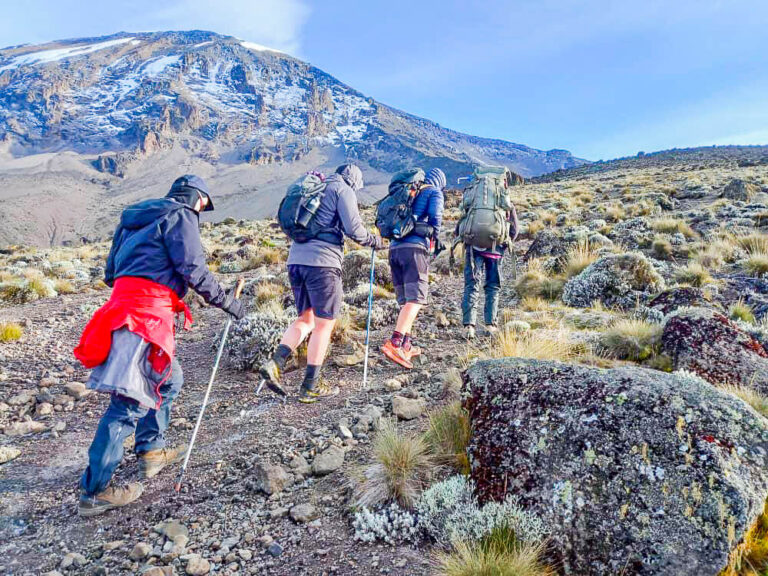
Kilimanjaro Booking Checklist For First-Time Climbers: Your Essential Guide
Planning your first Kilimanjaro climb in 2026 or 2027? This detailed checklist covers everything from choosing a route and operator to packing and acclimatization, ensuring a well-prepared...
View package details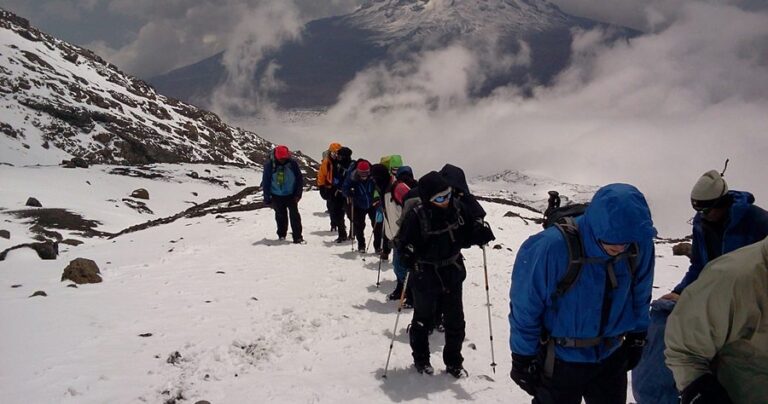
Questions Your Kilimanjaro Operator Should Answer For A Successful Climb
Choosing the right Kilimanjaro operator is crucial for a safe and memorable climb. This comprehensive guide details the essential questions you must ask your potential tour operator...
View package details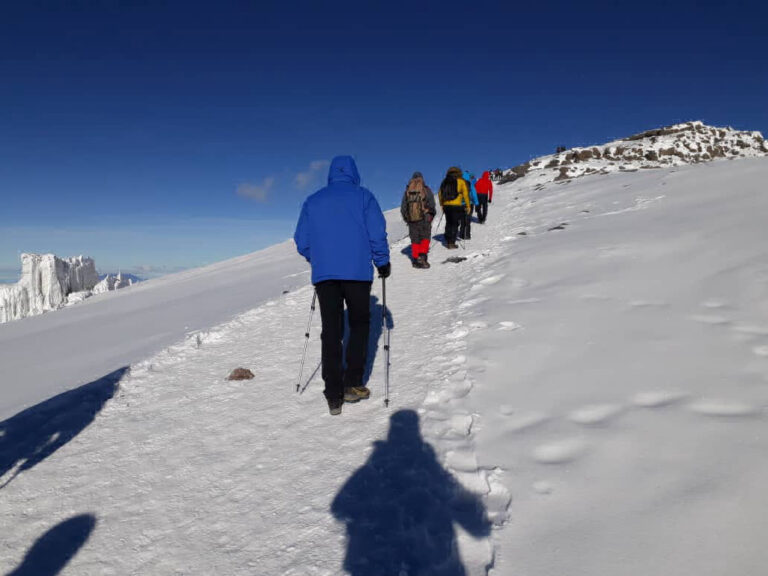
What Kilimanjaro Packages Often Leave Out 2026-2027
What Kilimanjaro Packages Often Leave Out is explained with current 2026-2027 planning, price, itinerary and booking information.
View package details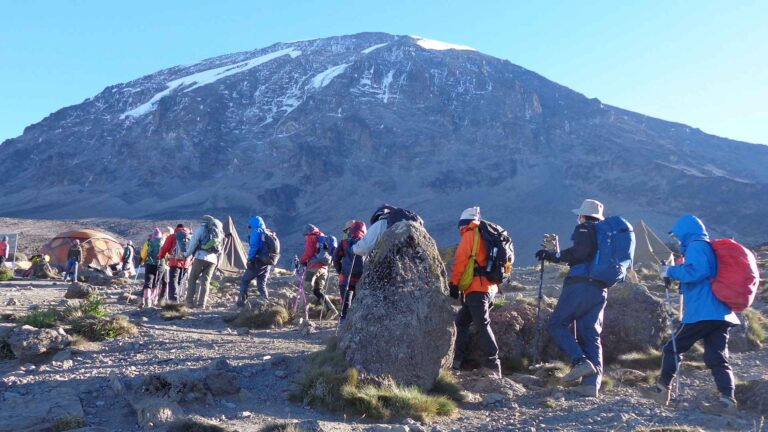
Is Kilimanjaro Really Worth The Cost? 2026-2027
Is Kilimanjaro Really Worth the Cost? is explained with current 2026-2027 planning, price, itinerary and booking information.
View package details
The Truth About Climbing Mount Kilimanjaro 2026-2027
The Truth about Climbing Mount Kilimanjaro is explained with current 2026-2027 planning, price, itinerary and booking information.
View package details
What Nobody Tells You About Climbing Kilimanjaro 2026-2027
What Nobody Tells You about Climbing Kilimanjaro is explained with current 2026-2027 planning, price, itinerary and booking information.
View package details30 Things To Know Before Booking Kilimanjaro: Your Expert Guide For Climbs
Your ultimate checklist for booking a Kilimanjaro climb in 2026-2027. This guide covers everything from choosing the right route and understanding costs to essential gear and preparation...
View package details
Reasons Climbers Regret Choosing A Short Kilimanjaro Route | Top Guide
Many Kilimanjaro climbers opt for shorter routes to save time or money, only to later regret their decision. This article details the common pitfalls of short routes, focusing on...
View package details
Kilimanjaro Low-Budget Booking Red Flags: Avoid Scams In 2026-2027
Climbing Kilimanjaro on a budget is possible, but requires vigilance. This guide highlights critical red flags to watch out for when booking a low-cost trek, ensuring your 2026-2027...
View package detailsNo related package matches those filters. Clear one or more filters to see the other topic-matched options.



