
An eco-friendly Kilimanjaro group expedition combines the adventure of climbing Africa’s highest peak with a commitment to minimizing environmental impact and supporting local communities. Top Guide Adventures organizes these expeditions, focusing on responsible waste management, ethical treatment of guides and porters, and utilizing sustainable practices throughout your 2026-2027 journey, ensuring a positive experience for both climbers and the mountain.
Choosing a Sustainable Kilimanjaro Group Expedition for 2026-2027
Climbing Mount Kilimanjaro is a life-changing experience, and for many adventurers in 2026 and 2027, the desire to undertake this challenge extends beyond personal achievement to include a respect for the natural environment and the people who call the mountain home. An eco-friendly Kilimanjaro group expedition is designed precisely for this purpose. It’s about more than just reaching Uhuru Peak; it’s about how you get there and the positive footprint you leave behind. Top Guide Adventures is dedicated to offering climbs that align with these values, ensuring that your ascent contributes positively to the preservation of Kilimanjaro and the well-being of its surrounding communities.
When you opt for an eco-friendly group climb, you’re joining a collective effort. This means adhering to strict guidelines regarding waste disposal, water usage, and respecting the delicate alpine ecosystems. It also involves supporting tour operators who prioritize fair wages and ethical treatment for their guides and porters, who are the backbone of any successful Kilimanjaro expedition. As we look towards 2026 and 2027, the importance of sustainable travel practices on iconic natural wonders like Kilimanjaro continues to grow, making informed choices about your expedition provider more critical than ever.
What Defines an Eco-Friendly Kilimanjaro Expedition?
An expedition is considered eco-friendly when it actively works to reduce its environmental impact and promote social responsibility. For Kilimanjaro, this translates into several key areas:
- Waste Management: Strict policies on carrying out all trash, including organic waste, from the mountain. This prevents pollution and protects wildlife.
- Porter Welfare: Ensuring guides and porters receive fair wages, adequate food, proper clothing, and shelter. This is a cornerstone of ethical trekking.
- Resource Conservation: Minimizing water usage and encouraging responsible practices among climbers.
- Low-Impact Camping: Utilizing designated campsites and following guidelines to prevent soil erosion and habitat damage.
- Local Community Support: Sourcing supplies locally, employing local guides and staff, and contributing to community development projects.
- Education and Awareness: Informing climbers about Leave No Trace principles and the importance of conservation efforts on Kilimanjaro.
Top Guide Adventures implements these principles across all its Kilimanjaro group expeditions, striving to be a leader in sustainable mountain tourism in Tanzania. We believe that responsible tourism not only protects the mountain but also enhances the experience for our clients by connecting them more deeply with the environment and culture.
Planning Your Eco-Friendly Kilimanjaro Group Climb in 2026-2027
The journey to Kilimanjaro is as important as the summit itself. Careful planning is essential for a successful and environmentally conscious climb. For those targeting 2026 or 2027, here’s how to approach your eco-friendly group expedition.
Selecting the Right Route for Sustainability
While all routes ascend Kilimanjaro, some are inherently more sustainable due to their design and management. The routes with fewer trekkers and better-regulated campsites often have a lower environmental impact. For eco-conscious trekkers, routes like the Lemosho and Shira routes are often recommended due to their longer duration, which allows for better acclimatization and a more gradual ascent, reducing the risk of altitude sickness and thus the need for emergency evacuations. The Northern Circuit is another excellent choice, being the longest route, it spreads the impact over more days and offers incredible acclimatization, significantly increasing summit success rates while minimizing environmental disturbance.
The Marangu and Mweka routes, while popular, can experience higher traffic, which can sometimes strain resources and increase waste. However, even on these routes, an eco-friendly operator like Top Guide Adventures will enforce strict waste management and responsible trekking practices. When booking your 2026-2027 expedition, discuss route options with your operator and inquire about their specific strategies for minimizing impact on each trail.
Choosing a Responsible Tour Operator
The choice of tour operator is paramount for an eco-friendly Kilimanjaro group expedition. Look for companies that:
- Are registered with the Tanzanian government and relevant tourism bodies.
- Publicly state their commitment to sustainability and porter welfare.
- Provide detailed information about their waste management policies.
- Offer fair wages and working conditions for their staff.
- Have transparent pricing structures.
- Are members of reputable tourism associations.
Top Guide Adventures prides itself on its commitment to responsible tourism. We are a Tanzanian-owned company with deep roots in the local community, ensuring that our operations directly benefit the people and the environment. We adhere to stringent porter welfare standards, often exceeding government requirements, and implement comprehensive waste management protocols on every climb. Our team of experienced local guides is trained in eco-friendly trekking practices and is passionate about sharing their knowledge and love for Kilimanjaro with our clients. For your 2026-2027 climb, choosing us means choosing a partner dedicated to a sustainable and ethical adventure.
Best Times to Climb for Minimal Environmental Impact
While Kilimanjaro can be climbed year-round, certain periods are generally considered better for trekking and can also align with efforts to minimize impact. The dry seasons, typically January to March and June to October, offer the clearest skies and most stable weather, leading to fewer logistical challenges and a smoother expedition. These periods often see higher numbers of trekkers, so responsible practices are even more crucial. Choosing a reputable operator like Top Guide Adventures helps manage group sizes and ensure adherence to eco-friendly guidelines even during peak seasons for 2026-2027.
The shoulder seasons, such as April-May (long rains) and November-December (short rains), experience more unpredictable weather. While less crowded, these times can present increased risks and challenges. If you choose to climb during these periods, ensure your operator has robust safety protocols and contingency plans. The reduced number of climbers during the rainy seasons can, in itself, lessen the immediate human impact on the trails.
Group Size and Dynamics
The size of the group can significantly influence the environmental footprint. Smaller groups generally have a lower impact. Top Guide Adventures typically organizes group expeditions with a manageable number of climbers, usually between 8 and 16 people. This size is optimal for fostering a supportive group dynamic while minimizing pressure on campsites and trails. Larger groups might require more resources and can be more challenging to manage from an environmental perspective. When booking your 2026-2027 expedition, inquire about the expected group size and how the operator manages group movements on the mountain.
Key Eco-Friendly Practices on the Mountain
Once on Kilimanjaro, adherence to specific eco-friendly practices is vital. These are the rules and behaviors that protect the mountain’s fragile ecosystem.
Leave No Trace Principles
The core of eco-friendly trekking is the ‘Leave No Trace’ (LNT) philosophy. For Kilimanjaro, this means:
- Pack it in, Pack it out: All trash, including food scraps, wrappers, and toiletries, must be carried down to the base camp or designated disposal areas. Guides and porters are trained to manage this, but climbers play a crucial role in minimizing waste generated.
- Stay on the Trail: Wandering off marked paths can damage vegetation, cause soil erosion, and disturb wildlife habitats.
- Respect Wildlife: Do not feed or approach wild animals. Observe them from a distance.
- Minimize Campfire Impacts: Campfires are generally prohibited on Kilimanjaro. Use designated cooking areas and fuel stoves responsibly.
- Dispose of Waste Properly: Human waste should be deposited in designated toilets or latrine trenches dug by porters, ensuring they are properly filled in afterwards.
- Leave What You Find: Do not take rocks, plants, or any natural items from the mountain.
- Be Considerate of Other Visitors: Keep noise levels down and respect the experience of other trekkers.
Top Guide Adventures rigorously trains its staff and educates its clients on these LNT principles. We believe that by working together, we can preserve Kilimanjaro’s beauty for future generations of climbers in 2026, 2027, and beyond.
Water Conservation
Water is a precious resource on Kilimanjaro, especially at higher altitudes. Eco-friendly expeditions emphasize:
- Using water wisely: Avoid unnecessary use of water for washing or drinking.
- Boiling and treating water: Rely on purified or boiled water provided by the crew to minimize plastic bottle waste.
- Avoiding water contamination: Do not wash dishes or dispose of greywater near water sources.
Our crews are trained to manage water resources efficiently, providing safe drinking water and ensuring responsible disposal of greywater. We encourage clients to bring reusable water bottles and purification tablets as a backup.
Toilet Facilities and Waste Disposal
Proper management of human waste is a significant environmental challenge on Kilimanjaro. Eco-friendly operators utilize:
- Portable toilets: For lower camps, portable toilets are often used, with waste being carried down.
- Designated latrines: At higher camps, crews dig latrines in designated areas, ensuring they are filled and the area is restored upon departure.
- Biodegradable soaps: Encouraging the use of biodegradable soaps and minimizing their use near water sources.
Top Guide Adventures ensures that all waste, including human waste, is managed according to strict environmental guidelines, working closely with Kilimanjaro National Park authorities.
Porter Welfare: A Pillar of Eco-Friendly Trekking
The concept of eco-friendly trekking on Kilimanjaro is incomplete without a strong focus on porter welfare. These individuals are essential to the success of every climb, carrying the majority of the equipment, food, and supplies. Ethical treatment is not just a moral imperative; it’s a crucial aspect of sustainable tourism.
What Constitutes Fair Porter Treatment?
Responsible operators ensure their porters receive:
- Fair Wages: Wages that meet or exceed industry standards and are paid promptly.
- Adequate Food and Water: Porters should receive the same quality and quantity of food as the clients, along with sufficient drinking water.
- Appropriate Gear: Warm clothing, waterproof outer layers, sturdy boots, hats, gloves, and sleeping bags suitable for mountain conditions.
- Reasonable Load Limits: Adherence to weight limits set by Kilimanjaro National Park (KINAPA), typically 15kg per porter plus their own gear.
- Shelter: Safe and dry sleeping arrangements at campsites.
- Respect and Dignity: Treating porters as valued members of the expedition team, not as mere laborers.
- Accident Insurance: Coverage in case of injury or illness.
Top Guide Adventures is a proud partner of the Kilimanjaro Porters Assistance Project (KPAP), a non-profit organization dedicated to improving the working conditions of porters. We voluntarily adhere to their guidelines, which include load-limiting, fair wages, and ensuring our porters are well-equipped and fed. When you book an eco-friendly Kilimanjaro group expedition with us for 2026-2027, you can be confident that the team supporting your climb is treated with the utmost respect and care.
How to Identify a Porter-Friendly Operator
When researching operators for your 2026-2027 climb, look for:
- KPAP Partnership: Membership or partnership with organizations like KPAP is a strong indicator.
- Transparency: Companies that openly share their porter welfare policies and practices.
- Reviews: Client reviews that mention the positive treatment of guides and porters.
- Crew Ratios: A healthy ratio of porters to clients, ensuring loads are manageable.
We believe that a happy and healthy crew leads to a safer and more enjoyable climb for everyone. Our commitment to our porters is unwavering, forming a core part of our eco-friendly approach.
Choosing Your Kilimanjaro Group Expedition Route with Top Guide Adventures
Top Guide Adventures offers a variety of routes, each with its own character and suitability for different trekkers. When planning your eco-friendly group expedition for 2026-2027, understanding these routes is key to selecting the best fit for your experience, fitness, and sustainability goals.
The Lemosho Route: A Premier Eco-Friendly Option
The Lemosho Route is widely regarded as one of the most scenic and ecologically sound routes on Kilimanjaro. It starts on the western side of the mountain, offering stunning views and a gradual ascent that aids acclimatization.
- Duration: Typically 7-8 days. Longer durations allow for better acclimatization and a more relaxed pace, reducing environmental impact per day of climbing.
- Scenery: Passes through pristine forests and offers spectacular views of the Shira Plateau.
- Acclimatization: Excellent, due to its gradual climb and longer itinerary options.
- Eco-Credentials: Less crowded in its initial stages, with well-managed campsites.
Our Lemosho Route group expeditions for 2026-2027 are designed to maximize your chances of summit success while adhering to the highest standards of environmental responsibility and porter welfare. We focus on small to medium group sizes to maintain a low impact.
The Machame Route: Popular and Scenic
The Machame Route, often called the “Whiskey Route,” is the most popular route. While popular, Top Guide Adventures manages its Machame expeditions with a strong emphasis on eco-friendly practices.
- Duration: Typically 6-7 days. The 7-day option provides better acclimatization.
- Scenery: Diverse landscapes, from rainforest to alpine desert, with dramatic views.
- Acclimatization: Good, especially on the 7-day itinerary, utilizing the “climb high, sleep low” principle.
- Eco-Considerations: Due to its popularity, strict adherence to waste management and trail etiquette is crucial, which we enforce diligently.
Join one of our Machame Route group departures for 2026-2027 for a well-supported and responsible climb. You can find specific dates and details here: Machame Route Kilimanjaro Group Departures Dates.
The Northern Circuit: The Longest and Most Sustainable
The Northern Circuit is the longest route on Kilimanjaro, circumnavigating the mountain. Its extended duration makes it one of the most sustainable and successful routes.
- Duration: 9-10 days. This extended time is ideal for acclimatization and enjoying the diverse scenery.
- Scenery: Offers the most comprehensive views of Kilimanjaro’s different faces and the surrounding plains.
- Acclimatization: Excellent, significantly increasing summit success rates.
- Eco-Credentials: Lowest impact due to the longest duration, spreading trekkers over more ground and time.
For the ultimate eco-friendly Kilimanjaro group expedition in 2026-2027, consider our Northern Circuit climbs. It’s a commitment to a slower, more mindful ascent.
Other Routes (Marangu, Rongai)
While Marangu (the “Coca-Cola Route”) is known for its hut accommodation and Rongai for its approach from the north, Top Guide Adventures ensures that eco-friendly principles are applied to all expeditions. We focus on responsible camping practices even on Marangu and manage waste effectively on Rongai, ensuring a sustainable experience regardless of the chosen path.
Preparing for Your Eco-Friendly Kilimanjaro Group Expedition
Preparation is key to a safe, enjoyable, and environmentally conscious climb. For your 2026-2027 expedition, consider these aspects:
Physical Training
Kilimanjaro is a demanding trek. A good level of cardiovascular fitness is essential. Focus on:
- Hiking: Regular hikes, ideally with a backpack, to build stamina and get used to uneven terrain.
- Cardio: Running, cycling, or swimming for at least 30-60 minutes, 3-4 times a week.
- Strength Training: Focus on legs and core strength.
- Acclimatization Practice: While not directly trainable, being in good shape helps your body cope better with altitude.
The better your physical condition, the more you can focus on the experience and the environment, rather than just the physical exertion.
Mental Preparation
The mental challenge of Kilimanjaro is significant, especially during the summit night. Preparation includes:
- Understanding Altitude Sickness: Educate yourself on the symptoms and importance of communication with your guide.
- Positive Mindset: Cultivate resilience and a positive attitude, which are crucial for overcoming challenges.
- Group Dynamics: Be prepared to support fellow climbers and work as a team.
Gear for Sustainability
Choosing the right gear not only ensures comfort and safety but also contributes to your eco-friendly approach:
- Reusable Water Bottles/Bladder: Avoid single-use plastic bottles. Carry at least 3 liters of water capacity.
- Biodegradable Toiletries: Opt for eco-friendly soaps, shampoos, and toothpaste.
- Layering System: Invest in quality, breathable, and durable gear that can be layered. This reduces the need for excessive single-use items.
- Durable Backpack: A well-maintained, durable backpack that can be used for many adventures.
- Proper Footwear: Broken-in hiking boots are essential for comfort and preventing injuries.
Top Guide Adventures provides a comprehensive packing list to all clients, emphasizing durable and sustainable choices. We also offer gear rental services for items like sleeping bags and trekking poles, reducing the need for individuals to purchase items they may only use once.
Packing List Essentials for an Eco-Conscious Climb
Eco-Friendly Packing Checklist
- Clothing: Moisture-wicking base layers, insulating mid-layers (fleece/down), waterproof and windproof outer shell jacket and pants, warm hat, gloves, liner gloves, sun hat, hiking socks (wool/synthetic).
- Footwear: Broken-in waterproof hiking boots, comfortable camp shoes/sandals.
- Sleeping: Warm sleeping bag (rated to -10°C or -20°C), sleeping bag liner.
- Hydration: Reusable water bottles (2-3 liters capacity) or hydration reservoir, water purification tablets/filter (as backup).
- Health & Hygiene: Personal first-aid kit, sunscreen (high SPF), lip balm with SPF, insect repellent, hand sanitizer, biodegradable wet wipes, toothbrush and biodegradable toothpaste, prescription medications.
- Navigation & Safety: Headlamp with extra batteries, sunglasses, trekking poles (highly recommended).
- Documents & Money: Passport, visa (if required), travel insurance details, cash (USD for tips, Tanzanian Shillings for local purchases).
- Miscellaneous: Camera, power bank, small backpack for day use, gaiters.
- Eco-Specific: Small reusable bag for personal trash.
The Cost of an Eco-Friendly Kilimanjaro Group Expedition (2026-2027)
Understanding the cost of an eco-friendly Kilimanjaro group expedition is important for budgeting your 2026-2027 adventure. While eco-friendly practices might sometimes seem to add to the cost, they represent an investment in quality, safety, sustainability, and ethical treatment, which are invaluable.
Factors Influencing Expedition Cost
The price of a Kilimanjaro climb is influenced by several factors:
- Route Length: Longer routes generally cost more due to more days on the mountain (food, staff, park fees).
- Operator’s Standards: Companies with higher standards for safety, equipment, food, and porter welfare typically charge more.
- Inclusions: What is included in the package (e.g., accommodation before/after the climb, transfers, gear rental, park fees, rescue fees).
- Group Size: While group climbs are cheaper than private ones, the operator’s management of group size for sustainability impacts pricing.
- Season: Peak seasons might have slightly higher prices due to demand.
Typical Price Range for Eco-Friendly Group Climbs (2026-2027)
For a reputable, eco-friendly Kilimanjaro group expedition with a company like Top Guide Adventures in 2026-2027, you can expect prices to range from approximately $2,000 to $3,500 USD per person. This price range typically covers:
- Park entrance fees, camping fees, and rescue fees.
- All meals on the mountain.
- Experienced guides, assistant guides, and porters.
- Porters’ wages, food, and equipment.
- Group camping equipment (tents, cooking gear).
- Accommodation in Moshi before and after the climb (often in a comfortable lodge).
- Airport transfers.
- Briefings and debriefings.
What is usually NOT included:
- Flights to Kilimanjaro International Airport (JRO).
- Visa fees.
- Travel insurance (mandatory).
- Personal climbing gear (can be rented).
- Tips for guides, porters, and cooks (a significant portion of the cost for the crew).
- Personal expenses (souvenirs, extra drinks).
- Vaccinations and medications.
Example Pricing Context for 2026-2027
A 7-day Lemosho Route group expedition with Top Guide Adventures, focusing on eco-friendly practices and excellent porter welfare, would likely fall within the $2,300 – $2,800 USD per person range for 2026-2027. This includes comprehensive services ensuring a safe, ethical, and memorable climb.
Note: Prices are estimates and can vary based on the exact route, duration, and specific inclusions. Always request a detailed quote for your desired 2026-2027 expedition.
Understanding the Value of Higher Costs
Paying more for an eco-friendly expedition often means:
- Better Safety Standards: More guides, better equipment, and robust emergency protocols.
- Ethical Treatment of Staff: Fair wages and conditions for porters and guides, which contributes to their well-being and motivation.
- Higher Quality Food and Gear: Ensuring you are well-fed and equipped for the challenging conditions.
- Environmental Responsibility: Investment in waste management systems and adherence to park regulations.
- Higher Success Rates: Often linked to better acclimatization strategies, more guides, and better overall support.
When planning your 2026-2027 climb, prioritize operators who demonstrate a clear commitment to these values. Top Guide Adventures is transparent about its pricing and practices, ensuring you understand where your money goes.
Your Eco-Friendly Kilimanjaro Group Expedition with Top Guide Adventures
Top Guide Adventures is more than just a tour operator; we are custodians of the Kilimanjaro experience, committed to preserving its natural beauty and supporting the local communities that make it accessible. Our eco-friendly Kilimanjaro group expeditions for 2026-2027 are designed for travelers who seek adventure with a conscience.
Why Choose Top Guide Adventures?
- Tanzanian Owned and Operated: Deep local knowledge and a vested interest in sustainable tourism.
- Commitment to Porter Welfare: Partnering with KPAP and exceeding industry standards.
- Strict Environmental Policies: Implementing Leave No Trace principles and robust waste management.
- Experienced and Certified Guides: Our guides are highly trained in mountain rescue, first aid, and environmental conservation.
- Tailored Group Experiences: We manage group sizes to ensure a positive and low-impact trek.
- Proven Success Rates: Our comprehensive approach leads to high summit success rates.
- Personalized Support: From your initial inquiry to your return from the mountain, we provide dedicated support.
Booking Your 2026-2027 Expedition
Ready to plan your eco-friendly Kilimanjaro group expedition? We recommend booking well in advance, especially for popular dates in 2026 and 2027, to secure your spot and allow for thorough preparation.
Contact us today to discuss your dream climb:
- WhatsApp: +255616946642
- Email: topguideadventures@gmail.com
- Backup Email: info@topguideadventures.com
You can also explore our group departure dates and tour options on our website: All Tanzania Safaris & Group Departures Dates.
Join a Community of Conscious Climbers
By choosing an eco-friendly Kilimanjaro group expedition with Top Guide Adventures, you are not just climbing a mountain; you are becoming part of a movement that values conservation, ethical practices, and sustainable tourism. We invite you to join us in making your 2026-2027 Kilimanjaro adventure a triumph for both yourself and the mountain.
Follow us on Instagram for inspiring photos and updates: @top_guide_adventures.
Read reviews from satisfied clients on TripAdvisor: Top Guide Adventures Reviews.
For more about our adventures, visit our main website: Top Guide Adventures.
Check Availability for Eco-Friendly Kilimanjaro Group Expedition: Your Sustainable Climb In…
Ready to compare dates, prices, and the best option for your group? Send the package name and travel month so the team can reply with a clear quote, availability, and what is included.
Kilimanjaro Group-Climb Mistakes: Avoid Common Pitfalls For A Successful
This guide details common Kilimanjaro group-climb mistakes, offering practical advice for trekkers aiming for a successful summit. Learn about preparation, acclimatization, gear, and...
View package details
Kilimanjaro Group Of 6 Vs Of 12 2026-2027
Kilimanjaro Group of 6 vs Group of 12 is explained with current 2026-2027 planning, price, itinerary and booking information.
View package details
Kilimanjaro Senior Small-Group Departure 2026-2027
Kilimanjaro Senior Small-Group Departure is explained with current 2026-2027 planning, price, itinerary and booking information.
View package details
Kilimanjaro Shared Tent Vs Single Making The Right Choice For Your Climb
Choosing between a shared tent and a single tent for your Kilimanjaro climb is a significant decision impacting comfort, cost, and your overall experience. This guide breaks down the pros...
View package details
How Long Does It Take To Climb The Barranco Wall On Kilimanjaro? 2026-2027
The Barranco Wall, a highlight of Kilimanjaro climbs, typically takes between 3 to 5 hours to ascend. This challenging yet rewarding section requires scrambling and careful navigation, with...
View package detailsKilimanjaro Glacier Photography Expedition: Capture Icy Wonders In 2026-2027
start a unique Kilimanjaro Glacier Photography Expedition, capturing the majestic, receding ice formations of Africa's highest peak. This guide covers the best times, routes, gear, and tips...
View package details
Rare Plants Found On Mount Kilimanjaro: A Botanical Expedition 2026-2027
Mount Kilimanjaro is not just a trekking destination; it's a unique ecosystem supporting rare and endemic plant species. Explore these fascinating botanical treasures, from the misty...
View package details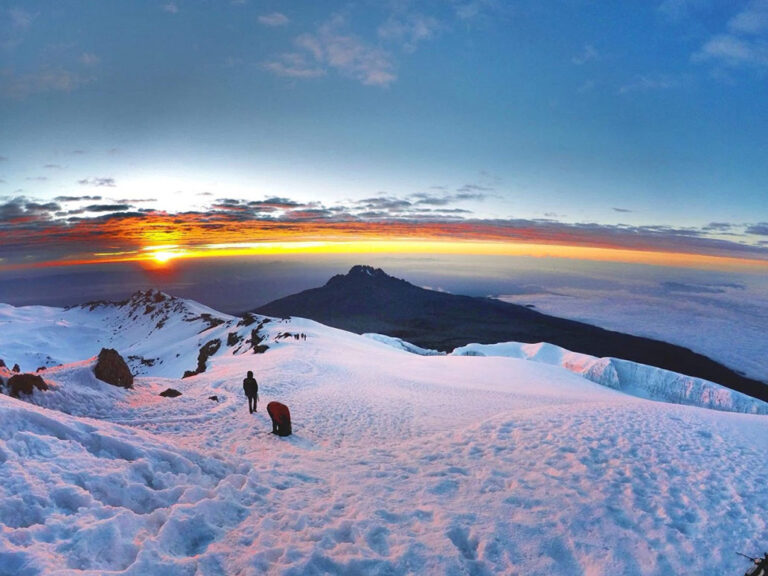
Kilimanjaro Climb With Materuni Recovery Day 2026-2027
Kilimanjaro Climb with Materuni Recovery Day is explained with current 2026-2027 planning, price, itinerary and booking information.
View package details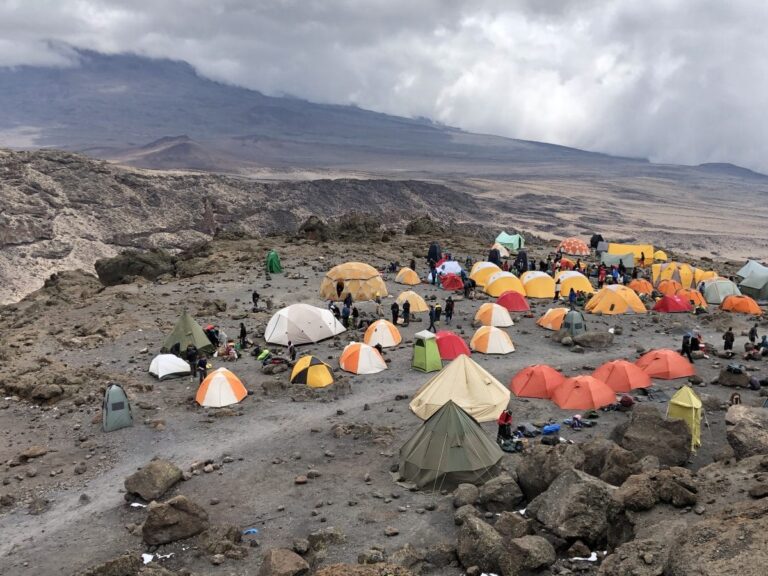
Kilimanjaro Climb With Lake Chala Relaxation Day: Your Ultimate Post-Trek
Experience the ultimate Kilimanjaro adventure followed by serene relaxation at Lake Chala. This guide details how to combine these incredible Tanzanian experiences, covering itineraries...
View package details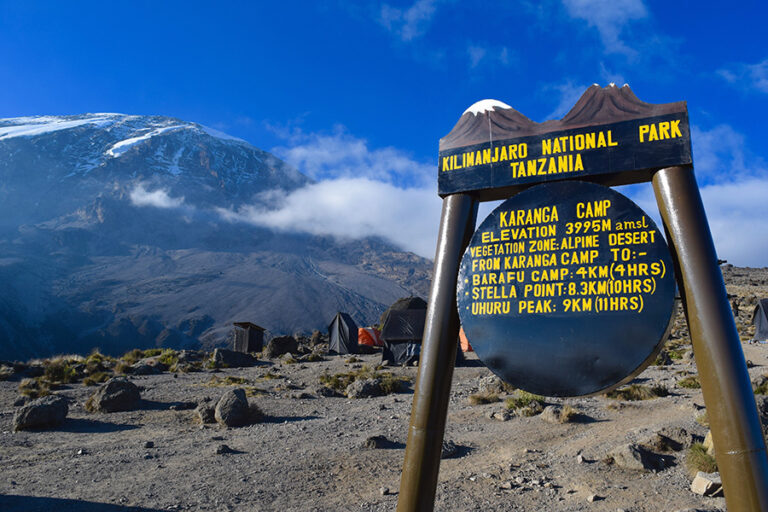
Kilimanjaro Climb & West Safari: The Ultimate Tanzania Adventure 2026-2027
Experience the pinnacle of Tanzania with a combined Kilimanjaro climb and West Kilimanjaro safari. This guide details itineraries, preparation, and what to expect for your 2026-2027...
View package details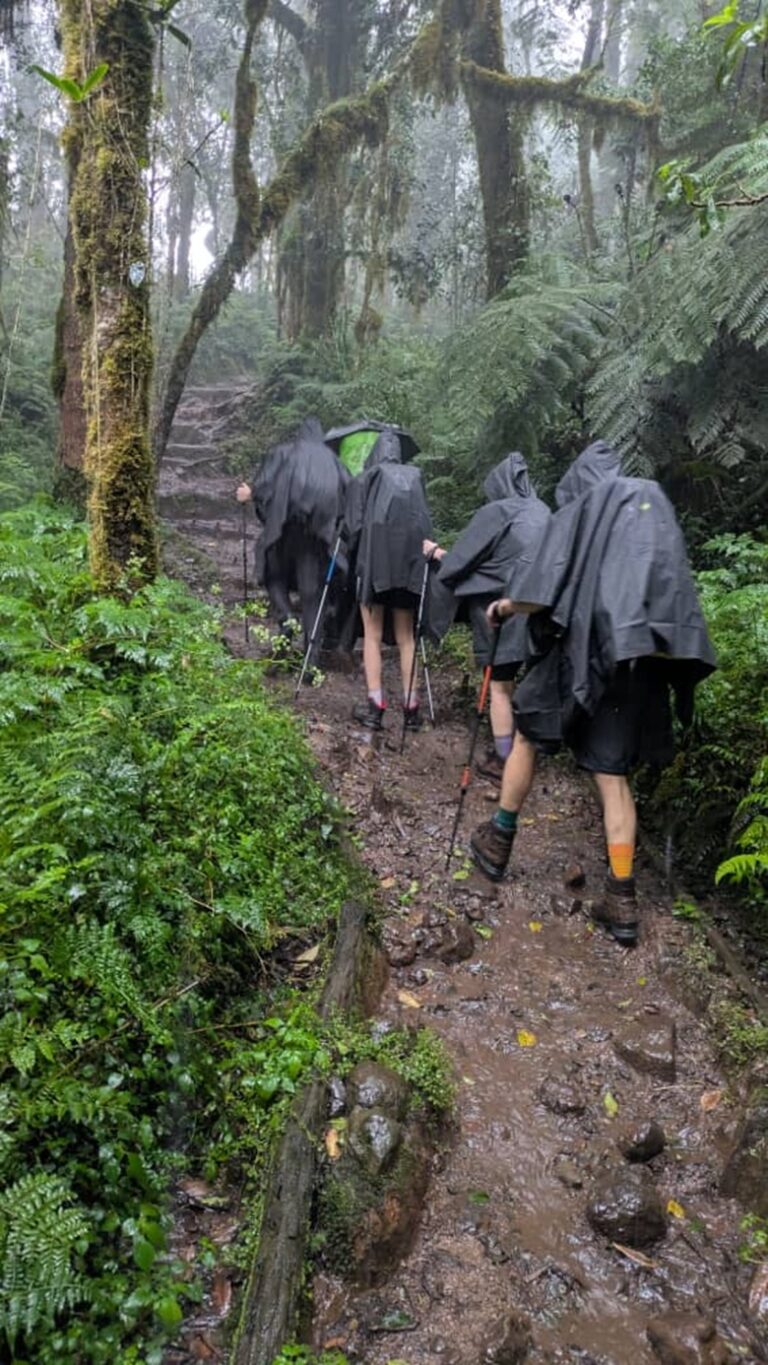
Kilimanjaro Climb With Mkomazi Rhino Safari 2026-2027
Kilimanjaro Climb with Mkomazi Rhino Safari is explained with current 2026-2027 planning, price, itinerary and booking information.
View package detailsKilimanjaro Climb With Amboseli Safari Extension: Your Ultimate Tanzania
Experience the pinnacle of African adventure by combining a challenging Kilimanjaro climb with a impressive safari in Amboseli National Park. This guide details itineraries, costs, best...
View package detailsNo related package matches those filters. Clear one or more filters to see the other topic-matched options.



