
Kilimanjaro school-holiday climbing dates for 2026 and 2027 are primarily available during the main school break periods, which generally include the Easter holidays, summer holidays (July-September), and sometimes the Christmas/New Year break, though weather conditions are more variable then. Top Guide Adventures offers flexible booking for these popular times, advising clients to book well in advance, especially for summer breaks, to secure preferred routes and dates.
Choosing Your Kilimanjaro School-Holiday Climb: A Strategic Guide for 2026-2027
Planning a Kilimanjaro climb during school holidays presents a unique opportunity for families and adventurous students to conquer Africa’s highest peak. These periods, while offering convenient timing, also demand careful consideration of dates, routes, weather patterns, and booking availability. Top Guide Adventures specializes in creating memorable and safe climbing experiences, particularly for those constrained by academic calendars. This comprehensive guide focuses on identifying the optimal Kilimanjaro school-holiday climbing dates for 2026 and 2027, helping you navigate the planning process from initial research to final ascent.
The allure of Kilimanjaro extends beyond seasoned mountaineers; it’s a destination that inspires young adventurers and families seeking a shared, challenging experience. School holidays provide a window for these aspirations. However, understanding when these holidays align with the best climbing seasons is crucial for maximizing success and enjoyment. We aim to provide clear, actionable information for families and students looking to climb in 2026 and 2027.
Understanding Kilimanjaro’s Climbing Seasons and School Holidays
Kilimanjaro experiences two primary dry seasons, which are considered the best times for climbing due to more stable weather and clearer skies. These are:
- January to March: Generally dry and warm, though it can be very hot at lower altitudes. This period often overlaps with the Christmas/New Year break and the first part of the Easter break.
- June to October: The longest and most popular dry season. This period aligns perfectly with the extended summer holidays in many parts of the world, making it the most sought-after time for Kilimanjaro school-holiday climbing dates. The weather is typically cool and dry.
There are also two shorter, wetter seasons:
- April to May: The long rains. This period is generally not recommended for climbing due to heavy rainfall, muddy trails, and poor visibility.
- November to December: The short rains. While less intense than the long rains, this period can still bring unpredictable showers and cloud cover. It often coincides with the end of the year school holidays.
For school-holiday climbs in 2026 and 2027, the most practical and highly recommended periods will fall within the dry seasons. This means focusing on the Easter break (typically late March to mid-April) and the summer break (July, August, September). While the November-December period can be an option, the weather’s unpredictability warrants careful consideration and potentially longer acclimatization times.
Key School Holiday Periods for Kilimanjaro Climbs in 2026-2027
Let’s break down the likely school holiday periods and how they align with Kilimanjaro’s optimal climbing conditions for 2026 and 2027.
1. Easter Holidays (Late March – Mid-April)
The Easter break typically falls within the tail end of the January-March dry season and the very beginning of the long rains. This can be a good time to climb, offering pleasant temperatures and fewer crowds than the peak summer months. However, there’s an increasing chance of rain as April approaches.
- Pros: Generally good weather, fewer climbers than summer, potentially slightly lower prices (though less common for Kilimanjaro climbs which are year-round).
- Cons: Increasing risk of rain towards the end of the break, shorter holiday window might necessitate quicker routes.
- 2026 & 2027 Outlook: Expect Easter dates to fall within the generally favorable weather window. Booking for these dates should ideally happen 6-9 months in advance.
2. Summer Holidays (July – September)
This is the prime time for Kilimanjaro school-holiday climbing dates. The weather in July, August, and September is typically excellent: dry, cool, and with clear skies offering spectacular views. This period is also the busiest, so booking well in advance is essential.
- Pros: The best weather conditions, highest chance of clear views, longer daylight hours.
- Cons: Most crowded season, higher temperatures at the base, requires booking very early (9-12 months in advance for prime dates in 2026 and 2027).
- 2026 & 2027 Outlook: These months are consistently the most popular. If you are targeting a summer school holiday climb, securing your spot for 2026 or 2027 needs to be a priority as soon as possible.
3. Christmas & New Year Holidays (Late December – Early January)
This period falls within the short rains season. While it can be a convenient time for families, the weather is less predictable. You might experience clear days interspersed with rain showers, particularly in the afternoons. Temperatures can be pleasant but humidity is higher.
- Pros: Convenient timing for end-of-year breaks.
- Cons: Unpredictable weather (short rains), higher humidity, trails can be muddy, visibility can be reduced.
- 2026 & 2027 Outlook: While possible, this is generally not the preferred season due to weather. If choosing this time, be prepared for variable conditions and book routes that are less affected by mud. Booking is still recommended 6-9 months ahead.
Popular Kilimanjaro Routes for School Holiday Climbs
When planning a Kilimanjaro school-holiday climb, route selection is as critical as timing. For families and students, prioritizing acclimatization and comfort is key. Longer routes generally offer better acclimatization profiles, increasing success rates.
1. Machame Route (6-7 Days)
Often called the ‘Whiskey Route’ for its popularity, the Machame Route is a favorite for its scenic beauty and excellent acclimatization profile when climbed over 6 or 7 days. It follows a “climb high, sleep low” strategy.
- Duration: 6 or 7 days. The 7-day option is strongly recommended for better acclimatization, especially for younger or less experienced climbers during school holidays.
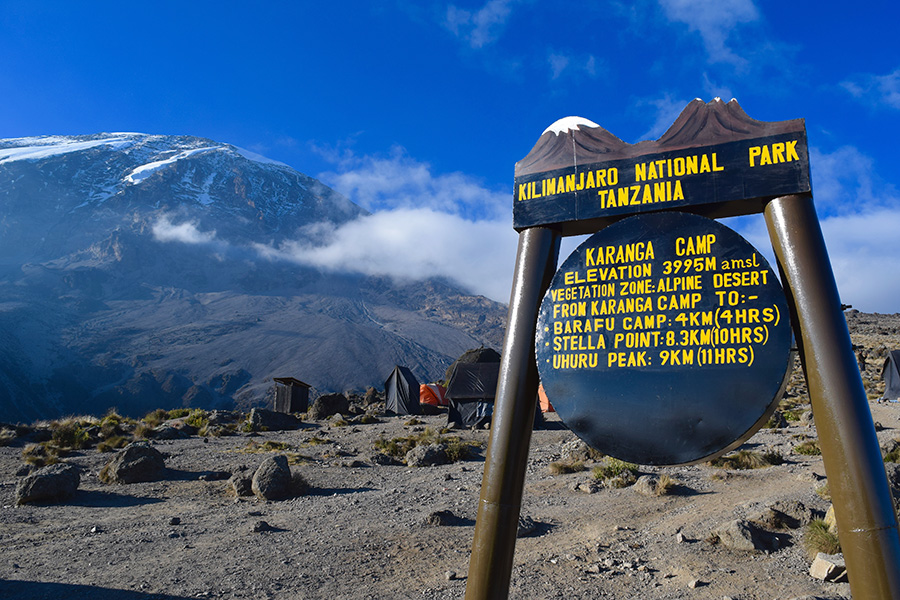
- Scenery: Offers diverse landscapes, from rainforest to alpine desert and arctic summit zones.
- Difficulty: Moderate to difficult.
- Crowds: Can be busy, especially during peak season.
- Best for School Holidays: The 7-day Machame is an excellent choice for families wanting a good balance of challenge and acclimatization during summer holidays in 2026 or 2027.
Top Guide Adventures often has group departures scheduled for the Machame Route. For specific Kilimanjaro school-holiday climbing dates on Machame for 2026-2027, please contact us directly.
2. Lemosho Route (7-8 Days)
The Lemosho Route is considered one of the most beautiful routes, offering a remote and wild experience for the first few days before joining the Machame route. It provides excellent acclimatization.
- Duration: 7, 8, or even 9 days. The 8-day option is highly recommended for optimal acclimatization.
- Scenery: Starts in a pristine rainforest, offering stunning views and abundant wildlife sightings in the initial stages.
- Difficulty: Moderate to difficult.
- Crowds: Less crowded in the initial stages, merges with Machame later.
- Best for School Holidays: The 8-day Lemosho is ideal for families or groups seeking a more serene start and excellent acclimatization, making it a top contender for Kilimanjaro school-holiday climbing dates in the 2026-2027 summer breaks.
3. Marangu Route (5-6 Days)
Known as the ‘Coca-Cola Route’, Marangu is the oldest and arguably the easiest route. It’s the only route that offers dormitory-style accommodation in huts. It’s also the shortest, which can be a drawback for acclimatization.
- Duration: 5 or 6 days. The 5-day option is not recommended due to poor acclimatization.
- Scenery: Less scenic diversity compared to other routes, as it ascends and descends the same path.
- Difficulty: Moderate.
- Crowds: Can be very busy.
- Best for School Holidays: While convenient due to its shorter duration and hut accommodation, the 5-day Marangu is generally not advised for success. The 6-day option improves acclimatization slightly but is still less ideal than longer routes. It might be considered for very fit, young individuals with prior high-altitude experience during shorter holiday breaks, but is less suitable for family groups prioritizing success rates for Kilimanjaro school-holiday climbing dates.
4. Rongai Route (6-7 Days)
The Rongai Route approaches Kilimanjaro from the north, near the Kenyan border. It is generally drier than the southern routes and offers a different perspective.
- Duration: 6 or 7 days. The 7-day option is recommended for better acclimatization.
- Scenery: Starts in the arid savannah, gradually entering the forest. Less rainforest scenery than southern routes.
- Difficulty: Moderate.
- Crowds: Less crowded than Marangu or Machame.
- Best for School Holidays: A good option for the summer holidays in 2026 or 2027 if you prefer a less crowded route and don’t mind the initial arid landscape.
Choosing the Right Duration for School Holiday Climbs
For Kilimanjaro school-holiday climbing dates, prioritizing a longer duration is crucial for success, especially for younger climbers or those new to high altitudes. While 5-day routes exist, they significantly increase the risk of altitude sickness and failure. Top Guide Adventures strongly recommends a minimum of 7 days for any Kilimanjaro climb, with 8 days being even better for routes like Lemosho or Machame. This extra day allows for better acclimatization, which is vital for enjoying the experience and reaching the summit safely during your 2026-2027 adventure.
Planning Your 2026-2027 School Holiday Kilimanjaro Climb: Key Considerations
Beyond selecting dates and routes, several other factors are paramount for a successful Kilimanjaro school-holiday climb. These include fitness, packing, health, and the operational details provided by your tour operator.
Fitness and Training
While Kilimanjaro is not technically demanding (no ropes or ice axes required on most routes), it is a strenuous physical challenge. Altitude is the primary difficulty. Training should focus on cardiovascular fitness and endurance.
- Cardiovascular Exercise: Aim for 3-4 sessions per week, including activities like hiking, running, cycling, or swimming.
- Strength Training: Focus on leg strength (squats, lunges) and core strength.
- Hiking Practice: The most relevant training involves long hikes with a backpack, ideally on hilly terrain. Simulate climbing conditions by wearing your hiking boots and carrying weight.
- Altitude Simulation: If possible, spend time at higher altitudes before your climb.
For students, incorporating regular physical activity into their routine is beneficial. For families, training together can be a motivating and bonding experience leading up to the 2026 or 2027 climb.
Health and Vaccinations
Consult your doctor or a travel clinic 6-8 weeks before your trip. Recommended vaccinations often include Hepatitis A, Typhoid, Tetanus, and potentially others depending on your travel history. Malaria prophylaxis is also usually advised, though the higher altitudes on Kilimanjaro are generally malaria-free, the risk exists at lower elevations and during transfers.
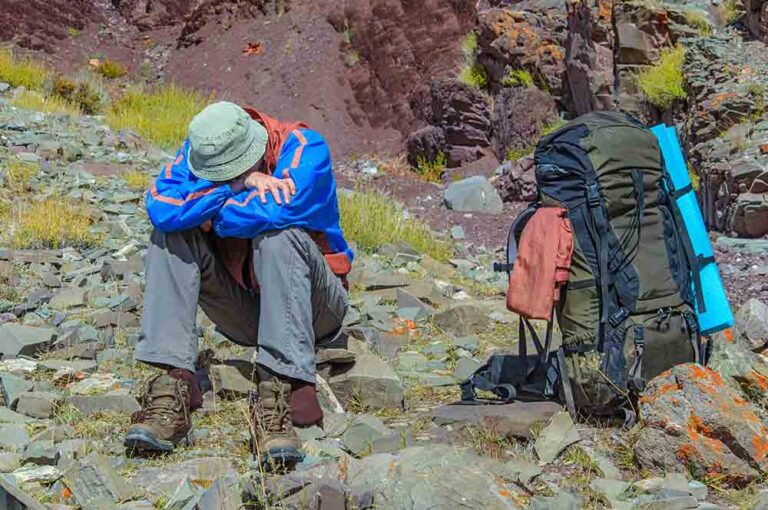
Altitude Sickness (Acute Mountain Sickness – AMS): This is the most significant health risk. Symptoms include headache, nausea, dizziness, and fatigue. Proper acclimatization is the best prevention. Your guide will monitor you closely. Diamox (acetazolamide) can be prescribed by your doctor to aid acclimatization, but it is not a substitute for slow ascent and proper hydration.
Packing Essentials
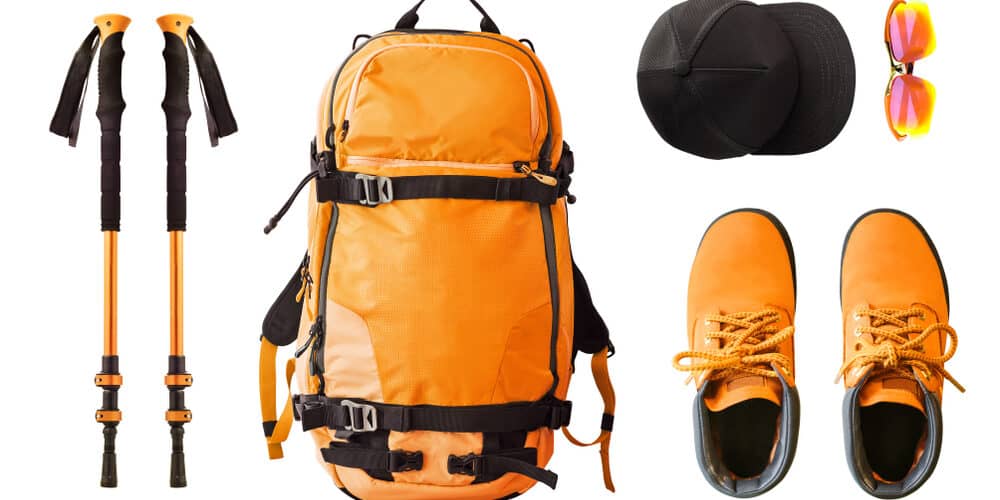
Packing appropriately is crucial for comfort and safety on Kilimanjaro. Layering is key, as temperatures can range from hot in the rainforest to freezing at the summit. Here’s a basic checklist:
- Clothing: Moisture-wicking base layers, insulating mid-layers (fleece), waterproof and windproof outer shell (jacket and trousers), warm hat, gloves, thermal socks.
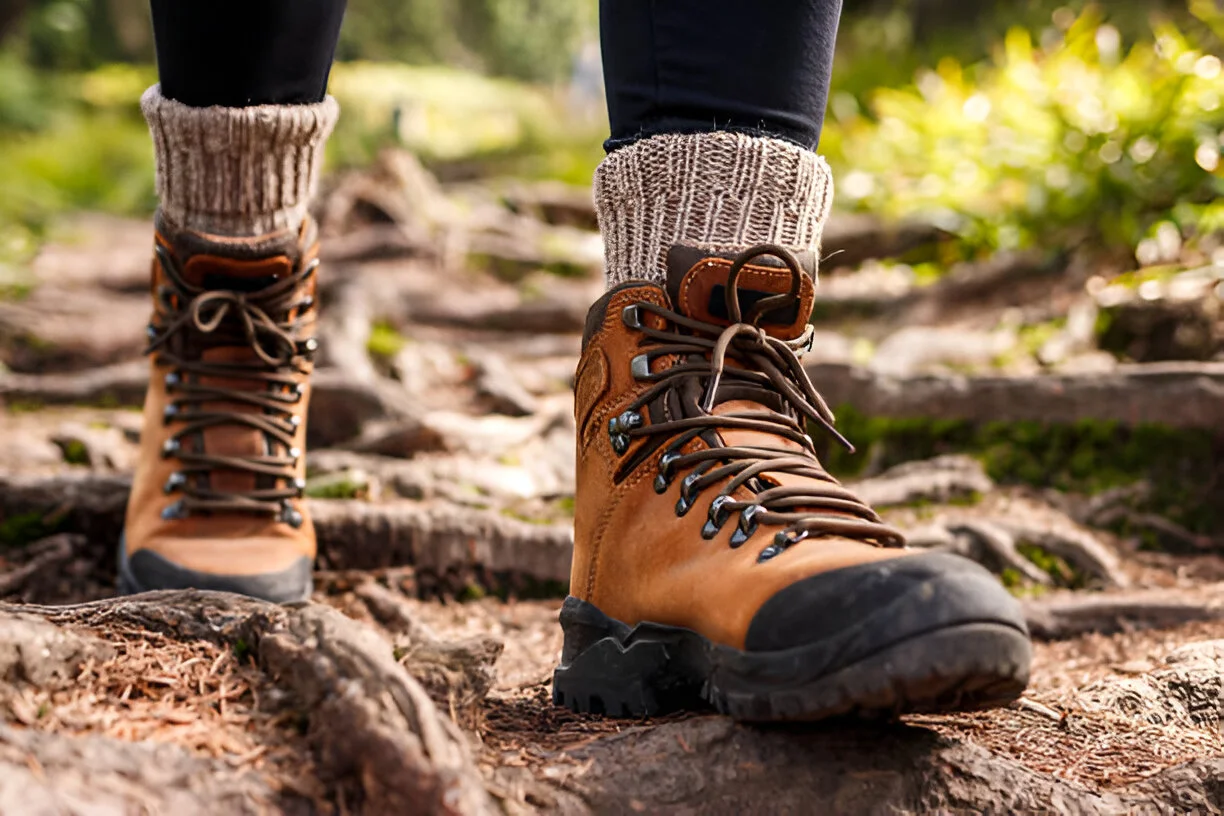
- Footwear: Broken-in hiking boots, comfortable camp shoes or trainers.
- Gear: 4-season sleeping bag, trekking poles, headlamp with extra batteries, sunglasses, high SPF sunscreen, lip balm, water bottles or hydration reservoir, personal first-aid kit.
- Documents: Passport, visa (if required), travel insurance details, vaccination certificates.
Top Guide Adventures provides a detailed packing list upon booking, tailored to Kilimanjaro climbs, ensuring you don’t miss essential items for your Kilimanjaro school-holiday climb.
Choosing a Reputable Tour Operator
Selecting the right tour operator is paramount for a safe and enjoyable climb. Look for companies with:
- Experienced Guides: Certified, knowledgeable guides with extensive high-altitude experience.
- Safety Standards: Proper emergency procedures, oxygen supplies, and communication equipment.
- Ethical Treatment of Porters: Fair wages and good working conditions for the entire crew.
- Good Reviews: Check independent review sites like TripAdvisor.
- Clear Inclusions/Exclusions: Understand what your package covers (e.g., park fees, meals, accommodation, crew wages, transfers).
Top Guide Adventures prides itself on its experienced guides, commitment to safety, fair treatment of staff, and providing comprehensive support for all climbers, making us a trusted choice for your Kilimanjaro school-holiday climbing dates in 2026-2027. We offer complete travel experiences across Tanzania.
What’s Typically Included in Kilimanjaro Climb Packages?
While package details vary, reputable operators like Top Guide Adventures generally include:
- Park Fees: Kilimanjaro National Park entry fees, camping fees, and rescue fees.
- Crew: Professional, licensed guides, assistant guides, cooks, and porters.
- Accommodation: Tents during the climb, and pre/post-climb hotel accommodation (often specified).
- Meals: All meals on the mountain (breakfast, lunch, dinner), prepared by the camp cook.
- Water: Boiled or purified drinking water.
- Transfers: Airport transfers and transport to/from the mountain gate.
- Equipment: Tents, sleeping mats, cooking equipment.
Important Exclusions to note:
- Flights to/from Kilimanjaro International Airport (JRO).
- Visa fees (if applicable).
- Travel insurance (mandatory).
- Personal climbing gear (sleeping bag, clothing, boots, etc.).
- Tips for guides, porters, and cooks (a significant part of their income).
- Lunches and dinners in town before/after the climb (unless specified).
- Personal expenses (souvenirs, drinks, laundry).
Always clarify these details when comparing operators for your Kilimanjaro school-holiday climbing dates.
Booking Your 2026-2027 Kilimanjaro School Holiday Climb: A Step-by-Step Approach
Securing your place for Kilimanjaro school-holiday climbing dates in 2026 and 2027 requires timely action. Here’s how to approach the booking process:
- Research & Shortlist Operators: Identify reputable companies like Top Guide Adventures that specialize in Kilimanjaro climbs and cater to families or groups.
- Inquire About Specific Dates: Contact your chosen operators to check availability for your desired school holiday period in 2026 or 2027. Be flexible if possible, as popular dates fill up quickly.
- Understand Itineraries & Inclusions: Compare different routes, durations, and what each package includes. Ensure the itinerary prioritizes acclimatization.
- Review Pricing: Compare prices, but prioritize value and safety over the cheapest option. Understand what drives the cost (e.g., group size, service level, route duration).
- Book in Advance: Once you’ve made a decision, book your climb as early as possible, especially for peak season summer holidays in 2026 and 2027. A deposit is typically required.
- Complete Paperwork: Fill out booking forms, provide necessary personal details, and arrange payment.
- Prepare for the Climb: Begin your training and ensure all health and gear requirements are met well in advance.
Top Guide Adventures is ready to assist you with every step. For tailored advice on the best Kilimanjaro school-holiday climbing dates and to secure your booking for 2026 or 2027, reach out to our team.
When to Book Your 2026-2027 School Holiday Climb
The general rule for Kilimanjaro, especially for peak periods like summer school holidays, is to book as early as possible. For Kilimanjaro school-holiday climbing dates in 2026 and 2027:
- For Summer Holidays (July-September): Aim to book at least 9 to 12 months in advance. For popular dates in August 2027, booking might need to start even earlier.
- For Easter Holidays (March-April): Book at least 6 to 9 months in advance.
- For Christmas/New Year Holidays (December-January): Book at least 6 to 9 months in advance.
Early booking ensures you get your preferred dates, routes, and potentially even preferred guides. It also allows ample time for physical preparation and gear acquisition.
Maximizing Your Kilimanjaro School Holiday Experience
A Kilimanjaro climb during school holidays is more than just a trek; it’s an educational and character-building journey. Here’s how to make the most of it:
- Embrace the Challenge: Encourage a positive mindset. Kilimanjaro tests physical and mental resilience.
- Learn About the Environment: Discuss the unique ecosystems encountered, from rainforest to alpine desert.
- Respect the Culture: Learn a few Swahili phrases and show respect for the local guides and porters.
- Stay Hydrated and Eat Well: Crucial for acclimatization and energy levels.
- Listen to Your Guide: They are experienced professionals whose advice is paramount for safety and success.
- Document Your Journey: Take photos, keep a journal – these memories are invaluable.
For families, this can be a profound shared experience, fostering teamwork, perseverance, and a sense of accomplishment. Choosing the right Kilimanjaro school-holiday climbing dates is the first step towards this incredible adventure.
Safety First: Our Commitment at Top Guide Adventures
Safety is non-negotiable on Kilimanjaro. Top Guide Adventures implements rigorous safety protocols:
- Experienced Guides: Our guides are Wilderness First Responders certified and carry extensive medical kits and emergency oxygen.
- Daily Health Checks: Guides monitor climbers’ vital signs and symptoms of altitude sickness daily.
- Emergency Procedures: Clear protocols are in place for evacuations, including the use of porters and rescue vehicles.
- Communication: Guides are equipped with radios and satellite phones for emergencies.
- Porter Welfare: We ensure our porters are well-equipped, fed, and treated ethically, as their well-being is integral to a safe climb.
When you book your Kilimanjaro school-holiday climbing dates with us for 2026 or 2027, you can be assured of our unwavering dedication to your safety.
Frequently Asked Questions About Kilimanjaro School-Holiday Climbs
Here are some common questions prospective climbers have regarding school-holiday expeditions:
Can children climb Kilimanjaro?
Yes, children can climb Kilimanjaro, but there are age restrictions. The minimum age is typically 10 years old, and this is enforced by park authorities. For younger children, it’s essential to consider their physical and emotional maturity, and longer routes with excellent acclimatization profiles are strongly recommended. Top Guide Adventures assesses suitability on a case-by-case basis for younger climbers.
What is the success rate for Kilimanjaro climbs during school holidays?
Success rates for Kilimanjaro climbs are generally between 70-85% for well-prepared climbers using reputable operators on longer routes (7+ days). School holidays, particularly the summer break, align with the best climbing season, so success rates can be high. However, factors like altitude sickness, poor acclimatization (often due to choosing shorter routes), and individual fitness play significant roles. Choosing the right route and operator, like Top Guide Adventures, is key to maximizing your chances for Kilimanjaro school-holiday climbing dates in 2026-2027.
Is it safe to climb Kilimanjaro with a group of students?
Climbing Kilimanjaro with students can be very safe when organized by experienced operators like Top Guide Adventures. We have specific protocols for group management, ensuring adequate supervision, appropriate pacing, and prompt attention to any health concerns. The key is proper planning, thorough preparation, and choosing routes that allow for gradual acclimatization. For Kilimanjaro school-holiday climbing dates, ensuring a 7 or 8-day itinerary is advisable.
What are the costs associated with Kilimanjaro school-holiday climbs?
The cost for a Kilimanjaro climb varies significantly based on the route, duration, operator, and inclusions. For a reputable operator like Top Guide Adventures, expect prices to range from approximately $1800 to $3500 USD per person for a 7-day climb, covering park fees, crew, meals, and basic accommodation. Shorter or budget trips might appear cheaper but often compromise on safety, crew welfare, or acclimatization. Always clarify what is included. Prices for 2026-2027 climbs will be confirmed upon booking, but these ranges provide a good estimate.
Do I need travel insurance for a Kilimanjaro climb?
Yes, comprehensive travel insurance is mandatory for all Kilimanjaro climbs booked with Top Guide Adventures. Your insurance must cover emergency medical expenses, evacuation (including helicopter rescue), and trip cancellation/interruption. Ensure it specifically covers high-altitude trekking up to 6,000 meters (19,700 feet).
What is the best route for families during school holidays?
For families, the 7-day Machame Route or the 8-day Lemosho Route are generally considered the best options for Kilimanjaro school-holiday climbing dates. They offer excellent acclimatization profiles, scenic beauty, and a good balance between challenge and comfort. These longer durations significantly increase the chances of success and enjoyment for all family members.
Your Unforgettable Kilimanjaro School Holiday Adventure Awaits in 2026-2027
Kilimanjaro offers an unparalleled adventure, and experiencing it during a school holiday makes it accessible for students and families. By carefully selecting your Kilimanjaro school-holiday climbing dates, choosing an appropriate route, preparing physically, and partnering with a trusted operator like Top Guide Adventures, you are setting the stage for an extraordinary journey. Whether you aim for the summer breaks of 2026 or 2027, or consider the Easter period, planning ahead is your key to success.
Top Guide Adventures is committed to providing exceptional Kilimanjaro climbing experiences with a focus on safety, client care, and ethical operations. We are one of Tanzania’s most trusted tour companies, offering personalized support for every client. Let us help you plan your dream climb. Contact us today to discuss your preferred Kilimanjaro school-holiday climbing dates for 2026-2027, explore route options, and start planning an adventure that will create lasting memories.
Reach out to our expert team:
- WhatsApp: +255616946642
- Email: topguideadventures@gmail.com
- Backup Email: info@topguideadventures.com
We look forward to helping you conquer Kilimanjaro!
“,
“faq_schema”: [
{
“question”: “Can children climb Kilimanjaro?”,
“answer”: “Yes, children can climb Kilimanjaro, but there are age restrictions. The minimum age is typically 10 years old, and this is enforced by park authorities. For younger children, it’s essential to consider their physical and emotional maturity, and longer routes with excellent acclimatization profiles are strongly recommended. Top Guide Adventures assesses suitability on a case-by-case basis for younger climbers.”
},
{
“question”: “What is the success rate for Kilimanjaro climbs during school holidays?”,
“answer”: “Success rates for Kilimanjaro climbs are generally between 70-85% for well-prepared climbers using reputable operators on longer routes (7+ days). School holidays, particularly the summer break, align with the best climbing season, so success rates can be high. However, factors like altitude sickness, poor acclimatization (often due to choosing shorter routes), and individual fitness play significant roles. Choosing the right route and operator, like Top Guide Adventures, is key to maximizing your chances for Kilimanjaro school-holiday climbing dates in 2026-2027.”
},
{
“question”: “Is it safe to climb Kilimanjaro with a group of students?”,
“answer”: “Climbing Kilimanjaro with students can be very safe when organized by experienced operators like Top Guide Adventures. We have specific protocols for group management, ensuring adequate supervision, appropriate pacing, and prompt attention to any health concerns. The key is proper planning, thorough preparation, and choosing routes that allow for gradual acclimatization. For Kilimanjaro school-holiday climbing dates, ensuring a 7 or 8-day itinerary is advisable.”
},
{
“question”: “What are the costs associated with Kilimanjaro school-holiday climbs?”,
“answer”: “The cost for a Kilimanjaro climb varies significantly based on the route, duration, operator, and inclusions. For a reputable operator like Top Guide Adventures, expect prices to range from approximately $1800 to $3500 USD per person for a 7-day climb, covering park fees, crew, meals, and basic accommodation. Shorter or budget trips might appear cheaper but often compromise on safety, crew welfare, or acclimatization. Always clarify what is included. Prices for 2026-2027 climbs will be confirmed upon booking, but these ranges provide a good estimate.”
},
{
“question”: “Do I need travel insurance for a Kilimanjaro climb?”,
“answer”: “Yes, comprehensive travel insurance is mandatory for all Kilimanjaro climbs booked with Top Guide Adventures. Your insurance must cover emergency medical expenses, evacuation (including helicopter rescue), and trip cancellation/interruption. Ensure it specifically covers high-altitude trekking up to 6,000 meters (19,700 feet).”
},
{
“question”: “What is the best route for families during school holidays?”,
“answer”: “For families, the 7-day Machame Route or the 8-day Lemosho Route are generally considered the best options for Kilimanjaro school-holiday climbing dates. They offer excellent acclimatization profiles, scenic beauty, and a good balance between challenge and comfort. These longer durations significantly increase the chances of success and enjoyment for all family members.”
}
]
}
“`
Check Availability for Kilimanjaro School-Holiday Climbing Dates 2026-2027
Ready to compare dates, prices, and the best option for your group? Send the package name and travel month so the team can reply with a clear quote, availability, and what is included.
21-Day Kilimanjaro And Complete Tanzania Holiday: Your Ultimate Adventure
This comprehensive 21-day itinerary offers the ultimate Tanzanian adventure, merging the challenge of climbing Mount Kilimanjaro with the wildlife wonders of its famed national parks and...
View package details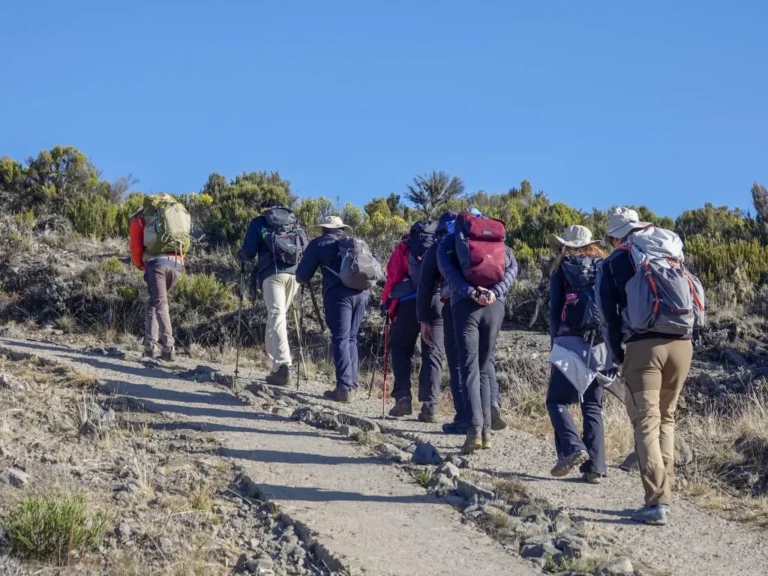
13-Day Kilimanjaro Climb, Cultural Tour & Zanzibar Holiday: Your Ultimate
This 13-day itinerary offers an unparalleled Tanzanian experience, blending the thrill of conquering Mount Kilimanjaro with deep cultural exploration and the serene beauty of Zanzibar...
View package details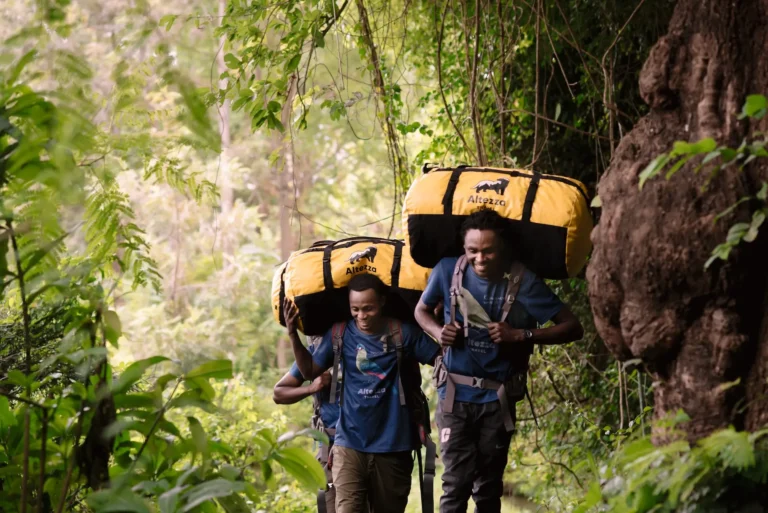
How To Read A Kilimanjaro Climbing Quote 2026-2027
How to Read a Kilimanjaro Climbing Quote is explained with current 2026-2027 planning, price, itinerary and booking information.
View package details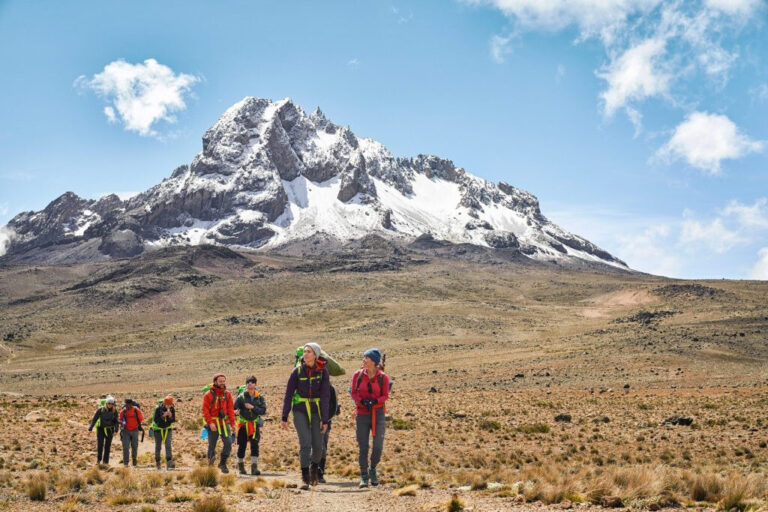
The Truth About Climbing Mount Kilimanjaro 2026-2027
The Truth about Climbing Mount Kilimanjaro is explained with current 2026-2027 planning, price, itinerary and booking information.
View package details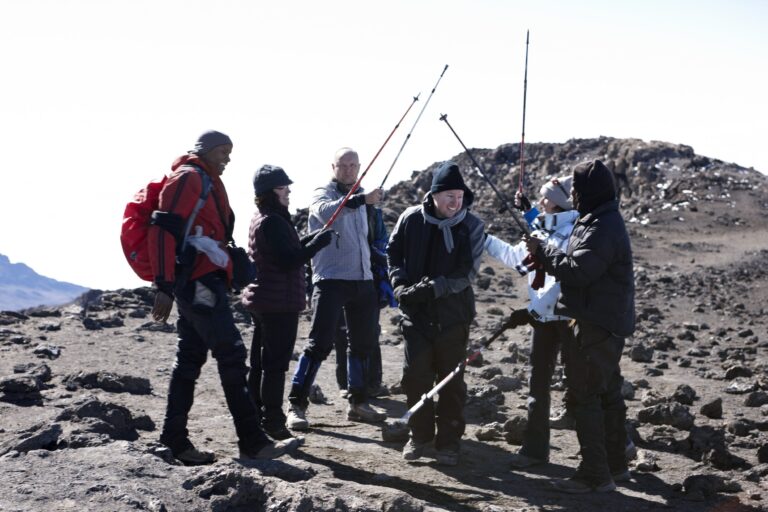
What Nobody Tells You About Climbing Kilimanjaro 2026-2027
What Nobody Tells You about Climbing Kilimanjaro is explained with current 2026-2027 planning, price, itinerary and booking information.
View package details
25 Kilimanjaro Climbing Mistakes First-Timers Make: Avoid Them In 2026-2027
Climbing Mount Kilimanjaro is a dream for many, but first-time trekkers can fall into common traps. This guide details 25 critical mistakes to avoid, from inadequate preparation and gear...
View package details
Kilimanjaro Direct Booking Vs Package Holiday 2026-2027
Kilimanjaro Direct Booking vs Package Holiday is explained with current 2026-2027 planning, price, itinerary and booking information.
View package details
Kilimanjaro Local Operator Vs. Overseas Travel Agent: Your Ultimate Climbing
Deciding who to book your Kilimanjaro climb with is crucial. This guide compares local Tanzanian operators against overseas travel agents, detailing the pros and cons of each for your...
View package detailsKilimanjaro Climbing Package For Parents And Teenagers 2026-2027
Kilimanjaro Climbing Package for Parents and Teenagers is explained with current 2026-2027 planning, price, itinerary and booking information.
View package details
Sustainable Kilimanjaro Climbing Packages For | Top Guide Adventures 2026-2027
Discover sustainable Kilimanjaro climbing packages designed for eco-conscious adventurers. Top Guide Adventures offers responsible treks in 2026-2027, focusing on environmental preservation...
View package details
Kilimanjaro Climb With Materuni Recovery Day 2026-2027
Kilimanjaro Climb with Materuni Recovery Day is explained with current 2026-2027 planning, price, itinerary and booking information.
View package details
Kilimanjaro Climb With Lake Chala Relaxation Day: Your Ultimate Post-Trek
Experience the ultimate Kilimanjaro adventure followed by serene relaxation at Lake Chala. This guide details how to combine these incredible Tanzanian experiences, covering itineraries...
View package detailsNo related package matches those filters. Clear one or more filters to see the other topic-matched options.



