
Yes, absolutely, you can climb Kilimanjaro at 50 and beyond. Age is not the primary barrier; fitness, preparation, and a sensible approach to acclimatization are far more critical. Many trekkers in their 50s, 60s, and even 70s successfully summit Kilimanjaro every year by focusing on physical conditioning, choosing the right route, and listening to their bodies during the climb. Planning your trek for 2026 or 2027 with a reputable operator like Top Guide Adventures ensures you receive the necessary support and guidance for a safe and rewarding experience.
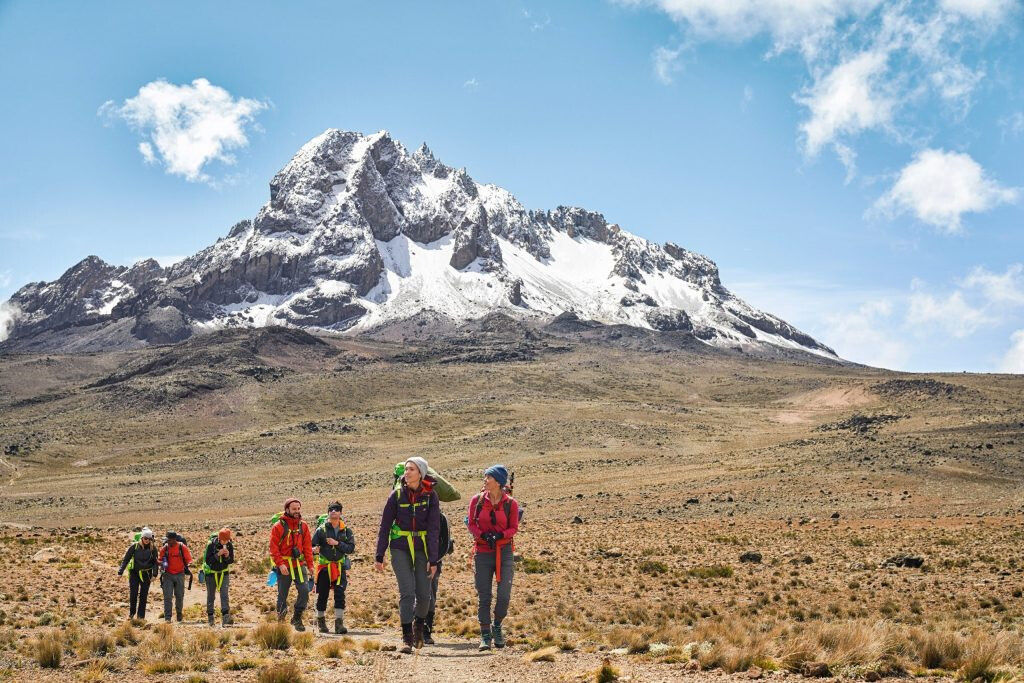
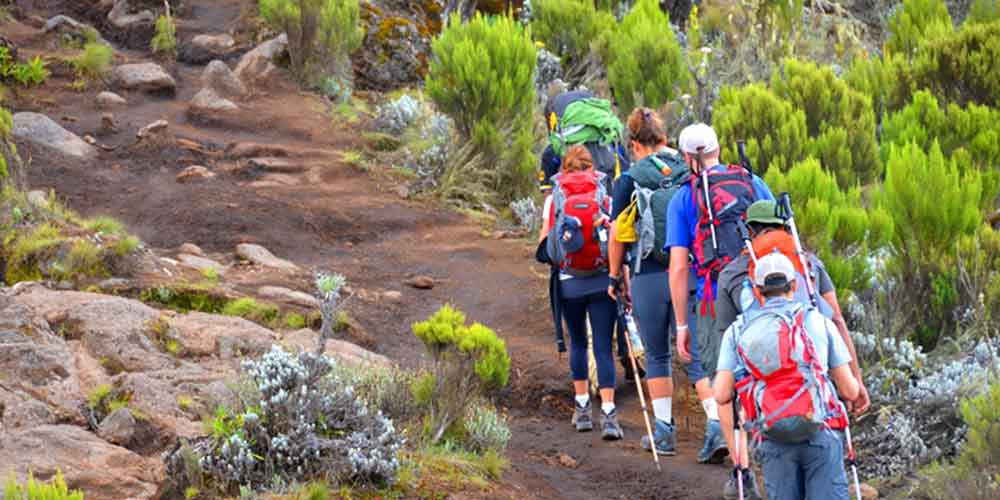
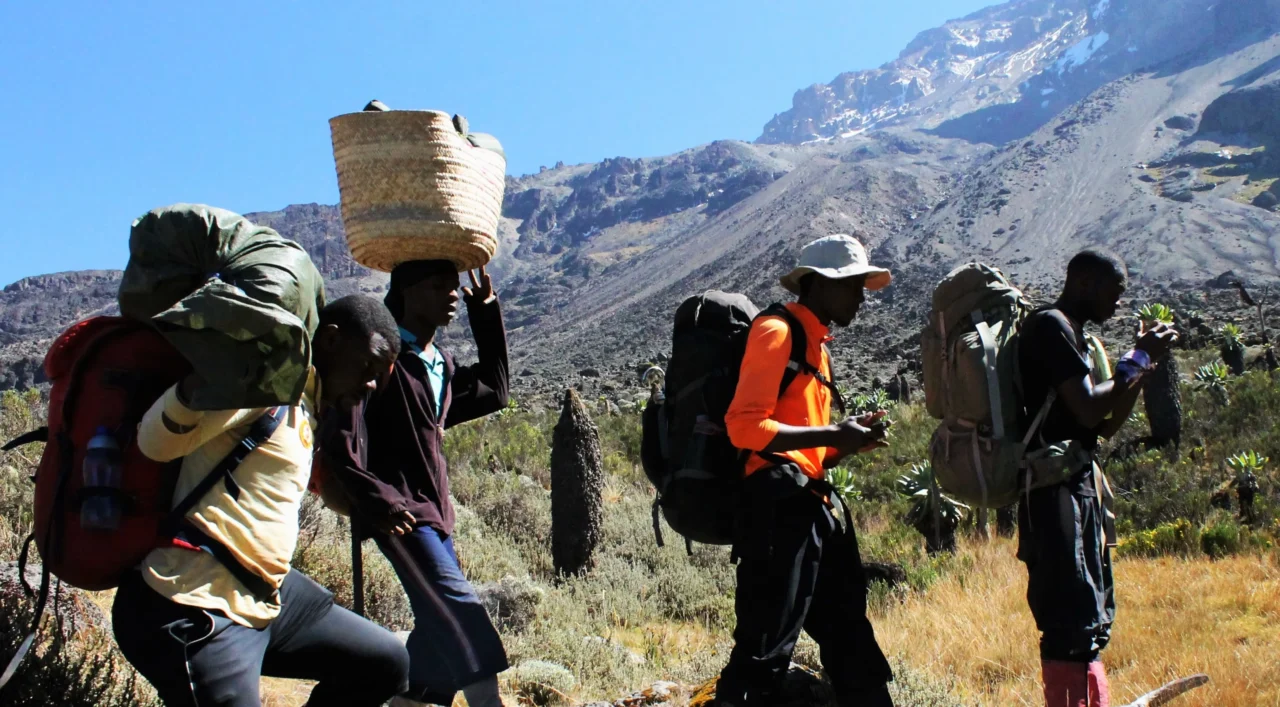
Is Climbing Kilimanjaro at 50 Feasible?
The question, “Can you climb Kilimanjaro at 50?” is one we hear frequently at Top Guide Adventures. The straightforward answer is a resounding yes. Kilimanjaro, while a significant physical challenge, is not technically demanding. It is a trek, not a climb requiring ropes or specialized mountaineering skills. Therefore, reaching Uhuru Peak at 5,895 meters (19,341 feet) is achievable for individuals of varying ages, provided they are in good health and undertake adequate preparation. Many individuals in their 50s find that with focused training and a well-chosen itinerary, they can conquer this iconic African peak. The success rate for climbers, regardless of age, is largely determined by their acclimatization to the altitude, their physical fitness, and their mental fortitude. For those planning for 2026 or 2027, this age group represents a growing segment of trekkers seeking adventure and personal achievement.
The primary factors influencing success for a 50-year-old Kilimanjaro climber are:
- Overall Health: Consulting with a doctor before commencing training is crucial. Any pre-existing conditions should be discussed.
- Physical Fitness: Consistent cardiovascular exercise and strength training are key.
- Acclimatization: Choosing a longer route allows for better acclimatization, significantly increasing success rates.
- Mental Attitude: A positive mindset and determination play a vital role at altitude.
- Proper Gear: Using appropriate, high-quality clothing and equipment is essential for comfort and safety.
- Experienced Guides: A reputable tour operator provides experienced guides who understand altitude sickness and can manage the trek effectively.
Why Age 50 is a Great Time for Kilimanjaro
Turning 50 often brings a renewed focus on personal goals and experiences. Many individuals in this age bracket possess a unique combination of life experience, financial stability, and a desire to push their boundaries. This makes it an ideal time to consider a Kilimanjaro climb. Unlike younger trekkers who might be balancing careers and young families, those around 50 often have more flexibility and a clearer understanding of their physical capabilities and limitations. They are typically well-equipped to invest in a quality trek that prioritizes safety and comfort, often opting for private climbs or slightly more comfortable itineraries. The sense of accomplishment after summiting Kilimanjaro at 50 can be profoundly rewarding, marking a significant milestone and a testament to enduring vitality and adventurous spirit. As we look towards 2026 and 2027, the trend of active, adventurous lifestyles for those over 50 is only set to grow, making Kilimanjaro an increasingly popular choice.
The Mindset of a 50+ Kilimanjaro Trekker
Trekkers in their 50s often bring a different perspective to the mountain. There’s typically less pressure to prove themselves and more focus on the journey itself. This maturity can be an advantage. They often understand the importance of pacing, listening to their bodies, and respecting the mountain’s challenges. This mindset, combined with a well-planned preparation phase, sets them up for a successful summit. They are also more likely to appreciate the cultural aspects of the journey and the support provided by the local guides and porters. This thoughtful approach is invaluable when facing the demanding conditions of Kilimanjaro, especially during the critical summit night. For 2026 and 2027 expeditions, this seasoned perspective will be a significant asset.
Health Considerations for Climbers Over 50
While age itself isn’t a disqualifier, it’s wise for anyone over 50 to address potential health considerations before embarking on a Kilimanjaro climb. A thorough medical check-up is the first step. Discuss your plans with your doctor, who can assess your general health, cardiovascular fitness, and any potential risks associated with high altitude. Conditions like hypertension, heart disease, diabetes, or respiratory issues require careful management and clearance from a medical professional. It’s also important to be aware of how your body recovers from physical exertion as you age. Your training program should reflect this, focusing on consistency rather than intensity, and incorporating adequate rest. Hydration and nutrition are also paramount. While these are important for all climbers, older adults may need to pay closer attention to maintaining electrolyte balance and adequate calorie intake to fuel their bodies effectively at altitude.
Pre-Climb Medical Check-Up Essentials
A comprehensive medical assessment should include:
- Cardiovascular Evaluation: Stress tests or ECGs may be recommended to assess heart health.
- Blood Pressure Monitoring: Ensuring blood pressure is well-controlled is vital.
- Respiratory Function Tests: For individuals with a history of lung conditions.
- Blood Sugar Levels: Particularly important for those with diabetes.
- General Fitness Assessment: Discussing your training progress and any concerns with your doctor.
- Medication Review: Ensure any regular medications are suitable for high altitudes and bring sufficient supply.
It’s also wise to discuss altitude sickness prevention and treatment with your doctor. While Diamox (acetazolamide) is commonly prescribed, your doctor can advise if it’s appropriate for you and discuss potential side effects. For planning purposes in 2026-2027, starting this conversation with your doctor at least 6-12 months before your intended climb is highly recommended.
Physical Fitness: Training for Kilimanjaro at 50
The cornerstone of a successful Kilimanjaro climb for any age group, but particularly for those over 50, is a dedicated fitness regimen. The goal is to build endurance, strength, and resilience. This isn’t about becoming an elite athlete; it’s about preparing your body for sustained, strenuous activity at increasing altitudes. Focus on activities that mimic the demands of trekking: long hikes with elevation gain, carrying a daypack, and multi-day exertion.
Cardiovascular Endurance
Your heart and lungs need to be strong. Aim for at least 3-4 sessions per week of moderate-intensity aerobic exercise. Examples include:
- Hiking: This is the most specific training. Gradually increase the duration and elevation gain. Aim for hikes of 3-5 hours, with a backpack weighing 5-10 kg (10-20 lbs).
- Cycling: Excellent for building leg strength and cardiovascular fitness.
- Running/Jogging: Good for overall fitness, but ensure it doesn’t lead to joint issues.
- Swimming: A low-impact option that builds excellent endurance.
Strength Training
Focus on lower body strength and core stability. Strong legs will help you navigate the steep ascents and descents, and a strong core aids balance and endurance. Include exercises like:
- Squats and Lunges: For leg strength.
- Calf Raises: For ankle and lower leg power.
- Core Exercises: Planks, bridges, and Russian twists for stability.
- Back Exercises: To help carry your daypack comfortably.
Flexibility and Balance
Incorporate stretching and balance exercises. Yoga or Pilates can be highly beneficial for improving flexibility, preventing injuries, and enhancing body awareness, which is crucial on uneven terrain. For trekkers planning for 2026 or 2027, beginning a training program at least 6 months in advance is ideal, gradually increasing intensity and duration.
Simulated Treks
If possible, undertake multi-day treks that simulate the Kilimanjaro experience. This helps your body adapt to prolonged exertion and allows you to test your gear, nutrition, and hydration strategies. For example, a weekend backpacking trip in mountainous terrain can be invaluable.
Choosing the Right Kilimanjaro Route for Over 50s
Route selection is paramount for a successful and enjoyable Kilimanjaro climb, especially for trekkers over 50. While all routes lead to the summit, some offer better acclimatization profiles, scenery, and overall experience. The key principle is to choose a longer route. Longer routes mean a slower ascent, which is critical for effective acclimatization. This significantly reduces the risk of altitude sickness and increases your chances of reaching the summit comfortably.
Recommended Routes for Age 50+
- Lemosho Route (7-8 days): Often considered the most scenic and one of the best for acclimatization. It offers a gradual ascent through diverse landscapes and has a high success rate. The extra day allows for better adaptation to the altitude.
- Machame Route (7 days): Also known as the “Whiskey Route,” it’s popular for its excellent acclimatization profile and stunning scenery. It’s a challenging but rewarding trek, and a 7-day itinerary is highly recommended over the shorter 6-day option for better acclimatization.
- Marangu Route (5-6 days): The “Coca-Cola” route, known for its hut accommodation, making it more comfortable. However, it has a steeper ascent profile and a faster rate of climb, which can make acclimatization more difficult. The 5-day option is particularly challenging for acclimatization, so a 6-day itinerary is strongly advised if choosing Marangu.
- Northern Circuit (9 days): The longest route, offering the best acclimatization and a full circuit of the mountain. It’s less crowded and provides unparalleled views. This is an excellent choice for those prioritizing a comfortable and successful climb.
Routes to Consider Carefully (or Avoid)
- Rongai Route (6-7 days): Approaches from the north, drier side. It’s less scenic than Lemosho or Machame but offers a good acclimatization profile, especially on the longer itinerary.
- Umbwe Route (5-6 days): The shortest and steepest route, demanding excellent physical condition and acclimatization. It’s generally not recommended for older trekkers or those prioritizing a comfortable ascent due to its rapid altitude gain.
For trekkers planning their climb in 2026 or 2027, prioritizing a route of 7 days or longer is the single most important decision for ensuring a successful summit bid, especially when factoring in age and the need for robust acclimatization.
Acclimatization: The Key to Summit Success
Altitude sickness (Acute Mountain Sickness – AMS) is the primary reason for failed summit attempts on Kilimanjaro. It affects everyone differently, but the risk increases significantly with rapid ascents. For climbers over 50, a slightly slower pace and a well-structured acclimatization plan are even more crucial. The principle of “climb high, sleep low” is fundamental. This means ascending to higher altitudes during the day for acclimatization and then descending to a lower altitude camp to sleep. Longer routes, like Lemosho or the Northern Circuit, naturally incorporate this principle better than shorter, steeper routes.
Understanding Altitude Sickness
AMS symptoms can include headache, nausea, dizziness, fatigue, and shortness of breath. More severe forms, like High Altitude Cerebral Edema (HACE) and High Altitude Pulmonary Edema (HAPE), are life-threatening and require immediate descent. Your guides are trained to recognize these symptoms and will monitor you closely. Never ignore symptoms; communicate them openly.
Strategies for Better Acclimatization
- Choose a Longer Route: As mentioned, 7 days or more is ideal.
- Ascend Slowly: “Pole pole” (slowly, slowly) is the mantra on Kilimanjaro.
- Stay Hydrated: Drink plenty of water (3-4 liters per day). Dehydration exacerbates AMS symptoms.
- Eat Well: Maintain a good calorie intake, even if your appetite is reduced.
- Avoid Alcohol and Smoking: These hinder acclimatization.
- Ascend Gradually: Follow the “climb high, sleep low” principle.
- Consider Diamox: Consult your doctor about acetazolamide (Diamox) for AMS prevention.
For those planning a climb in 2026 or 2027, understanding and prioritizing acclimatization is non-negotiable for a safe and successful journey. A reputable operator will always advocate for longer routes for this reason.
Gear and Equipment for the Kilimanjaro Climb
Proper gear is essential for comfort, safety, and performance on Kilimanjaro, particularly when you’re over 50 and may feel the cold or fatigue more readily. Layering is the key principle. The temperature can swing dramatically from the humid rainforest at the base to freezing conditions near the summit. Investing in quality gear can make a significant difference to your experience.
Essential Clothing Layers
- Base Layers: Moisture-wicking tops and bottoms (merino wool or synthetic). Avoid cotton.
- Mid Layers: Fleece jacket or down vest for insulation.
- Outer Layer (Shell): Waterproof and windproof jacket and trousers.
- Insulated Jacket: A warm down or synthetic jacket for summit night and cold evenings.
- Trekking Trousers: Comfortable, quick-drying hiking pants.
Footwear
- Hiking Boots: Well broken-in, waterproof, and sturdy boots with good ankle support.
- Camp Shoes/Sandals: For relaxing in the evenings.
- Socks: Several pairs of wool or synthetic hiking socks. Liner socks can help prevent blisters.
Headwear and Handwear
- Warm Hat: Wool or fleece hat that covers your ears.
- Sun Hat: Wide-brimmed hat for sun protection during the day.
- Gloves: Warm, waterproof outer gloves and thinner liner gloves.
- Balaclava/Neck Gaiter: For protection against wind and cold.
Other Crucial Items
- Backpack: A comfortable daypack (30-40 liters) for essentials.
- Duffel Bag: A large, waterproof duffel bag (80-100 liters) for porters to carry.
- Sleeping Bag: Rated to at least -10°C (0°F) or -20°C (-4°F) for summit night.
- Headlamp: With extra batteries for summit night and camp.
- Sunglasses: High UV protection.
- Water Bottles/Hydration Reservoir: At least 3 liters capacity. Insulated covers are recommended for cold weather.
- Sunscreen and Lip Balm: High SPF.
- Personal First-Aid Kit: Including any personal medications.
- Trekking Poles: Highly recommended for stability and reducing knee strain.
- Camera and Power Bank.
For those booking their 2026 or 2027 climb, start acquiring gear early. Many reputable operators, including Top Guide Adventures, provide detailed packing lists. Renting some items like sleeping bags and warm jackets is also an option.
Important Note on Gear
Focus on quality and functionality. Ensure your boots are well broken-in to avoid blisters. Layering is key – you’ll put on and take off layers multiple times a day. A good sleeping bag is crucial for resting well at altitude.
Mental Preparation for the Kilimanjaro Climb
Physical fitness is only half the battle. The mental aspect of climbing Kilimanjaro is equally, if not more, important, especially for trekkers over 50 who might be more susceptible to the psychological challenges of prolonged exertion and discomfort. Kilimanjaro will test your resolve. There will be moments of doubt, fatigue, and discomfort. Developing mental resilience beforehand and employing coping strategies on the mountain is vital.
Building Mental Toughness
- Visualize Success: Imagine yourself reaching the summit, feeling the accomplishment.
- Break Down the Challenge: Focus on one day, one camp, or even one hour at a time. Don’t get overwhelmed by the entire trek.
- Positive Self-Talk: Replace negative thoughts with encouraging affirmations.
- Embrace Discomfort: Understand that there will be challenging moments. Accept them as part of the experience rather than fighting them.
- Practice Mindfulness: Focus on your breath and your surroundings. This can help manage anxiety and fatigue.
- Trust Your Guides: Rely on the expertise and encouragement of your guides. They have seen countless climbers through the challenges.
Coping on the Mountain
Summit night is often the most mentally demanding part of the trek. The cold, the darkness, the steepness, and the altitude combine to create a significant challenge. Having a strong “why” – your reason for climbing – can be a powerful motivator. Remind yourself of your goals and your preparation. Celebrate small victories, like reaching a new camp or completing a tough day’s hike. For 2026-2027 expeditions, reinforcing these mental strategies during training will pay dividends on the mountain.
The Role of a Reputable Tour Operator
Choosing the right tour operator is perhaps the most critical decision you will make when planning your Kilimanjaro climb, especially for those over 50. A good operator doesn’t just arrange logistics; they prioritize your safety, comfort, and success. Top Guide Adventures is committed to providing a superior trekking experience, ensuring that every aspect of your journey is meticulously planned and executed.
Why Top Guide Adventures Stands Out
- Experienced, Certified Guides: Our guides are highly trained in wilderness first aid, altitude sickness management, and mountain rescue techniques. They are passionate about Kilimanjaro and dedicated to your well-being.
- Safety First Policy: We carry comprehensive first-aid kits, supplementary oxygen, and have strict protocols for managing altitude sickness. We ensure our guides have the final say on summit decisions for safety reasons.
- Quality Equipment: We provide well-maintained tents, quality food, and ensure our porters are well-equipped and treated ethically.
- Tailored Itineraries: We recommend longer routes (7+ days) for better acclimatization, understanding the needs of all our clients, including those over 50.
- Personalized Support: From initial inquiry to post-climb follow-up, we offer dedicated support. We are available via WhatsApp at +255616946642 or email at info@topguideadventures.com and topguideadventures@gmail.com.
- Ethical Porter Treatment: We adhere to fair wages and working conditions for our support crew, ensuring a positive experience for everyone involved.
When booking for 2026 or 2027, consider operators who demonstrate a strong commitment to safety, ethical practices, and client success. This is where Top Guide Adventures excels.
Kilimanjaro Climb Packages 2026-2027
Our packages are designed to offer the best value and highest chance of success. We recommend 7-day or longer itineraries for optimal acclimatization. For a personalized quote tailored to your needs, including specific dates in 2026 or 2027, please contact us.
Key inclusions typically feature:
- Airport transfers
- Accommodation before and after the climb
- All park and climbing fees
- Experienced, licensed guides and support crew
- Nutritious meals during the trek
- Boiled water
- Camping equipment (tents, sleeping mats)
- Portable toilet
Exclusions usually include:
- International flights
- Visa fees
- Travel insurance (mandatory)
- Tips for guides and porters
- Personal climbing gear
- Soft drinks and alcoholic beverages
Contact us for detailed pricing and booking information for your 2026 or 2027 adventure!
The Summit Night Experience
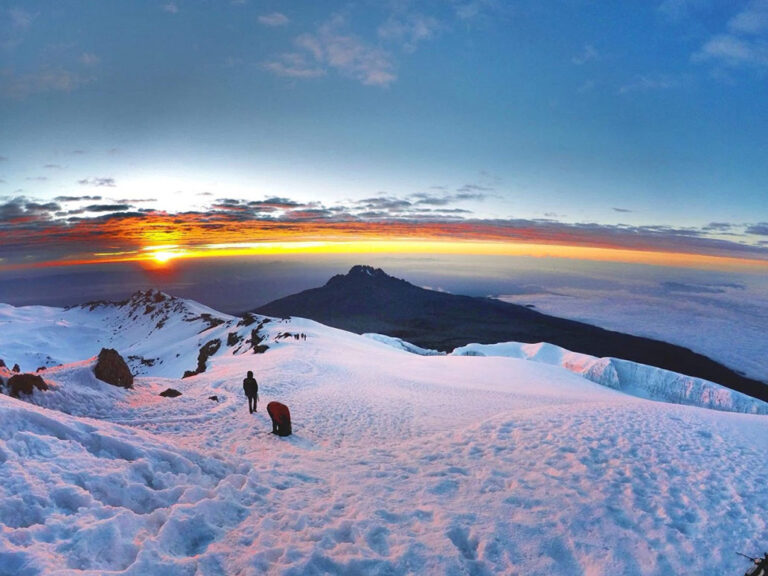
Summit night is the culmination of your Kilimanjaro journey. It typically begins around midnight, after a few hours of rest. You’ll put on all your warm layers and begin the ascent from Barafu Camp (or Kibo Huts). The climb is steep, slow, and challenging. The altitude is extreme, and the cold can be biting. Your headlamp will be your primary source of light, illuminating the switchbacks ahead.
Key Aspects of Summit Night
- Pacing: “Pole pole” is more critical than ever. Move slowly and steadily, focusing on each step.
- Breathing: Concentrate on deep, controlled breaths.
- Hydration: Take small sips of water regularly. Your water bottle may freeze, so keeping it insulated or close to your body is important.
- Nutrition: Eat small, high-energy snacks as you go.
- Teamwork: Your guides will be with you, offering encouragement and monitoring your condition. Support your fellow climbers.
- Reaching Stella Point: This is the crater rim. From here, it’s another hour’s walk along the rim to Uhuru Peak, the true summit.
- Uhuru Peak: The highest point in Africa. Take photos, savor the moment, but don’t linger too long due to the altitude and cold.
- Descent: The descent is often overlooked but is equally demanding, especially on the knees. It’s crucial to maintain focus and avoid rushing.
For trekkers over 50, mental preparation and physical conditioning are paramount for conquering summit night. The feeling of achievement upon reaching Uhuru Peak after such a challenging ascent is immense and a memory that lasts a lifetime. Planning your 2026 or 2027 climb means preparing for this ultimate challenge.
Post-Climb Recovery
After successfully descending Kilimanjaro, your body will be exhausted. Proper recovery is essential to allow your body to return to normal and to prevent any lingering issues. Most climbers spend their first night post-climb back in Moshi, usually enjoying a hot shower and a comfortable bed, a welcome change after days of camping.
Tips for Post-Climb Recovery
- Rest: Allow your body ample time to rest. Avoid strenuous activities for a few days.
- Hydrate and Nourish: Continue to drink plenty of fluids and eat nutritious meals.
- Gentle Movement: Light walking can help prevent stiffness.
- Listen to Your Body: Pay attention to any aches or pains.
- Celebrate: You’ve achieved something incredible! Take time to reflect and celebrate your success.
Many climbers choose to combine their Kilimanjaro trek with a safari in the Serengeti or a relaxing holiday on Zanzibar. Top Guide Adventures can help you plan this smooth transition for your 2026 or 2027 adventure, ensuring your recovery is comfortable and your subsequent experiences are enjoyable.
Can You Climb Kilimanjaro at 50 with Pre-existing Conditions?
This is a nuanced question that requires individual assessment. As mentioned, consulting a doctor is the absolute first step. Some pre-existing conditions can be managed effectively, while others might pose significant risks. For example:
- Controlled Hypertension: With a doctor’s clearance and careful monitoring, many can climb.
- Mild Asthma: If well-managed and you carry your inhaler, it may be possible.
- Heart Conditions: This is highly dependent on the severity and type of condition. A thorough cardiac evaluation is essential.
- Diabetes: Type 1 or Type 2 diabetes requires careful management of blood sugar levels, hydration, and nutrition. It’s a significant consideration, and medical advice is paramount.
- Recent Surgery: Recovery time needs to be sufficient, and clearance from the surgeon is necessary.
It’s crucial to be honest with yourself and your doctor about your health. Kilimanjaro is a demanding environment, and altitude sickness can exacerbate underlying health issues. If your doctor advises against it, it’s important to respect that professional opinion. For those who receive clearance, rigorous training and choosing a longer, slower route are essential. Operators like Top Guide Adventures prioritize safety and will require medical forms to be completed accurately. For 2026-2027 bookings, this health assessment process should begin well in advance.
Maximizing Your Success Rate at 50+
While success is never guaranteed due to the unpredictable nature of altitude, several factors significantly boost your chances, especially for trekkers over 50:
Key Success Factors for 50+ Trekkers:
- Choose a 7+ Day Route: Lemosho, Machame, or Northern Circuit are top choices for acclimatization.
- Prioritize Fitness: Consistent cardiovascular and strength training for 6+ months.
- Acclimatize Properly: “Pole pole,” hydrate, ascend slowly.
- Mental Preparation: Develop resilience and positive self-talk.
- Invest in Quality Gear: Comfort and warmth are crucial.
- Listen to Your Body: Communicate any symptoms to your guide immediately.
- Select a Reputable Operator: Safety, experienced guides, and ethical practices matter.
- Stay Hydrated and Nourished: Fuel your body consistently.
- Avoid Alcohol and Smoking: Especially in the days leading up to and during the climb.
By focusing on these elements, you significantly enhance your probability of reaching Uhuru Peak on your 2026 or 2027 Kilimanjaro adventure.
Comparing Routes: A Deeper Dive for 50+ Trekkers
Let’s look more closely at how popular routes stack up for older trekkers, focusing on acclimatization and overall experience.
Machame Route (7 Days) vs. Lemosho Route (8 Days)
Both are excellent choices. The Machame Route is incredibly popular due to its dramatic scenery and good acclimatization profile, especially on the 7-day version. It involves camping and has a steady ascent. The Lemosho Route, particularly the 8-day itinerary, offers a slightly more gradual ascent and traverses different ecological zones, providing more time for the body to adapt. Lemosho is often considered more scenic and less crowded in its initial stages. For a 50+ trekker prioritizing the absolute best acclimatization, the 8-day Lemosho might offer a slight edge, but the 7-day Machame is a very strong contender.
Northern Circuit (9 Days) – The Ultimate Acclimatization
If time and budget allow, the Northern Circuit is arguably the best route for maximizing acclimatization. Its 9-day duration allows for a very slow and steady ascent, circling the mountain completely. This circumnavigation ensures the body has ample time to adjust to the increasing altitude. It’s also less crowded and offers unique perspectives of Kilimanjaro. For a trekker over 50 who wants to minimize altitude risks and maximize comfort and enjoyment, this route is highly recommended for their 2026 or 2027 expedition.
Marangu Route (6 Days) – Comfort vs. Acclimatization
The Marangu Route is unique for its hut accommodations, offering a level of comfort not found on other routes. However, its direct ascent and faster pace (especially the 5-day option) make it less ideal for acclimatization. The 6-day Marangu is better, but still generally considered inferior to the camping routes of similar duration for acclimatization. If comfort is the absolute top priority and the trekker is in excellent condition with prior high-altitude experience, the 6-day Marangu could be considered, but longer camping routes are safer bets for success at 50+.
Timing Your Kilimanjaro Climb in 2026-2027
Kilimanjaro can be climbed year-round, but certain periods offer more favorable weather conditions, which can make the trek more enjoyable and potentially safer. For trekkers over 50, choosing a time with stable weather can reduce discomfort and the risk of weather-related delays.
Best Seasons for Climbing
- Dry Seasons: January-March and June-October are generally considered the best times. These periods offer clearer skies, less rain, and more stable temperatures.
- June to October: This is a very popular window, with cooler temperatures and dry conditions.
- January to March: Warmer and also dry, though slightly more humid than the June-October period.
Shoulder Seasons
- April to May: This is the main rainy season. Treks during this time are possible but expect significant rainfall, especially in the lower rainforest zone, making trails muddy and slippery.
- November to December: The “short rains” season. Expect occasional showers, but generally clearer skies than April-May. This can be a good time to avoid crowds.
For a 2026 or 2027 climb, aiming for one of the dry seasons is advisable for the most comfortable experience. Booking well in advance is recommended, especially for popular dates in 2026 and 2027, to secure your preferred route and departure dates.
Final Considerations for a Successful Climb at 50+
Climbing Kilimanjaro at 50 is a significant achievement that requires careful planning, dedication, and the right support. It’s a journey that can be incredibly rewarding, offering a profound sense of accomplishment and unforgettable memories. By focusing on your health, fitness, choosing the appropriate route, and partnering with an experienced operator like Top Guide Adventures, you can confidently prepare for your Kilimanjaro adventure in 2026 or 2027.
Remember, age is just a number. Your determination, preparation, and the support system you choose are what truly matter. We are here to help you every step of the way, from answering your initial questions to celebrating your summit success. Don’t let age be a barrier to your dreams; let it be a testament to your enduring spirit.
Ready to plan your 2026 or 2027 Kilimanjaro climb? Contact Top Guide Adventures today for a personalized quote and expert advice. Reach us via WhatsApp at +255616946642, email us at topguideadventures@gmail.com, or our backup email info@topguideadventures.com. Let’s make your Kilimanjaro dream a reality!
Check Availability for Can You Climb Kilimanjaro At 50? Expert Guide For 2026-2027
Ready to compare dates, prices, and the best option for your group? Send the package name and travel month so the team can reply with a clear quote, availability, and what is included.
Kilimanjaro Climb With Materuni Recovery Day 2026-2027
Kilimanjaro Climb with Materuni Recovery Day is explained with current 2026-2027 planning, price, itinerary and booking information.
View package details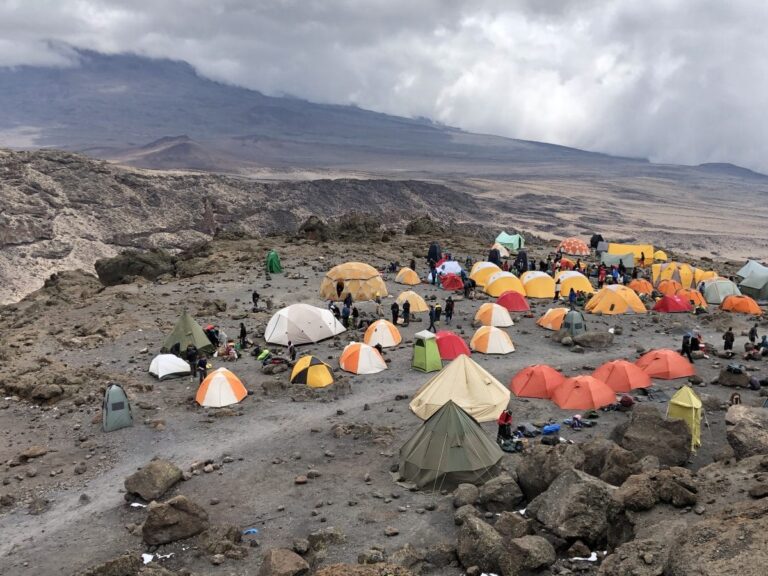
Kilimanjaro Climb With Lake Chala Relaxation Day: Your Ultimate Post-Trek
Experience the ultimate Kilimanjaro adventure followed by serene relaxation at Lake Chala. This guide details how to combine these incredible Tanzanian experiences, covering itineraries...
View package details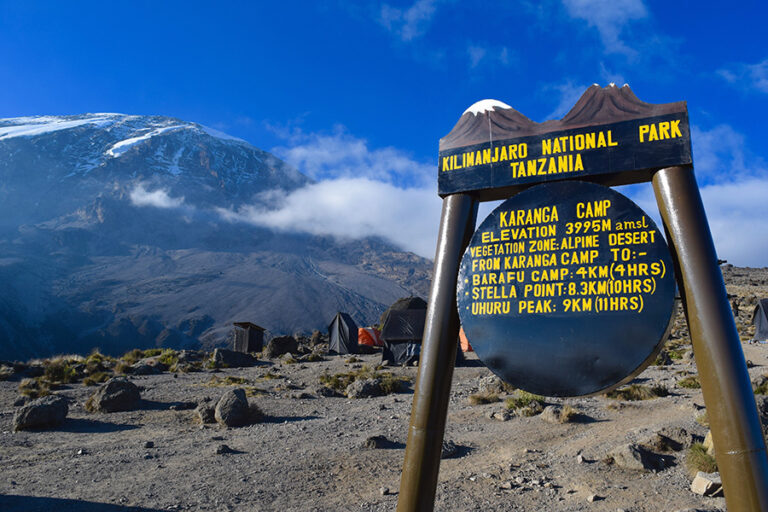
Kilimanjaro Climb & West Safari: The Ultimate Tanzania Adventure 2026-2027
Experience the pinnacle of Tanzania with a combined Kilimanjaro climb and West Kilimanjaro safari. This guide details itineraries, preparation, and what to expect for your 2026-2027...
View package details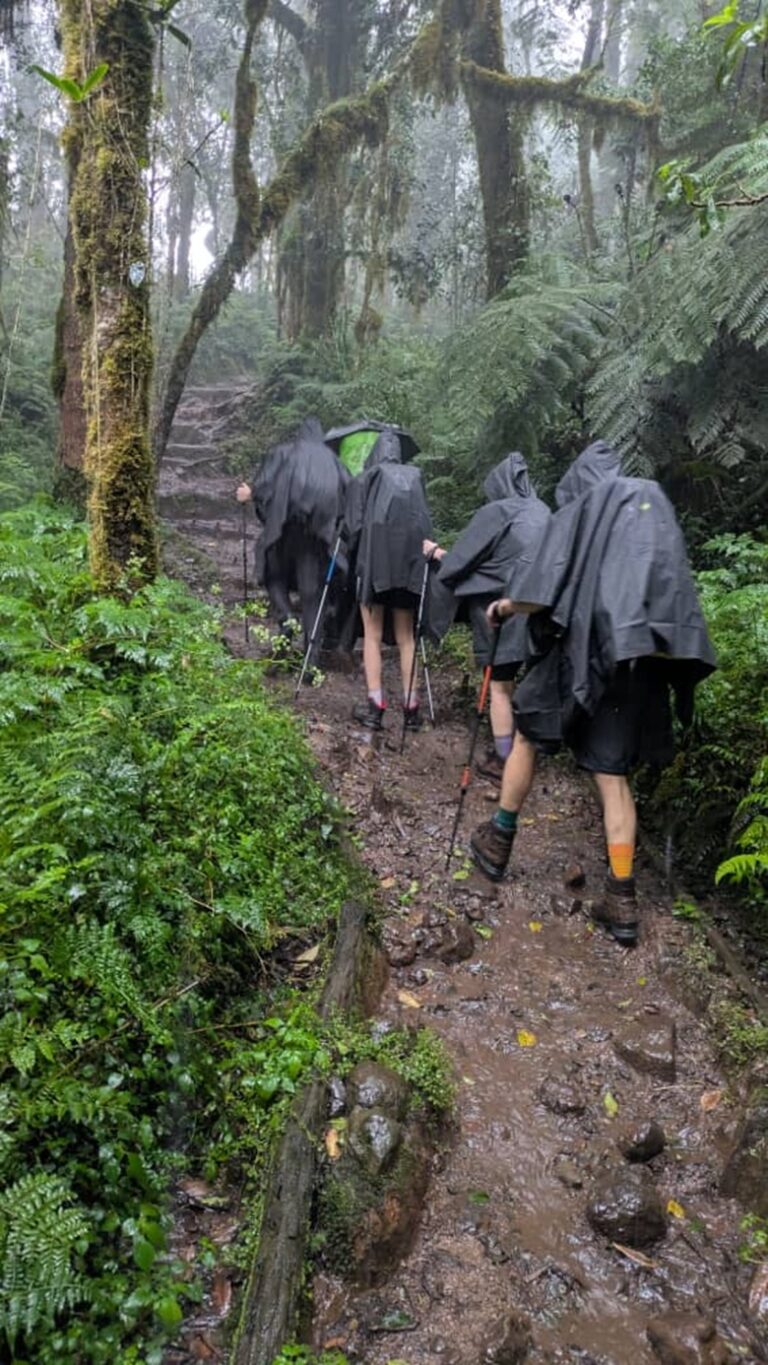
Kilimanjaro Climb With Mkomazi Rhino Safari 2026-2027
Kilimanjaro Climb with Mkomazi Rhino Safari is explained with current 2026-2027 planning, price, itinerary and booking information.
View package details
Kilimanjaro Climb With Amboseli Safari Extension: Your Ultimate Tanzania
Experience the pinnacle of African adventure by combining a challenging Kilimanjaro climb with a impressive safari in Amboseli National Park. This guide details itineraries, costs, best...
View package details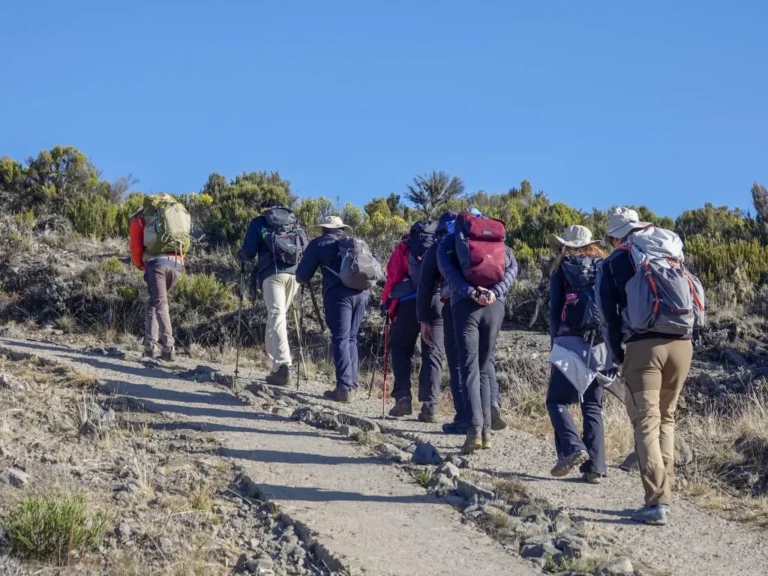
13-Day Kilimanjaro Climb, Cultural Tour & Zanzibar Holiday: Your Ultimate
This 13-day itinerary offers an unparalleled Tanzanian experience, blending the thrill of conquering Mount Kilimanjaro with deep cultural exploration and the serene beauty of Zanzibar...
View package details
Kilimanjaro Questions To Ask During Your Briefing For Climbs 2026-2027
Before embarking on your Kilimanjaro adventure, a thorough briefing is crucial. This guide outlines the most important questions to ask your tour operator to ensure you're fully prepared...
View package details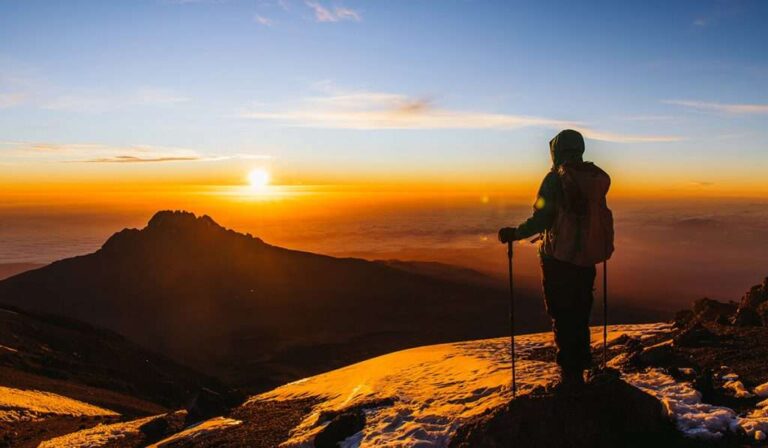
Kilimanjaro Contract Terms You Should Understand For Your Climb 2026-2027
Navigating the fine print of your Kilimanjaro climb contract is crucial. This guide breaks down essential terms, from payment schedules and cancellation policies to what's included and...
View package details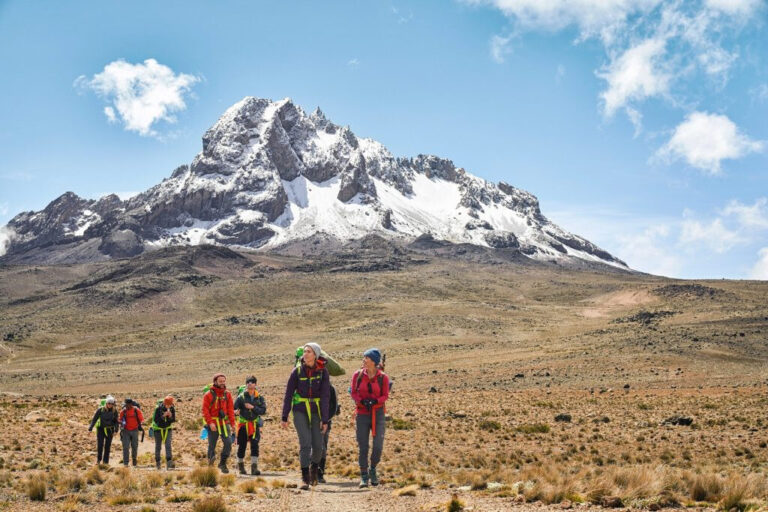
What A Kilimanjaro Mountain Crew Should Provide For Your Climb 2026-2027
Planning a Kilimanjaro climb? Understand precisely what your mountain crew needs to provide, from essential gear and experienced guides to food, safety, and logistical support. This...
View package details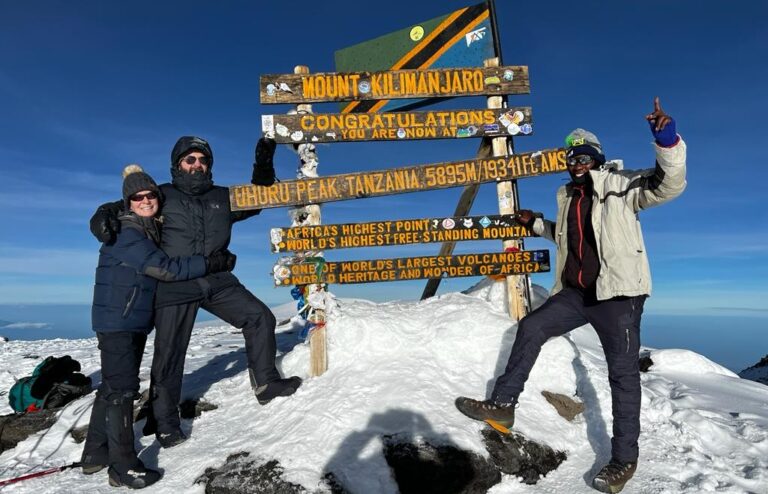
How To Compare Kilimanjaro Package Inclusions For Your Climb 2026-2027
Choosing the right Kilimanjaro climb package in 2026 or 2027 involves meticulously comparing what's included. This guide breaks down essential inclusions like park fees, guide/porter...
View package details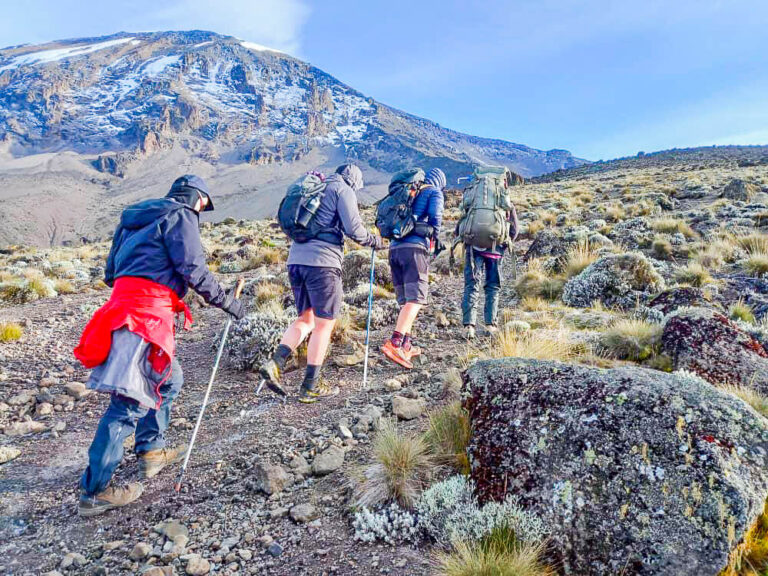
Kilimanjaro Booking Checklist For First-Time Climbers: Your Essential Guide
Planning your first Kilimanjaro climb in 2026 or 2027? This detailed checklist covers everything from choosing a route and operator to packing and acclimatization, ensuring a well-prepared...
View package details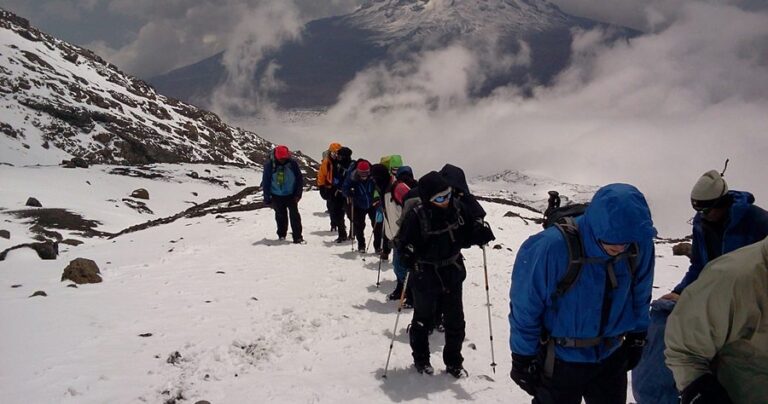
Questions Your Kilimanjaro Operator Should Answer For A Successful Climb
Choosing the right Kilimanjaro operator is crucial for a safe and memorable climb. This comprehensive guide details the essential questions you must ask your potential tour operator...
View package detailsNo related package matches those filters. Clear one or more filters to see the other topic-matched options.



