
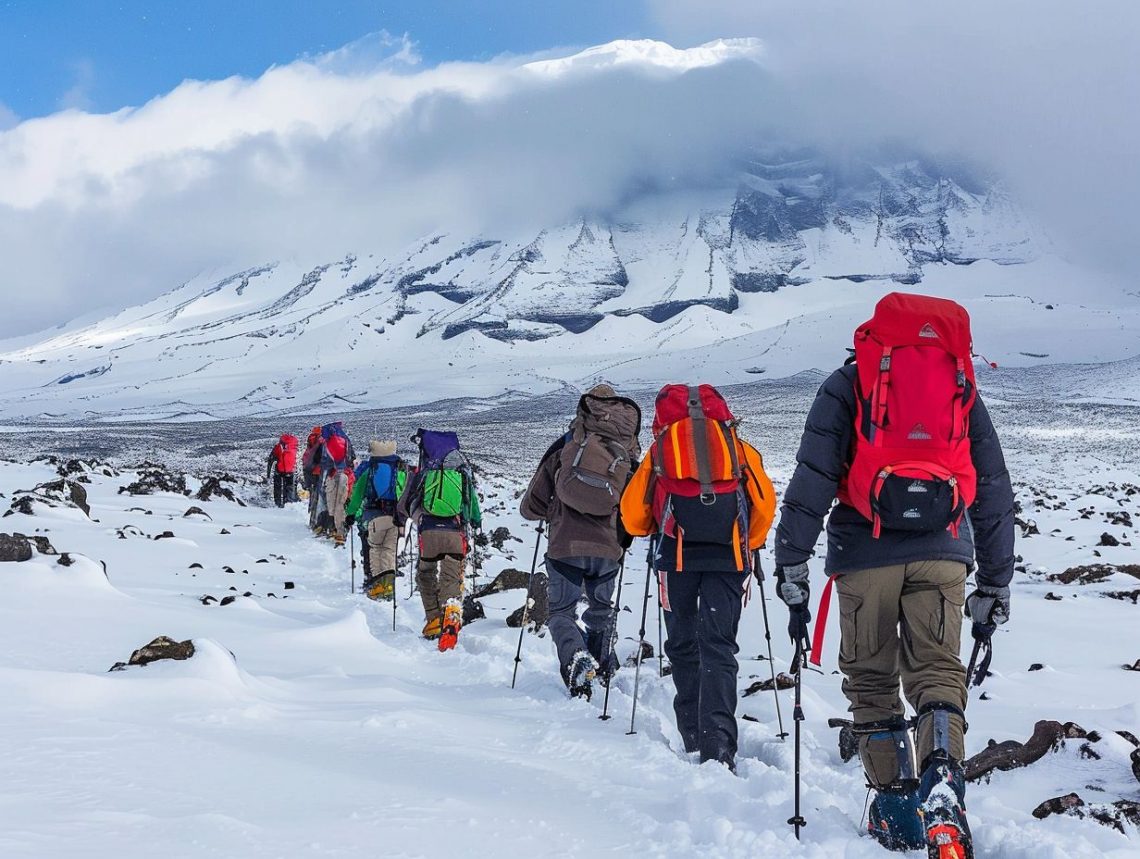
Yes, individuals can absolutely climb Kilimanjaro at 65 and beyond. Age is not the primary barrier; physical fitness, mental preparedness, and choosing the right route and pace are far more critical factors for a successful and enjoyable ascent. Many trekkers in their late 50s, 60s, and even 70s successfully reach Uhuru Peak each year, with proper planning and a reputable guide service like Top Guide Adventures.
Climbing Kilimanjaro at 65: A Feasible Reality in 2026-2027
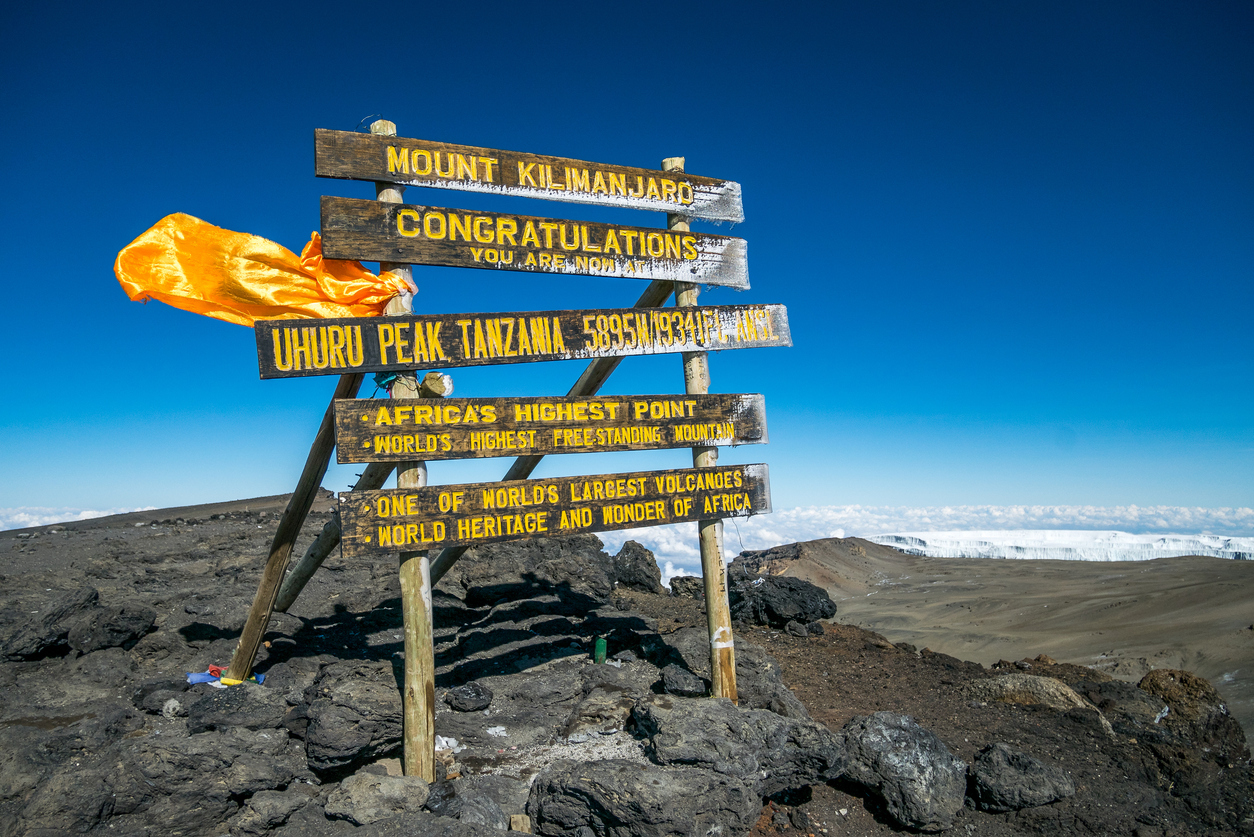
The question, “Can you climb Kilimanjaro at 65?” is one that many aspiring adventurers over 60 ponder. The resounding answer is a confident yes. Kilimanjaro, Africa’s highest peak at 5,895 meters (19,341 feet), is a bucket-list destination for people of all ages, and reaching its summit at 65 is a realistic and achievable goal for those who are well-prepared. While age does bring certain considerations, it is far from an insurmountable obstacle. The key lies in understanding the unique demands of high-altitude trekking and tailoring your preparation accordingly. Top Guide Adventures specializes in helping clients of all ages achieve their Kilimanjaro dreams, with a strong focus on safety, personalized support, and ensuring an unforgettable experience throughout 2026 and 2027.
This comprehensive guide will explore the factors that make climbing Kilimanjaro at 65 not only possible but also a rewarding adventure. We will cover essential health considerations, the importance of physical conditioning, selecting the most suitable climbing routes, packing essentials, and how a trusted tour operator like Top Guide Adventures can significantly enhance your journey. By addressing these aspects thoroughly, you can confidently plan your 2026-2027 Kilimanjaro expedition.
Understanding the Challenges: Altitude and Age
Climbing Kilimanjaro is a significant physical undertaking regardless of age, primarily due to the extreme altitude. The higher you ascend, the thinner the air becomes, meaning less oxygen is available for your body to use. This can lead to Altitude Mountain Sickness (AMS), which can range from mild headaches and nausea to severe, life-threatening conditions like High Altitude Cerebral Edema (HACE) and High Altitude Pulmonary Edema (HAPE). For trekkers over 60, the body’s acclimatization process might be slightly slower, and pre-existing health conditions need careful consideration.
However, scientific research and anecdotal evidence consistently show that age itself is not a direct predictor of success on Kilimanjaro. Many physiological responses to altitude are similar across age groups. The primary differentiators are:
- Cardiovascular Health: A strong heart and healthy circulatory system are vital for efficient oxygen transport at altitude.
- Respiratory Function: The ability of the lungs to take in oxygen is crucial.
- Overall Fitness: Endurance, strength, and stamina are essential for long trekking days.
- Mental Fortitude: The psychological aspect of pushing through discomfort and fatigue is significant.
- Acclimatization Strategy: A slow, steady ascent with adequate rest days is paramount.
For those climbing Kilimanjaro at 65, it’s not about being a seasoned athlete, but about being in the best possible shape for the challenge and making informed decisions throughout the trek. Top Guide Adventures prioritizes slow and steady ascents on all our routes, ensuring optimal acclimatization for all our clients.
Health and Medical Considerations for Trekkers Over 60
Before committing to a Kilimanjaro climb, especially if you are 65 or older, a thorough medical check-up is non-negotiable. Discuss your plans with your doctor, who can assess your fitness for high-altitude trekking and advise on any potential risks based on your personal health history. Be open about any existing conditions such as:
- Cardiovascular conditions: Heart disease, high blood pressure, previous heart attacks.
- Respiratory conditions: Asthma, COPD, chronic bronchitis.
- Diabetes: Managing blood sugar levels at altitude requires careful planning.
- Joint issues: Arthritis or other conditions affecting mobility.
- Sleep apnea: Altitude can exacerbate breathing difficulties during sleep.
Your doctor might recommend specific tests or suggest consulting a specialist in altitude medicine. They can also provide guidance on:
- Medications: Discussing any current prescriptions and potential interactions with altitude or medications for AMS (like Diamox).
- Vaccinations: Ensuring you are up-to-date on recommended travel vaccinations for Tanzania.
- Travel Insurance: Confirming that your insurance covers high-altitude trekking and medical evacuation.
It’s also wise to consider carrying a small personal first-aid kit with essentials like pain relievers, blister treatment, antiseptic wipes, and any personal medications. While our guides are trained in first aid, having your own supplies readily available can be convenient.
Important Note: While Kilimanjaro is not a technical climb, the altitude presents significant physiological stress. Your doctor’s clearance is essential for safely attempting to climb Kilimanjaro at 65.
Physical Training: The Cornerstone of Success
Consistent and targeted physical training is the most crucial element for anyone planning to climb Kilimanjaro, and this is especially true for trekkers aged 65 and over. The goal is not to become a marathon runner, but to build endurance, strengthen your legs and core, and prepare your body for sustained effort over multiple days in challenging conditions.
Cardiovascular Endurance
Focus on activities that elevate your heart rate for extended periods. Aim for at least 3-5 sessions per week, gradually increasing the duration and intensity.
- Hiking: This is the most relevant training. Find hills or mountains in your area and go for long hikes (4-6 hours) carrying a daypack with 5-10 kg (10-20 lbs). Practice on varied terrain, including ascents and descents.
- Brisk Walking: Excellent for building a base level of fitness.
- Cycling: A low-impact option that builds leg strength and cardiovascular fitness.
- Swimming: A full-body workout that improves cardiovascular health without stressing joints.
- Stair Climbing: Mimics uphill trekking and strengthens leg muscles.
Strength Training
Strong legs and a stable core are vital for navigating uneven trails and carrying your pack. Focus on exercises that target:
- Legs: Squats, lunges, calf raises, step-ups.
- Core: Planks, bridges, abdominal crunches.
- Back: Exercises to support your posture and carrying capacity.
Incorporate strength training 2-3 times per week, ensuring adequate rest between sessions.
Flexibility and Balance
Good flexibility can help prevent injuries, and improved balance is useful on tricky terrain. Activities like yoga or regular stretching can be beneficial.
Simulating Trekking Conditions
The best training is training that mimics the actual activity. If possible, undertake multi-day hikes with significant elevation gain in the weeks leading up to your Kilimanjaro climb. This will help your body adapt to the sustained effort and identify any potential issues.
Training Timeline
Begin your training program at least 3-6 months before your planned climb. Gradually increase the intensity and duration of your workouts. Don’t push yourself too hard too soon, and listen to your body. The goal is to build fitness steadily, not to peak too early or risk injury.
For those considering a Kilimanjaro climb in 2026 or 2027, starting your training now is the most effective way to ensure you are well-prepared.
Choosing the Right Kilimanjaro Route: A Critical Decision
The route you choose for your Kilimanjaro climb significantly impacts your experience, success rate, and acclimatization. For trekkers aged 65 and over, prioritizing longer routes that allow for better acclimatization is highly recommended. Shorter, steeper routes increase the risk of AMS and exhaustion.
Here’s a breakdown of popular routes and their suitability for older trekkers:
Marangu Route (Coca-Cola Route)
- Duration: 5-6 days.
- Pros: Considered the easiest route, offers accommodation in huts (rather than camping), and has a more gradual ascent on the first two days.
- Cons: Lower success rate due to rapid ascent and poor acclimatization, very crowded, less scenic.
Recommendation for 65+: Generally not recommended due to its short duration and poor acclimatization profile, which significantly increases AMS risk. The 6-day option is slightly better but still often rushed.
Machame Route (Whiskey Route)
- Duration: 6-7 days.
- Pros: Excellent acclimatization profile (the “climb high, sleep low” principle), very scenic, good success rates, camping accommodation.
- Cons: Steeper in sections, can be challenging.
Recommendation for 65+: A very popular and highly recommended choice. The 7-day Machame route provides excellent acclimatization, allowing your body more time to adjust to the altitude. Its scenic beauty also adds to the overall experience. Check Machame group departures for 2026 and 2027.
Lemosho Route
- Duration: 7-8 days.
- Pros: One of the most scenic routes, starts in the west, excellent acclimatization profile, less crowded initially, good success rates, camping accommodation.
- Cons: Longer and more expensive than some other routes.
Recommendation for 65+: An outstanding choice. The 8-day Lemosho route offers superior acclimatization, stunning scenery, and a more remote trekking experience. This extended duration is ideal for maximizing comfort and success rates for older trekkers.
Shira Route
- Duration: 7-8 days.
- Pros: Similar to Lemosho but starts at a higher altitude, offering immediate scenic views. Good acclimatization.
- Cons: Starts at a higher altitude which can be challenging for initial acclimatization, longer and more expensive.
Recommendation for 65+: A good option, but the higher starting altitude requires careful monitoring. The 8-day option is preferred for better acclimatization.
Rongai Route
- Duration: 6-7 days.
- Pros: Approaches from the north, making it drier and less crowded, good acclimatization on the 7-day option, camping accommodation.
- Cons: Less scenic than western routes, can be more expensive due to logistics.
Recommendation for 65+: The 7-day Rongai is a viable option, especially if you prefer a less crowded experience. Its acclimatization is decent, though generally considered slightly less optimal than Lemosho or Machame.
Northern Circuit
- Duration: 9-10 days.
- Pros: Longest and slowest route, offering the absolute best acclimatization and highest success rates, circumnavigates the mountain, very scenic, least crowded, camping accommodation.
- Cons: Most expensive and longest duration.
Recommendation for 65+: The ultimate choice for maximizing comfort, acclimatization, and success. If budget and time allow, the Northern Circuit is unparalleled for trekkers prioritizing a relaxed pace and optimal conditions.
Umbwe Route
- Duration: 5-6 days.
- Pros: Shortest and most direct, challenging.
- Cons: Very steep and technically demanding, extremely poor acclimatization, lowest success rates.
Recommendation for 65+: Strongly discouraged for trekkers over 60 due to its rapid ascent and high risk of AMS.
Top Guide Adventures Recommendation: For climbing Kilimanjaro at 65, we strongly advise choosing a 7-day or longer route. The 7-day Machame, 8-day Lemosho, or the 9-10 day Northern Circuit offer the best balance of acclimatization, scenery, and comfort. Longer itineraries allow your body more time to adapt, significantly increasing your chances of a successful and enjoyable summit.
Choosing Your 2026-2027 Kilimanjaro Route
When planning your climb for 2026 or 2027, consider the following:
- Duration: Prioritize 7 days or more.
- Acclimatization: Look for routes that incorporate “climb high, sleep low” principles.
- Scenery: Lemosho and Machame are renowned for their beauty.
- Crowds: Lemosho, Shira, and Northern Circuit are generally less crowded.
- Comfort: Camping is standard; Marangu offers huts but is less ideal for acclimatization.
Consulting with experienced guides at Top Guide Adventures can help you select the perfect route based on your fitness, preferences, and the best available dates in 2026-2027.
Gear and Packing Essentials for Kilimanjaro
Proper gear is crucial for comfort and safety on Kilimanjaro, especially when trekking at an advanced age. Layering is key to managing temperature fluctuations, and quality equipment can make a significant difference.
Clothing Layers
- Base Layers: Moisture-wicking thermal tops and bottoms (merino wool or synthetic). Avoid cotton.
- Mid Layers: Fleece jackets or vests for insulation.
- Outer Layer (Shell): Waterproof and windproof jacket and pants (Gore-Tex or similar).
- Insulation Layer: A warm down or synthetic insulated jacket for summit night and colder sections.
- Trekking Pants: Comfortable, quick-drying hiking pants (convertible pants are versatile).
- Trekking Shirts: Long-sleeved and short-sleeved moisture-wicking shirts.
Footwear
- Hiking Boots: Well broken-in, waterproof, ankle-supporting hiking boots. This is arguably the most important item.
- Camp Shoes: Comfortable shoes or sandals for wearing in camp.
- Socks: Several pairs of warm wool or synthetic hiking socks. Liner socks can help prevent blisters.
Headwear and Handwear
- Warm Hat: Wool or fleece hat that covers your ears.
- Sun Hat: Wide-brimmed hat for sun protection during the day.
- Balaclava or Buff: For protection against wind and cold, especially on summit night.
- Gloves: Lightweight liner gloves and warm, waterproof outer gloves or mittens.
Sleeping Gear
- Sleeping Bag: A 4-season sleeping bag rated to at least -10°C (15°F) or -20°C (-4°F) is recommended.
- Sleeping Bag Liner: Adds warmth and keeps your sleeping bag cleaner.
Trekking Equipment
- Backpack: A comfortable daypack (30-40 liters) for carrying essentials during the day.
- Trekking Poles: Highly recommended, especially for descents, to reduce strain on knees.
- Headlamp: With extra batteries for navigating in the dark, especially for summit night.
- Water Bottles/Hydration Reservoir: At least 3 liters capacity. Insulated covers are useful in cold weather.
- Sunglasses: High UV protection.
- Sunscreen: High SPF.
- Lip Balm: With SPF.
- Personal First-Aid Kit: As mentioned previously.
- Toiletries: Biodegradable soap, toothbrush, toothpaste, wet wipes, hand sanitizer.
- Camera: With extra batteries and memory cards.
- Power Bank: For charging electronics.
- Snacks: Energy bars, nuts, dried fruit – high-energy, easy-to-digest options.
Kilimanjaro Packing Checklist Summary
Clothing: Base layers, mid-layers, waterproof shell, insulated jacket, trekking pants/shirts, warm socks.
Footwear: Broken-in hiking boots, camp shoes, multiple pairs of hiking socks.
Head/Hands: Warm hat, sun hat, gloves (liner & warm).
Gear: Daypack, trekking poles, headlamp, water bottles, sunglasses, sunscreen, sleeping bag, first-aid kit.
Personal: Toiletries, camera, power bank, snacks.
Top Guide Adventures provides a detailed packing list to all our clients. We also offer gear rental options for essential items like sleeping bags and jackets, which can be convenient for those traveling from afar for their 2026-2027 climb.
The Role of a Reputable Tour Operator
Choosing the right tour operator is paramount for a safe and successful Kilimanjaro climb, particularly for trekkers over 60. A reputable company like Top Guide Adventures offers:
- Experienced Guides: Certified guides trained in wilderness first aid, altitude sickness management, and rescue techniques.
- Quality Equipment: Well-maintained tents, cooking gear, and safety equipment.
- Nutritious Food: Delicious and energy-rich meals prepared by experienced camp cooks, catering to dietary needs.
- Proper Acclimatization Strategy: Adherence to safe ascent profiles and pacing.
- Safety Protocols: Emergency procedures, communication systems (satellite phones/radios), and oxygen availability.
- Logistical Support: Efficient handling of park permits, transport, and camp arrangements.
- Personalized Attention: Guides who monitor each climber’s well-being closely, making adjustments as needed.
When booking your climb for 2026 or 2027, research companies thoroughly. Look for those with strong safety records, positive reviews, and a commitment to ethical trekking practices. Top Guide Adventures is proud of its high client satisfaction and dedicated team, ensuring every trekker, regardless of age, receives the support they need.
Why Top Guide Adventures is the right choice for climbing Kilimanjaro at 65:
- Emphasis on Safety: Our guides are rigorously trained, and we carry supplementary oxygen and first aid kits on every climb.
- Flexible Itineraries: We prioritize longer routes and allow for flexible pacing to ensure optimal acclimatization.
- Experienced Team: Our porters and cooks are well-cared for, ensuring a motivated and efficient support crew.
- Personalized Service: From initial inquiry to post-climb support, we offer dedicated attention.
You can reach us directly for a personalized quote or to discuss your 2026-2027 Kilimanjaro adventure via WhatsApp +255616946642 or email at topguideadventures@gmail.com.
On the Mountain: Pace, Hydration, and Listening to Your Body
Once you are on Kilimanjaro, the most crucial advice for anyone, especially those climbing Kilimanjaro at 65, is to “Pole Pole” – Swahili for “slowly, slowly.” Rushing the ascent is the fastest way to trigger altitude sickness.
Pacing
Walk at a pace that allows you to hold a conversation without gasping for breath. Your guides will set the pace, but don’t hesitate to ask them to slow down if you feel rushed or out of breath. Short, frequent breaks are more beneficial than long, infrequent ones.
Hydration
Drinking plenty of fluids is vital for acclimatization and preventing dehydration. Aim for 3-5 liters of water per day. This includes water, herbal teas, and soup. Avoid caffeine and alcohol, as they can contribute to dehydration and hinder acclimatization.
Nutrition
Eat regular, balanced meals. High-carbohydrate meals provide the energy needed for trekking. Even if your appetite decreases at altitude, try to eat small amounts frequently. Our cooks prepare nutritious meals designed to sustain you throughout the trek.
Monitoring for AMS
Be aware of the symptoms of AMS:
- Headache
- Nausea and vomiting
- Dizziness
- Fatigue
- Loss of appetite
- Difficulty sleeping
If you experience any of these symptoms, inform your guide immediately. They are trained to assess the severity and recommend the appropriate course of action, which may include descending to a lower altitude. Never ascend further if you have symptoms of moderate to severe AMS.
Listen to Your Body
This cannot be stressed enough. Pay attention to how you are feeling. If you experience unusual fatigue, pain, or discomfort, communicate it to your guide. Your well-being is the top priority.
Summit Night: The Ultimate Challenge
Summit night is the most demanding part of the climb. It typically begins around midnight, involving a steep ascent in the dark, cold, and wind, often on loose scree. Temperatures can drop well below freezing.
For trekkers over 65, summit night requires extra mental and physical preparation:
- Rest Well: Try to get as much sleep as possible in the days leading up to summit night.
- Eat and Drink: Consume a good meal before starting and drink fluids consistently.
- Layer Up: Wear all your warmest layers, including your insulated jacket, hat, and gloves.
- Headlamp: Ensure your headlamp is bright and you have spare batteries.
- Pace Yourself: Move “Pole Pole” – even slower than during the day. Focus on each step.
- Stay Positive: The mental challenge is significant. Focus on reaching the next landmark.
- Communicate: Keep your guide informed of how you are feeling.
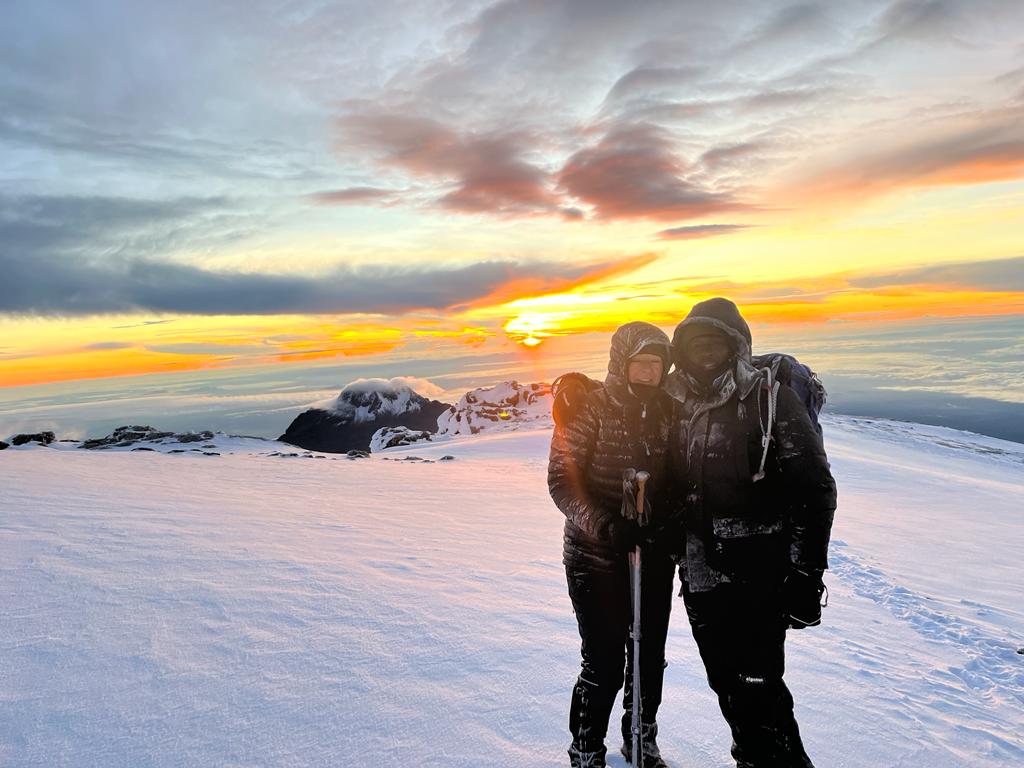
The feeling of reaching Uhuru Peak at sunrise is an incredible reward, and with careful preparation and support, climbing Kilimanjaro at 65 is a dream within reach.
Post-Climb: Recovery and Celebration
After successfully descending Kilimanjaro, allow your body time to recover. You will likely feel tired but exhilarated. Drink plenty of fluids, eat well, and get adequate rest. Top Guide Adventures ensures a comfortable transfer back to your hotel in Moshi or Arusha, where you can relax and celebrate your incredible achievement.
Many clients choose to combine their Kilimanjaro climb with a safari in the Serengeti or a relaxing holiday on Zanzibar. This allows for a more comprehensive Tanzanian experience and provides opportunities for rest and reflection after the trek. We can help you plan these extensions for your 2026-2027 trip.
Costs and Booking Your Kilimanjaro Climb in 2026-2027
The cost of climbing Kilimanjaro varies depending on the route, duration, group size, and the operator’s inclusions. Generally, longer routes are more expensive due to the increased number of days and staff required.
Factors influencing cost:
- Route Choice: Longer routes like Lemosho or Northern Circuit cost more than shorter ones.
- Duration: More days on the mountain increase costs.
- Group Size: Private climbs are more expensive per person than joining a group.
- Inclusions: Quality of food, gear, guide experience, safety equipment (like oxygen), and porter ratios.
- Operator’s Reputation: Reputable companies with strong safety records and ethical practices often charge more, reflecting the higher quality of service and support.
What is typically included:
- Park entry fees, camping/hut fees, rescue fees.
- All meals on the mountain.
- Tents, cooking equipment.
- Certified mountain guides, cooks, and porters.
- Bottled water on the mountain (or purified water).
- Transfers to and from Kilimanjaro National Park gate.
- Basic accommodation in Moshi/Arusha before and after the climb (sometimes).
- Supplementary oxygen (on some higher-end packages).
What is typically NOT included:
- International flights.
- Visa fees.
- Travel insurance (mandatory).
- Tips for guides, porters, and cooks (a significant part of their income).
- Personal gear (sleeping bag, clothing, boots, etc.).
- Lunches and drinks in hotels before/after the climb.
- Personal expenses.
For specific pricing tailored to your needs for a 2026 or 2027 climb, it’s best to contact us directly. We offer competitive pricing for high-quality, safe expeditions.
Get Your Personalized Kilimanjaro Quote for 2026-2027
Top Guide Adventures provides transparent pricing and custom itineraries. We cater to individual needs, ensuring you get the best value for a safe and memorable climb.
Contact us today for a detailed quote:
- WhatsApp: +255616946642
- Email: topguideadventures@gmail.com
- Backup Email: info@topguideadventures.com
Let us help you plan your dream climb to Uhuru Peak in 2026 or 2027!
Frequently Asked Questions About Climbing Kilimanjaro at 65
Here are some common questions we receive regarding climbing Kilimanjaro at 65:
Is there an age limit for climbing Kilimanjaro?
There is no official age limit set by Kilimanjaro National Park. However, climbers must be deemed medically fit for the ascent. Top Guide Adventures assesses each client’s suitability, and we strongly recommend a doctor’s consultation for anyone over 60.
What is the biggest risk for older climbers on Kilimanjaro?
The primary risk for all climbers, including those over 65, is Altitude Mountain Sickness (AMS). Pre-existing medical conditions, if not managed properly, can also pose risks. Choosing a longer route and proper preparation significantly mitigates these risks.
How much training is needed for a 65-year-old?
Significant, consistent training is required. Focus on cardiovascular endurance through hiking and strength training for legs and core. Aim for at least 3-6 months of preparation, gradually increasing intensity and duration. Prioritize hiking with a pack on varied terrain.
Can I use medication like Diamox?
Yes, many climbers use Diamox (acetazolamide) to aid acclimatization. It should be prescribed by your doctor, who will advise on dosage and potential side effects. Always discuss medication use with your physician before your climb.
What if I get altitude sickness?
The most effective treatment for AMS is to descend. Your guides are trained to recognize symptoms and will make the decision to descend if necessary for your safety. Communicate any symptoms to your guide immediately.
Are there any specific route recommendations for someone aged 65+?
Absolutely. We highly recommend longer routes like the 7-day Machame, 8-day Lemosho, or the 9-10 day Northern Circuit. These routes offer superior acclimatization, which is crucial for comfort and success at higher altitudes and for older trekkers.
Is it possible to climb Kilimanjaro in 2026 or 2027?
Yes, 2026 and 2027 are excellent years to plan your Kilimanjaro climb. Booking in advance is recommended, especially for specific dates or group departures. Contact Top Guide Adventures to discuss availability and begin planning your expedition.
Conclusion: Your Kilimanjaro Adventure Awaits
Climbing Kilimanjaro at 65 is a remarkable achievement that is well within reach for many individuals. It requires diligent preparation, a focus on health, careful route selection, and a commitment to listening to your body. The challenges of altitude are universal, but with the right approach, age becomes less of a factor than fitness and preparation.
Top Guide Adventures is dedicated to making your Kilimanjaro dream a reality. We understand the unique needs of all our clients and prioritize safety, comfort, and success on every climb. Whether you are planning for 2026 or 2027, our experienced team is here to guide you every step of the way. From selecting the optimal route to providing expert logistical support on the mountain, we ensure a world-class trekking experience.
Don’t let age be a barrier to experiencing the majesty of Kilimanjaro. With thorough preparation and the support of a trusted operator, your journey to the Roof of Africa can be an unforgettable success. We invite you to reach out to us to discuss your plans, ask any further questions, and start planning your incredible adventure.
Contact Top Guide Adventures today:
- WhatsApp: +255616946642
- Email: topguideadventures@gmail.com
- Backup Email: info@topguideadventures.com
Let us help you conquer Kilimanjaro in 2026-2027!
Check Availability for Can You Climb Kilimanjaro At 65? Your Expert Guide For 2026-2027
Ready to compare dates, prices, and the best option for your group? Send the package name and travel month so the team can reply with a clear quote, availability, and what is included.
Kilimanjaro Climb With Materuni Recovery Day 2026-2027
Kilimanjaro Climb with Materuni Recovery Day is explained with current 2026-2027 planning, price, itinerary and booking information.
View package details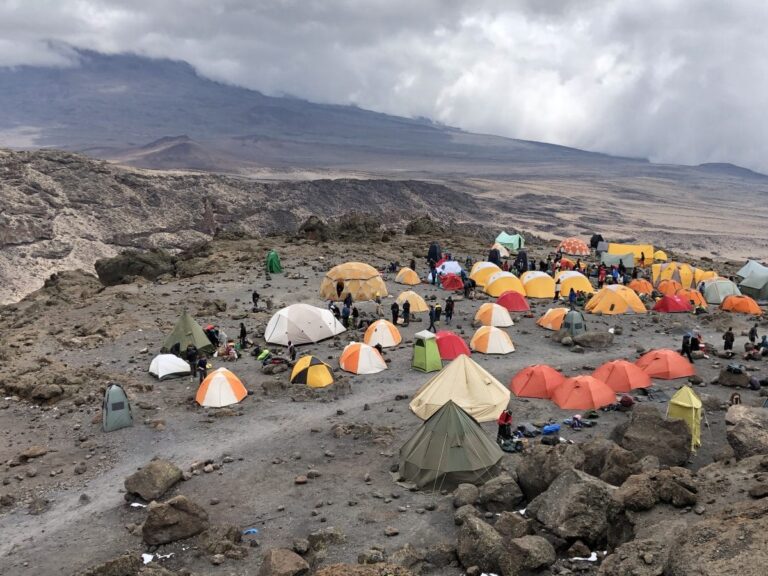
Kilimanjaro Climb With Lake Chala Relaxation Day: Your Ultimate Post-Trek
Experience the ultimate Kilimanjaro adventure followed by serene relaxation at Lake Chala. This guide details how to combine these incredible Tanzanian experiences, covering itineraries...
View package details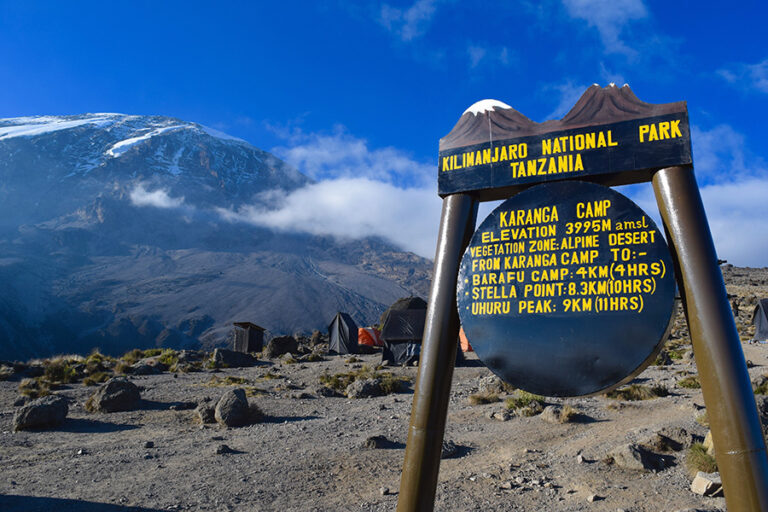
Kilimanjaro Climb & West Safari: The Ultimate Tanzania Adventure 2026-2027
Experience the pinnacle of Tanzania with a combined Kilimanjaro climb and West Kilimanjaro safari. This guide details itineraries, preparation, and what to expect for your 2026-2027...
View package details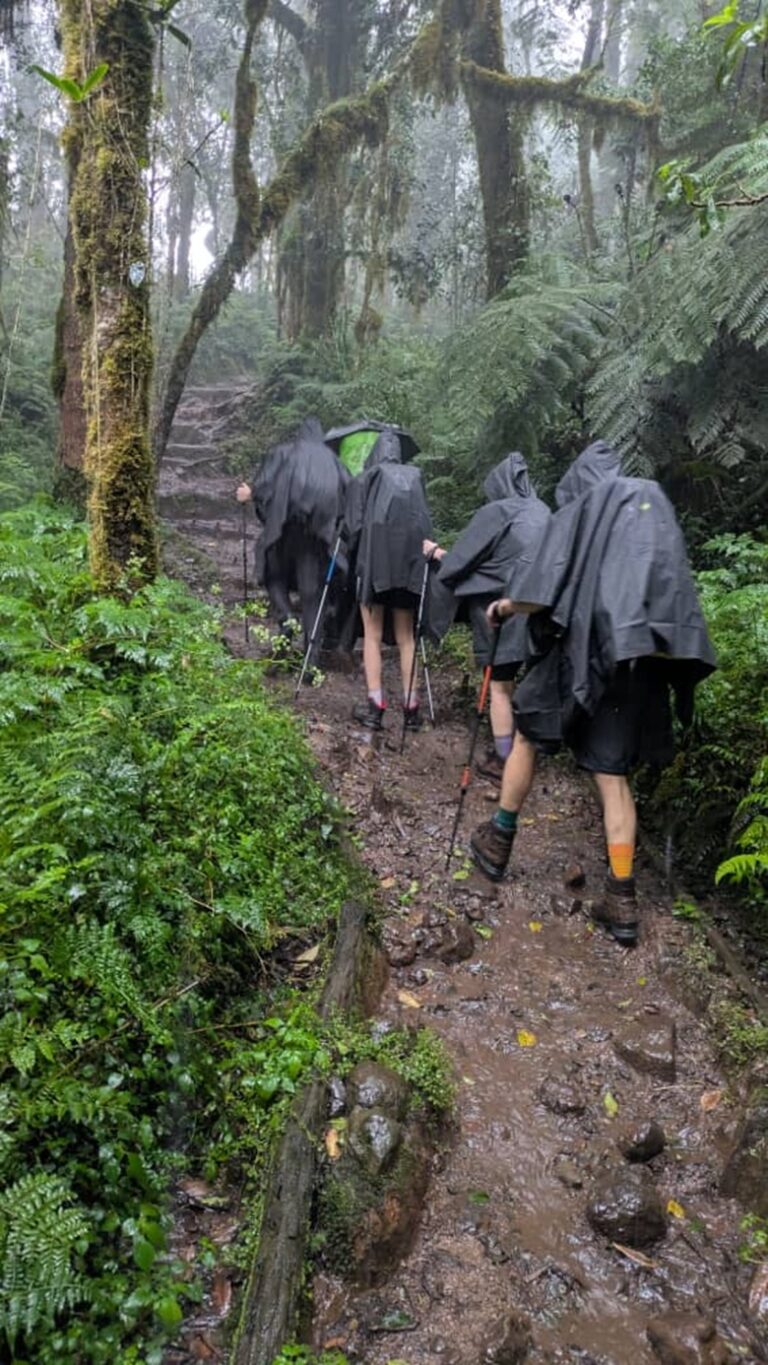
Kilimanjaro Climb With Mkomazi Rhino Safari 2026-2027
Kilimanjaro Climb with Mkomazi Rhino Safari is explained with current 2026-2027 planning, price, itinerary and booking information.
View package details
Kilimanjaro Climb With Amboseli Safari Extension: Your Ultimate Tanzania
Experience the pinnacle of African adventure by combining a challenging Kilimanjaro climb with a impressive safari in Amboseli National Park. This guide details itineraries, costs, best...
View package details
13-Day Kilimanjaro Climb, Cultural Tour & Zanzibar Holiday: Your Ultimate
This 13-day itinerary offers an unparalleled Tanzanian experience, blending the thrill of conquering Mount Kilimanjaro with deep cultural exploration and the serene beauty of Zanzibar...
View package details
Kilimanjaro Questions To Ask During Your Briefing For Climbs 2026-2027
Before embarking on your Kilimanjaro adventure, a thorough briefing is crucial. This guide outlines the most important questions to ask your tour operator to ensure you're fully prepared...
View package details
Kilimanjaro Contract Terms You Should Understand For Your Climb 2026-2027
Navigating the fine print of your Kilimanjaro climb contract is crucial. This guide breaks down essential terms, from payment schedules and cancellation policies to what's included and...
View package details
What A Kilimanjaro Mountain Crew Should Provide For Your Climb 2026-2027
Planning a Kilimanjaro climb? Understand precisely what your mountain crew needs to provide, from essential gear and experienced guides to food, safety, and logistical support. This...
View package details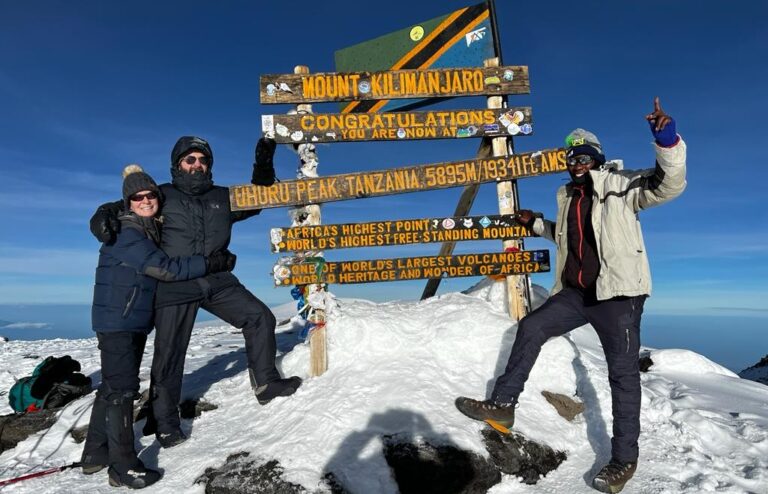
How To Compare Kilimanjaro Package Inclusions For Your Climb 2026-2027
Choosing the right Kilimanjaro climb package in 2026 or 2027 involves meticulously comparing what's included. This guide breaks down essential inclusions like park fees, guide/porter...
View package details
Kilimanjaro Booking Checklist For First-Time Climbers: Your Essential Guide
Planning your first Kilimanjaro climb in 2026 or 2027? This detailed checklist covers everything from choosing a route and operator to packing and acclimatization, ensuring a well-prepared...
View package details
Questions Your Kilimanjaro Operator Should Answer For A Successful Climb
Choosing the right Kilimanjaro operator is crucial for a safe and memorable climb. This comprehensive guide details the essential questions you must ask your potential tour operator...
View package detailsNo related package matches those filters. Clear one or more filters to see the other topic-matched options.



