
Yes, climbing Kilimanjaro at 70 is absolutely possible and many trekkers in this age group successfully reach the summit. While age itself isn’t the primary barrier, a person’s overall health, fitness level, and proper preparation are the critical factors. Kilimanjaro’s challenge lies in its altitude and duration, not extreme technical difficulty. With careful planning, choosing the right route, and listening to your body, a Kilimanjaro climb at 70 can be a rewarding and achievable goal for 2026-2027.
Is Climbing Kilimanjaro at 70 Realistic?
The dream of standing on the roof of Africa, Uhuru Peak, is not exclusive to the young. For individuals aged 70 and above, the question isn’t so much if they can climb Kilimanjaro, but how they can best prepare to make it a safe and successful adventure. At Top Guide Adventures, we’ve guided many clients in their senior years, and the consistent factor among those who summit is thorough preparation and a realistic understanding of the mountain’s demands. The key lies in individual fitness, health, and the right approach to the climb.
Kilimanjaro is a non-technical climb, meaning it doesn’t require specialized climbing skills like mountaineering. It’s essentially a challenging trek through diverse ecosystems, culminating in a steep ascent to over 5,895 meters (19,341 feet). The primary challenges are:
- Altitude: Rapid ascent can lead to altitude sickness, which affects everyone differently, regardless of age.
- Physical Endurance: The trek can last anywhere from 5 to 10 days, requiring sustained physical effort day after day.
- Cold Temperatures: Summit night is particularly cold, demanding resilience.
- Mental Fortitude: Pushing through fatigue and discomfort requires a strong will.
For a 70-year-old, these factors require careful consideration and proactive planning. It’s not about being an elite athlete, but about being in good general health and having a solid level of cardiovascular fitness. Many people in their 70s maintain a lifestyle that supports this, and with focused training, they can certainly prepare for Kilimanjaro.
Medical Considerations for Senior Trekkers
Before even thinking about booking a climb for 2026 or 2027, a comprehensive medical check-up is paramount for anyone aged 70 or approaching it. This is not just a formality; it’s a critical step in ensuring your safety and enjoyment.
Consult Your Doctor: Schedule a thorough consultation with your physician. Discuss your intention to climb Kilimanjaro. Be prepared to answer questions about your medical history, current conditions, medications, and lifestyle. Your doctor can assess:
- Cardiovascular Health: Kilimanjaro is a significant physical exertion. Any underlying heart conditions need to be evaluated.
- Respiratory Function: Lung capacity and function are crucial at high altitudes.
- Joint Health: The descent can be hard on knees and hips. Any pre-existing joint issues should be discussed.
- Blood Pressure and Cholesterol: These are important indicators of overall health.
- Diabetes Management: If you have diabetes, discuss how to manage your blood sugar during strenuous activity and at altitude.
Altitude Sickness (AMS): While age doesn’t make one more or less susceptible to Acute Mountain Sickness (AMS), pre-existing conditions like heart or lung problems can be exacerbated by altitude. Your doctor can advise on potential risks and perhaps recommend medications like Diamox (acetazolamide) to aid acclimatization, though this should always be prescribed and monitored by a medical professional.
Pre-existing Conditions: For individuals with conditions such as arthritis, osteoporosis, or balance issues, specific considerations will be necessary. Strengthening exercises focusing on core stability and leg muscles can be highly beneficial. Discussing mobility aids or trekking poles with your doctor and a physiotherapist might also be wise.
Medication Management: Ensure all necessary medications are clearly labeled, you have sufficient supply for the entire trip, and you understand how to take them at altitude. Carry a copy of your prescriptions.
Travel Insurance: It is non-negotiable. Ensure your travel insurance policy specifically covers high-altitude trekking and medical evacuation. Many standard policies exclude these activities.
Fitness and Training for Kilimanjaro at 70
Consistent and targeted training is the cornerstone of a successful Kilimanjaro climb for any age, but particularly for those over 70. The goal is to build cardiovascular endurance, leg strength, and stamina. Start your training program at least 3-6 months before your planned climb in 2026 or 2027.
Cardiovascular Training
This is essential for building the stamina needed for long trekking days. Aim for:
- Frequency: 3-5 times per week.
- Duration: Start with 30 minutes and gradually increase to 60-90 minutes per session.
- Intensity: Moderate intensity, where you can talk but not sing.
- Activities: Brisk walking, cycling, swimming, elliptical training, or hiking.
Strength Training
Focus on leg and core strength to support your body on the mountain, especially during the descent.
- Frequency: 2-3 times per week.
- Exercises: Squats, lunges, step-ups (using a sturdy chair or bench), calf raises, bridges, and planks.
- Considerations: Use light weights or body weight initially. Focus on proper form to avoid injury. If you have joint concerns, consult a physiotherapist for tailored exercises.
Hiking and Trekking Practice
This is the most specific and important type of training. Simulate mountain conditions as much as possible.
- Frequency: At least once a week, increasing to twice a week closer to the climb.
- Duration: Start with 2-3 hour hikes and build up to 6-8 hour hikes.
- Terrain: Seek out hills or uneven terrain. Practice on trails with elevation changes.
- Load: Wear the boots and backpack you intend to use on Kilimanjaro. Carry a weighted backpack (5-8 kg) to simulate conditions.
- Simulate Summit Day: Try a long hike with a significant elevation gain, followed by a shorter hike the next day to test your recovery and endurance.
Flexibility and Balance
Maintaining good flexibility and balance can prevent falls and improve overall comfort on the trail.
- Activities: Yoga, Pilates, or simple stretching routines incorporated into your daily life.
Listen to Your Body: During training, pay close attention to any pain or discomfort. Rest is as important as exercise. If you experience persistent pain, seek professional advice.
Choosing the Right Kilimanjaro Route for Senior Trekkers
The route you choose significantly impacts your experience, success rate, and overall comfort. For climbers aged 70 and above, prioritizing acclimatization and a gentler ascent profile is crucial. Longer routes generally offer better acclimatization and higher success rates.
At Top Guide Adventures, we often recommend the following routes for older trekkers, considering their gradual ascent and scenic beauty:
1. Lemosho Route (7-8 Days)
Often considered one of the most scenic routes, Lemosho offers excellent acclimatization due to its longer duration. It starts in the west, crossing the Shira Plateau, and joins the Machame route. The extra days allow your body to adjust more effectively to the altitude.
- Pros: High success rate, beautiful scenery, good acclimatization profile, less crowded initially.
- Cons: Can be more expensive due to its length and remote starting point.
2. Machame Route (6-7 Days)
Known as the ‘Whiskey’ route, Machame is popular for its scenic beauty and challenging but effective acclimatization profile. It’s steeper than Lemosho but offers a good balance. A 7-day option is highly recommended over the 6-day for better acclimatization.
- Pros: Very scenic, good acclimatization (especially 7-day version), high success rate.
- Cons: Can be crowded, steeper ascents require more effort.
3. Marangu Route (5-6 Days)
The ‘Coca-Cola’ route is the oldest and most established. It’s the only route with ‘hut’ accommodation instead of camping, which some find more comfortable. However, its rapid ascent profile means it has a lower success rate, particularly for shorter durations. For seniors, the 6-day option is essential, but even then, acclimatization is less ideal than Lemosho or a 7-day Machame.
- Pros: Huts offer comfort, less gear needed (no camping equipment), relatively straightforward path.
- Cons: Poorer acclimatization profile, lower success rates, can be very crowded, less scenic than western routes.
Recommended Routes for 70+ Trekkers (2026-2027)
For climbers aged 70 and over, we strongly advise choosing one of the longer routes:
- Lemosho (8 Days): This offers the best acclimatization and a more relaxed pace.
- Machame (7 Days): A very solid option with good acclimatization and stunning views.
Why Longer is Better: The principle of ‘pole pole’ (slowly, slowly) is vital. Longer routes allow for more gradual ascents, giving your body more time to adapt to decreasing oxygen levels. This significantly reduces the risk of altitude sickness and increases your chances of reaching the summit comfortably. Shorter routes, like the 5-day Marangu, rush the ascent and are generally not recommended for older trekkers or those less acclimatized.
Essential Gear for Kilimanjaro Climbers Over 70
Proper gear is crucial for comfort, safety, and performance on Kilimanjaro. While the core requirements are the same for all trekkers, seniors might pay extra attention to comfort and ease of use.
Layering System: This is key to managing temperature changes. You’ll need:
- Base Layers: Moisture-wicking thermal tops and bottoms (merino wool or synthetic).
- Mid Layers: Fleece jackets or vests for insulation.
- Outer Layer (Insulation): A warm down or synthetic insulated jacket for summit night and cold evenings.
- Outer Layer (Shell): Waterproof and windproof jacket and trousers (Gore-Tex or similar).
Headwear and Handwear:
- Warm Hat: Wool or fleece, covering the ears.
- Sun Hat: With a wide brim for sun protection during the day.
- Balaclava or Neck Gaiter: For face protection against wind and cold.
- Gloves: A pair of thin liner gloves and a pair of warm, waterproof outer gloves or mittens. Mittens are generally warmer than gloves.
Footwear:
- Hiking Boots: Sturdy, waterproof, high-ankle support boots. Ensure they are well broken-in before the trek. Consider lighter-weight options if ankle strength is a concern, but ensure they still provide adequate support.
- Socks: Several pairs of thick, moisture-wicking wool or synthetic hiking socks. Avoid cotton.
- Camp Shoes/Sandals: Lightweight and comfortable for wearing around camp.
Trekking Poles: Highly recommended, especially for seniors. They reduce strain on knees and hips during descents and provide stability on uneven terrain. Ensure they are adjustable and have a comfortable grip.
Backpack:
- Daypack: A comfortable 30-40 liter pack for essentials you need during the day (water, snacks, camera, rain gear, warm layer).
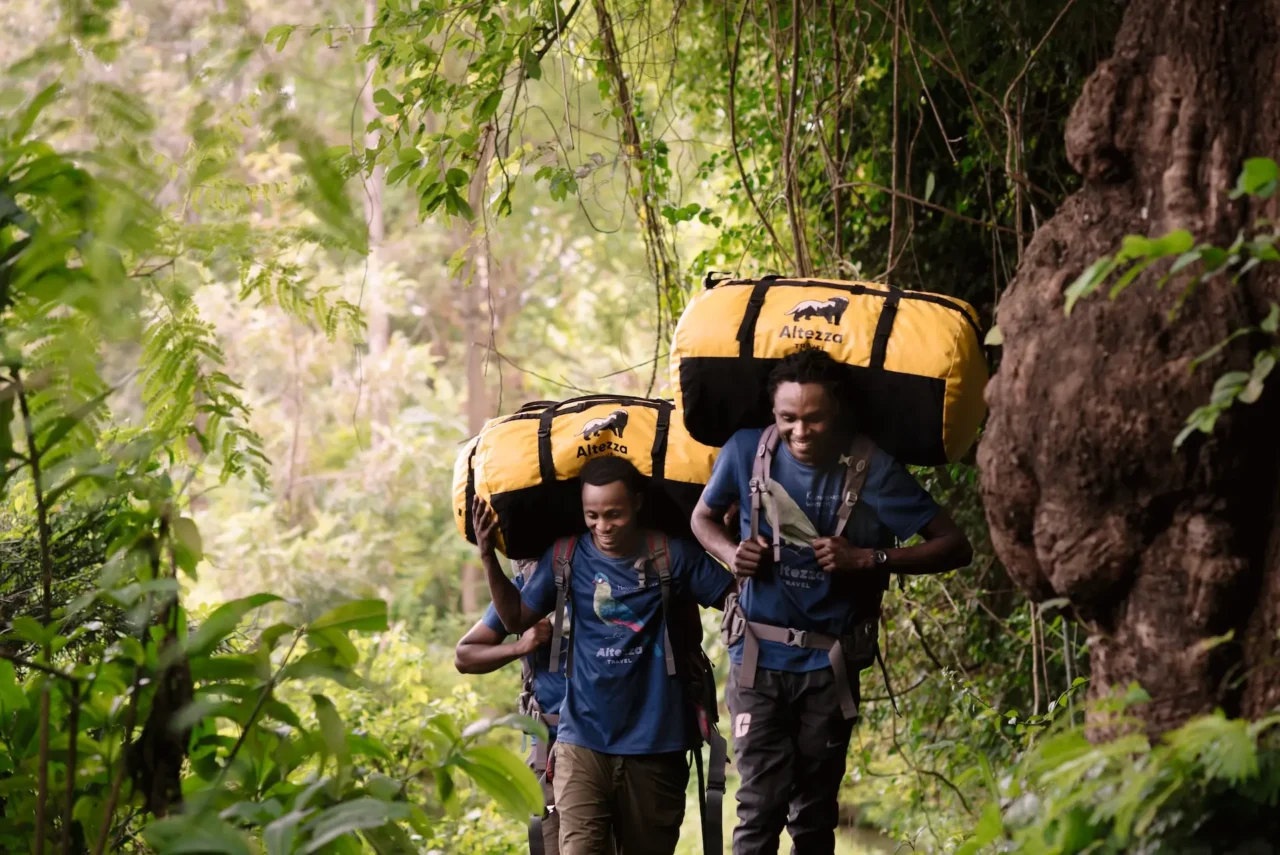
- Duffel Bag: A large, waterproof duffel bag (80-100 liters) for your main gear, carried by porters.
Sleeping Gear:
- Sleeping Bag: A 4-season sleeping bag rated to at least -10°C (0°F).
- Sleeping Bag Liner: Adds warmth and keeps your bag cleaner.
Other Essentials:
- Headlamp: With extra batteries, essential for summit night and navigating camp in the dark.
- Water Bottles/Hydration Reservoir: At least 3 liters capacity. Insulated covers for water bottles are recommended to prevent freezing.
- Sunscreen and Lip Balm: High SPF.
- Sunglasses: UV protection.
- Personal First-Aid Kit: Including any personal medications, blister treatment, pain relievers, and antiseptic wipes.
- Toiletries: Biodegradable soap, toothbrush, toothpaste, wet wipes.
- Camera and Power Bank: To capture memories and keep devices charged.
Comfort Considerations: For seniors, consider items that enhance comfort, such as a padded seat for breaks, extra-warm socks, and perhaps a lighter but equally warm sleeping bag if weight is a concern. Ensure all zippers and closures are easy to operate with cold hands.
The Role of Acclimatization
Acclimatization is the process by which your body adjusts to lower oxygen levels at higher altitudes. It is the single most important factor for a successful and safe Kilimanjaro climb, especially for older trekkers. Rushing this process is the primary cause of altitude sickness.
How it Works: As you ascend, the atmospheric pressure decreases, meaning less oxygen is available with each breath. Your body responds by increasing its production of red blood cells to carry oxygen more efficiently. This adaptation takes time.
Key Principles for Good Acclimatization:
- Climb High, Sleep Low: This is a fundamental strategy. Hike to a higher altitude during the day and then descend to a lower altitude to sleep. This helps your body acclimatize without the added stress of sleeping at extreme heights. Longer routes naturally incorporate this.
- Gradual Ascent: Avoid gaining too much altitude too quickly. The recommended ascent rate is generally no more than 300-500 meters (1,000-1,600 feet) per day above 3,000 meters (9,800 feet).
- Hydration: Drink plenty of fluids (3-4 liters per day). Water, herbal teas, and clear broths are excellent. Dehydration can worsen AMS symptoms.
- Avoid Alcohol and Caffeine: These can dehydrate you and interfere with sleep.
- Rest: Get adequate sleep and avoid overexertion during the day.
- Listen to Your Body: Pay attention to any symptoms of AMS.
Symptoms of Altitude Sickness:
- Headache
- Nausea and vomiting
- Dizziness
- Fatigue
- Loss of appetite
- Difficulty sleeping
- Shortness of breath (even at rest)
What to Do if Symptoms Occur:
- Do not ascend further: If symptoms are mild, stop and rest.
- Descend: If symptoms worsen or do not improve, the only effective treatment is to descend. Even a few hundred meters can make a significant difference.
- Inform Your Guide: Always communicate any symptoms to your guide immediately. They are trained to assess and manage altitude sickness.
Medication: As mentioned, Diamox (acetazolamide) can aid acclimatization for some individuals. It’s crucial to discuss this with your doctor well in advance and understand its use and potential side effects. It is not a substitute for proper acclimatization techniques.
For a 70-year-old Kilimanjaro climber, choosing a route with a proven track record for acclimatization, like the 8-day Lemosho or 7-day Machame, and adhering strictly to the principles of gradual ascent and hydration, will significantly enhance the chances of a successful and healthy climb in 2026-2027.
The Importance of a Reputable Tour Operator
Selecting the right tour operator is perhaps as crucial as your physical preparation, especially when climbing Kilimanjaro at 70. A reputable company ensures your safety, comfort, and overall experience are prioritized.
What to Look for in a Tour Operator:
Key Criteria for Choosing Your Operator:
- Safety Record and Staff Training: Do they have a strong safety record? Are their guides trained in wilderness first aid and altitude sickness management?
- Guide-to-Client Ratio: A lower ratio (e.g., 1:10 or better for guides to clients) means more individual attention. For seniors, a ratio closer to 1:6 or 1:8 might be preferable.
- Equipment Quality: Do they provide high-quality tents, cooking equipment, and ensure porters are well-equipped?
- Porter Welfare: Ethical treatment of porters is a sign of a responsible company. Look for fair wages, adequate food, and proper gear for them.
- Itinerary Design: Do they offer longer itineraries (7-8 days) for better acclimatization? Do they prioritize safety over speed?
- Emergency Procedures: What are their protocols for medical emergencies? Do they carry oxygen and a portable stretcher?
- Reviews and Reputation: Check independent reviews on platforms like TripAdvisor.
- Communication: Are they responsive and transparent in their communication?
Top Guide Adventures Difference:
At Top Guide Adventures, we understand the unique needs of all our clients, including those climbing Kilimanjaro at 70. We pride ourselves on:
- Experienced, Certified Guides: Our guides are highly trained, knowledgeable about altitude sickness, and possess excellent wilderness first aid certifications.
- Safety First Approach: We meticulously plan our itineraries for optimal acclimatization and have robust emergency protocols in place. We carry medical oxygen on all climbs.
- Ethical Porter Treatment: We are committed to the fair treatment and well-being of our support crew, ensuring they are well-equipped and compensated.
- Quality Equipment: We use durable, high-quality tents and equipment to ensure comfort and safety in mountain conditions.
- Personalized Attention: We believe in providing dedicated support to every client, ensuring your specific needs and concerns are addressed throughout the planning process and the climb itself.
- Flexible Itineraries: We strongly recommend and offer longer routes like the 8-day Lemosho and 7-day Machame to maximize acclimatization and success rates for all our clients, especially those seeking a more comfortable climb in their senior years.
Choosing a trusted local operator like Top Guide Adventures means you are partnering with experts who know Kilimanjaro intimately and are dedicated to making your climb safe, enjoyable, and successful. We are happy to discuss your specific situation and tailor advice for your 2026-2027 adventure.
Daily Life on Kilimanjaro
Understanding what a typical day looks like on Kilimanjaro can help set expectations and ease anxieties for a 70-year-old trekker. The pace is deliberately slow and steady.
Morning Routine
You’ll typically be woken by your guide or a camp assistant with a cup of hot tea or coffee. Breakfast is usually served shortly after, consisting of porridge, eggs, toast, or fruit. This is followed by packing your daypack and ensuring your main duffel bag is ready for the porters.
The Trek
Days on Kilimanjaro involve walking for several hours, usually broken into segments. Your guides will emphasize “pole pole” – slow and steady. They’ll set a pace that is comfortable for the slowest member of the group, ensuring everyone can breathe and maintain energy. Short breaks are frequent for water, snacks, and photos.
Lunch is often a packed meal enjoyed at a scenic spot along the trail, or sometimes a hot meal prepared by the cook at a designated rest area. Afternoons involve more trekking until you reach the next campsite.
Campsite Life
Upon arrival at camp, you’ll be shown to your tent. While the porters set up the tents and kitchen, you can relax, rehydrate, and perhaps change into warmer clothes. Hot water is usually provided for washing. Dinner is a hearty, hot meal prepared by the cook – typically soup, a main course with carbohydrates and protein, and sometimes dessert. Evenings are spent discussing the next day’s plan with your guide, enjoying the stars, and retiring early to conserve energy.
Summit Night
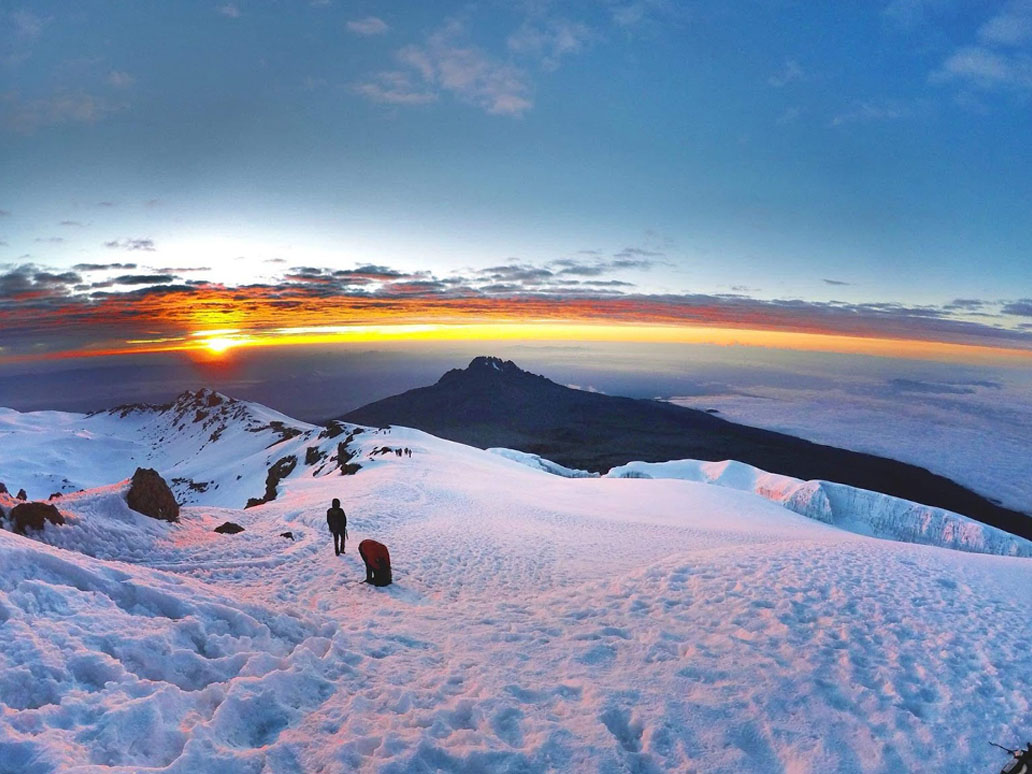
This is the most challenging part of the climb. You’ll typically wake up around midnight. After a quick, light breakfast and final gear check, you’ll begin the ascent. The pace is extremely slow, often just a few steps at a time, with frequent short rests. It’s dark, cold, and steep. Your guide will be constantly monitoring your condition and providing encouragement. Reaching Stella Point (the crater rim) is a major achievement, and from there, it’s another hour or so to Uhuru Peak. After a brief celebration and photos, the descent begins, which is often quicker but still requires focus and energy.
Adapting for Seniors: For trekkers over 70, the emphasis on “pole pole” becomes even more critical. Expect guides to be extra vigilant about your pace, hydration, and well-being. The goal is consistent progress, not speed. Summit night requires maximum effort but also maximum support from guides and crew.
Nutrition and Hydration on the Mountain
Proper nutrition and hydration are vital for maintaining energy levels and aiding acclimatization. The food provided by reputable operators like Top Guide Adventures is designed to be nutritious, energy-dense, and palatable at altitude.
Hydration
- Goal: Aim for 3-4 liters of fluid per day.
- What to Drink: Water is primary. Herbal teas, clear soups, and electrolyte drinks are also beneficial.
- How to Drink: Sip water consistently throughout the day rather than trying to gulp large amounts at once.
- Challenges: Water can freeze at higher altitudes, especially during summit night. Keep your water bottles inside your sleeping bag at night or use insulated carriers.
Nutrition
Meals are typically:
- Breakfast: Porridge, oatmeal, eggs, pancakes, fruit, toast.
- Lunch: Often packed – sandwiches, boiled eggs, fruit, biscuits, or a hot meal at a designated point.
- Dinner: Soup, followed by a main course like rice, pasta, chicken, beef stew, or vegetables, and often a simple dessert like fruit salad or pudding.
- Snacks: Energy bars, nuts, dried fruit, chocolate, and biscuits are provided and encouraged throughout the day.
Tips for Seniors:
- Eat What You Can: Appetite can decrease at altitude. Focus on eating whatever appeals to you, even if it’s just small amounts frequently.
- High-Energy Foods: Prioritize carbohydrates for energy and protein for muscle repair.
- Familiar Foods: If you have specific dietary needs or preferences, discuss them with your tour operator well in advance. We can often cater to vegetarian, vegan, gluten-free, and other requirements.
- Electrolytes: Consider bringing electrolyte tablets or powders to add to your water, especially if you are sweating a lot or have a poor appetite.
Mental Preparation for the Climb
The mental aspect of climbing Kilimanjaro is as significant as the physical. For seniors, maintaining a positive mindset and managing expectations is key.
- Positive Attitude: Focus on the journey and the incredible experience, not just the summit. Celebrate small victories along the way.
- Patience: Understand that progress will be slow. Embrace the “pole pole” philosophy.
- Resilience: There will be challenging moments. Develop strategies for pushing through discomfort – focus on your breathing, your guide’s encouragement, or the stunning scenery.
- Acceptance: Be prepared for the possibility that you might not summit. Altitude sickness or exhaustion can affect anyone. If this happens, remember that reaching a high point on Kilimanjaro is still a remarkable achievement, and your safety is the absolute priority.
- Visualization: Imagine yourself successfully completing the trek, enjoying the views, and reaching the summit.
- Trust Your Team: Rely on your guides and crew. They are experienced professionals whose primary goal is your safety and success.
Comparing Routes: A Deeper Look for 2026-2027 Climbs
When planning a Kilimanjaro climb at 70 for 2026 or 2027, understanding the nuances of each route is essential for making an informed decision. While we’ve highlighted Lemosho and Machame as top choices, let’s compare them more closely with others.
| Route | Duration (Recommended for 70+) | Acclimatization Profile | Scenery | Crowds | Success Rate (Approx.) | Camping/Huts |
|---|---|---|---|---|---|---|
| Lemosho | 8 Days | Excellent | Outstanding | Low (initially) | 85-90% | Camping |
| Machame | 7 Days | Very Good | Excellent | Moderate to High | 80-85% | Camping |
| Northern Circuit | 9 Days | Excellent (Slowest ascent) | Outstanding (Circumnavigates the mountain) | Low | 90%+ | Camping |
| Marangu | 6 Days (Minimum) | Fair to Poor | Moderate | High | 60-70% (for 6 days) | Huts |
| Rongai | 6-7 Days | Good | Good (Arid northern slopes) | Low to Moderate | 75-80% | Camping |
Analysis for Seniors:
- Northern Circuit: This 9-day route offers the best acclimatization and highest success rates. It circles the mountain, providing diverse views. It’s an excellent, albeit longer and potentially more expensive, option for those prioritizing comfort and success.
- Lemosho (8 Days): As detailed earlier, it’s a superb choice, balancing scenery, acclimatization, and a good success rate.
- Machame (7 Days): A very popular and reliable choice, offering a good balance of challenge and acclimatization. The 7-day version is crucial for better adaptation.
- Rongai (7 Days): While starting from the north, it offers decent acclimatization. It’s a good alternative if Lemosho or Machame are unavailable or if you prefer a quieter start. The 7-day version is recommended.
- Marangu (6 Days): Generally not recommended for climbers over 70 due to its rapid ascent and lower success rates. While huts offer comfort, the altitude risk is higher.
For your 2026-2027 climb, consider your available time, budget, and personal comfort levels. The longer routes (8-9 days) are consistently the best bet for maximizing your chances of success and minimizing the risk of altitude sickness when climbing Kilimanjaro at 70.
Timing Your Climb: Best Seasons for 2026-2027
Kilimanjaro can be climbed year-round, but certain periods offer more favorable weather conditions. For a 70-year-old trekker, choosing a time with stable weather can add to comfort and safety.
- Dry Seasons (Best):
- January to March: Generally warm and dry, though there’s a brief drizzle in February. Good visibility.
- June to October: The longest dry season, offering cool, dry, and clear conditions. This is often considered the peak season.
- Wet Seasons (More Challenging):
- April to May: The heavy rainy season. Trails can be muddy and visibility poor. Generally avoided.
- November to December: Short rains. Usually involves afternoon showers rather than continuous rain. Can be a good time for fewer crowds and potentially lower prices, but weather is less predictable.
Recommendations for 2026-2027:
The dry seasons (June-October and January-March) are the most recommended. October and June are often excellent months, offering good weather with fewer crowds than the peak months of July-September. If you are planning for 2026 or 2027, booking during these windows will likely provide the most pleasant trekking conditions.
What to Expect on Summit Night
Summit night is the ultimate test. It typically begins around midnight from the last camp (e.g., Barafu Camp for most routes). You’ll be woken, have a light meal, and begin the ascent in the dark.
- The Climb: It’s a steep, relentless zig-zagging ascent on scree and loose rock. The altitude is extreme, and the air is very thin. Your pace will be extremely slow, dictated by your breathing.
- Temperature: Expect temperatures to be well below freezing, potentially -10°C to -20°C (14°F to -4°F) with wind chill.
- Headlamp is Essential: Your only light source will be your headlamp, illuminating the path immediately ahead.
- Guides’ Role: Your guides will be right beside you, monitoring your condition, offering encouragement, and ensuring you stay hydrated and fueled. They will often link arms to provide support.
- Reaching the Rim: The first major milestone is Stella Point (around 5,756m / 18,885ft). From here, it’s another hour’s walk along the crater rim to Uhuru Peak (5,895m / 19,341ft), the true summit.
- The Summit: Reaching Uhuru Peak is an incredible, emotional moment. You’ll have a short time to take photos and savor the achievement before beginning the long descent.
- Descent: The descent is often harder on the body than the ascent, especially on the knees and quads, as you’re essentially running/sliding down scree for long stretches. It’s crucial to maintain focus.
For 70+ Climbers: Summit night requires immense mental and physical strength. Trust your guides implicitly. Communicate any feelings of dizziness, nausea, or extreme fatigue immediately. If your guide deems it unsafe to continue, they will advise you to turn back. This is a difficult decision but the right one for safety. Many older climbers successfully summit by taking it incredibly slowly, staying well-hydrated, and relying on their guides’ expertise.
Post-Climb Recovery
After successfully descending Kilimanjaro, your body will need time to recover. This is especially true for older trekkers.
- Rest: Prioritize rest immediately after the climb. You’ll likely feel exhausted, sore, and possibly a bit dehydrated.
- Hydration and Nutrition: Continue to drink plenty of fluids and eat nutritious meals to help your body repair.
- Gentle Movement: Light walking can help prevent stiffness, but avoid strenuous activity for a few days.
- Listen to Your Body: Pay attention to how you feel. If you experience any lingering symptoms or discomfort, consult a doctor.
- Celebrate: Take time to acknowledge your incredible achievement!
Many clients choose to relax on Zanzibar or enjoy a safari after their Kilimanjaro climb. This provides a wonderful way to unwind and experience more of Tanzania’s beauty. Top Guide Adventures can help arrange these extensions for your 2026-2027 trip.
Can a 70-Year-Old Climb Kilimanjaro Solo?
Climbing Kilimanjaro solo is generally not permitted by the park authorities. All trekkers must be accompanied by licensed guides. This rule is in place for safety reasons, as conditions on the mountain can change rapidly, and professional guidance is essential.
Even if solo climbing were allowed, it would be highly inadvisable for anyone, especially a senior trekker. The support of experienced guides and a dedicated crew (porters, cook) is invaluable. They manage logistics, provide safety, monitor health, prepare meals, and offer crucial encouragement. For a 70-year-old, relying on this support system is not a sign of weakness but a sensible approach to maximizing safety and success.
Final Thoughts for Your 2026-2027 Kilimanjaro Adventure
Climbing Kilimanjaro at 70 is a realistic and achievable goal for individuals who are reasonably fit, healthy, and commit to proper preparation. The key factors remain:
Your Kilimanjaro Success Checklist (Age 70+):
- Medical Clearance: Get a doctor’s go-ahead.
- Targeted Training: Focus on cardio, strength, and hiking practice for 3-6 months prior.
- Choose the Right Route: Opt for longer routes (8-9 days) like Lemosho or Northern Circuit for best acclimatization.
- Select a Reputable Operator: Prioritize safety, guide experience, and ethical practices (like Top Guide Adventures).
- Pack Smart: Invest in quality gear, especially layers and sturdy boots.
- Embrace Acclimatization: Follow “pole pole” and stay hydrated.
- Mental Fortitude: Maintain a positive, patient outlook.
- Listen to Your Body: Communicate with your guides and rest when needed.
The mountain presents a significant challenge, but with the right approach, preparation, and support, reaching Uhuru Peak is a deeply rewarding experience that is well within reach for many 70-year-old adventurers planning for 2026 or 2027. Top Guide Adventures is here to help you every step of the way, from initial planning to your triumphant return from the summit. We are committed to providing a safe, memorable, and successful Kilimanjaro climb tailored to your needs.
Ready to plan your Kilimanjaro adventure? Contact us today for a personalized quote and expert advice. Reach us via WhatsApp +255616946642, email topguideadventures@gmail.com, or our backup email info@topguideadventures.com. Let’s make your Kilimanjaro dream a reality in 2026-2027!
“,
“faq_schema”: [
{
“question”: “What is the minimum age to climb Kilimanjaro?”,
“answer”: “While there isn’t a strict legal minimum age, Kilimanjaro National Park requires trekkers under 16 to be accompanied by an adult. For climbers aged 70 and above, the primary consideration is health and fitness, not age itself. It’s crucial to consult with a doctor before planning a climb.”
},
{
“question”: “How fit do I need to be to climb Kilimanjaro at 70?”,
“answer”: “You don’t need to be an elite athlete, but a good level of cardiovascular fitness and leg strength is essential. Regular hiking, brisk walking, cycling, or swimming for several months prior to the climb is highly recommended. Focus on building stamina for long days of trekking.”
},
{
“question”: “What are the risks of climbing Kilimanjaro for seniors?”,
“answer”: “The primary risks are altitude sickness (AMS), exhaustion, and potential exacerbation of pre-existing medical conditions. Proper acclimatization, choosing a longer route, adequate training, and medical clearance are key to mitigating these risks.”
},
{
“question”: “Which Kilimanjaro route is best for a 70-year-old?”,
“answer”: “Longer routes that prioritize acclimatization are best. The 8-day Lemosho Route or the 9-day Northern Circuit are highly recommended for their gradual ascent profiles and higher success rates. A 7-day Machame is also a good option.”
},
{
“question”: “Do I need special gear for climbing Kilimanjaro at 70?”,
“answer”: “The essential gear is similar for all climbers, focusing on layering, waterproofs, warm clothing, and sturdy boots. For seniors, paying extra attention to comfort items like well-broken-in boots, quality trekking poles, and perhaps a lighter but warm sleeping bag can be beneficial.”
},
{
“question”: “Can I use trekking poles on Kilimanjaro?”,
“answer”: “Yes, trekking poles are highly recommended, especially for senior climbers. They significantly reduce stress on your knees and hips during descents and provide stability on uneven terrain. Ensure they are adjustable and comfortable to use.”
},
{
“question”: “What is the success rate for climbers over 70 on Kilimanjaro?”,
“answer”: “Success rates vary by route, operator, and individual preparation. Climbers over 70 who train adequately and choose longer routes with good acclimatization can achieve success rates comparable to younger trekkers, often exceeding 80-90% on recommended routes.”
},
{
“question”: “Is it safe to climb Kilimanjaro in 2026 or 2027?”,
“answer”: “Yes, climbing Kilimanjaro is safe when undertaken with a reputable operator and proper preparation. Tanzania has established safety protocols for the mountain. Choosing a trusted company like Top Guide Adventures, which prioritizes safety and has experienced guides, is essential for any climb in 2026 or 2027.”
}
]
}
“`
Check Availability for Can You Climb Kilimanjaro At 70? 2026-2027
Ready to compare dates, prices, and the best option for your group? Send the package name and travel month so the team can reply with a clear quote, availability, and what is included.
Kilimanjaro Climb With Materuni Recovery Day 2026-2027
Kilimanjaro Climb with Materuni Recovery Day is explained with current 2026-2027 planning, price, itinerary and booking information.
View package details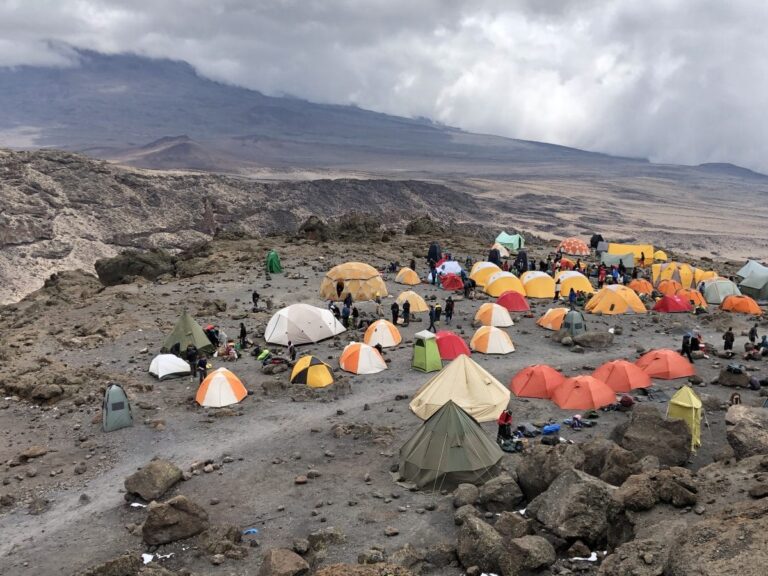
Kilimanjaro Climb With Lake Chala Relaxation Day: Your Ultimate Post-Trek
Experience the ultimate Kilimanjaro adventure followed by serene relaxation at Lake Chala. This guide details how to combine these incredible Tanzanian experiences, covering itineraries...
View package details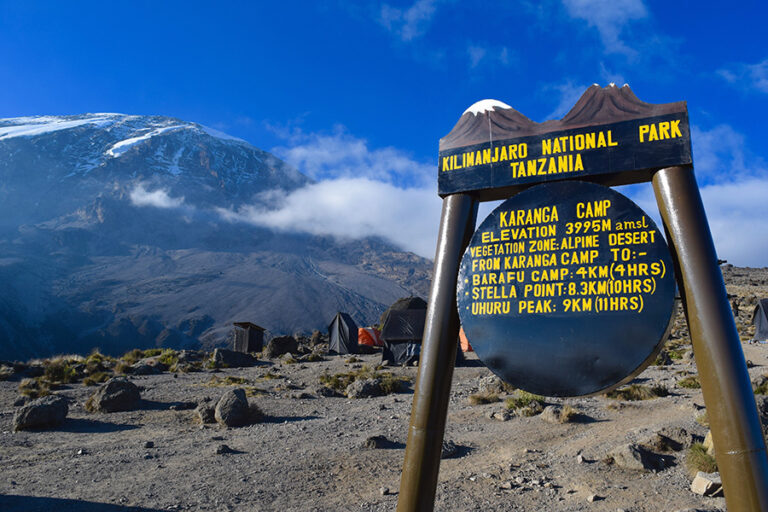
Kilimanjaro Climb & West Safari: The Ultimate Tanzania Adventure 2026-2027
Experience the pinnacle of Tanzania with a combined Kilimanjaro climb and West Kilimanjaro safari. This guide details itineraries, preparation, and what to expect for your 2026-2027...
View package details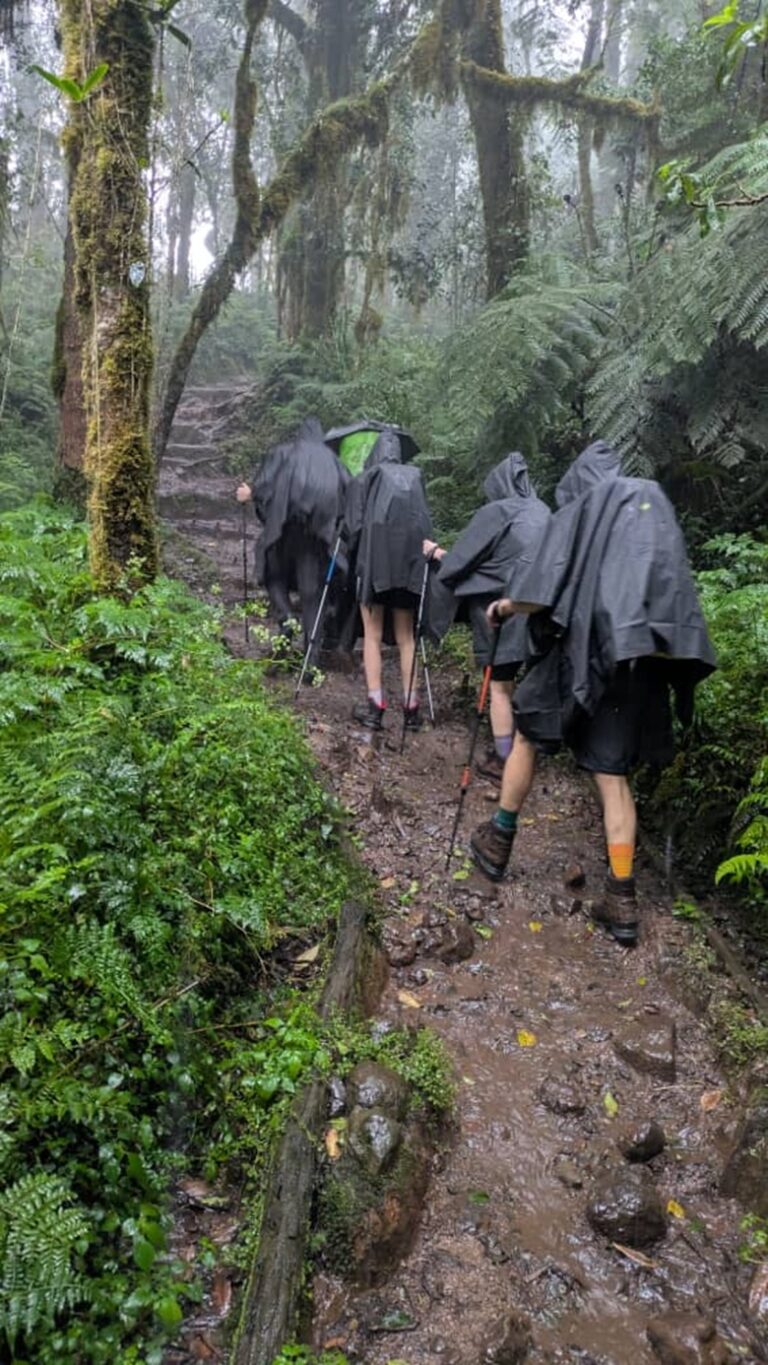
Kilimanjaro Climb With Mkomazi Rhino Safari 2026-2027
Kilimanjaro Climb with Mkomazi Rhino Safari is explained with current 2026-2027 planning, price, itinerary and booking information.
View package details
Kilimanjaro Climb With Amboseli Safari Extension: Your Ultimate Tanzania
Experience the pinnacle of African adventure by combining a challenging Kilimanjaro climb with a impressive safari in Amboseli National Park. This guide details itineraries, costs, best...
View package details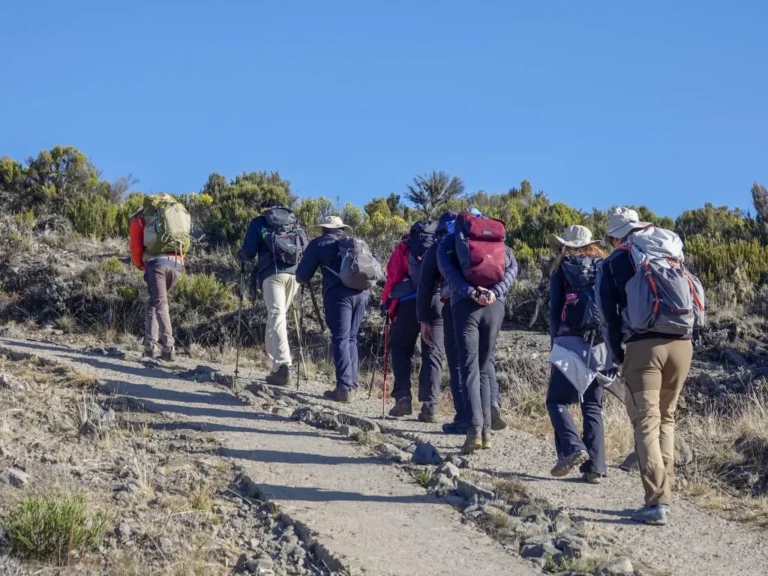
13-Day Kilimanjaro Climb, Cultural Tour & Zanzibar Holiday: Your Ultimate
This 13-day itinerary offers an unparalleled Tanzanian experience, blending the thrill of conquering Mount Kilimanjaro with deep cultural exploration and the serene beauty of Zanzibar...
View package details
Kilimanjaro Questions To Ask During Your Briefing For Climbs 2026-2027
Before embarking on your Kilimanjaro adventure, a thorough briefing is crucial. This guide outlines the most important questions to ask your tour operator to ensure you're fully prepared...
View package details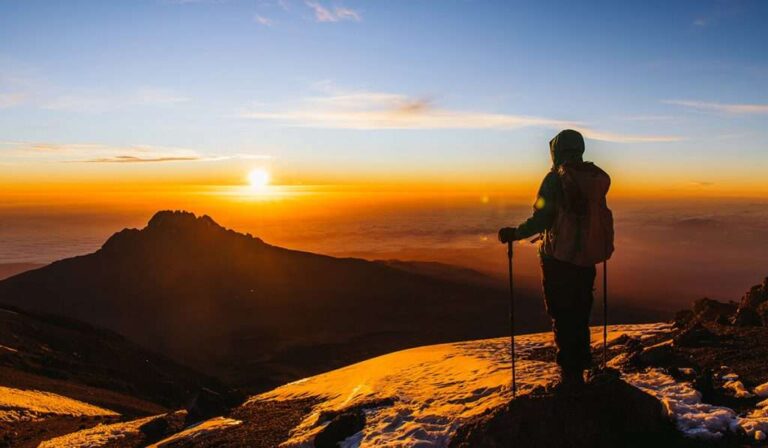
Kilimanjaro Contract Terms You Should Understand For Your Climb 2026-2027
Navigating the fine print of your Kilimanjaro climb contract is crucial. This guide breaks down essential terms, from payment schedules and cancellation policies to what's included and...
View package details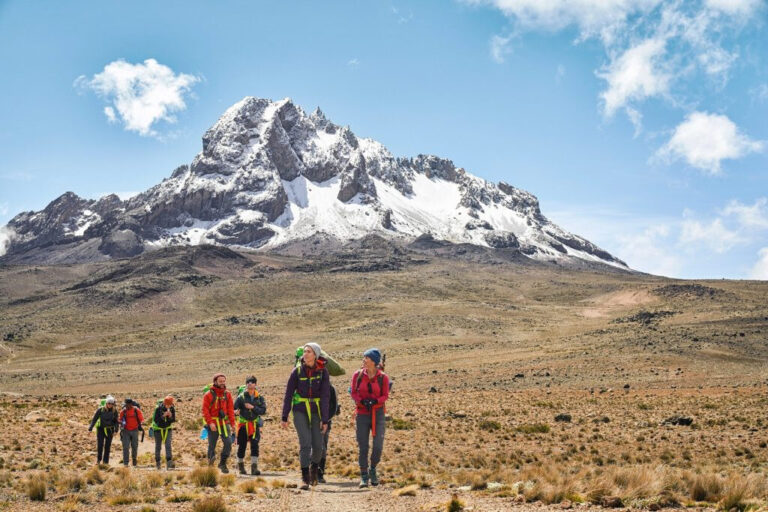
What A Kilimanjaro Mountain Crew Should Provide For Your Climb 2026-2027
Planning a Kilimanjaro climb? Understand precisely what your mountain crew needs to provide, from essential gear and experienced guides to food, safety, and logistical support. This...
View package details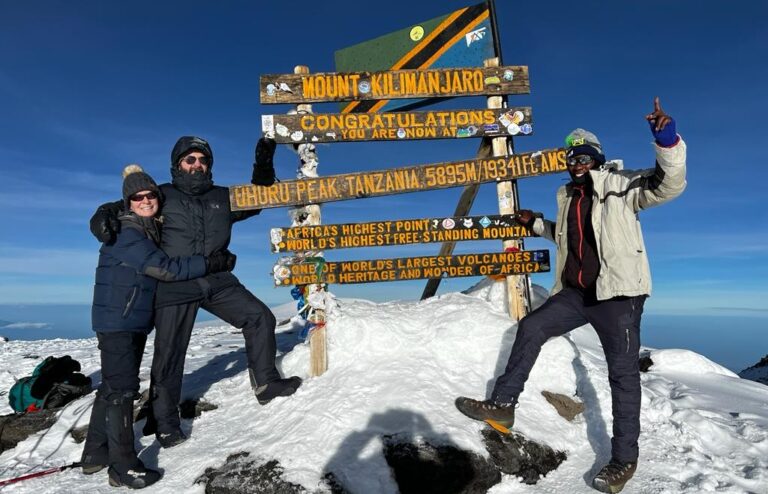
How To Compare Kilimanjaro Package Inclusions For Your Climb 2026-2027
Choosing the right Kilimanjaro climb package in 2026 or 2027 involves meticulously comparing what's included. This guide breaks down essential inclusions like park fees, guide/porter...
View package details
Kilimanjaro Booking Checklist For First-Time Climbers: Your Essential Guide
Planning your first Kilimanjaro climb in 2026 or 2027? This detailed checklist covers everything from choosing a route and operator to packing and acclimatization, ensuring a well-prepared...
View package details
Questions Your Kilimanjaro Operator Should Answer For A Successful Climb
Choosing the right Kilimanjaro operator is crucial for a safe and memorable climb. This comprehensive guide details the essential questions you must ask your potential tour operator...
View package detailsNo related package matches those filters. Clear one or more filters to see the other topic-matched options.



