
Choosing a Kilimanjaro climb with a slower daily pace is one of the most effective strategies for increasing your chances of reaching the summit and ensuring a more comfortable, enjoyable experience. This approach prioritizes gradual ascent and adequate rest, crucial for proper acclimatization to the extreme altitude. For trekkers planning their expedition in 2026 or 2027, selecting a longer itinerary, typically 7 to 9 days on the mountain, and focusing on specific routes known for their gentler daily gradients, like the Lemosho or Shira routes, are key considerations. A slower pace means shorter daily hiking distances and more time spent at higher camps, allowing your body to adapt better to the thinning air, thereby reducing the risk of altitude sickness and significantly improving summit success rates.
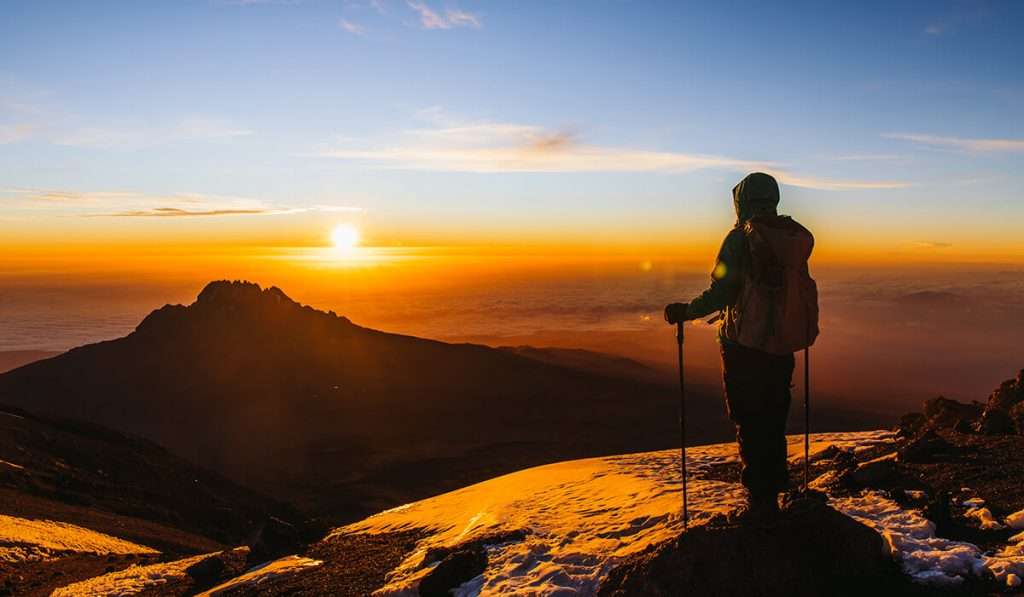
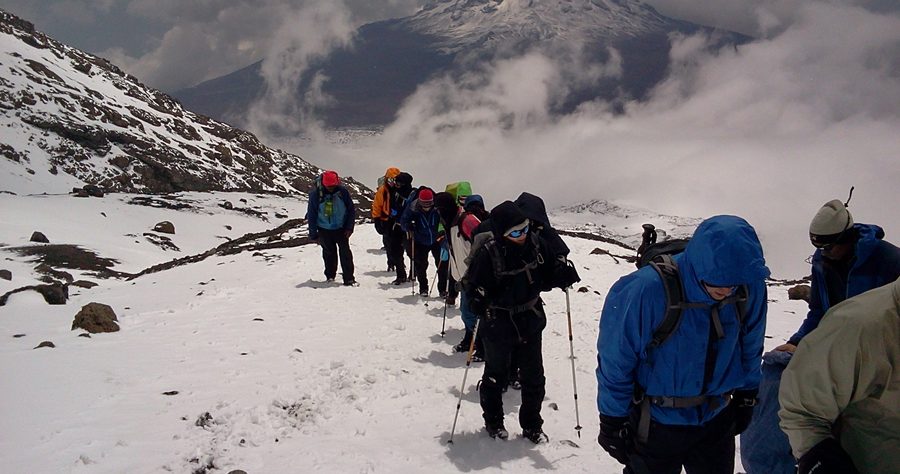
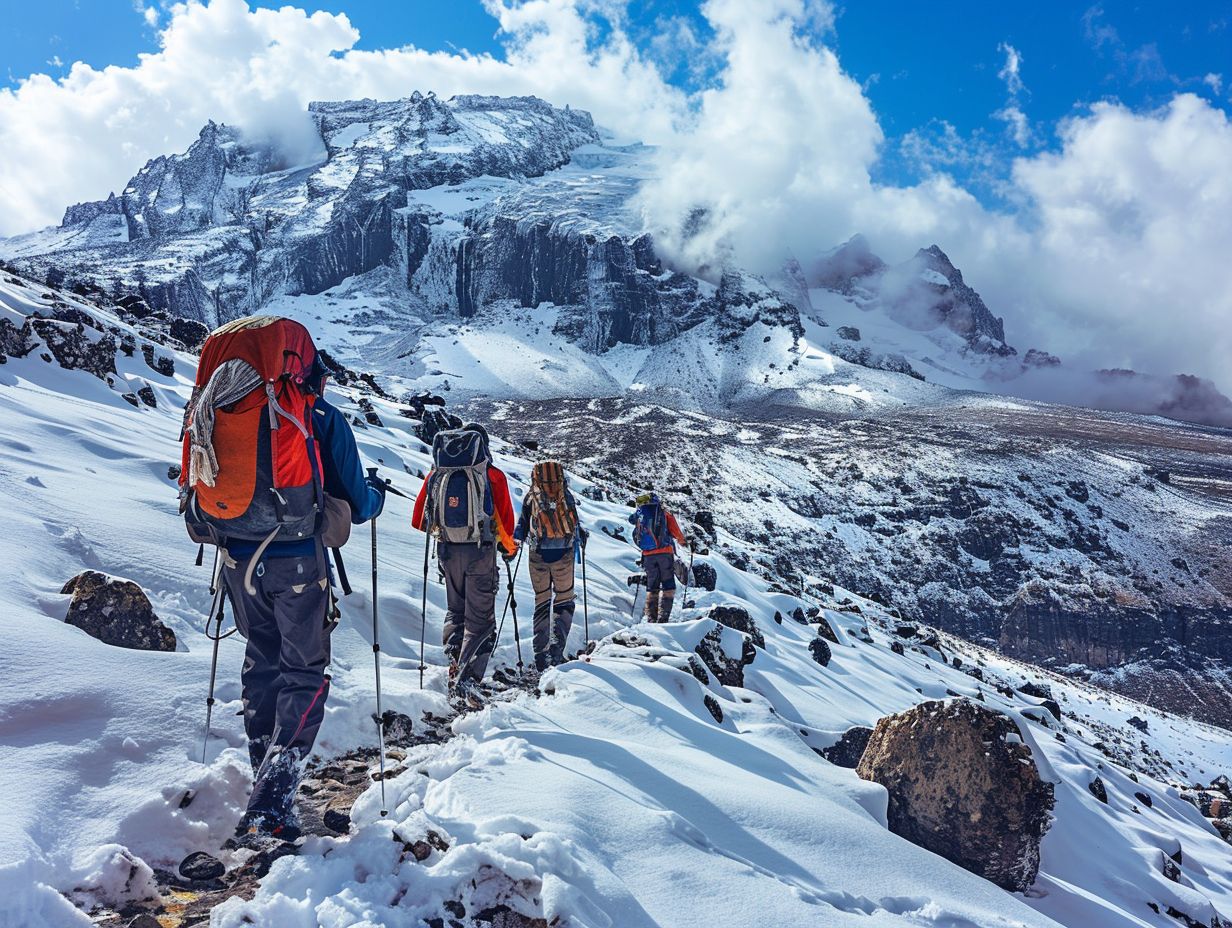
Why a Slower Daily Pace is Crucial for Kilimanjaro Success
Mount Kilimanjaro, the Roof of Africa, is an iconic destination for trekkers worldwide. While its accessibility might suggest a straightforward climb, the reality of ascending over 5,895 meters (19,341 feet) presents significant physiological challenges. Altitude sickness, characterized by symptoms like headaches, nausea, and dizziness, is the primary reason for failed summit attempts. A Kilimanjaro climb with a slower daily pace directly combats this by promoting better acclimatization. This means shorter hiking days, allowing your body more time to adjust to decreasing oxygen levels as you gain elevation. Instead of rushing, you move at a consistent, comfortable rhythm, often referred to as ‘pole pole’ (slowly slowly) in Swahili. This mindful approach isn’t just about avoiding sickness; it also allows you to appreciate the stunning diverse landscapes, from lush rainforests to alpine deserts and the arctic summit zone.
For trekkers targeting 2026 and 2027 expeditions, understanding the benefits of a slower pace is paramount. Many operators offer standard itineraries, but Top Guide Adventures specializes in tailoring climbs to individual needs, with a strong emphasis on longer, slower ascents. We understand that a successful Kilimanjaro climb is not just about reaching the top, but about the journey and returning safely. A slower pace ensures that the physical exertion is manageable, making the trek accessible to a wider range of fitness levels. It’s about making the climb a rewarding adventure rather than a grueling endurance test.
Understanding Acclimatization: The Science Behind ‘Pole Pole’
The human body needs time to adapt to lower oxygen levels at high altitudes. At 3,000 meters (9,842 feet), the air pressure is about 70% of that at sea level, meaning you get less oxygen with each breath. By the time you reach the summit, oxygen levels are roughly 50% of what they are at sea level. Acclimatization is the process by which your body adjusts to these conditions, primarily by increasing the production of red blood cells to carry more oxygen.
A slower daily ascent profile is the most effective non-medical way to aid acclimatization. This involves:
- Gradual Elevation Gain: Spending more nights at higher altitudes, allowing your body to make physiological adjustments.
- Climb High, Sleep Low Principle: Ascending to a higher altitude during the day and then descending to a lower camp to sleep. This is a well-established acclimatization technique.
- Adequate Rest: Shorter hiking days mean more time for rest, hydration, and nourishment, all vital for recovery and adaptation.
When planning your Kilimanjaro climb with a slower daily pace, this scientific principle is the bedrock of success. A common recommendation is to ascend no more than 300-500 meters (1,000-1,600 feet) of ‘net’ elevation gain per day above 3,000 meters. Longer itineraries, typically 7 days or more, inherently follow this principle much better than shorter 5 or 6-day treks, which are often rushed and carry a significantly higher risk of altitude sickness.
Choosing the Right Route for a Slower Kilimanjaro Climb
The route you choose on Kilimanjaro significantly impacts the pace and acclimatization potential. Some routes are steeper and more direct, necessitating a faster ascent, while others are designed for a more gradual approach. For a Kilimanjaro climb with a slower daily pace, longer routes are essential. Here’s a breakdown of the most suitable options:
The Lemosho Route: A Popular Choice for Gradual Ascent
The Lemosho route is widely considered one of the best for acclimatization and scenery. It typically takes 7 to 8 days, and its longer duration allows for a slow, steady climb. It begins in the west, offering stunning views and a high probability of seeing wildlife in the initial forest stages. Its ascent profile is gentle, particularly in the first few days, and it joins the Machame route for the final push to the summit. The 8-day Lemosho itinerary is particularly recommended for those prioritizing a slower pace and higher success rates.
The Shira Route: Similar to Lemosho, but Starts Higher
The Shira route is very similar to Lemosho in terms of scenery and acclimatization profile but starts at a higher altitude, on the Shira Plateau. This means you begin your trek at a higher elevation, which can be a double-edged sword: it offers immediate dramatic views but requires careful monitoring of acclimatization from the outset. Like Lemosho, it typically spans 7 to 8 days, making it an excellent choice for a Kilimanjaro climb with a slower daily pace. It also converges with the Machame route.
The Machame Route: The ‘Whiskey’ Route’s Popularity and Pace
Often called the ‘Whiskey’ route, Machame is the most popular route, primarily because it offers a good balance of scenery, acclimatization, and relative affordability. It is typically trekked over 6 to 7 days. While a 6-day Machame trek is possible, opting for the 7-day itinerary significantly improves acclimatization and summit success. The 7-day Machame route provides a slower daily pace compared to shorter options and is a solid choice for a Kilimanjaro climb with a slower daily pace, especially if combined with careful preparation. It also follows a good ‘climb high, sleep low’ pattern.
The Marangu Route: The ‘Coca-Cola’ Route’s Limitations for Slow Pace
The Marangu route, often called the ‘Coca-Cola’ route, is the only route that offers dormitory-style accommodation in huts. It is also the shortest and most direct route, typically completed in 5 or 6 days. While it might seem appealing due to its comfort and speed, it is generally not recommended for those seeking a slower pace or high summit success. The rapid ascent profile and lack of ‘climb high, sleep low’ opportunities make it difficult for the body to acclimatize effectively. For a truly slow and successful climb, longer routes are far superior for 2026-2027 expeditions.
The Northern Circuit: The Slowest and Most Scenic
The Northern Circuit is the longest route on Kilimanjaro, typically taking 9 to 10 days. It circumnavigates the mountain, offering unparalleled views and the best acclimatization profile available. This route provides the most relaxed daily pace, maximizing time for adaptation and minimizing the risk of altitude sickness. If your absolute priority is a slow, comfortable Kilimanjaro climb with a slower daily pace and the highest possible chance of success, the Northern Circuit is arguably the best option for your 2026-2027 trek.
When selecting a route for your Kilimanjaro climb with a slower daily pace, we at Top Guide Adventures always recommend at least a 7-day itinerary. For the best acclimatization, an 8-day Lemosho or Shira, or a 9-day Northern Circuit, offers the most favorable conditions. These longer treks ensure you spend more time at altitude, allowing your body to adjust more effectively.
Daily Itinerary Examples: Contrasting Pace and Duration
To illustrate the difference a slower pace makes, let’s compare typical daily itineraries. These examples highlight how longer treks naturally spread the ascent over more days, reducing daily mileage and elevation gain.
Example 1: A Standard 6-Day Machame Route (Faster Pace)
- Day 1: Machame Gate (1,800m) to Machame Camp (3,000m) – ~6-7 hours hiking, ~1,200m gain.
- Day 2: Machame Camp (3,000m) to Shira 2 Camp (3,850m) – ~5-6 hours hiking, ~850m gain.
- Day 3: Shira 2 Camp (3,850m) to Barranco Camp (3,950m) via Lava Tower (4,600m) – ~7-8 hours hiking, ~750m gain (peak at Lava Tower).
- Day 4: Barranco Camp (3,950m) to Karanga Camp (4,000m) – ~3-4 hours hiking, ~50m gain (challenging scramble over Barranco Wall).
- Day 5: Karanga Camp (4,000m) to Barafu Camp (4,650m) – ~3-4 hours hiking, ~650m gain.
- Day 6: Barafu Camp (4,650m) to Summit (Uhuru Peak, 5,895m) then descend to Mweka Camp (3,100m) – ~10-12 hours hiking, ~1,245m gain to summit, then ~2,795m descent.
Note: This 6-day itinerary involves significant daily elevation gains, especially on Day 1 and Day 6. The summit push is extremely demanding due to the rapid ascent from Barafu Camp. This is not ideal for a Kilimanjaro climb with a slower daily pace.
Example 2: An Extended 8-Day Lemosho Route (Slower Pace)
- Day 1: Lemosho Gate (2,100m) to Mti Mkubwa Camp (2,800m) – ~3-4 hours hiking, ~700m gain.
- Day 2: Mti Mkubwa Camp (2,800m) to Shira 1 Camp (3,500m) – ~5-6 hours hiking, ~700m gain.
- Day 3: Shira 1 Camp (3,500m) to Shira 2 Camp (3,850m) – ~4-5 hours hiking, ~350m gain (gentle day).
- Day 4: Shira 2 Camp (3,850m) to Barranco Camp (3,950m) via Lava Tower (4,600m) – ~7-8 hours hiking, ~750m gain (peak at Lava Tower, then descend).
- Day 5: Barranco Camp (3,950m) to Karanga Camp (4,000m) – ~3-4 hours hiking, ~50m gain (challenging scramble over Barranco Wall).
- Day 6: Karanga Camp (4,000m) to Kosovo Camp (4,800m) or High Camp (4,500m) – ~4-5 hours hiking, ~700-800m gain.
- Day 7: Kosovo Camp/High Camp (4,500m/4,800m) to Summit (Uhuru Peak, 5,895m) then descend to Kibo Base Camp (4,700m) – ~8-10 hours hiking, ~1,095m gain to summit, then ~195m descent.
- Day 8: Kibo Base Camp (4,700m) to Mweka Gate (1,600m) – ~5-6 hours hiking, ~3,100m descent.
Note: This 8-day itinerary features significantly lower daily elevation gains, especially in the initial days. Day 6 allows for a higher camp before the summit push, and Day 7’s summit push is from a higher starting point with a less extreme descent on summit day. This is a prime example of a Kilimanjaro climb with a slower daily pace, offering superior acclimatization for your 2026-2027 adventure.
As you can see, the 8-day Lemosho route provides an extra day for acclimatization and breaks down the ascent into more manageable segments. This is the essence of planning a Kilimanjaro climb with a slower daily pace. Top Guide Adventures can customize itineraries, such as offering a 9-day Northern Circuit, to further enhance this gradual approach.
The Importance of Physical Fitness for a Slower Climb
While a slower pace significantly aids acclimatization, it does not eliminate the need for physical fitness. Kilimanjaro is still a strenuous trek, and good cardiovascular health and endurance are crucial. A slower pace makes the climb more accessible, but being physically prepared will enhance your enjoyment and resilience.
Focus your training on:
- Cardiovascular Endurance: Activities like hiking (especially with a backpack on varied terrain), running, cycling, and swimming for at least 3-4 times a week. Aim for sessions of 45-60 minutes.
- Strength Training: Focus on leg strength (squats, lunges) and core strength. This will help you manage the ascents and descents, particularly with a pack.
- Hiking Practice: The best training is hiking on hills or mountains. Try to do longer hikes (4-6 hours) with elevation gain, simulating trek conditions. Practice hiking with the weight of your daypack.
- Stamina Building: Incorporate longer, sustained efforts into your training. This helps your body get used to prolonged exertion, which is key for summit day.
Even with a Kilimanjaro climb with a slower daily pace, you will still be hiking for several hours each day. Proper training ensures you have the stamina to enjoy the trek, not just endure it. For your 2026-2027 climb, start your training program at least 3-6 months in advance.
Gear Essentials for a Comfortable Kilimanjaro Climb
While the pace of your climb is crucial, having the right gear is equally important for comfort and safety. Layers are key, as temperatures can range dramatically from the humid rainforest to the freezing summit. For a Kilimanjaro climb with a slower daily pace, investing in quality gear can make a significant difference.
Essential Clothing and Footwear:
- Base Layers: Moisture-wicking thermal tops and bottoms (synthetic or merino wool).
- Mid Layers: Fleece jacket or insulated jacket for warmth.
- Outer Layer: Waterproof and windproof jacket and trousers (Gore-Tex or similar).
- Insulated Jacket: A warm down or synthetic puffy jacket for evenings and summit night.
- Hiking Trousers: Comfortable, quick-drying hiking trousers (avoid jeans).
- Hiking Boots: Waterproof, broken-in hiking boots with good ankle support.
- Camp Shoes: Comfortable shoes or sandals for around camp.
- Socks: Several pairs of wool or synthetic hiking socks.
- Gloves: Thin liner gloves and warm, waterproof outer gloves or mittens.
- Hat: Warm fleece hat that covers your ears, and a sun hat or cap for daytime.
- Gaiters: To keep scree and mud out of your boots.
Other Crucial Gear:
- Backpack: A comfortable daypack (30-40 liters) for essentials during the hike.
- Duffel Bag: A large, waterproof duffel bag (80-100 liters) for your main gear, carried by porters.
- Sleeping Bag: A 4-season (-10°C to -20°C comfort rating) sleeping bag.
- Headlamp: With extra batteries. Essential for summit night and around camp.
- Water Bottles/Hydration Reservoir: At least 3 liters capacity. Insulated covers are recommended for cold temperatures.
- Trekking Poles: Highly recommended for reducing strain on knees, especially during descents.
- Sunglasses: High UV protection.
- Sunscreen and Lip Balm: High SPF.
- Personal First-Aid Kit: Including blister treatment, pain relievers, and any personal medications.
- Toiletries: Biodegradable soap, toothbrush, toothpaste, wet wipes.
- Snacks: Energy bars, nuts, dried fruit.
- Camera and Power Bank: For photos and keeping devices charged.
Top Guide Adventures provides a detailed packing list upon booking. Ensuring you have the right gear is a critical part of preparing for your Kilimanjaro climb with a slower daily pace, especially for your 2026-2027 expedition.
Hydration and Nutrition: Fueling Your Slower Climb
Proper hydration and nutrition are non-negotiable for any Kilimanjaro climb, but they become even more critical when adopting a slower pace. Your body requires ample fluids and energy to adapt to altitude and sustain the physical demands of trekking.
Hydration:
- Aim to drink 3-5 liters of water per day. This helps prevent dehydration, which can exacerbate altitude sickness symptoms.
- Drink water consistently throughout the day, rather than large amounts at once.
- Consider adding electrolyte powders to your water to help with absorption and replace lost salts.
- Be mindful of water freezing at higher altitudes; use insulated bottles or keep them inside your jacket.
Nutrition:
- Eat regular, balanced meals. Your guides will provide nutritious meals prepared by your cook.
- Focus on carbohydrate-rich foods for energy.
- Snacks are vital. Carry your own energy bars, nuts, dried fruits, and chocolate to keep your energy levels up between meals.
- Appetite can decrease at altitude. Try to eat even if you don’t feel hungry, as your body needs fuel.
- Avoid heavy, greasy, or spicy foods, which can be harder to digest at altitude.
A slower pace allows for more consistent eating and drinking, as you’ll have more downtime at camps. This focus on fueling your body is a key component of a successful Kilimanjaro climb with a slower daily pace.
Altitude Sickness: Prevention and Management on a Slow Climb
Altitude sickness (Acute Mountain Sickness – AMS) is the most significant risk on Kilimanjaro. While a slower pace dramatically reduces the risk, it doesn’t eliminate it entirely. Early recognition and management are crucial.
Symptoms of AMS:
- Headache (most common symptom)
- Nausea and vomiting
- Dizziness and lightheadedness
- Fatigue and weakness
- Loss of appetite
- Difficulty sleeping
Prevention Strategies for a Slower Climb:
- Ascend Slowly: This is the primary strategy. Longer itineraries (7+ days) are essential.
- Stay Hydrated: Drink plenty of fluids.
- Eat Well: Maintain energy levels with regular meals and snacks.
- Avoid Alcohol and Smoking: These can impede acclimatization.
- Consider Diamox (Acetazolamide): Consult your doctor about prescription medication that can help speed up acclimatization. It’s not a substitute for slow ascent but can be a useful aid.
Management:
- Listen to Your Body: Report any symptoms to your guide immediately.
- Do Not Ascend Further if Symptoms Worsen: If symptoms are mild, resting at the same altitude might suffice.
- Descend Immediately: If symptoms are moderate to severe, descent is the only effective treatment. Even a few hundred meters can make a significant difference. Your guide’s priority is your safety.
A Kilimanjaro climb with a slower daily pace is the best preventative measure. This careful approach, combined with vigilant monitoring by experienced guides, ensures that any signs of AMS are addressed promptly, making your 2026-2027 trek as safe as possible.
The Role of Guides and Support Crew
Your guides and support crew are integral to a successful Kilimanjaro climb with a slower daily pace. They are not just there to show you the way; they are trained professionals responsible for your safety, well-being, and acclimatization.
- Experienced Guides: They are trained in wilderness first aid and altitude sickness management. They monitor climbers daily for symptoms and make critical decisions regarding ascent pace and safety.
- Pace Management: They ensure the group adheres to the ‘pole pole’ principle, adjusting the pace to suit the slowest member.
- Health Monitoring: They check oxygen saturation levels and monitor your general condition.
- Logistical Support: Porters carry the bulk of your gear, allowing you to hike unencumbered. Cooks prepare nutritious meals, and camp assistants set up your tents.
- Morale Boosters: They provide encouragement, share local knowledge, and create a positive trekking atmosphere.
Top Guide Adventures prides itself on employing highly skilled and experienced guides and crew members. We ensure our teams are well-trained and equipped to support every climber, especially those opting for a Kilimanjaro climb with a slower daily pace. Their expertise is invaluable for a safe and successful 2026-2027 climb.
When to Climb Kilimanjaro: Best Seasons for a Slower Pace
While Kilimanjaro can be climbed year-round, certain seasons offer better weather conditions, which can enhance the experience of a slower trek.
- Dry Seasons (June to October and December to March): These are the most popular times to climb. The skies are generally clear, offering excellent visibility and more stable weather. This makes trekking more pleasant and allows for better acclimatization as you aren’t battling harsh elements.
- Wet Seasons (April to May and November): These months experience more rainfall, particularly in the lower forest zones. While possible, treks during these times can be muddier and colder, potentially impacting comfort. However, fewer crowds can be an advantage, and with a slower pace, you can still have a successful climb.
For a Kilimanjaro climb with a slower daily pace, the dry seasons are generally preferred. However, if you are flexible with dates and seek fewer crowds, the shoulder months within the dry seasons (e.g., late October, early November, early December, late March) can offer a good balance. Planning for your 2026-2027 climb should factor in these seasonal considerations.
Cost Considerations for a Slower Kilimanjaro Climb
A Kilimanjaro climb with a slower daily pace, typically meaning a longer itinerary (7+ days), will generally be more expensive than shorter treks. This is because you are spending more days on the mountain, requiring more resources:
- More Days on Mountain: This translates to more food, more camping equipment usage, and more guide/porter days.
- Park Fees: Kilimanjaro National Park fees are charged per day. Longer treks incur higher park fees.
- Crew Costs: More days mean higher wages for your guides, cooks, and porters.
However, the increased cost is a worthwhile investment for several reasons:
- Higher Summit Success Rate: Longer treks significantly improve your chances of reaching Uhuru Peak.
- Reduced Risk of Altitude Sickness: Better acclimatization leads to a safer and more comfortable experience.
- More Enjoyable Trek: A slower pace allows you to appreciate the journey and the stunning scenery.
Top Guide Adventures offers competitive pricing for all Kilimanjaro climbs, with a strong emphasis on value and safety. We believe that investing in a longer, slower trek is the best way to ensure a memorable and successful Kilimanjaro climb with a slower daily pace for your 2026-2027 adventure. For a personalized quote for your preferred itinerary, please contact us.
Booking Your Slower Pace Kilimanjaro Climb with Top Guide Adventures
Choosing Top Guide Adventures means partnering with a trusted, locally-based company dedicated to providing exceptional experiences. We understand the nuances of Kilimanjaro trekking and are committed to helping you achieve your summit goals safely and comfortably.
When you book a Kilimanjaro climb with a slower daily pace with us, you benefit from:
- Tailor-Made Itineraries: We customize treks to suit your fitness, time, and acclimatization needs, focusing on longer routes for a slower ascent.
- Experienced, Certified Guides: Our guides are highly trained, knowledgeable, and prioritize your safety above all else.
- Comprehensive Support: From detailed pre-trip information to on-mountain logistics, our team is with you every step of the way.
- Ethical Trekking: We adhere to fair treatment of our porters and guides, ensuring a positive experience for our entire team.
- Commitment to Success: We are dedicated to helping you achieve your summit dream through careful planning and execution.
We are excited to help you plan your Kilimanjaro climb with a slower daily pace for 2026 or 2027. Whether you’re considering the 8-day Lemosho, the 9-day Northern Circuit, or a custom itinerary, our team is ready to assist.
Get in touch today to discuss your Kilimanjaro adventure:
- WhatsApp: +255616946642
- Email: topguideadventures@gmail.com
- Backup Email: info@topguideadventures.com
Let Top Guide Adventures be your trusted partner in conquering Kilimanjaro at a pace that ensures success and creates lasting memories. We look forward to helping you plan an unforgettable Kilimanjaro climb with a slower daily pace.
Check Availability for Kilimanjaro Climb With A Slower Daily Pace: Your Guide To Success 2026-2027
Ready to compare dates, prices, and the best option for your group? Send the package name and travel month so the team can reply with a clear quote, availability, and what is included.
Kilimanjaro Climb With Materuni Recovery Day 2026-2027
Kilimanjaro Climb with Materuni Recovery Day is explained with current 2026-2027 planning, price, itinerary and booking information.
View package details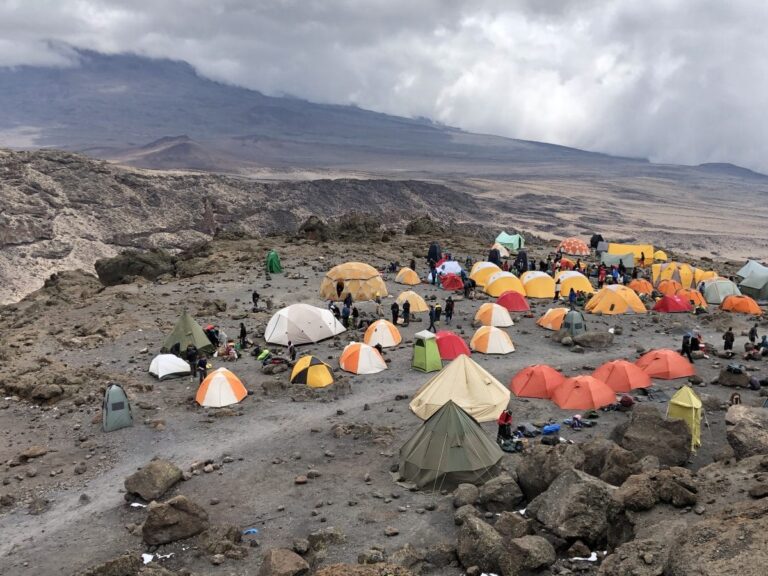
Kilimanjaro Climb With Lake Chala Relaxation Day: Your Ultimate Post-Trek
Experience the ultimate Kilimanjaro adventure followed by serene relaxation at Lake Chala. This guide details how to combine these incredible Tanzanian experiences, covering itineraries...
View package details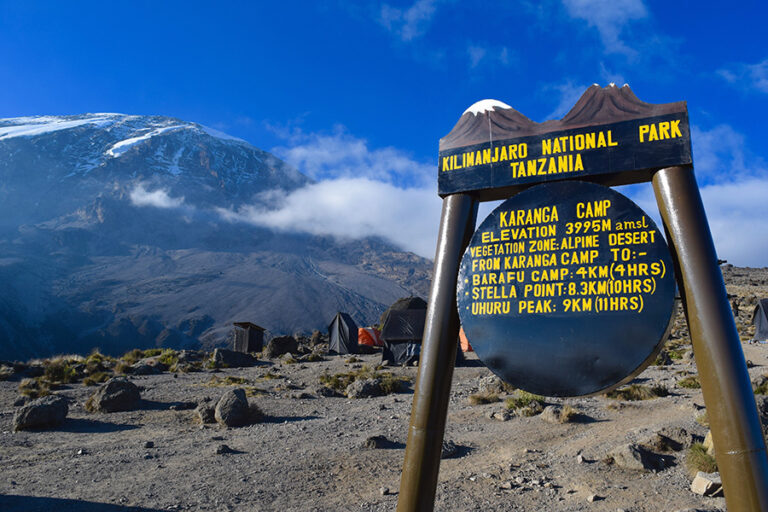
Kilimanjaro Climb & West Safari: The Ultimate Tanzania Adventure 2026-2027
Experience the pinnacle of Tanzania with a combined Kilimanjaro climb and West Kilimanjaro safari. This guide details itineraries, preparation, and what to expect for your 2026-2027...
View package details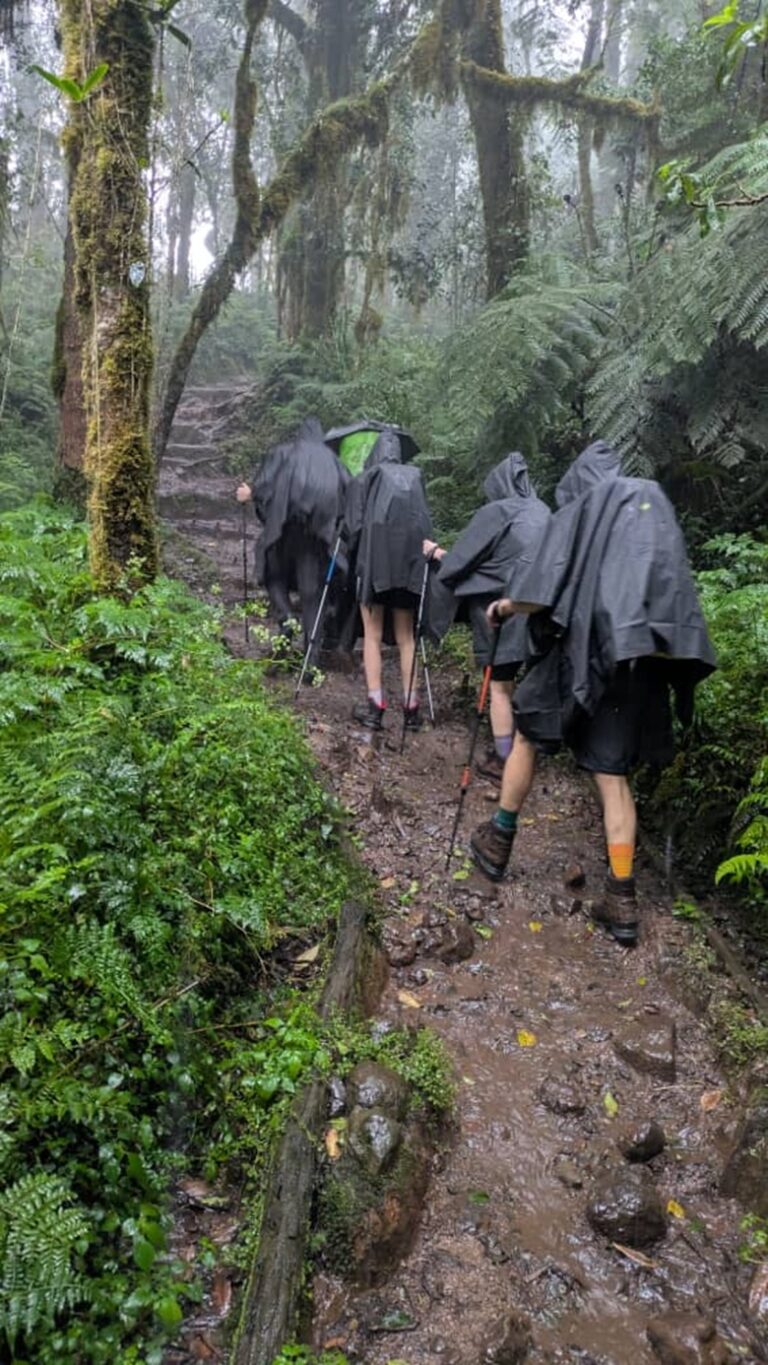
Kilimanjaro Climb With Mkomazi Rhino Safari 2026-2027
Kilimanjaro Climb with Mkomazi Rhino Safari is explained with current 2026-2027 planning, price, itinerary and booking information.
View package details
Kilimanjaro Climb With Amboseli Safari Extension: Your Ultimate Tanzania
Experience the pinnacle of African adventure by combining a challenging Kilimanjaro climb with a impressive safari in Amboseli National Park. This guide details itineraries, costs, best...
View package details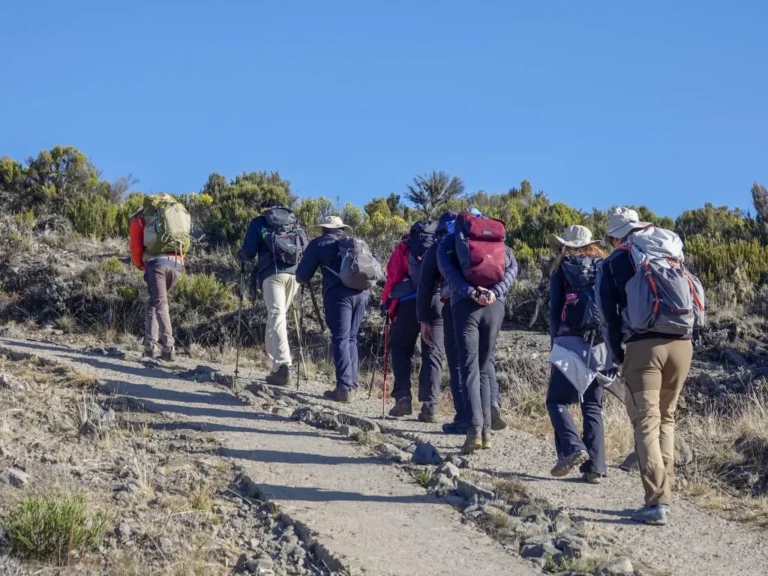
13-Day Kilimanjaro Climb, Cultural Tour & Zanzibar Holiday: Your Ultimate
This 13-day itinerary offers an unparalleled Tanzanian experience, blending the thrill of conquering Mount Kilimanjaro with deep cultural exploration and the serene beauty of Zanzibar...
View package details
Kilimanjaro Questions To Ask During Your Briefing For Climbs 2026-2027
Before embarking on your Kilimanjaro adventure, a thorough briefing is crucial. This guide outlines the most important questions to ask your tour operator to ensure you're fully prepared...
View package details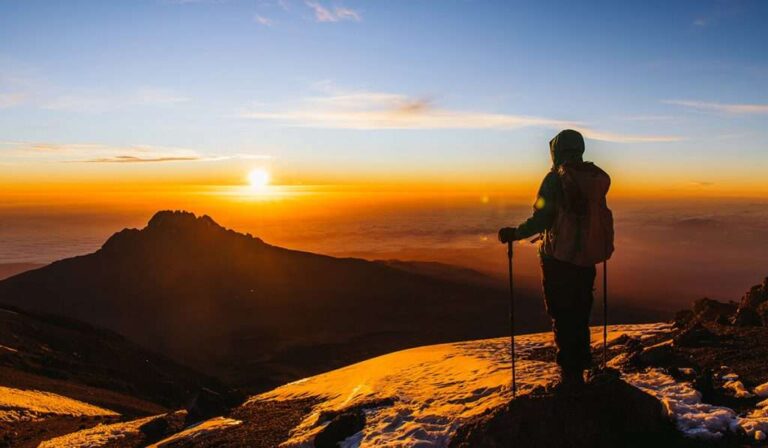
Kilimanjaro Contract Terms You Should Understand For Your Climb 2026-2027
Navigating the fine print of your Kilimanjaro climb contract is crucial. This guide breaks down essential terms, from payment schedules and cancellation policies to what's included and...
View package details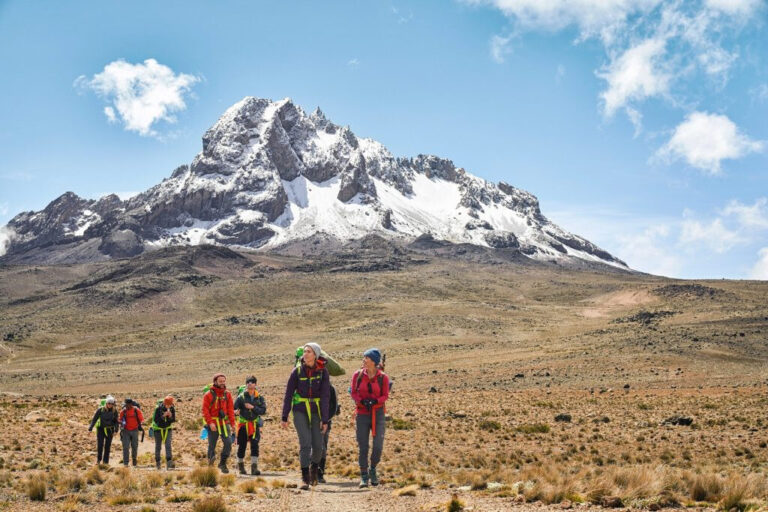
What A Kilimanjaro Mountain Crew Should Provide For Your Climb 2026-2027
Planning a Kilimanjaro climb? Understand precisely what your mountain crew needs to provide, from essential gear and experienced guides to food, safety, and logistical support. This...
View package details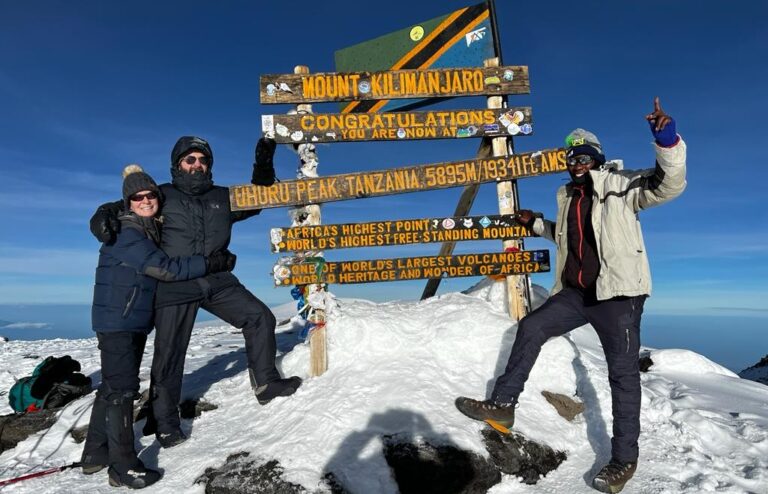
How To Compare Kilimanjaro Package Inclusions For Your Climb 2026-2027
Choosing the right Kilimanjaro climb package in 2026 or 2027 involves meticulously comparing what's included. This guide breaks down essential inclusions like park fees, guide/porter...
View package details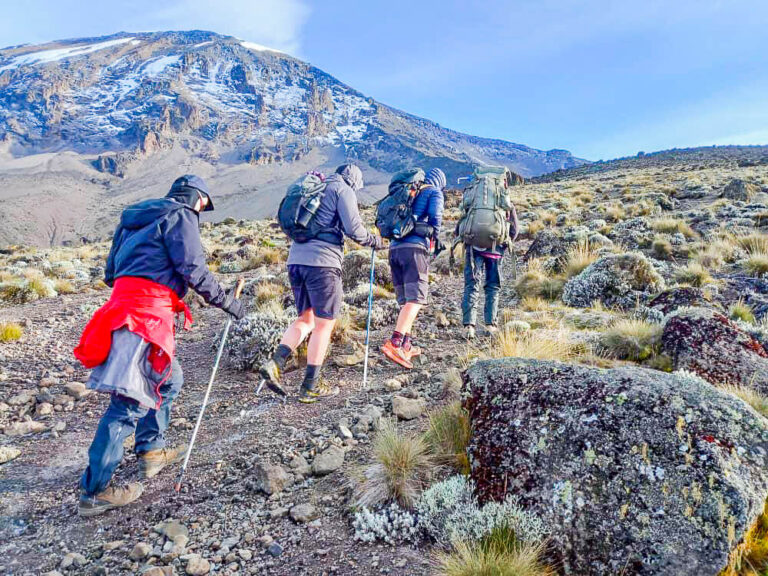
Kilimanjaro Booking Checklist For First-Time Climbers: Your Essential Guide
Planning your first Kilimanjaro climb in 2026 or 2027? This detailed checklist covers everything from choosing a route and operator to packing and acclimatization, ensuring a well-prepared...
View package details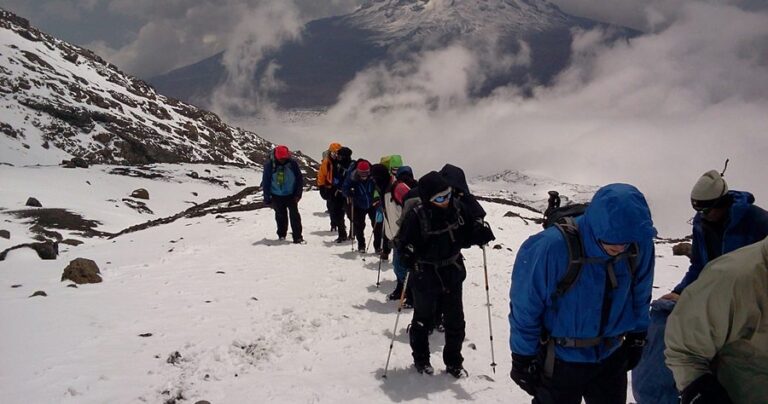
Questions Your Kilimanjaro Operator Should Answer For A Successful Climb
Choosing the right Kilimanjaro operator is crucial for a safe and memorable climb. This comprehensive guide details the essential questions you must ask your potential tour operator...
View package detailsNo related package matches those filters. Clear one or more filters to see the other topic-matched options.



