
A Kilimanjaro climb with private medical support ensures dedicated medical oversight and immediate access to trained professionals and equipment throughout your trek, significantly enhancing safety and peace of mind. This service is crucial for managing altitude sickness and other potential health issues during the challenging ascent, offering personalized care tailored to your needs for expeditions planned for 2026 and 2027.
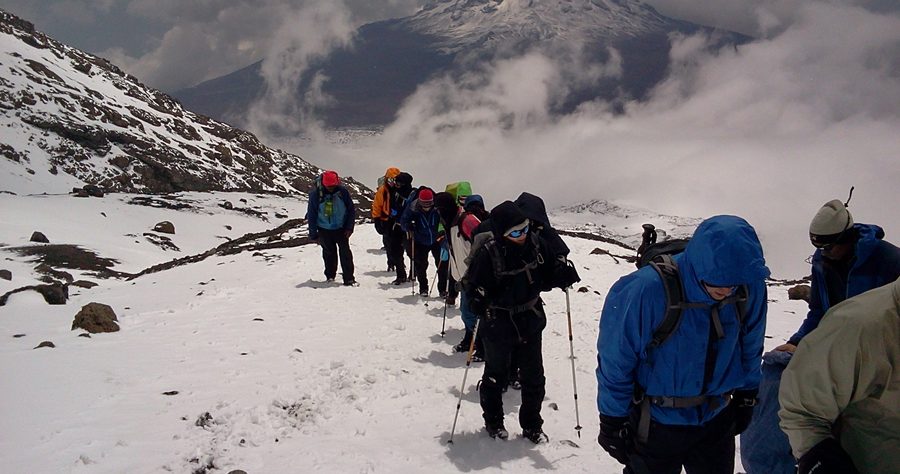
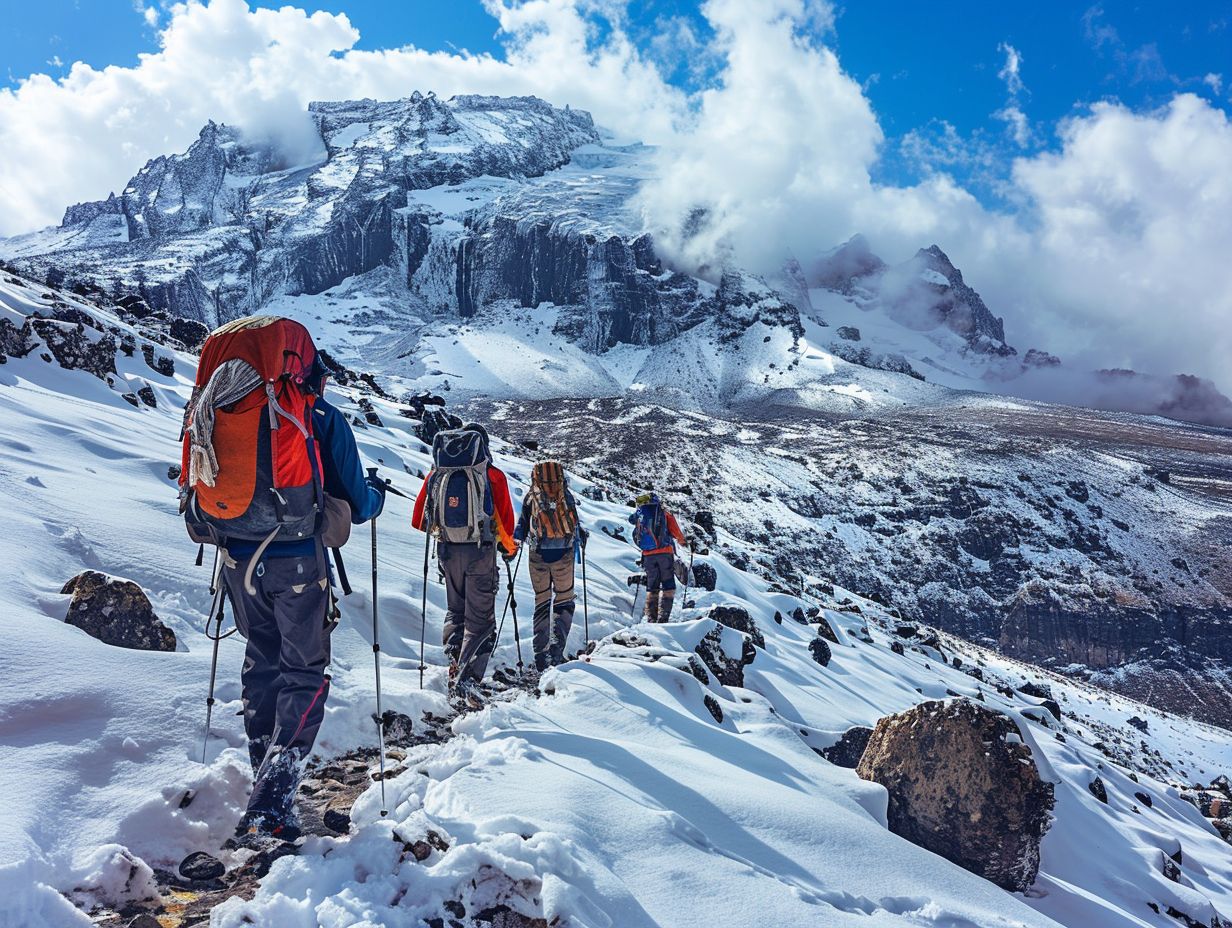
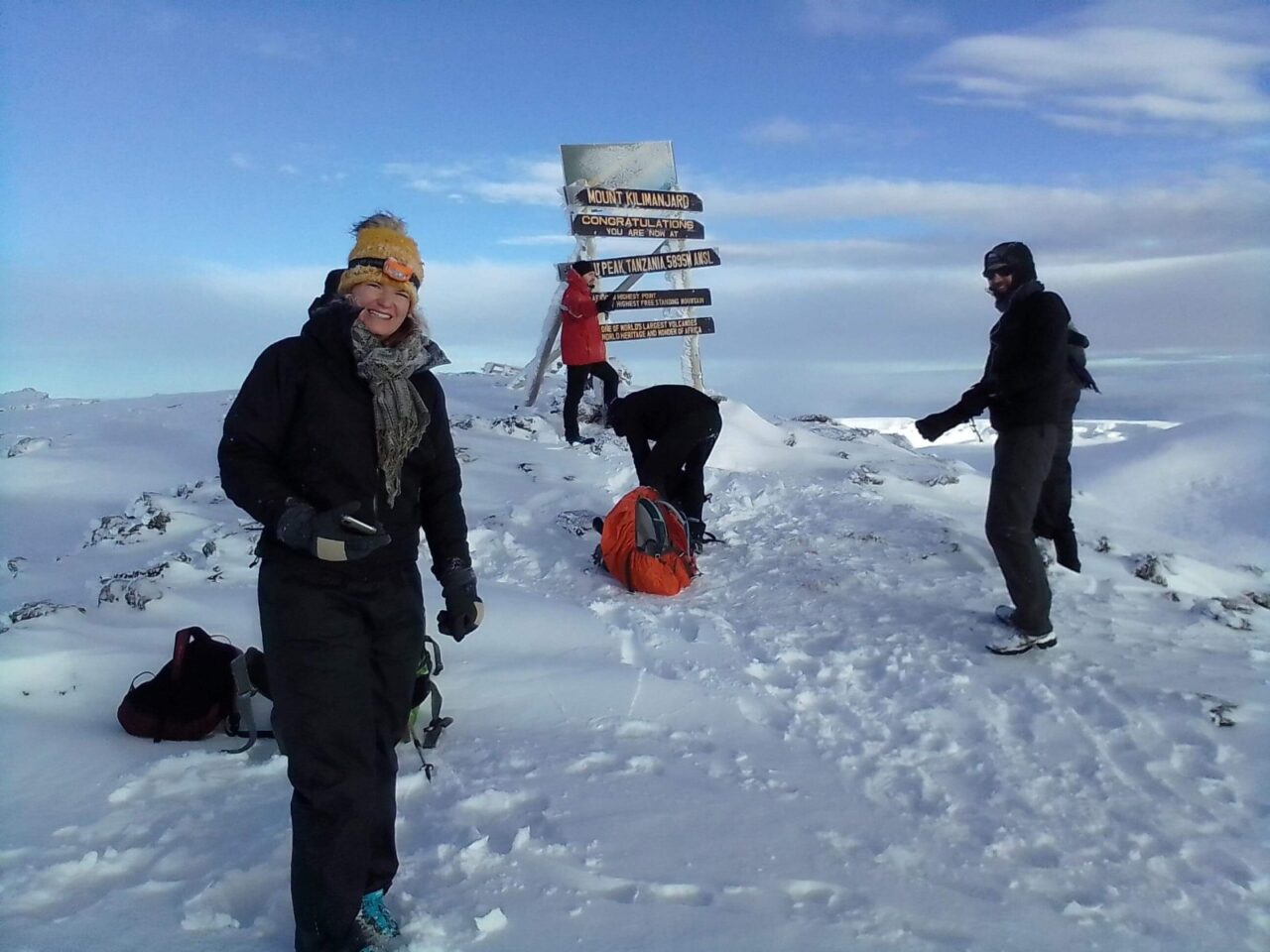
Why Choose a Kilimanjaro Climb with Private Medical Support?
Mount Kilimanjaro, Africa’s highest peak, presents an extraordinary challenge and an unforgettable achievement. While thousands successfully summit each year, the journey involves significant altitude gain, which carries inherent health risks, most notably Acute Mountain Sickness (AMS). Opting for a Kilimanjaro climb with private medical support elevates the safety standards of your expedition, transforming a potentially risky adventure into a more secure and well-managed experience.
This specialized service typically involves having a dedicated medical professional (often a doctor or paramedic with wilderness medicine experience) accompanying your group, or at least being on standby with advanced communication and evacuation capabilities. Unlike standard climbs where guides are trained in basic first aid and altitude awareness, private medical support provides a higher echelon of expertise, diagnostic tools, and treatment options. This is particularly vital for individuals with pre-existing health conditions, those who are more concerned about altitude effects, or anyone seeking the utmost assurance during their climb.
For your planned expeditions in 2026 and 2027, understanding the benefits of such support is the first step in responsible planning. It’s not just about reaching the summit; it’s about doing so safely and comfortably, with the knowledge that expert medical care is readily available should the need arise.
Understanding the Risks of High Altitude Trekking
Climbing Kilimanjaro involves ascending to elevations exceeding 5,895 meters (19,341 feet). At these altitudes, the atmospheric pressure decreases, meaning there is less oxygen available for your body to absorb. This physiological stress can lead to a range of altitude-related illnesses:
- Acute Mountain Sickness (AMS): The most common form, characterized by headaches, nausea, dizziness, and fatigue. If not managed, it can progress to more severe conditions.
- High Altitude Cerebral Edema (HACE): A life-threatening condition where fluid accumulates in the brain, causing confusion, impaired coordination (ataxia), and potentially coma or death.
- High Altitude Pulmonary Edema (HAPE): Fluid accumulation in the lungs, leading to severe shortness of breath, chest tightness, and coughing. This is also a medical emergency.
While experienced guides are trained to recognize symptoms and implement descent protocols, a dedicated medical professional offers advanced assessment, diagnosis, and treatment capabilities. They can administer specific medications, perform more detailed examinations, and make more informed decisions regarding descent or evacuation, all of which are critical in preventing mild symptoms from becoming critical emergencies.
What Does Private Medical Support Entail?
The specifics of private medical support for a Kilimanjaro climb can vary between tour operators, but generally, it includes:
- On-site Medical Professional: A qualified doctor, nurse practitioner, or paramedic with specific training in wilderness medicine and altitude sickness management accompanying the climbing group.
- Advanced Medical Kit: Access to a comprehensive medical kit beyond standard first-aid supplies, potentially including diagnostic tools (like pulse oximeters, stethoscopes), prescription medications for altitude sickness (e.g., Diamox, Dexamethasone), antibiotics, pain relief, and emergency treatments.
- Emergency Communication: Reliable satellite communication devices to contact emergency services or evacuation teams if needed.
- Evacuation Planning: Pre-arranged protocols and potential partnerships with local rescue services and air evacuation providers, ensuring a swift response in critical situations.
- Personalized Health Monitoring: Regular checks of vital signs and oxygen saturation levels for all group members, allowing for early detection of potential issues.
- Pre-trip Medical Consultation: Some packages may include a consultation with a travel medicine specialist to assess individual health risks and provide tailored advice.
Choosing a Kilimanjaro climb with private medical support means investing in a layer of professional care that goes far beyond the standard provisions, offering unparalleled reassurance for your 2026 or 2027 expedition.
Choosing the Right Route for Your Supported Climb
The route you select on Kilimanjaro significantly impacts acclimatization, scenery, and overall experience. When opting for a Kilimanjaro climb with private medical support, the route choice becomes even more critical as it influences the pace of ascent and the potential for altitude-related issues. Routes with longer durations generally offer better acclimatization profiles, which is beneficial regardless of medical support, but even more so when you have specialized care available.
Popular Routes and Their Suitability for Medically Supported Climbs
Top Guide Adventures recommends routes that naturally facilitate better acclimatization. For a climb with private medical support, focusing on these longer, more gradual ascent routes is highly advisable:
- Lemosho Route: Often considered the most scenic, the Lemosho route is also one of the best for acclimatization due to its longer duration (typically 7-8 days). Its gradual ascent profile allows your body more time to adapt to the increasing altitude. This makes it an excellent choice for a Kilimanjaro climb with private medical support, as it provides a more stable environment for medical monitoring.
- Machame Route: Known as the “Whiskey Route,” Machame is very popular and offers a good balance of scenery and acclimatization, usually taking 6-7 days. It features a “climb high, sleep low” strategy, which is excellent for acclimatization. A 7-day Machame climb is a strong contender for those seeking private medical support.
- Northern Circuit: This is the longest route (9-10 days) and offers the highest acclimatization success rates. It circles the mountain, providing a full 360-degree view and allowing for a very slow, steady ascent. For anyone prioritizing safety and acclimatization, especially with private medical support, the Northern Circuit is arguably the best option for your 2026-2027 adventure.
Routes to Approach with Caution (or Extended Duration)
While possible with private medical support, shorter routes can present greater acclimatization challenges, making the medical support even more critical:
- Marangu Route: The “Coca-Cola” route is the only one offering dormitory-style accommodation. It’s also the shortest and has a lower summit success rate due to its rapid ascent profile. If choosing Marangu for a Kilimanjaro climb with private medical support, extending it to at least 6 or 7 days is strongly recommended to improve acclimatization.
- Rongai Route: This route approaches from the north and is drier. It’s generally considered to have good acclimatization, especially if taken over 6-7 days. It’s a viable option but often less scenic than Lemosho or Machame.
When you book your Kilimanjaro climb with private medical support through Top Guide Adventures for 2026 or 2027, we will help you select a route that aligns with your fitness level, desired experience, and, most importantly, your safety priorities. We emphasize longer routes for better acclimatization, which complements the benefits of having dedicated medical personnel.
Preparing for Your Medically Supported Kilimanjaro Expedition
A successful and safe Kilimanjaro climb, especially one with private medical support, hinges on thorough preparation. This involves not only physical conditioning but also understanding the medical aspects and ensuring you have the right gear.
Physical Training and Fitness
While you don’t need to be an elite athlete, a good level of cardiovascular fitness is essential. Focus on activities that build endurance:
- Cardiovascular Exercise: Aim for at least 3-4 sessions per week of activities like hiking (with a backpack), running, cycling, or swimming.
- Strength Training: Focus on leg strength (squats, lunges) and core stability.
- Hiking Practice: The most relevant training. Hike regularly, preferably on varied terrain, and gradually increase the duration and elevation gain. Practice hiking with the backpack you intend to use.
The goal is to build stamina and strengthen your legs and core to handle long days of trekking, often on steep and uneven terrain. Your body’s ability to cope with the physical demands is directly linked to how well it handles altitude. A fitter individual may acclimatize more efficiently, but it does not guarantee immunity from altitude sickness.
Medical Preparations and Consultations
Before committing to a Kilimanjaro climb with private medical support for 2026 or 2027, consult your doctor:
- Pre-existing Conditions: Discuss any chronic health issues (heart conditions, respiratory problems, diabetes, etc.) with your physician. They can advise on the risks and necessary precautions.
- Medications: If you are on regular medication, ensure you have an adequate supply for the duration of the trip, plus a buffer. Carry copies of your prescriptions.
- Altitude Sickness Prophylaxis: Your doctor or a travel clinic may prescribe medications like Acetazolamide (Diamox) to aid acclimatization. Understand the dosage, potential side effects, and how to take it. Private medical support will also carry these, but having your own prescription is wise.
- Vaccinations: Ensure you are up-to-date on routine vaccinations and consider those recommended for Tanzania, such as Hepatitis A and Typhoid. Consult the CDC or your local health authority for the latest recommendations.
Essential Gear for High Altitude
Proper gear is non-negotiable for a Kilimanjaro climb. Layering is key, as temperatures can range from warm at the base to well below freezing at the summit. Your packing list should include:
- Base Layers: Moisture-wicking thermal underwear (merino wool or synthetic).
- Mid Layers: Fleece jackets or insulated vests for warmth.
- Outer Layer: Waterproof and windproof jacket and trousers (Gore-Tex or similar).
- Insulation Layer: A heavy down jacket for summit night and cold evenings.
- Footwear: Broken-in, waterproof hiking boots with good ankle support. Several pairs of warm hiking socks (wool blend).
- Headwear: Warm hat that covers your ears, a sun hat, and a balaclava or neck gaiter for extreme cold.
- Handwear: Warm, waterproof gloves or mittens, plus liner gloves.
- Sleeping Bag: A 4-season sleeping bag rated for at least -15°C (0°F).
- Backpack: A comfortable daypack (30-40 liters) and a larger duffel bag (80-100 liters) for your porters.
- Trekking Poles: Essential for stability and reducing strain on your knees.
- Headlamp: With extra batteries, crucial for summit night.
- Sun Protection: High SPF sunscreen, sunglasses, and lip balm.
- Water Bottles/Hydration System: Insulated to prevent freezing.
For a Kilimanjaro climb with private medical support, ensure your medical kit includes personal items like blister treatment, pain relievers, and any specific medications prescribed by your doctor. The tour operator will provide a comprehensive group medical kit, but personal items are essential.
The Role of the Medical Professional on Your Climb
Having a dedicated medical professional on your Kilimanjaro climb with private medical support fundamentally changes the dynamic of risk management. They are not just first responders; they are trained clinicians equipped to handle a spectrum of potential issues, from minor discomforts to life-threatening emergencies.
Daily Health Monitoring and Acclimatization Management
Your medical expert will likely conduct daily checks on each climber. This typically involves:
- Pulse Oximetry: Measuring blood oxygen saturation (SpO2) to gauge how well your body is adapting to the altitude.
- Heart Rate Monitoring: Tracking resting and exertion heart rates.
- Symptom Assessment: Asking detailed questions about how you are feeling – headaches, nausea, fatigue, appetite, sleep quality.
- Hydration and Nutrition Checks: Ensuring you are adequately hydrated and consuming enough calories, which are vital for acclimatization and energy levels.
Based on these assessments, the medical professional can provide personalized advice, recommend adjustments to your pace, suggest hydration strategies, or administer medication if symptoms of AMS arise. Early intervention is key, and this proactive monitoring significantly reduces the risk of mild AMS escalating into HACE or HAPE.
Diagnosis and Treatment of Altitude Illnesses
Should symptoms appear, the medical professional has the training and equipment to:
- Differentiate Conditions: Accurately distinguish between AMS, HACE, and HAPE, as well as other potential ailments like dehydration, exhaustion, or gastrointestinal issues.
- Administer Medications: Prescribe and administer appropriate medications, such as Diamox for AMS or Dexamethasone for more severe cases, under controlled conditions.
- Provide Supportive Care: Offer oxygen therapy if necessary and available, manage nausea and vomiting, and provide comfort measures.
- Make Critical Decisions: Advise on the necessity of descent, which is the primary treatment for severe altitude sickness. Their medical judgment is paramount in these situations.
The presence of a medical expert ensures that decisions about descent or further ascent are based on clinical assessment rather than just subjective reports or guide experience alone, offering a higher level of safety for your Kilimanjaro climb with private medical support planned for 2026 or 2027.
Emergency Response and Evacuation
In a critical emergency, the medical professional plays a vital role in stabilizing the patient and coordinating with rescue teams:
- Initial Stabilization: Providing immediate medical care to manage the emergency until evacuation is possible.
- Communication: Using satellite phones or other communication devices to contact the rescue team, park rangers, and Top Guide Adventures’ support team, providing detailed medical information.
- Coordination: Working with the rescue team to ensure a safe and efficient evacuation, whether by stretcher, helicopter (if conditions permit), or assisted descent.
- Liaison: Acting as the medical point of contact between the rescue services and the patient’s family or designated contacts.
This integrated approach to emergency response, facilitated by the presence of a dedicated medical professional, is a cornerstone of a Kilimanjaro climb with private medical support.
Comparing Standard vs. Medically Supported Kilimanjaro Climbs
Understanding the difference between a standard Kilimanjaro climb and one that includes private medical support is key to making an informed decision for your 2026-2027 adventure. The core experience of climbing Kilimanjaro remains the same – the routes, the porters, the guides – but the layer of medical safety is significantly enhanced.
| Feature | Standard Kilimanjaro Climb | Kilimanjaro Climb with Private Medical Support |
|---|---|---|
| Medical Personnel | Experienced guides trained in basic first aid and altitude awareness. | Dedicated doctor, paramedic, or nurse practitioner with wilderness medicine expertise. |
| Medical Equipment | Basic first-aid kit, oxygen cylinder for emergencies. | Comprehensive medical kit, advanced diagnostic tools (pulse oximeter, BP cuff), prescription medications, supplemental oxygen. |
| Health Monitoring | Guides monitor for obvious symptoms; climbers report their own feelings. | Systematic daily checks (SpO2, HR, symptom assessment) by a medical professional. |
| Altitude Sickness Management | Focus on symptom recognition and immediate descent if severe. | Proactive management, early intervention with medication, advanced diagnosis, and informed decisions on descent/treatment. |
| Emergency Response | Guides coordinate with park rangers for rescue. | Medical professional leads stabilization and coordinates directly with specialized rescue/evacuation services. |
| Peace of Mind | Good for generally healthy individuals with prior trekking experience. | Enhanced reassurance for all, especially those with health concerns or seeking maximum safety. |
| Cost | Standard tour package pricing. | Higher cost due to specialized personnel and equipment. |
Cost Considerations for Private Medical Support
A Kilimanjaro climb with private medical support will naturally be more expensive than a standard climb. This increased cost reflects:
- The salary and professional fees of the medical personnel.
- The extensive range and cost of medical equipment and medications.
- Potentially higher insurance requirements for the operator and medical staff.
- Logistical complexities in equipping and supporting a medical professional on the mountain.
While the investment is higher, for many, the added safety, reduced anxiety, and expert care provided by private medical support justify the expense, especially for a significant undertaking like climbing Kilimanjaro. When planning for 2026 or 2027, budget accordingly for this premium service.
Booking Your Kilimanjaro Climb with Private Medical Support with Top Guide Adventures
Top Guide Adventures is committed to providing safe, memorable, and personalized Kilimanjaro climbing experiences. We understand the importance of comprehensive support, especially when it comes to health and safety at altitude. For those seeking an elevated level of care, we offer options for a Kilimanjaro climb with private medical support.
Our Commitment to Your Safety
As one of Tanzania’s trusted tour companies, we prioritize client well-being above all else. Our standard climbs already adhere to stringent safety protocols, including:
- Highly experienced and certified guides trained in wilderness first aid and altitude sickness management.
- Adequate oxygen supplies on all climbs.
- Careful route selection and pacing to optimize acclimatization.
- Regular health checks by our guides.
- Established emergency procedures and communication systems.
When you opt for a Kilimanjaro climb with private medical support through us, we partner with qualified medical professionals and ensure they are fully integrated into your expedition team. This means you benefit from:
- A dedicated medical expert accompanying your private group.
- A state-of-the-art medical kit tailored for high-altitude environments.
- Proactive health monitoring throughout the climb.
- Expert medical advice and treatment available 24/7 on the mountain.
Customizing Your Expedition for 2026-2027
We understand that every climber is unique. Whether you are planning your climb for 2026 or 2027, we can help you tailor your expedition to meet your specific needs:
- Route Selection: Based on your fitness, experience, and desire for acclimatization, we recommend the best routes (like Lemosho, Machame 7-day, or Northern Circuit) that pair well with private medical support.
- Group Size: Private medical support is typically arranged for private group bookings, ensuring the medical professional focuses solely on your party.
- Duration: We advise on the optimal climb duration for your chosen route to maximize acclimatization success.
- Pre-trip Planning: Our team will guide you through the entire preparation process, from initial inquiry to final packing lists.
We are happy to discuss your specific requirements and provide a personalized quote for a Kilimanjaro climb with private medical support. Our aim is to make your dream climb a safe and achievable reality.
What Our Clients Say
While specific testimonials for private medical support climbs are specialized, our clients consistently praise our commitment to safety and service. For instance, a review on TripAdvisor highlights our dedication: “Top Guide Adventures provided an exceptional experience from start to finish. The guides were knowledgeable and attentive, ensuring our safety and enjoyment every step of the way. Highly recommend for any Kilimanjaro trek!” This ethos of care extends to our medically supported climbs, providing an even greater layer of confidence.
Frequently Asked Questions About Medically Supported Kilimanjaro Climbs
Here are some common questions potential climbers have regarding a Kilimanjaro climb with private medical support:
Is private medical support necessary for Kilimanjaro?
It is not strictly necessary for all climbers, as standard climbs have trained guides and emergency protocols. However, it is highly recommended for individuals with pre-existing health conditions, those particularly concerned about altitude sickness, or anyone seeking the highest level of safety and peace of mind. For a Kilimanjaro climb with private medical support, it offers a significant advantage in managing potential health issues proactively.
What is the typical cost difference?
The cost for a Kilimanjaro climb with private medical support can range from $1,000 to $5,000+ per person on top of the standard climb price, depending on the duration of the climb, the qualifications of the medical professional, and the extent of the medical equipment provided. This is an investment in enhanced safety for your 2026 or 2027 expedition.
Will my travel insurance cover a medically supported climb?
Standard travel insurance may not cover specialized medical evacuation or treatment on the mountain. It is crucial to check your policy details carefully and consider purchasing comprehensive travel insurance that specifically covers high-altitude trekking and medical evacuation. Some specialized policies might cover aspects of private medical support, but it’s essential to verify.
Can I arrange private medical support for a group climb?
Yes, private medical support is often most effective and cost-efficient when arranged for a private group. This ensures the medical professional is dedicated to your group’s needs. Top Guide Adventures can help arrange this for your group climbing in 2026 or 2027.
What qualifications should the medical professional have?
Ideally, the medical professional should be a physician (MD), nurse practitioner (NP), or paramedic with specific training and experience in wilderness medicine, emergency medicine, and altitude sickness management. Certifications like the Diploma in Mountain Medicine (DiMM) or similar are highly desirable.
What happens if I get sick and need to descend?
If you experience symptoms of altitude sickness or any other medical issue, the medical professional will assess your condition. If descent is recommended, they will work with your guides and our support team to ensure a safe and efficient evacuation. The presence of a medical expert ensures this decision is medically informed and managed professionally.
Planning Your 2026-2027 Kilimanjaro Adventure
As you plan your ambitious Kilimanjaro climb with private medical support for 2026 or 2027, remember that thorough preparation is key. This includes selecting the right route, ensuring you are physically fit, packing appropriate gear, and understanding the comprehensive safety measures in place. Choosing Top Guide Adventures means partnering with a team dedicated to making your climb as safe and rewarding as possible.
We encourage you to consider the benefits of private medical support, especially if you have any health concerns or simply desire the highest level of assurance during your trek. Our team is ready to discuss your specific needs, answer any further questions, and help you craft the perfect itinerary.
Ready to take the next step towards summiting Kilimanjaro with unparalleled safety and support? Contact us today to learn more about our Kilimanjaro climb with private medical support packages for 2026 and 2027. You can reach us via WhatsApp at +255616946642, email at topguideadventures@gmail.com, or our backup email info@topguideadventures.com. Let’s make your Kilimanjaro dream a reality!
Check Availability for Kilimanjaro Climb With Private Medical Support Guide
Ready to compare dates, prices, and the best option for your group? Send the package name and travel month so the team can reply with a clear quote, availability, and what is included.
Private Kilimanjaro Climb For Senior Travellers: A Comprehensive Guide
This guide details private Kilimanjaro climbs tailored for senior travellers, covering route selection, acclimatization, safety, gear, and the benefits of a private climb with Top Guide...
View package details
Kilimanjaro Family Climb With Private Guides: Your Adventure 2026-2027
start an unforgettable Kilimanjaro family climb with private guides in 2026-2027. Top Guide Adventures specializes in tailoring these incredible journeys for families, ensuring safety...
View package details
Kilimanjaro Climb With Materuni Recovery Day 2026-2027
Kilimanjaro Climb with Materuni Recovery Day is explained with current 2026-2027 planning, price, itinerary and booking information.
View package details
Kilimanjaro Climb With Lake Chala Relaxation Day: Your Ultimate Post-Trek
Experience the ultimate Kilimanjaro adventure followed by serene relaxation at Lake Chala. This guide details how to combine these incredible Tanzanian experiences, covering itineraries...
View package details
Kilimanjaro Climb & West Safari: The Ultimate Tanzania Adventure 2026-2027
Experience the pinnacle of Tanzania with a combined Kilimanjaro climb and West Kilimanjaro safari. This guide details itineraries, preparation, and what to expect for your 2026-2027...
View package details
Kilimanjaro Climb With Mkomazi Rhino Safari 2026-2027
Kilimanjaro Climb with Mkomazi Rhino Safari is explained with current 2026-2027 planning, price, itinerary and booking information.
View package details
Kilimanjaro Climb With Amboseli Safari Extension: Your Ultimate Tanzania
Experience the pinnacle of African adventure by combining a challenging Kilimanjaro climb with a impressive safari in Amboseli National Park. This guide details itineraries, costs, best...
View package details13-Day Kilimanjaro Climb, Cultural Tour & Zanzibar Holiday: Your Ultimate
This 13-day itinerary offers an unparalleled Tanzanian experience, blending the thrill of conquering Mount Kilimanjaro with deep cultural exploration and the serene beauty of Zanzibar...
View package details
Kilimanjaro Questions To Ask During Your Briefing For Climbs 2026-2027
Before embarking on your Kilimanjaro adventure, a thorough briefing is crucial. This guide outlines the most important questions to ask your tour operator to ensure you're fully prepared...
View package details
Kilimanjaro Contract Terms You Should Understand For Your Climb 2026-2027
Navigating the fine print of your Kilimanjaro climb contract is crucial. This guide breaks down essential terms, from payment schedules and cancellation policies to what's included and...
View package details
What A Kilimanjaro Mountain Crew Should Provide For Your Climb 2026-2027
Planning a Kilimanjaro climb? Understand precisely what your mountain crew needs to provide, from essential gear and experienced guides to food, safety, and logistical support. This...
View package details
How To Compare Kilimanjaro Package Inclusions For Your Climb 2026-2027
Choosing the right Kilimanjaro climb package in 2026 or 2027 involves meticulously comparing what's included. This guide breaks down essential inclusions like park fees, guide/porter...
View package detailsNo related package matches those filters. Clear one or more filters to see the other topic-matched options.



