
The most common Kilimanjaro group-climb mistakes involve inadequate preparation, poor acclimatization strategies, incorrect gear choices, underestimating the physical and mental demands, neglecting team dynamics, and choosing an inexperienced operator. Avoiding these pitfalls through thorough research, proper training, appropriate gear selection, and by partnering with a reputable guide service significantly increases your chances of a safe and successful summit in 2026-2027.
Understanding Kilimanjaro Group Climbs and Their Unique Challenges
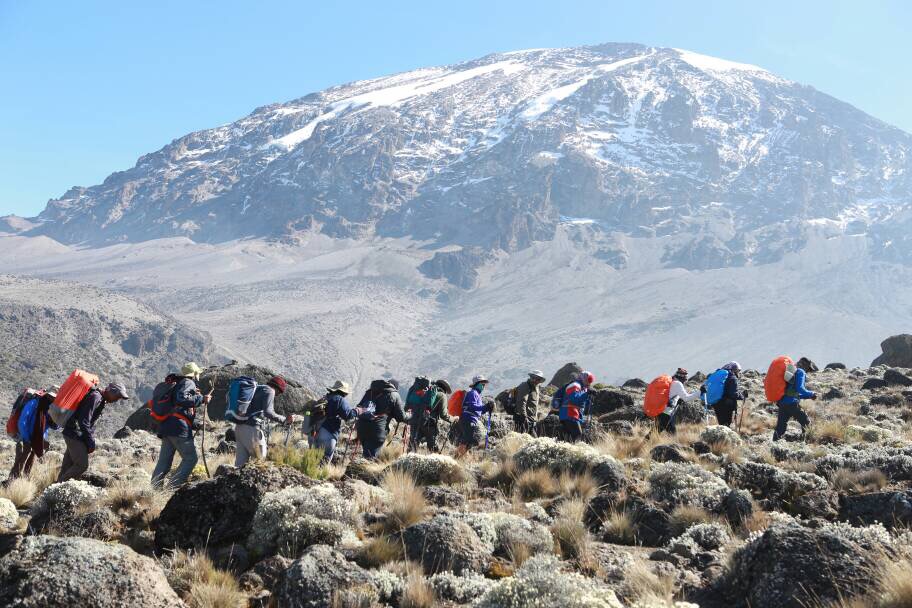
Climbing Mount Kilimanjaro is an ambition shared by thousands each year. While the allure of Africa’s highest peak is undeniable, the journey is often undertaken as part of a group climb. These group departures, whether pre-scheduled or custom-formed, offer a camaraderie and shared experience that can be incredibly rewarding. However, they also introduce a unique set of potential pitfalls. Group dynamics, differing paces, shared resources, and the collective goal all contribute to a different set of challenges compared to a private climb. Recognizing and actively mitigating common Kilimanjaro group-climb mistakes is paramount for ensuring both personal success and the positive experience of the entire group.
For many, a group climb represents a more accessible and potentially more affordable way to tackle Kilimanjaro. Shared costs for guides, porters, park fees, and logistics can make the expedition feasible for a wider range of budgets. Furthermore, the shared struggle and support within a group can provide crucial motivation during difficult moments on the mountain. Yet, it’s precisely within this shared environment that specific mistakes can arise, impacting individuals and the collective journey. This comprehensive guide is designed to highlight these potential errors, providing actionable advice for trekkers planning their Kilimanjaro group climb for 2026, 2027, or beyond, with Top Guide Adventures.
Mistake 1: Inadequate Physical and Mental Preparation
Perhaps the most fundamental Kilimanjaro group-climb mistake is underestimating the physical and mental toll of ascending a mountain of this magnitude. Kilimanjaro is not a technical climb, but its altitude, length, and steep ascents demand a significant level of fitness and mental fortitude. Many trekkers assume that simply being generally active is sufficient, leading to struggles on the mountain that can impact not only their own experience but also the progress of the entire group.
Physical Conditioning: Beyond General Fitness
General fitness is a starting point, but specific training for Kilimanjaro involves more than just gym sessions. The key is to mimic the demands of the climb:
- Cardiovascular Endurance: Long hikes with significant elevation gain are crucial. Aim for regular weekend hikes of 6-10 hours, carrying a daypack with water and snacks. Gradually increase the distance and elevation over several months.
- Strength Training: Focus on leg strength (squats, lunges, calf raises) and core stability. Carrying a backpack for extended periods requires a strong back and core.
- Hiking Stamina: Practice hiking on consecutive days, ideally with similar elevation changes to what you’ll encounter on Kilimanjaro. This helps your body adapt to sustained effort.
- Altitude Simulation (if possible): While not always feasible, training at higher altitudes or using altitude training equipment can provide a significant advantage.
Mental Preparedness: The Altitude Factor
The mental aspect of climbing Kilimanjaro is often overlooked. The combination of physical exhaustion, altitude sickness symptoms, cold temperatures, and the sheer length of the trek can be mentally draining. Group climbs can amplify this, as you witness others struggling, which can sometimes be demoralizing. It’s vital to:
- Set Realistic Expectations: Understand that there will be difficult moments. The summit day is particularly grueling.
- Develop Coping Strategies: Practice positive self-talk and focus on small, achievable goals (e.g., reaching the next camp, the next water stop).
- Embrace Discomfort: Accept that you will experience discomfort. Learning to push through it is part of the challenge.
- Build Resilience: The ability to bounce back from setbacks, both physical and mental, is key.
Mistake in Practice: The Group Impact
When individuals within a group are not adequately prepared, they tend to move slower, require more assistance from guides and porters, and are more susceptible to altitude sickness. This can lead to delays, frustration among faster climbers, and increased workload for the support team. In severe cases, it can force an individual to turn back, impacting the morale of the entire group. Proper individual preparation is a fundamental act of consideration for your fellow trekkers and the success of the group climb.
Mistake 2: Poor Acclimatization Strategy
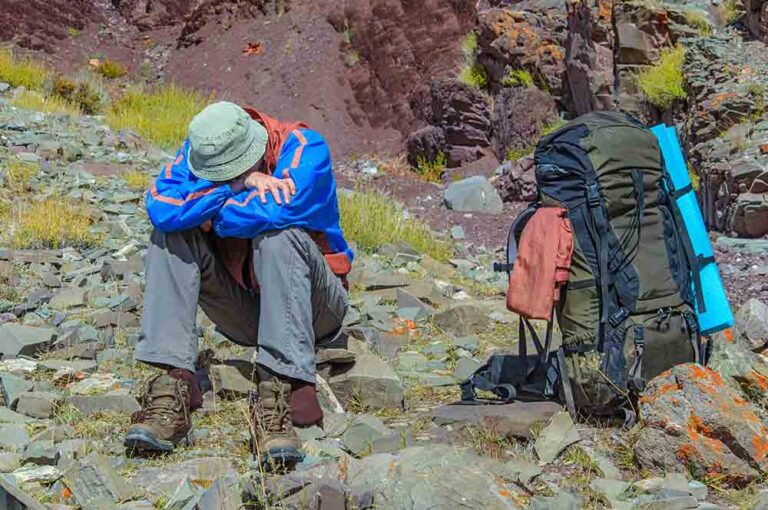
Altitude sickness (Acute Mountain Sickness – AMS) is a serious concern on Kilimanjaro, and a common group-climb mistake is not prioritizing proper acclimatization. Many trekkers rush the ascent, eager to reach the summit, which can lead to severe AMS, forcing them to descend or even be evacuated. Group climbs can sometimes put pressure on individuals to keep up, inadvertently compromising acclimatization.
Understanding Acclimatization
Acclimatization is the process by which your body adapts to lower oxygen levels at higher altitudes. The key principle is to ascend slowly and allow your body time to adjust. This is often summarized as “climb high, sleep low,” though on Kilimanjaro, the routes are generally linear, making “pole pole” (slowly, slowly) the most critical mantra.
Common Acclimatization Errors
- Ascending Too Quickly: This is the most common error. Trying to cover too much distance or elevation gain in a single day.
- Ignoring Symptoms: Dismissing early symptoms of AMS like headache, nausea, or dizziness, hoping they will pass.
- Overexertion at Altitude: Pushing too hard during the day, even if you are resting at night.
- Dehydration: Insufficient fluid intake impairs the body’s ability to acclimatize.
- Alcohol and Sedatives: These can interfere with breathing and acclimatization processes.
Best Practices for Acclimatization on Group Climbs
The best way to avoid acclimatization mistakes is to choose a longer route. Routes like the 7-day Machame, 8-day Lemosho, or 9-day Northern Circuit offer significantly higher acclimatization rates than shorter routes like Marangu (5-day option) or Rongai (6-day option). When planning your 2026-2027 climb:
- Opt for Longer Routes: A minimum of 7 days is highly recommended for group climbs. 8 or 9 days are even better.
- Follow “Pole Pole”: This Swahili phrase is the golden rule. Walk slowly, take your time, and let your body adjust. Your guides will enforce this, but it’s essential to internalize it.
- Stay Hydrated: Drink plenty of water throughout the day. Aim for 3-4 liters.
- Eat Well: Even if your appetite decreases, try to eat regular, high-carbohydrate meals.
- Communicate with Your Guide: Be honest about any symptoms you experience. Your guides are trained to recognize and manage AMS.
- Consider Diamox (Acetazolamide): Consult your doctor about prescription medication like Diamox, which can help speed up acclimatization.
Group Dynamics and Acclimatization
In a group setting, it can be tempting to try and keep pace with faster members. However, your personal acclimatization needs are paramount. Communicate openly with your guide and fellow climbers. If you feel unwell, speak up immediately. Your guide’s primary responsibility is your safety, and they will make the decision to descend if necessary. Pushing on when you feel sick is a critical Kilimanjaro group-climb mistake that can have severe consequences.
Mistake 3: Incorrect Gear and Packing
Equipping yourself properly for Kilimanjaro is vital. Many trekkers make the mistake of bringing the wrong gear, packing too much, or not packing essential items. This can lead to discomfort, illness, or even the inability to continue the climb, affecting the entire group.
The Layering System: Your Best Friend
Kilimanjaro experiences a wide range of temperatures, from tropical heat at the base to sub-zero conditions at the summit. The key to managing this is the layering system:
- Base Layer: Moisture-wicking thermal underwear (merino wool or synthetic). Avoid cotton at all costs, as it holds moisture and makes you cold.
- Mid Layer: Insulating layers like fleece jackets or down vests.
- Outer Layer: Waterproof and windproof jacket and pants (Gore-Tex or similar).
Essential Gear Checklist (and Common Mistakes)
Essential Kilimanjaro Group-Climb Gear: What Not to Forget
- Sturdy Hiking Boots: Broken-in, waterproof, and high-ankled. Mistake: Bringing new, stiff boots or low-cut shoes.
- Sleeping Bag: Rated to at least -10°C (0°F), preferably -20°C (-4°F). Mistake: Bringing a summer-weight bag.
- Waterproof Jacket & Pants: Breathable material. Mistake: Relying on a non-waterproof shell or leaving pants behind.
- Insulating Layers: Fleece jackets, down vest/jacket. Mistake: Insufficient warmth layers.
- Thermal Base Layers: Multiple sets. Mistake: Packing only cotton or insufficient pairs.
- Hiking Pants: Quick-drying, comfortable. Mistake: Wearing jeans or cotton pants.
- Headwear: Warm hat (covers ears), sun hat/cap, balaclava/neck gaiter. Mistake: Forgetting a warm hat or a sun hat.
- Gloves: Warm, waterproof outer gloves and liner gloves. Mistake: Bringing only thin gloves.
- Socks: Wool or synthetic hiking socks (multiple pairs). Mistake: Wearing thin, cotton, or insufficient socks.
- Footwear: Camp shoes or trainers for evenings. Mistake: Only bringing heavy hiking boots.
- Headlamp: With extra batteries. Mistake: Forgetting a headlamp or not checking batteries.
- Sunglasses: High UV protection. Mistake: Using regular sunglasses not suitable for snow/glare.
- Sunscreen & Lip Balm: High SPF. Mistake: Underestimating sun intensity at altitude.
- Water Bottles/Bladder: At least 3 liters capacity. Insulated carriers for cold weather. Mistake: Not carrying enough water or letting it freeze.
- Trekking Poles: Highly recommended for ascents and descents. Mistake: Not using poles or bringing cheap, flimsy ones.
- Duffel Bag: Waterproof, large enough for your gear (porters carry this). Mistake: Overpacking or using a non-waterproof bag.
- Daypack: 30-40 liters for daily essentials. Mistake: Using a bag too small or too large.
- Personal Items: Toiletries, medications, camera, power bank. Mistake: Forgetting essential personal items or medications.
Packing Too Much: The Weight Problem
While it’s important to have the right gear, overpacking is a common Kilimanjaro group-climb mistake. Porters have weight limits (typically 15kg/33lbs per trekker), and carrying excess weight makes the journey harder for them and can lead to higher charges. Focus on essentials and multi-functional items. Your daypack should only contain items you need during the day (water, snacks, camera, rain gear, warm layer, sunscreen).
Renting vs. Buying Gear
For items like sleeping bags and trekking poles, renting from your tour operator can be a cost-effective solution, especially if you don’t plan on frequent trekking. However, ensure the rental gear is in good condition and suitable for the expected temperatures. Personal items like hiking boots should always be your own and well-broken-in.
Mistake 4: Neglecting Team Dynamics and Group Etiquette
Group climbs thrive on cooperation, communication, and mutual respect. Ignoring these aspects is a significant Kilimanjaro group-climb mistake that can lead to friction, reduced morale, and a less enjoyable experience for everyone involved.
Communication is Key
Open and honest communication is vital:
- Listen to Your Guides: They are experienced professionals. Follow their instructions regarding pace, safety, and acclimatization.
- Express Your Needs: If you are struggling, feeling unwell, or have concerns, speak to your guide immediately. Don’t suffer in silence.
- Check In with Fellow Climbers: A simple “how are you feeling?” can go a long way.
Pacing and Respecting Others
In a group, everyone moves at their own pace. The slowest person often sets the pace for the group on the ascent. It’s crucial to:
- Embrace “Pole Pole”: This applies to everyone. Rushing ahead can lead to exhaustion and acclimatization issues.
- Wait at Junctions: Ensure everyone in your immediate group stays together.
- Avoid Complaining Excessively: While it’s okay to voice concerns, constant negativity can affect group morale. Focus on solutions and the positive aspects.
- Be Patient: Understand that others may need more breaks or assistance.
Shared Responsibilities and Support
Group climbs foster a sense of shared responsibility. This includes:
- Supporting Each Other: Offer encouragement to fellow climbers, especially during tough moments.
- Keeping Campsites Tidy: Pack out everything you pack in and respect the environment.
- Respecting Porter Welfare: Treat porters with respect, as they are the backbone of the climb. Ensure you don’t overload them and consider tipping appropriately.
Mistake in Practice: The Domino Effect
A single negative attitude or a consistently slow climber who doesn’t communicate can create tension. Conversely, a supportive and positive group dynamic can make even the most challenging days feel manageable. For 2026-2027 climbs, consider a brief pre-climb chat with your group members (if you know them) to set expectations for communication and mutual support.
Mistake 5: Choosing the Wrong Tour Operator
Selecting an inexperienced, unethical, or ill-equipped tour operator is one of the most significant Kilimanjaro group-climb mistakes a trekker can make. The operator dictates the route, the quality of guides and porters, the equipment, the safety protocols, and ultimately, the overall experience.
Red Flags to Watch Out For
When researching operators for your 2026 or 2027 Kilimanjaro group climb, be wary of:
- Unrealistically Low Prices: Kilimanjaro climbs are expensive due to park fees, government levies, and porter wages. Extremely cheap tours often cut corners on safety, food, equipment, or fair wages for staff.
- Lack of Transparency: Vague itineraries, unclear inclusions/exclusions, and poor communication are warning signs.
- Poor Safety Record: Inquire about their emergency procedures, availability of oxygen, and guide training.
- No Clear Website or Online Presence: Reputable operators usually have a professional website with detailed information.
- Negative Reviews: While occasional negative reviews happen, a pattern of complaints about safety, staff treatment, or ethics is a major red flag.
What to Look for in a Reputable Operator
Top Guide Adventures, for instance, prioritizes safety, ethical treatment of staff, and client satisfaction. Look for operators that:
- Have Experienced, Certified Guides: Guides should have wilderness first aid training and extensive experience on Kilimanjaro.
- Prioritize Safety Protocols: This includes carrying emergency oxygen, first-aid kits, and having clear evacuation plans.
- Offer Well-Maintained Equipment: Good quality tents, sleeping mats, and cooking gear are essential.
- Provide Quality Food: Nutritious and varied meals are crucial for energy and morale.
- Treat Staff Ethically: Ensure porters are paid fairly, have adequate food and shelter, and are not overloaded. Look for operators who are members of organizations like the Kilimanjaro Porters Assistance Project (KPAP).
- Offer Clear Itineraries and Pricing: Understand exactly what is included (park fees, meals, accommodation, transfers, guides, porters) and what is not (visas, tips, personal insurance, gear rental).
- Have Good Communication: Prompt and informative responses to your queries are a good sign. For assistance with planning your 2026-2027 climb, you can reach Top Guide Adventures at topguideadventures@gmail.com or WhatsApp +255616946642.
Group Departures vs. Private Climbs
Group departures are a great way to meet new people and often offer a slightly lower price point. However, ensure the operator has a good track record with their group departures specifically. Check if they have fixed dates for 2026-2027 group climbs or if they can arrange a custom group for you.
Mistake 6: Ignoring Nutrition and Hydration on the Mountain
Proper nutrition and hydration are critical for energy, acclimatization, and overall well-being on Kilimanjaro. Neglecting these aspects is a common Kilimanjaro group-climb mistake that can lead to fatigue, headaches, and poor performance.
The Importance of Hydration
At altitude, your body loses more fluid through respiration and perspiration. Dehydration exacerbates altitude sickness symptoms and reduces your physical capacity. You should aim to drink:
- 3-4 liters of water per day.
- Sip frequently throughout the day, rather than drinking large amounts at once.
- Carry water in insulated carriers or use a hydration pack with an insulated hose to prevent freezing at higher altitudes.
- Consider electrolyte supplements to replenish salts lost through sweat.
Nutrition for Peak Performance
Your tour operator will provide meals, but understanding what to eat and how to manage your appetite is key:
- Carbohydrate-Rich Diet: Carbohydrates are your primary fuel source at altitude. Ensure your meals include plenty of rice, pasta, potatoes, and bread.
- Eat Even When You Don’t Feel Like It: Appetite often decreases at altitude. Forcing yourself to eat small, frequent, high-energy snacks (nuts, energy bars, dried fruit) is essential.
- Avoid Heavy, Greasy Foods: These can be difficult to digest at altitude.
- Bring Your Own Snacks: Supplementing the provided meals with your favorite high-energy snacks can be very helpful.
Mistake in Practice: The Domino Effect of Poor Fueling
When individuals in a group are not properly fueled, they become weak, slow, and more prone to illness. This can put additional strain on the guides and porters and lower the overall morale of the group. Ensuring you are well-hydrated and eating consistently is a personal responsibility that benefits the entire team.
Mistake 7: Underestimating Summit Night
Summit night is the most challenging part of the Kilimanjaro climb. It’s a long, cold, and physically demanding ascent in the dark, often with high winds and freezing temperatures. Many trekkers, even those who have prepared well, are caught off guard by the sheer intensity of summit night, making it a prime area for Kilimanjaro group-climb mistakes.
The Realities of Summit Night
- Extreme Cold: Temperatures can drop to -15°C to -20°C (5°F to -4°F) or lower, with wind chill.
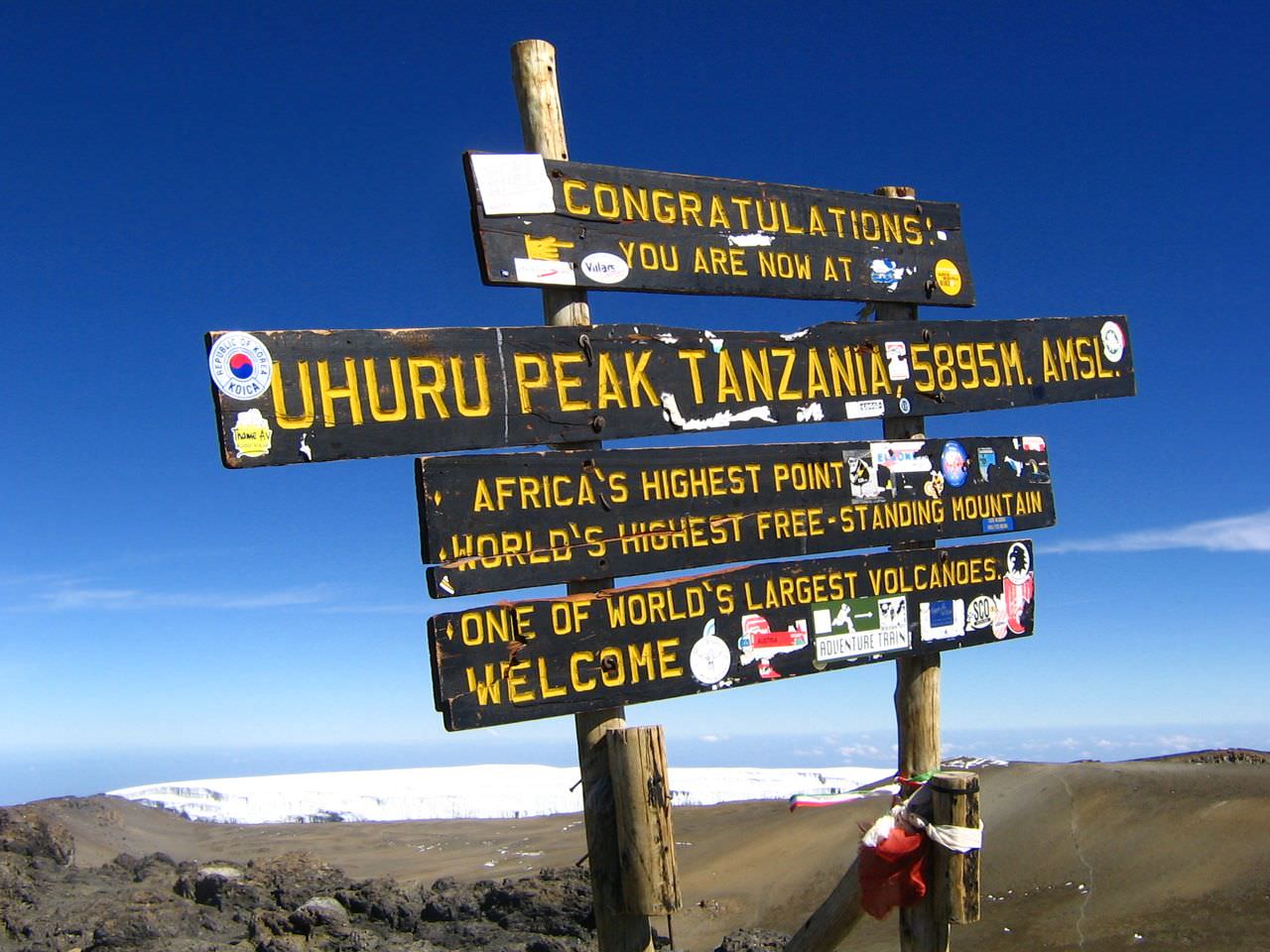
- Low Oxygen: You’ll be climbing at extreme altitudes (up to 5,895m / 19,341ft), where oxygen levels are about half of those at sea level.
- Steep and Treacherous Terrain: The path can be loose scree, rocks, and ice.
- Darkness: You’ll be hiking for hours using headlamps, with the sunrise only occurring around Stella Point or Uhuru Peak.
- Fatigue: You’ll likely have had little sleep the night before and will be hiking for 10-15 hours or more.
Common Summit Night Mistakes
- Insufficient Warm Clothing: Not layering adequately or bringing a sleeping bag that is too light.
- Poor Hydration/Nutrition: Not drinking enough or eating enough in the days leading up to and during summit night.
- Overexertion: Trying to go too fast, especially in the initial stages.
- Ignoring Symptoms: Pushing on despite signs of altitude sickness or severe fatigue.
- Gear Malfunctions: Headlamp batteries dying, water bottles freezing, boots not fitting properly in the cold.
How to Prepare for Summit Night
- Layer Up Meticulously: Wear all your warm layers, including your insulated jacket, gloves, and warm hat.
- Stay Hydrated and Eat: Drink water and eat high-energy snacks before you start and during breaks.
- “Pole Pole” is Crucial: Maintain a very slow, steady pace. Focus on each step.
- Communicate with Your Guide: Be honest about how you feel. Your guide will monitor you closely.
- Test Your Gear: Ensure your headlamp is bright, your water bottles are accessible and insulated, and your boots are comfortable.
- Get as Much Rest as Possible: Try to sleep well in the days leading up to summit night, and rest during the brief breaks on the ascent.
For group climbs, it’s essential to stay with your designated group and guide. Don’t try to race ahead or lag too far behind. The shared experience of reaching the summit is powerful, but only if everyone is safe and supported.
Mistake 8: Inadequate Insurance and Emergency Planning
While planning for success is essential, it’s equally important to plan for the unexpected. Failing to have adequate insurance or a clear emergency plan is a critical Kilimanjaro group-climb mistake that can have serious financial and logistical consequences.
Essential Insurance Coverage
Your travel insurance must cover:
- Emergency Evacuation: This is non-negotiable. Ensure it covers helicopter rescue and ground evacuation from high altitudes. This can cost tens of thousands of dollars if not covered.
- Medical Expenses: Cover for treatment of altitude sickness, injuries, or other medical emergencies.
- Trip Cancellation/Interruption: In case you need to cut your trip short due to illness or other unforeseen circumstances.
Emergency Procedures on the Mountain
Reputable operators like Top Guide Adventures have established emergency procedures:
- Communication Systems: Guides often carry satellite phones or radios for emergencies.
- Oxygen Cylinders: Essential for treating severe altitude sickness.
- Evacuation Plans: Knowing the nearest airstrips and ground transport for rapid evacuation.
Personal Emergency Preparedness
- Inform Your Family/Friends: Provide them with your itinerary and contact details for your tour operator. Establish check-in times.
- Carry a Small Emergency Kit: Including any personal medications, basic first-aid items, and a copy of your insurance details.
Discuss emergency protocols with your tour operator before your 2026-2027 climb. Understanding these procedures and having the right insurance can provide peace of mind and ensure prompt, effective action if an emergency occurs.
Mistake 9: Not Respecting the Mountain Environment
Kilimanjaro is a national park and a UNESCO World Heritage site. Treating it with disrespect is a significant Kilimanjaro group-climb mistake that harms the fragile ecosystem and violates regulations. Adhering to Leave No Trace principles is essential for preserving this natural wonder for future generations.
Key Environmental Guidelines
- Pack It In, Pack It Out: All litter, including biodegradable items like fruit peels, must be carried back down to be disposed of properly.
- Stay on the Trail: Wandering off marked paths can cause erosion and damage vegetation.
- Use Designated Toilets: Avoid defecating or urinating near water sources or trails.
- Do Not Feed Wildlife: Animals on Kilimanjaro are wild and should not be fed.
- Respect Vegetation: Do not pick flowers or break branches.
- Minimize Campfire Impact: Campfires are generally not permitted on Kilimanjaro. Use stoves for cooking.
The Role of the Group
In a group climb, it’s everyone’s responsibility to uphold these principles. Educate yourself and your group members on the importance of conservation. Your guides will enforce these rules, but a proactive approach from trekkers makes a significant difference. Responsible tourism ensures that future group climbs in 2026, 2027, and beyond can continue to enjoy Kilimanjaro’s beauty.
Mistake 10: Unrealistic Expectations and Poor Mindset
Beyond physical and logistical errors, a common Kilimanjaro group-climb mistake is having unrealistic expectations about the climb itself or adopting a negative mindset. Kilimanjaro is challenging, and embracing the journey with the right attitude is crucial for success and enjoyment.
Setting Realistic Goals
- The Summit is Not Guaranteed: While many reach the summit, factors like altitude sickness, weather, and personal health can prevent it. Be prepared for this possibility and focus on the overall experience.
- It Will Be Tough: Accept that there will be difficult days. This is part of the adventure.
- Group Pace Varies: Understand that not everyone will move at the same speed.
Cultivating a Positive Mindset
- Embrace the Challenge: View difficulties as opportunities to grow and learn.
- Focus on the Present: Concentrate on reaching the next camp or the next landmark, rather than fixating on the summit.
- Practice Gratitude: Appreciate the incredible scenery, the support of your team, and the opportunity to be there.
- Be Patient and Flexible: Things may not always go according to plan. Adaptability is key.
The Power of a Positive Group
A group that supports each other, maintains a positive outlook, and works together can overcome significant challenges. Conversely, a group plagued by negativity or unrealistic expectations is more likely to face difficulties. For your 2026-2027 climb, commit to bringing a positive and resilient attitude.
Choosing the Right Route for Your Group Climb
The route you choose significantly impacts your acclimatization, scenery, and overall experience. Selecting a route that is too short for a group can amplify acclimatization mistakes.
Recommended Routes for Group Climbs (Prioritizing Acclimatization)
For the best chance of success and a more comfortable acclimatization profile, longer routes are preferred for group climbs:
- Lemosho Route (7-8 Days): Offers excellent acclimatization, stunning scenery, and a high success rate. The 8-day option is particularly good for groups.
- Machame Route (7 Days): Known as the “Whiskey Route,” it’s popular, scenic, and provides good acclimatization with its 7-day itinerary.
- Northern Circuit (9 Days): The longest and offers the highest acclimatization rates, circumnavigating the mountain. Ideal for groups prioritizing success and a more relaxed pace.
Routes to Consider Carefully for Groups
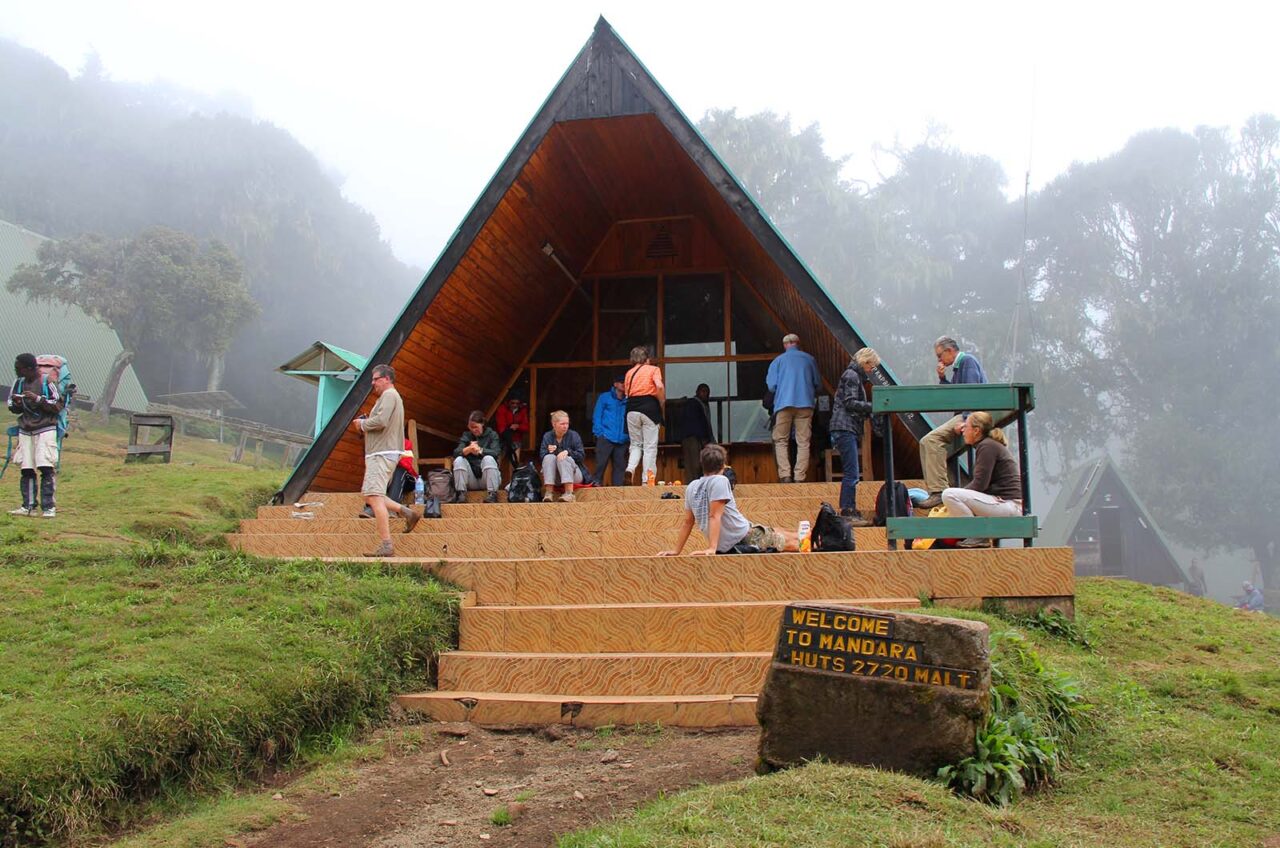
- Marangu Route (5-6 Days): The “Coca-Cola Route” is popular due to its hut accommodation but offers poor acclimatization. The 5-day option has a very low success rate. The 6-day option is better but still challenging.
- Rongai Route (6-7 Days): Approaches from the north, drier. The 6-day option is decent, but longer routes offer superior acclimatization.
When booking your 2026-2027 group climb, discuss route options with your operator. Top Guide Adventures can help you select the best route based on your group’s fitness, time, and acclimatization goals.
Final Preparations for Your Kilimanjaro Group Climb in 2026-2027
As your climb date approaches, finalize your preparations to avoid last-minute Kilimanjaro group-climb mistakes.
Health Check-up
Consult your doctor for a pre-climb check-up. Discuss any pre-existing conditions and altitude sickness prevention, including the potential use of Diamox. Ensure your vaccinations are up to date.
Gear Check
Lay out all your gear and check it against your packing list. Ensure everything is functional and fits well. Test your headlamp, check your boots, and make sure your layers are complete.
Travel Arrangements
Confirm your flights, airport transfers, and accommodation before and after the climb. Ensure your visa requirements are met.
Mental Rehearsal
Visualize the climb, focusing on positive outcomes and how you will handle challenges. Remind yourself of your “why” for climbing Kilimanjaro.
Planning a Kilimanjaro group climb is a significant undertaking, but by understanding and actively avoiding these common mistakes, you can significantly enhance your chances of a safe, successful, and memorable experience. For expert guidance and support in planning your 2026 or 2027 Kilimanjaro adventure, consider partnering with experienced professionals like Top Guide Adventures. You can reach them via info@topguideadventures.com or WhatsApp +255616946642.
Check Availability for Kilimanjaro Group-Climb Mistakes: Avoid Common Pitfalls For A Successful
Ready to compare dates, prices, and the best option for your group? Send the package name and travel month so the team can reply with a clear quote, availability, and what is included.
Eco-Friendly Kilimanjaro Group Expedition: Your Sustainable Climb In 2026-2027
Discover how to undertake an eco-friendly Kilimanjaro group expedition, focusing on sustainability, responsible tourism, and preparing for your climb in 2026-2027 with Top Guide Adventures.
View package details
Kilimanjaro Shared Tent Vs Single Making The Right Choice For Your Climb
Choosing between a shared tent and a single tent for your Kilimanjaro climb is a significant decision impacting comfort, cost, and your overall experience. This guide breaks down the pros...
View package details
How Long Does It Take To Climb The Barranco Wall On Kilimanjaro? 2026-2027
The Barranco Wall, a highlight of Kilimanjaro climbs, typically takes between 3 to 5 hours to ascend. This challenging yet rewarding section requires scrambling and careful navigation, with...
View package details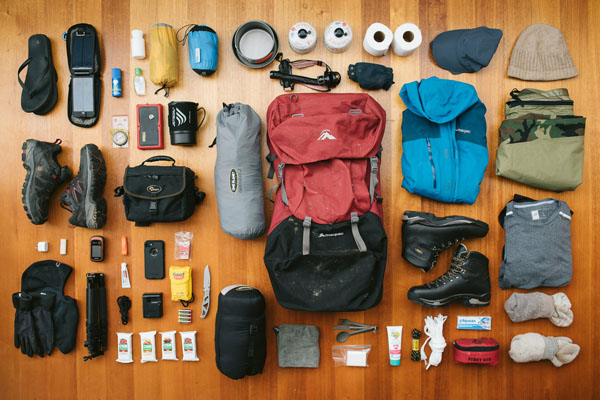
Kilimanjaro Gear-Rental Mistakes To Avoid For Your Climb 2026-2027
Planning a Kilimanjaro climb for 2026 or 2027? Renting gear can save money and hassle, but mistakes are common. This guide details the most frequent errors climbers make when renting...
View package details
Kilimanjaro Hotel Booking Mistakes: Avoid These Pitfalls For A Smooth Climb
Booking accommodation near Kilimanjaro is crucial for a successful climb. This guide details common Kilimanjaro hotel booking mistakes to help you avoid them, ensuring comfort and readiness...
View package details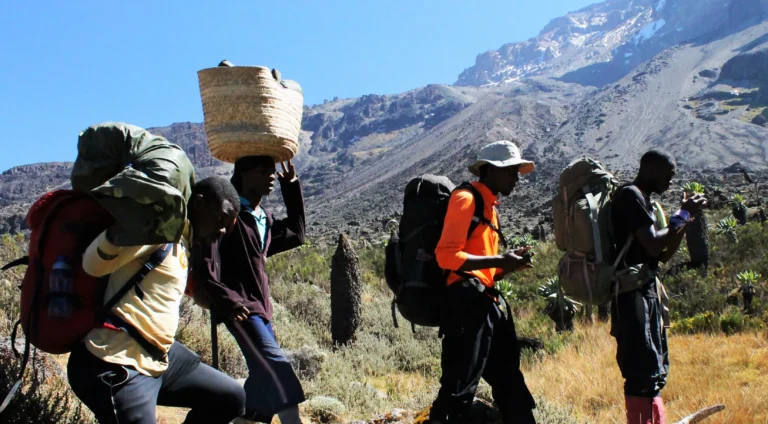
Kilimanjaro Flight-Booking Mistakes: Avoid These Pitfalls For Your Climb
Planning your Kilimanjaro climb for 2026 or 2027? Don't let flight booking errors derail your adventure. This guide covers critical mistakes to avoid, from choosing the right airport and...
View package details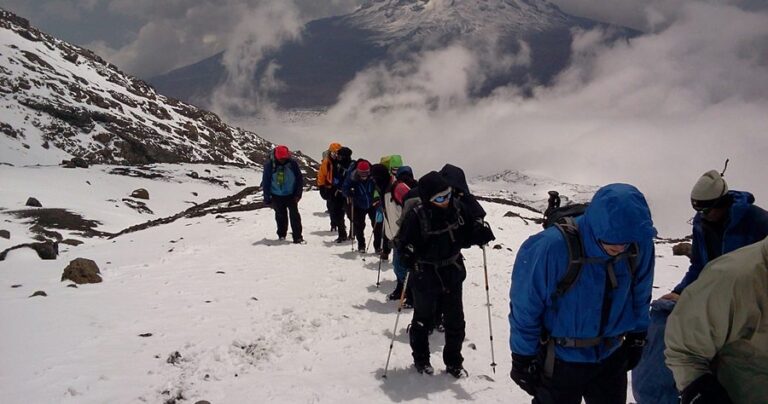
Kilimanjaro Tipping Mistakes And Etiquette: A Comprehensive Guide For Climbers
Navigating Kilimanjaro tipping can be confusing. This guide details common mistakes and proper etiquette for tipping your support crew, ensuring fair compensation and a positive experience...
View package details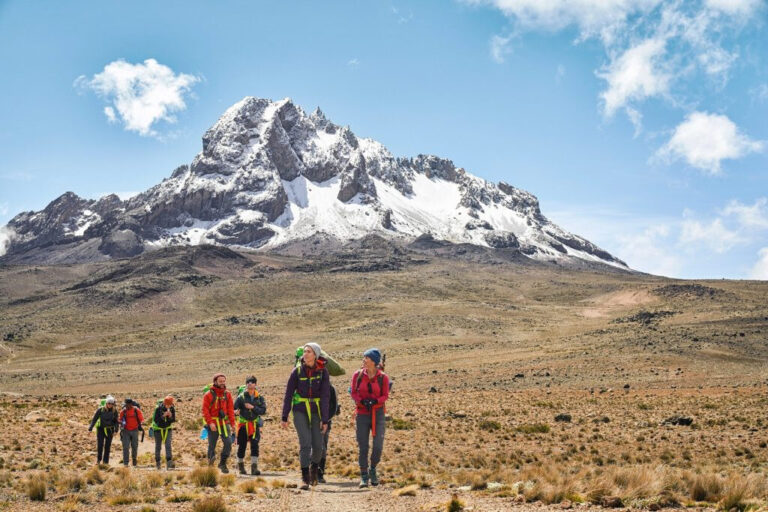
Kilimanjaro Insurance Mistakes To Avoid For A Safe Climb In 2026-2027
Climbing Mount Kilimanjaro is a dream for many, but overlooking proper insurance can turn an incredible adventure into a costly disaster. This guide details the most common Kilimanjaro...
View package details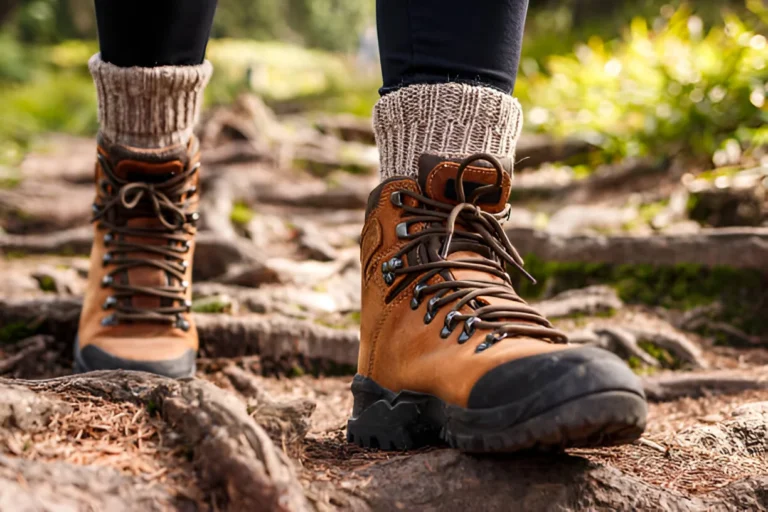
Kilimanjaro Packing Mistakes To Avoid For A Successful Climb In 2026-2027
Packing for Kilimanjaro is crucial for a successful trek. This guide details common packing mistakes to avoid, ensuring you have the right gear for the varying altitudes and conditions...
View package details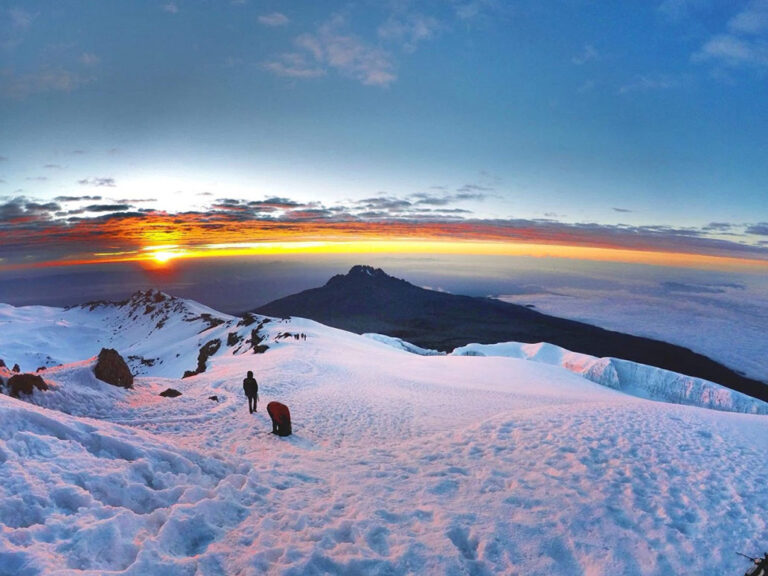
Kilimanjaro Climb With Materuni Recovery Day 2026-2027
Kilimanjaro Climb with Materuni Recovery Day is explained with current 2026-2027 planning, price, itinerary and booking information.
View package details
Kilimanjaro Climb With Lake Chala Relaxation Day: Your Ultimate Post-Trek
Experience the ultimate Kilimanjaro adventure followed by serene relaxation at Lake Chala. This guide details how to combine these incredible Tanzanian experiences, covering itineraries...
View package details
Kilimanjaro Climb & West Safari: The Ultimate Tanzania Adventure 2026-2027
Experience the pinnacle of Tanzania with a combined Kilimanjaro climb and West Kilimanjaro safari. This guide details itineraries, preparation, and what to expect for your 2026-2027...
View package detailsNo related package matches those filters. Clear one or more filters to see the other topic-matched options.



