
Before booking your Kilimanjaro climb for 2026 or 2027, you must understand the critical factors including choosing the best route for your fitness and time, understanding the full cost beyond the initial quote, the importance of choosing a reputable operator, mandatory park fees, visa requirements, essential gear, acclimatization strategies, necessary vaccinations and health precautions, peak climbing seasons, and the physical and mental preparation needed for a successful summit. Understanding these 30 key points will significantly increase your chances of a safe and enjoyable experience on Africa’s highest peak.
1. Kilimanjaro Routes: More Than Just a Path to the Summit
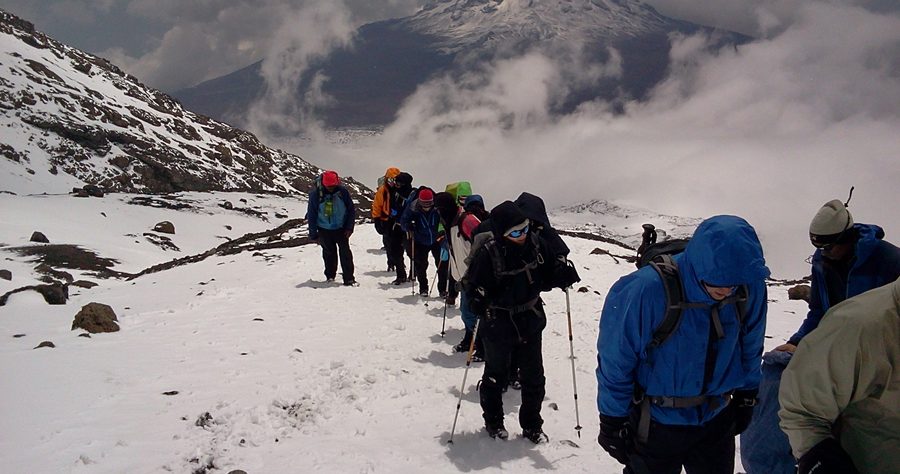
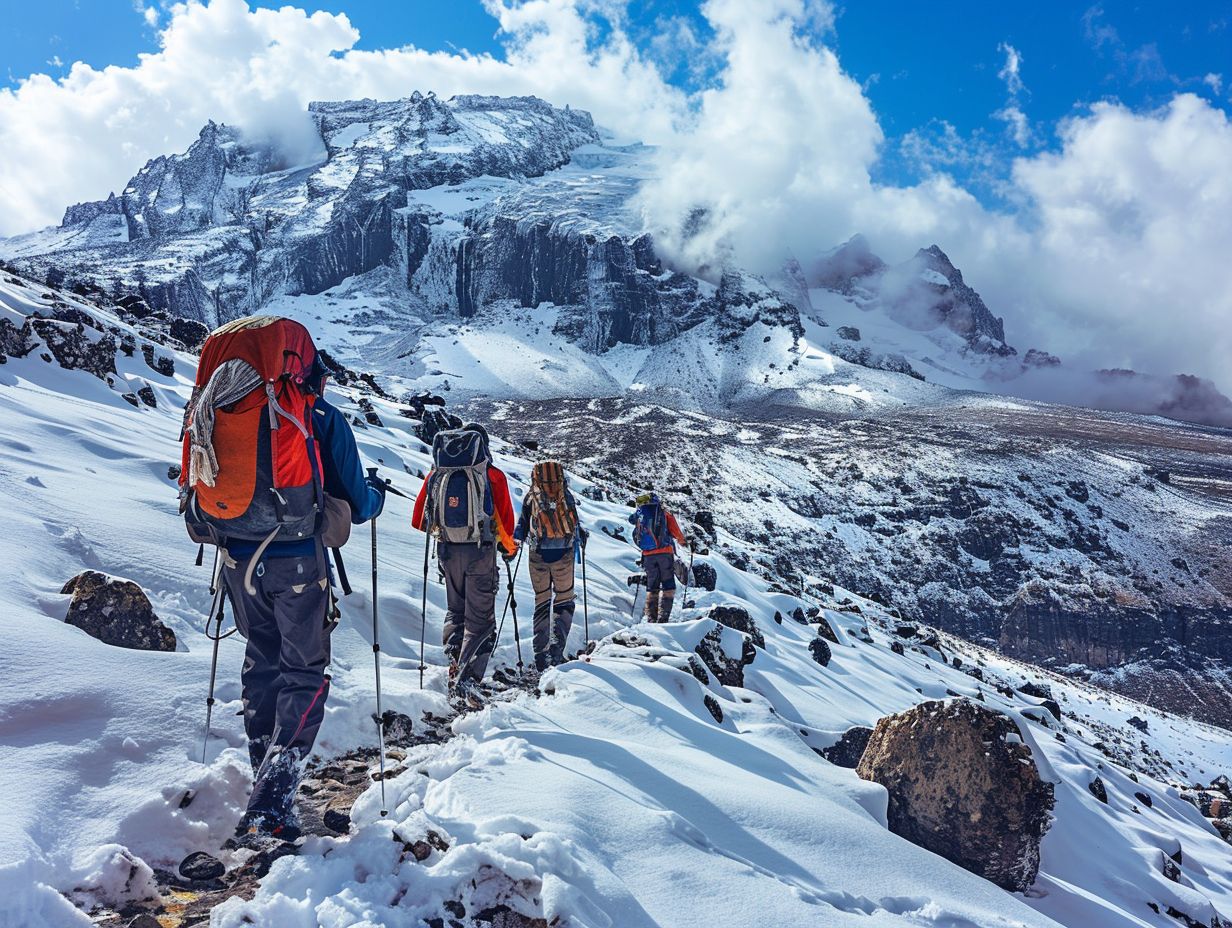
Selecting the right Kilimanjaro route is arguably the most crucial decision you’ll make. It impacts your acclimatization, success rate, scenery, and overall experience. The routes vary significantly in length, difficulty, scenery, and the number of climbers you’ll encounter. For 2026-2027 climbs, understanding these differences is paramount for booking the right trip.
The Machame Route (Whiskey Route)
Often called the ‘Whiskey Route’ because it’s harder than the ‘Margherita’ (Umbwe), Machame is the most popular route. It offers excellent acclimatization due to its ‘climb high, sleep low’ profile. It’s scenic, challenging, and has a good success rate. Expect 6-7 days. It’s a great choice for those seeking a good balance of challenge and scenery.
The Lemosho Route
Lemosho is another highly recommended route, particularly for its stunning scenery and good acclimatization. It’s longer (7-8 days) and generally considered more beautiful than Machame, with fewer crowds in the early stages. It merges with the Shira route before joining the Machame route. It’s a fantastic option if you have a bit more time and budget.
The Shira Route
Similar to Lemosho, Shira starts at a higher altitude and is known for its beautiful plateau. It’s often combined with Lemosho or Machame. It’s typically a 7-day climb.
The Marangu Route (Coca-Cola Route)
Known as the ‘Coca-Cola Route’ because it’s the easiest and most accessible, Marangu is the oldest route. It’s the only route that offers accommodation in huts rather than camping and is often done over 5 days, which is generally too short for proper acclimatization, leading to lower success rates. A 6-day option is better. It’s less scenic than other routes.
The Rongai Route
Rongai approaches from the north side of Kilimanjaro, making it a good option during the rainy seasons (though Kilimanjaro can be climbed year-round). It’s a more gradual ascent, often preferred by those concerned about altitude sickness. It’s typically a 6-7 day climb and offers a different, drier landscape.
The Northern Circuit
This is the longest route (9 days) and offers the highest success rate due to its excellent acclimatization profile. It circles the mountain, providing stunning, diverse views. It’s also the least crowded. Ideal for those who want the best chance of summiting and enjoy a more remote experience.
The Umbwe Route
Umbwe is the shortest, steepest, and most challenging route. It offers very little time for acclimatization and is recommended only for experienced, very fit hikers who are already well-acclimatized. It’s a 5-6 day climb and has a significantly lower success rate.
2. Duration Matters: Why 7-8 Days is Often Best
While 5-day treks are advertised, they are generally not recommended for first-time climbers or those concerned about altitude. The key to a successful Kilimanjaro climb is proper acclimatization. Longer routes (7-8 days, like Lemosho or Machame) allow your body more time to adjust to the increasing altitude, significantly boosting your chances of reaching the summit and enjoying the journey. For 2026-2027 bookings, prioritize longer durations for a safer climb.
3. Cost Breakdown: Beyond the Sticker Price
The cost of a Kilimanjaro climb can vary widely, from under $1,500 to over $5,000 per person. It’s crucial to understand what’s included. A low price might mean fewer staff, lower quality equipment, or minimal food. Reputable operators for 2026-2027 climbs typically include: park fees, guide and porter salaries, food, camping equipment, rescue fees, and often a pre-climb briefing. Exclusions often are: flights, visas, travel insurance, tips for guides and porters, personal gear, and soft drinks/bottled water.
4. Choosing Your Tour Operator: Safety First
This is non-negotiable. Opt for a registered, reputable tour operator with a proven safety record and ethical treatment of porters. Look for companies that are members of relevant associations and have strong reviews. Top Guide Adventures, for example, prioritizes client safety, porter welfare, and provides experienced guides. For your 2026-2027 climb, research thoroughly.
5. Park Fees and Permits: A Significant Portion of the Cost
Kilimanjaro National Park fees are substantial and are set by the Tanzanian government. These fees are mandatory and usually included in your tour package price. For 2026-2027, these fees are subject to change, but they typically cover entry fees, camping/hut fees, and rescue fees. Expect these to be a significant chunk of the total cost.
6. Visa Requirements for Tanzania
Most nationalities require a visa to enter Tanzania. You can apply for this in advance online or upon arrival at Kilimanjaro International Airport (JRO). Check the latest requirements for your country well before your 2026-2027 travel dates.
7. Vaccinations and Health Precautions
Consult your doctor or a travel clinic 4-6 weeks before your trip. Recommended vaccinations often include Hepatitis A, Typhoid, and Tetanus. Malaria prophylaxis is usually advised for Tanzania, though the mountain itself is generally malaria-free above a certain altitude. Diamox (acetazolamide) is often prescribed for altitude sickness prevention.
8. Travel Insurance: Essential Coverage
Your insurance must cover high-altitude trekking (up to 6,000 meters) and emergency medical evacuation. This is non-negotiable. Ensure it covers helicopter rescue, as this is the primary method of evacuation from higher altitudes.
9. Peak Seasons vs. Rainy Seasons
The best times to climb Kilimanjaro are during the dry seasons: January-March and June-October. These periods offer the clearest skies and driest conditions. The rainy seasons are April-May and November-December. While still possible, these months can bring challenging muddy trails and reduced visibility. Climbing in the shoulder seasons (e.g., early June or late October) can offer a balance of decent weather and fewer crowds for your 2026-2027 trek.
10. Altitude Sickness (AMS): Prevention and Recognition
Altitude sickness is the most common challenge. Symptoms include headache, nausea, dizziness, and fatigue. The best prevention is a slow ascent, proper hydration, and avoiding alcohol and strenuous exertion. Your guides are trained to monitor you and will make decisions regarding your safety. For 2026-2027 climbs, discuss acclimatization strategies with your operator.
11. Physical Training: More Than Just Walking
While you don’t need to be an elite athlete, a good level of cardiovascular fitness is essential. Focus on hiking with a weighted backpack, cardiovascular exercises (running, cycling, swimming), and strength training for your legs and core. Simulate uphill climbs as much as possible. Start training at least 2-3 months before your 2026-2027 climb.
12. Mental Preparation: The Summit is Only Halfway
Kilimanjaro is a mental challenge as much as a physical one. Be prepared for long days, cold temperatures, and fatigue. Maintaining a positive attitude, focusing on small goals, and trusting your guides are crucial for success. Remember, the descent is just as important as the ascent.
13. Gear Essentials: Layering is Key
You’ll need high-quality, waterproof, and breathable gear. Key items include: sturdy hiking boots (broken in!), layers of clothing (base, mid, and outer layers), waterproof jacket and pants, warm hat and gloves, sunglasses, sunscreen, and a good sleeping bag rated for cold temperatures. Your tour operator will provide a detailed packing list.
14. The Role of Guides and Porters: Your Mountain Team
Your guides are experienced mountaineers trained in first aid and altitude sickness. Porters carry the bulk of your gear, set up camp, and prepare meals. They are vital to your success and safety. Ensure your operator treats them ethically and pays them fairly. Tipping is customary and appreciated.
15. Acclimatization Techniques: Go Slow and Steady
This cannot be stressed enough. Ascend gradually, drink plenty of water, avoid alcohol and caffeine, and consider medication like Diamox (consult your doctor). The ‘pole pole’ (slowly, slowly) philosophy is essential on Kilimanjaro. Longer routes naturally facilitate better acclimatization for your 2026-2027 trek.
16. Hydration and Nutrition on the Mountain
Drink at least 3-4 liters of water per day. Dehydration exacerbates altitude sickness. Meals provided by reputable operators are typically high in carbohydrates to provide energy. Pack high-energy snacks like nuts, dried fruit, and energy bars for the trail.
17. Communication and Connectivity
Mobile phone reception is generally non-existent on the mountain. Some operators offer satellite phone services for emergencies at an additional cost. Informing family and friends that you will be out of contact is advisable.
18. Summit Night: The Ultimate Challenge
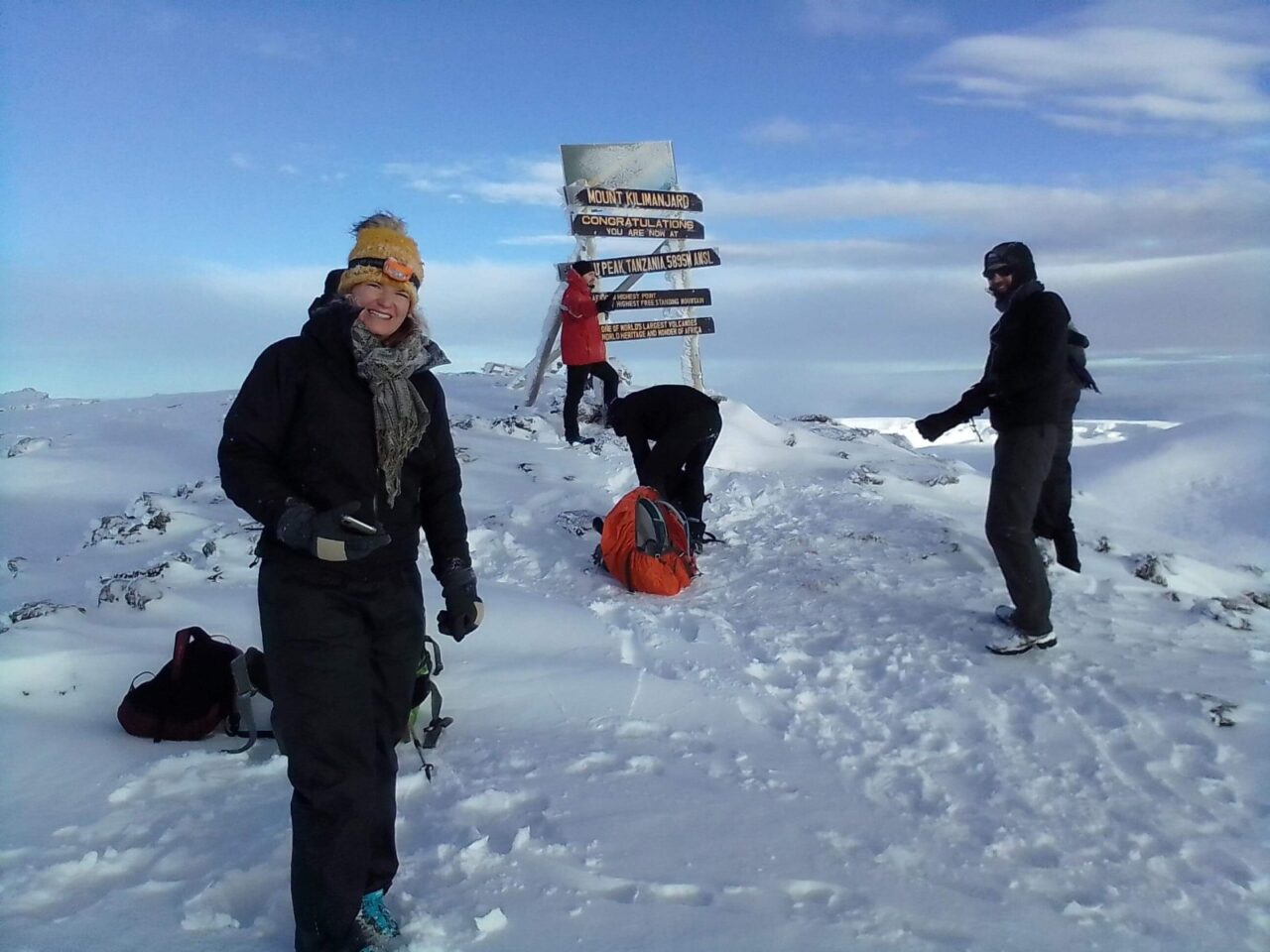
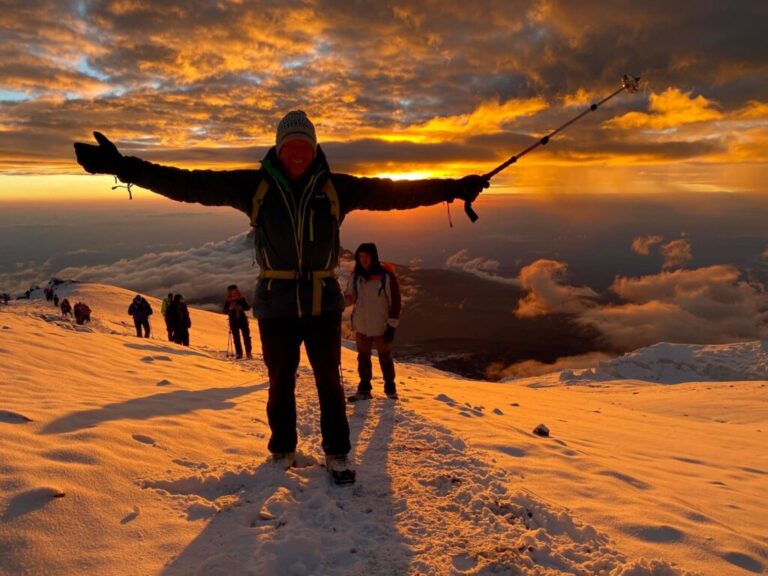
Summit night is the most demanding part of the climb. You’ll start around midnight, hiking in the dark and cold, aiming to reach Uhuru Peak by sunrise. It requires immense mental and physical fortitude. Your guides will be with you every step of the way.
19. Tipping Your Crew: A Significant Factor
Tipping is a crucial part of the income for guides, porters, and cooks. Operators provide guidelines, but generally, expect to tip around $200-$300 per climber for a standard 7-day trek in 2026-2027. This is usually given in cash at the end of the trek.
20. Environmental Responsibility: Leave No Trace
Kilimanjaro is a fragile ecosystem. Practice ‘Leave No Trace’ principles: pack out everything you pack in, stay on marked trails, and respect wildlife. Reputable operators will brief you on environmental guidelines.
21. Pre-Climb Briefing and Gear Check
Most reputable operators will conduct a pre-climb briefing at your hotel in Moshi or Arusha a day or two before your trek. This is an excellent opportunity to meet your lead guide, ask last-minute questions, and have your gear checked.
22. The Descent: Often Underestimated
The descent can be tough on your knees and legs, especially on certain routes like Marangu. It’s often faster and can feel more challenging than the ascent due to fatigue and the steepness of the trails. Proper footwear and trekking poles are invaluable.
23. Choosing Between Camping and Huts
Only the Marangu route offers basic hut accommodation. All other routes involve camping. Your tour operator provides tents, mess tents, and toilet tents. Ensure the operator provides good quality, waterproof tents.
24. Porter Welfare: Ethical Trekking
Ensure your operator is part of organizations like KPAP (Kilimanjaro Porters Assistance Project). This guarantees porters are treated fairly regarding weight limits, food, clothing, and wages. This is a critical consideration for 2026-2027 bookings.
25. Emergency Procedures and Rescue
Reputable operators have robust emergency plans, including carrying oxygen, first-aid kits, and communication devices. They are linked to Kilimanjaro National Park’s rescue services. Knowing your operator’s protocol is important.
26. Best Time for 2026-2027 Climbs
While climbing is possible year-round, the dry seasons (June-October and January-March) offer the most favorable conditions. For 2026-2027, booking during these periods will likely provide the best weather. Consider shoulder seasons for fewer crowds.
27. What to Expect in Moshi or Arusha
Moshi and Arusha are the gateway towns to Kilimanjaro. You’ll likely spend a night or two here before and after your climb. They offer hotels, restaurants, and opportunities to arrange airport transfers and pre/post-climb activities.
28. Booking in Advance: Essential for 2026-2027
Especially for peak seasons in 2026 and 2027, booking your Kilimanjaro climb well in advance (6-12 months) is highly recommended. This secures your preferred dates, route, and a spot with a quality operator.
29. Post-Climb Celebrations and Relaxation
After summiting, many climbers enjoy relaxing on Zanzibar or going on a Serengeti safari. Top Guide Adventures can help arrange complete Tanzania travel experiences, combining your Kilimanjaro climb with other unforgettable adventures.
30. Flexibility and Patience
Mountain weather is unpredictable, and altitude sickness can affect anyone. Be prepared to be flexible with your plans and patient with yourself and the conditions. Trusting your guides and maintaining a calm approach are key to a rewarding experience.
Key Takeaways for Your 2026-2027 Kilimanjaro Booking
- Route Choice: Prioritize longer routes (7-8 days) like Lemosho or Machame for better acclimatization and success rates.
- Operator Reputation: Select a company with a strong safety record and ethical porter treatment.
- Full Cost: Budget for park fees, guide/porter salaries, food, and rescue fees, plus tips and personal gear.
- Health: Consult your doctor for vaccinations and altitude sickness medication (e.g., Diamox).
- Training: Begin physical and mental preparation at least 2-3 months in advance.
- Insurance: Ensure your policy covers high-altitude trekking and emergency evacuation.
Booking your Kilimanjaro adventure for 2026 or 2027 is a significant undertaking, but with careful planning and knowledge, it can be an incredibly rewarding experience. By understanding these 30 essential points, you are well on your way to preparing for your ascent of Africa’s highest peak. Top Guide Adventures is here to assist you every step of the way, from initial planning to your triumphant return. If you have any questions or are ready to start planning your Kilimanjaro climb, please reach out to us via WhatsApp +255616946642 or email us at topguideadventures@gmail.com. You can also contact our backup email at info@topguideadventures.com. We look forward to helping you achieve your dream of climbing Kilimanjaro.
Check Availability for 30 Things To Know Before Booking Kilimanjaro: Your Expert Guide For Climbs
Ready to compare dates, prices, and the best option for your group? Send the package name and travel month so the team can reply with a clear quote, availability, and what is included.
Final 48-Hour Checklist Before Kilimanjaro 2026-2027
Final 48-Hour Checklist before Kilimanjaro is explained with current 2026-2027 planning, price, itinerary and booking information.
View package details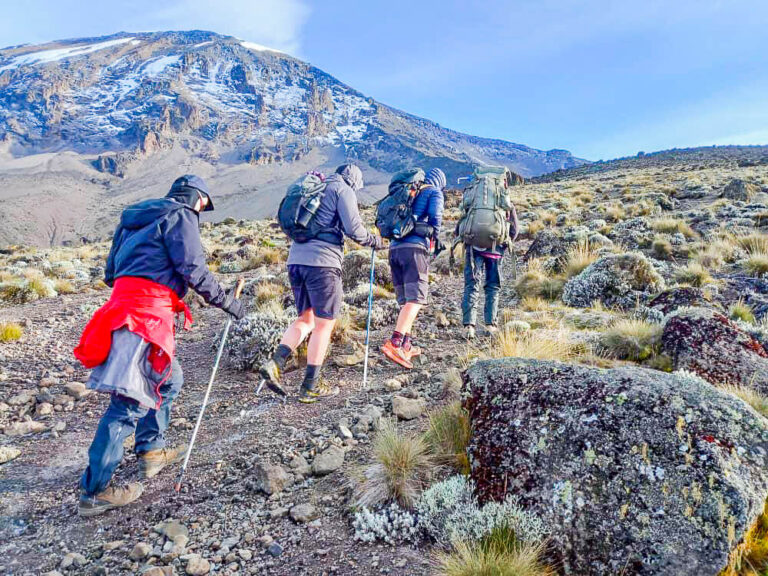
What To Check Before Paying A Kilimanjaro Deposit In 2026-2027
Planning to climb Kilimanjaro? Learn what crucial details to verify before paying your deposit to ensure a safe, successful, and well-organized trek in 2026 or 2027.
View package detailsKilimanjaro Booking Checklist For First-Time Climbers: Your Essential Guide
Planning your first Kilimanjaro climb in 2026 or 2027? This detailed checklist covers everything from choosing a route and operator to packing and acclimatization, ensuring a well-prepared...
View package details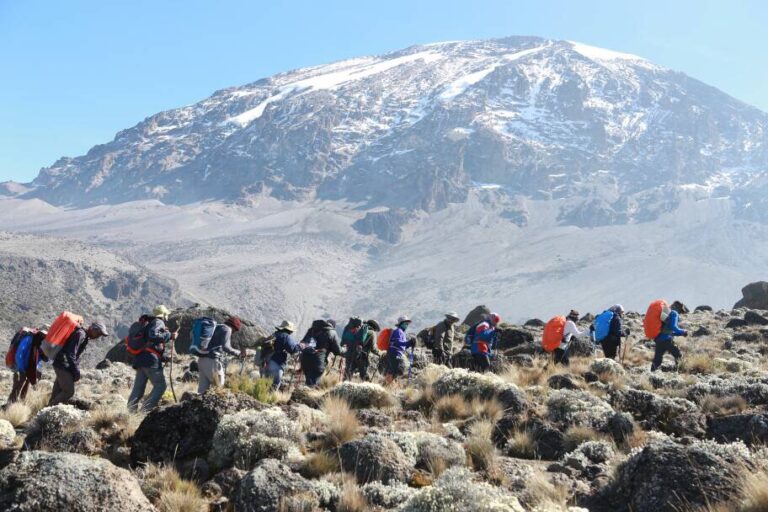
Kilimanjaro Low-Budget Booking Red Flags: Avoid Scams In 2026-2027
Climbing Kilimanjaro on a budget is possible, but requires vigilance. This guide highlights critical red flags to watch out for when booking a low-cost trek, ensuring your 2026-2027...
View package details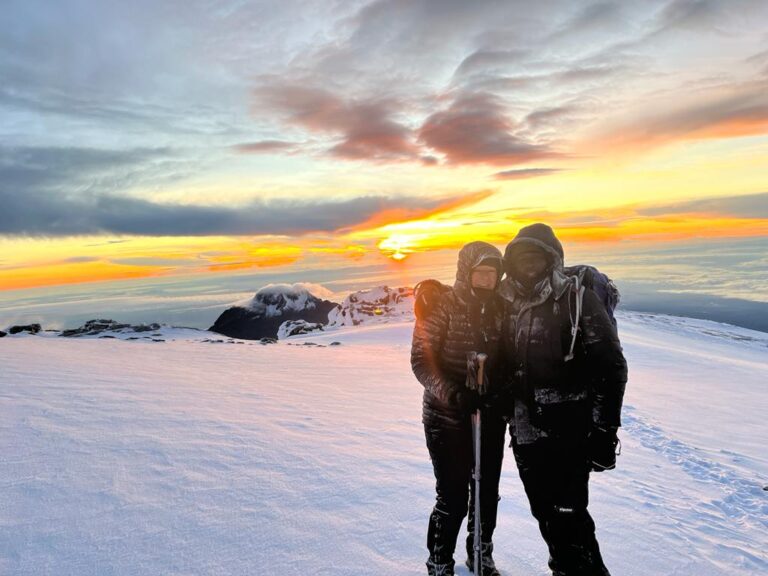
Kilimanjaro Hotel Booking Mistakes: Avoid These Pitfalls For A Smooth Climb
Booking accommodation near Kilimanjaro is crucial for a successful climb. This guide details common Kilimanjaro hotel booking mistakes to help you avoid them, ensuring comfort and readiness...
View package details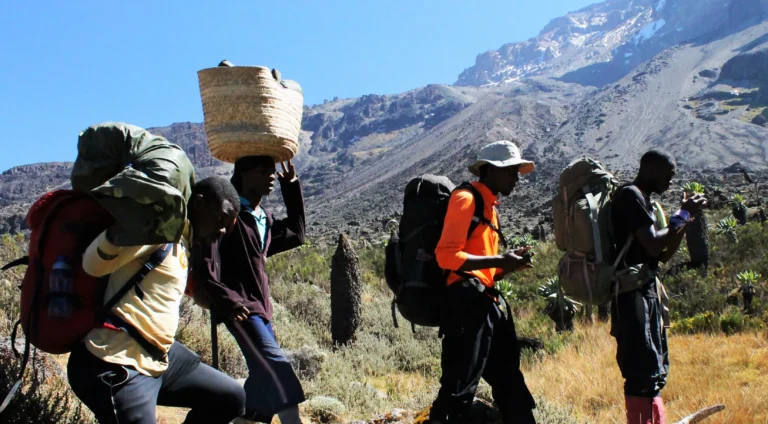
Kilimanjaro Flight-Booking Mistakes: Avoid These Pitfalls For Your Climb
Planning your Kilimanjaro climb for 2026 or 2027? Don't let flight booking errors derail your adventure. This guide covers critical mistakes to avoid, from choosing the right airport and...
View package details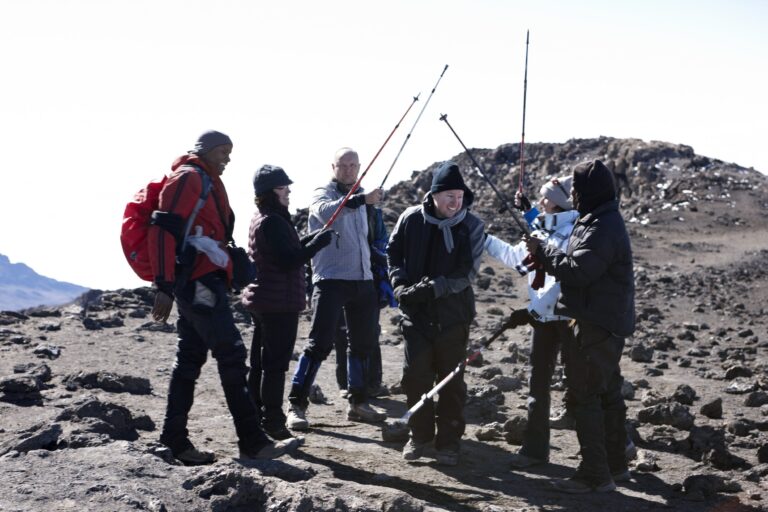
Kilimanjaro Booking Mistakes That Can Cost You Money 2026-2027
Kilimanjaro Booking Mistakes That Can Cost You Money is explained with current 2026-2027 planning, price, itinerary and booking information.
View package details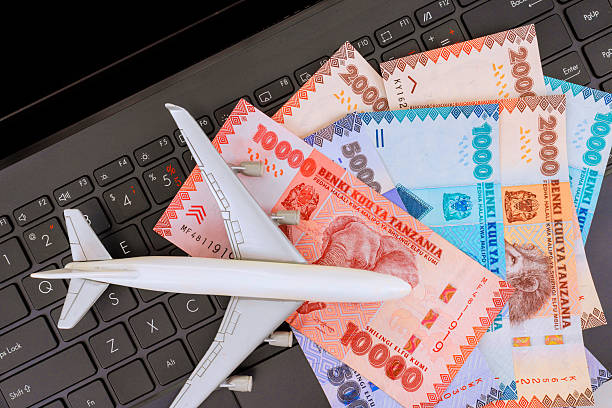
Kilimanjaro Direct Booking Vs Package Holiday 2026-2027
Kilimanjaro Direct Booking vs Package Holiday is explained with current 2026-2027 planning, price, itinerary and booking information.
View package details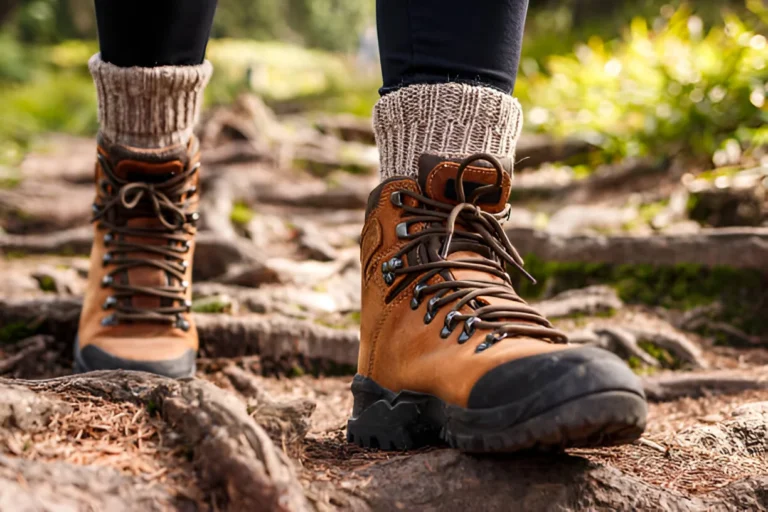
Moshi Hotel Vs Mountain Lodge Before Kilimanjaro 2026-2027
Moshi Hotel vs Mountain Lodge before Kilimanjaro is explained with current 2026-2027 planning, price, itinerary and booking information.
View package details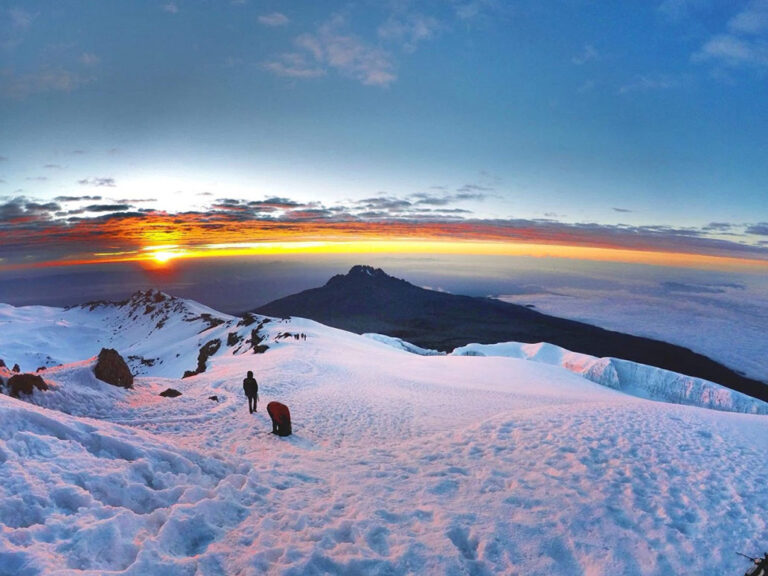
Kilimanjaro Climb With Materuni Recovery Day 2026-2027
Kilimanjaro Climb with Materuni Recovery Day is explained with current 2026-2027 planning, price, itinerary and booking information.
View package details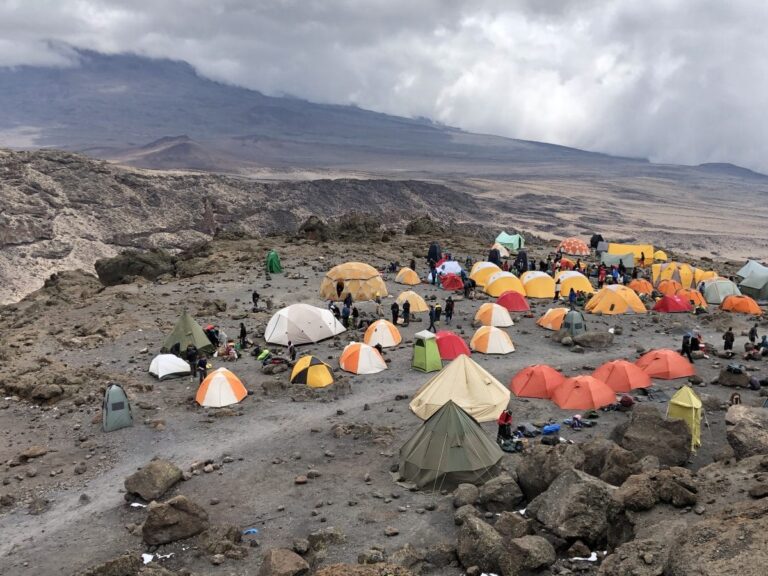
Kilimanjaro Climb With Lake Chala Relaxation Day: Your Ultimate Post-Trek
Experience the ultimate Kilimanjaro adventure followed by serene relaxation at Lake Chala. This guide details how to combine these incredible Tanzanian experiences, covering itineraries...
View package details
Kilimanjaro Climb & West Safari: The Ultimate Tanzania Adventure 2026-2027
Experience the pinnacle of Tanzania with a combined Kilimanjaro climb and West Kilimanjaro safari. This guide details itineraries, preparation, and what to expect for your 2026-2027...
View package detailsNo related package matches those filters. Clear one or more filters to see the other topic-matched options.



