
Climbing Mount Kilimanjaro involves choosing a suitable route, typically lasting 5-9 days, requires significant physical preparation, and involves costs ranging from $1,800 to $5,000+ per person, depending on the route, operator, and inclusions. Success hinges on proper acclimatization, choosing a reputable operator like Top Guide Adventures, and understanding the physical and mental demands for your 2026-2027 expedition.
Understanding the Reality of Climbing Mount Kilimanjaro
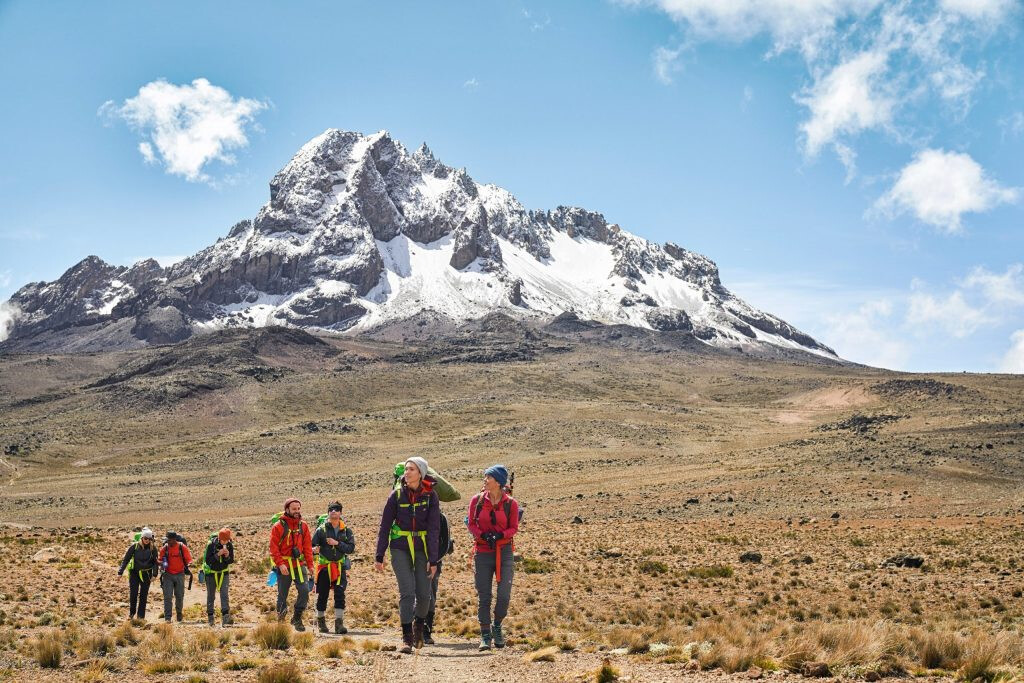
Mount Kilimanjaro, Africa’s highest peak and the world’s tallest free-standing mountain, beckons trekkers with its iconic silhouette and the promise of an unforgettable achievement. Many dream of standing on Uhuru Peak, but the journey to the Roof of Africa is often romanticized. The truth about climbing Mount Kilimanjaro is that it’s a challenging, yet achievable, high-altitude trek that requires careful planning, realistic expectations, and a commitment to preparation. It is not a technical climb in the mountaineering sense, but a demanding walk at extreme altitudes, where the primary challenge is acclimatization and the physical toll of sustained effort.
This guide aims to strip away the myths and provide you with the unvarnished truth about what it takes to conquer Kilimanjaro. We’ll cover everything from the best times to go and the essential gear to the critical importance of choosing the right route and operator. Whether you are planning your climb for late 2026 or into 2027, understanding these realities will significantly increase your chances of success and ensure you have a safe and rewarding experience.
Kilimanjaro Routes: Your Path to the Summit
The choice of route is perhaps the most critical decision you’ll make when planning your Kilimanjaro climb. Each route offers a different experience, varying in scenery, difficulty, acclimatization profile, and cost. The truth is, longer routes generally offer better acclimatization and thus higher success rates. Shorter routes may seem appealing for time or cost savings, but they significantly increase the risk of altitude sickness and summit failure.
Here’s a look at the most popular routes, detailing their characteristics:
Marangu Route: The Coca-Cola Route
Often called the “Coca-Cola” or “tourist” route, Marangu is the oldest and most established path. It’s known for its unique dormitory-style huts, offering more comfort than camping. However, its popularity means it can be crowded, and its ascent profile is steep, offering poor acclimatization. This leads to lower success rates compared to other routes.
- Duration: 5 or 6 days.
- Scenery: Less varied than other routes, with a more direct, less scenic ascent.
- Acclimatization: Poor. The rapid ascent and descent are the primary drawbacks.
- Accommodation: Mountain huts.
- Pros: Potentially cheaper due to shorter duration, offers basic accommodation comfort.
- Cons: Lowest success rate, crowded, less scenic, poor acclimatization.
- Truth: While it offers huts, the 5-day option is strongly discouraged due to very low success rates. The 6-day option is better but still inferior for acclimatization compared to other routes.
Mweka Route (Not a climb route, but descent for others)
The Mweka route is primarily used as a descent route for those climbing via other paths. It’s not typically offered as a standalone ascent route due to its steepness and lack of acclimatization benefits.
Machame Route: The “Whiskey” Route
The Machame route, often dubbed the “Whiskey” route, is the most popular route for good reason. It offers excellent acclimatization due to its “climb high, sleep low” profile, stunning scenery, and camping accommodation. It is considered one of the most scenic routes on the mountain.
- Duration: 6 or 7 days.
- Scenery: Spectacular, passing through diverse ecological zones including the Shira Plateau and the Lava Tower.
- Acclimatization: Very good, especially on the 7-day itinerary.
- Accommodation: Camping.
- Pros: High success rate (especially 7-day), beautiful scenery, good acclimatization.
- Cons: Can be crowded, camping-based.
- Truth: The 7-day Machame route is highly recommended by experienced guides for its balance of success rate, scenery, and acclimatization.
Lemosho Route: The Premium Choice
The Lemosho route is a longer, more remote, and arguably more beautiful route. It starts in the west and merges with the Machame route after a few days. Its longer duration allows for excellent acclimatization and a more pristine trekking experience.
- Duration: 7, 8, or even 9 days.
- Scenery: Arguably the most scenic route, offering panoramic views and a sense of wilderness.
- Acclimatization: Excellent, particularly on the 8-day and 9-day options.
- Accommodation: Camping.
- Pros: Highest success rates, stunning and varied scenery, remote feel, excellent acclimatization.
- Cons: More expensive due to longer duration and remoteness, can be crowded after merging with Machame.
- Truth: For those prioritizing success and a more profound wilderness experience, the 8-day Lemosho route is a top contender for a 2026-2027 climb.
Shira Route: Similar to Lemosho, Higher Start
The Shira route is similar to Lemosho but starts at a higher altitude on the Shira Plateau. While it offers beautiful views, the higher starting point can pose an initial acclimatization challenge for some trekkers.
- Duration: 7 or 8 days.
- Scenery: Beautiful, especially the initial traverse of the Shira Plateau.
- Acclimatization: Good, but the higher start can be a factor for some.
- Accommodation: Camping.
- Pros: Scenic, good acclimatization on longer options.
- Cons: Higher starting altitude can be challenging, more expensive.
- Truth: Generally, Lemosho is preferred over Shira due to Lemosho’s lower starting point and better overall acclimatization profile.
Rongai Route: The Eastern Approach
The Rongai route approaches Kilimanjaro from the north, near the Kenyan border. It’s a good option during the rainy seasons as it receives less rainfall. It’s a more gradual ascent, offering decent acclimatization.
- Duration: 6 or 7 days.
- Scenery: Less varied than western routes, but offers unique views from the north.
- Acclimatization: Good, gradual ascent.
- Accommodation: Camping.
- Pros: Good success rate, less crowded, viable during rainy seasons, gradual ascent.
- Cons: Less scenic than Machame or Lemosho, accommodation is camping only.
- Truth: A solid choice if you prefer a less crowded path or are climbing during wetter months in 2026 or 2027.
Northern Circuit: The Longest and Safest
The Northern Circuit is the longest route, circling the mountain before ascending. This extended duration provides the best acclimatization, leading to the highest success rates. It’s also the most remote and offers incredible, uninterrupted views.
- Duration: 9 or more days.
- Scenery: Unrivaled, offering 360-degree views and a true wilderness experience.
- Acclimatization: Excellent, the best on the mountain.
- Accommodation: Camping.
- Pros: Highest success rates, most scenic, most remote, best acclimatization.
- Cons: Most expensive due to length, requires more time commitment.
- Truth: If budget and time allow, the 9-day Northern Circuit is the ultimate Kilimanjaro experience, maximizing your chances of reaching the summit safely.
Umbwe Route: The Toughest
The Umbwe route is the shortest, steepest, and most direct route to the summit. It is very challenging and offers poor acclimatization, making it suitable only for very experienced and fit high-altitude trekkers.
- Duration: 6 or 7 days.
- Scenery: Steep and direct, less time to appreciate diverse scenery.
- Acclimatization: Very poor.
- Accommodation: Camping.
- Pros: Direct and challenging.
- Cons: Extremely difficult, very low success rate, high risk of altitude sickness.
- Truth: Not recommended for most trekkers. Only consider if you have extensive high-altitude experience and have successfully climbed peaks of similar or greater altitude.
The Truth About Kilimanjaro Costs: What to Expect in 2026-2027
Understanding the cost of climbing Kilimanjaro is crucial for budgeting. The price can vary significantly based on the operator, route duration, group size, and what’s included. It’s important to remember that Kilimanjaro is a park with mandatory park fees, and employing licensed guides and porters is a requirement. Cutting corners on these essential elements can compromise safety and the well-being of the local support crew.
Here’s a breakdown of typical cost factors:
Typical Kilimanjaro Climb Cost Ranges (Per Person)
- Budget Operators: $1,800 – $2,500. These often use shorter routes (e.g., 5-day Marangu) and may have fewer inclusions or lower quality gear/food. Success rates can be lower.
- Mid-Range Operators: $2,500 – $3,500. Reputable companies offering longer routes (6-7 days), better quality equipment, more experienced guides, and higher success rates. Top Guide Adventures typically falls into this category, focusing on quality and safety.
- Premium/Luxury Operators: $3,500 – $5,000+. These offer more personalized service, higher guide-to-client ratios, superior food and equipment, and often longer routes (8-9 days) for maximum success and comfort.
Key Inclusions to Look For:
- Park fees (these are substantial and non-negotiable).
- All meals on the mountain.
- Trained guides, assistant guides, and porters.
- Campsite/hut fees.
- Diamox (often provided or recommended).
- Tents, sleeping mats, cooking equipment (for camping routes).
- Portable toilet (on camping routes).
- Water and purification.
- Emergency oxygen and comprehensive first-aid kit.
- Transfer to/from the mountain.
Common Exclusions:
- International flights to Kilimanjaro International Airport (JRO).
- Visa fees.
- Travel insurance (mandatory, must cover high-altitude trekking and emergency evacuation).
- Personal gear (clothing, boots, sleeping bag, etc.).
- Tips for guides, porters, and cooks (a significant portion of the total cost).
- Lunches and dinners in Arusha before/after the climb.
- Soft drinks and alcoholic beverages.
- Personal expenses.
Truth: The cheapest option is rarely the best. Prioritize safety and success by choosing an operator that is transparent about their costs, inclusions, and safety protocols. For climbs planned for 2026 or 2027, factor in potential inflation and book well in advance to secure preferred dates and operators.
Physical Preparation: The Foundation of Your Climb
The truth is, you cannot “tough it out” on Kilimanjaro. Altitude is the great equalizer, and while mental fortitude is essential, it cannot replace physical conditioning. The mountain demands endurance, strength, and cardiovascular fitness.
Cardiovascular Training
Focus on activities that build your aerobic capacity. Aim for at least 3-4 sessions per week, gradually increasing duration and intensity.
- Hiking: This is the most crucial. Hike as often as possible, ideally with a weighted backpack, on varied terrain (hills, stairs). Aim for hikes of 4-6 hours.
- Running/Jogging: Excellent for building endurance.
- Cycling: Good for cardiovascular health and leg strength.
- Swimming: A low-impact option for overall fitness.
Strength Training
Focus on leg and core strength to handle the sustained effort and ascents/descents.
- Squats, Lunges, Calf Raises: For leg strength.
- Planks, Crunches: For core stability.
- Back exercises: To support your backpack and posture.
Altitude Acclimatization Training (Simulated)
While no training can fully replicate high altitude, some methods can help your body adapt.
- Hiking at Altitude: If you live near mountains, hiking at higher elevations in the weeks leading up to your climb is invaluable.
- Interval Training: Can help improve oxygen utilization.
Truth: Start your training at least 3-6 months before your climb. Don’t underestimate the importance of hiking with a backpack, as you’ll be carrying one on the mountain. Consistency is key for your 2026-2027 Kilimanjaro adventure.
Acclimatization on the Mountain: The Key to Success
Altitude sickness (Acute Mountain Sickness – AMS) is the biggest threat to reaching Kilimanjaro’s summit. The truth is, even the fittest individuals can suffer from AMS if they ascend too quickly. Proper acclimatization is paramount, and this is where route choice and pacing become critical.
Understanding AMS
AMS is caused by ascending too rapidly, preventing your body from adjusting to lower oxygen levels. Symptoms can range from mild headaches and nausea to severe conditions like High Altitude Pulmonary Edema (HAPE) and High Altitude Cerebral Edema (HACE), which can be fatal.
The Golden Rule: Pole Pole (Slowly, Slowly)
Your guides will constantly remind you to walk “pole pole.” This isn’t just a catchy phrase; it’s the most important acclimatization strategy. Moving slowly conserves energy and allows your body more time to adapt to the thinning air.
Climb High, Sleep Low
Routes like Machame and Lemosho excel at this. They involve trekking to higher altitudes during the day and then descending to lower camps to sleep. This process helps your body acclimatize more effectively.
Hydration and Nutrition
Drinking plenty of water (3-4 liters per day) is vital. Dehydration can exacerbate AMS symptoms. Eating well, even when appetite is reduced, provides the energy needed for your body to function and adapt.
Medication (Diamox)
Acetazolamide (Diamox) is a prescription medication commonly used to prevent and treat AMS. It helps speed up acclimatization. Discuss its use with your doctor well before your climb.
Truth: Listen to your body and your guides. If you experience symptoms of AMS, report them immediately. Do not ascend further if symptoms worsen. Descent is the only cure for severe AMS.
Essential Gear for Your Kilimanjaro Climb
Packing correctly is vital for comfort and safety on Kilimanjaro. The weather can change dramatically, from hot and humid at the base to freezing at the summit. Layering is the key.
Kilimanjaro Packing List Essentials:
- Base Layers: Moisture-wicking thermal tops and bottoms (merino wool or synthetic).
- Mid Layers: Fleece jackets or down vests for insulation.
- Outer Layer (Shell): Waterproof and windproof jacket and trousers (Gore-Tex or similar).
- Insulated Jacket: A warm down or synthetic puffy jacket for summit night and cold evenings.
- Trekking Trousers: Comfortable, quick-drying hiking pants (avoid jeans).
- Headwear: Warm woolen hat, sun hat with a brim, balaclava or neck gaiter.
- Gloves: Warm, waterproof outer gloves and thinner liner gloves.
- Footwear: Broken-in, waterproof hiking boots with good ankle support. Camp shoes or trainers for evenings. Several pairs of warm hiking socks (wool).
- Backpack: A comfortable daypack (30-40 liters) for essentials. Duffel bag (80-100 liters) for porters to carry.
- Sleeping Bag: Rated to at least -15°C (0°F) comfort temperature.
- Sleeping Mat: (If camping and not provided).
- Headlamp: With extra batteries. Essential for summit night.
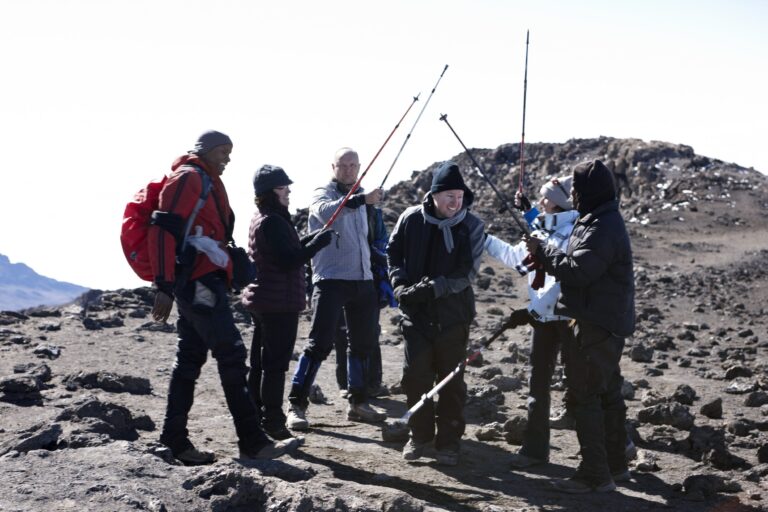
- Trekking Poles: Highly recommended to reduce strain on knees.
- Water Bottles/Hydration Reservoir: At least 3 liters capacity. Insulated covers to prevent freezing.
- Sun Protection: High SPF sunscreen, lip balm with SPF, sunglasses.
- Personal First-Aid Kit: Including blister treatment, pain relievers, antiseptic wipes, any personal medications.
- Toiletries: Biodegradable soap, toothbrush, toothpaste, wet wipes, hand sanitizer.
- Snacks: Energy bars, nuts, dried fruit (though meals are provided).
- Camera & Power Bank: Capture the memories!
Truth: Renting gear is an option in Moshi or Arusha, but ensure it’s good quality and well-maintained. Investing in your own good quality boots and base layers is often worthwhile for comfort and performance.
The Summit Night: Your Ultimate Challenge
Summit night is the most demanding part of the Kilimanjaro climb. It typically begins around midnight, involving a steep ascent in the dark, cold, and low oxygen environment. This is where mental strength and physical endurance are truly tested.
Pacing and Hydration
Your guides will lead at a very slow, steady pace – “pole pole.” It’s crucial to keep moving, even small steps, and to drink water regularly, even if you don’t feel thirsty. Eating small, frequent snacks can help maintain energy levels.
Managing the Cold
Temperatures can drop to -15°C to -25°C (0°F to -13°F) or lower at the summit, with wind chill making it feel even colder. Wearing all your layers, including your insulated jacket, hat, and gloves, is essential. Hand and foot warmers can be a lifesaver.
Altitude Effects
The extreme altitude at Uhuru Peak (5,895m / 19,341 ft) means oxygen levels are about half of what they are at sea level. Headaches, nausea, and fatigue are common. The key is to keep moving, breathe deeply, and stay positive.
The Reward
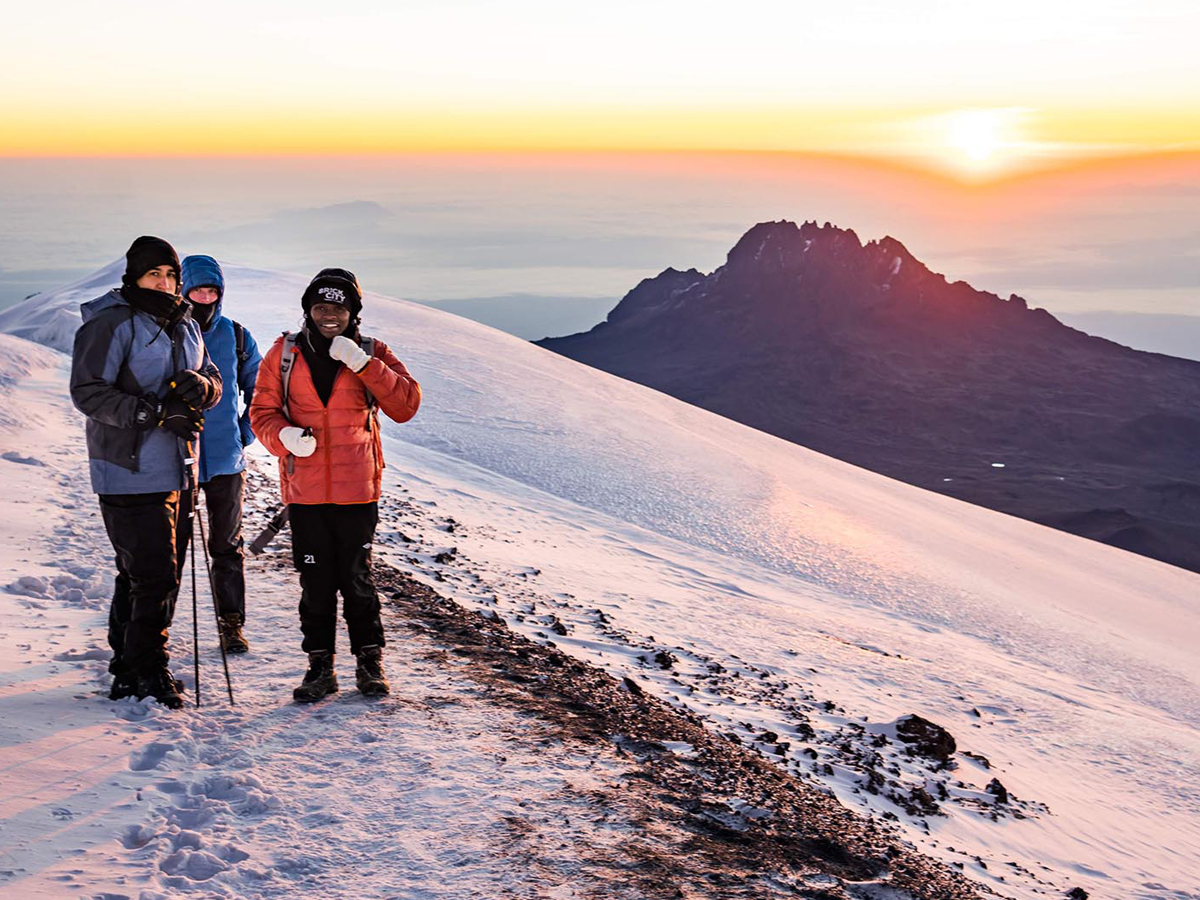
Reaching the crater rim at Stella Point and then pushing on to Uhuru Peak for sunrise is an unparalleled experience. The sense of accomplishment is immense, and the views are legendary.
Truth: Summit night is as much a mental battle as a physical one. Many people turn back not because they are physically incapable, but because the discomfort becomes too much. Staying positive, focusing on one step at a time, and trusting your guides are crucial.
The Descent: Don’t Underestimate It
After the euphoria of reaching the summit, the descent can be surprisingly challenging. It’s often steep, loose, and can take several hours. Many trekkers underestimate the physical toll the descent takes on their knees and legs.
Knee Strain
Trekking poles are invaluable for taking pressure off your knees. Wear well-fitting boots that provide good ankle support.
Loose Scree
On routes like Machame and Lemosho, the scree slopes can be slippery and difficult to navigate. Taking your time and using trekking poles for balance is important.
Fatigue
After summit night, you’ll be exhausted. The long descent requires continued focus and energy management.
Truth: The descent is often harder on the body than the ascent. Proper footwear and trekking poles are essential. Be prepared for a long day of trekking.
Choosing the Right Operator: A Critical Decision
The truth is, the quality and reputation of your tour operator significantly impact your safety, success rate, and overall experience. Not all operators are created equal.
Safety Standards
Look for operators who prioritize safety: experienced guides certified in wilderness first aid, carrying comprehensive medical kits, emergency oxygen, and evacuation procedures. Top Guide Adventures maintains stringent safety protocols.
Guide and Porter Welfare
Reputable companies ensure their guides and porters are well-paid, properly equipped, fed, and treated with respect. This not only ensures ethical treatment but also leads to a more motivated and efficient support team.
Success Rates
While no operator can guarantee a summit success (due to the unpredictable nature of altitude), those using longer routes, advocating for proper acclimatization, and employing experienced guides tend to have higher success rates.
Reviews and Reputation
Check reviews on platforms like TripAdvisor. Look for consistent feedback regarding safety, guide quality, organization, and overall experience. Top Guide Adventures is proud of its positive reviews and client testimonials.
Truth: Choosing a budget operator might save money initially, but it can compromise safety, guide quality, and ethical treatment of staff. For your 2026-2027 climb, invest in a reputable company that aligns with your priorities.
When to Climb Kilimanjaro: Best Seasons for 2026-2027
While Kilimanjaro can be climbed year-round, certain periods offer better weather conditions, increasing your chances of a successful and enjoyable trek.
- Dry Seasons (Best):
- January to March: Generally warm and dry, with good visibility. February is often considered the prime month.
- June to October: Cooler but dry. These months offer excellent trekking conditions, though June can have some lingering rain from the “long rains.”
- Rainy Seasons (More Challenging):
- April to May: The “long rains” bring heavy rainfall, especially at lower elevations. Snowfall is more likely at the summit.
- November to December: The “short rains” are less intense but can still bring intermittent showers.
Truth: The dry seasons offer the most pleasant trekking conditions. However, the shoulder months (like early June or late October) can be good options with fewer crowds. Even in the rainy season, precipitation often occurs in short bursts, and the summit can still be clear.
Health and Safety Considerations
Beyond altitude sickness, other health and safety aspects are important.
Travel Insurance
Mandatory. Ensure your policy covers high-altitude trekking (up to 6,000 meters) and includes emergency medical evacuation by helicopter. Without this, you could face enormous bills in case of an emergency.
Pre-Existing Medical Conditions
Consult your doctor about any pre-existing conditions (heart, lung, or blood pressure issues). High altitude can exacerbate these. Be honest about your health status.
Vaccinations
Consult your doctor or a travel clinic about recommended vaccinations for Tanzania, such as Yellow Fever, Hepatitis A, and Typhoid. Malaria precautions may also be advised for lower elevations.
Hygiene
Practice good hygiene on the mountain: wash hands frequently, use hand sanitizer, and ensure your water is purified or boiled.
Truth: Prioritize your health and safety. Comprehensive travel insurance and a thorough medical check-up are non-negotiable steps before your 2026-2027 Kilimanjaro climb.
The Role of Guides and Porters: Your Mountain Family
The truth about Kilimanjaro is that the trek is impossible without the dedicated support of local guides and porters. They are the backbone of the expedition, ensuring your safety, comfort, and success.
- Guides: Experienced, licensed professionals trained in mountain rescue, first aid, and acclimatization. They make critical decisions regarding pacing, safety, and summit attempts.
- Porters: Carry the bulk of your equipment, tents, food, and cooking gear. They set up camp, ensuring you have a comfortable base each night.
- Cooks: Prepare nutritious and surprisingly varied meals on the mountain.
Tipping: Tipping is customary and a significant part of the income for the crew. Your operator will usually provide a tipping guideline. It’s often best to tip collectively at the end of the trek, presented by the lead guide.
Truth: Treat your mountain crew with respect. They are professionals working in a challenging environment. A good relationship with your crew enhances the entire experience.
What to Expect After the Climb
Upon successful descent, you’ll typically return to Arusha or Moshi for a well-deserved rest and celebration. Most operators include a transfer back to your hotel.
- Celebration: Many groups enjoy a celebratory dinner.
- Rest: You’ll likely be exhausted and appreciate a good night’s sleep.
- Souvenirs: Time to browse local markets for souvenirs.
- Further Adventures: Many climbers combine their Kilimanjaro trek with a safari in the Serengeti or a relaxing holiday in Zanzibar.
Truth: Prepare for a profound sense of accomplishment and perhaps a touch of post-climb blues. Reflect on your incredible achievement and the memories you’ve made.
Making Your Kilimanjaro Dream a Reality in 2026-2027
Climbing Mount Kilimanjaro is a significant undertaking, but with the right information, preparation, and a trusted partner, it is an achievable goal. The truth is, success lies in understanding the challenges and preparing diligently.
At Top Guide Adventures, we are committed to providing safe, ethical, and unforgettable Kilimanjaro climbing experiences. We understand the mountain intimately and are dedicated to ensuring our clients have the best possible chance of reaching the summit while enjoying the journey.
Whether you’re planning for late 2026 or early 2027, now is the time to start planning. We offer a range of itineraries, focusing on routes that prioritize acclimatization and success, such as the Machame and Lemosho routes.
Don’t let myths or misinformation deter you. Get the facts, prepare thoroughly, and choose wisely.
Ready to discuss your Kilimanjaro adventure? Contact us today:
- WhatsApp: +255616946642
- Email: topguideadventures@gmail.com
- Backup Email: info@topguideadventures.com
Let us help you make your dream of climbing Mount Kilimanjaro a reality. Visit our website www.topguideadventures.com for more information on our treks and to explore other Tanzanian adventures.
“,
“faq_schema”: [
{
“question”: “What is the biggest challenge when climbing Mount Kilimanjaro?”,
“answer”: “The biggest challenge is altitude sickness (AMS). Ascending too quickly prevents your body from adapting to the lower oxygen levels at high altitudes, which can lead to various symptoms and potentially serious health risks. Proper acclimatization through route choice and pacing is crucial.”
},
{
“question”: “Which Kilimanjaro route offers the best chance of summit success?”,
“answer”: “Longer routes with better acclimatization profiles generally offer the highest success rates. The 8-day Lemosho route, the 9-day Northern Circuit, and the 7-day Machame route are highly recommended for their ‘climb high, sleep low’ strategy and gradual ascent, significantly increasing your chances of reaching Uhuru Peak.”
},
{
“question”: “How much does it cost to climb Mount Kilimanjaro in 2026-2027?”,
“answer”: “Costs typically range from $1,800 to $5,000+ per person. Budget operators are at the lower end, while premium operators offering longer routes, better service, and higher safety standards are at the higher end. Prices depend heavily on the operator, route duration, and inclusions. Park fees are a significant mandatory cost.”
},
{
“question”: “What is the minimum duration recommended for a Kilimanjaro climb?”,
“answer”: “While 5-day routes exist (like Marangu), they are strongly discouraged due to very low success rates and high risk of altitude sickness. The minimum recommended duration for a safe and successful climb is 6 days, with 7 days or longer being ideal for better acclimatization.”
},
{
“question”: “Do I need technical climbing skills to climb Kilimanjaro?”,
“answer”: “No, Kilimanjaro is not a technical climb. It is a high-altitude trek. While you don’t need ropes or specialized climbing gear, you do need excellent physical fitness, endurance, and mental fortitude to handle the sustained effort at extreme altitudes.”
},
{
“question”: “What is the best time of year to climb Kilimanjaro for 2026-2027?”,
“answer”: “The best times are the dry seasons: January to March and June to October. These periods offer the clearest skies and most stable weather. February is often considered prime. While possible year-round, the rainy seasons (April-May and November-December) can present more challenging conditions.”
},
{
“question”: “What essential gear do I need for Kilimanjaro?”,
“answer”: “Key gear includes layered clothing (base, mid, and waterproof outer layers), broken-in waterproof hiking boots, warm gloves and hat, a good sleeping bag rated to -15°C (0°F), trekking poles, a headlamp, and a reliable daypack. Proper gear is crucial for comfort and safety.”
},
{
“question”: “How can I prepare physically for climbing Kilimanjaro?”,
“answer”: “Focus on cardiovascular endurance through hiking (especially with a weighted backpack on hills), running, or cycling. Incorporate strength training for legs and core. Start training at least 3-6 months in advance, prioritizing consistency and building up endurance gradually.”
}
]
}
“`
Check Availability for The Truth About Climbing Mount Kilimanjaro 2026-2027
Ready to compare dates, prices, and the best option for your group? Send the package name and travel month so the team can reply with a clear quote, availability, and what is included.
What Nobody Tells You About Climbing Kilimanjaro 2026-2027
What Nobody Tells You about Climbing Kilimanjaro is explained with current 2026-2027 planning, price, itinerary and booking information.
View package details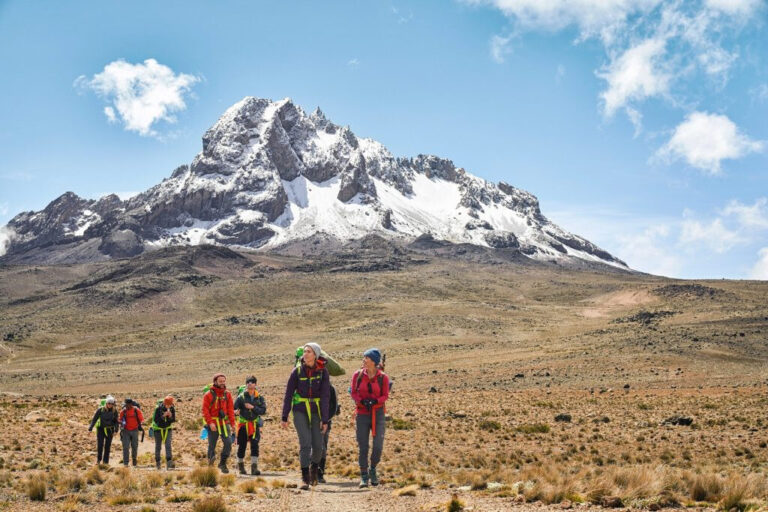
What A Kilimanjaro Mountain Crew Should Provide For Your Climb 2026-2027
Planning a Kilimanjaro climb? Understand precisely what your mountain crew needs to provide, from essential gear and experienced guides to food, safety, and logistical support. This...
View package details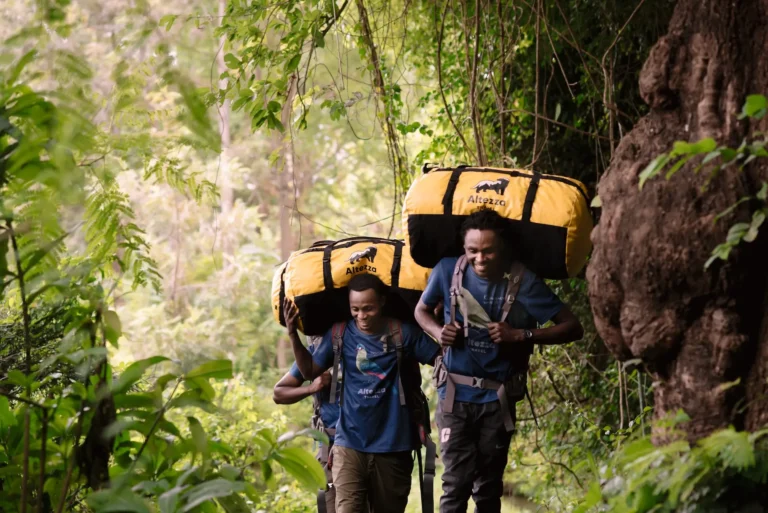
How To Read A Kilimanjaro Climbing Quote 2026-2027
How to Read a Kilimanjaro Climbing Quote is explained with current 2026-2027 planning, price, itinerary and booking information.
View package details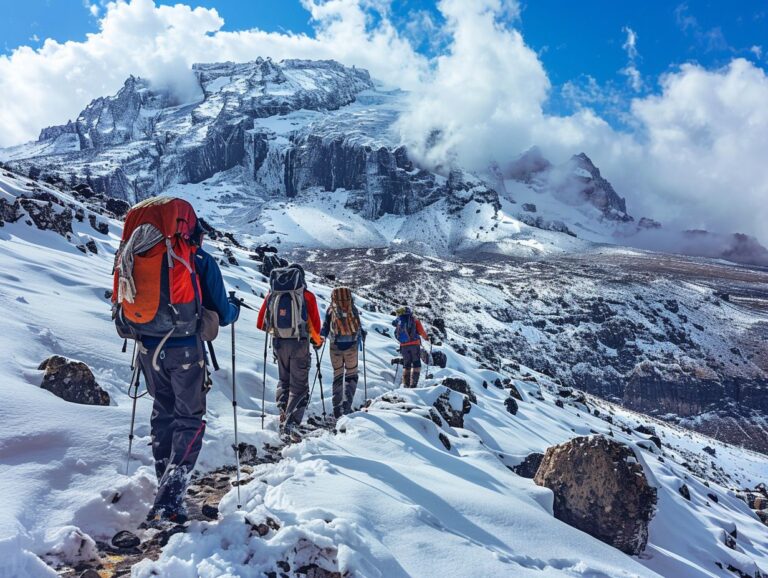
25 Kilimanjaro Climbing Mistakes First-Timers Make: Avoid Them In 2026-2027
Climbing Mount Kilimanjaro is a dream for many, but first-time trekkers can fall into common traps. This guide details 25 critical mistakes to avoid, from inadequate preparation and gear...
View package details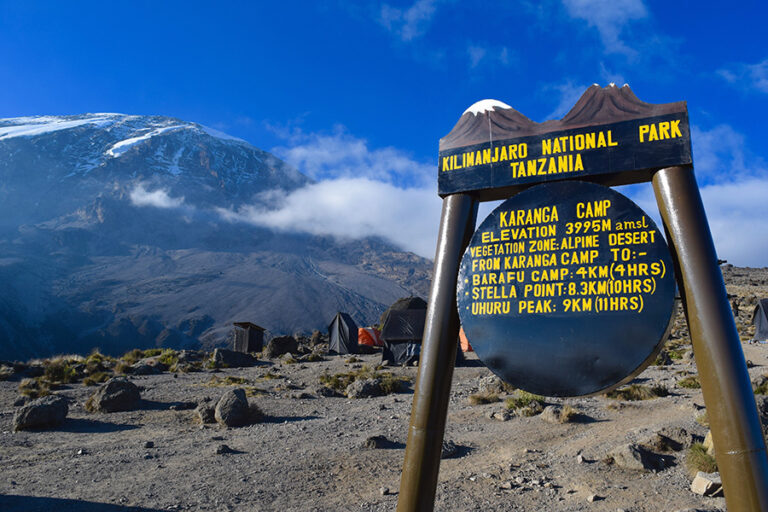
Kilimanjaro Packed Lunch Vs Hot Mountain 2026-2027
Kilimanjaro Packed Lunch vs Hot Mountain Lunch is explained with current 2026-2027 planning, price, itinerary and booking information.
View package detailsKilimanjaro Local Operator Vs. Overseas Travel Agent: Your Ultimate Climbing
Deciding who to book your Kilimanjaro climb with is crucial. This guide compares local Tanzanian operators against overseas travel agents, detailing the pros and cons of each for your...
View package details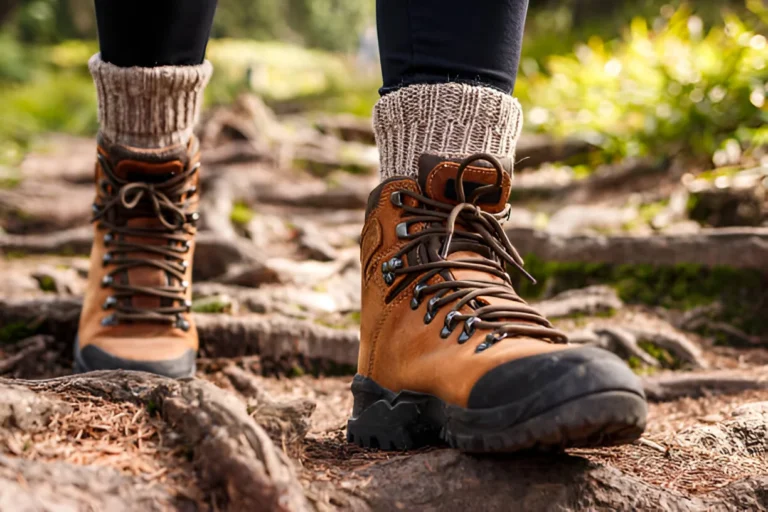
Moshi Hotel Vs Mountain Lodge Before Kilimanjaro 2026-2027
Moshi Hotel vs Mountain Lodge before Kilimanjaro is explained with current 2026-2027 planning, price, itinerary and booking information.
View package details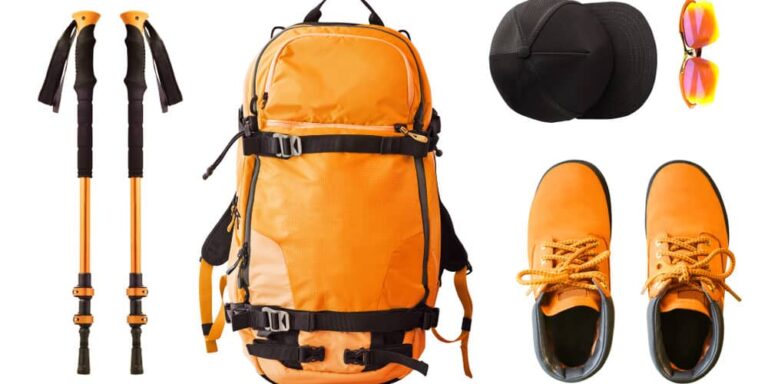
Kilimanjaro School-Holiday Climbing Dates 2026-2027
Kilimanjaro School-Holiday Climbing Dates is explained with current 2026-2027 planning, price, itinerary and booking information.
View package details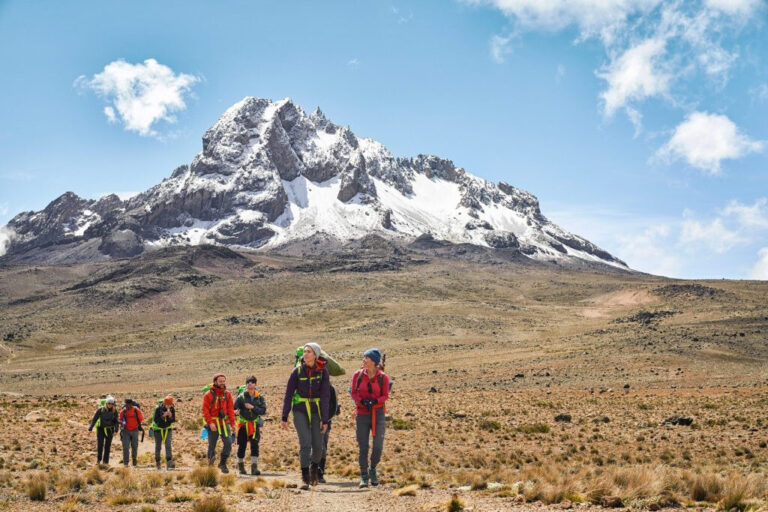
Kilimanjaro Climbing Package For Parents And Teenagers 2026-2027
Kilimanjaro Climbing Package for Parents and Teenagers is explained with current 2026-2027 planning, price, itinerary and booking information.
View package details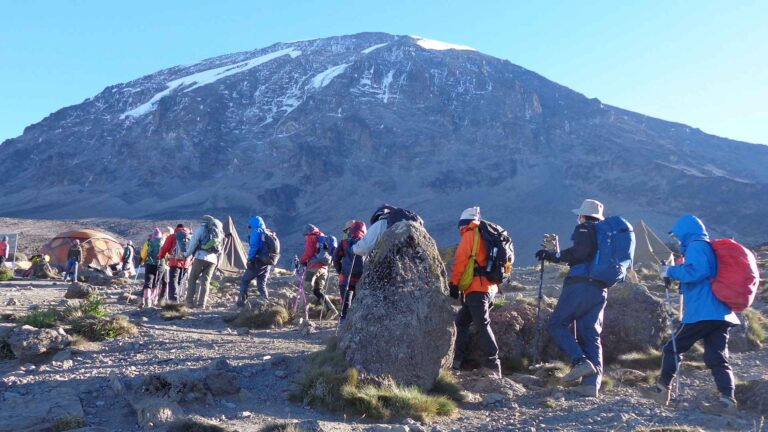
Sustainable Kilimanjaro Climbing Packages For | Top Guide Adventures 2026-2027
Discover sustainable Kilimanjaro climbing packages designed for eco-conscious adventurers. Top Guide Adventures offers responsible treks in 2026-2027, focusing on environmental preservation...
View package details
Giant Groundsels Of Mount Kilimanjaro: A Trekkers Guide 2026-2027
Explore the fascinating Giant Groundsels that define Kilimanjaro's alpine zones. This guide provides essential information for trekkers planning their 2026-2027 ascent, detailing where and...
View package details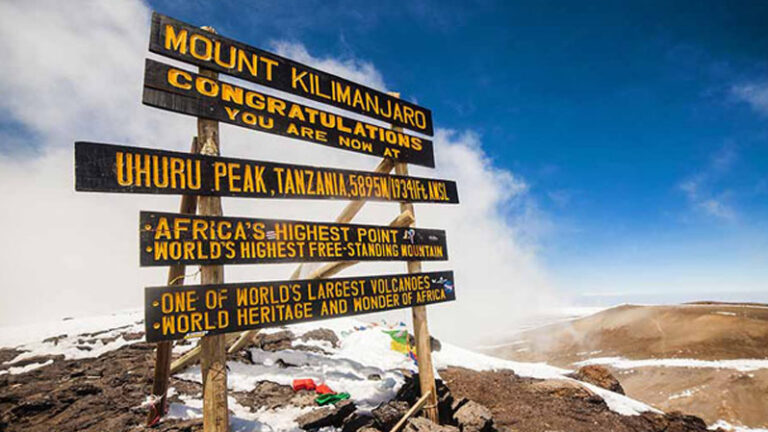
Rare Plants Found On Mount Kilimanjaro: A Botanical Expedition 2026-2027
Mount Kilimanjaro is not just a trekking destination; it's a unique ecosystem supporting rare and endemic plant species. Explore these fascinating botanical treasures, from the misty...
View package detailsNo related package matches those filters. Clear one or more filters to see the other topic-matched options.



