
An unrealistically cheap Kilimanjaro package is often a red flag, indicating potential compromises in safety, equipment, guide experience, food quality, and overall support, which can severely impact your climb’s success and your well-being. Genuine budget packages exist, but prices significantly below the industry average (typically starting from $1,500 – $2,000 USD per person for standard 7-day treks in 2026-2027) often hide critical cost-cutting measures that put climbers at risk.
Why Kilimanjaro Package Prices Vary Dramatically
Climbing Kilimanjaro is a significant undertaking, and the cost of a package reflects a complex interplay of operational necessities, safety standards, and ethical business practices. Understanding these factors is the first step in identifying a deal that is too good to be true. For 2026 and 2027 climbs, expect a broad range of pricing, but significant deviations from the norm warrant careful investigation. The mountain’s high altitude, remote location, and the need for specialized logistics mean that cutting costs often means cutting corners where it matters most.
Several key elements contribute to the overall price of a Kilimanjaro expedition:
- Guide and Porter Wages: Ethical operators pay fair wages, ensuring experienced, well-trained, and motivated staff. Below-market rates often mean overworked or undertrained personnel.
- Park Fees: These are fixed by the Tanzanian government and are non-negotiable. Any package that claims to include significantly lower park fees is likely fraudulent or using a cheaper, unauthorized route.
- Food and Supplies: High-quality, nutritious food is essential for acclimatization and energy. Cheap packages might provide insufficient or low-quality rations.
- Equipment: Tents, sleeping bags, cooking gear, and safety equipment (like oxygen cylinders and first-aid kits) need to be robust and well-maintained. Inferior gear can be a safety hazard.
- Logistics: Transportation to and from the mountain, campsite fees, and waste management all add to the cost.
- Safety Protocols: This includes emergency oxygen, comprehensive first-aid kits, evacuation procedures, and communication devices. These are often the first things sacrificed in cheap packages.
- Company Overhead: Reputable companies invest in training, insurance, office staff, and marketing, which are factored into their pricing.
The True Cost of a Kilimanjaro Climb: What’s Really Included?
When you see a Kilimanjaro package priced unusually low, it’s essential to scrutinize what is actually included. Often, the advertised price is just the tip of the iceberg, with numerous essential services excluded, forcing you to pay more once you are already in Tanzania, or worse, leaving you unprepared.
Here’s a breakdown of common inclusions and exclusions that can dramatically affect the final price:
Standard Inclusions to Expect (for a legitimate mid-range package in 2026-2027):
- Park Entrance Fees: All required national park and conservation fees.
- Camping/Hut Fees: Fees for overnight stays on the mountain.
- Rescue Fees: Fees for emergency rescue services.
- Experienced Guides: Certified, trained guides with extensive knowledge of the mountain and altitude sickness.
- Assistant Guides: A sufficient ratio of assistant guides to climbers for safety.
- Porters: Enough porters to carry all group gear, including tents, food, and personal duffel bags (within weight limits).
- All Meals on the Mountain: Nutritious, high-energy meals prepared by cook staff.
- Boiled Drinking Water: Provided daily on the trek.
- Tents: Quality four-season tents for clients and crew.
- Mess Tents: A communal tent for dining, especially on longer treks.
- Cooking Equipment: Stoves, fuel, pots, and utensils.
- First-Aid Kit: Comprehensive kit carried by guides.
- Oxygen: Emergency oxygen cylinder(s).
- Satellite Phone or Radio: For emergency communication.
- Accommodation: Often includes one night before and one night after the climb in a hotel/lodge in Moshi or Arusha.
- Transfers: Transport from Kilimanjaro International Airport (JRO) to your hotel and from your hotel to the mountain gate, and back to your hotel post-climb.
Common Exclusions in Cheap Packages (and why they are problematic):
- Tips for Guides and Porters: This is a significant and expected expense, often amounting to several hundred dollars per climber. Legitimate operators will provide clear tipping guidelines. Cheap operators might omit this to make their initial price look lower.
- Personal Porter: While group porters carry communal gear, many climbers opt for a personal porter to carry their daypack and some personal items. This service is usually extra.
- Lunches and Dinners in Town: Some packages only include breakfast at the hotel before and after the climb.
- Sleeping Bags and Trekking Poles: While some companies include these, many cheap ones do not. Renting them on the spot can be costly and of poor quality.
- Gratuities for Hotel Staff: Standard practice in Tanzania.
- Travel Insurance: Essential for any Kilimanjaro climb, covering medical emergencies, evacuation, and trip cancellation.
- Visa Fees: For Tanzania.
- Personal Expenses: Souvenirs, drinks, laundry, etc.
- Voluntary Porter Supplement: To carry extra personal items beyond the standard duffel bag limit.
- Emergency Evacuation Insurance: Sometimes this is an add-on, though many reputable companies include it. Always verify.
A package that omits tipping guidelines, doesn’t clearly state what meals are included, or expects you to rent essential gear like sleeping bags at the last minute is a strong indicator of a cheap, potentially problematic deal for your 2026-2027 climb.
Red Flags: Signs of an Unrealistically Cheap Kilimanjaro Package
When evaluating Kilimanjaro tour operators for your 2026 or 2027 adventure, be highly suspicious of offers that:
- Are significantly cheaper than the industry average: If one operator is 30-50% less than most reputable companies, question why.
- Have vague inclusions/exclusions: Lack of clarity on what’s covered, especially regarding essential services like park fees, food, and emergency support.
- Don’t mention guide experience or training: Experienced guides are crucial for safety and success.
- Have very few porters per climber: A low porter-to-climber ratio can lead to porters being overworked, carrying excessive loads, and potential safety issues. The standard is often 1:3 or 1:4 (porters to clients).
- Don’t provide details on equipment quality: Cheap tents, worn-out sleeping bags, or lack of emergency oxygen are major concerns.
- Pressure you to book immediately with a limited-time offer: This is a common sales tactic to prevent thorough research.
- Have poor or non-existent online reviews: While one or two negative reviews can happen, a pattern of complaints is a warning sign.
- Lack clear communication channels: Difficulty reaching a real person or getting detailed answers to your questions.
The Hidden Dangers of Cutting Corners on Kilimanjaro
Choosing an unrealistically cheap Kilimanjaro package isn’t just about saving money; it’s about understanding the severe risks involved. The mountain demands respect, and cost-cutting measures directly undermine the safety and success of your expedition.
1. Compromised Safety and Emergency Preparedness
This is the most critical area where cheap operators fail. Safety on Kilimanjaro involves robust protocols and equipment:
- Inadequate Emergency Oxygen: Cheap operators may carry only one or no emergency oxygen cylinders. If a climber suffers severe altitude sickness (like HAPE or HACE), a lack of oxygen can be fatal. A reputable operator will carry multiple cylinders and know how to use them.
- Substandard First-Aid: A basic first-aid kit is insufficient. Guides need comprehensive medical training (often Wilderness First Responder or higher) and a well-stocked kit to manage altitude sickness, injuries, and other medical issues.
- Lack of Communication: Relying solely on mobile phones doesn’t work on Kilimanjaro. Proper operators use satellite phones or high-frequency radios for emergencies, ensuring contact even in remote areas. Cheap packages might forgo this, delaying critical help.
- Insufficient Crew: Having too few guides and porters means they are overworked. Overburdened porters are more prone to accidents, and a lack of guides means a slower response to climber distress. A standard ratio is one guide for every 6-8 climbers, and one porter for every 2-3 climbers.
- Poor Route Planning/Selection: Some cheap operators might use less-trafficked, less-supported routes or even unofficial routes to avoid fees or logistical complexities, which can be more dangerous and have fewer rescue points.
2. Impact on Your Health and Acclimatization
Your body’s ability to acclimatize is paramount to reaching the summit. Cheap packages can sabotage this in several ways:
- Poor Quality Food: Insufficient calories, unbalanced nutrition, or unhygienic food preparation can lead to digestive issues, weakness, and hinder acclimatization. Reputable companies provide varied, high-energy, and safe meals.
- Inadequate Water Provision: Dehydration is a major contributor to altitude sickness. Cheap operators might provide less water or poor-quality water purification methods, leading to potential sickness.
- Overly Ambitious Itineraries: Some budget operators push for faster ascents on shorter routes (e.g., a 5-day Marangu or Machame) to save on days and staff costs. These rapid ascents significantly reduce acclimatization time, drastically lowering summit success rates and increasing the risk of altitude sickness. For 2026-2027 climbs, prioritizing a longer route (7-9 days) is key for acclimatization, regardless of price.
3. Reduced Comfort and Morale
While reaching the summit is the goal, comfort and morale play a vital role in endurance and enjoyment. Cheap packages often compromise here:
- Inferior Tents and Sleeping Gear: Cheap, non-four-season tents offer little protection against Kilimanjaro’s harsh weather (wind, rain, cold). Worn-out sleeping bags won’t provide adequate warmth. This leads to poor sleep, exhaustion, and potential hypothermia.
- Lack of Dining/Mess Tent: Eating meals huddled in the cold or rain without a communal space can be demoralizing.
- Overburdened Porters: When porters are forced to carry too much, it can lead to them taking shortcuts, leaving equipment behind, or experiencing exhaustion that impacts their well-being and the overall group support.
4. Ethical Concerns and Staff Welfare
The treatment of guides and porters is a significant ethical consideration. Cheap operators often exploit their staff:
- Low Wages: Paying below fair wage standards leads to demotivated staff, potential bribery, and a lack of loyalty or commitment.
- Insufficient Food and Gear for Staff: Porters and guides are often given less food and poorer quality gear than the clients, which is unacceptable.
- Excessive Loads: Forcing porters to carry more than the regulated weight (typically 15kg of personal gear plus 20kg of group gear per porter) is common.
Reputable companies like Top Guide Adventures prioritize fair treatment, ensuring their crew is well-compensated, fed, and equipped. This leads to a more professional, dedicated, and safer climbing experience for everyone involved in your 2026-2027 expedition.
How to Vet Kilimanjaro Operators: A Practical Checklist
When you’re comparing Kilimanjaro packages for your 2026 or 2027 adventure, go beyond just the price. Use this checklist to thoroughly vet potential tour operators and identify those offering genuine value and safety.
Kilimanjaro Operator Vetting Checklist
- Check Company Reputation and Reviews: Look for reviews on independent platforms like TripAdvisor, Google Reviews, and dedicated trekking forums. Pay attention to recurring themes, both positive and negative. Are there specific complaints about safety, food, or staff welfare?
- Verify Inclusions and Exclusions: Get a detailed itinerary and a clear list of what is and isn’t included. Ask specific questions about park fees, meals, water, emergency equipment, and accommodation.
- Inquire About Guide Qualifications: Ask about the training, certifications, and experience of their guides. What is their policy on altitude sickness management? What is their summit success rate (and how do they define it)?
- Understand Crew Ratios: Ask about the number of guides and porters per climber. A good ratio ensures adequate support and safety.
- Question Equipment Quality: Ask about the type and condition of tents, sleeping bags (if provided), cooking gear, and emergency equipment (oxygen, communication devices).
- Look for Transparency on Park Fees: Reputable operators will clearly state that park fees are included and will often detail the specific fees. Be wary of companies that offer discounts on these government-mandated fees.
- Assess Safety Protocols: Ask about their emergency procedures, evacuation plans, and communication systems. Do they carry emergency oxygen and first-aid kits? Are their guides trained in high-altitude medicine?
- Read the Fine Print: Understand their cancellation policy, payment terms, and what happens in case of medical emergencies.
- Consider Ethical Practices: Does the company belong to any responsible tourism organizations? Do they have policies on fair wages and porter welfare?
- Evaluate Communication: How responsive and helpful are they when you ask questions? Do they provide clear, detailed information? A company that is difficult to communicate with before booking is unlikely to be reliable during your trip.
Kilimanjaro Routes: How Route Choice Affects Price and Safety
The route you choose for your Kilimanjaro climb significantly impacts not only the difficulty and scenery but also the cost and, importantly, your acclimatization and success rate. Cheaper packages might steer you towards shorter, less optimal routes.
Popular Kilimanjaro Routes and Their Typical Cost Implications (2026-2027):
Generally, longer routes are more expensive due to more days on the mountain, requiring more staff, food, and logistics. However, they offer much higher success rates and better acclimatization.
- Marangu Route (Coca-Cola Route): The oldest and often cheapest route. It’s typically 5-6 days. Pros: Offers hut accommodation (unique), relatively straightforward. Cons: Lower success rate due to rapid ascent, less scenic, can be crowded. Price Factor: Often the baseline for budget climbs, but the 5-day option is discouraged for acclimatization.
- Machame Route (Whiskey Route): One of the most popular routes, typically 6-7 days. Pros: Excellent acclimatization profile, high success rate, beautiful scenery, varied terrain. Cons: Can be crowded, camping only. Price Factor: Mid-range to upper-mid-range due to its popularity and effectiveness. A 7-day Machame is a strong contender for value and success in 2026-2027.
- Lemosho Route: Typically 7-8 days. Pros: Very scenic, excellent acclimatization, good success rates, starts on the western side offering stunning views. Cons: More expensive due to longer duration and initial logistics. Price Factor: Upper-mid-range to premium.
- Shira Route: Similar to Lemosho but starts at a higher altitude. Usually 7-8 days. Pros: High starting point for great views, good acclimatization. Cons: Higher initial altitude can be challenging for some, more expensive. Price Factor: Upper-mid-range to premium.
- Rongai Route: The only route approaching from the north. Typically 6-7 days. Pros: Good for drier weather (less rain on the northern side), less crowded, good acclimatization. Cons: Less scenic than western routes. Price Factor: Mid-range.
- Northern Circuit: The longest route, typically 9-10 days. Pros: Highest success rate, best acclimatization, circumnavigates the mountain offering diverse views, least crowded. Cons: Most expensive due to duration. Price Factor: Premium.
- Umbwe Route: The shortest and steepest route. Typically 5-6 days. Pros: Challenging, direct. Cons: Very low success rate, extremely difficult, poor acclimatization, not recommended for most climbers. Price Factor: Can sometimes appear cheap due to fewer days, but the risk is exceptionally high.
An unrealistically cheap Kilimanjaro package might push you towards the 5-day Marangu or 6-day Machame (which is rushed) simply to reduce costs. For 2026-2027, prioritize routes that offer at least 7 days for a significantly better chance of reaching the summit safely and comfortably.
Kilimanjaro Package Pricing: What to Expect in 2026-2027
While prices fluctuate based on operator, route, duration, and season, a general guideline for a reputable, mid-range operator for a standard 7-day trek (like Machame or Lemosho) in 2026-2027 would typically range from $1,800 to $3,000 USD per person. This usually includes all the essentials mentioned earlier. Significantly lower prices (e.g., under $1,200 USD) are a strong indicator of compromised quality or hidden costs.
Factors influencing price:
- Operator: Local vs. international, established vs. new.
- Route and Duration: Longer routes and more days cost more.
- Season: Peak seasons (Jan-Mar, Jun-Oct) are more expensive than shoulder/low seasons (Apr-May, Nov-Dec).
- Group Size: Private climbs are more expensive per person than joining a group.
- Level of Service: Basic, mid-range, or luxury services.
Comparing Top Guide Adventures to Cheaper Operators
At Top Guide Adventures, we are committed to providing safe, ethical, and successful Kilimanjaro climbs. We understand the temptation of lower prices, but we believe in transparency and the value of investing in a quality experience. Here’s how we differentiate ourselves from operators offering unrealistically cheap packages for 2026-2027 climbs:
- Safety First: We carry multiple emergency oxygen cylinders, use satellite phones for communication, ensure our guides have advanced medical training, and adhere to strict crew ratios. We never compromise on safety equipment or protocols.
- Experienced & Well-Trained Guides: Our guides are not just porters; they are seasoned professionals with extensive high-altitude experience and specific training in identifying and managing altitude sickness. They are certified by the Kilimanjaro National Park Authority.
- Fair Staff Wages & Welfare: We pay our guides, porters, and cooks fair wages and ensure they have adequate food, shelter, and gear. We believe in treating our mountain crew with the respect they deserve, fostering loyalty and professionalism. This is a significant operational cost that ethical operators bear.
- Quality Equipment: We use high-quality, four-season tents, comfortable sleeping mats, and well-maintained cooking gear. While we don’t typically include sleeping bags to allow clients to use their own preferred ones, we can arrange for good quality rentals.
- Nutritious Food: Our cooks prepare a variety of delicious and energy-rich meals designed to keep you fueled and healthy on the mountain. We cater to dietary requirements.
- Recommended Routes & Durations: We advocate for longer routes (7-9 days) like Machame, Lemosho, or the Northern Circuit for optimal acclimatization and success rates. We do not offer 5-day itineraries as standard, as they are not conducive to safe ascent.
- Transparent Pricing: Our pricing is competitive for the quality and safety we provide. We clearly outline all inclusions and exclusions, so there are no hidden surprises. We provide detailed tipping guidelines for our clients.
- Personalized Support: From initial inquiry to post-climb, you receive dedicated support. We are available via WhatsApp at +255616946642 or email at topguideadventures@gmail.com / info@topguideadventures.com to answer all your questions and help you plan your perfect 2026-2027 climb.
Choosing Top Guide Adventures means investing in a responsible, safe, and ultimately more rewarding Kilimanjaro experience. We understand that a Kilimanjaro climb is a significant investment of time, money, and effort, and we are dedicated to ensuring it is a success.
Is a “Budget” Kilimanjaro Package Ever Worth It?
The term “budget” Kilimanjaro package can be misleading. While it’s possible to find reasonably priced climbs that offer good value, truly “cheap” packages are almost never worth the risk. The key is to differentiate between a value-for-money package and a dangerously cheap one.
A value-for-money package might:
- Be offered by a smaller, local operator with lower overheads.
- Be part of a group departure, spreading fixed costs.
- Utilize a less popular but equally safe route.
- Offer slightly simpler, yet still adequate, accommodation in town.
- Have fewer “extras” but cover all essential safety and climbing requirements.
However, a value-for-money package will never compromise on:
- Adequate safety equipment (oxygen, communication).
- Properly trained and well-paid guides and crew.
- Sufficient food and water.
- Quality camping equipment.
- Recommended route durations for acclimatization.
If a price seems too good to be true, it almost certainly is. The mountain doesn’t negotiate on safety or the laws of physiology. For your 2026-2027 Kilimanjaro adventure, prioritize safety, experience, and a higher chance of summit success over a bargain price.
Preparing for Your 2026-2027 Kilimanjaro Climb: Beyond the Package Price
Once you’ve identified a reputable operator and a suitable package, your preparation becomes paramount. Remember that the package is just one piece of the puzzle. Your personal preparation will significantly influence your experience and success.
Physical Training
Kilimanjaro is a strenuous trek. Focus on cardiovascular fitness, strength training (especially legs and core), and endurance. Hiking with a weighted backpack on varied terrain is ideal. Start training at least 3-6 months before your 2026 or 2027 climb.
Gear Selection
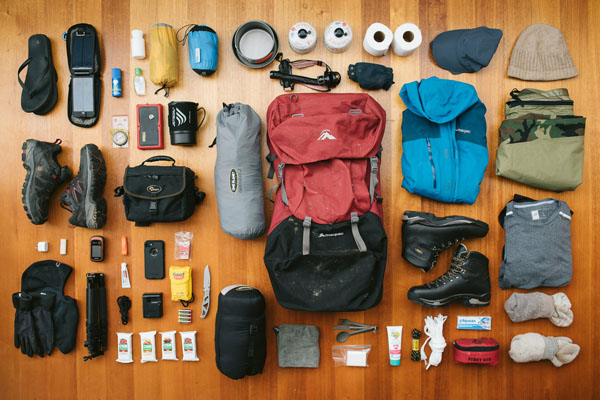
Invest in good quality gear, especially your boots, waterproof outer layers, and warm inner layers. While some cheap operators might offer gear rental, it’s often better to own your critical items. Ensure you have:
- Broken-in hiking boots
- Layered clothing (base, mid, and outer layers)
- Warm sleeping bag (rated to -10°C or 0°F)
- Waterproof and windproof jacket and trousers
- Warm hat and gloves
- Sun protection (hat, sunglasses, sunscreen)
- Headlamp with extra batteries
- Reusable water bottles or hydration reservoir
Mental Preparation
Understand the challenges of altitude, cold, and physical exertion. Be prepared for slow progress, rest days, and potential discomfort. A positive attitude and determination are crucial.
Health and Vaccinations
Consult your doctor about necessary vaccinations for Tanzania and discuss altitude sickness prevention. Ensure you have comprehensive travel insurance that covers high-altitude trekking and emergency medical evacuation.
By focusing on these aspects of preparation, you’ll maximize your chances of a successful and enjoyable Kilimanjaro climb in 2026 or 2027, regardless of the package you choose, provided it meets essential safety and ethical standards.
Making the Final Decision: Investing in Your Kilimanjaro Dream
Choosing how to climb Kilimanjaro is a significant decision, and the price of a package is a primary factor for many. However, when the price seems unrealistically low, it’s a signal to pause and investigate thoroughly. The mountain is unforgiving, and cutting corners can lead to serious consequences, including health risks, a failed summit attempt, or even a dangerous emergency situation.
For your 2026-2027 Kilimanjaro adventure, prioritize operators who demonstrate:
- Transparency: Clear communication about what’s included, what’s not, and why.
- Safety Standards: Robust emergency protocols, equipment, and trained staff.
- Ethical Practices: Fair treatment and compensation for their mountain crew.
- Experience: A proven track record of successful and safe climbs.
- Value: A package that offers essential services and support at a fair market price, rather than a suspiciously low one.
At Top Guide Adventures, we pride ourselves on offering an exceptional Kilimanjaro climbing experience that balances safety, quality, and value. We are here to answer all your questions and help you plan a climb that meets your expectations and safely gets you to the Roof of Africa. Don’t hesitate to reach out to us for a personalized quote or more information about our 2026-2027 expeditions.
Contact us today:
- WhatsApp: +255616946642
- Email: topguideadventures@gmail.com
- Backup Email: info@topguideadventures.com
- Website: Top Guide Adventures
“,
“faq_schema”: [
{
“question”: “What is the typical price range for a Kilimanjaro climb package in 2026-2027?”,
“answer”: “For a reputable, mid-range operator offering a standard 7-day trek (like Machame or Lemosho), expect prices to range from approximately $1,800 to $3,000 USD per person for 2026-2027. Significantly lower prices, such as under $1,200 USD, often indicate compromised safety or service.”
},
{
“question”: “What are the biggest risks associated with unrealistically cheap Kilimanjaro packages?”,
“answer”: “The primary risks include compromised safety due to inadequate emergency oxygen, poor first-aid, lack of communication equipment, and overworked guides/porters. Other risks involve insufficient food and water, poor quality gear leading to discomfort or hypothermia, and significantly reduced chances of summit success due to rushed itineraries that hinder acclimatization.”
},
{
“question”: “How can I tell if a Kilimanjaro package price is too good to be true?”,
“answer”: “Be suspicious if the price is 30-50% lower than most reputable companies, if inclusions and exclusions are vague, if guide experience and safety protocols aren’t detailed, if crew ratios are low, or if the company has poor online reviews. Always question prices that seem significantly below the industry average for 2026-2027 climbs.”
},
{
“question”: “Are there ethical considerations when choosing a cheap Kilimanjaro operator?”,
“answer”: “Yes, cheap operators often exploit their guides and porters by paying them very low wages, providing them with insufficient food and gear, and forcing them to carry excessive loads. Choosing an ethical operator ensures fair treatment and contributes to a more professional and safer climbing environment.”
},
{
“question”: “Which Kilimanjaro routes are typically cheaper, and are they recommended for 2026-2027 climbs?”,
“answer”: “The Marangu Route (especially the 5-day option) and sometimes shorter versions of other routes can appear cheaper due to fewer days on the mountain. However, these shorter routes offer poor acclimatization and significantly lower summit success rates. For 2026-2027, longer routes (7-9 days) like Machame, Lemosho, or the Northern Circuit are highly recommended for better safety and success.”
},
{
“question”: “What essential services should always be included in a legitimate Kilimanjaro package?”,
“answer”: “A legitimate package should include all national park fees, rescue fees, camping/hut fees, experienced and certified guides, sufficient porters, all meals and drinking water on the mountain, quality tents and camping equipment, emergency oxygen, and a communication device (satellite phone/radio). It should also clearly outline what is NOT included, such as personal tips and travel insurance.”
}
]
}
“`
Check Availability for How To Identify An Unrealistically Cheap Kilimanjaro Package 2026-2027
Ready to compare dates, prices, and the best option for your group? Send the package name and travel month so the team can reply with a clear quote, availability, and what is included.
Kilimanjaro Low-Budget Booking Red Flags: Avoid Scams In 2026-2027
Climbing Kilimanjaro on a budget is possible, but requires vigilance. This guide highlights critical red flags to watch out for when booking a low-cost trek, ensuring your 2026-2027...
View package details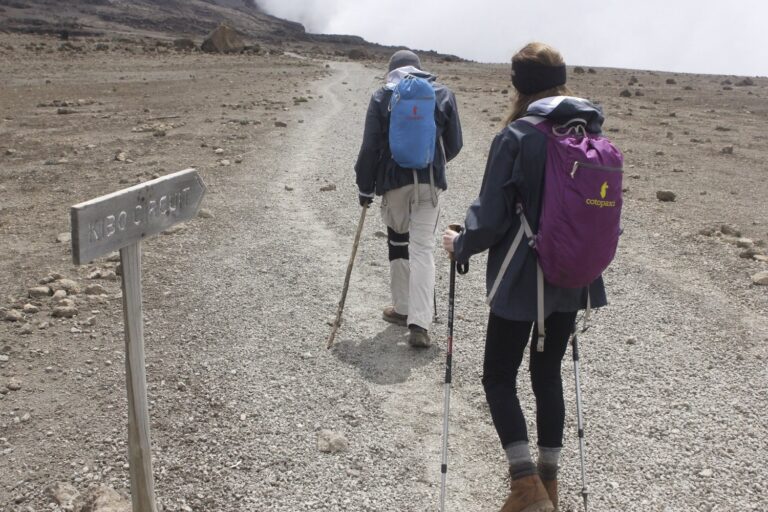
Kilimanjaro Standard Camp Vs Luxury Your Ultimate Comparison For Climbs
Choosing between standard and luxury camping on Kilimanjaro significantly impacts your trek experience. This guide breaks down the key differences in accommodation, meals, equipment, and...
View package details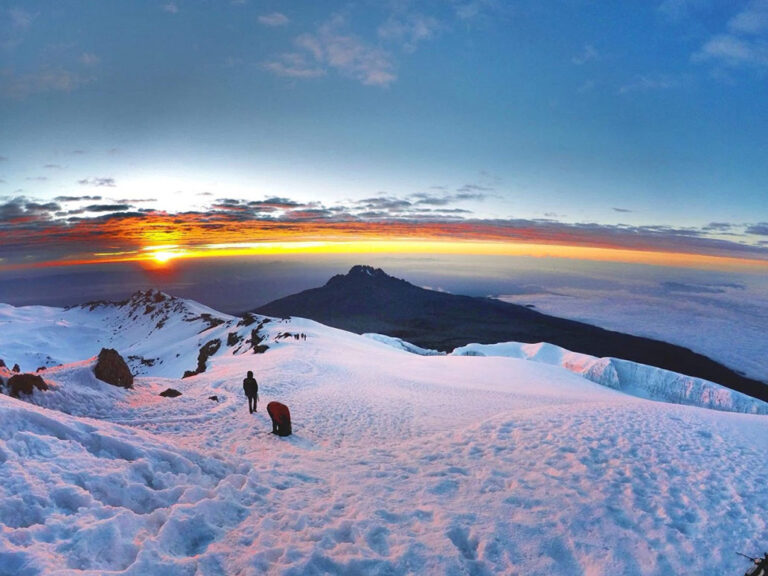
Kilimanjaro Climb For University Students: Your Ultimate Guide 2026-2027
Top Guide Adventures provides a comprehensive guide for university students planning a Kilimanjaro climb in 2026-2027. This extensive resource covers route selection, essential training...
View package details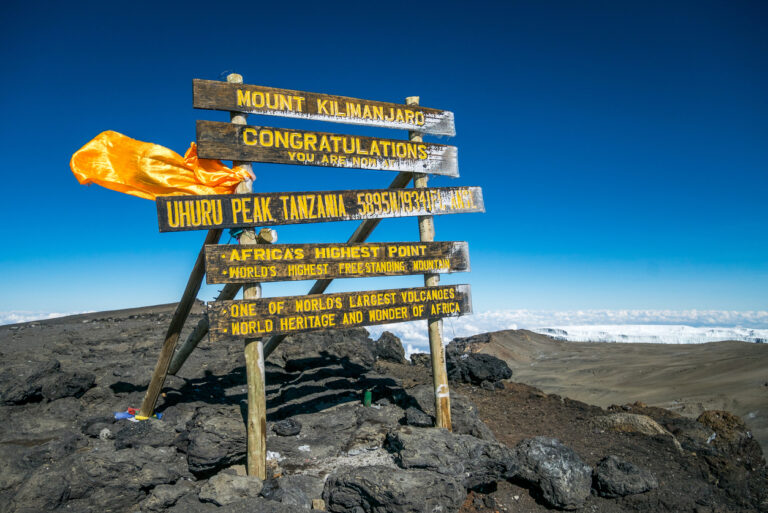
Kilimanjaro National Park Conservation Fees Explained For Climbers 2026-2027
Climbing Mount Kilimanjaro involves understanding various conservation fees essential for park maintenance and climber safety. This guide breaks down the current fee structure for...
View package detailsKilimanjaro Climb With Materuni Recovery Day 2026-2027
Kilimanjaro Climb with Materuni Recovery Day is explained with current 2026-2027 planning, price, itinerary and booking information.
View package details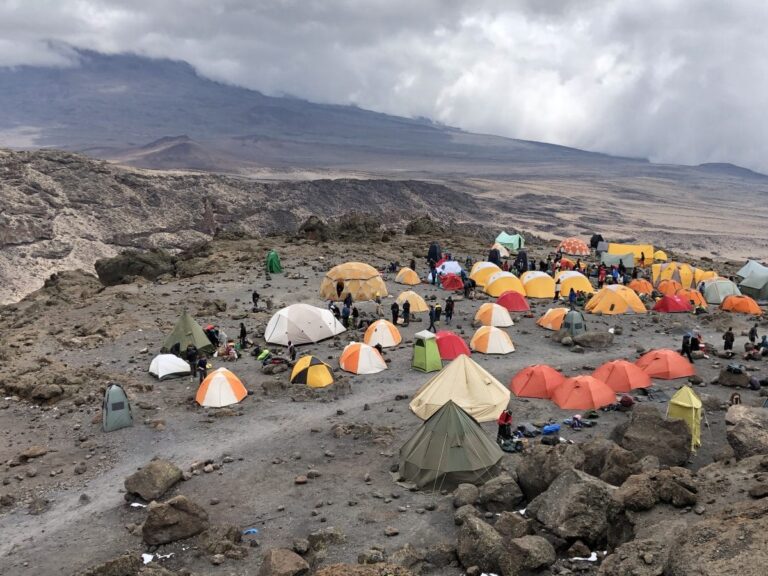
Kilimanjaro Climb With Lake Chala Relaxation Day: Your Ultimate Post-Trek
Experience the ultimate Kilimanjaro adventure followed by serene relaxation at Lake Chala. This guide details how to combine these incredible Tanzanian experiences, covering itineraries...
View package details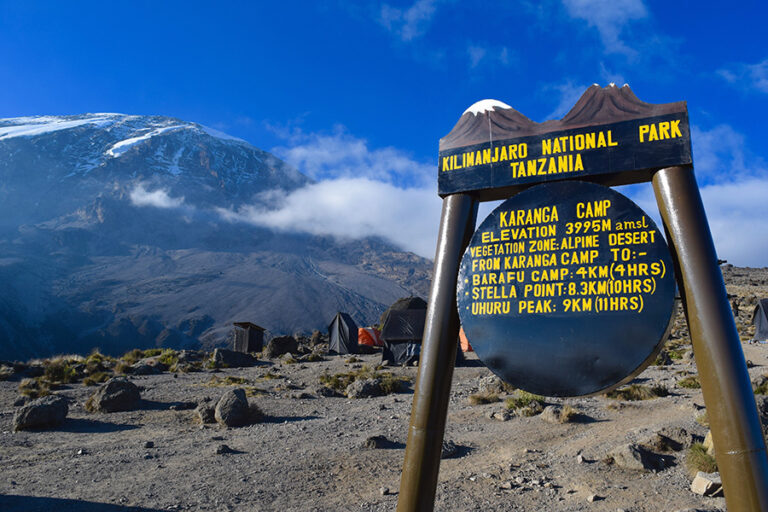
Kilimanjaro Climb & West Safari: The Ultimate Tanzania Adventure 2026-2027
Experience the pinnacle of Tanzania with a combined Kilimanjaro climb and West Kilimanjaro safari. This guide details itineraries, preparation, and what to expect for your 2026-2027...
View package details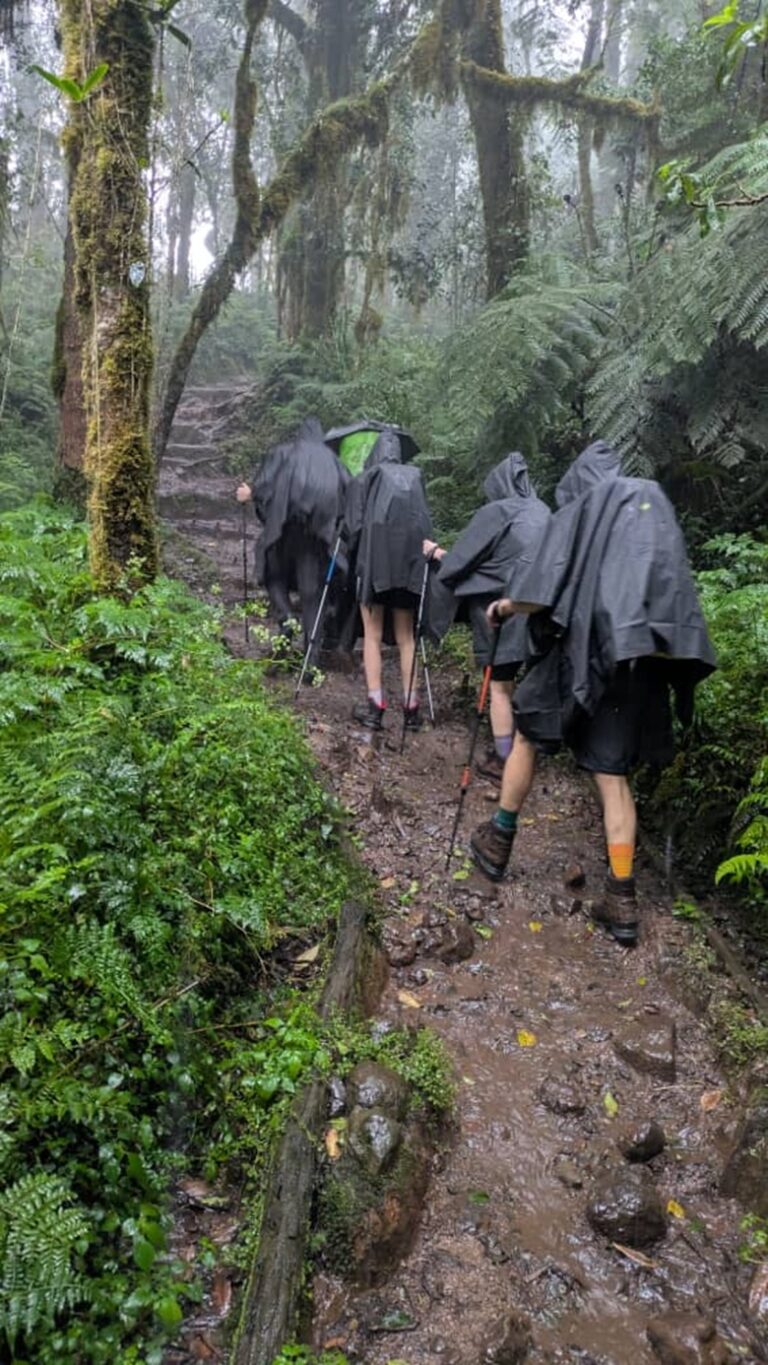
Kilimanjaro Climb With Mkomazi Rhino Safari 2026-2027
Kilimanjaro Climb with Mkomazi Rhino Safari is explained with current 2026-2027 planning, price, itinerary and booking information.
View package details
Kilimanjaro Climb With Amboseli Safari Extension: Your Ultimate Tanzania
Experience the pinnacle of African adventure by combining a challenging Kilimanjaro climb with a impressive safari in Amboseli National Park. This guide details itineraries, costs, best...
View package details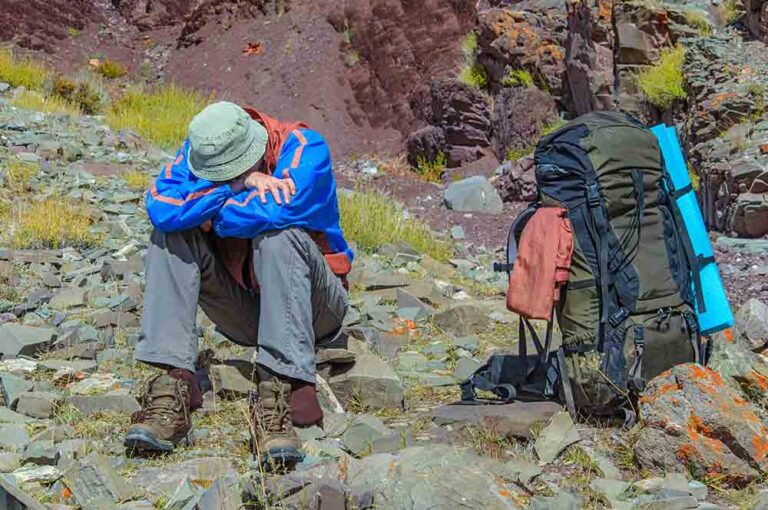
21-Day Kilimanjaro And Complete Tanzania Holiday: Your Ultimate Adventure
This comprehensive 21-day itinerary offers the ultimate Tanzanian adventure, merging the challenge of climbing Mount Kilimanjaro with the wildlife wonders of its famed national parks and...
View package details
18-Day Kilimanjaro And Northern Tanzania Grand Adventure: Trek, Safari &
An 18-day itinerary blending Kilimanjaro's summit with Northern Tanzania's wildlife and culture offers a comprehensive African experience. This adventure typically includes a multi-day trek...
View package details
17-Day Kilimanjaro, Serengeti, Ngorongoro & Zanzibar Tour: Your Ultimate
This 17-day tour combines the iconic Mount Kilimanjaro climb with unparalleled wildlife safaris in the Serengeti and Ngorongoro Crater, culminating in a relaxing beach escape in Zanzibar...
View package detailsNo related package matches those filters. Clear one or more filters to see the other topic-matched options.



