
Before paying a Kilimanjaro deposit, thoroughly research the tour operator’s reputation, verify what is included in the price (especially park fees, guides, porters, food, and accommodation), confirm their safety and emergency procedures, understand the trekking route and duration, and check their cancellation and refund policy. For climbs planned for 2026 or 2027, early verification of these points is crucial to secure your preferred dates and avoid potential issues.
Understanding Your Kilimanjaro Deposit: The First Step to the Summit
The decision to climb Mount Kilimanjaro is a monumental one, often representing a lifetime goal. As you move from dreaming about the Roof of Africa to planning the practicalities, the moment arrives to select a tour operator and secure your spot. This usually involves paying a deposit. This initial payment is more than just a transaction; it’s your commitment and the operator’s confirmation that they will reserve your place, guides, porters, and resources for your chosen climb date. However, this critical first financial step requires careful consideration. What exactly should you check before paying a Kilimanjaro deposit? This guide will walk you through every essential detail, ensuring your adventure in 2026 or 2027 is planned with clarity and confidence.
At Top Guide Adventures, we understand the importance of this decision. As one of Tanzania’s trusted tour companies, we pride ourselves on offering complete travel experiences with personal attention and dedicated support. Organizing a Kilimanjaro climb involves many moving parts, and a clear understanding of what your deposit covers is paramount. This article will equip you with the knowledge to make an informed choice, whether you’re booking your 2026 climb now or planning for 2027.
1. Operator Reputation and Legitimacy: Building Trust Before You Pay
The most fundamental check before paying any Kilimanjaro deposit is the reputation and legitimacy of the tour operator. This isn’t just about finding the cheapest option; it’s about partnering with a company that prioritizes your safety, well-being, and the success of your climb. A reputable operator will have a proven track record, transparent business practices, and a commitment to ethical tourism.
a. Online Reviews and Testimonials: What Do Other Climbers Say?
In the digital age, online reviews are invaluable. Look for operators with a significant number of reviews on platforms like TripAdvisor, Google, and dedicated trekking forums. Pay attention to:
- Consistency: Are the positive reviews consistent in their praise for aspects like guide quality, safety, food, and overall experience?
- Responsiveness: Does the operator respond to reviews, both positive and negative? This shows engagement and a commitment to customer satisfaction.
- Authenticity: Be wary of operators with only a handful of overly glowing, generic reviews. Look for detailed accounts from real climbers.
For example, you can check out reviews for Top Guide Adventures on TripAdvisor to see feedback from past clients who have successfully summited.
b. Company History and Local Presence
A tour operator with a long history in Tanzania and a strong local presence in Moshi (the gateway town to Kilimanjaro) often signifies stability and deep-rooted knowledge. Local companies understand the mountain, the park regulations, and the local culture better than international agents who merely act as intermediaries. Enquire about:
- When the company was established.
- If they have their own offices and staff in Tanzania.
- Whether their guides and porters are local Tanzanians, employed directly rather than through third-party contractors.
Top Guide Adventures is a proud Tanzanian company with years of experience operating treks on Kilimanjaro, ensuring a deep understanding of the mountain and its environment.
c. Professional Affiliations and Certifications
While not always mandatory, affiliations with reputable tourism bodies or industry associations can be a good indicator. More importantly, ensure they comply with all Tanzanian park regulations and government requirements for operating climbs.
d. Transparency in Communication
A good operator will be upfront and honest in their communication from the very first enquiry. If they are evasive about details, slow to respond, or pushy for a deposit, it’s a red flag. A clear, detailed response to your questions about the climb, inclusions, and safety is a positive sign.
2. Understanding the Price: What Does Your Kilimanjaro Deposit Actually Cover?
The cost of a Kilimanjaro climb can vary significantly. It’s essential to understand that the deposit you pay is part of the total trip cost and to scrutinize what that total cost includes. A cheap climb often means corners are cut, which can compromise safety and comfort.
a. Comprehensive Inclusions vs. Hidden Costs
When comparing prices and deciding what your Kilimanjaro deposit is for, meticulously check the inclusions. A comprehensive package typically covers:
- Park Fees: These are a substantial part of the overall cost and are non-negotiable. Ensure they are included. For 2026-2027 climbs, these fees are subject to change by the Tanzanian government.
- Trek Permits: Similar to park fees, these are mandatory.
- Guides and Porters: Professional, experienced guides and sufficient porters to carry your gear and ensure your safety. Check the porter-to-climber ratio.
- All Meals on the Mountain: Three nutritious meals a day, prepared by a dedicated cook.
- Accommodation: Camping equipment (tents, sleeping mats) for camping routes or accommodation in mountain huts for specific routes.
- Crew Equipment: Tents for guides and porters, cooking equipment, mess tents.
- Safety Equipment: First-aid kits, oxygen cylinders (often as a backup), pulse oximeters.
- Transportation: Transfers from Moshi to the Kilimanjaro National Park gates and back to Moshi after the climb.
- Water: Boiled and filtered drinking water on the mountain.
Be wary of packages that seem significantly cheaper. They might exclude park fees, charge extra for essential equipment, or have inadequate support staff, putting your climb at risk. Always ask for a detailed breakdown of what is and isn’t included. For instance, international flights, travel insurance, tips for the crew, and personal gear are almost always excluded.
b. Tipping Guidelines and Budget
Tipping the guides, porters, and cooks is customary and a significant part of their income. Reputable operators will provide clear guidelines on tipping amounts for 2026-2027 climbs, allowing you to budget accordingly. Some operators may include tips in their package price, while others leave it to the client. Understand which is the case before paying your deposit.
c. Potential Price Fluctuations for 2026-2027
Prices for Kilimanjaro climbs can be affected by factors such as government park fee increases, inflation, and currency exchange rates. While operators aim for stable pricing, be aware that minor adjustments might occur, especially for bookings made well in advance for 2026 or 2027. Clarify how the operator handles potential price changes between your booking and the climb date.
3. Safety Protocols and Emergency Preparedness: Non-Negotiables for Your Climb
Climbing Kilimanjaro involves inherent risks, primarily altitude sickness (Acute Mountain Sickness – AMS). A responsible operator will have robust safety protocols and emergency plans in place. This is perhaps the most critical aspect to verify before paying your Kilimanjaro deposit.
a. Guide Training and Experience
Your guides are your lifeline on the mountain. Ensure they are:
- Certified: Do they have wilderness first aid or medical training?
- Experienced: How long have they been guiding on Kilimanjaro? Experienced guides can better read the signs of altitude sickness and manage group dynamics.
- Knowledgeable: They should understand the mountain, the routes, weather patterns, and AMS symptoms.
Top Guide Adventures ensures all our guides undergo regular training and possess extensive experience on Kilimanjaro, prioritizing climber safety above all else.
b. Emergency Equipment and Procedures
A well-equipped operator will have:
- First-Aid Kits: Comprehensive kits carried by guides.
- Supplemental Oxygen: Usually available for emergency use, though not typically for acclimatization.
- Pulse Oximeters: Used to measure blood oxygen saturation, helping to detect early signs of AMS.
- Emergency Evacuation Plan: How will they evacuate a sick climber? Do they work with a reliable evacuation service (e.g., Kilimanjaro Rescue Services)? What is the procedure?
- Communication: How will they communicate in case of an emergency? Do guides carry radios or satellite phones?
c. Altitude Sickness Management
The operator should have a clear policy on managing AMS. This includes:
- Monitoring: Regular checks on climbers’ well-being and symptoms.
- Pacing: Encouraging a slow, steady pace (‘pole pole’).
- Hydration and Nutrition: Ensuring climbers drink enough fluids and eat well.
- Descent Policy: A clear protocol for immediate descent if symptoms become severe.
d. Porter Welfare
Ethical treatment of porters is also a safety concern. A company that mistreats its porters may also cut corners on safety for climbers. Check if the operator adheres to the guidelines set by Kilimanjaro Porter Assistance Project (KPAP) or similar organizations regarding fair wages, adequate food, and appropriate gear for porters.
4. Route Selection and Itinerary Details: Matching Your Climb to Your Goals
Kilimanjaro can be climbed via several routes, each with varying lengths, difficulty levels, scenic beauty, and acclimatization profiles. The deposit you pay is for a specific route and duration. Ensure it aligns with your fitness, experience, and expectations for 2026-2027.
a. Understanding Route Options
Common routes include:
- Marangu Route: Often called the ‘Coca-Cola’ route, it’s the oldest and most direct, with dormitory-style accommodation. Generally has lower success rates due to poorer acclimatization.
- Machame Route: Very popular, known for its scenic beauty and good acclimatization profile (‘climb high, sleep low’). Offers camping.
- Lemosho Route: Longer and more scenic, offering excellent acclimatization. Higher success rates. Offers camping.
- Shira Route: Similar to Lemosho but starts at a higher altitude, which can be challenging initially. Offers camping.
- Rongai Route: Approaches from the north, offering a different perspective and a good option during the rainy season. Offers camping.
- Northern Circuit: The longest route, offering the best acclimatization and highest success rates. Circumnavigates the mountain. Offers camping.
For example, if you’re looking for the best acclimatization and scenery, the Machame Route is a popular choice for many climbers booking their 2026 or 2027 adventure.
b. Itinerary Day-by-Day Breakdown
A detailed itinerary should be provided, showing:
- Daily trekking distances and estimated times.
- Campsites or huts for each night.
- Daily altitude gains and sleeping altitudes.
- Rest days or acclimatization days.
Longer itineraries (e.g., 7-9 days for Marangu/Rongai, 7-9 days for Machame/Lemosho, 9-10 days for Northern Circuit) generally offer better acclimatization and higher success rates compared to shorter ones (like 5-day Marangu or Machame). Ensure the itinerary matches the route description and offers sufficient time for acclimatization.
c. Summit Night Strategy
Summit night is the most challenging part of the climb. The itinerary should detail when you start (usually very early morning, around midnight), the expected duration, and the descent plan immediately after reaching Uhuru Peak.
d. Group vs. Private Climbs
Your deposit might be for a spot on a scheduled group climb or for a private climb. Group climbs are generally more affordable as costs are shared. Private climbs offer more flexibility in terms of dates and pace but come at a higher price. Ensure you understand which you are booking.
5. Booking Conditions and Cancellation Policy: Protecting Your Investment
Life happens, and plans can change. Before paying your Kilimanjaro deposit, it is crucial to understand the operator’s booking conditions, especially their cancellation and refund policy. This is vital for protecting your financial investment for your 2026-2027 climb.
a. Deposit Amount and Payment Schedule
What percentage of the total cost does the deposit represent? Is it refundable? What is the payment schedule for the remaining balance? Typically, balances are due 30-60 days before the trek begins.
b. Cancellation Terms
Understand the penalties for cancelling at different stages:
- Cancellation more than 60 days before departure: What is the forfeiture? Is the deposit fully lost, or is a portion refundable?
- Cancellation 30-60 days before departure: Penalties usually increase.
- Cancellation less than 30 days before departure: Often, the full amount is forfeited.
Some operators might allow you to transfer your booking to another person or defer your climb to a later date under certain circumstances, possibly with a fee. Clarify these options.
c. Force Majeure and Unforeseen Circumstances
What happens in case of events beyond anyone’s control (e.g., natural disasters, political instability, pandemics)? While most operators will try to reschedule or offer alternatives, their policies during such times should be clear.
d. Travel Insurance Requirements
Most reputable operators will require you to have comprehensive travel insurance that covers:
- Medical emergencies and evacuation: This is critical for a high-altitude trek. Ensure it covers high altitudes and helicopter rescue if applicable.
- Trip cancellation and interruption: To protect your investment if you need to cancel or cut your trip short due to unforeseen circumstances.
Always read the fine print of your insurance policy and the operator’s terms and conditions carefully.
6. Environmental and Ethical Considerations: Climbing Responsibly
Responsible tourism is increasingly important. When you pay your Kilimanjaro deposit, you’re not just booking a trek; you’re participating in an ecosystem and engaging with a local community. Ethical operators demonstrate a commitment to both.
a. Leave No Trace Principles
Does the operator adhere to ‘Leave No Trace’ principles? This includes:
- Proper waste disposal on the mountain.
- Using designated campsites and trails.
- Minimizing impact on wildlife and vegetation.
b. Support for Local Communities
A responsible operator often contributes to local communities through employment, sourcing local supplies, and supporting community projects. Inquire about their local impact.
c. Porter Protection Standards
As mentioned under safety, the ethical treatment of porters is a significant indicator of an operator’s values. Look for companies that are transparent about their porter policies and are often recommended by organizations like KPAP.
7. Health and Fitness Recommendations: Preparing for Your Climb
While not directly related to paying a deposit, the operator’s guidance on health and fitness preparation is a crucial indicator of their professionalism and commitment to your success and safety. A good operator will provide detailed advice well in advance of your 2026-2027 climb.
a. Medical Advice and Vaccinations
While operators are not medical professionals, they should advise you to consult your doctor or a travel clinic regarding:
- Recommended vaccinations for Tanzania.
- Advice on altitude sickness prevention and medication (e.g., Diamox).
- General health checks.
b. Fitness Training Guidance
Climbing Kilimanjaro requires a good level of cardiovascular fitness. A responsible operator will provide guidance on:
- Types of exercises to focus on (cardio, strength training, hiking with a backpack).
- How many weeks or months in advance to start training.
- The importance of hiking on varied terrain with elevation gain.
The better prepared you are physically, the more you’ll enjoy the climb and the higher your chances of reaching the summit safely.
8. Gear and Equipment Provided: What You Need to Bring vs. What’s Supplied
Understanding what gear the operator provides versus what you need to purchase or rent is essential for budgeting and packing. This information should be readily available before you pay your Kilimanjaro deposit.
a. Operator-Provided Gear
Typically, operators provide:
- Tents (4-season tents for climbers, tents for crew).
- Sleeping mats.
- Cooking equipment and utensils.
- Mess tent (for dining in comfort, especially in bad weather).
- Tables and chairs.
- First-aid kits and emergency oxygen.
b. Essential Personal Gear Checklist
You will need to provide your own:
- Clothing: Layering system (base, mid, outer layers), waterproof and windproof jacket and trousers, warm hat, gloves, socks.
- Footwear: Broken-in hiking boots, camp shoes/sandals.
- Sleeping Bag: A warm bag rated for at least -10°C to -20°C (0°F to -4°F).
- Backpack: A daypack for essentials and a larger duffel bag for porters.
- Headlamp: With extra batteries.
- Sun Protection: Sunglasses, sunscreen, lip balm.
- Hydration: Water bottles or hydration reservoir.
- Personal Items: Toiletries, personal first-aid kit, camera, power bank.
Reputable operators will provide a detailed packing list. Inquire if they offer gear rental for items like sleeping bags or hiking poles if you don’t wish to purchase them for your 2026-2027 climb.
9. Communication and Support: Staying Connected Before and During the Climb
The level of communication and ongoing support from an operator before and during your trek is a strong indicator of their service quality.
a. Pre-Trek Communication
Are they responsive to your emails and calls? Do they provide clear pre-departure information? Do they offer a point of contact for questions leading up to your climb?
b. Support on the Mountain
Once on Kilimanjaro, your support crew is critical. This includes not just guides but also cooks and porters. Ensure the operator has a system for managing the crew and ensuring their well-being, which directly impacts your experience.
c. Post-Trek Support
While less critical before paying a deposit, a company that handles post-trek logistics smoothly (e.g., transfers back to the airport or hotel, assistance with onward travel) demonstrates professionalism.
10. Making the Payment: Secure and Clear Transaction
Finally, when you’re satisfied with all the checks, it’s time to make the payment. Ensure the process is secure and transparent.
a. Payment Methods
What payment methods do they accept? Common options include:
- Bank transfers (ensure you have correct bank details).
- Credit card payments (check for any processing fees).
- Online payment platforms.
Be cautious of operators who only accept cash, especially for large sums, as this can be less secure and harder to trace. For 2026-2027 bookings, securing payment via a traceable method is always recommended.
b. Official Receipts and Confirmation
After paying your Kilimanjaro deposit, you should receive an official receipt and a booking confirmation document. This should clearly state the total cost, the deposit paid, the balance due, the climb dates, the route, and the inclusions.
c. Visa and Entry Requirements
While not directly handled by the tour operator, a reputable company will provide information and guidance on visa requirements for Tanzania and any other necessary entry documentation for your 2026-2027 travel.
Final Considerations for Your 2026-2027 Kilimanjaro Climb
Paying a Kilimanjaro deposit is a significant commitment. By conducting thorough due diligence on the operator’s reputation, understanding the full cost and inclusions, verifying safety protocols, and clarifying booking conditions, you can proceed with confidence. Choosing a reliable and ethical operator like Top Guide Adventures ensures that your focus remains on the incredible journey ahead, rather than worrying about the logistical details.
We are committed to providing exceptional experiences on Kilimanjaro and across Tanzania. If you have any questions about planning your 2026 or 2027 climb, or want to discuss specific inclusions and safety measures, please do not hesitate to reach out. Our team is ready to help you prepare for an unforgettable adventure to the summit.
For any inquiries or to start planning your Kilimanjaro adventure, you can reach us via WhatsApp at +255616946642, email at topguideadventures@gmail.com, or our backup email info@topguideadventures.com. Let us help you make your dream of summiting Kilimanjaro a reality.
Explore more about group departures and shared tours for Tanzania, including Kilimanjaro, here: Tanzania Safari Group Departures. If you’re specifically interested in Kilimanjaro group climbs, check out: Kilimanjaro Group Departures.
Follow us on Instagram for stunning photos and updates: @top_guide_adventures.
Visit our website for comprehensive information on all our services: Top Guide Adventures.
Check Availability for What To Check Before Paying A Kilimanjaro Deposit In 2026-2027
Ready to compare dates, prices, and the best option for your group? Send the package name and travel month so the team can reply with a clear quote, availability, and what is included.
Final 48-Hour Checklist Before Kilimanjaro 2026-2027
Final 48-Hour Checklist before Kilimanjaro is explained with current 2026-2027 planning, price, itinerary and booking information.
View package details
What A Kilimanjaro Mountain Crew Should Provide For Your Climb 2026-2027
Planning a Kilimanjaro climb? Understand precisely what your mountain crew needs to provide, from essential gear and experienced guides to food, safety, and logistical support. This...
View package details
What A Safe Kilimanjaro Package Should Include 2026-2027
What a Safe Kilimanjaro Package Should Include is explained with current 2026-2027 planning, price, itinerary and booking information.
View package details
Kilimanjaro Booking Checklist For First-Time Climbers: Your Essential Guide
Planning your first Kilimanjaro climb in 2026 or 2027? This detailed checklist covers everything from choosing a route and operator to packing and acclimatization, ensuring a well-prepared...
View package details
What Kilimanjaro Packages Often Leave Out 2026-2027
What Kilimanjaro Packages Often Leave Out is explained with current 2026-2027 planning, price, itinerary and booking information.
View package details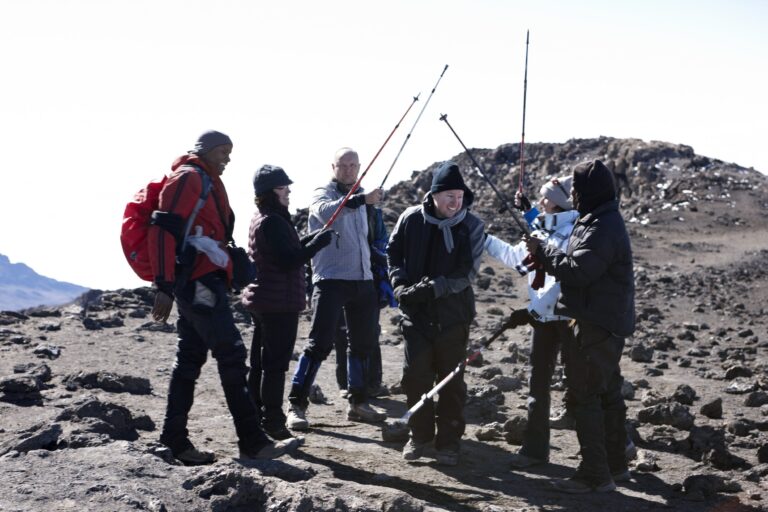
What Nobody Tells You About Climbing Kilimanjaro 2026-2027
What Nobody Tells You about Climbing Kilimanjaro is explained with current 2026-2027 planning, price, itinerary and booking information.
View package details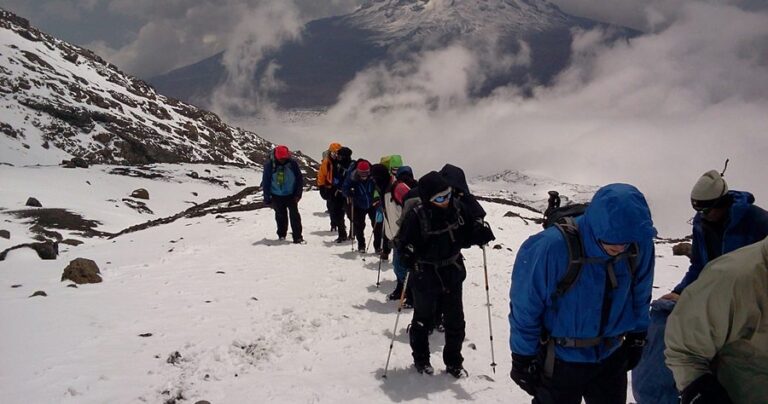
30 Things To Know Before Booking Kilimanjaro: Your Expert Guide For Climbs
Your ultimate checklist for booking a Kilimanjaro climb in 2026-2027. This guide covers everything from choosing the right route and understanding costs to essential gear and preparation...
View package details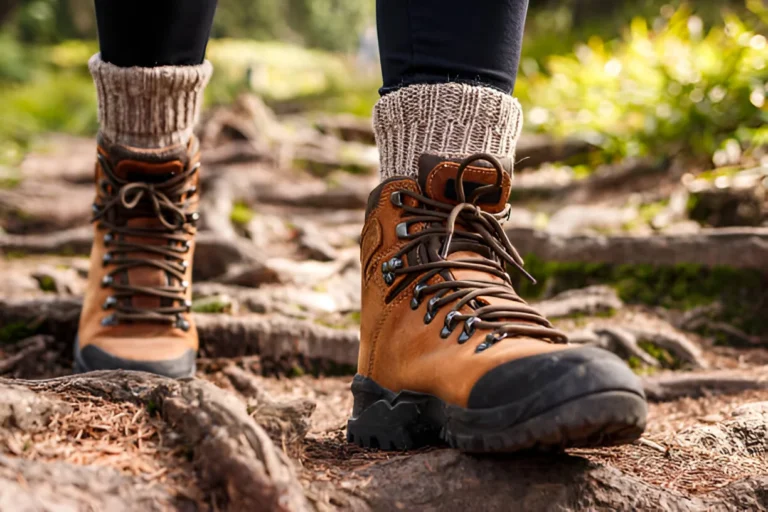
Moshi Hotel Vs Mountain Lodge Before Kilimanjaro 2026-2027
Moshi Hotel vs Mountain Lodge before Kilimanjaro is explained with current 2026-2027 planning, price, itinerary and booking information.
View package details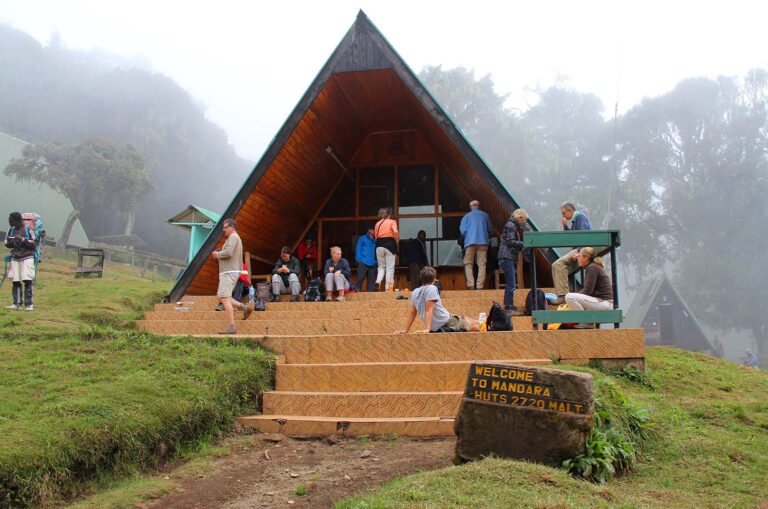
Stella Point Vs. Uhuru Peak: Understanding The Difference On Kilimanjaro
Climbing Mount Kilimanjaro involves reaching the crater rim, often at Stella Point, before a final push to Uhuru Peak, the true summit. This guide clarifies the distinctions, crucial for...
View package details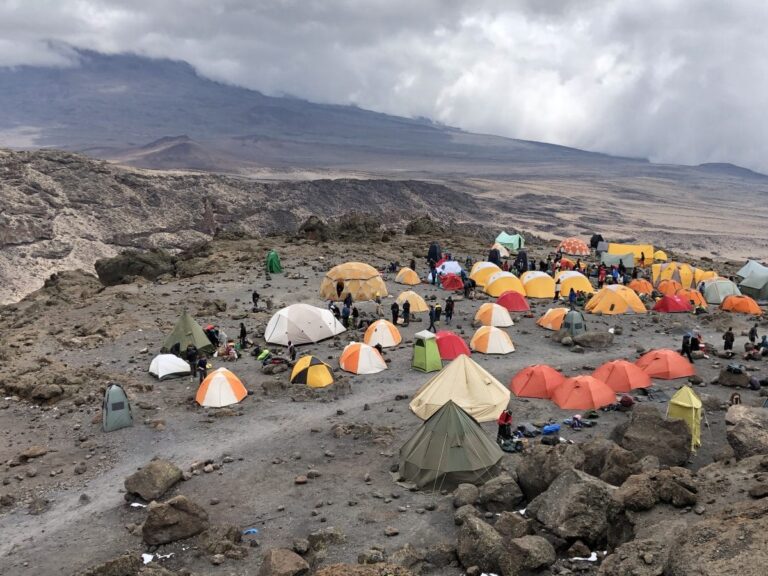
Can You See Elephants On Kilimanjaro? What Wildlife To Expect 2026-2027
While the iconic image of Mount Kilimanjaro is one of snow-capped peaks and challenging ascents, many prospective climbers also wonder about the wildlife they might encounter. Specifically...
View package details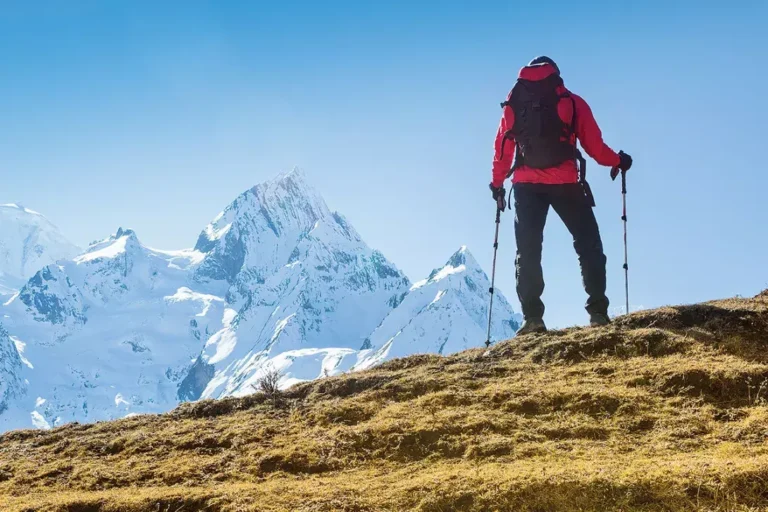
How Crowded Is Uhuru Peak At Sunrise? What To Expect On Kilimanjaro 2026-2027
Climbing Kilimanjaro to witness the sunrise from Uhuru Peak is a dream for many. But how crowded is it, especially during peak season? This guide details what to expect, offering practical...
View package details
What Is The Kilimanjaro Summit Sign Like? Your Complete Guide 2026-2027
The Kilimanjaro summit sign is a recognizable metal signpost at Uhuru Peak, marking the highest point on the continent. Reaching it signifies the culmination of a challenging trek, offering...
View package detailsNo related package matches those filters. Clear one or more filters to see the other topic-matched options.



