
Your Kilimanjaro briefing is a critical opportunity to clarify all aspects of your upcoming trek, from the daily itinerary and team roles to emergency protocols and acclimatization strategies. Asking the right Kilimanjaro questions during your briefing ensures you are fully prepared, confident, and aware of what to expect on the mountain, making your 2026 or 2027 climb safer and more enjoyable.

Understanding the Importance of Your Kilimanjaro Briefing
A pre-trek briefing for your Kilimanjaro climb is more than just a formality; it’s your last chance to gain clarity on crucial details before you begin your ascent. This session, typically held a day or two before your departure to the mountain, is conducted by your expedition leader or a representative from your tour operator. At Top Guide Adventures, we view this briefing as a cornerstone of a successful and safe climb. It’s where we bridge the gap between your planning and the reality of the trek, ensuring every climber feels informed, prepared, and empowered.
For those planning a climb in 2026 or 2027, understanding what to ask during this briefing can significantly impact your experience. It’s about more than just knowing the route; it’s about understanding the nuances of high-altitude trekking, the support system you’ll have, and how to best manage your physical and mental well-being on the mountain. This comprehensive guide will walk you through the essential Kilimanjaro questions to ask your briefing team, ensuring you make the most of this vital pre-climb consultation.
Key Areas to Cover: Essential Kilimanjaro Questions to Ask
The questions you ask should cover several key domains: the trek itself, your support team, health and safety, logistics, and post-climb arrangements. Below, we break down these areas with specific, actionable questions designed to elicit the most useful information.
Questions About the Trek Itinerary and Daily Schedule
Understanding the day-to-day progression of your climb is fundamental. This section focuses on the route, daily distances, timings, and what to expect on the ground.
- What is the exact daily itinerary for the route we are taking? This should include estimated hiking times, distances, and elevation gains/losses for each day. Knowing this helps you mentally prepare and manage your energy.
- What are the typical start and end times for our hiking days? Understanding the rhythm of the day – when you’ll wake up, eat, start walking, and reach camp – is vital for planning your personal routine and rest.
- Where will we be camping each night, and what are the approximate altitudes of the campsites? This information is crucial for understanding acclimatization and the potential challenges of each stage.
- How challenging is each day’s trek expected to be? Ask about the terrain (e.g., steep ascents, rocky paths, scree slopes) and the average pace.
- What is the planned acclimatization strategy for our route? This is perhaps the most critical aspect of high-altitude trekking. Understand the ‘climb high, sleep low’ principle and how it’s implemented on your chosen route.
- What are the contingency plans if we encounter unexpected weather or trail conditions? Knowing that there are backup plans provides peace of mind.
- Are there any specific points of interest or significant landmarks we will pass each day? This can add an element of discovery and make the journey more engaging.
- How does the itinerary account for rest stops and meal breaks? Understanding when and where you’ll eat and rest helps manage your hunger and energy levels.
Questions About Your Expedition Team
Your guides and porters are your lifeline on Kilimanjaro. Understanding their roles, experience, and how you will interact with them is paramount.
- What is the ratio of guides to climbers? A higher ratio generally means more personalized attention and safety.
- What are the qualifications and experience levels of our guides? Look for guides with extensive high-altitude experience and relevant certifications.
- What are the roles and responsibilities of the porters? Understand how they support the expedition, from carrying equipment to setting up camp.
- How are the porters treated and compensated? Ethical treatment of porters is a significant concern. Inquire about fair wages, adequate gear, and food provisions. Top Guide Adventures is committed to ethical porter treatment.
- Will we have a dedicated cook, and what is their experience? A good cook significantly enhances the trekking experience.
- How will communication work within the team, both among staff and with us? Understanding how the team communicates ensures efficient problem-solving.
- What is the protocol if a team member needs to descend early? This is a vital safety question. Ensure you understand how support will be provided.
- Will our lead guide be present with us throughout the climb, or will there be shifts? Consistency in leadership can be reassuring.
Questions About Health, Safety, and Emergency Procedures
High-altitude trekking carries inherent risks. This is where you should focus on safety protocols and what to do in case of medical emergencies.
- What is the company’s policy on altitude sickness (AMS)? Understand how symptoms are monitored, treated, and what the decision-making process is for descent.
- What medical equipment and supplies will the team carry? This includes first-aid kits, oxygen cylinders, and portable altitude chambers (Gamow bags).
- What training do the guides have in first aid and high-altitude medicine? Ensure they are certified and experienced in managing altitude-related illnesses.
- What is the procedure for medical emergencies? Understand evacuation plans, communication methods with medical support on the ground, and the nearest medical facilities.
- How will our health be monitored daily? This usually involves checking vital signs like oxygen saturation and pulse rate.
- What are the signs and symptoms of AMS, and what should I do if I experience them? Educate yourself beforehand and know your body.
- What is the policy regarding medication? Should I bring my own prescription medications? Always carry enough for your trip and inform your guide about any personal medications.
- What are the emergency contact details for the company and for local emergency services? Have these readily available.
- How will you communicate with our emergency contacts back home if necessary?
- What is the protocol for reporting any safety concerns or incidents during the trek?
Questions About Gear and Equipment
Proper gear is essential for comfort and safety on Kilimanjaro. This section helps clarify what you need and what is provided.
- What specific gear is provided by the tour company? (e.g., tents, sleeping mats, cooking equipment).
- What is the recommended packing list for climbers? Ensure you have a detailed list covering clothing, footwear, sleeping bags, backpacks, and personal items.
- What are the specifications for essential items like sleeping bags and boots? (e.g., temperature rating for sleeping bags, waterproofing for boots).
- Can we rent any equipment from you? If so, what is available and at what cost? This is useful for items you might not want to purchase outright.
- What are the weight limits for personal gear carried by porters? This helps you pack efficiently.
- How should I pack my duffel bag and daypack? Understand what goes where and what should be easily accessible.
- Are trekking poles recommended, and are they available for rent or purchase?
- What type of water purification or treatment will be used? Should I bring my own water bottles/hydration system?
Questions About Food, Water, and Accommodation
Nutrition and hydration are critical for maintaining energy and preventing altitude sickness. Your camp experience also plays a role in your overall comfort.
- What type of meals will be provided? Can you provide a sample menu? Understand the variety and nutritional content.
- How will dietary restrictions or allergies be accommodated? Ensure you communicate any needs well in advance.
- What is the hydration strategy? How much water should we aim to drink daily?
- How is water purified or treated?
- What are the meal and snack arrangements during hiking days versus at the campsite?
- What kind of tents will we be sleeping in? Are they single or shared?
- What facilities, if any, are available at the campsites (e.g., toilets)? Understand the ‘Leave No Trace’ principles for waste disposal.
- What are the sleeping arrangements within the tents?
Questions About Logistics and Practicalities
These questions cover the practical aspects of your journey, from arrival to departure.
- What are the arrangements for airport transfers and accommodation before and after the climb?
- What is the tipping policy for guides, porters, and cooks? This is a significant part of the local economy. Your operator should provide clear guidelines.
- What currency is best to bring for tips and personal expenses? Where can we exchange money?
- What is the expected communication availability on the mountain (e.g., mobile signal, Wi-Fi)? Be prepared for limited connectivity.
- What is the visa and vaccination requirement for Tanzania? Ensure you have these sorted well in advance for your 2026 or 2027 trip.
- What is the typical weather pattern for the time of year we are climbing? While weather can be unpredictable, understanding general patterns is helpful.
- What are the customs and cultural norms we should be aware of, particularly when interacting with local communities?
- What is the process for obtaining a climbing permit and park entry fees? Are these included in our package?
Questions About Post-Climb Procedures
Your journey doesn’t end at Uhuru Peak. Understanding what happens next is important.
- What is the procedure upon descending back to the base? (e.g., celebration, debriefing, return to hotel).
- When will we receive our climbing certificates?
- What are the arrangements for post-climb accommodation and onward travel?
- How is luggage handled during the trek and upon return?
Focusing on 2026-2027 Specifics
When planning for future climbs, especially for 2026 and 2027, it’s wise to ask questions that touch upon current trends, potential changes, and future planning. While the core safety and logistical questions remain constant, these forward-looking inquiries can provide additional insight.
- Have there been any significant changes to park regulations or climbing routes for 2026-2027? Park authorities occasionally update rules or trail access.
- Are there any new safety or environmental initiatives being implemented by Top Guide Adventures for upcoming seasons? This shows the company’s commitment to evolving best practices.
- What is the booking outlook for popular dates in 2026-2027? Are there any dates that are filling up quickly? This helps in making timely decisions.
- Have there been any adjustments to pricing or inclusions for the 2026-2027 climbing seasons? Understanding any potential changes is important for budget planning.
- What is the company’s strategy for sustainability and responsible tourism in the Kilimanjaro region for the coming years?
Making the Most of Your Briefing Session
To ensure you get the most out of your briefing, come prepared. This means:
- Do your research beforehand: Familiarize yourself with Kilimanjaro, the routes, and common altitude sickness symptoms.
- Write down your questions: Use the list above as a starting point and add any personal concerns.
- Listen actively: Pay close attention to the information provided, as it’s vital for your safety and enjoyment.
- Take notes: It’s easy to forget details, so jotting down key points will be invaluable.
- Ask follow-up questions: If something is unclear, don’t hesitate to ask for clarification.
- Engage with the team: Use this opportunity to build rapport with your guides and expedition leaders.
The briefing is a two-way conversation. While you are asking questions, the expedition leader will also be assessing your readiness and providing essential information. It’s also a chance for them to gauge your understanding and address any potential issues early on.
Top Guide Adventures’ Commitment to Your Briefing
At Top Guide Adventures, we understand that a successful Kilimanjaro climb begins long before you set foot on the mountain. Our pre-climb briefings are designed to be thorough, informative, and reassuring. We aim to equip you with all the necessary knowledge and confidence for your 2026 or 2027 adventure. Our experienced guides are trained not only in mountain leadership but also in clear communication, ensuring that all your Kilimanjaro questions are answered satisfactorily.
We pride ourselves on our commitment to safety, ethical practices, and providing an exceptional client experience. During your briefing, we will cover:
- Detailed route overview: Including daily stages, acclimatization points, and potential challenges.
- Team structure and roles: Introducing you to your lead guide and explaining the vital support provided by our porters and cooks.
- Health and Safety protocols: Emphasizing our stringent procedures for monitoring altitude sickness and handling emergencies, including the equipment we carry.
- Gear essentials: Providing a comprehensive packing list and details on rental options.
- Nutritional information: Explaining our meal planning and hydration strategies.
- Logistical details: Covering transfers, accommodation, tipping guidelines, and currency advice.
We encourage you to bring all your Kilimanjaro questions to this session. Whether it’s about the specific terrain of the Lemosho route, the best way to prepare your lungs for the ascent, or the cultural etiquette on the mountain, our team is ready to provide clear, honest answers. We want your climb with Top Guide Adventures to be a memorable and safe experience, and a well-executed briefing is a crucial step in achieving that goal.
Preparing for Kilimanjaro: Beyond the Briefing
While the briefing is essential, your preparation should extend beyond this single session. Physical training, mental preparation, and proper gear selection are ongoing processes. However, the briefing serves as the final checkpoint, ensuring all your queries are addressed and you feel completely ready. For those planning their 2026 or 2027 climb, starting your training and gear acquisition early will make the entire process smoother.
Consider the following:
- Physical Fitness: Focus on cardiovascular endurance and strength training. Hiking with a weighted backpack is highly recommended.
- Acclimatization Practice: While you can’t fully simulate Kilimanjaro’s altitude, understanding the principles and discussing them during the briefing will help.
- Gear Testing: Break in your hiking boots well before your trek. Test your layering system in various conditions.
- Mental Fortitude: Understand that Kilimanjaro is a mental as well as a physical challenge. Positive self-talk and visualizing success are powerful tools.
Your briefing is the perfect time to ask how your chosen operator, like Top Guide Adventures, supports these aspects. For instance, you might ask about recommended training programs or how the team encourages climbers during tough moments on the trail.
Final Thoughts on Your Kilimanjaro Briefing Questions
Your Kilimanjaro climb is a significant undertaking, and thorough preparation is key to a successful and enjoyable experience. The questions you ask during your pre-trek briefing are fundamental to this preparation. By covering itinerary details, team roles, safety protocols, gear, and logistics, you ensure you are well-informed and confident. For those targeting 2026 or 2027 climbs, proactive questioning during your briefing will set you up for success.
At Top Guide Adventures, we are committed to providing comprehensive support, from your initial inquiry to your triumphant return from Uhuru Peak. We encourage open communication and believe that a well-informed climber is a safer and happier climber. Don’t hesitate to ask all your Kilimanjaro questions. We are here to help you plan and execute an unforgettable adventure.
Ready to start planning your 2026-2027 Kilimanjaro climb with expert guidance? Contact Top Guide Adventures today to discuss your expedition and ensure you have all the information you need. Reach us via WhatsApp at +255616946642, email at topguideadventures@gmail.com, or our backup email info@topguideadventures.com. Let us help you prepare for an incredible journey to the Roof of Africa!
Check Availability for Kilimanjaro Questions To Ask During Your Briefing For Climbs 2026-2027
Ready to compare dates, prices, and the best option for your group? Send the package name and travel month so the team can reply with a clear quote, availability, and what is included.
Questions Your Kilimanjaro Operator Should Answer For A Successful Climb
Choosing the right Kilimanjaro operator is crucial for a safe and memorable climb. This comprehensive guide details the essential questions you must ask your potential tour operator...
View package details
What Happens During A Kilimanjaro Medical Evacuation? 2026-2027
What Happens during a Kilimanjaro Medical Evacuation? is explained with current 2026-2027 planning, price, itinerary and booking information.
View package details
Kilimanjaro Climb With Materuni Recovery Day 2026-2027
Kilimanjaro Climb with Materuni Recovery Day is explained with current 2026-2027 planning, price, itinerary and booking information.
View package details
Kilimanjaro Climb With Lake Chala Relaxation Day: Your Ultimate Post-Trek
Experience the ultimate Kilimanjaro adventure followed by serene relaxation at Lake Chala. This guide details how to combine these incredible Tanzanian experiences, covering itineraries...
View package details
Kilimanjaro Climb & West Safari: The Ultimate Tanzania Adventure 2026-2027
Experience the pinnacle of Tanzania with a combined Kilimanjaro climb and West Kilimanjaro safari. This guide details itineraries, preparation, and what to expect for your 2026-2027...
View package details
Kilimanjaro Climb With Mkomazi Rhino Safari 2026-2027
Kilimanjaro Climb with Mkomazi Rhino Safari is explained with current 2026-2027 planning, price, itinerary and booking information.
View package details
Kilimanjaro Climb With Amboseli Safari Extension: Your Ultimate Tanzania
Experience the pinnacle of African adventure by combining a challenging Kilimanjaro climb with a impressive safari in Amboseli National Park. This guide details itineraries, costs, best...
View package details
21-Day Kilimanjaro And Complete Tanzania Holiday: Your Ultimate Adventure
This comprehensive 21-day itinerary offers the ultimate Tanzanian adventure, merging the challenge of climbing Mount Kilimanjaro with the wildlife wonders of its famed national parks and...
View package details
18-Day Kilimanjaro And Northern Tanzania Grand Adventure: Trek, Safari &
An 18-day itinerary blending Kilimanjaro's summit with Northern Tanzania's wildlife and culture offers a comprehensive African experience. This adventure typically includes a multi-day trek...
View package details
17-Day Kilimanjaro, Serengeti, Ngorongoro & Zanzibar Tour: Your Ultimate
This 17-day tour combines the iconic Mount Kilimanjaro climb with unparalleled wildlife safaris in the Serengeti and Ngorongoro Crater, culminating in a relaxing beach escape in Zanzibar...
View package details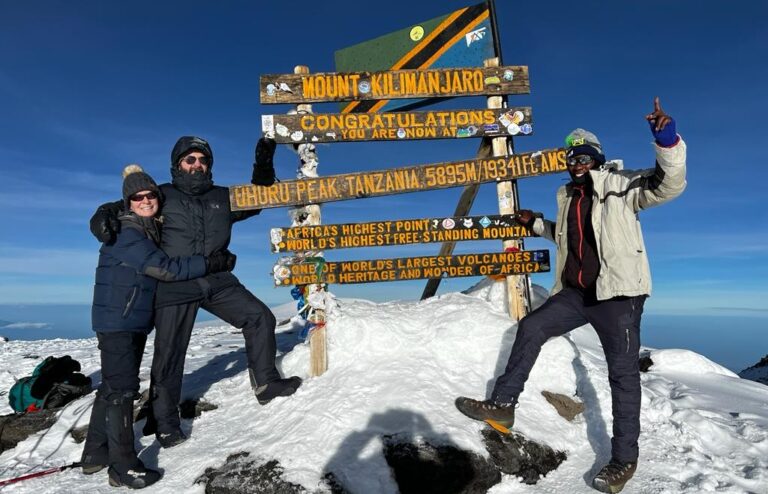
15-Day Kilimanjaro, Great Migration & Zanzibar Beach Package | Top Guide
Combine the thrill of summiting Mount Kilimanjaro, witnessing the iconic Great Migration in the Serengeti, and unwinding on the pristine beaches of Zanzibar in one unforgettable 15-day...
View package details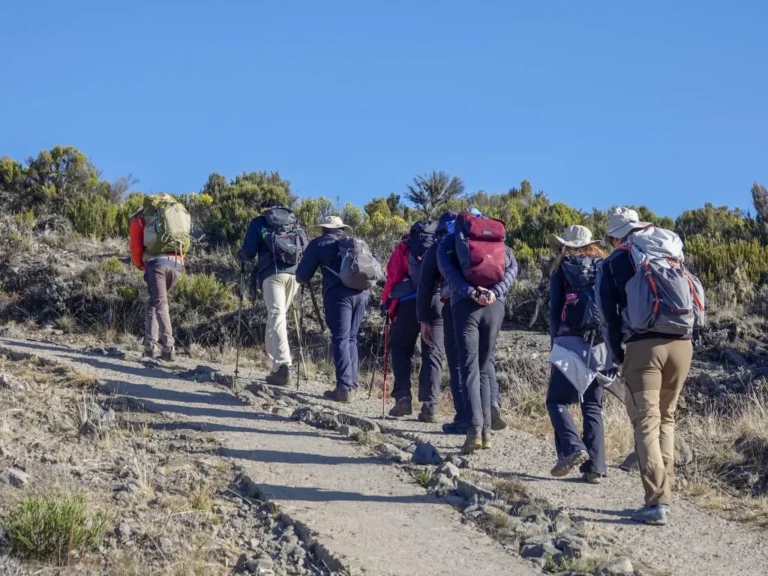
13-Day Kilimanjaro Climb, Cultural Tour & Zanzibar Holiday: Your Ultimate
This 13-day itinerary offers an unparalleled Tanzanian experience, blending the thrill of conquering Mount Kilimanjaro with deep cultural exploration and the serene beauty of Zanzibar...
View package detailsNo related package matches those filters. Clear one or more filters to see the other topic-matched options.



