
If it rains throughout your Kilimanjaro climb, you can expect significantly colder temperatures, increased humidity, potentially slippery and muddy trails, and reduced visibility due to mist and clouds. While rain is less common at the higher altitudes, lower sections of the mountain are prone to precipitation, especially during the rainy seasons. Your experience will depend on the intensity and duration of the rain, but thorough preparation with waterproof gear and a flexible mindset is key to comfort and safety.
Understanding Kilimanjaro’s Rainfall Patterns for Your 2026-2027 Climb
The dream of summiting Mount Kilimanjaro is often pictured under clear, starry skies, with the sun rising over the African plains. However, Africa’s highest peak is a weather-maker, and understanding the potential for rain is crucial for any climber planning their expedition, especially when looking at dates for 2026 or 2027. While Kilimanjaro experiences distinct wet and dry seasons, it’s not uncommon for rain to occur at any time of year, particularly on the lower slopes.
Kilimanjaro’s climate is influenced by its immense size and altitude, creating distinct ecological zones. As you ascend, you pass through rainforest, moorland, alpine desert, and arctic summit zones, each with its own microclimate. Rain is most prevalent in the lower rainforest belt. Higher up, precipitation often falls as sleet or snow, especially near the summit.
Kilimanjaro’s Rainy Seasons: When to Expect Wet Conditions
There are two main rainy seasons on Kilimanjaro:
- The Long Rains (March to May): This is the wettest period. Expect heavy rainfall, often persistent, especially in the lower rainforest zone. Visibility can be poor, and trails can become very muddy and challenging. Many tour operators advise against climbing during these months due to the difficult conditions.
- The Short Rains (November to early December): These rains are typically less intense and shorter in duration than the long rains. They often manifest as afternoon showers rather than all-day downpours. While still a consideration, they are generally less disruptive to climbs than the March-May period.
Despite these defined seasons, shoulder months can still bring unpredictable weather. For instance, a climb planned for late February 2026 or early 2027 might still encounter rain, especially on the lower sections. Conversely, a climb in July 2027, typically considered dry, could still see a passing shower.
The Dry Seasons: Still No Guarantee of Dryness
The generally accepted dry seasons are:
- January to February: Often considered the best climbing months, with clear skies and good visibility.
- June to October: This period offers stable weather, cooler temperatures, and lower humidity. It’s another popular time for ascents.
However, even during these dry periods, brief showers can occur, particularly in the afternoons or at lower elevations. These are usually short-lived and don’t typically impact the overall success or enjoyment of the climb significantly. The key takeaway for planning your 2026-2027 Kilimanjaro adventure is to always be prepared for rain, regardless of the season.
How Rain Affects Your Kilimanjaro Climb Experience
Rain doesn’t just mean getting wet; it fundamentally changes the trekking experience on Kilimanjaro. The impact is felt across several critical aspects of your journey.
Trail Conditions: Slippery Slopes and Muddy Paths
The most immediate and noticeable effect of rain is on the trails. Kilimanjaro’s paths, especially those winding through the dense rainforest belt (the initial stages of most routes like Marangu, Machame, and Lemosho), are made of earth. When this earth becomes saturated:
- Slipperiness: Roots, rocks, and smooth patches of mud become treacherous. Even with sturdy hiking boots, maintaining stable footing requires constant attention and slower progress.
- Mud: Deep mud can form, making progress slow and energy-sapping. Gaiters become essential to prevent mud from getting into your boots and socks.
- Erosion: Heavy rains can exacerbate trail erosion, creating deeper gullies and more challenging ascents and descents.
This means that a route that might take 6 hours in dry conditions could take 7-8 hours or even longer if it’s consistently raining. This increased time on the trail can lead to greater fatigue, especially on longer trekking days.
Temperature and Cold: The Chilling Factor
Rain significantly lowers the perceived temperature. Even if the air temperature is a mild 15°C (59°F) in the rainforest, being wet will make you feel much colder. As you ascend, temperatures naturally drop, and rain adds another layer of chill:
- Hypothermia Risk: While not as extreme as in polar regions, hypothermia is a real risk on Kilimanjaro, especially if you get wet and cannot dry off. Symptoms include shivering, confusion, and loss of coordination. Proper layering and waterproof outer shells are vital.
- Campsite Conditions: Rain makes campsites damp and cold. Setting up tents, cooking, and moving around camp become less pleasant. Your gear, especially sleeping bags, can absorb moisture, reducing their insulating capacity.
A common misconception is that Kilimanjaro is always cold. While it is cold at the summit, the lower rainforest can be surprisingly warm and humid. Rain changes this dynamic, making even these lower elevations feel cool and damp.
Visibility: Mist, Clouds, and Reduced Scenery
Kilimanjaro’s summit is often above the cloud layer. However, during rainy periods, the clouds can descend much lower, obscuring views:
- Daytime Views: Rainforest and moorland vistas can be completely hidden by thick mist. What should be panoramic views of the African landscape might be a grey, foggy experience.
- Summit Night: This is perhaps the most critical impact. On summit night, visibility is paramount for navigation and appreciating the sunrise. Heavy cloud cover and mist can mean you see very little of the path ahead, and the spectacular sunrise from Stella Point or Gilman’s Point might be missed entirely.
While the core challenge of the climb remains the same, the visual rewards can be significantly diminished if persistent rain and clouds dominate your expedition.
Morale and Energy Levels
Trekking in the rain, especially for multiple days, can be mentally taxing. Constant dampness, the effort required to stay warm, and the reduced scenery can affect a climber’s morale. Fatigue sets in faster when you’re constantly fighting the elements. This is where the support of experienced guides and porters, and the camaraderie of your group, become even more important. A positive attitude and good humor can make a world of difference.
What to Pack: Essential Waterproof Gear for Rainy Climbs
Preparing for rain is not just about bringing a jacket; it’s about a comprehensive system of protection. For your 2026-2027 Kilimanjaro climb, investing in quality waterproof and water-resistant gear is non-negotiable. Your Top Guide Adventures team will provide detailed packing lists, but here are the essentials specifically for managing rain:
Outer Layers: Your First Line of Defense
- Waterproof Jacket (Hardshell): This is your most critical piece of rain gear. Look for a jacket with a waterproof and breathable membrane (like Gore-Tex or similar). It should have a good hood that can be adjusted to fit snugly around your face, taped seams, and waterproof zippers. Pit zips are useful for ventilation during strenuous activity.
- Waterproof Trousers: Full-length, waterproof, and breathable trousers are essential. Side zippers can make them easier to put on and take off over boots. They should be durable enough to withstand abrasion from rocks and vegetation.
Mid Layers: Insulation When Wet
While not directly waterproof, your mid-layers need to insulate even when damp. Synthetic materials are generally better than down in wet conditions, as they retain more warmth when wet and dry faster.
- Fleece Jackets/Trousers: Multiple layers of fleece provide excellent warmth.
- Synthetic Insulated Jacket: A synthetic puffy jacket is a good option for warmth in camp or during breaks.
Base Layers: Wicking Moisture Away
Your base layers should wick sweat away from your skin to prevent chilling. Avoid cotton at all costs, as it holds moisture and takes a long time to dry.
- Merino Wool or Synthetic Baselayers: Long-sleeved tops and leggings are recommended.
Footwear and Leg Protection
Keeping your feet dry is paramount for preventing blisters and maintaining comfort.
- Waterproof Hiking Boots: Well-broken-in, waterproof hiking boots with good ankle support are a must. Ensure they are truly waterproof, not just water-resistant.
- Gaiters: These are crucial for keeping mud, water, and scree out of your boots. They cover the top of your boots and the lower part of your trousers.
- Socks: Pack plenty of wool or synthetic hiking socks. Change into dry socks immediately upon reaching camp.
Head and Hand Protection
- Waterproof Hat: A brimmed hat can help keep rain off your face and neck.
- Gloves: Waterproof outer gloves and warm, insulated liner gloves are recommended. Consider having a spare pair.
Backpack Protection
- Rain Cover for Backpack: A dedicated rain cover for your main backpack is essential.
- Dry Bags: Use dry bags or heavy-duty plastic bags inside your backpack to keep essential items like your sleeping bag, spare clothes, and electronics completely dry.
Crucially, ensure all your gear is packed in dry bags or plastic bags *inside* your main duffel bag. Even with a rain cover, heavy or prolonged rain can saturate everything.
Route Considerations: How Rain Impacts Different Kilimanjaro Paths
While all Kilimanjaro routes will be affected by rain, some routes or sections are more susceptible to challenging conditions than others. Understanding these differences can help inform your choice for a 2026-2027 climb.
The Rainforest Belt: The Muddiest Section
Most routes begin by traversing the dense rainforest. This is where rain has the most dramatic impact on trail conditions:
- Marangu Route: Known as the “Coca-Cola” route, it has some paved sections and steps, which can become very slippery when wet. It also involves more walking on established paths that can turn into muddy streams.
- Machame Route: This popular route is known for its steep ascents and descents, especially in the latter half. When wet, the steep, often muddy sections can be particularly challenging and slow.
- Lemosho Route: Similar to Machame, Lemosho traverses varied terrain including rainforest. The initial days can be very muddy.
- Shira Route: Also starts in the rainforest and can be very wet and muddy in its early stages.
Higher Altitudes: Sleet and Snow
As you climb higher, the temperature drops, and rain can turn into sleet or snow, particularly above the treeline (Moorland and Alpine Desert zones).
- Alpine Desert Zone: This zone, common on routes like the Rongai and Northern Circuit, can experience freezing temperatures and potentially snow or ice, especially in the early morning or at night. Rain here will be colder and more unpleasant.
- Summit Zone (Arctic): The final push to the summit is through scree and volcanic rock. If it’s raining or snowing heavily at this altitude (above 4,500m / 14,700ft), conditions can become extremely harsh. The scree becomes unstable and slippery, and the wind chill can be severe.
Specific Route Notes on Rain Preparedness:
- Rongai Route: Generally considered to be on the drier side of the mountain as it approaches from the north. However, it still traverses the rainforest on its descent, which can be muddy.
- Northern Circuit: This longer route offers more acclimatization and generally follows higher contours for longer periods. While it avoids some of the initial rainforest mud compared to other routes, higher sections can still be exposed to rain, sleet, and snow.
- Umbwe Route: This is the steepest and most direct route. Its steepness, combined with potential rain, makes it one of the most challenging routes, and its lower sections are notoriously muddy.
Ultimately, no route is completely immune to rain. Even on the ‘drier’ Rongai, the descent can be wet. The key is to choose a route that suits your fitness and acclimatization goals and then prepare thoroughly for all weather conditions, especially if you are climbing during a shoulder season or the defined rainy periods in 2026 or 2027.
Safety First: Managing Risks in Rainy Kilimanjaro Conditions
Safety is always the top priority on Kilimanjaro. Rain introduces specific risks that your guides will manage, but which you also need to be aware of.
Hypothermia and Cold Exposure
As mentioned, getting wet significantly increases the risk of hypothermia. Your guides are trained to monitor you for signs of cold exposure. However, it’s your responsibility to:
- Stay Dry: Put on your waterproofs *before* you get wet. Reapply them promptly if you take them off.
- Layer Appropriately: Adjust your layers to avoid overheating and excessive sweating, which can lead to dampness.
- Communicate: If you start shivering uncontrollably or feel disoriented, tell your guide immediately. Don’t wait until it’s severe.
- Keep Moving: Staying active generates body heat. Long stops in the rain can lead to rapid cooling.
Slippery Trails and Falls
The risk of slips and falls increases dramatically on wet, muddy, or icy terrain. This is particularly dangerous on steep ascents or descents.
- Slow Down: Resist the urge to rush. Take deliberate, careful steps.
- Use Trekking Poles: Trekking poles are invaluable for balance, especially on slippery ground. They also reduce strain on your knees.
- Watch Your Footing: Pay close attention to where you place your feet.
- Guide’s Instructions: Follow your guide’s advice on the safest way to navigate tricky sections. They may use ropes or guide you step-by-step.
Altitude Sickness (AMS) and Rain
While rain itself doesn’t cause Altitude Sickness, the combined effects of cold, wet conditions, and potentially slower progress can exacerbate symptoms or make it harder to recognize them.
- Monitor Symptoms: Be vigilant about any signs of AMS, such as headache, nausea, dizziness, or fatigue.
- Hydration: Even in the cold and wet, staying hydrated is crucial.
- Pace Yourself: A slower pace due to rain can actually aid acclimatization, but listen to your body.
Reduced Visibility on Summit Night
If summit night is plagued by heavy rain, fog, or snow, the visibility can drop to near zero. This makes navigation extremely difficult and can be disorienting.
- Trust Your Guides: Rely entirely on your guides’ expertise. They are equipped with GPS and know the mountain intimately, but extreme conditions test even the best.
- Headlamp Discipline: Ensure your headlamp has fresh batteries and is bright enough to cut through fog.
- Group Cohesion: Stay close to your group. Getting separated in zero visibility is a serious danger.
In summary, rain necessitates a heightened awareness of safety protocols. Your guides are trained professionals who will prioritize your well-being, but your active participation in following safety advice is essential for a successful and safe climb in 2026 or 2027.
Making the Best of a Rainy Kilimanjaro Climb
While rain presents challenges, it doesn’t have to ruin your Kilimanjaro experience. With the right attitude and preparation, you can still have an incredible adventure.
Embrace the Challenge
A Kilimanjaro climb is inherently challenging. Adding rain simply adds another layer to overcome. View it as part of the adventure, a story to tell. Many climbers find that overcoming difficult conditions brings a greater sense of accomplishment.
Focus on the Journey, Not Just the Summit
While reaching the summit is a major goal, Kilimanjaro is also about the journey through its diverse ecosystems and the personal growth it fosters. Even if summit success is impacted by weather (which is rare but possible), the experience of trekking through the mountain’s landscapes, the camaraderie, and the physical achievement are still significant.
Utilize Your Downtime Wisely
Rainy afternoons in camp can be a good time to:
- Rest and Recover: Read a book, listen to music, or simply relax.
- Organize Gear: Ensure everything is dry and packed efficiently for the next day.
- Connect with Your Group: Share stories and play cards.
- Journal: Document your experiences, even the wet ones!
Appreciate the Rainforest’s Beauty
The rainforest ecosystem is vibrant and unique. Rain often enhances its lushness. The sounds of rain on leaves, the mist hanging in the trees, and the unique flora and fauna can be beautiful in their own right.
Positive Mindset is Key
Your attitude is your most powerful tool. A positive outlook can help you and your group push through difficult moments. Your guides will work hard to keep spirits high, but your own resilience matters.
Remember, thousands of people successfully climb Kilimanjaro every year, and many do so with at least some rainy days. With Top Guide Adventures, you’ll have experienced guides dedicated to making your climb as safe and enjoyable as possible, whatever the weather throws at you in 2026 or 2027.
What Happens to Your Gear if It Rains?
Your gear is your lifeline on Kilimanjaro, and rain poses a significant threat to its functionality, especially insulation. Understanding how rain affects your gear and how to protect it is vital.
The Impact on Insulation
Down vs. Synthetic Insulation:
- Down: Down is incredibly warm for its weight and highly compressible. However, it loses almost all its insulating properties when wet. While some modern down products have water-repellent treatments, prolonged or heavy rain will saturate them. Once wet, down can take a very long time to dry and can become heavy and clumpy.
- Synthetic: Synthetic insulation (like PrimaLoft or Thinsulate) performs much better in wet conditions. It retains a significant portion of its insulating ability even when damp and dries much faster than down. This makes synthetic-fill jackets and sleeping bags often preferable for Kilimanjaro, especially if climbing during a wetter period.
Protecting Your Sleeping Bag
Your sleeping bag is your primary source of warmth at night. Getting it wet is a serious concern.
- Dry Bags are Essential: This cannot be stressed enough. Use a high-quality, waterproof compression sack or dry bag for your sleeping bag. This is often the most critical item to keep dry.
- Tent Placement: Your guide will choose the best tent locations, but ensure your tent is pitched securely and that the flysheet is properly tensioned to prevent water ingress.
- Inside the Tent: Keep your sleeping bag inside its dry bag even when inside the tent, especially if there’s any condensation or potential for leaks.
Your Clothing: The Layering System in Action
The effectiveness of your clothing layers is severely compromised if they get wet and stay wet.
- Base Layers: Must wick moisture away. If they become saturated with sweat and then get cold from rain, they can lead to rapid chilling.
- Mid Layers: Fleece and synthetic insulation are better than down here. They should still be kept as dry as possible.
- Outer Layers: Your waterproof jacket and trousers are your shield. If the waterproof coating fails or seams leak, the layers beneath will get wet.
Footwear: The Battle Against Dampness
Wet feet are miserable and can lead to blisters, frostbite (at higher altitudes), and a generally unpleasant experience.
- Waterproof Boots: Regularly check the waterproofness of your boots. Re-waterproofing might be necessary before your 2026-2027 climb.
- Gaiters: Crucial for preventing water from running down your legs into your boots.
- Socks: Carry multiple pairs of wool or synthetic socks. Change them frequently, especially upon arrival at camp. Your guides will often provide a designated area in the mess tent for drying boots and socks.
Electronics and Valuables
Cameras, phones, power banks, and headlamps are susceptible to water damage.
- Waterproof Pouches/Bags: Use dedicated waterproof pouches or dry bags for all electronics.
- Protect Your Headlamp: Even headlamps can be affected by moisture. Keep them in a dry bag when not in use. Ensure spare batteries are also protected.
Your Top Guide Adventures team will assist with managing gear in wet conditions, but the primary responsibility for protecting your personal equipment lies with you. Careful packing and diligent use of protective gear are essential.
Can Kilimanjaro Climbs Be Cancelled Due to Rain?
Directly answering this: It is extremely rare for a Kilimanjaro climb to be cancelled solely due to rain. Kilimanjaro National Park operates year-round, and the park authorities and tour operators are equipped to handle various weather conditions.
However, cancellations or significant itinerary changes can occur under more extreme circumstances:
- Extreme Weather Events: While rain is common, prolonged, exceptionally heavy rainfall leading to severe flooding or landslides on the mountain could theoretically pose a safety risk. Such events are very unusual.
- Snowstorms at High Altitude: Heavy snowstorms, particularly near the summit, can make the climb impossible or too dangerous. This is more likely during colder months or unexpected weather patterns.
- Political Instability or Health Crises: National park closures or travel advisories due to external factors (like pandemics or political unrest) are the most likely reasons for a climb to be postponed or cancelled.
- Individual Health Reasons: A climber experiencing severe altitude sickness or another medical emergency may need to descend, effectively ending their attempt for that climb.
For your planned climbs in 2026 or 2027 with Top Guide Adventures, we monitor weather forecasts closely. Our primary concern is always climber safety. If conditions become genuinely dangerous, your guides will make the ultimate decision to alter the itinerary or, in extremely rare cases, abort the climb. This decision is always made in consultation with park rangers and based on objective safety assessments, not just on the inconvenience of rain.
Preparing Your Mindset for Kilimanjaro’s Weather
Perhaps the most crucial preparation for potential rain on Kilimanjaro isn’t about gear, but about mindset. Climbers who are mentally prepared for challenging conditions tend to cope better and enjoy their experience more.
Acceptance Over Resistance
You cannot control the weather. Fighting against it, complaining constantly, or becoming demoralized by rain will only make the experience harder. Acceptance is key. Acknowledge that rain is a possibility, and perhaps even a probability depending on your climbing dates.
Focus on What You *Can* Control
You can’t control the rain, but you can control:
- Your Gear: Ensuring it’s waterproof and functional.
- Your Layers: Adjusting them to stay comfortable.
- Your Pace: Slowing down on slippery sections.
- Your Attitude: Maintaining a positive outlook.
- Your Communication: Telling your guides how you feel.
Setting Realistic Expectations
It’s wise to have a mental picture of what a rainy climb might look like. Don’t expect constant sunshine. If you do get sunshine, consider it a bonus! This approach prevents disappointment.
The “Type 2 Fun” Factor
Many seasoned trekkers talk about “Type 2 Fun” – experiences that are not fun while you are doing them, but become great stories and fond memories in retrospect. A rainy Kilimanjaro climb often falls into this category. The struggle, the cold, the mud – these elements often make the eventual success feel even more profound.
Your guides at Top Guide Adventures are experts in managing both the physical and psychological aspects of a Kilimanjaro climb. They are trained to uplift spirits and encourage resilience. By preparing your own mindset for the possibility of rain, you significantly enhance your ability to enjoy and succeed on your 2026-2027 expedition.
Post-Climb Considerations: Gear Care After Rain
After successfully completing your climb, especially if you encountered significant rain, proper gear care is essential to ensure its longevity and performance for future adventures.
- Thorough Drying: As soon as possible, unpack all your gear and allow it to air dry completely. This includes clothes, boots, backpack, tent, and sleeping bag. Hang items outdoors in the sun if possible, or in a well-ventilated indoor space. Ensure zippers and pockets are open.
- Cleaning: Wash any muddy or dirty clothing and gear according to manufacturer instructions. Use specialized cleaners for waterproof fabrics and down/synthetic insulation if necessary.
- Waterproof Treatment: Check the DWR (Durable Water Repellent) finish on your waterproof jacket and trousers. If water is no longer beading up and rolling off, it’s time to reapply a DWR treatment.
- Boot Care: Clean mud from your hiking boots. Condition leather boots to prevent drying and cracking. Ensure they are thoroughly dried inside and out before storing.
- Sleeping Bag Maintenance: Air out your sleeping bag thoroughly. If it’s particularly dirty or has lost loft, consider a specialized wash. Store it loosely in a large cotton sack, not compressed in its stuff sack, to maintain its loft.
Proper care ensures your investment in high-quality gear pays off for many years to come, whether for future treks on Kilimanjaro or other adventures in 2027 and beyond.
Planning Your 2026-2027 Kilimanjaro Climb with Top Guide Adventures
When planning your Kilimanjaro climb for 2026 or 2027, understanding the weather is just one piece of the puzzle. At Top Guide Adventures, we are committed to providing you with comprehensive support, from choosing the right route to ensuring you are fully prepared for all conditions.
We offer a range of routes designed to suit different preferences, fitness levels, and acclimatization needs. Our experienced guides are local experts who know Kilimanjaro intimately and prioritize your safety and success. We understand the nuances of the mountain’s weather and will equip you with the best advice and support.
Whether you are aiming for a dry season climb or are prepared to embrace the challenges of a rainy period, we will help you:
- Select the best route for your goals.
- Provide detailed packing lists, emphasizing rain gear.
- Offer guidance on acclimatization strategies.
- Ensure you have experienced guides and a well-supported team.
Don’t let the possibility of rain deter you from your Kilimanjaro dream. With meticulous preparation and the right partner, you can have an unforgettable experience. If you have questions about climbing during specific months in 2026 or 2027, or need advice on gear, please reach out to us.
Contact Top Guide Adventures today to start planning your Kilimanjaro adventure:
WhatsApp: +255616946642
Email: topguideadventures@gmail.com
Backup Email: info@topguideadventures.com
We look forward to helping you conquer Kilimanjaro!
“,
“faq_schema”: [
{
“question”: “What are the main rainy seasons on Kilimanjaro?”,
“answer”: “Kilimanjaro has two main rainy seasons: the long rains from March to May, which are typically heavy and persistent, and the short rains from November to early December, which are usually less intense afternoon showers. Even during the dry seasons (January-February and June-October), brief showers can occur, especially at lower altitudes.”
},
{
“question”: “How does rain affect the Kilimanjaro climb?”,
“answer”: “Rain makes trails slippery and muddy, lowers temperatures significantly increasing the risk of cold, reduces visibility due to mist and clouds, and can impact climber morale and energy levels. Progress can be slower and more energy-draining.”
},
{
“question”: “What is the most important gear for a rainy Kilimanjaro climb?”,
“answer”: “The most critical gear includes a high-quality waterproof and breathable jacket and trousers, waterproof hiking boots, gaiters, and plenty of wool or synthetic socks. Protecting your backpack and sleeping bag with dry bags is also essential.”
},
{
“question”: “Can Kilimanjaro climbs be cancelled due to rain?”,
“answer”: “It is extremely rare for a Kilimanjaro climb to be cancelled solely due to rain. Cancellations are more likely due to extreme weather events like severe snowstorms at the summit, landslides, or external factors like political instability or health crises. Safety is always the priority, and guides will make decisions based on objective risks.”
},
{
“question”: “Which Kilimanjaro routes are most affected by rain?”,
“answer”: “All routes are affected, but the initial rainforest sections on routes like Marangu, Machame, and Lemosho become particularly muddy and slippery. Higher altitudes can experience sleet and snow. The Rongai route is considered drier on its northern approach but still encounters rain on descent.”
},
{
“question”: “How can I maintain a positive attitude if it rains throughout my climb?”,
“answer”: “Focus on accepting the conditions rather than resisting them. Concentrate on what you can control (gear, pace, attitude), set realistic expectations, and embrace the ‘Type 2 Fun’ aspect of overcoming challenges. Your guides will also play a key role in maintaining morale.”
},
{
“question”: “What are the risks of hypothermia on Kilimanjaro?”,
“answer”: “Hypothermia is a risk, especially when wet. It occurs when your body loses heat faster than it can produce it. Symptoms include shivering, confusion, and fatigue. Staying dry, layering appropriately, moving consistently, and communicating any symptoms to your guide are crucial preventive measures.”
},
{
“question”: “Should I climb Kilimanjaro in the rainy season (March-May)?”,
“answer”: “While possible, climbing during the long rainy season (March-May) is generally not recommended due to challenging trail conditions, low visibility, and increased risk of cold. The short rainy season (November-December) is more manageable, but preparation for rain is still essential.”
}
]
}
“`
Check Availability for What Happens If It Rains Throughout Your Kilimanjaro Climb? 2026-2027
Ready to compare dates, prices, and the best option for your group? Send the package name and travel month so the team can reply with a clear quote, availability, and what is included.
What Happens If You Miss Your Kilimanjaro Departure? Guide
If you miss your scheduled Kilimanjaro departure, your trek may be cancelled, and you could forfeit your deposit and payments. Rebooking is often possible but incurs additional costs and...
View package details
What Happens If Your Hiking Boots Break On Kilimanjaro? 2026-2027
What Happens If Your Hiking Boots Break on Kilimanjaro? is explained with current 2026-2027 planning, price, itinerary and booking information.
View package details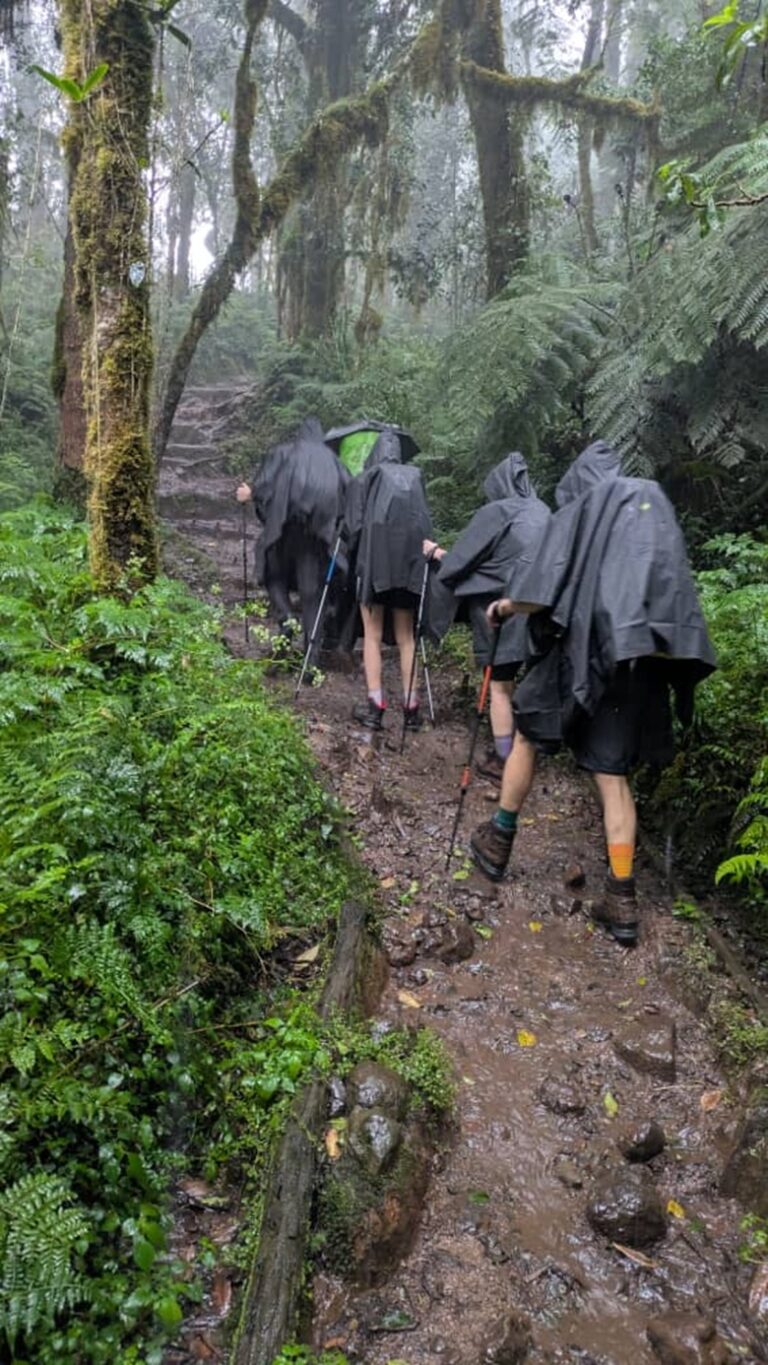
What Happens If You Get Food Poisoning Before Kilimanjaro? 2026-2027
Falling ill with food poisoning just before your Kilimanjaro climb is a serious concern. This guide details what happens, how to prevent it, and crucial steps if you become sick, ensuring...
View package details
What Happens If You Cannot Sleep On Kilimanjaro? Expert Advice For Trekkers
Difficulty sleeping on Kilimanjaro is common due to altitude and exertion. This guide explains the physiological reasons, potential impacts, and practical strategies to manage sleep issues...
View package details
What A Kilimanjaro Mountain Crew Should Provide For Your Climb 2026-2027
Planning a Kilimanjaro climb? Understand precisely what your mountain crew needs to provide, from essential gear and experienced guides to food, safety, and logistical support. This...
View package details
Kilimanjaro Climb With A Personal Support Assistant: Your Ultimate Guide
Climbing Mount Kilimanjaro with a personal support assistant offers unparalleled safety, comfort, and focus on your summit goals. This guide details what a personal assistant entails, its...
View package detailsKilimanjaro Hydration Mistakes Climbers Make And How To Avoid Them 2026-2027
Proper hydration is critical for a successful Kilimanjaro climb. This guide details common hydration mistakes climbers make, from under-drinking to choosing the wrong fluids, and provides...
View package details
Kilimanjaro Summit-Night Mistakes To Avoid: Your Essential Guide For Climbs
Summit night on Kilimanjaro is the most challenging part of the climb. Avoiding common mistakes in acclimatization, gear, hydration, and pacing is crucial for success. This guide details...
View package details
Kilimanjaro Airport Vs Arusha For Climbers: The Definitive Guide 2026-2027
A comprehensive comparison of Kilimanjaro International Airport (JRO) and Arusha Airport (ARK) for trekkers planning a Mount Kilimanjaro climb, detailing pros, cons, and booking advice for...
View package details
Kilimanjaro Climb For Retired Couples: Planning Your Adventure 2026-2027
Planning a Kilimanjaro climb as a retired couple is an achievable and rewarding goal. This guide offers in-depth advice on route selection, physical preparation, essential gear, and the...
View package detailsCan A 16-Year-Old Climb Kilimanjaro? Your Essential Guide 2026-2027
Discover if a 16-year-old can summit Kilimanjaro. This comprehensive guide covers age requirements, health, fitness, essential gear, and planning for younger trekkers aiming for Africa's...
View package detailsContent For Parents And Young Climbers: Conquering Kilimanjaro Safely
Planning a Kilimanjaro climb with children or as a young climber requires special attention. This guide provides comprehensive content for parents and young adventurers, covering...
View package detailsNo related package matches those filters. Clear one or more filters to see the other topic-matched options.



