
A private Rongai Route Kilimanjaro expedition offers a unique and highly personalized climbing experience for trekkers seeking solitude, excellent acclimatization, and a higher chance of summit success, especially for those who prefer to avoid crowds. This route, typically lasting 6 to 8 days, approaches Kilimanjaro from the drier northern side, providing stunning landscapes and a gradual ascent ideal for 2026-2027 adventurers looking for a more intimate journey to Africa’s highest peak.
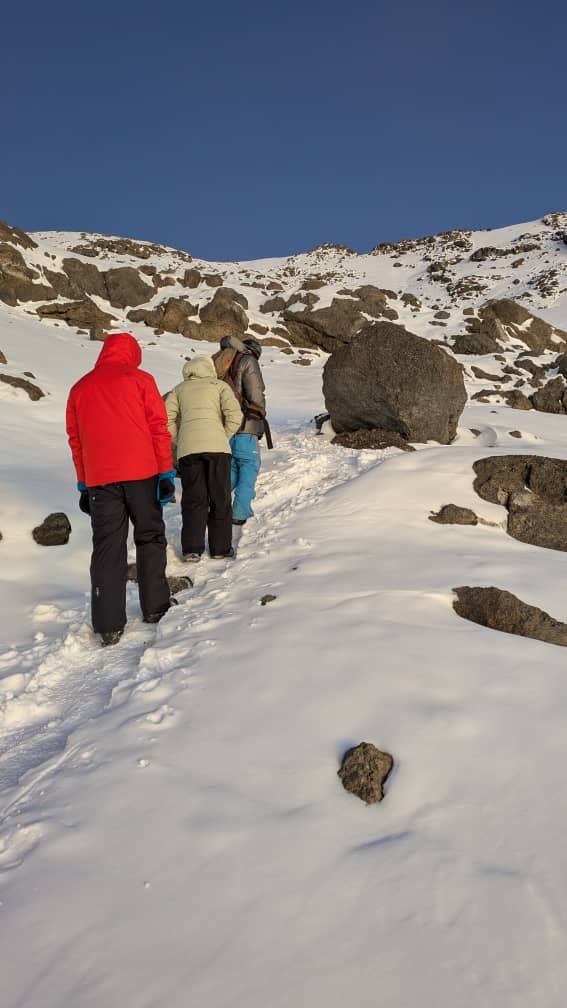

Why Choose a Private Rongai Route Expedition for Your 2026-2027 Kilimanjaro Climb?
When planning an ascent of Mount Kilimanjaro, the choice of route significantly impacts your experience, acclimatization, and overall success. For many travelers, especially those aiming for 2026 or 2027, the desire for a more personal, less crowded, and potentially more successful climb leads them to consider private expeditions. The Rongai Route stands out as a prime candidate for this type of adventure. Opting for a private Rongai Route Kilimanjaro expedition means you gain exclusive use of your guide team, porters, and chef, tailoring the pace and schedule entirely to your group’s needs and comfort. This approach minimizes the stress of keeping up with strangers, allows for more frequent breaks, and fosters a stronger connection with your support crew.
The Rongai Route is the only route that approaches Kilimanjaro from the north, near the Kenyan border. This geographical position offers a distinct advantage: it traverses the drier side of the mountain, making it accessible year-round, though the best trekking seasons are generally from January to March and June to October. For 2026-2027 planning, this means flexibility in choosing your departure dates. Unlike more popular southern routes like Machame or Lemosho, Rongai sees significantly less foot traffic, providing a more serene and natural encounter with Kilimanjaro’s diverse ecosystems. This solitude can be invaluable for mental preparation and for fully appreciating the grandeur of the mountain.
Furthermore, the Rongai Route is known for its gentle, steady ascent profile. It begins at a lower altitude and gradually gains elevation, which is crucial for effective acclimatization. Proper acclimatization is perhaps the single most important factor in reaching the summit safely and successfully. A private expedition on this route allows your team to set a pace that perfectly matches your group’s acclimatization needs, reducing the risk of altitude sickness. This controlled environment is a significant benefit of choosing a private trek over a group departure.
Understanding the Rongai Route: A Detailed Overview
The Rongai Route is often described as one of the easiest and most scenic routes on Kilimanjaro. Its popularity has grown steadily, but it still retains a sense of remoteness compared to the Marangu or Machame routes. Here’s a breakdown of what makes it special:
Starting Point and Approach
The journey begins at the village of Nareto, near the Kenyan border, which is a considerable drive from Moshi or Arusha. This remote starting point contributes to the route’s less crowded nature. The initial days involve trekking through semi-arid landscapes and coffee plantations before entering the montane forest zone. This unique approach offers a different perspective on Kilimanjaro’s environment.
Typical Itinerary Durations
While it’s possible to complete Rongai in 5 days, this is generally not recommended due to insufficient acclimatization time. The most common and advisable durations for a private Rongai Route Kilimanjaro expedition are 6 or 7 days. An 8-day itinerary is also available and offers even better acclimatization and a more relaxed pace, further increasing summit chances.
- 6-Day Rongai: A faster option, suitable for those with good prior trekking experience and acclimatization ability.
- 7-Day Rongai: The most popular and recommended duration, offering a balanced ascent and acclimatization.
- 8-Day Rongai: Provides maximum acclimatization, a more leisurely pace, and exploration of the upper mountain zones.
For your 2026-2027 planning, consider the 7 or 8-day options for the best balance of experience and success probability. A private expedition allows you the flexibility to discuss and potentially adjust these standard durations based on your group’s specific fitness and acclimatization needs.
Scenery and Landscapes
The Rongai Route offers a diverse range of scenery. You’ll traverse cultivated lands, then dense rainforests teeming with wildlife (monkeys are commonly spotted), followed by heath and moorland. As you ascend higher, the landscape transforms into alpine desert and finally the arctic zone near the summit. The views, especially on the northern and eastern sides, are often spectacular. A unique feature is the option to trek past the base of Kibo’s glaciers and the distinctive shape of the Mawenzi peak.
Acclimatization Profile
Rongai’s gradual ascent is its strongest point regarding acclimatization. Unlike routes that involve significant altitude gains on consecutive days, Rongai allows your body to adapt more effectively. The “climb high, sleep low” principle can be implemented more naturally on longer Rongai itineraries (7-8 days), which is vital for minimizing the risk of Acute Mountain Sickness (AMS).
Summit Success Rates
While success rates on Kilimanjaro depend on many factors including fitness, acclimatization, weather, and operator quality, the Rongai Route is generally associated with good success rates, particularly on the 7 and 8-day variations. The gradual ascent and the possibility of a more personalized pace on a private expedition further contribute to a higher likelihood of reaching Uhuru Peak.
Benefits of a Private Expedition vs. Group Tours
Choosing a private Rongai Route Kilimanjaro expedition offers distinct advantages over joining a standard group tour. While group tours can be more budget-friendly, a private trek provides unparalleled flexibility, personalization, and comfort. For discerning travelers planning their 2026-2027 adventure, these benefits often outweigh the cost difference.
1. Pace and Flexibility
On a private climb, the pace is dictated by your group, not by the slowest or fastest member of a larger, mixed group. If you need to rest, take more photos, or simply want to go slower, you can. If your group is strong and wants to push a bit harder on a particular day, that’s also an option. Your guides will monitor your well-being and adjust the pace accordingly, ensuring you feel comfortable and in control throughout the trek.
2. Solitude and Serenity
Kilimanjaro can get crowded, especially on popular routes during peak seasons. A private expedition means you are not sharing the trail, campsites, or mess tent with strangers. This creates a more intimate and peaceful experience, allowing you to connect more deeply with the mountain environment and your fellow trekkers. You’ll have more opportunities for quiet reflection and to truly soak in the majestic surroundings.
3. Personalized Service
Your private guide team is dedicated solely to your group. This means more individual attention, personalized meal preparation tailored to your preferences (within the capabilities of trekking cuisine), and a stronger rapport with your guides and crew. They can focus entirely on your safety, comfort, and enjoyment.
4. Customization Potential
While standard itineraries exist, private expeditions often allow for minor customizations. This could include specific meal requests, a slightly modified schedule if feasible, or focusing on particular aspects of the trek that interest your group. For instance, if your group is particularly interested in botany or wildlife, your private guides can spend more time pointing out specific flora and fauna.
5. Enhanced Safety and Support
While all reputable operators prioritize safety, a private expedition ensures your support crew is focused exclusively on your group’s needs. This can lead to quicker responses to any issues, more frequent check-ins on your health, and a generally more attentive safety protocol.
For those booking their private Rongai Route Kilimanjaro expedition for 2026-2027, this level of personalized service and flexibility is a significant factor in creating a memorable and successful climb.
Comparing Rongai to Other Popular Kilimanjaro Routes
To truly appreciate the Rongai Route, it’s helpful to compare it with other well-known Kilimanjaro treks. Each route offers a distinct experience, and understanding these differences will help you make the best choice for your 2026-2027 adventure.
Rongai vs. Machame Route
The Machame Route, often called the “Whiskey Route,” is the most popular route on Kilimanjaro. It’s known for its scenic beauty and good acclimatization profile, especially on longer itineraries (6-7 days). However, its popularity means it can be very crowded. The Machame Route approaches from the south, offering classic rainforest and moorland scenery. Rongai, on the other hand, approaches from the north, is less crowded, and offers a different set of views, particularly of the drier northern plains and Mount Kenya.
- Crowds: Machame is significantly more crowded than Rongai.
- Scenery: Both are beautiful, but Rongai offers a unique northern perspective, while Machame is known for its dramatic landscapes and “climb high, sleep low” opportunities on its western approach.
- Acclimatization: Both offer good acclimatization on 6+ day itineraries. Rongai’s gradual initial ascent can be beneficial.
- Starting Point: Machame starts in the south; Rongai starts in the north.
Rongai vs. Lemosho Route
The Lemosho Route is considered by many to be the most scenic route, offering a remote wilderness experience for its first few days before joining the more popular Machame route. It also approaches from the west and offers excellent acclimatization on 7 or 8-day climbs. However, Lemosho is typically more expensive due to its longer approach and remote starting point.
- Scenery: Lemosho is often rated highest for its initial remote beauty and diverse landscapes. Rongai offers its own unique northern vistas.
- Crowds: Lemosho is less crowded than Machame but more so than Rongai, especially after it merges with Machame.
- Cost: Lemosho is generally more expensive than Rongai.
- Duration: Both are best done over 7-8 days for optimal acclimatization.
Rongai vs. Marangu Route
The Marangu Route, or “Coca-Cola Route,” is the oldest and perhaps the most straightforward route. It’s the only route that offers hut accommodation instead of camping, making it popular for those seeking more comfort. It’s also the shortest (5-day option), but this short duration leads to lower summit success rates due to poor acclimatization.
- Accommodation: Marangu has huts; Rongai is camping.
- Duration & Acclimatization: Marangu’s 5-day option is too short for good acclimatization. Rongai, even at 6 days, offers better acclimatization, and 7-8 days are strongly recommended.
- Crowds: Both can be busy, though Marangu is often more so due to its accessibility and hut system.
- Scenery: Marangu’s ascent is less varied compared to Rongai’s diverse approach.
Rongai vs. Northern Circuit / Private Rongai Route Kilimanjaro Expedition
The Northern Circuit is the longest route (9-10 days) and offers the highest acclimatization and success rates. It circles the entire mountain, providing unique views from the north. A private Rongai Route Kilimanjaro expedition, typically 7-8 days, offers a focused ascent from the north, emphasizing solitude and a steady climb. While the Northern Circuit offers more comprehensive views of the entire mountain, Rongai provides a more direct and less time-consuming approach from the north, ideal for those who want a private experience without committing to the longest possible trek.
For 2026-2027 bookings, if your priority is solitude, a good acclimatization profile, and a less crowded experience, the Rongai Route is an excellent choice, especially when booked as a private expedition.
Preparing for Your Private Rongai Expedition: Key Considerations
A successful Kilimanjaro climb, whether on the Rongai Route or any other, requires thorough preparation. For a private Rongai Route Kilimanjaro expedition, this preparation is tailored to your group but still covers essential aspects.
1. Physical Fitness
Kilimanjaro is a demanding trek, not a technical climb, but it requires excellent cardiovascular fitness. Focus on hiking with a weighted backpack, endurance training, and strength exercises for your legs and core. The better your physical condition, the more you’ll enjoy the journey and the better your body will cope with the altitude.
2. Altitude Acclimatization
This is paramount. Choose a 7 or 8-day Rongai itinerary. Listen to your body during the trek, stay hydrated, and avoid overexertion. Your private guides will monitor you closely for any signs of altitude sickness.
3. Gear and Packing
Proper gear is essential for comfort and safety. Layering is key. You’ll need:
- Base Layers: Moisture-wicking thermals.
- Mid Layers: Fleece or down jackets for insulation.
- Outer Layer: Waterproof and windproof jacket and pants.
- Footwear: Broken-in, waterproof hiking boots.
- Headwear: Warm hat, sun hat, balaclava.
- Handwear: Warm gloves and liners.
- Accessories: Sunglasses, headlamp, trekking poles, water bottles/hydration system, sunscreen, lip balm.
Your tour operator will provide a detailed packing list. For a private expedition in 2026-2027, discuss any specific gear needs with your operator.
4. Mental Preparation
Kilimanjaro is as much a mental challenge as a physical one. Understand the risks, prepare for discomfort, and cultivate a positive attitude. The solitude of a private trek can be very conducive to mental focus.
5. Health and Vaccinations
Consult your doctor or a travel clinic about recommended vaccinations and malaria prophylaxis. Ensure you have any personal medications you might need.
6. Choosing the Right Operator
This is perhaps the most critical step. For a private Rongai Route Kilimanjaro expedition, select a reputable operator with a proven track record in safety, quality guides, good equipment, and ethical treatment of porters. Top Guide Adventures is committed to providing exceptional private climbing experiences.
The Role of Guides and Crew on Your Private Expedition
The success and enjoyment of your Kilimanjaro climb hinge significantly on the quality of your guide and support crew. On a private expedition, this team is dedicated solely to you, making their role even more crucial.
1. Lead Guide(s)
Your lead guide is your primary point of contact and decision-maker on the mountain. They are responsible for your safety, route-finding, pacing, and monitoring your health for altitude sickness. Experienced Kilimanjaro guides possess extensive knowledge of the mountain, weather patterns, and emergency procedures. On a private trek, they can tailor their approach to your group’s specific needs.
2. Assistant Guides
For larger private groups, assistant guides are essential to maintain a low client-to-guide ratio, ensuring personalized attention and safety for everyone.
3. Chef and Kitchen Crew
A skilled chef is vital for morale and energy. They prepare nutritious and delicious meals using fresh ingredients, adapted to high-altitude conditions. On a private expedition, the chef can often cater to specific dietary requirements and preferences with advance notice.
4. Porters
Porters carry the bulk of the equipment – tents, food, cooking gear, and personal duffels. They are the backbone of any Kilimanjaro expedition. Reputable operators ensure porters are treated ethically, paid fairly, and equipped properly. A private expedition might mean a slightly larger support crew relative to the number of climbers, ensuring efficient camp setup and logistics.
When booking your private Rongai Route Kilimanjaro expedition for 2026-2027 with Top Guide Adventures, you are assured of a highly professional, experienced, and dedicated team committed to your success and well-being.
Cost Considerations for a Private Rongai Expedition (2026-2027)
The cost of a private Rongai Route Kilimanjaro expedition is generally higher than a spot on a shared group tour. This premium reflects the dedicated resources and personalized service. Prices can vary significantly based on the operator, the duration of the trek, and the level of service provided.
Factors Influencing Price:
- Operator Reputation and Quality: Established operators with strong safety records, experienced guides, and ethical porter treatment often charge more.
- Duration: Longer treks (7-8 days) are more expensive than shorter ones (6 days) due to more days of service, food, and park fees.
- Inclusions: What is included in the price? Look for inclusions like park fees, rescue fees, accommodation before/after the climb, quality equipment, meals, water, and experienced guides. Exclusions might include tips, personal gear, and travel insurance.
- Group Size: While private, the cost is often divided among the members of your private group. A solo climber will pay more than a group of four, for example.
- Level of Service: Some operators offer basic camping, while others provide more comfortable tents, better food options, and added amenities.
Typical Price Range (Estimate for 2026-2027):
For a reputable operator offering a private Rongai Route Kilimanjaro expedition (7-day trek), you can expect prices to range roughly from $2,200 to $3,500+ USD per person. Shorter (6-day) or longer (8-day) treks will adjust this figure. Solo climbers might face a surcharge. It’s crucial to get a detailed quote from your chosen operator.
Top Guide Adventures offers competitive pricing for private Rongai expeditions, ensuring excellent value for the quality of service and safety provided. We recommend contacting us directly for a personalized quote for your 2026-2027 adventure.
What’s Typically Included in a Private Rongai Expedition?
- Park Entrance Fees, Camping Fees, Rescue Fees
- All accommodations in huts/hotels before and after the climb (usually 2 nights)
- Experienced, licensed mountain guides and assistant guides
- Cook and kitchen staff
- Porters to carry group equipment and personal duffels (usually up to 15kg limit per climber)
- Nutritious meals and boiled drinking water during the trek
- Temporary shelters for dining and toilet facilities
- Portable oxygen for emergency use
- All camping equipment (tents, sleeping mats, tables, chairs)
- Transfer to and from Kilimanjaro International Airport (KIA) and Moshi/Arusha
Note: Always verify specific inclusions with your tour operator.
Booking Your Private Rongai Route Kilimanjaro Expedition for 2026-2027
Securing your spot for a private Rongai Route Kilimanjaro expedition for 2026 or 2027 requires careful planning and booking well in advance, especially if you have specific date preferences. Here’s how to proceed:
1. Choose Your Operator Wisely
Research operators thoroughly. Look for reviews, certifications, and clear information about their safety protocols and porter welfare policies. For a personalized and high-quality experience, consider operators like Top Guide Adventures. We specialize in creating memorable and safe Kilimanjaro climbs.
2. Select Your Dates and Duration
Decide on your preferred trekking duration (6, 7, or 8 days for Rongai) and your desired departure dates. For 2026-2027, popular seasons include January-March and June-October. Booking at least 6-12 months in advance is highly recommended, especially for private expeditions during peak seasons.
3. Request a Custom Quote
Contact your chosen operator to request a quote for a private Rongai Route expedition for your specific group size and dates. Be clear about any special requirements or preferences.
4. Understand the Contract and Payment Terms
Review the booking contract carefully. Understand the payment schedule, cancellation policy, and what is included and excluded. A deposit is typically required to confirm your booking.
5. Prepare for the Climb
Once booked, focus on your physical training, gear acquisition, and health preparations as outlined earlier.
Planning a private Rongai Route Kilimanjaro expedition is an exciting process. The team at Top Guide Adventures is ready to assist you every step of the way, ensuring your 2026-2027 journey to the Roof of Africa is unforgettable. You can reach us via WhatsApp at +255616946642, email us at topguideadventures@gmail.com, or our backup email info@topguideadventures.com.
Frequently Asked Questions about the Rongai Route
What is the best time of year for the Rongai Route?
The Rongai Route is accessible year-round due to its northern, drier side. However, the best trekking seasons are generally January to March and June to October, offering clearer skies and more stable weather conditions. Even during the rainy seasons (April-May and November-December), Rongai can be a viable option due to its drier location, though conditions can still be challenging.
Is the Rongai Route suitable for beginners?
The Rongai Route is considered one of the easier routes on Kilimanjaro, making it suitable for beginners, especially when choosing a 7 or 8-day itinerary. Its gradual ascent profile aids acclimatization. However, all Kilimanjaro routes require a good level of physical fitness and mental preparedness.
What is the difference between a private and a group Rongai expedition?
A private expedition means the guide team, porters, chef, and resources are exclusively for your group, allowing for a flexible pace, personalized service, and more solitude. A group expedition involves joining other trekkers, which can be more budget-friendly but offers less flexibility and more potential for crowds.
How much should I tip my guide and crew on a private Rongai expedition?
Tipping is customary and greatly appreciated. For a 7-day trek, a common guideline for a private expedition is around $250-$350 USD for the lead guide, $180-$250 USD for assistant guides, $150-$200 USD for the cook, and $10-$15 USD per porter. These amounts are for the entire trek and are usually pooled and distributed by the lead guide. It’s best to confirm current recommendations with your operator.
What are the accommodation options on the Rongai Route?
The Rongai Route, like most Kilimanjaro routes except Marangu, utilizes camping. You will sleep in tents set up at designated campsites along the mountain. Your tour operator provides the tents, sleeping mats, and all necessary camping equipment. Meals are prepared by your dedicated cook.
How does acclimatization work on the Rongai Route for a private climb?
The Rongai Route’s gradual ascent is beneficial for acclimatization. Choosing a 7 or 8-day itinerary allows for a slower pace and better opportunities to “climb high, sleep low.” Your private guides will closely monitor your health for any signs of altitude sickness and adjust the pace as needed, ensuring your body has the best chance to adapt.
A private Rongai Route Kilimanjaro expedition offers a compelling blend of solitude, excellent acclimatization, and a high probability of reaching Uhuru Peak. For trekkers planning their 2026-2027 adventure, this route, combined with the dedicated service of a private team, promises an unparalleled journey to the summit of Africa. Top Guide Adventures is dedicated to making your dream climb a reality, providing expert guidance, safety, and unforgettable experiences. Contact us today to start planning your personalized expedition!
Check Availability for Private Rongai Route Kilimanjaro Expedition: Your Ultimate Guide 2026-2027
Ready to compare dates, prices, and the best option for your group? Send the package name and travel month so the team can reply with a clear quote, availability, and what is included.
Private Kilimanjaro Interpreter And Guide Package: Your Ultimate Summit
Discover the benefits of a Private Kilimanjaro Interpreter and Guide Package for your trek. Ensure safety, cultural understanding, and a smoother journey to the Roof of Africa with expert...
View package details
Kilimanjaro Climb With A Private Sleeping Tent: Your Ultimate Comfort Guide
Planning a Kilimanjaro climb? Discover the benefits of opting for a private sleeping tent, ensuring personal space and comfort on the mountain. This guide covers everything you need to know...
View package details
Can You Change Clothes Privately On Kilimanjaro? Guide
Discover how to maintain privacy and comfort while changing clothes during your Kilimanjaro trek. Top Guide Adventures explains the practicalities of staying clean and dignified on the...
View package details
How Private Are Kilimanjaro Campsites? 2026-2027
How Private Are Kilimanjaro Campsites? is explained with current 2026-2027 planning, price, itinerary and booking information.
View package details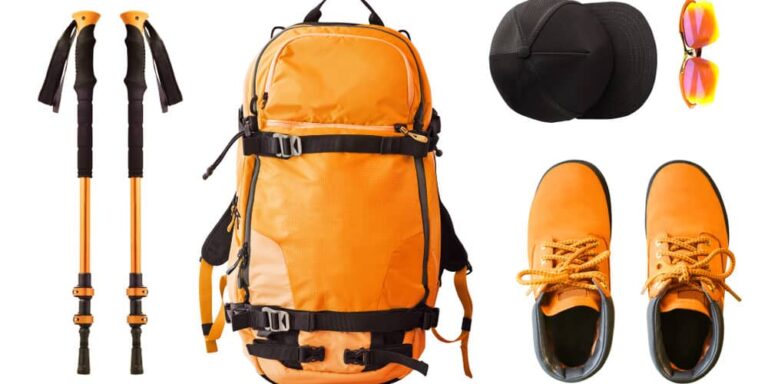
Single-Occupancy Tents On Kilimanjaro: Your Guide To Privacy And Comfort
Discover the advantages of opting for a single-occupancy tent during your Kilimanjaro climb. This guide details the benefits, costs, and booking process for solo tent arrangements, ensuring...
View package details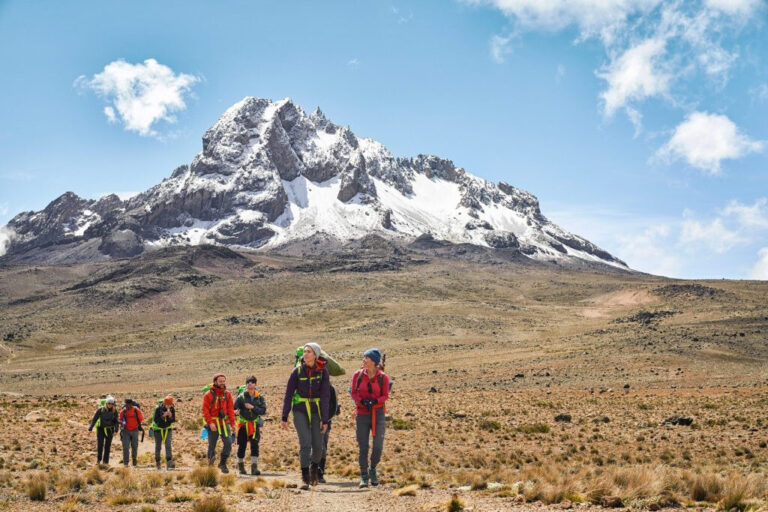
Adaptive Kilimanjaro Climbing Expeditions 2026-2027
Adaptive Kilimanjaro Climbing Expeditions is explained with current 2026-2027 planning, price, itinerary and booking information.
View package details
Kilimanjaro Route With The Gentlest Altitude Profile For Climbs 2026-2027
Choosing the right Kilimanjaro route is crucial for a successful and enjoyable climb, especially if you're concerned about altitude. The Marangu and Lemosho routes are often cited for their...
View package details
Kilimanjaro Christmas And New Year Expedition : Your Ultimate Guide 2026-2027
Climb Mount Kilimanjaro during the festive season! This comprehensive guide covers everything you need to know about a Kilimanjaro Christmas and New Year expedition for 2026-2027, from...
View package details
Kilimanjaro Valentine’s Couple Expedition: Your Ultimate Guide 2026-2027
start a unique Kilimanjaro Valentine’s Couple Expedition in 2026 or 2027. This guide covers everything couples need to know, from choosing the best route for romance and success to packing...
View package details
Kilimanjaro Veterans Group Expeditions For 2026-2027
Discover the unique opportunities for veterans to climb Mount Kilimanjaro together through specially organized group expeditions. Learn about the benefits, best routes, and planning...
View package details
Kilimanjaro Climb With A Sign-Language Interpreter 2026-2027
Kilimanjaro Climb with a Sign-Language Interpreter is explained with current 2026-2027 planning, price, itinerary and booking information.
View package details
Spanish Group Departures For Kilimanjaro: Dates, Costs & Planning 2026-2027
Discover upcoming Spanish group departures for Kilimanjaro climbs, offering a cost-effective and social way to conquer Africa's highest peak. This guide details 2026-2027 dates, route...
View package detailsNo related package matches those filters. Clear one or more filters to see the other topic-matched options.



