
A Mount Kilimanjaro photo tour from Moshi with no hiking required focuses on capturing the iconic mountain and its surrounding landscapes from accessible viewpoints, lodges, and cultural sites, rather than undertaking a strenuous multi-day trek to the summit. These tours are designed for photographers and enthusiasts who wish to photograph Kilimanjaro’s grandeur, its unique flora and fauna, and the local Tanzanian life without the physical demands of climbing, offering stunning photographic opportunities from areas like the lower slopes, nearby villages, and viewpoints accessible by vehicle, ideal for planning your 2026-2027 photographic expeditions.
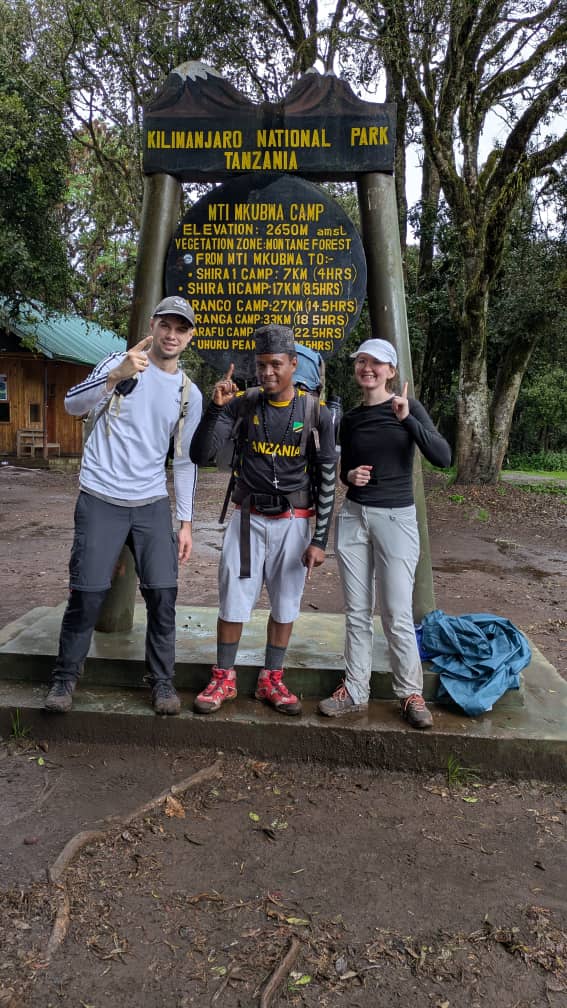

Understanding the Unique Appeal: Kilimanjaro Photography Without the Climb
The allure of Mount Kilimanjaro extends far beyond the physical challenge of summiting. For many, the sheer visual spectacle of Africa’s highest peak, its snow-capped crown, and the dramatic vistas it commands are the primary draw. A Mount Kilimanjaro photo tour from Moshi, specifically designed for those who prefer to avoid strenuous hiking, opens up this impressive scenery to a wider audience. This approach allows individuals to focus entirely on the art of photography, capturing the mountain’s presence from various perspectives without the physical toll of a multi-day trek.
This specialized tour type is perfect for photographers, nature lovers, and even those with limited mobility who dream of documenting Kilimanjaro’s majesty. Instead of setting up camp on the mountain, participants will stay in comfortable accommodations, often with direct views of the peak, and travel by vehicle to strategic photographic locations. The focus shifts from endurance to observation, composition, and capturing the essence of Kilimanjaro and its surroundings during the 2026-2027 travel season.
### What a “No Hiking Required” Photo Tour Entails
When we talk about a Mount Kilimanjaro photo tour from Moshi with no hiking required, we are defining a travel experience centered around photography, leveraging accessible locations. This means:
- Vehicle Access: Most locations will be reached via 4×4 vehicles, minimizing walking distances.
- Viewpoint Photography: Emphasis on capturing Kilimanjaro from established viewpoints, often accessible by road.
- Lodge/Camp Photography: Staying in lodges or tented camps that offer direct or close-up views of the mountain for sunrise, sunset, and night sky photography.
- Cultural Immersion: Visiting local villages and markets near Kilimanjaro for portraiture and documentary photography, which are typically low-exertion activities.
- Wildlife Observation (Lower Slopes): Potential for spotting wildlife in reserves or areas at the base of the mountain, accessible by vehicle.
- Focus on Light and Landscape: Dedicated time for photographers to work with the changing light on Kilimanjaro’s slopes and surrounding plains.
This is not about reaching the glaciers or the summit crater; it’s about creating a portfolio of images that showcase Kilimanjaro’s imposing presence, its diverse ecosystems at lower altitudes, and the vibrant life that thrives in its shadow. Planning for 2026-2027, this offers a unique way to experience a world-renowned natural wonder.
Why Choose Moshi as Your Base for Kilimanjaro Photography
Moshi, a vibrant town located on the slopes of Mount Kilimanjaro, is the natural gateway for any visitor wishing to experience the mountain. For a photo tour that doesn’t involve climbing, Moshi offers a strategic and comfortable base, providing excellent logistical support and photographic opportunities right from its doorstep.
Its location is paramount. Moshi sits at an altitude that offers clear, often dramatic views of Kibo and Mawenzi, Kilimanjaro’s two main volcanic cones. This proximity means that even from within the town or its immediate surroundings, photographers can capture stunning images, especially during the golden hours of sunrise and sunset.
### Advantages of Moshi for Non-Climbing Photographers:
- Proximity to Viewpoints: Moshi is close to numerous accessible spots offering panoramic views of Kilimanjaro. Roads lead to areas like Marangu, Kilema, and various local communities where the mountain dominates the skyline.
- Logistical Hub: As a major town, Moshi has the infrastructure to support tours. This includes reliable accommodations, transportation services (essential for a photo tour), and local guides who know the best spots and times for photography.
- Cultural Photography Opportunities: The town and its environs are home to Chagga communities. This provides rich opportunities for street photography, market scenes, and portraits, adding a human element to your Kilimanjaro-focused portfolio.
- Accommodation Options: From comfortable guesthouses to lodges with mountain views, Moshi offers a range of lodging suitable for photographers who need a comfortable base to rest, review their shots, and plan the next day’s activities. Many lodges are specifically chosen for their photographic potential.
- Accessibility: Moshi is easily reachable via Kilimanjaro International Airport (JRO), making it a convenient starting point for international travelers.
For those planning their 2026-2027 travel, choosing Moshi as the operational center for a Mount Kilimanjaro photo tour from Moshi ensures a well-supported, visually rewarding, and logistically smooth experience, allowing you to concentrate on capturing incredible images.
Key Photographic Locations Accessible Without Hiking
A successful Mount Kilimanjaro photo tour from Moshi, requiring no hiking, hinges on identifying and accessing prime photographic locations. These spots are chosen for their accessibility, the quality of light, and the dramatic perspectives they offer of the mountain and its environment. The goal is to maximize photographic output with minimal physical exertion.
### Accessible Viewpoints and Areas:
- Moshi Town and Surrounding Hills: Even within Moshi, certain vantage points offer unobstructed views. Higher ground on the outskirts, like areas around the town’s water towers or specific hills, provide excellent perspectives for sunrise and sunset shots of Kilimanjaro.
- Marangu Village Area: Located on the eastern side of Kilimanjaro, Marangu is famous for its lush coffee plantations and the gateway to the Marangu route. Roads here allow access to viewpoints overlooking the mountain, often framed by coffee plants and banana trees. The Marangu Hotel area itself offers iconic views.
- Kilema Village: Situated on the southeastern slopes, Kilema offers spectacular vistas of Kilimanjaro. It’s also home to a beautiful Catholic mission with a church that can serve as a foreground element in landscape shots. The drive to Kilema itself passes through scenic agricultural land.
- Local Villages and Markets: Engaging with local communities provides opportunities for documentary and portrait photography. Villages like those in the Rombo district or closer to Moshi offer authentic scenes of daily life with Kilimanjaro as a backdrop. Markets, especially on specific days, are vibrant hubs of activity.
- Shira Plateau Viewpoints (Limited Vehicle Access): While reaching the full Shira Plateau requires trekking, certain access points via rougher tracks might allow 4×4 vehicles to reach viewpoints offering expansive, albeit distant, panoramas of Kilimanjaro’s western side. This is highly dependent on road conditions and vehicle capability.
- Amboni Caves (Near Tanga, Day Trip Potential): While not directly on Kilimanjaro, a day trip towards the coast could include the Amboni Caves. This offers a different photographic subject matter, and the journey might provide unique perspectives of Kilimanjaro from a distance on clear days. This is an optional add-on for variety.
- Kilimanjaro National Park Gates (Mweka, Marangu, etc.): While entering the park for hiking is the norm, the areas around the park gates themselves, particularly on clear mornings, can offer impressive close-up views of the lower slopes and the mountain’s imposing base.
These locations are chosen to provide diverse photographic subjects, from grand landscapes and atmospheric shots of the mountain to intimate portraits of local life, all achievable with minimal walking. For 2026-2027 planning, these accessible sites ensure a rich photographic experience.
Photography Gear and Technical Considerations for Kilimanjaro Vistas
While a Mount Kilimanjaro photo tour from Moshi requires no hiking, capturing the mountain’s grandeur still demands thoughtful consideration of photographic gear and techniques. The dramatic scale, changing light, and potential for diverse subjects mean that being prepared is key to maximizing your photographic potential.
### Essential Photography Equipment:
- Camera Body: A DSLR or mirrorless camera offering manual controls is ideal. Consider weather sealing if possible, though conditions are generally less extreme than on the mountain itself.
- Lenses: A versatile zoom lens (e.g., 24-70mm or 18-135mm) is invaluable for capturing both wide landscapes and more distant details. A telephoto lens (e.g., 70-200mm or longer) is excellent for compressing landscapes, isolating mountain features, or capturing wildlife at a distance. A wide-angle lens (e.g., 14-24mm or 16-35mm) is perfect for sweeping vistas and astrophotography if clear night skies are anticipated.
- Tripod: Crucial for low-light conditions (sunrise, sunset, night), landscape sharpness, and long exposures. A sturdy, yet portable tripod is recommended.
- Filters: A polarizing filter can enhance sky colors and reduce glare. Neutral density (ND) filters can be useful for long exposures during the day, for example, to smooth water or clouds. Graduated neutral density (GND) filters can help balance bright skies with darker foregrounds.
- Batteries and Memory Cards: Bring plenty of spares. Cold can drain batteries faster, though this is less of a concern at lower altitudes. Ensure ample storage space for high-resolution images.
- Cleaning Kit: Lens cloths, a blower, and cleaning solution are essential for keeping your gear free of dust and smudges.
- Laptop/Tablet: For reviewing images, backing up data, and potentially editing on the go.
- Power Bank: Useful for charging devices, including cameras, when away from power sources.
### Technical Tips for Kilimanjaro Photography:
- Golden Hours: Plan your shoots around sunrise and sunset. The soft, warm light dramatically enhances Kilimanjaro’s textures and colors.
- Atmospheric Conditions: Kilimanjaro’s appearance changes with the weather. Haze can soften distant views, while clear days offer sharp, dramatic contrasts. Embrace the conditions; they add character to your photos.
- Composition: Use foreground elements (trees, villages, roads, local people) to add depth and scale to your images of the mountain. The rule of thirds, leading lines, and framing are all valuable techniques.
- Focus Stacking: For scenes with extreme depth of field, consider focus stacking to ensure both foreground and background are sharp.
- White Balance: Experiment with white balance settings to capture the mood of different lighting conditions, from cool morning blues to warm evening golds.
- Astrophotography: If conditions are clear and you have minimal light pollution, Kilimanjaro can be a stunning subject for night sky photography. A wide-angle lens, tripod, and manual settings are key.
By preparing your gear and understanding these technical aspects, you can significantly elevate the quality of your photographs on a Mount Kilimanjaro photo tour from Moshi, even without hiking.
Crafting Your Itinerary: A Sample 5-Day Kilimanjaro Photo Tour from Moshi
Designing an itinerary for a Mount Kilimanjaro photo tour from Moshi, with no hiking required, involves balancing travel time, optimal lighting conditions, and diverse photographic opportunities. This sample 5-day itinerary prioritizes accessibility and iconic views, ensuring a fulfilling experience for photographers aiming for 2026-2027 travel.
Day 1: Arrival in Moshi & Local Vistas
Arrive at Kilimanjaro International Airport (JRO) and transfer to your hotel in Moshi. After settling in, take an afternoon excursion to a nearby viewpoint on the outskirts of Moshi for sunset photography. This session focuses on capturing the mountain’s silhouette against the colorful evening sky, perhaps incorporating local village life or agricultural fields in the foreground.
- Morning/Afternoon: Arrival, transfer, check-in.
- Late Afternoon: Sunset photography session at a local viewpoint near Moshi.
- Evening: Welcome dinner and briefing on the tour.
Accommodation: Hotel in Moshi.
Day 2: Marangu & Coffee Plantation Exploration
Travel to the Marangu area on Kilimanjaro’s eastern slopes. This region is known for its fertile coffee plantations and beautiful waterfalls. Spend the day photographing the lush landscapes, the process of coffee growing (if arranged), and the iconic views of Kilimanjaro framed by the plantation’s greenery. Visit the Marangu Hotel for classic views.
- Morning: Drive to Marangu, explore coffee farms.
- Afternoon: Photograph Kilimanjaro from various vantage points in Marangu, including the Marangu Hotel grounds. Visit a local waterfall.
- Evening: Return to Moshi.
Accommodation: Hotel in Moshi.
Day 3: Kilema and Chagga Culture
Journey to Kilema on the southeastern side of Kilimanjaro. This area offers dramatic, often less-photographed perspectives of the mountain. Visit the Kilema Catholic Mission for its unique architecture and views. Engage in portrait photography opportunities within the local Chagga community, capturing daily life with the mountain as a backdrop.
- Morning: Drive to Kilema, explore the mission and surrounding viewpoints.
- Afternoon: Cultural photography session in a local Chagga village.
- Evening: Return to Moshi.
Accommodation: Hotel in Moshi.
Day 4: Wildlife & Landscape at Lower Altitudes
Depending on accessibility and conditions for 2026-2027, a visit to areas near Kilimanjaro National Park’s lower boundaries or a nearby wildlife area like Mkomazi National Park (a longer day trip) could be arranged. The focus would be on capturing the transition from cultivated land to wilder habitats, potentially spotting unique flora and fauna, and enjoying expansive views of Kilimanjaro from a different angle.
- Full Day: Excursion to a wildlife reserve or park accessible by vehicle, focusing on landscape and wildlife photography with Kilimanjaro in the distance (weather permitting). Alternatively, explore more remote villages with unique perspectives.
Accommodation: Hotel in Moshi.
Day 5: Sunrise Shoot & Departure
An early morning session for sunrise photography from a prime Moshi location, capturing the first light hitting Kilimanjaro. After breakfast and final image review, transfer to Kilimanjaro International Airport (JRO) for your departure.
- Early Morning: Final sunrise photography session.
- Morning: Breakfast, check-out, and airport transfer.
This sample itinerary is flexible and can be customized based on specific photographic interests, desired pace, and the travel period in 2026-2027. The key is consistent access to compelling views of Kilimanjaro and opportunities for diverse photographic subjects.
Capturing the Light: Sunrise, Sunset, and Night Sky Photography
One of the most rewarding aspects of a Mount Kilimanjaro photo tour from Moshi, even without hiking, is the opportunity to capture the dramatic play of light on the mountain. Sunrise, sunset, and the star-studded night sky offer distinct photographic challenges and rewards.
### Sunrise Photography:
- Timing is Crucial: Be at your chosen viewpoint well before dawn. The first light often appears 30-45 minutes before the sun actually crests the horizon.
- Location: East-facing viewpoints are ideal. Moshi town itself, or hills on its eastern side, provide excellent vantage points. Marangu also offers stunning eastern perspectives.
- Camera Settings: Use a tripod. Start with a low ISO (100-400) for maximum image quality. Aperture priority (Av/A) or manual mode (M) is recommended. Consider shooting in RAW format to allow for maximum flexibility in post-processing.
- Composition: Look for silhouettes of trees, buildings, or local life against the brightening sky. As the sun rises, Kilimanjaro’s peak will catch the light, creating dramatic contrasts.
- Atmosphere: Capture the mist or clouds that often gather in the valleys below, creating layers and depth.
### Sunset Photography:
- Westward Views: While Kilimanjaro’s peak is often visible from many directions, capturing a direct sunset *behind* the mountain requires a western viewpoint. However, many photographers prefer capturing the *effect* of sunset light *on* the mountain from an eastern or northern perspective.
- Warm Tones: The setting sun casts a warm, golden light that can bathe Kilimanjaro in beautiful hues. This is particularly effective for bringing out the textures of the rock and snow.
- Dynamic Skies: Sunset skies can be vibrant with color. Use a polarizing filter to enhance these colors and contrast.
- Silhouettes and Details: As the light fades, the mountain can become a dramatic silhouette. Alternatively, use a slightly longer exposure to retain some detail in the darkening landscape.
### Night Sky Photography:
- Conditions: Requires a clear, moonless night for the best results. Light pollution from Moshi should be considered; moving slightly away from the town center can help.
- Gear: A wide-angle lens with a fast aperture (f/2.8 or wider) is ideal. A sturdy tripod is essential. A remote shutter release or the camera’s self-timer prevents shake.
- Camera Settings: Use manual mode. Set ISO to a higher value (e.g., 1600-6400, depending on your camera’s capabilities). Set aperture wide open. Shutter speed typically ranges from 15-30 seconds to capture star trails or pinpoint stars, depending on the focal length (use the 500 rule as a guide: 500 / focal length = max shutter speed).
- Focusing: Autofocus will struggle in the dark. Set focus to infinity manually, often by focusing on a distant light source during the day and marking the focus ring, or by using live view to zoom in on a bright star and manually adjust focus.
- Composition: Include Kilimanjaro’s silhouette as a dramatic foreground element. The Milky Way can be a spectacular addition if visible.
For photographers planning their 2026-2027 trips, dedicating time to these specific lighting conditions will yield some of the most memorable and impactful images from your Mount Kilimanjaro photo tour from Moshi.
Cultural Photography: The People and Life Around Kilimanjaro
A significant element of a Mount Kilimanjaro photo tour from Moshi, especially one that avoids climbing, is the opportunity to capture the vibrant culture and daily life of the people who live in the mountain’s shadow. The Chagga people, primarily, have a rich history and unique traditions deeply intertwined with Kilimanjaro’s presence.
### Opportunities for Cultural Photography:
- Village Visits: Guided tours to local Chagga villages offer intimate glimpses into traditional housing, farming practices (especially coffee and bananas), and community life. Photographers can capture portraits, scenes of daily chores, and interactions.
- Local Markets: Bustling markets, held on specific days in towns like Moshi or smaller villages, are a photographer’s dream. They are filled with color, activity, and character – from vendors selling produce and crafts to lively bartering and social gatherings.
- Chagga Homes and Farms: Many traditional Chagga homes are built underground for insulation. Learning about and photographing these unique structures, as well as the terraced farms that cling to Kilimanjaro’s fertile slopes, provides context to the people’s relationship with the land.
- Artisans and Craftsmen: Observing and photographing local artisans at work – whether they are carving wood, weaving baskets, or creating other traditional crafts – offers a window into their skills and cultural heritage.
- Children and Elders: Capturing portraits of the younger generation and the wisdom etched on the faces of elders can add profound human interest to your photo collection. Always seek permission before taking close-up portraits.
### Ethical Considerations in Cultural Photography:
- Respect and Permission: Always ask for permission before photographing individuals, especially for close-ups. A smile and a gesture can go a long way. Guides can facilitate communication and ensure respectful interaction.
- Informed Consent: For more in-depth documentary work, ensure subjects understand how their images will be used.
- Cultural Sensitivity: Be mindful of local customs and traditions. Avoid intrusive behavior or photographing sensitive ceremonies without explicit invitation and understanding.
- Supporting the Community: Consider purchasing local crafts or produce, or making a small contribution to community projects if appropriate. This ensures that your visit benefits the people you are photographing.
Integrating cultural photography into your Mount Kilimanjaro photo tour from Moshi adds a vital dimension, transforming a landscape-focused trip into a richer, more holistic experience. For 2026-2027 travelers, this human element is often as memorable as the mountain itself.
Wildlife Photography Potential Near Kilimanjaro
While Mount Kilimanjaro itself is not primarily a wildlife destination in the same vein as the Serengeti or Maasai Mara, its lower slopes and surrounding areas offer surprising opportunities for wildlife photography. A Mount Kilimanjaro photo tour from Moshi, focusing on accessible locations, can incorporate these elements.
### Areas and Species to Look For:
- Lower Slopes & Forests: The montane forests that start on Kilimanjaro’s lower slopes are home to various bird species, monkeys (like the Colobus and Sykes’ monkeys), and smaller mammals. While spotting larger animals here is rare, the birdlife can be exceptional.
- Kilimanjaro National Park Entrance Areas: Near the park gates (e.g., Marangu, Mweka), you might encounter troops of monkeys or diverse birdlife foraging in the vegetation.
- Nearby Game Reserves/Sanctuaries: Depending on the itinerary’s scope, day trips to areas like the Mkomazi National Park (a bit further afield but accessible by 4×4) can offer chances to photograph species like oryx, gerenuk, zebras, and various antelopes, along with a rich bird population. This would constitute a significant part of a day’s photographic excursion.
- Challa Lake: Located on the border with Kenya, east of Kilimanjaro, this crater lake can be a scenic spot and might attract birdlife. Its volcanic origins also add to the landscape’s photographic appeal.
- Birdwatching Hotspots: The diverse habitats around Kilimanjaro, from farmland to forest patches, attract a wide array of bird species. Bird photographers will find opportunities for unique shots, especially with the right lenses and patience.
### Tips for Wildlife Photography on a Photo Tour:
- Telephoto Lens: A good telephoto lens (200mm or longer) is essential for wildlife photography, allowing you to capture animals from a respectful distance without disturbing them.
- Patience and Observation: Wildlife sightings require patience. Spend time observing animal behavior and wait for the right moment.
- Early Mornings and Late Afternoons: Animals are typically most active during the cooler parts of the day, making these the prime times for photography.
- Vehicle-Based Safaris: For areas like Mkomazi, photography will be conducted from a 4×4 vehicle, offering a stable platform and the ability to cover ground efficiently.
- Focus on the Environment: Even if large mammals are scarce, focus on the unique flora, smaller creatures, and the interplay between wildlife and the Kilimanjaro landscape.
While not the primary focus, integrating wildlife photography adds another layer of visual richness to a Mount Kilimanjaro photo tour from Moshi, especially for those planning their 2026-2027 adventures.
Logistics and Planning for Your 2026-2027 Kilimanjaro Photo Tour
Planning a Mount Kilimanjaro photo tour from Moshi, with no hiking required, involves specific logistical considerations to ensure a smooth and productive photographic journey. Attention to detail in booking, accommodation, and transportation is key.
### Booking and Travel Dates:
- Best Time to Visit: The dry seasons (June to October and December to March) generally offer the clearest skies and best visibility of Kilimanjaro. However, photography can be excellent year-round, with the green season offering lush landscapes. For 2026-2027, consider these periods for optimal photographic conditions.
- Tour Duration: A 5-day tour is a good starting point, but longer durations (7-10 days) allow for more in-depth exploration of different locations and photographic styles, including cultural and wildlife aspects.
- Booking Window: It’s advisable to book your tour at least 3-6 months in advance, especially if planning for peak seasons in 2026 or 2027, to secure preferred accommodations and guides.
### Accommodation:
- Moshi Base: Most tours will use Moshi as a central hub. Hotels and lodges here range from comfortable mid-range options to more luxurious establishments, many offering direct views of Kilimanjaro.
- Specialized Lodges: Some lodges located in areas like Marangu or on the lower slopes might offer more direct access to specific photographic environments and potentially closer mountain views. These are ideal for photographers wanting to maximize shooting time without long transfers.
### Transportation:
- 4×4 Safari Vehicles: Essential for navigating various terrains and accessing viewpoints. Ensure the vehicle is comfortable, equipped with charging ports, and offers good visibility for photography.
- Experienced Drivers/Guides: Guides knowledgeable about photography, local culture, and the best times/locations for shots are invaluable. They can anticipate light changes and position the vehicle optimally.
### Permits and Fees:
- Park Fees: While this tour doesn’t involve climbing Kilimanjaro National Park’s high-altitude trails, some accessible viewpoints or buffer zones might incur minimal entrance fees. Your tour operator will clarify this.
- Cultural/Community Fees: Visits to certain villages or cultural sites might involve small contributions or fees.
### Essential Documents:
- Visa: Check visa requirements for Tanzania based on your nationality well in advance of your 2026-2027 trip.
- Passport: Must be valid for at least six months beyond your stay.
- Vaccinations and Health: Consult your doctor regarding recommended vaccinations (e.g., Yellow Fever, Typhoid) and malaria precautions.
Proper planning ensures that your Mount Kilimanjaro photo tour from Moshi is not only visually spectacular but also logistically sound and enjoyable.
Why Choose Top Guide Adventures for Your Photo Tour?
When planning a unique experience like a Mount Kilimanjaro photo tour from Moshi with no hiking required, selecting the right tour operator is crucial. Top Guide Adventures specializes in creating tailored experiences in Tanzania, understanding the specific needs of photographers and those seeking accessible yet impactful ways to witness Kilimanjaro’s splendor. Our expertise ensures your 2026-2027 photographic journey is memorable and successful.
### Our Commitment to Photographers:
- Customized Itineraries: We design tours around your photographic interests, whether landscapes, culture, or wildlife. We focus on accessible locations that offer the best light and compositions without the need for strenuous treks.
- Local Knowledge: Our guides are intimately familiar with the Kilimanjaro region, knowing the prime viewpoints, the best times for specific light conditions, and the cultural nuances of the local communities.
- Logistical Excellence: We handle all transportation in comfortable 4×4 vehicles, select accommodations with photographic potential (including mountain views), and manage all necessary arrangements.
- Safety and Comfort: Your well-being is our priority. We ensure safe travel practices and comfortable stays, allowing you to focus on your photography.
- Flexibility: We understand that photographic opportunities can arise unexpectedly. Our tours are designed with a degree of flexibility to adapt to changing light or spontaneous discoveries.
### Why Choose a No-Hiking Photo Tour:
This specialized tour caters to individuals who want to capture Kilimanjaro’s majesty without the physical demands of climbing. It’s perfect for:
- Amateur and professional photographers.
- Travelers with physical limitations.
- Those interested in cultural and landscape photography around the mountain.
- Anyone seeking a visually rich experience of Kilimanjaro from accessible vantage points.
Let Top Guide Adventures craft your ideal Mount Kilimanjaro photo tour from Moshi for 2026-2027. We are dedicated to providing exceptional service and unforgettable photographic opportunities.
Ready to Capture Kilimanjaro’s Majesty?
Don’t miss the chance to photograph Africa’s highest peak in a unique, accessible way. Whether you’re aiming for stunning landscapes, vibrant cultural scenes, or the dramatic play of light on the mountain, a Mount Kilimanjaro photo tour from Moshi is an unforgettable experience. Plan your 2026-2027 adventure with experts who understand your photographic vision.
Contact us today to discuss your custom photo tour:
- WhatsApp: +255616946642
- Email: topguideadventures@gmail.com
- Backup Email: info@topguideadventures.com
Visit our website for more information on our Tanzanian adventures: Top Guide Adventures.
Check Availability for Mount Kilimanjaro Photo Tour From Moshi – No Hiking Required 2026-2027
Ready to compare dates, prices, and the best option for your group? Send the package name and travel month so the team can reply with a clear quote, availability, and what is included.
Kilimanjaro Climb With Professional Photography Support In | Top Guide
Elevate your Kilimanjaro ascent by including professional photography services. Top Guide Adventures ensures your most challenging and rewarding moments on Africa's highest peak are...
View package details
Kilimanjaro Climb With Gear Delivered To Your Hotel: Top Guide Adventures
Top Guide Adventures simplifies your Kilimanjaro climb by arranging for all necessary gear to be delivered directly to your hotel in Moshi. This convenient service ensures you have...
View package details
What Happens If Your Hiking Boots Break On Kilimanjaro? 2026-2027
What Happens If Your Hiking Boots Break on Kilimanjaro? is explained with current 2026-2027 planning, price, itinerary and booking information.
View package details
How Much Deposit Is Required For Kilimanjaro? | Top Guide Adventures 2026-2027
Planning your Kilimanjaro climb involves understanding the financial commitments, starting with the deposit. This guide details how much deposit is typically required for a Kilimanjaro...
View package detailsKilimanjaro Hiking And Cycling Combination Tour 2026-2027
Kilimanjaro Hiking and Cycling Combination Tour is explained with current 2026-2027 planning, price, itinerary and booking information.
View package details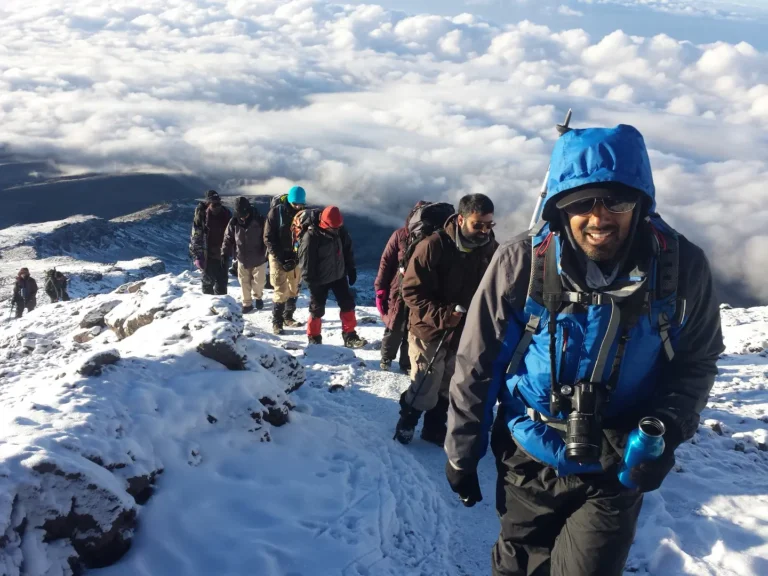
Run The Kilimanjaro Marathon And Climb Mountain 2026-2027
Run the Kilimanjaro Marathon and Climb the Mountain is explained with current 2026-2027 planning, price, itinerary and booking information.
View package details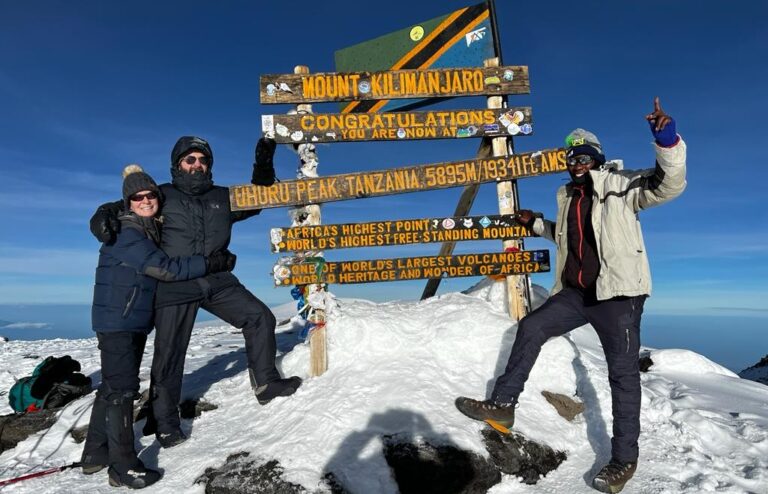
Kilimanjaro Climb With Mount Meru Pre-Acclimatization Guide
Combine a Mount Meru trek with a Kilimanjaro climb for superior acclimatization and a richer Tanzanian adventure. This guide details routes, benefits, planning tips for 2026-2027, and...
View package detailsWhat A Kilimanjaro Mountain Crew Should Provide For Your Climb 2026-2027
Planning a Kilimanjaro climb? Understand precisely what your mountain crew needs to provide, from essential gear and experienced guides to food, safety, and logistical support. This...
View package details
Kilimanjaro Climb With A Personal Support Assistant: Your Ultimate Guide
Climbing Mount Kilimanjaro with a personal support assistant offers unparalleled safety, comfort, and focus on your summit goals. This guide details what a personal assistant entails, its...
View package details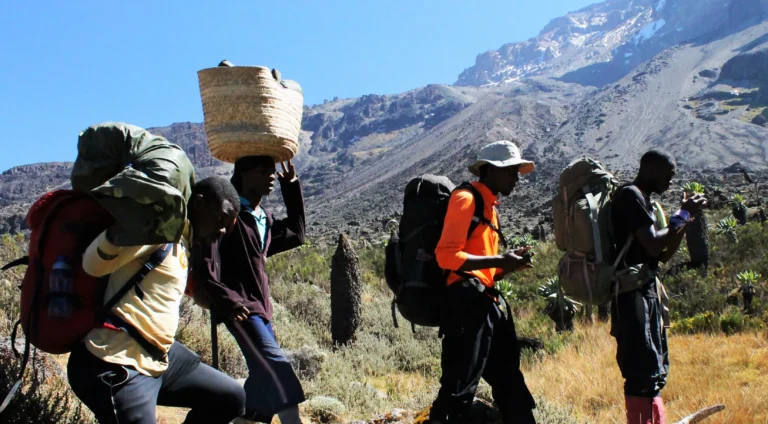
How To Know Whether You Are Ready For Kilimanjaro: A Comprehensive Guide
Climbing Mount Kilimanjaro is a significant undertaking. This guide helps you evaluate your physical, mental, and logistical readiness to ensure a safe and successful trek in 2026 or 2027...
View package detailsKilimanjaro Hydration Mistakes Climbers Make And How To Avoid Them 2026-2027
Proper hydration is critical for a successful Kilimanjaro climb. This guide details common hydration mistakes climbers make, from under-drinking to choosing the wrong fluids, and provides...
View package details
Kilimanjaro Summit-Night Mistakes To Avoid: Your Essential Guide For Climbs
Summit night on Kilimanjaro is the most challenging part of the climb. Avoiding common mistakes in acclimatization, gear, hydration, and pacing is crucial for success. This guide details...
View package detailsNo related package matches those filters. Clear one or more filters to see the other topic-matched options.



