
Joining a September Kilimanjaro solo traveller group offers an excellent opportunity for individuals to experience the iconic climb with built-in camaraderie and shared costs, making the adventure more accessible and enjoyable. September is a prime month for climbing Kilimanjaro, boasting clear skies and dry conditions, ideal for reaching Uhuru Peak. Top Guide Adventures specializes in organizing these group departures, typically on popular routes like the Machame or Lemosho, providing comprehensive support from planning to summit. Expect a well-organized trek with experienced guides, essential gear, accommodation, meals, and park fees included, with pricing varying based on route and duration, generally ranging from $1800 to $3500 per person for standard packages in 2026-2027.
Why September is Ideal for Your Solo Kilimanjaro Climb
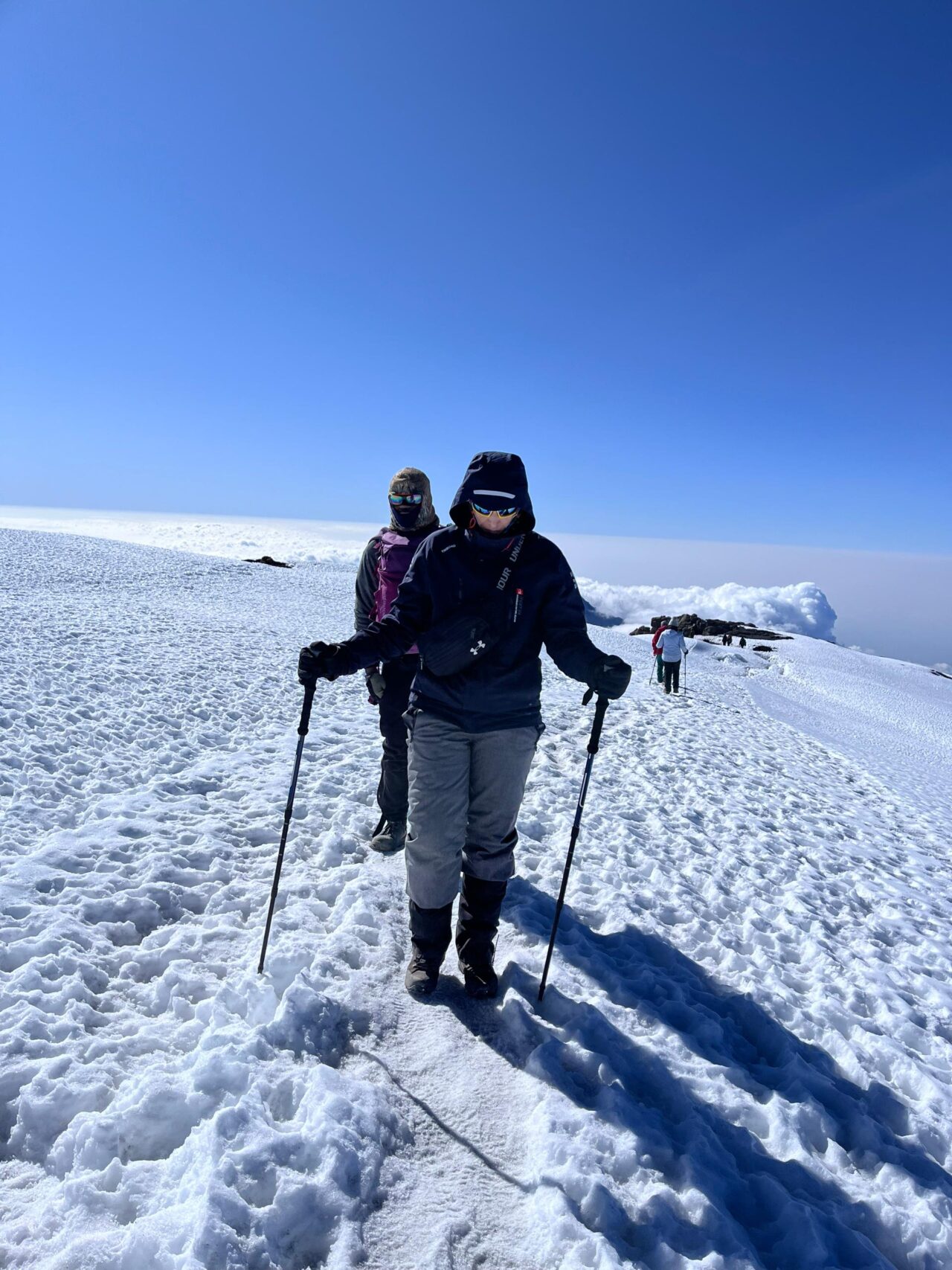
When considering a Kilimanjaro ascent, the timing of your expedition is paramount. September stands out as one of the most sought-after months for climbers, and for good reason. It falls within Kilimanjaro’s second dry season, offering a distinct advantage for trekkers aiming for the summit. The skies are typically clear, providing unparalleled panoramic views of the surrounding landscape and the vast African plains below. This clarity also means excellent visibility from the summit itself, a truly rewarding sight after days of trekking.
For solo travellers, the prospect of joining a group in September adds an extra layer of appeal. The pleasant weather conditions encourage a higher volume of trekkers, meaning more opportunities to join existing group departures or for operators like Top Guide Adventures to form dedicated September Kilimanjaro solo traveller group expeditions. This increased activity translates into more flexible scheduling and potentially more competitive pricing, as tour operators can spread fixed costs across more participants. Beyond the meteorological benefits, September often marks a transition period, meaning you might avoid the peak crowds of the absolute dry season while still enjoying fantastic climbing conditions. This balance makes it an excellent choice for those seeking both optimal weather and a more relaxed trekking experience.
The Appeal of a September Kilimanjaro Solo Traveller Group
Climbing Kilimanjaro is a significant undertaking, and for many solo travellers, the idea of doing it alone can be daunting. This is where the concept of a September Kilimanjaro solo traveller group becomes incredibly attractive. It offers the best of both worlds: the independence and personal journey of solo travel, combined with the safety, support, and social aspect of trekking with others.
When you join a pre-arranged group, especially one specifically catering to solo travellers or open to individuals joining existing departures, you immediately benefit from a sense of community. The shared challenge of climbing the Roof of Africa fosters instant bonds. You’ll have companions to share the highs and lows with, to celebrate milestones, and to offer encouragement during challenging moments. This shared experience can transform a solitary effort into a memorable group adventure. Furthermore, it enhances safety; with more eyes and ears on the trail, any potential issues are more likely to be spotted and addressed quickly. For solo travellers, this built-in safety net, provided by both fellow trekkers and your professional guide team, is invaluable.
Top Guide Adventures understands the unique needs of solo travellers. We actively facilitate the formation of September Kilimanjaro solo traveller group expeditions. This means that even if you book as an individual, you’re likely to be trekking with other like-minded people who are also seeking the camaraderie of a group journey. This approach ensures that no one feels isolated and that the spirit of shared adventure is central to the experience. Our goal is to make your solo journey feel like part of a supportive team, from the moment you book until you descend victorious.
Choosing the Right Route for Your Group in September
Kilimanjaro is served by several established trekking routes, each offering a unique experience in terms of scenery, difficulty, and acclimatization profile. For a September Kilimanjaro solo traveller group, the choice of route is crucial for maximizing success rates and enjoyment. The most popular routes that are well-suited for group trekking in September include the Machame, Lemosho, and Marangu routes.
The Machame Route: A Popular Choice for Groups
Often referred to as the ‘Whiskey Route’, the Machame Route is renowned for its scenic beauty and excellent acclimatization profile, making it a top choice for many trekkers, including solo travellers joining a group. It typically spans 6 to 7 days, with the 7-day option significantly improving acclimatization and summit success rates. The trail winds its way up through diverse ecological zones, offering stunning views and varied landscapes.
Why Machame for a September Kilimanjaro Solo Traveller Group?
- High Success Rate: The gradual ascent and the opportunity for a 7-day itinerary promote better acclimatization, which is vital for reaching the summit.
- Scenic Variety: You’ll trek through rainforests, moorlands, and alpine deserts, with dramatic views of the Shira Plateau and the Barranco Wall.
- Camping Experience: Machame is a camping route, offering a more in-depth experience in nature. This is often preferred by those seeking a true wilderness adventure.
- Established Infrastructure: Campsites are well-established, making logistics smoother for group tours.
For a September Kilimanjaro solo traveller group, the Machame route provides a robust and rewarding experience. The 7-day itinerary is particularly recommended for ensuring that all members of the group, regardless of their individual trekking experience, have the best possible chance of acclimatizing properly.
The Lemosho Route: The Scenic Crown Jewel
The Lemosho Route is widely considered one of the most beautiful routes on Kilimanjaro. It offers a longer, more gradual ascent, starting in the west and traversing the Shira Plateau before joining the Machame route. Lemosho typically requires 7 to 8 days for trekking, providing superior acclimatization and a higher chance of summit success.
Advantages of Lemosho for September Solo Travellers:
- Exceptional Scenery: The initial days on Lemosho are incredibly remote and offer impressive views, including the iconic views of the Inner Crater.
- Excellent Acclimatization: The longer duration allows for a slower pace and better acclimatization, crucial for summit day.
- Lower Traffic: Especially in the early days, Lemosho sees fewer trekkers, offering a more pristine wilderness feel.
- Higher Summit Success: Due to its length and acclimatization profile, Lemosho boasts some of the highest summit success rates.
While Lemosho might be slightly more expensive than Machame due to its longer duration and remote starting point, the investment is often justified by the increased comfort, scenery, and probability of reaching Uhuru Peak. A September Kilimanjaro solo traveller group opting for Lemosho is choosing a route that prioritizes a comfortable and successful climb.
The Marangu Route: The ‘Coca-Cola’ Route
The Marangu Route is the oldest and perhaps the most well-known route on Kilimanjaro. It’s often called the ‘Coca-Cola’ route due to its relatively easier ascent and the availability of hut accommodation, making it a popular choice for those who prefer not to camp. It can be completed in 5 or 6 days, with the 6-day option offering better acclimatization.
Considerations for Marangu:
- Hut Accommodation: Offers comfortable beds and basic amenities, a welcome comfort for some trekkers.
- Shorter Duration: The 5-day option is very fast and has a low success rate due to poor acclimatization. The 6-day option is better but still less ideal than longer camping routes.
- Steeper Ascent: The path is more direct and steeper in places, particularly on summit night.
- Less Scenic: It ascends and descends the same path, offering less varied scenery compared to Machame or Lemosho.
While Marangu can accommodate groups, for a September Kilimanjaro solo traveller group prioritizing success and a positive trekking experience, the 6-day Marangu is a minimum, but routes like Machame or Lemosho are generally recommended by Top Guide Adventures for their superior acclimatization and scenery, especially for solo travellers who might appreciate the longer, more gradual acclimatization.
Preparing for Your September Kilimanjaro Solo Trek
A successful Kilimanjaro climb requires thorough preparation, and this is especially true for solo travellers joining a group. While the tour operator handles much of the logistics, your personal readiness is key. September’s weather is generally good, but it can still present challenges, so being prepared is non-negotiable.
Physical Training: Building Your Endurance
The most critical aspect of preparation is physical fitness. Kilimanjaro is not a technical climb, but it is a strenuous high-altitude trek. Your training should focus on cardiovascular endurance, leg strength, and mental resilience.
- Cardiovascular Fitness: Aim for at least 3-4 sessions per week of activities like hiking, running, cycling, or swimming. Focus on long, steady-state workouts to build endurance.
- Strength Training: Incorporate exercises that target your legs and core, such as squats, lunges, step-ups, and planks. Strong legs will help you manage the descents, and a strong core provides stability.
- Hiking Practice: The best training is hiking itself. Try to do regular hikes, ideally with a backpack of similar weight to what you’ll carry on Kilimanjaro, and on varied terrain, including hills and steep ascents/descents. Practice hiking for several hours at a time.
- Altitude Simulation: If possible, try to spend time at higher altitudes before your trip. Even short periods can help your body adapt.
For a September Kilimanjaro solo traveller group, ensuring you are physically prepared means you can fully enjoy the experience rather than struggling with exhaustion. Start your training at least 3-6 months before your climb.
Gear and Equipment: Essential for Comfort and Safety
Having the right gear is crucial for comfort and safety on Kilimanjaro. While Top Guide Adventures provides tents, cooking equipment, and often tables and chairs for the group, you are responsible for your personal clothing and trekking gear.
Key Gear Checklist:
- Layering System: Essential for adapting to changing temperatures. Include base layers (thermal underwear), mid-layers (fleece or down jacket), and an outer layer (waterproof and windproof jacket and trousers).
- Footwear: Broken-in, waterproof hiking boots are a must. Bring several pairs of good quality hiking socks (wool or synthetic).
- Headwear: A warm hat (beanie) for cold evenings and summit night, and a sun hat with a brim for daytime.
- Gloves: Warm, waterproof gloves or mittens for the summit and cold days, plus liner gloves.
- Sleeping Bag: A 4-season sleeping bag rated to at least -15°C (0°F) is recommended. Top Guide Adventures can advise on rental options if needed.
- Headlamp: With extra batteries, essential for navigating camp and for summit night.
- Sun Protection: High SPF sunscreen, lip balm with SPF, and sunglasses.
- Hydration: Water bottles or a hydration reservoir (at least 3 litres capacity).
- Trekking Poles: Highly recommended to reduce strain on knees and improve balance.
- Backpack: A comfortable daypack (25-35 litres) for essentials you need during the day.
Top Guide Adventures provides a detailed packing list upon booking, and we are happy to answer any questions regarding gear selection for your September Kilimanjaro solo traveller group adventure.
Acclimatization Strategies and Health
Altitude sickness (Acute Mountain Sickness – AMS) is the primary concern on Kilimanjaro. Proper acclimatization is vital, and choosing a longer route (6-7 days minimum) is the best preventative measure. For a September Kilimanjaro solo traveller group, emphasizing acclimatization within the group dynamic is important.
- Climb High, Sleep Low: This principle is built into well-designed itineraries, where daily treks take you to higher altitudes, but you descend to sleep at lower elevations.
- Hydration: Drink plenty of water (3-4 litres per day). Avoid alcohol and caffeine, which can dehydrate you.
- Pacing: ‘Pole pole’ (slowly, slowly) is the mantra. Move at a slow, steady pace, allowing your body to adapt.
- Medication: Consult your doctor about Diamox (acetazolamide), a prescription medication that can help prevent or alleviate AMS symptoms.
- Listen to Your Body: Be aware of symptoms like headache, nausea, dizziness, and fatigue. Report any concerns to your guide immediately.
Your guides are trained to monitor for AMS and make decisions in the best interest of your health and safety. For a September Kilimanjaro solo traveller group, open communication with your guide about how you are feeling is paramount.
What to Expect on a September Kilimanjaro Solo Traveller Group Tour
Joining a group as a solo traveller means you’ll be part of a team, sharing the journey with others. The experience is structured to ensure everyone feels included and supported.
Daily Trekking Life
Your days on Kilimanjaro will follow a rhythm. Mornings typically start with breakfast at the campsite, followed by packing up and beginning the trek. The pace is deliberately slow, allowing for regular breaks to drink water, have snacks, and admire the scenery. Lunch is usually a packed meal enjoyed en route. You’ll arrive at the next campsite in the afternoon, giving you time to rest, hydrate, and perhaps explore the immediate surroundings before dinner is served. Evenings are for relaxation, briefing for the next day, and early sleep.
For a September Kilimanjaro solo traveller group, this daily routine provides a consistent structure. You’ll have ample opportunity to chat with fellow trekkers during the day, share stories around the campfire (where permitted), and bond over the shared experience. Guides will lead the way, ensuring you stay on the correct path and at an appropriate pace.
Summit Night: The Ultimate Challenge
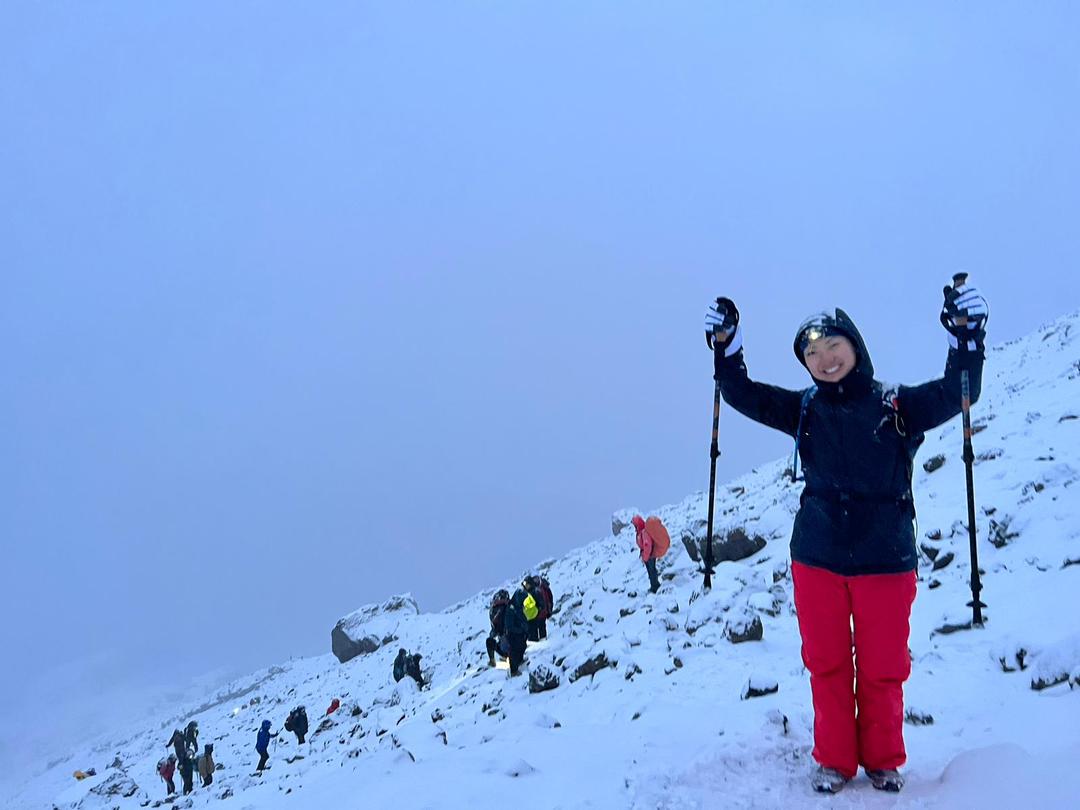
Summit night is the most demanding part of the climb. It typically begins around midnight from the last camp (usually Kibo Hut on most routes). You’ll trek slowly upwards in the dark, often in a single file line, using headlamps to light the way. The air is thin and cold, and the terrain is steep scree. The goal is to reach Stella Point by sunrise, then continue the final push to Uhuru Peak, the highest point in Africa.
For a September Kilimanjaro solo traveller group, summit night is a true test of endurance and mental fortitude. The shared struggle and the collective effort to reach the top create an incredibly powerful bond. Seeing the sunrise from above the clouds and standing at Uhuru Peak with your group is an unforgettable moment. Your guides will be with you every step of the way, offering encouragement and ensuring your safety.
Camp Life and Crew Support
Camp life is an integral part of the Kilimanjaro experience. Top Guide Adventures employs a dedicated team of porters and cooks who work tirelessly to make your trek comfortable and enjoyable.
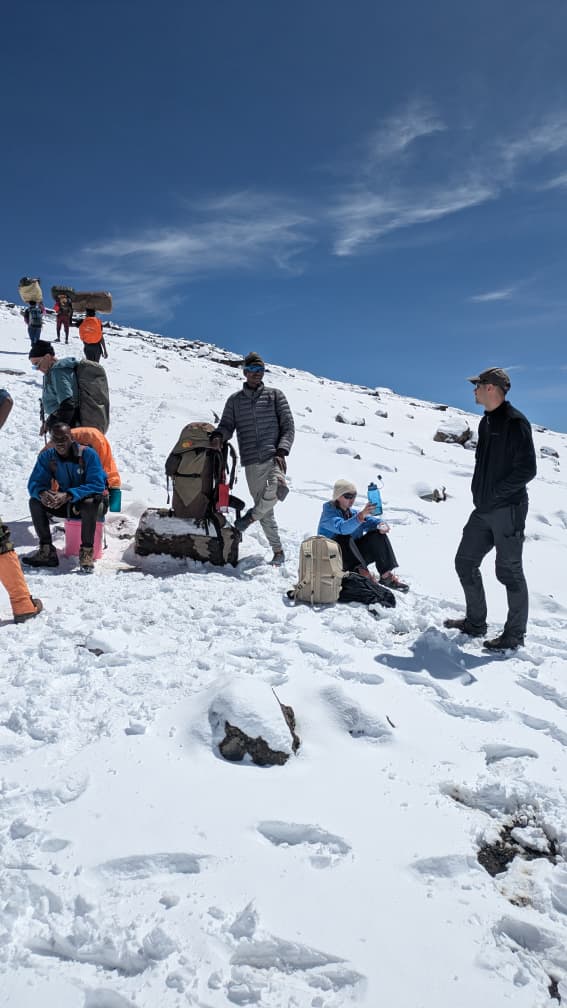
- Porters: They carry the bulk of the equipment, including tents, food, and supplies. They set up camp before you arrive, ensuring your tent is ready.
- Cooks: Prepare nutritious and hearty meals three times a day, along with hot drinks. You’ll be surprised by the quality and variety of food served on the mountain.
- Guides: Your lead guide and assistant guides are responsible for navigation, safety, monitoring your health, and motivating the team.
As a solo traveller in a September Kilimanjaro solo traveller group, you benefit from this entire support system. The crew’s efficiency allows you and your fellow trekkers to focus solely on climbing and enjoying the journey. Tipping the crew is customary and a significant part of their income, so budget accordingly.
Costs and Inclusions for September Kilimanjaro Solo Traveller Groups
Understanding the costs associated with climbing Kilimanjaro is essential for planning. Prices can vary significantly based on the route, duration, operator, and level of service. For a September Kilimanjaro solo traveller group, the cost typically includes the following:
Typical Inclusions
- Park Fees: Entrance fees, camping/hut fees, and rescue fees are substantial and usually included.
- Accommodation: Camping equipment (tents, mattresses) or hut accommodation.
- Meals: All meals during the trek (breakfast, lunch, dinner), plus snacks and purified drinking water.
- Guides and Crew: Salaries for experienced, licensed mountain guides, assistant guides, cooks, and porters.
- Equipment: Mess tents, cooking equipment, tables, and chairs for group meals.
- Transfers: Transport from Moshi/Arusha to the trailhead and back.
- Safety Equipment: First-aid kits and emergency oxygen.
Typical Exclusions
- Flights: International and domestic airfare to Kilimanjaro International Airport (JRO).
- Visas: Visa fees for Tanzania.
- Travel Insurance: Comprehensive travel and medical insurance, including high-altitude trekking and emergency evacuation.
- Personal Gear: Sleeping bag, trekking poles, clothing, and personal items. (Rentals are often available).
- Tips: Gratuities for guides, porters, and cooks are expected and a significant part of their earnings.
- Personal Expenses: Souvenirs, drinks, and snacks outside of provided meals.
- Pre/Post-Climb Accommodation: Hotel stays before and after the trek.
Pricing Guidance for 2026-2027
For a September Kilimanjaro solo traveller group, expect pricing to generally fall within the following range for a standard 7-day trek on a popular route like Machame or Lemosho:
Estimated Cost Range (per person for 2026-2027):
- Budget Operators: $1800 – $2200 USD
- Mid-Range Operators (like Top Guide Adventures): $2200 – $3000 USD
- Luxury Operators: $3000 – $3500+ USD
These figures are estimates. The exact price will depend on the specific route, duration, group size, and inclusions. It’s always recommended to get a detailed quote from your chosen operator.
Top Guide Adventures offers competitive pricing for its September Kilimanjaro solo traveller group departures, providing excellent value for a high-quality, safe, and memorable climb. We aim to be transparent with our pricing, ensuring you understand what is included and what to budget for separately. For the most current pricing for 2026 and 2027, please contact us directly.
Why Choose Top Guide Adventures for Your Solo Kilimanjaro Climb?
Choosing the right tour operator is crucial for a successful and enjoyable Kilimanjaro climb, especially when travelling solo. Top Guide Adventures is a trusted Tanzanian company with a deep understanding of the mountain and a commitment to client care.
Our Commitment to Solo Travellers
We recognize that solo travellers seek safety, support, and opportunities for connection. Our September Kilimanjaro solo traveller group expeditions are designed with these needs in mind:
- Experienced and Certified Guides: Our guides are highly trained in mountain rescue, first aid, and altitude management. They are passionate about Kilimanjaro and dedicated to your success.
- Safety First Approach: We maintain a low client-to-guide ratio, carry emergency oxygen, and have established emergency protocols.
- Small Group Focus: We often form small, intimate groups, which can be ideal for solo travellers looking for a friendly atmosphere without the overwhelming nature of very large groups.
- Personalized Attention: Despite being part of a group, we ensure each individual receives personal attention and support from our team.
- Sustainable Tourism: We are committed to ethical treatment of our crew and responsible environmental practices on the mountain.
What Makes Us Stand Out
- Local Expertise: As a Tanzanian company, we have unparalleled local knowledge and direct relationships with park authorities and our crew.
- High Success Rates: Our itineraries and guide expertise contribute to excellent summit success rates.
- Quality Equipment and Food: We use reliable camping gear and provide delicious, nutritious meals prepared by our experienced cooks.
- Excellent Reviews: We are proud of our client testimonials and our reputation on platforms like TripAdvisor.
Booking Your September Kilimanjaro Solo Traveller Group Expedition for 2026-2027
Ready to take on the challenge of Kilimanjaro as a solo traveller in September 2026 or 2027? The process is straightforward, and our team is here to assist you every step of the way.
How to Book
1. Contact Us: Reach out to Top Guide Adventures to discuss your plans. You can inquire about our scheduled September Kilimanjaro solo traveller group departures or discuss creating a custom group if you have a specific date in mind. Use our WhatsApp number: +255616946642 or email us at topguideadventures@gmail.com or info@topguideadventures.com.
2. Choose Your Route and Dates: We’ll help you select the best route based on your preferences, fitness, and budget, and confirm available dates for September 2026 and 2027.
3. Receive a Detailed Itinerary and Quote: We will provide a comprehensive itinerary, a detailed list of inclusions/exclusions, and a clear quote.
4. Booking and Deposit: Once you’re happy, a deposit is required to secure your spot on the September Kilimanjaro solo traveller group. This helps us confirm logistics and crew arrangements.
5. Pre-Trip Support: We offer ongoing support, including packing lists, training advice, and answers to all your questions leading up to your departure.
Planning for 2026-2027
Booking in advance is highly recommended, especially for popular months like September and for specific years like 2026 and 2027. This ensures availability for your preferred dates and routes, and allows ample time for your physical training and gear preparation. Early booking also allows us to plan for the formation of dedicated September Kilimanjaro solo traveller group departures.
Don’t let the idea of travelling solo hold you back from experiencing the magic of Kilimanjaro. Join a September Kilimanjaro solo traveller group with Top Guide Adventures and start an adventure that promises personal achievement, stunning landscapes, and the formation of lasting friendships.
Contact us today to start planning your unforgettable 2026-2027 Kilimanjaro expedition!
Check Availability for September Kilimanjaro Solo Traveller Group: Your Ultimate Guide For…
Ready to compare dates, prices, and the best option for your group? Send the package name and travel month so the team can reply with a clear quote, availability, and what is included.
Kilimanjaro Veterans Group Expeditions For 2026-2027
Discover the unique opportunities for veterans to climb Mount Kilimanjaro together through specially organized group expeditions. Learn about the benefits, best routes, and planning...
View package details
Kilimanjaro Friends’ Group Climbing Holiday: Your Ultimate Guide For 2026-2027
Organizing a Kilimanjaro climb for a group of friends is an unforgettable experience. This guide from Top Guide Adventures covers everything you need to know for a successful 2026-2027...
View package details
Best Kilimanjaro Month For Solo Travellers: Your Guide 2026-2027
Planning a solo climb of Kilimanjaro? This guide reveals the best months for solo travellers in 2026-2027, focusing on optimal weather, crowd levels, and route availability for an...
View package details
September Vs October Kilimanjaro Weather Comparison 2026-2027
September vs October Kilimanjaro Weather Comparison is explained with current 2026-2027 planning, price, itinerary and booking information.
View package details
August Vs September: Best Kilimanjaro Summit Month In 2026-2027
Choosing between August and September for your Kilimanjaro climb involves weighing distinct advantages. While both months fall within the dry season, subtle differences in weather patterns...
View package details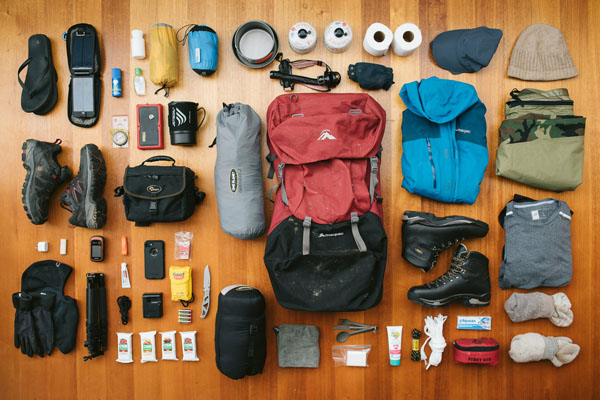
Kilimanjaro School Reunion Climb: Planning Your Ultimate Adventure 2026-2027
Planning a Kilimanjaro School Reunion Climb offers a unique opportunity to reconnect with classmates while achieving a monumental goal. This guide covers everything from choosing the best...
View package details
Kilimanjaro Father-And-Son Climbing Package: Forge Bonds On Africas Roof
Discover the ultimate Kilimanjaro father-and-son climbing package, offering a unique opportunity for bonding and achievement on Africa's highest peak. Top Guide Adventures provides tailored...
View package details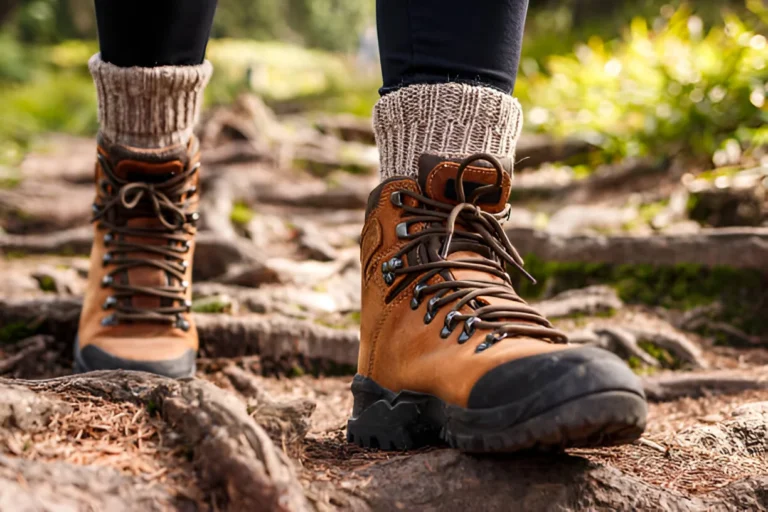
Kilimanjaro Climb For Travellers With Food Allergies 2026-2027
Kilimanjaro Climb for Travellers with Food Allergies is explained with current 2026-2027 planning, price, itinerary and booking information.
View package details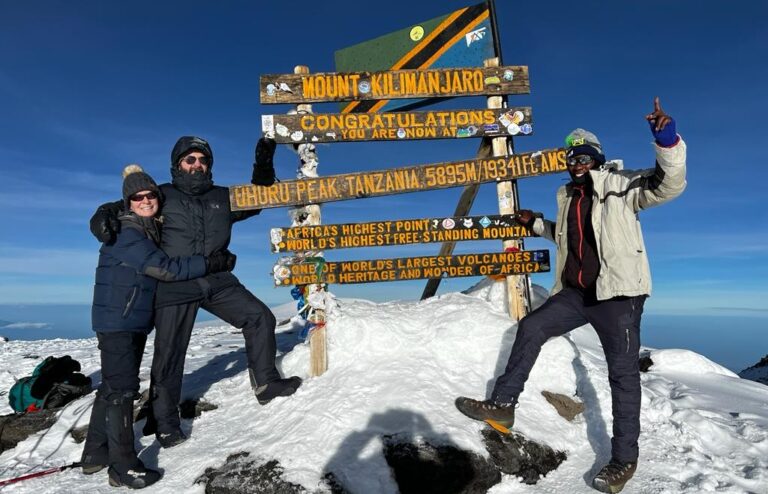
Kilimanjaro Acclimatization For Slow-Paced Groups 2026-2027
Kilimanjaro Acclimatization for Slow-Paced Groups is explained with current 2026-2027 planning, price, itinerary and booking information.
View package details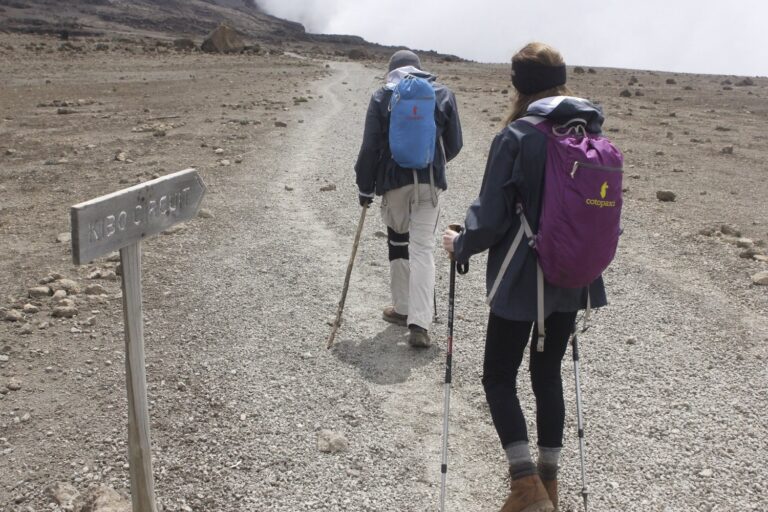
Kilimanjaro Acclimatization Package For Sea-Level Travellers | Top Guide
Planning a Kilimanjaro climb from sea level? Top Guide Adventures offers specialized acclimatization packages designed to maximize your success and safety. Learn about essential...
View package details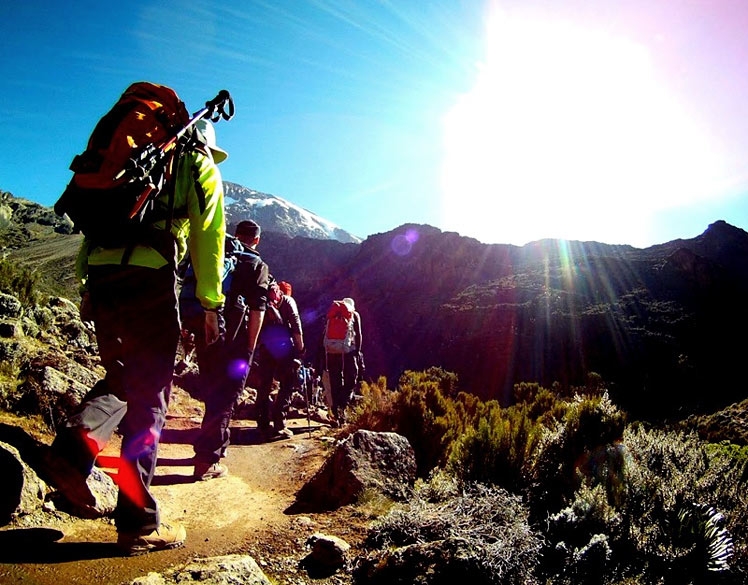
Driest Month To Climb Kilimanjaro: Your Guide For 2026-2027
The driest months for climbing Kilimanjaro are generally January, February, and June through October. These periods offer the clearest skies and lowest rainfall, ideal for a successful and...
View package details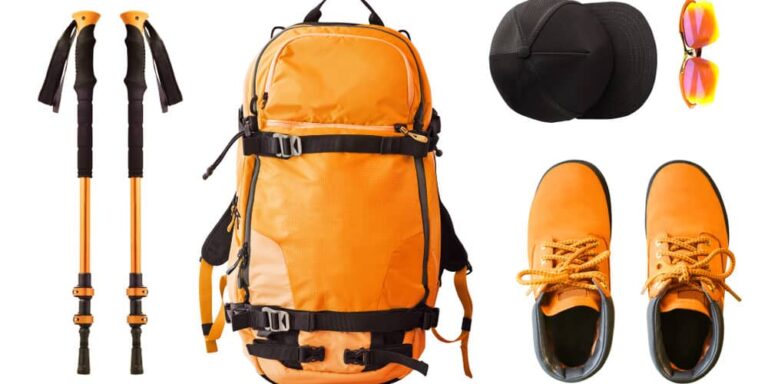
October Vs November Kilimanjaro Rainfall Guide 2026-2027
October vs November Kilimanjaro Rainfall Guide is explained with current 2026-2027 planning, price, itinerary and booking information.
View package detailsNo related package matches those filters. Clear one or more filters to see the other topic-matched options.



