
Climbing Mount Meru before Kilimanjaro is an excellent strategy for acclimatization, significantly increasing your chances of reaching Uhuru Peak by providing a challenging, high-altitude trek that prepares your body for the extreme conditions of Kilimanjaro. Mount Meru, standing at 4,566 meters (14,980 feet), offers a diverse and rewarding experience, typically taking 3-4 days, which is ideal for gradually adapting to altitude before the higher demands of Kilimanjaro’s 5,895 meters (19,341 feet).
Why Mount Meru is the Premier Kilimanjaro Acclimatization Climb
For trekkers aiming for the Roof of Africa, Mount Kilimanjaro, the question of optimal preparation often leads to a crucial decision: how best to prepare the body for extreme altitude. While rigorous physical training is vital, the most effective preparation for high-altitude trekking is altitude itself. This is where Mount Meru, Tanzania’s second-highest peak, emerges as an unparalleled choice. Standing at 4,566 meters (14,980 feet), Meru is not just a mountain; it’s a purpose-built acclimatization platform for Kilimanjaro aspirants. Climbing Meru before embarking on a Kilimanjaro expedition provides a substantial altitude boost and a robust training ground, making the subsequent climb up Kilimanjaro feel more manageable and significantly improving success rates.
The benefits of using Mount Meru for acclimatization are multi-faceted. Firstly, it exposes your body to prolonged periods at significant altitudes, typically exceeding 3,000 meters and reaching close to 5,000 meters. This sustained exposure allows for physiological adaptations that are critical for high-altitude survival and performance. Your body starts to produce more red blood cells, enhancing oxygen-carrying capacity, and you learn to recognize and manage the subtle signs of altitude sickness. Secondly, the trek up Meru is a serious undertaking in its own right, offering steep ascents, varied terrain, and cold nights. This provides a realistic simulation of the challenges faced on Kilimanjaro, allowing you to test your gear, refine your pacing, and build mental resilience. Successfully summiting Meru instills confidence, a powerful psychological advantage when facing the daunting ascents of Kilimanjaro in 2026 or 2027.
Furthermore, Mount Meru offers a unique wilderness experience. Located within Arusha National Park, it is renowned for its stunning scenery, including the crater rim, caldera, and the dramatic Ash Cone. The park is also home to diverse wildlife, such as buffalo, monkeys, and various bird species, adding an element of adventure that complements the trekking challenge. This combination of physiological preparation, practical experience, and natural beauty makes Mount Meru the ideal precursor to a Kilimanjaro climb for discerning adventurers planning their 2026-2027 expeditions.
Understanding the Altitude Challenge: Meru vs. Kilimanjaro
To fully appreciate the value of Mount Meru as an acclimatization tool, it’s essential to compare the altitude profiles and physiological demands of both mountains. Kilimanjaro, at 5,895 meters (19,341 feet), presents a significant challenge primarily due to its extreme altitude and rapid ascent profile on most routes. The ‘death zone’ above 8,000 meters is a critical phase where the human body cannot acclimatize and survival depends on rapid descent. Reaching the summit requires sustained effort at altitudes where oxygen levels are less than half of those at sea level.
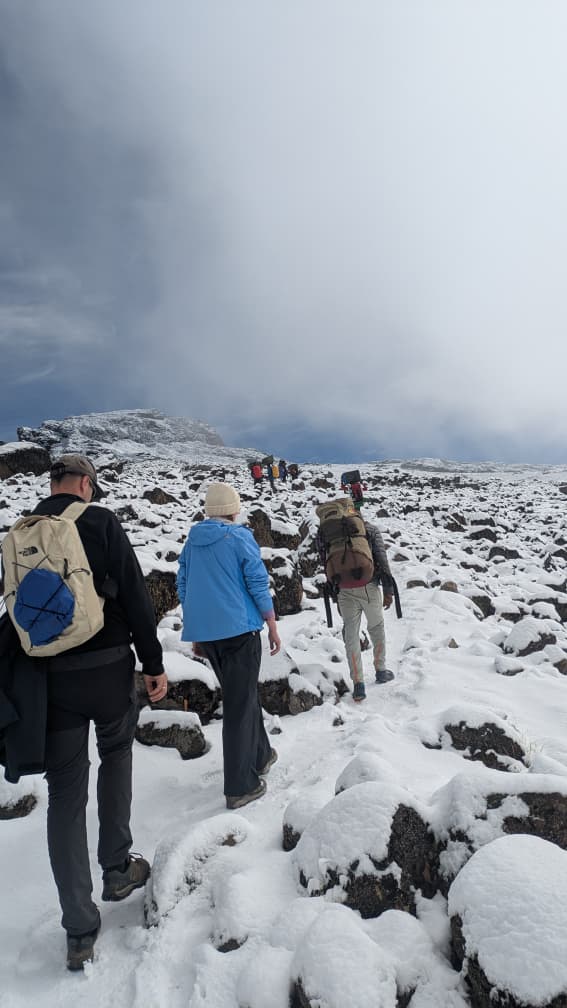
Mount Meru, at 4,566 meters (14,980 feet), while considerably lower than Kilimanjaro, offers a crucial stepping stone. A typical 3-4 day trek on Meru takes climbers to altitudes that are already challenging for many. The summit day on Meru often involves an early morning start from a high camp (like Miriakamba Hut or Saddle Hut) and involves a steep, rocky ascent, often in the dark. This day pushes climbers to their physiological limits at around 4,500 meters, mirroring the conditions experienced on the summit night of Kilimanjaro, albeit at a lower absolute altitude. Successfully navigating Meru’s summit day provides invaluable experience in managing energy, hydration, and the effects of altitude.
The critical difference lies in the duration and incremental ascent. While many Kilimanjaro routes might involve reaching over 4,000 meters within the first 2-3 days, Meru ensures that climbers spend multiple days above 3,000 meters and experience a peak altitude near 4,600 meters. This prolonged exposure allows the body more time to adapt. When you then transfer to Kilimanjaro, even the lower camps will feel more comfortable, and the higher reaches will be less of a shock to your system. This gradual introduction to altitude significantly reduces the risk of severe altitude sickness, such as High Altitude Pulmonary Edema (HAPE) or High Altitude Cerebral Edema (HACE), and boosts the likelihood of a successful summit bid for your 2026 or 2027 climb.
The Mount Meru Trek: Routes, Difficulty, and Itinerary Options
Mount Meru is typically climbed via two main routes, both starting from the Momella Gate in Arusha National Park: the Miriakamba Route and the Saddle Route. Both routes converge at Saddle Hut before the final push to the summit. The choice between them often depends on personal preference, desired scenery, and acclimatization pace.
The Miriakamba Route
This is the more popular and generally considered the more scenic route. It winds through lush montane forest, offering excellent opportunities for wildlife viewing. The trek is divided into two main stages:
- Day 1: Momella Gate (1,500m) to Miriakamba Hut (2,100m): This is a moderate day’s hike, taking around 4-6 hours. The path ascends through dense forest, with chances to spot buffalo, giraffes, zebras, and various monkey species. The altitude gain is manageable, making it a gentle introduction to trekking in the region.
- Day 2: Miriakamba Hut (2,100m) to Saddle Hut (3,500m): This is the most challenging day in terms of ascent. The trail steepens considerably as it climbs out of the forest and into the moorland zone. It takes approximately 6-8 hours. The higher altitude at Saddle Hut is where the acclimatization benefits truly begin to take effect.
The Saddle Route
The Saddle Route is less frequently used but offers a different perspective, often described as more direct and rugged. It also starts from Momella Gate but takes a different path to Saddle Hut.
- Day 1: Momella Gate (1,500m) to Saddle Hut (3,500m): This is a very long and demanding day, often taking 8-10 hours. It’s a rapid ascent through varied vegetation zones. While it gets you to high altitude quickly, it can be taxing and might not be ideal for those prioritizing a gradual acclimatization start. Some operators might break this into two days, with an overnight stop at a lower camp, but the classic Saddle Route is a single, strenuous push to Saddle Hut.
The Summit Push
- Day 3: Saddle Hut (3,500m) to Meru Summit (Socialism Peak, 4,566m) and down to Miriakamba Hut (2,100m): This is the defining day of the Meru trek. The ascent begins around 2-3 AM, following a steep, scree-covered path towards the crater rim. From the rim, a narrow path leads along the crater edge to Socialist Peak. The views, especially at sunrise, are spectacular. The descent is steep and can be hard on the knees, typically taking 3-4 hours to reach Saddle Hut for a short break before continuing down to Miriakamba Hut, a further 2-3 hours. This day offers crucial experience in high-altitude trekking and descent.
- Day 4 (Optional): Miriakamba Hut (2,100m) to Momella Gate (1,500m): A final downhill walk of about 2-3 hours, often with more opportunities to see wildlife.
Difficulty: Mount Meru is rated as a difficult trek. The summit day is particularly strenuous, involving significant altitude gain, steep ascents, and often challenging weather conditions. It requires good physical fitness and mental fortitude. For those planning their Mount Meru acclimatization before Kilimanjaro in 2026 or 2027, choosing the 4-day itinerary (Miriakamba Route) is highly recommended for optimal acclimatization and a more enjoyable experience.
Key Considerations for Mount Meru Acclimatization
Duration: A 4-day trek is generally recommended for adequate acclimatization. Shorter 3-day treks are possible but offer less time for the body to adapt. Timing: Schedule your Meru trek immediately before your Kilimanjaro climb. Ideally, allow at least one rest day between summiting Meru and starting your Kilimanjaro ascent.
The Strategic Advantage: How Meru Enhances Kilimanjaro Success
The primary reason serious trekkers opt for Mount Meru acclimatization before Kilimanjaro is the significant increase in their probability of reaching Uhuru Peak. This isn’t just about reaching a higher altitude; it’s about the comprehensive preparation it provides.
Physiological Preparedness
The human body responds to high altitude by increasing the production of red blood cells, which carry oxygen. This process, known as erythropoiesis, takes time. Spending several days above 3,000 meters on Meru, and peaking at nearly 4,600 meters, kickstarts this vital adaptation. When you then begin your Kilimanjaro climb, your body is already partially acclimatized. This means you are less likely to suffer from debilitating altitude sickness, which is the leading cause of Kilimanjaro summit failures. The gradual ascent on Meru, particularly the 4-day itinerary, allows for this adaptation to occur more effectively than a rapid ascent on Kilimanjaro itself.
Psychological Confidence
Summiting Mount Meru is a significant achievement. The physical and mental demands of the trek, especially the challenging summit night, build confidence. Knowing you have successfully navigated a difficult high-altitude climb, endured cold, and managed the effects of altitude can provide a crucial psychological boost when facing the even greater challenges of Kilimanjaro. This self-assurance is invaluable during the long, arduous summit night on Kilimanjaro, where mental strength often plays as critical a role as physical endurance.
Gear and Fitness Testing
The Meru trek serves as an excellent trial run for your trekking gear and your physical condition. You’ll discover how your boots feel after hours of walking, how your layers perform in varying temperatures, and whether your sleeping bag is warm enough. You’ll also get a clear indication of your current fitness level and how well your body handles sustained effort at altitude. Identifying any issues with gear or fitness on Meru allows you to make necessary adjustments before committing to the longer and more expensive Kilimanjaro expedition, ensuring you are better prepared for your 2026 or 2027 climb.
Reduced Risk of Altitude Sickness
Altitude sickness is a serious concern on Kilimanjaro. Symptoms can range from mild headaches and nausea to life-threatening conditions like HAPE and HACE. By acclimatizing on Meru, you significantly reduce your risk. Your body has already experienced and adapted to the lower oxygen levels. This makes the ascent to higher altitudes on Kilimanjaro more tolerable, allowing you to ascend ‘pole pole’ (slowly, slowly) without immediate, severe physiological distress. This proactive approach to acclimatization is a hallmark of responsible high-altitude trekking and a key strategy for a successful summit in 2026-2027.
Expert Insight: The Meru Advantage
Many of our clients at Top Guide Adventures who have combined Meru with Kilimanjaro report a distinctly easier experience on Kilimanjaro. They feel more energetic, suffer fewer altitude-related symptoms, and crucially, reach the summit with greater confidence. It’s an investment in your success and overall enjoyment of the Kilimanjaro experience.
Logistics of Combining Mount Meru and Kilimanjaro
Successfully integrating a Mount Meru trek into your Kilimanjaro expedition requires careful planning. The logistics involve timing, transfers, permits, and choosing the right tour operator.
Timing Your Treks
The ideal scenario is to climb Mount Meru immediately preceding your Kilimanjaro trek. This maximizes the acclimatization benefit. A typical timeline would look like this:
- Option 1 (Recommended):
- Day 1-4: Mount Meru Trek (4-day Miriakamba Route)
- Day 5: Rest and transfer to Arusha/Moshi
- Day 6: Final preparations, gear check for Kilimanjaro
- Day 7 onwards: Kilimanjaro Trek (e.g., Machame, Lemosho)
- Option 2 (For highly acclimatized individuals or those with less time):
- Day 1-3: Mount Meru Trek (3-day Miriakamba Route)
- Day 4: Rest and transfer
- Day 5 onwards: Kilimanjaro Trek
It is crucial to allow at least one full day of rest between summiting Meru and commencing your Kilimanjaro climb. This rest day allows your body to recover and consolidate the acclimatization gains. Planning for 2026-2027 trips should factor in this buffer time.
Permits and Park Fees
Both Mount Meru and Kilimanjaro require park entry fees and trekking permits. These are typically included in the package price offered by reputable tour operators. For Mount Meru, fees include park entry, camping/hut fees, and ranger/guide fees. Similarly, Kilimanjaro has substantial conservation fees, camping fees, and crew fees. Ensure your chosen operator handles all these permits well in advance, especially for peak seasons in 2026 and 2027.
Transfers and Accommodation
Logistics include transfers from Kilimanjaro International Airport (JRO) to your hotel in Arusha or Moshi, transfers to the start of the Meru trek (Momella Gate), and then transfers to the start of your Kilimanjaro trek. Accommodation is typically in standard hotels in Arusha/Moshi before and after the treks, and in mountain huts during the treks. Ensure your operator coordinates these transfers and accommodations seamlessly.
Choosing a Tour Operator
Selecting a reliable tour operator is paramount. For a combined Meru and Kilimanjaro expedition, look for companies with extensive experience in both climbs. Key factors include:
- Safety record: Prioritize operators with a strong emphasis on safety protocols and well-trained guides.
- Guide experience: Ensure guides are certified, experienced in high-altitude trekking, and knowledgeable about altitude sickness management.
- Support crew: A well-equipped and experienced support crew (porters, cooks) is essential for both treks.
- Inclusions: Clearly understand what is included in the price – permits, meals, accommodation, transfers, equipment, etc.
- Customization: Can they tailor an itinerary to your specific needs, especially for combining Meru and Kilimanjaro?
Top Guide Adventures specializes in comprehensive Tanzanian trekking experiences, including combined Mount Meru and Kilimanjaro packages. We handle all logistics, ensuring a smooth transition between treks and prioritizing your safety and success for your 2026-2027 adventures. You can reach us via WhatsApp +255616946642 or email at topguideadventures@gmail.com.
Sample Combined Itinerary Flow (Meru + Kilimanjaro)
- Day 1: Arrival at JRO, transfer to Arusha/Moshi hotel.
- Day 2: Pre-trek briefing, gear check, rest.
- Day 3-6: Mount Meru 4-Day Trek (Miriakamba Route).
- Day 7: Rest day in Arusha/Moshi.
- Day 8: Transfer to Kilimanjaro gate, commence Kilimanjaro trek (e.g., Machame Route).
- Day 8-15 (approx.): Kilimanjaro Trek.
- Day 16: Descent, transfer to hotel.
- Day 17: Departure.
This is a sample; exact durations and routes can be customized. Contact us for a tailored plan for 2026-2027.
Preparing for Your Mount Meru Acclimatization Trek
While Mount Meru is primarily for acclimatization, it’s still a challenging trek requiring dedicated preparation. A solid training regimen and attention to detail can make the experience much more rewarding.
Physical Training
Focus on cardiovascular fitness and leg strength. Activities like hiking with a weighted backpack, running, cycling, and stair climbing are highly beneficial. Aim for long hikes (4-6 hours) on consecutive days in the weeks leading up to your trek. This simulates the demands of multi-day trekking and helps build endurance. Remember that Meru’s summit day involves steep, sustained ascents and descents, so training on varied terrain, including hills and uneven paths, is crucial.
Gear Essentials
Your gear for Meru will be very similar to what you’ll need for Kilimanjaro, making it an excellent test run. Key items include:
- Layering System: Base layers (synthetic or merino wool), mid-layers (fleece), and an outer waterproof/windproof shell jacket and trousers.
- Footwear: Well-broken-in waterproof hiking boots with good ankle support.
- Headwear: Warm hat, sun hat, and sunglasses.
- Gloves: Warm, waterproof gloves or mittens.
- Sleeping Bag: A 4-season sleeping bag rated to at least -10°C (14°F) is recommended for the mountain huts.
- Backpack: A comfortable daypack (20-30 liters) for essentials during the day, and a larger duffel bag (80-100 liters) for porters to carry.
- Trekking Poles: Highly recommended for reducing strain on knees during ascents and descents.
- Headlamp: Essential for early morning starts on summit day.
- Water Bottles/Hydration Reservoir: Capacity for at least 3 liters.
- Sunscreen and Lip Balm: High SPF.
- Personal First-Aid Kit: Including blister treatment and any personal medications.
Testing your gear on Meru will highlight any deficiencies or comfort issues before you invest heavily in your Kilimanjaro expedition for 2026 or 2027.
Altitude Sickness Prevention and Management
Even with acclimatization on Meru, awareness of altitude sickness is vital. Hydration is key – drink plenty of water (3-4 liters per day). Avoid alcohol and caffeine, which can contribute to dehydration. Eat well, even if your appetite is reduced. Listen to your body and communicate any symptoms to your guide immediately. Diamox (acetazolamide) can be prescribed by your doctor as a preventative measure, but it is not a substitute for proper acclimatization. Your guide will monitor you closely.
Mental Preparation
Be prepared for challenging conditions: early starts, cold temperatures, steep ascents, and potential discomfort. Maintaining a positive attitude, focusing on small goals, and remembering why you are undertaking this challenge can make a significant difference. The confidence gained from Meru will be a huge asset here.
Pre-Trek Checklist for Mount Meru Acclimatization
- Fitness: Completed 8-12 weeks of regular cardiovascular and strength training.
- Gear: All essential items purchased, tested, and packed.
- Medications: Consulted doctor regarding Diamox or other altitude medications.
- Insurance: Secured comprehensive travel and medical insurance covering high-altitude trekking.
- Documentation: Passport, visas, vaccination certificates, and emergency contact information ready.
- Operator Contact: Confirmed all booking details and emergency contacts for Top Guide Adventures.
Comparing Mount Meru with Other Acclimatization Strategies
While Mount Meru stands out, other methods exist for preparing for Kilimanjaro. Understanding these comparisons helps solidify Meru’s position as a top choice.
Meru vs. Longer Kilimanjaro Routes
Longer Kilimanjaro routes like Lemosho or Machame (7-8 days) offer better acclimatization than shorter ones (5-6 days). However, even these routes might not provide the same intensity of high-altitude exposure as a dedicated Meru climb. Meru pushes you to nearly 4,600 meters, a benchmark that is only reached on Kilimanjaro’s upper slopes. By completing Meru, you essentially ‘pre-acclimatize’ to a significant portion of Kilimanjaro’s altitude, potentially allowing you to choose a slightly shorter Kilimanjaro route if time is a constraint, or simply enjoy a more comfortable experience on a longer one for your 2026-2027 trip.
Meru vs. Training at Home
Physical training at home is indispensable, but it cannot replicate the effects of low oxygen at altitude. Altitude training camps or hypoxic tents can simulate low oxygen, but they are expensive and less accessible than trekking in Tanzania. Mount Meru offers a practical, real-world altitude training experience integrated into an adventurous journey.
Meru vs. Immediate Kilimanjaro Ascent
Starting Kilimanjaro immediately upon arrival in Tanzania is a common mistake. While some people might cope, many will struggle with altitude sickness, significantly diminishing their chances of success and enjoyment. The rapid ascent profile of Kilimanjaro routes makes this approach risky. Mount Meru provides a structured, progressive introduction to altitude that is far safer and more effective.
The unique combination of altitude, challenge, and beauty makes Mount Meru an exceptional acclimatization climb. It’s not just about preparing for Kilimanjaro; it’s a rewarding adventure in its own right, offering a deeper connection with the Tanzanian wilderness and a tangible sense of accomplishment before tackling Africa’s highest peak.
When to Climb Mount Meru for Acclimatization
The best time to climb Mount Meru aligns with the favorable trekking seasons for Kilimanjaro, ensuring good weather conditions and maximizing your chances of a successful acclimatization and subsequent climb.
Dry Seasons
Tanzania experiences two main dry seasons, which are ideal for trekking:
- June to October: This is the main dry season, characterized by sunny days, clear skies, and cooler temperatures. It’s a popular time for both Meru and Kilimanjaro climbs, offering excellent visibility and comfortable trekking conditions. This period is often considered the prime time for planning your 2026 or 2027 expeditions.
- December to February: This is a shorter, but also dry and warmer season. The landscape is often greener after the rainy period, and temperatures are pleasant, though it can be hotter at lower altitudes. This period is also suitable for combined treks.
Shoulder Seasons
The shoulder seasons can also be viable, though they carry a higher risk of rain:
- March to May: This is the long rainy season. While trekking is possible, expect frequent downpours, muddy trails, and potential cloud cover obscuring views. This is generally the least recommended period.
- November: This is a short rainy season. Rain is common but often comes in afternoon showers, leaving mornings clear. It can be a good time for those seeking fewer crowds, but requires flexibility and preparedness for wet conditions.
Considering Your Kilimanjaro Schedule
When planning your Mount Meru acclimatization, ensure it fits logically before your chosen Kilimanjaro route and dates for 2026-2027. Allow ample time for the Meru trek itself, a rest day, and then the start of your Kilimanjaro climb. Booking well in advance is crucial, especially for peak seasons, to secure permits and guides.
Top Guide Adventures can advise on the best timing for your combined Meru and Kilimanjaro adventure, taking into account weather patterns and your personal preferences for 2026-2027. Contact us to discuss the optimal window for your expedition.
Cost Considerations for a Combined Meru and Kilimanjaro Trip
A combined Mount Meru and Kilimanjaro expedition will naturally be more expensive than climbing Kilimanjaro alone. The cost reflects the additional trek, permits, guides, porters, and logistical support required for Meru.
Factors Influencing Cost
- Route Choice: Longer Kilimanjaro routes (like Lemosho or Machame) are generally more expensive than shorter ones due to more trekking days and higher park fees.
- Duration: The total number of days on both mountains and in transit adds to the cost.
- Operator Tier: Prices vary significantly between budget operators, mid-range companies, and luxury providers. Top Guide Adventures focuses on providing excellent value with high-quality service and safety standards.
- Group Size: Private climbs are more expensive per person than joining a group departure. We offer both options for 2026-2027.
- Inclusions: Packages can vary widely in what they include (e.g., pre-trek hotel nights, gear rental, oxygen cylinders, tipping guidelines).
Estimated Costs (2026-2027)
While exact prices depend on specific choices, here are general estimates:
- Mount Meru Trek (4-day): Typically ranges from $800 to $1,500 USD per person, depending on inclusions and operator.
- Kilimanjaro Trek (7-day Machame Route): Can range from $1,800 to $3,500+ USD per person, again depending on the operator and inclusions.
Therefore, a combined expedition could range from approximately $2,600 to $5,000+ USD per person. This typically includes park fees, permits, mountain crew wages, all meals on the mountain, tent/hut accommodation, and transfers. It usually excludes international flights, visas, travel insurance, personal gear, tips, and pre/post-trek accommodation and meals.
Top Guide Adventures offers competitive pricing for combined packages. For a detailed, personalized quote for your 2026-2027 Mount Meru acclimatization and Kilimanjaro climb, please contact us directly via Email: topguideadventures@gmail.com or WhatsApp: +255616946642. We are committed to transparent pricing and exceptional service.
Value Proposition: Combined Meru & Kilimanjaro
Investing in a combined Mount Meru and Kilimanjaro trip through a reputable operator like Top Guide Adventures is an investment in your success and safety. The added cost is justified by the significantly higher probability of reaching Kilimanjaro’s summit and the invaluable experience of conquering two of Tanzania’s magnificent peaks.
Frequently Asked Questions (FAQs)
What is the main benefit of climbing Mount Meru before Kilimanjaro?
The primary benefit is superior acclimatization. Mount Meru’s altitude (4,566m) exposes your body to lower oxygen levels for several days, helping it adapt and significantly reducing the risk of altitude sickness on the higher Kilimanjaro (5,895m), thereby increasing your summit success rate.
Is Mount Meru a difficult climb?
Yes, Mount Meru is considered a difficult trek. The summit day involves a very steep ascent, often starting in the early morning hours, and requires good physical fitness and mental resilience. It’s a challenging climb in its own right.
How many days are recommended for a Mount Meru acclimatization trek?
A 4-day itinerary using the Miriakamba Route is highly recommended for optimal acclimatization. This allows for a more gradual ascent and sufficient time at higher altitudes before descending. A 3-day option is possible but offers less acclimatization benefit.
Can I climb Mount Meru and Kilimanjaro back-to-back?
It is strongly advised to have at least one full rest day between summiting Mount Meru and starting your Kilimanjaro climb. This allows your body to recover and consolidate the acclimatization achieved on Meru.
What is the best time of year for a combined Meru and Kilimanjaro climb in 2026-2027?
The dry seasons are best: June to October and December to February. These periods offer the most favorable weather conditions for both treks.
What gear do I need for Mount Meru?
You’ll need similar gear to Kilimanjaro: a good layering system, waterproof outer shells, sturdy hiking boots, warm sleeping bag (rated to -10°C), warm hat and gloves, trekking poles, and a headlamp. Your operator will provide a detailed packing list.
How does climbing Meru affect my chances of summiting Kilimanjaro?
It significantly increases your chances. By being better acclimatized, you are less likely to suffer from altitude sickness, conserve energy better, and maintain a more positive mental state, all crucial factors for a successful Kilimanjaro summit bid.
What are the typical costs for a combined Meru and Kilimanjaro trip?
A combined trip generally ranges from $2,600 to $5,000+ USD per person, depending on the operator, route choice, and inclusions. This includes permits, guides, meals, and accommodation on the mountains.
Conclusion: Maximize Your Kilimanjaro Success with Mount Meru Acclimatization
For any serious trekker planning a Kilimanjaro expedition in 2026 or 2027, incorporating Mount Meru into your itinerary is a strategic decision that pays immense dividends. It transforms the daunting challenge of Kilimanjaro into a more achievable and enjoyable adventure by providing critical physiological and psychological preparation. The 4,566-meter peak serves as an exceptional natural training ground, allowing your body to adapt to altitude in a controlled, yet challenging, environment.
By choosing Mount Meru for your acclimatization, you are not just ticking another mountain off a list; you are investing in your safety, your confidence, and your ultimate success on Kilimanjaro. The experience gained on Meru – from managing challenging ascents and descents to coping with cold nights and high altitudes – is invaluable preparation. It allows you to fine-tune your gear, assess your physical condition, and build the mental fortitude required for the demanding climb ahead.
Top Guide Adventures is dedicated to helping you achieve your climbing goals. We specialize in creating smooth, safe, and memorable trekking experiences in Tanzania, including expertly planned combined Mount Meru and Kilimanjaro expeditions. Our experienced guides and robust support system ensure that your journey is well-managed from start to finish. Let us help you prepare for an unforgettable adventure in 2026 or 2027. For personalized itineraries, expert advice, and booking information regarding Mount Meru acclimatization before Kilimanjaro, please do not hesitate to contact us:
- WhatsApp: +255616946642
- Email: topguideadventures@gmail.com
- Backup Email: info@topguideadventures.com
- Website: www.topguideadventures.com
Climb smarter, climb safer, and maximize your chances of reaching Uhuru Peak by making Mount Meru your essential acclimatization step. We look forward to helping you plan your ultimate Tanzanian mountain adventure.
Check Availability for Mount Meru Acclimatization Before Kilimanjaro: A Comprehensive Guide…
Ready to compare dates, prices, and the best option for your group? Send the package name and travel month so the team can reply with a clear quote, availability, and what is included.
Should You Climb Mount Meru Before Kilimanjaro? 2026-2027
Should You Climb Mount Meru before Kilimanjaro? is explained with current 2026-2027 planning, price, itinerary and booking information.
View package details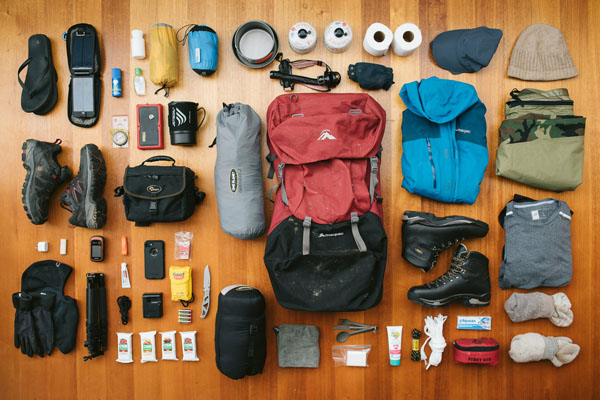
Kilimanjaro Climb After Mount Meru: A Comprehensive Guide For 2026-2027
Discover the strategic advantages and practical considerations of climbing Mount Kilimanjaro immediately following a trek up Mount Meru. This comprehensive guide is designed for adventurers...
View package details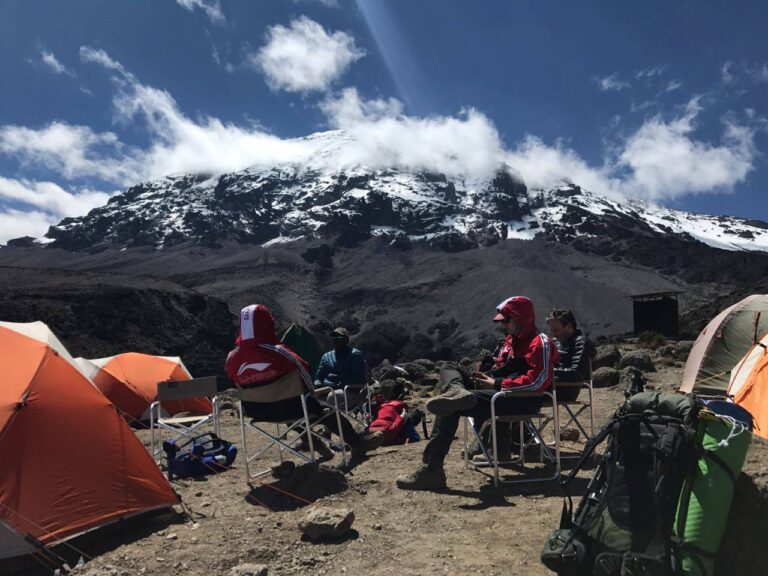
Mount Longido Acclimatization Hike Before Kilimanjaro Climb | Top Guide
Discover why a Mount Longido acclimatization hike is crucial for Kilimanjaro success. Learn about its benefits, routes, and how Top Guide Adventures can integrate it into your 2026-2027...
View package details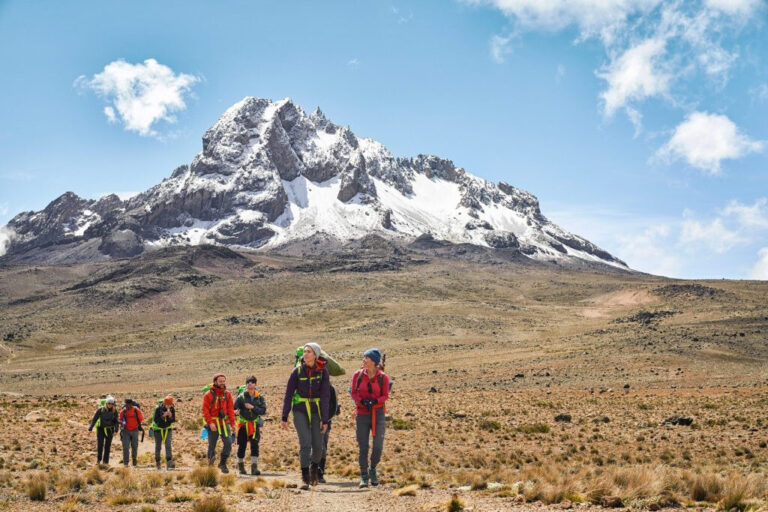
How Comfortable Are Kilimanjaro Mountain Tents? A Guide 2026-2027
Understand the comfort levels of tents used on Kilimanjaro climbs. This guide details tent types, essential features, and factors influencing your sleeping experience, crucial for planning...
View package details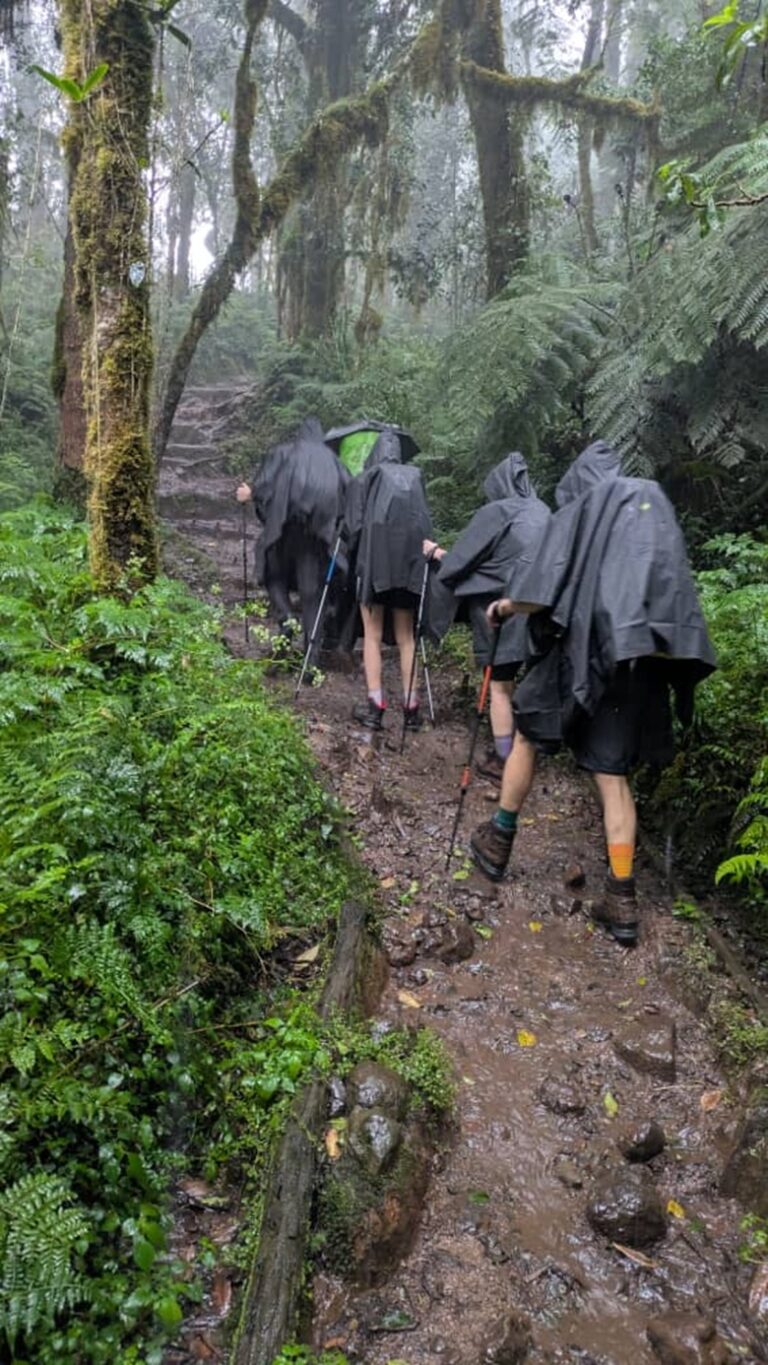
How To Wash On Mount Kilimanjaro 2026-2027
How to Wash on Mount Kilimanjaro is explained with current 2026-2027 planning, price, itinerary and booking information.
View package detailsHow Do You Sleep On Mount Kilimanjaro? 2026-2027
How Do You Sleep on Mount Kilimanjaro? is explained with current 2026-2027 planning, price, itinerary and booking information.
View package detailsKilimanjaro Mountain Meal Plan By Day: Fueling Your Summit Success 2026-2027
Understand the essential Kilimanjaro Mountain meal plan by day, covering daily menus, nutritional needs, and preparation tips for your trek. Top Guide Adventures provides insights into...
View package details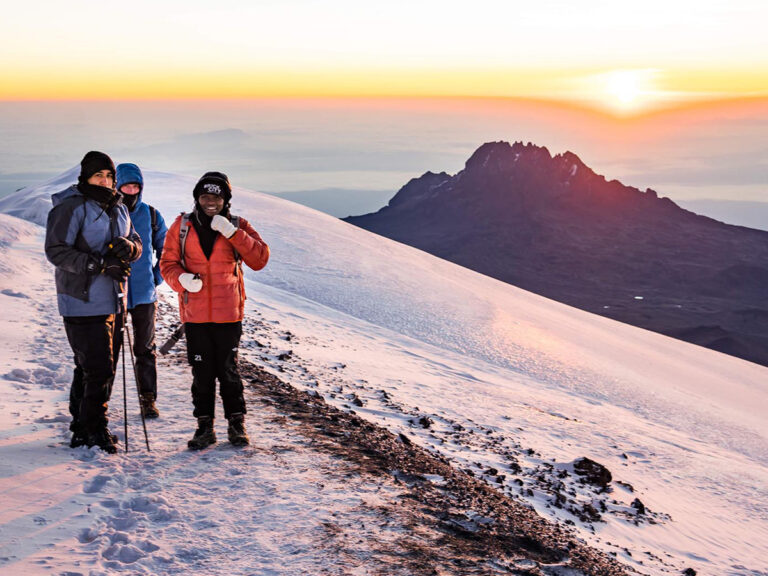
Foods To Avoid Before A Kilimanjaro Climb: Expert Guide For Trekkers 2026-2027
Planning your Kilimanjaro climb for 2026 or 2027? Proper nutrition is key. This guide details essential foods and drinks to avoid before and during your trek to prevent digestive issues and...
View package details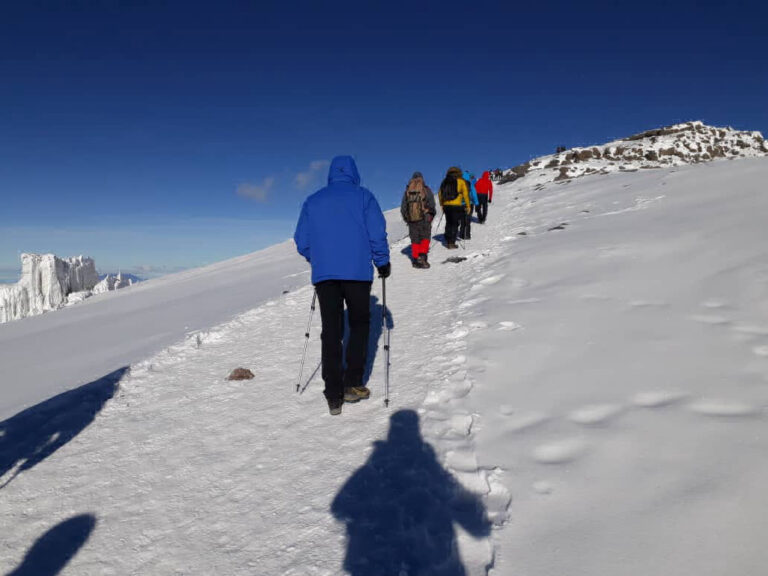
Can You Drink Alcohol Before Climbing Kilimanjaro? 2026-2027
Can You Drink Alcohol before Climbing Kilimanjaro? is explained with current 2026-2027 planning, price, itinerary and booking information.
View package details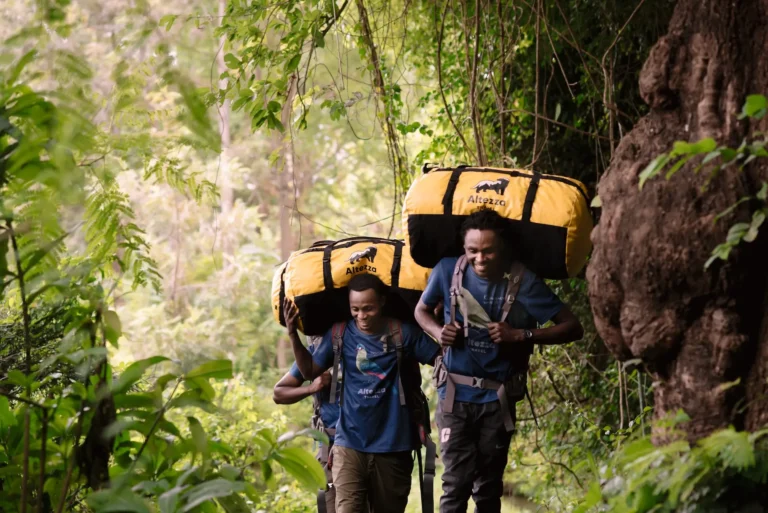
Kilimanjaro Climb With Vegan Mountain Meals: Your Expert Guide For 2026-2027
Embarking on a Kilimanjaro climb is a monumental achievement, and ensuring you have the right nutrition, especially with specific dietary needs like veganism, is crucial for success. Top...
View package details
Best Acclimatization Hikes Near Kilimanjaro For Climbs 2026-2027
Optimize your Kilimanjaro climb by selecting the best acclimatization hikes near the mountain. This guide details essential pre-climb training and routes for 2026-2027.
View package details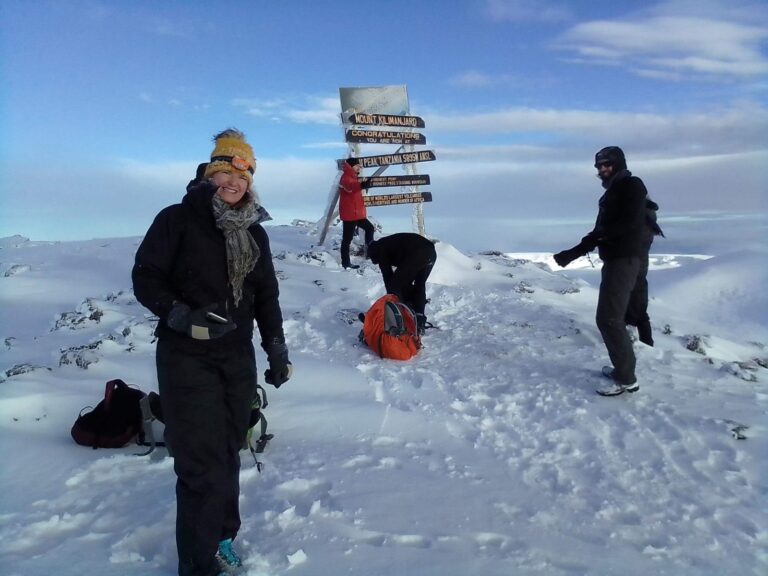
Kilimanjaro Climb With An Additional Acclimatization Day: Your Best Strategy
Planning a Kilimanjaro climb? Adding an extra acclimatization day significantly boosts your chances of reaching Uhuru Peak safely and comfortably. This guide details the benefits, best...
View package detailsNo related package matches those filters. Clear one or more filters to see the other topic-matched options.



