
After summiting Kilimanjaro, the priority is to rehydrate, replenish depleted glycogen stores, and begin muscle repair. Focus on easily digestible carbohydrates, lean proteins, and plenty of fluids. Think broths, soups, energy bars, fruits, and cooked meals with rice, pasta, or potatoes, supplemented by electrolytes and water. Avoid heavy, greasy, or overly spicy foods immediately after descending, and gradually reintroduce a balanced diet as your appetite returns and your body recovers.
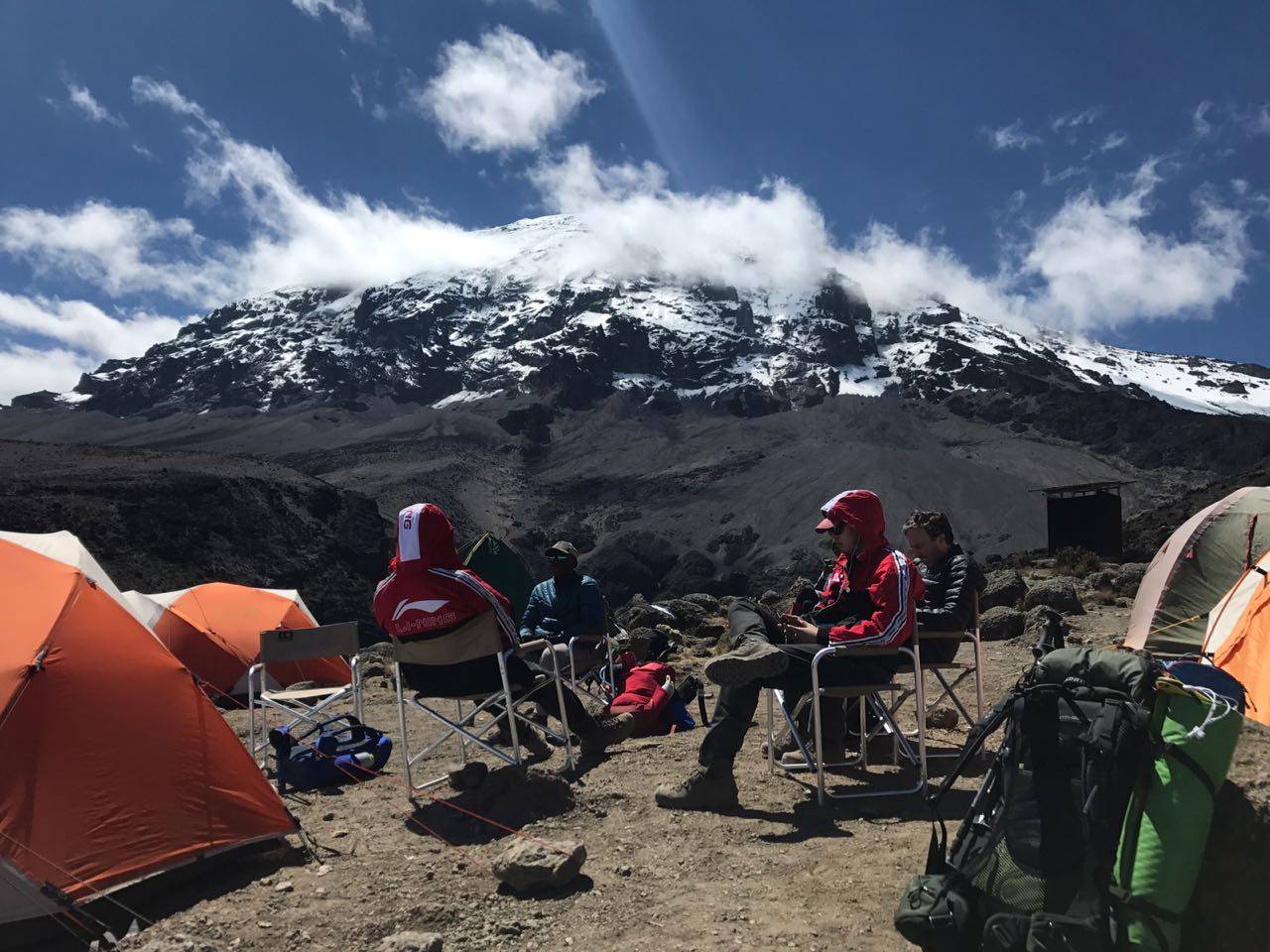
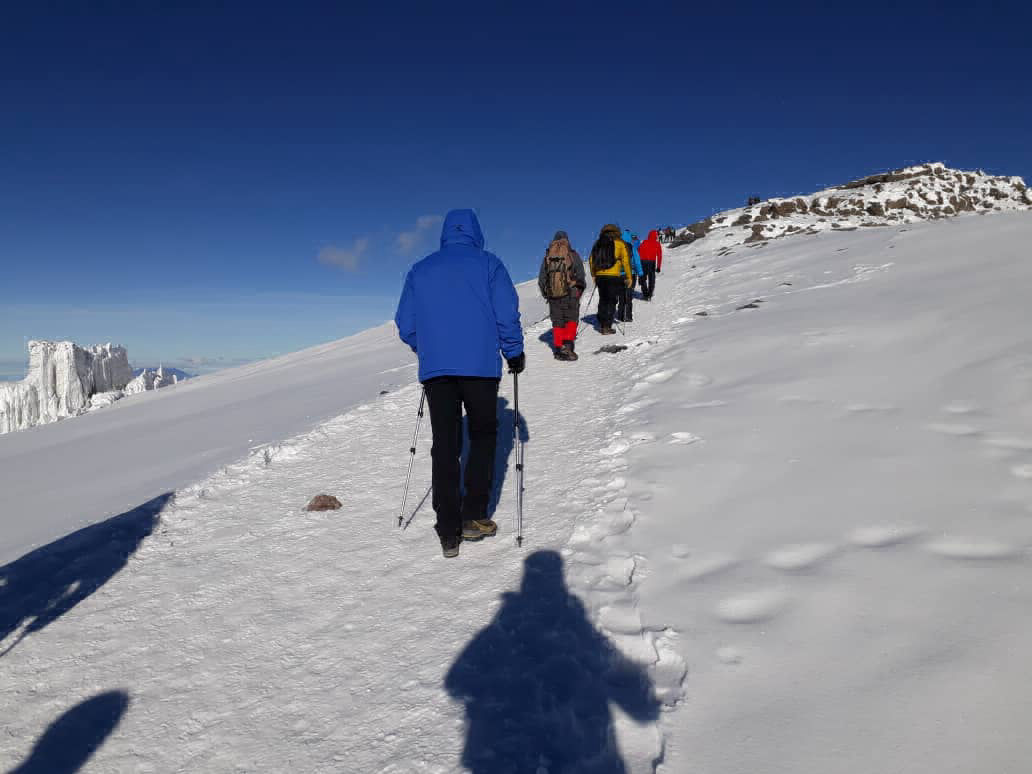
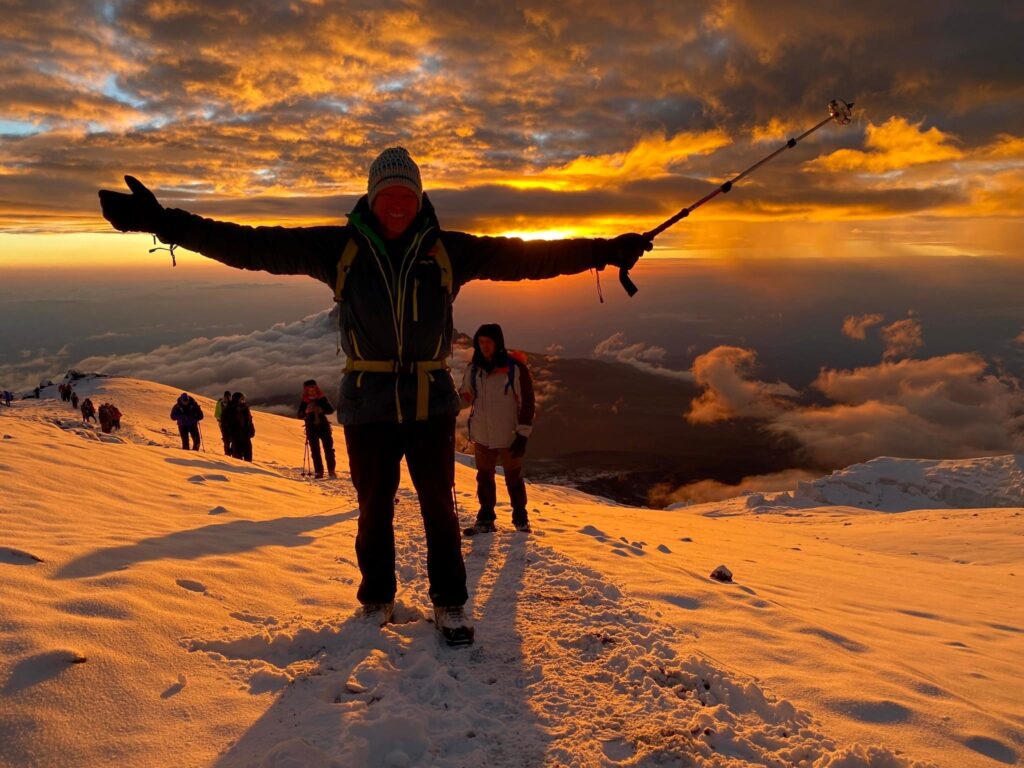
The Immediate Post-Summit Hunger: What Your Body Craves
Reaching Uhuru Peak is an unparalleled triumph, a moment etched forever in your memory. But as the elation settles, a profound physical reality sets in: your body has endured an extreme challenge. The high altitude, the demanding ascents and descents, and the sheer physical exertion have left you depleted. Understanding what to eat after summiting Kilimanjaro is crucial for a swift and effective recovery. This isn’t just about satisfying hunger; it’s about providing your body with the specific nutrients it needs to heal, rebuild, and regain strength. For many climbers, the first sensation is an overwhelming thirst, followed by a ravenous, yet often specific, appetite.
Your body, after days of sustained effort and potentially limited appetite at altitude, is screaming for easily accessible energy and vital electrolytes. The descent itself is demanding, and continuing to fuel your body properly during this phase is as important as the nutrition consumed during the climb. Many trekkers find that after the initial summit push and descent to the next camp, their appetite returns with a vengeance, but their digestive system might still be sensitive. Therefore, the initial focus should be on foods that are gentle on the stomach yet rich in the nutrients you’ve lost.
The goal in the immediate hours and days following your Kilimanjaro summit is multi-faceted:
- Rehydration: You lose significant fluids through respiration at altitude and exertion.
- Glycogen Replenishment: Your body’s primary energy stores are significantly depleted.
- Muscle Repair: Micro-tears in muscle fibers need protein to begin the healing process.
- Electrolyte Balance: Sweating and increased respiration lead to loss of essential minerals.
- Digestive System Support: Gradually reintroducing food to a system that may have been sluggish.
This article will guide you through the optimal nutritional strategies for recovering after your Kilimanjaro adventure, ensuring you feel your best as you celebrate this monumental achievement. We’ll cover everything from the first sip of water to well-rounded meals that support long-term recovery, considering what’s typically available and what you might want to bring as personal preferences.
Phase 1: The First 24-48 Hours Post-Summit – Gentle Replenishment
Descending from the Roof of Africa is a significant undertaking. While you’ll be accompanied by your dedicated guides and porters who will ensure your safety and comfort, your body’s immediate needs are paramount. The first meals and drinks you consume after reaching base camp post-summit are critical for kick-starting the recovery process.
Hydration: The Absolute First Priority
Before anything else, you need to rehydrate. At altitude, your body loses water rapidly through breathing and sweat. Combine this with the physical exertion of the climb, and you can easily become dehydrated. Dehydration exacerbates fatigue, can lead to headaches, and hinders muscle recovery.
- Water: Sip water constantly. Don’t chug large amounts at once, as this can overwhelm your system. Aim for consistent intake.
- Electrolyte Drinks: These are invaluable. They replace lost salts and minerals (like sodium, potassium, and magnesium) that are crucial for nerve function, muscle contraction, and fluid balance. Many trekking companies provide electrolyte powders or sachets. If not, consider bringing your own.
- Herbal Teas: Warm, soothing, and hydrating, herbal teas can be a welcome relief.
- Broths and Soups: These are excellent sources of fluids, electrolytes, and easily digestible nutrients. A warm vegetable or chicken broth is often a lifesaver.
Why this is important: Proper hydration is the foundation of recovery. Without it, your body cannot efficiently transport nutrients, remove waste products, or repair itself. Think of it as replenishing the oil in a well-used engine.
Easily Digestible Carbohydrates: Fueling the Rebound
Your muscle glycogen stores are severely depleted after days of climbing. Carbohydrates are your body’s preferred and quickest source of energy. However, after such an ordeal, your digestive system might be sensitive. The key is to opt for simple, easily digestible carbs initially.
- Soups and Broths: As mentioned, these are excellent. They provide hydration and are often fortified with carbohydrates from vegetables or noodles.
- Plain Rice: White rice is generally easier to digest than brown rice immediately post-exertion.
- Mashed Potatoes: Soft, starchy, and comforting, mashed potatoes offer a good source of carbohydrates and potassium.
- Toast or Crackers: Plain, unsalted options can be a good way to get some carbs in without being too heavy.
- Fruits: Bananas are a fantastic choice – they are easily digestible, provide carbohydrates, potassium, and are relatively soft. Other soft fruits like melon can also be good.
What to avoid: Heavy, fried foods, excessive dairy (if you’re lactose intolerant or sensitive), and very spicy or acidic foods can be difficult for your system to process immediately after the climb.
The Role of Protein: Starting the Repair Process
While carbohydrates are for immediate energy, protein is essential for repairing the muscle damage incurred during the climb. However, large amounts of protein can be harder to digest initially. The focus should be on high-quality, easily absorbable protein sources.
- Clear Soups with Chicken or Lentils: A light chicken soup or a thin lentil soup can provide both hydration and a gentle protein boost.
- Scrambled Eggs: If available and you feel up to it, scrambled eggs are a good source of easily digestible protein.
- Yogurt or Kefir: For those who tolerate dairy well, plain yogurt or kefir can offer probiotics and protein.
Timing is key: Don’t force yourself to eat large amounts of protein right away. Start with small, frequent portions as your appetite and digestion allow.
Phase 2: 2-7 Days Post-Summit – Rebuilding and Restoring
As you descend from Kilimanjaro and reach lower altitudes, your appetite will likely improve, and your body will signal its readiness for more substantial nourishment. This phase is about continuing the recovery, ensuring you’ve fully replenished your energy stores, and supporting continued muscle repair.
Complex Carbohydrates: Sustained Energy Release
Now you can introduce more complex carbohydrates for sustained energy. These will help replenish any remaining glycogen deficits and provide fuel for your body as it returns to normal functioning.
- Whole Grains: Oats, whole wheat bread, brown rice, and quinoa are excellent sources. They also provide fiber, which is important for digestive health.
- Starchy Vegetables: Sweet potatoes, yams, and root vegetables offer complex carbohydrates and a range of vitamins and minerals.
- Legumes: Beans, lentils, and chickpeas are great sources of carbohydrates and protein, along with fiber and micronutrients.
Lean Proteins: Maximizing Muscle Recovery
With your digestive system more robust, you can increase your protein intake to support muscle repair and rebuilding. Aim for lean sources to avoid unnecessary fats.
- Lean Meats: Chicken breast, turkey, lean beef, and fish are excellent choices.
- Eggs: A complete protein source, eggs remain a great option.
- Dairy: Milk, cheese, and yogurt (if tolerated) provide protein and calcium.
- Plant-Based Proteins: Tofu, tempeh, and plant-based protein powders can be good alternatives.
Healthy Fats: Essential for Overall Health
Fats are crucial for hormone production, nutrient absorption, and providing long-term energy. Focus on unsaturated fats.
- Avocado: Rich in healthy fats, potassium, and fiber.
- Nuts and Seeds: Almonds, walnuts, chia seeds, flaxseeds – great for snacks or adding to meals.
- Olive Oil: A staple for cooking and salad dressings.
- Fatty Fish: Salmon, mackerel, and sardines provide omega-3 fatty acids, which have anti-inflammatory properties.
Vitamins and Minerals: The Micronutrient Boost
Your body needs a wide array of vitamins and minerals to function optimally and recover from stress. Ensure your diet is rich in fruits and vegetables.
- Fruits: Berries, citrus fruits, apples, pears – packed with vitamins, antioxidants, and fiber.
- Vegetables: Leafy greens (spinach, kale), broccoli, carrots, bell peppers – provide essential vitamins, minerals, and antioxidants.
- Supplements: If you feel your diet is lacking, consider a multivitamin or specific supplements like Vitamin D, Vitamin C, or magnesium, but it’s always best to consult with a healthcare professional.
Typical Post-Kilimanjaro Meals Provided by Top Guide Adventures
As a trusted tour operator in Tanzania, Top Guide Adventures prides itself on providing not only a safe and memorable Kilimanjaro climb but also nourishing meals that support your journey. While the exact menus can vary based on group preferences and available ingredients, here’s a general idea of what you can expect in the days following your summit, especially once you’ve descended to a lower camp or hotel.
Our aim is to transition from the high-altitude trekking menu to more varied and satisfying meals that aid your recovery. We understand that after summiting Kilimanjaro, your nutritional needs are significant.
At Base Camp / Lower Camps
Upon descending from the final camps, the culinary experience shifts. You’ll likely be offered:
- Hearty Soups: Generous bowls of vegetable soup, chicken noodle soup, or lentil soup. These are often served with bread or rolls.
- Cooked Meals: Expect dishes featuring rice, pasta, or potatoes as a base, served with a protein source like chicken stew, beef stew, or fish, accompanied by cooked vegetables.
- Fresh Fruits: A selection of seasonal fruits like bananas, oranges, mangoes (when in season), and watermelon.
- Hydration Stations: Plenty of water, juice, and sometimes electrolyte drinks available.
At Your Post-Trek Hotel (e.g., in Moshi or Arusha)
Once you’ve checked into your comfortable accommodation, the dining options expand considerably. Top Guide Adventures often arranges meals at reputable hotels or lodges that cater to returning trekkers. These meals are designed for recovery and celebration:
- Buffet Style: Many hotels offer extensive buffets that allow you to choose what appeals to your appetite. This typically includes a variety of salads, soups, main courses (carbohydrate-heavy options like pasta, rice, potatoes, alongside chicken, beef, fish, and vegetarian dishes), and a wide array of desserts.
- À La Carte Menus: If a buffet isn’t available, you’ll have access to restaurant menus. We recommend starting with lighter options and then moving to more substantial meals. Good choices include:
- Starters: Vegetable soup, avocado salad, grilled mushrooms.
- Main Courses: Grilled chicken with vegetables and rice, fish fillet with potatoes, pasta with a tomato-based sauce, beef steak.
- Desserts: Fruit salad, ice cream, crème caramel.
- Local Tanzanian Cuisine: While you might want to ease into it, trying local dishes like Ugali (maize porridge) with a vegetable stew or grilled meat can be a rewarding experience. However, ensure it’s prepared hygienically.
Our team at Top Guide Adventures is always on hand to provide recommendations and ensure your dietary needs are met. We understand that after summiting Kilimanjaro, your body needs care and excellent food.
What to Pack for Post-Summit Snacks
While your trek crew will provide most of your sustenance, packing a few personal snacks can be a lifesaver, especially for those moments immediately after descent or during the first day back in town when your appetite might be unpredictable. These are items that are easy to carry, don’t spoil easily, and provide quick energy or comfort.
- Energy Bars/Protein Bars: Choose bars with a good balance of carbohydrates and protein. Brands like Clif Bar, Kind Bar, or ProBar are popular.
- Trail Mix: A combination of nuts, seeds, and dried fruit provides healthy fats, protein, and quick carbs.
- Dried Fruits: Raisins, apricots, mango slices – convenient and provide natural sugars for energy.
- Nut Butter Packets: Individual packets of peanut butter, almond butter, or cashew butter are great sources of protein and healthy fats. Easy to spread on crackers or eat directly.
- Electrolyte Powder/Tablets: Crucial for rehydration. Brands like Nuun or Skratch Labs are easy to add to water.
- Jerky (Beef, Turkey, or Plant-Based): A good source of protein for muscle recovery.
- Comfort Foods: A small pack of your favorite cookies, hard candy, or a chocolate bar can be a huge morale booster.
Pro-Tip: Pack items that require minimal preparation and are easy to open and consume, even when you’re tired or feeling a bit queasy. Consider variety, as your cravings might change.
Navigating Appetite Changes and Digestive Sensitivity
It’s common for climbers to experience changes in appetite and digestive sensitivity after Kilimanjaro. Altitude, the physical stress, and even changes in water sources can affect your gut.
- Listen to Your Body: Don’t force yourself to eat if you don’t feel hungry. Start with small, frequent meals and snacks.
- Prioritize Hydration: Even if you’re not hungry, keep sipping fluids. This helps your digestive system function.
- Choose Bland Foods Initially: Stick to simple, unseasoned foods like rice, toast, bananas, and clear broths until your appetite and digestion stabilize.
- Introduce Fiber Gradually: While fiber is important, a sudden increase can cause digestive upset. Gradually reintroduce whole grains, fruits, and vegetables.
- Consider Probiotics: Yogurt, kefir, or probiotic supplements can help restore healthy gut bacteria, which may have been disrupted.
- Avoid Triggers: Be mindful of foods that might irritate your stomach – overly greasy, spicy, or acidic foods.
Most climbers find their appetite and digestion return to normal within a few days to a week after descending. Patience and a focus on gentle, nutrient-dense foods are key.
Celebrating Your Achievement: Post-Kilimanjaro Meals and Drinks
Summiting Kilimanjaro is a monumental achievement that deserves celebration! While focusing on recovery, it’s also important to enjoy the moment. This often involves sharing a meal with your fellow climbers and guides.
Toasting Your Success
While water and electrolytes are essential, many climbers enjoy a celebratory drink. If you choose to have alcohol, do so in moderation, especially in the first 24-48 hours, as alcohol can dehydrate you and interfere with recovery.
- Local Beers or Wines: Enjoy a Kilimanjaro Lager or a glass of wine at your hotel.
- Soft Drinks: A refreshing soda can be a treat.
- Fresh Juices: Many hotels offer fresh tropical juices like passion fruit, mango, or pineapple.
The Celebratory Feast
Many tour operators, including Top Guide Adventures, can help arrange a special celebratory dinner. This is a chance to enjoy a more elaborate meal and reflect on your journey.
- Group Dinners: A fantastic way to bond with your group and guides.
- Tasting Local Delicacies: If you’re feeling adventurous and your stomach is settled, try some authentic Tanzanian dishes.
- Enjoying a Variety of Flavors: This is the time to indulge in foods you might have been craving during the trek.
Remember, the celebration should complement, not hinder, your recovery. Pace yourself and enjoy the well-deserved feast.
Planning for 2026-2027: Booking Your Kilimanjaro Adventure and Post-Trek Nutrition
When planning your Kilimanjaro climb for 2026 or 2027, it’s essential to consider all aspects of the journey, including your post-summit recovery and nutrition. Top Guide Adventures is committed to providing comprehensive support throughout your expedition.
Booking Your Climb:
- Early Planning: For 2026-2027 expeditions, especially during peak seasons (January-March and June-October), booking well in advance is highly recommended to secure your preferred dates and routes.
- Route Selection: Different routes offer varying acclimatization profiles and scenery. Consider how this might impact your post-summit experience.
- Inclusions: Understand what your package includes. Top Guide Adventures typically includes meals during the climb, but post-climb accommodation and meals might be separate or part of a package.
Post-Trek Arrangements:
- Accommodation: We can arrange comfortable hotel stays in Moshi or Arusha for your post-trek relaxation and recovery.
- Dining: We can provide recommendations for restaurants or arrange special meals to celebrate your success.
- Transfers: Ensure your airport transfers and onward travel arrangements are sorted.
Customizing Your Experience:
At Top Guide Adventures, we tailor each trip to our clients’ needs. If you have specific dietary requirements or preferences for your post-summit meals, please let us know when you book your 2026 or 2027 climb. We can work with hotels and lodges to accommodate:
- Vegetarian and vegan diets
- Gluten-free or dairy-free needs
- Allergies
- Specific food preferences
Contact us to discuss your dream Kilimanjaro adventure for 2026-2027. Our team is ready to help you plan every detail, ensuring a safe, rewarding, and delicious post-summit experience.
Why Choose Top Guide Adventures for Your Kilimanjaro Climb?
We are one of Tanzania’s most trusted tour companies, offering complete travel experiences with personal attention, care, and dedicated support for every client. When you choose us for your Kilimanjaro climb, you benefit from:
- Experienced Guides: Our guides are highly trained, knowledgeable, and passionate about sharing their love for Kilimanjaro.
- Quality Equipment: We provide high-quality camping and climbing gear to ensure your comfort and safety.
- Nutritious Meals: We understand the importance of good food on the mountain and for recovery.
- Safety First: Your well-being is our top priority, with comprehensive safety protocols in place.
- Personalized Service: From initial inquiry to post-trek arrangements, we offer dedicated support.
Frequently Asked Questions About Post-Kilimanjaro Nutrition
Can I drink alcohol after summiting Kilimanjaro?
It’s generally advised to limit or avoid alcohol in the first 24-48 hours after summiting and descending. Alcohol is a diuretic and can contribute to dehydration, which is counterproductive to recovery. As you feel better and rehydrate, moderate consumption can be part of your celebration, but listen to your body.
How long does it take for appetite to return to normal after Kilimanjaro?
This varies greatly among individuals. Some climbers experience a strong appetite returning within 24 hours of descending, while others may take 2-3 days or even up to a week for their appetite and digestion to fully normalize. Patience and gentle, nutrient-dense foods are key.
What if I feel nauseous after Kilimanjaro?
Nausea can be a sign of lingering altitude effects, dehydration, or simply your digestive system adjusting. Stick to bland foods like crackers, toast, bananas, and clear broths. Sip water or electrolyte drinks slowly. Avoid heavy, greasy, or strong-smelling foods. If nausea persists, consult with your guide or a medical professional.
Should I take supplements after climbing Kilimanjaro?
While a balanced diet is the best way to recover, some supplements might be beneficial. Electrolyte powders are highly recommended. Others like Vitamin C, magnesium, or a general multivitamin can support recovery. However, it’s always best to consult with a healthcare provider before starting any new supplement regimen.
What are the best foods to eat to help with muscle soreness after Kilimanjaro?
Foods rich in lean protein are essential for muscle repair. Think chicken, fish, eggs, lean beef, and plant-based proteins like lentils and beans. Anti-inflammatory foods like berries, fatty fish (salmon), and leafy greens can also help reduce soreness. Staying well-hydrated is also crucial for muscle function and recovery.
Conclusion: Nourishing Your Body for Continued Adventures
Summiting Kilimanjaro is an extraordinary achievement that requires immense physical and mental fortitude. Your body works incredibly hard to get you to the Roof of Africa and back down. Therefore, paying close attention to what you eat after summiting Kilimanjaro is not just about comfort; it’s a vital part of your recovery process. By focusing on rehydration, replenishing energy stores with easily digestible carbohydrates, and supporting muscle repair with lean proteins, you help your body bounce back more effectively.
As you transition from the mountain to more comfortable surroundings, gradually reintroduce a diverse range of nutrient-dense foods, including complex carbohydrates, healthy fats, and plenty of vitamins and minerals from fruits and vegetables. Remember to listen to your body, especially regarding appetite and digestion, and don’t hesitate to pack personal snacks that offer comfort and quick energy.
Top Guide Adventures is dedicated to making your entire Kilimanjaro experience, from the challenging ascent to the well-deserved recovery, as smooth and enjoyable as possible. We pride ourselves on providing excellent support, including guidance on nutrition and arranging comfortable post-trek accommodations and dining. Whether you’re planning your climb for 2026, 2027, or beyond, let us help you craft an unforgettable adventure. For inquiries or to start planning your Kilimanjaro trek, reach out to us:
WhatsApp: +255616946642
Email: topguideadventures@gmail.com
Backup Email: info@topguideadventures.com
We look forward to helping you conquer Kilimanjaro and celebrating your success with delicious and nourishing food!
Check Availability for What To Eat After Summiting Kilimanjaro Guide
Ready to compare dates, prices, and the best option for your group? Send the package name and travel month so the team can reply with a clear quote, availability, and what is included.
Kilimanjaro Scenic Experience Without Summiting: Best Views & Treks 2026-2027
Experience the majestic beauty of Mount Kilimanjaro without the demanding summit climb. This guide details the best scenic viewpoints, lower-altitude treks, and unique natural wonders...
View package details
Kilimanjaro Climb After Knee Surgery: Your Expert Guide For 2026-2027
Considering a Kilimanjaro climb after knee surgery? This comprehensive guide details the feasibility, preparation, risks, and essential considerations for undertaking this ambitious trek in...
View package details
What Happens To Human Waste On Kilimanjaro? Managing On Africas Highest Peak
Human waste on Kilimanjaro is managed through a system of collection and removal, primarily using portable toilets and waste bags, to protect the mountain's fragile ecosystem. This guide...
View package detailsKilimanjaro Food Menu For Picky Eaters: What To Expect & How To Prepare
Climbing Kilimanjaro is an unforgettable adventure, but for picky eaters, the thought of mountain food can be a concern. This guide details the typical Kilimanjaro food menu, offering...
View package details
What Goes In Your Kilimanjaro Summit-Day Backpack? Expert Packing Guide
A comprehensive guide to packing your Kilimanjaro summit-day backpack. Discover the essential gear, clothing layers, hydration, nutrition, and safety items needed for a successful trek to...
View package details
What Size Daypack Do You Need For Kilimanjaro? 2026-2027
What Size Daypack Do You Need for Kilimanjaro? is explained with current 2026-2027 planning, price, itinerary and booking information.
View package details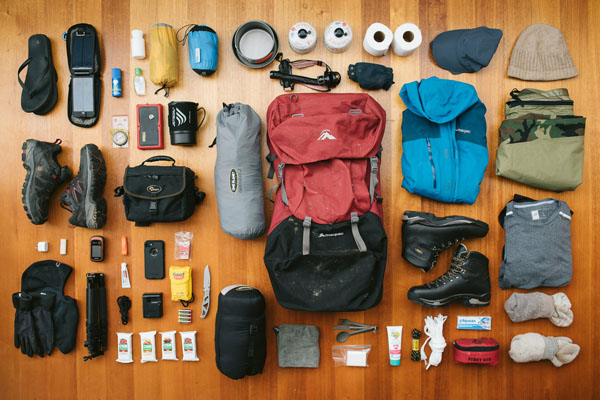
Kilimanjaro Climb After Mount Meru: A Comprehensive Guide For 2026-2027
Discover the strategic advantages and practical considerations of climbing Mount Kilimanjaro immediately following a trek up Mount Meru. This comprehensive guide is designed for adventurers...
View package details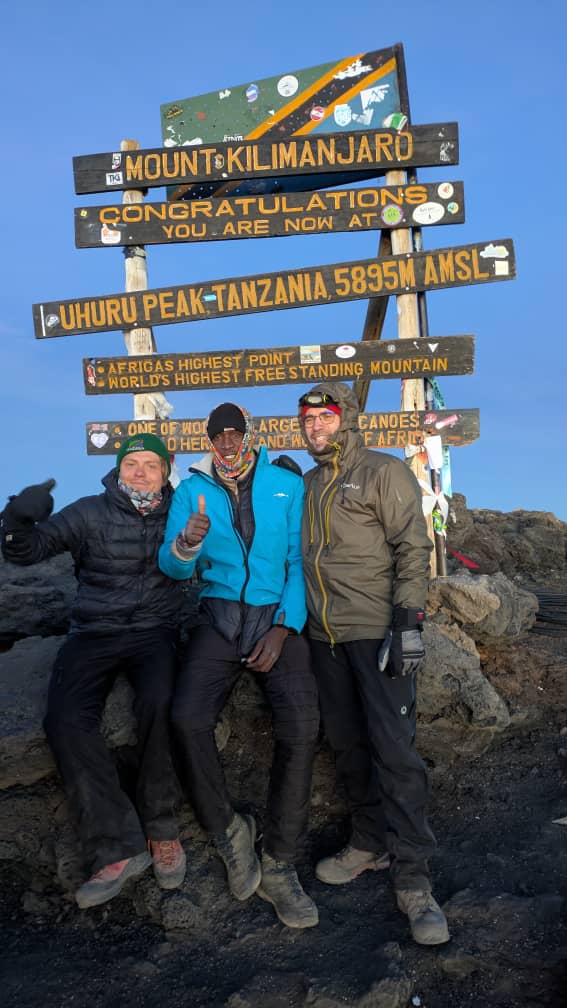
Kilimanjaro Foothills Fitness Retreat 2026-2027
Kilimanjaro Foothills Fitness Retreat is explained with current 2026-2027 planning, price, itinerary and booking information.
View package details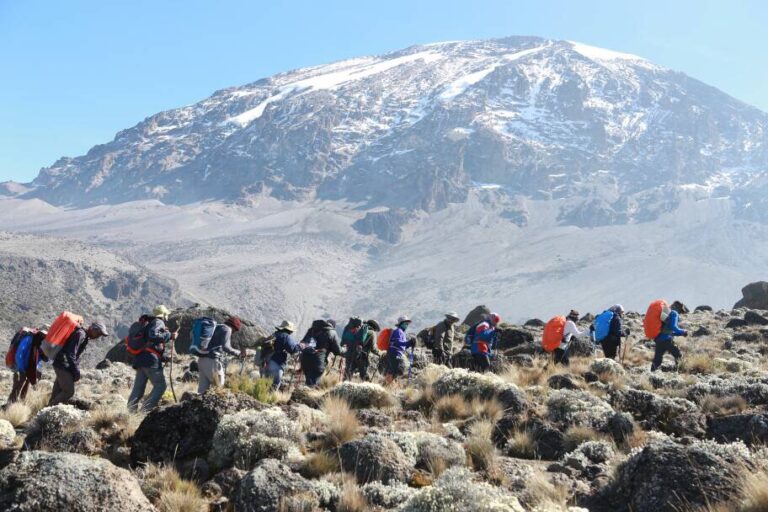
Kilimanjaro High-Altitude Running Camp: Training, Itinerary & Expert Guide
Prepare for peak performance on Kilimanjaro with a specialized high-altitude running camp. This comprehensive guide covers training protocols, ideal routes, essential gear, and expert...
View package detailsKilimanjaro Marathon And Materuni Waterfalls Recovery Tour In 2026-2027
Experience the thrill of the Kilimanjaro Marathon followed by a rejuvenating recovery tour to the stunning Materuni Waterfalls. This unique package offers the perfect blend of athletic...
View package details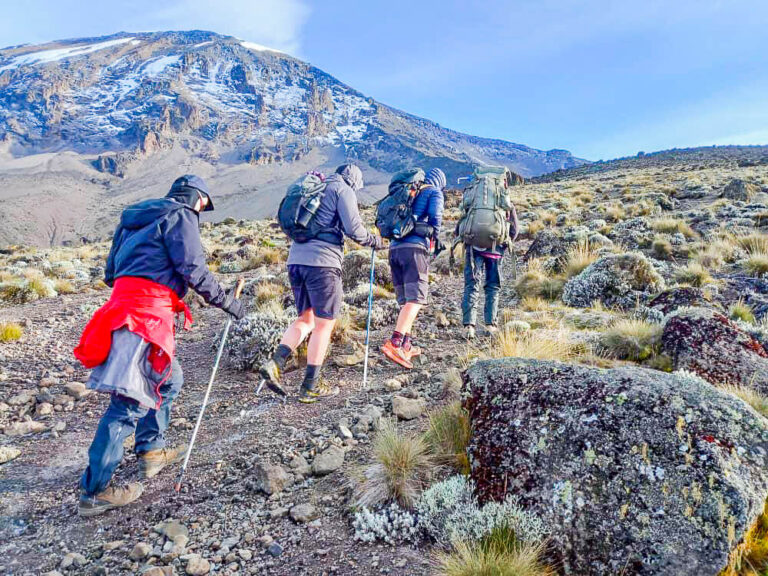
Kilimanjaro Marathon Family Travel Packages For | Top Guide Adventures
Experience the thrill of the Kilimanjaro Marathon with your family! Top Guide Adventures crafts unique travel packages for 2026-2027, blending the excitement of the race with the wonders of...
View package detailsKilimanjaro Marathon Spectator Package: Your Ultimate Guide For 2026-2027
Planning to support a runner at the Kilimanjaro Marathon? This guide details everything you need to know about spectator packages for 2026-2027, including accommodation, transport, and...
View package detailsNo related package matches those filters. Clear one or more filters to see the other topic-matched options.



