
Climbing the Barranco Wall on Kilimanjaro is a unique, challenging, and incredibly rewarding scramble that feels more like a vertical obstacle course than a typical hike. Expect to use your hands for balance and leverage as you navigate steep, rocky sections, often in single file. While it requires physical exertion and a good head for heights, it’s achievable for most trekkers with determination and proper preparation, offering unparalleled views and a significant sense of accomplishment upon reaching the top.
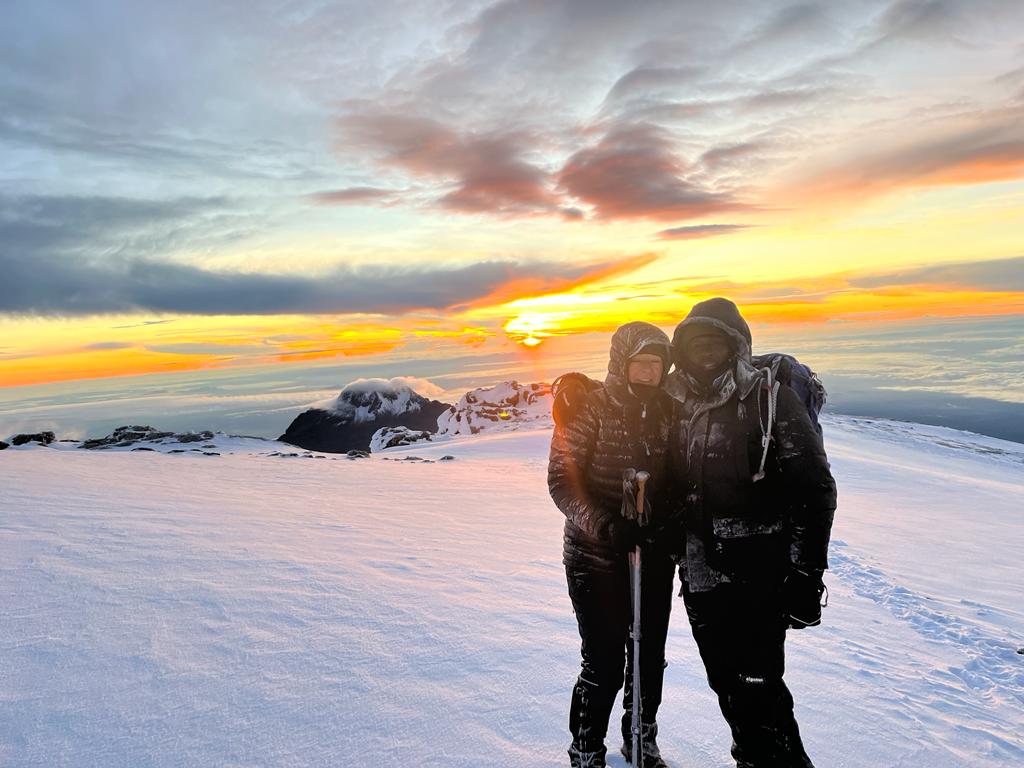
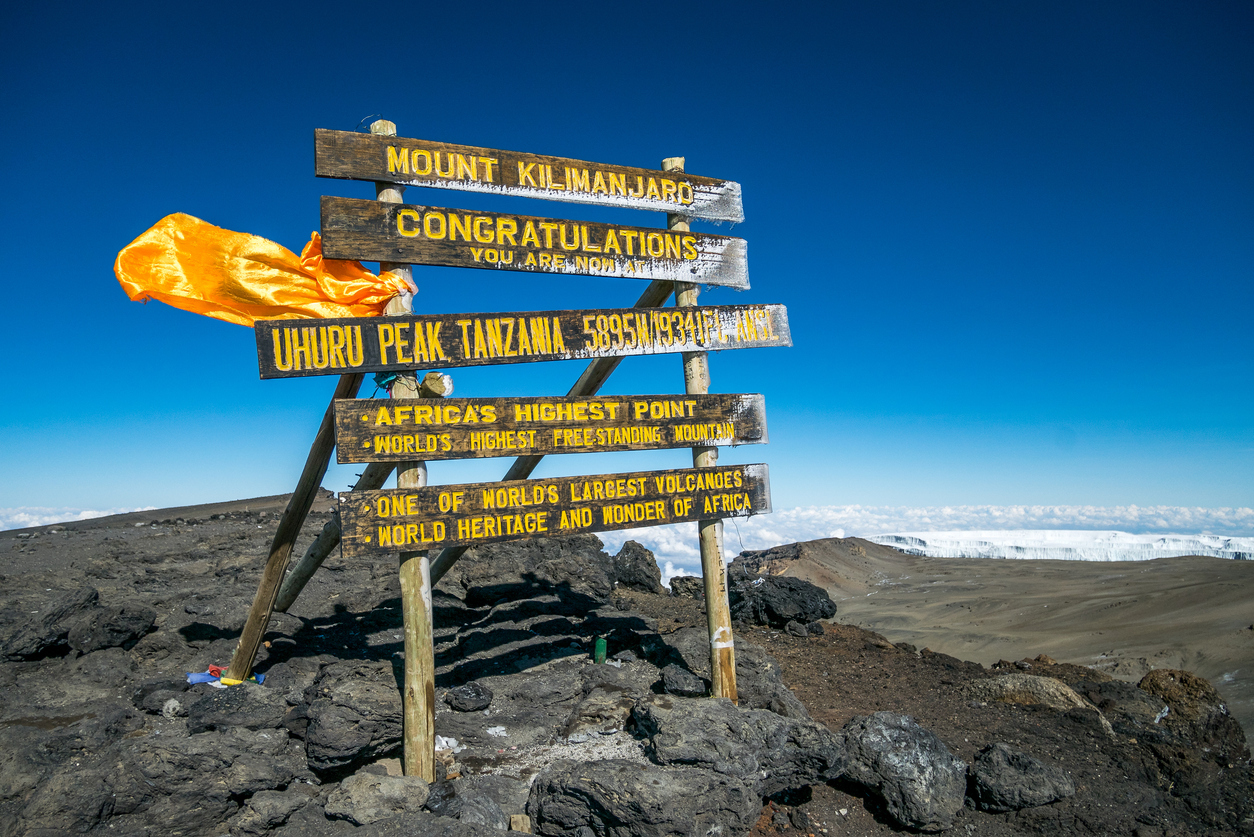
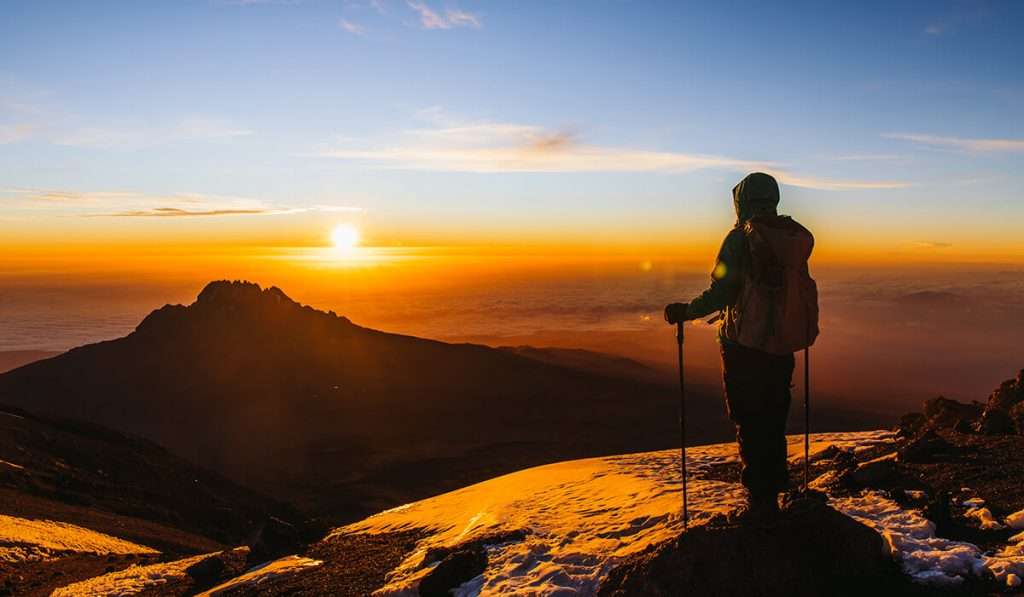
Understanding the Barranco Wall: A Kilimanjaro Icon
The Barranco Wall, often referred to simply as “The Wall,” is one of the most iconic and talked-about sections of any Kilimanjaro climb. Situated on the southern circuit routes, it typically appears on day four of a standard 7-day or longer itinerary. It’s not a technical rock climb requiring ropes or specialized gear, but rather a steep, rugged ascent that demands a different kind of effort and focus from trekkers. Many consider it the most memorable physical challenge of their Kilimanjaro journey.
For trekkers planning their ascent for 2026 or 2027, understanding the Barranco Wall is crucial for setting expectations and preparing adequately. It’s a point where many climbers face their mental and physical limits, but also where they experience some of the most stunning scenery and a profound sense of achievement.
Why is the Barranco Wall So Famous?
Several factors contribute to the Barranco Wall’s legendary status:
- Unique Challenge: Unlike the gradual inclines of most of Kilimanjaro, the Wall presents a steep, near-vertical obstacle that requires hands-on scrambling.
- Scenery: The ascent offers dramatic, panoramic views of the surrounding landscape, including the vast plains below and the imposing summit cone of Kilimanjaro.
- Sense of Accomplishment: Successfully navigating the Wall provides a significant morale boost and a tangible sense of overcoming a major hurdle.
- Key Transition Point: Reaching the top of the Wall marks a significant step closer to the summit, often leading to a more accessible and scenic plateau.
Which Routes Include the Barranco Wall?
The Barranco Wall is a feature of the more scenic and longer routes on Kilimanjaro, which generally offer better acclimatization and higher success rates. These include:
- Machame Route: Perhaps the most popular route that includes the Wall.
- Lemosho Route: A longer and more scenic option, also featuring the Wall.
- Shira Route: Similar to Lemosho, it incorporates the Wall.
- Northern Circuit: The longest route, which circles the mountain, includes the Wall.
- Umbwe Route: While the shortest and steepest, it does traverse the Wall, though often with less acclimatization.
Routes like Marangu and Rongai do not include the Barranco Wall. For many, the inclusion of the Wall is a major draw when choosing a Kilimanjaro itinerary for 2026 or 2027.
The Barranco Wall Experience: Step-by-Step
The experience of climbing the Barranco Wall is best understood by breaking it down into stages. It typically begins after breakfast at the Barranco Camp, usually around 7:00 AM to 8:00 AM. The Wall itself is about 257 meters (843 feet) high, but the trek to its base and the scramble itself can take anywhere from 1 to 4 hours, depending on the group’s pace and the conditions.
Approaching the Wall: The Barranco Valley
Before you even reach the Wall, you’ll traverse the Barranco Valley. This trek is beautiful in its own right, characterized by unique high-altitude flora like giant senecios and lobelias. The path is uneven, rocky, and involves some ups and downs, serving as a good warm-up for the main event. You’ll cross streams and navigate through a landscape that feels almost prehistoric.
The Scramble Begins: Using Your Hands
As you approach the base of the Wall, the path becomes steeper. The “climb” begins gradually. You’ll start by using your hands for balance on larger rocks and uneven terrain. The path is well-trodden, and guides will lead you along the most accessible routes. It’s important to listen to your guide’s instructions, as they know the Wall intimately and can point out the best handholds and footholds.
Navigating the Steep Sections
The Barranco Wall is not a continuous vertical climb. It’s a series of steep sections interspersed with slightly more level areas. You’ll encounter giant boulders, ledges, and narrow paths. The key is to move steadily and deliberately. Most people find it manageable by simply following their guide and using their hands to pull themselves up or stabilize their descent on tricky parts. It’s more about endurance and careful foot placement than pure strength.
The “Kissing Rock”
One of the most famous sections, often called the “Kissing Rock,” is a large, overhanging boulder that requires you to duck and maneuver around it. It’s a fun, albeit slightly awkward, part of the climb that often elicits smiles and a few laughs. Despite its name, you don’t actually kiss it!
Reaching the Summit of the Wall: Karanga Camp
Upon successfully ascending the Barranco Wall, you’ll arrive at the Karanga Valley, and then begin an ascent to Karanga Camp. The final push to the top of the Wall offers spectacular views. The relief and pride felt at this point are immense. Karanga Camp is typically your campsite for the night, offering a well-deserved rest before the final push to the summit on subsequent days.
What to Expect: Practicalities and Preparation
To make your Barranco Wall experience as smooth as possible, understanding the practicalities and preparing accordingly is vital. This section covers essential tips for trekkers planning their 2026-2027 Kilimanjaro adventure.
Physical Fitness Requirements
While you don’t need to be a seasoned climber, good physical fitness is essential. The Barranco Wall demands:
- Stamina: You’ll be trekking for several hours, often at high altitude.
- Leg Strength: For climbing and navigating uneven terrain.
- Upper Body Strength: To help pull yourself up on certain sections.
- Balance: Crucial for navigating the rocky, uneven path.
Training should include hiking with a backpack, stair climbing, and general cardiovascular exercise. Practicing scrambling on local hills or rocky trails can also be beneficial.
Mental Preparation
The Barranco Wall can be intimidating. It’s important to approach it with a positive mindset. Remember:
- Trust your guides: They are experienced and will guide you safely.
- Go slow and steady: Rushing can lead to mistakes.
- Focus on one step at a time: Don’t look too far ahead or down.
- Breathe: High altitude can make breathing difficult; focus on deep, steady breaths.
Essential Gear for the Barranco Wall
Most of your standard Kilimanjaro gear will suffice, but a few items are particularly useful for the Wall:
- Sturdy Hiking Boots: With excellent grip and ankle support.
- Gloves: Lightweight gloves (liner gloves or similar) are highly recommended for better grip on the rocks and to protect your hands.
- Trekking Poles: While you can’t use them for the entire scramble, they are invaluable for the approach and descent sections. Many trekkers collapse them or stow them during the steepest parts.
- Layers of Clothing: The weather can change rapidly. Be prepared for sun, wind, and potentially cooler temperatures.
- Water and Snacks: Ensure you have enough to keep you energized and hydrated throughout the climb.
Altitude Considerations
By the time you reach the Barranco Wall, you will have been trekking for several days, allowing for some acclimatization. However, the Wall is at a significant altitude (around 3,950 meters or 12,960 feet at the base, and you ascend to about 4,200 meters or 13,780 feet at the top). This means you’ll be experiencing the effects of altitude. Listen to your body, stay hydrated, and inform your guide of any symptoms of altitude sickness.
Comparing Barranco Wall Experiences on Different Routes
While the Barranco Wall is a singular geographical feature, the experience of reaching and climbing it can vary slightly depending on the route you choose. This comparison is valuable for trekkers deciding on their 2026-2027 Kilimanjaro itinerary.
Machame Route vs. Lemosho Route
Both routes offer an excellent Barranco Wall experience. The Machame Route is more direct, meaning you reach the Wall on day 3 of a 7-day climb. The Lemosho Route is longer, typically 7 or 8 days, which allows for better acclimatization before reaching the Wall on day 4. This extended acclimatization can make the Wall feel more manageable for some.
Northern Circuit: The Advantage of Acclimatization
The Northern Circuit, being the longest route, provides the most gradual ascent and best acclimatization. Trekkers on this route often feel more comfortable and physically prepared for the Barranco Wall. The extra days mean you’re more accustomed to the altitude, and the overall journey is less strenuous until the Wall itself.
Umbwe Route: The Challenge Amplified
The Umbwe Route is known for its steepness and directness. While it does feature the Barranco Wall, trekkers are at a lower altitude for fewer days beforehand. This means the Wall can feel significantly more challenging due to less acclimatization, making it suitable only for very fit and experienced high-altitude trekkers.
What It Feels Like: Sensory and Emotional Aspects
Beyond the physical, the Barranco Wall climb is a rich sensory and emotional experience. Many describe it as:
- Exhilarating: The feeling of successfully navigating a challenging section is incredibly uplifting.
- Visually Stunning: The vastness of the landscape unfolding below as you ascend is impressive.
- Engaging: It requires full concentration, pulling you into the present moment.
- Communal: Often, trekkers form lines, encouraging each other, sharing the experience.
The sounds are those of boots on rock, the wind, and the encouraging calls of guides and fellow trekkers. The textures are rough rock, cool air, and the grip of your gloves.
Common Concerns and How to Address Them
It’s natural to have concerns about the Barranco Wall. Here are some common ones and how Top Guide Adventures helps you address them:
Fear of Heights
If you have a fear of heights, the Barranco Wall can seem daunting. However, most people find it manageable because:
- The path is wide enough: You are not typically on narrow ledges with sheer drops immediately beside you.
- Guides provide support: They will guide you to the safest and easiest path.
- Focus is on the climb: You are concentrating on your next step and handhold, not the distance below.
Take your time, communicate your concerns to your guide, and focus on the task at hand. The satisfaction of overcoming this fear is immense.
Physical Demands
As mentioned, good fitness is key. If you are concerned about your strength or stamina, focus on a rigorous training program in the months leading up to your 2026 or 2027 climb. Cardiovascular fitness, leg strength, and some upper body conditioning will make a significant difference.
Getting Stuck or Needing Help
Guides are trained to assist trekkers. If you struggle on a particular section, your guide will offer a hand or find an alternative way. There are no technical climbing skills required, so you won’t get “stuck” in a way that requires rescue expertise, but rather guidance and support.
The Role of Your Guide on the Barranco Wall
Your guide is your most important asset on the Barranco Wall. Their role includes:
- Route Selection: Identifying the safest and most efficient path up.
- Pacing: Ensuring you move at a sustainable pace.
- Encouragement: Providing motivation when needed.
- Safety: Watching for loose rocks and ensuring stable footing.
- Assistance: Offering a hand or support on challenging steps.
At Top Guide Adventures, we ensure our guides are highly experienced, knowledgeable about the Wall, and trained in mountain safety. They are experts in helping clients navigate this iconic section.
When to Climb the Barranco Wall: Best Seasons
The best time to climb Kilimanjaro, and therefore to tackle the Barranco Wall, is during the dry seasons:
- January to March: Generally clear skies, though can be colder.
- June to October: Considered the peak season, with the most stable weather and moderate temperatures.
Climbing during the shoulder seasons (April-May, November-December) can offer fewer crowds but comes with a higher chance of rain and cloud cover, potentially obscuring views from the Wall.
For those planning for 2026 or 2027, booking during the peak dry seasons will offer the best conditions for experiencing the Barranco Wall and the rest of the climb.
Barranco Wall vs. Other Kilimanjaro Challenges
How does the Barranco Wall compare to other demanding parts of the Kilimanjaro climb?
- Summit Night: This is by far the most physically demanding part of the climb. It’s a long, cold, and arduous ascent in the dark, battling altitude and exhaustion. The Barranco Wall, while challenging, is typically climbed during daylight with better conditions and less extreme altitude effects.
- Other Steep Ascents: While other routes have steep sections, the Barranco Wall is unique in its sustained, hands-on scrambling nature.
The Barranco Wall is a significant physical and mental test, but it’s generally considered more enjoyable and less grueling than summit night.
Maximizing Your Barranco Wall Success with Top Guide Adventures
Top Guide Adventures is committed to making your Kilimanjaro climb, including the Barranco Wall, a safe and memorable experience. We focus on:
- Experienced Guides: Our guides are certified, highly experienced, and deeply familiar with Kilimanjaro’s routes and challenges, including the Barranco Wall.
- Quality Equipment: We provide high-quality tents, sleeping bags, and ensure all group equipment is well-maintained.
- Safety First: We carry comprehensive first-aid kits and have emergency protocols in place. Our guides are trained in altitude sickness management.
- Personalized Support: We believe in personal attention. Our team is dedicated to supporting every client, ensuring you have the best possible experience.
We help you prepare for the Barranco Wall by providing detailed pre-climb information and ensuring your itinerary allows for adequate acclimatization. For any inquiries regarding your 2026 or 2027 climb, including specific questions about the Barranco Wall, our team is ready to assist.
You can reach us via WhatsApp +255616946642 or email us at topguideadventures@gmail.com. Our backup email is info@topguideadventures.com.
Choosing the Right Route for 2026-2027
When planning your Kilimanjaro climb for 2026 or 2027, consider the Barranco Wall as a highlight. Routes like Machame, Lemosho, and the Northern Circuit offer the best combination of scenery, acclimatization, and the chance to conquer this iconic wall. We can help you choose the route that best suits your fitness level, time constraints, and desired experience. Explore our Machame Route options or learn more about group departures for shared adventures.
Frequently Asked Questions About the Barranco Wall
Is the Barranco Wall dangerous?
The Barranco Wall is not considered technically dangerous for trekkers, provided they follow their guide’s instructions and move carefully. It’s a scramble, not a climb, and the paths are well-trodden. The main risks are related to fatigue and altitude, which can lead to missteps. Proper preparation and listening to your guide significantly mitigate risks.
Do I need to be a climber to do the Barranco Wall?
No, you do not need to be a rock climber. You do need to be reasonably fit and comfortable using your hands for balance and to pull yourself up on certain sections. It’s more about agility and steady movement than technical climbing skill.
What if I get scared on the Barranco Wall?
It’s common to feel a bit nervous, especially if you have a fear of heights. Communicate this to your guide. They are experts at providing reassurance and support, guiding you step-by-step and ensuring you feel as safe as possible. Focus on the immediate path and your guide’s instructions.
How long does it take to climb the Barranco Wall?
The actual scramble up the Wall typically takes between 1 to 4 hours, depending on the group’s pace, the conditions, and how busy the trail is. This does not include the approach to the Wall from Barranco Camp or the subsequent trek to Karanga Camp.
When is the best time to climb the Barranco Wall?
The best times are during Kilimanjaro’s dry seasons: January to March and June to October. These periods offer clearer skies and more stable weather, enhancing the views and making the scramble safer and more enjoyable.
What should I wear for the Barranco Wall?
Wear sturdy hiking boots with good grip, comfortable trekking trousers, and layered clothing. Lightweight gloves are highly recommended for better hand grip and protection. A hat for sun protection is also essential.
Planning Your 2026-2027 Kilimanjaro Climb with Barranco Wall
The Barranco Wall is a highlight for many trekkers on Kilimanjaro. It offers a unique challenge that tests your physical and mental limits while rewarding you with spectacular views. Proper preparation, choosing the right route, and climbing with an experienced operator like Top Guide Adventures are key to a successful and enjoyable experience. Our team is ready to help you plan your unforgettable adventure for 2026 or 2027. Contact us today to discuss your dream climb!
WhatsApp: +255616946642
Email: topguideadventures@gmail.com
Backup Email: info@topguideadventures.com
Check Availability for What Is It Like To Climb The Barranco Wall? Your Expert Guide 2026-2027
Ready to compare dates, prices, and the best option for your group? Send the package name and travel month so the team can reply with a clear quote, availability, and what is included.
How Long Does It Take To Climb The Barranco Wall On Kilimanjaro? 2026-2027
The Barranco Wall, a highlight of Kilimanjaro climbs, typically takes between 3 to 5 hours to ascend. This challenging yet rewarding section requires scrambling and careful navigation, with...
View package details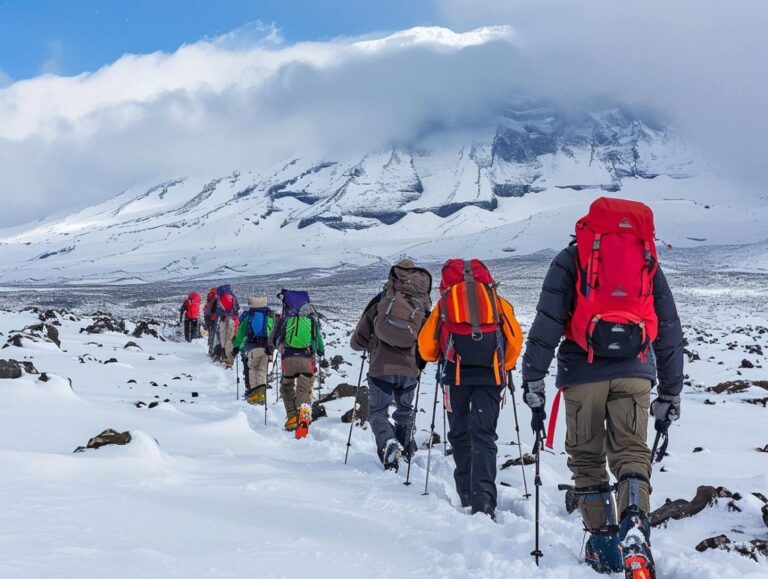
Do You Need Ropes On The Barranco Wall? Kilimanjaro Climb Essentials 2026-2027
The Barranco Wall is a famous Kilimanjaro landmark. While not technically requiring ropes for all climbers, its steep and challenging sections often lead to discussions about safety and...
View package details
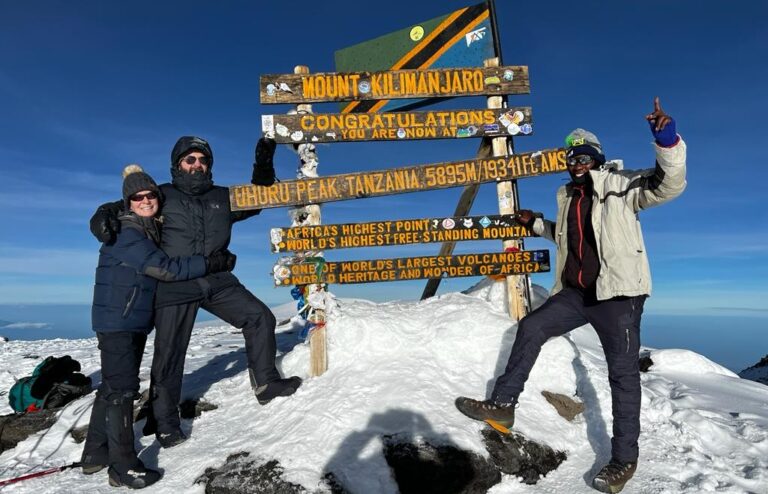
What Is The Kilimanjaro Summit Sign Like? Your Complete Guide 2026-2027
The Kilimanjaro summit sign is a recognizable metal signpost at Uhuru Peak, marking the highest point on the continent. Reaching it signifies the culmination of a challenging trek, offering...
View package details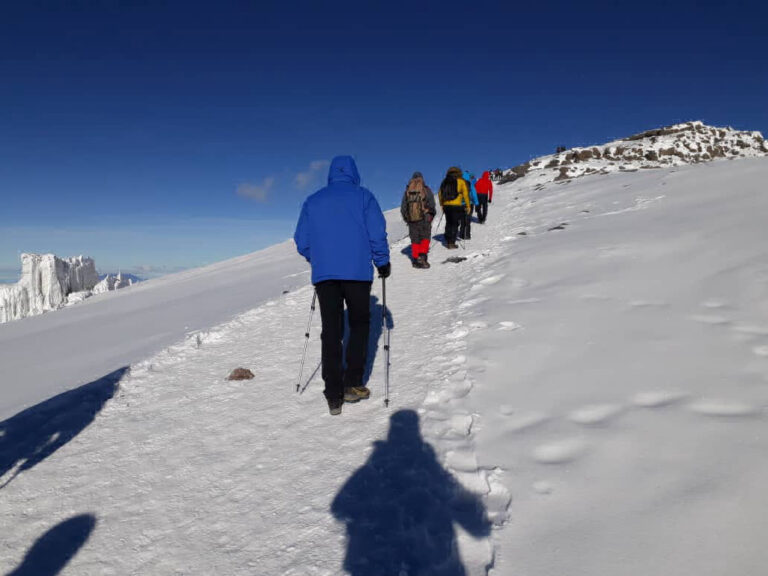
What Happens At Mweka Gate After Your Kilimanjaro Climb? 2026-2027
Your Kilimanjaro adventure culminates at Mweka Gate. Learn about the descent, certificate ceremony, post-climb celebrations, and what to expect logistically upon reaching the base.
View package details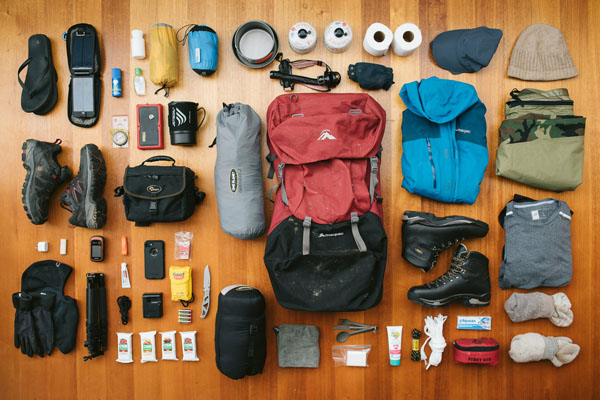
Kilimanjaro Gear-Rental Mistakes To Avoid For Your Climb 2026-2027
Planning a Kilimanjaro climb for 2026 or 2027? Renting gear can save money and hassle, but mistakes are common. This guide details the most frequent errors climbers make when renting...
View package details
Kilimanjaro Hotel Booking Mistakes: Avoid These Pitfalls For A Smooth Climb
Booking accommodation near Kilimanjaro is crucial for a successful climb. This guide details common Kilimanjaro hotel booking mistakes to help you avoid them, ensuring comfort and readiness...
View package details
Kilimanjaro Flight-Booking Mistakes: Avoid These Pitfalls For Your Climb
Planning your Kilimanjaro climb for 2026 or 2027? Don't let flight booking errors derail your adventure. This guide covers critical mistakes to avoid, from choosing the right airport and...
View package details
Kilimanjaro Tipping Mistakes And Etiquette: A Comprehensive Guide For Climbers
Navigating Kilimanjaro tipping can be confusing. This guide details common mistakes and proper etiquette for tipping your support crew, ensuring fair compensation and a positive experience...
View package details
Kilimanjaro Insurance Mistakes To Avoid For A Safe Climb In 2026-2027
Climbing Mount Kilimanjaro is a dream for many, but overlooking proper insurance can turn an incredible adventure into a costly disaster. This guide details the most common Kilimanjaro...
View package details
Kilimanjaro Packing Mistakes To Avoid For A Successful Climb In 2026-2027
Packing for Kilimanjaro is crucial for a successful trek. This guide details common packing mistakes to avoid, ensuring you have the right gear for the varying altitudes and conditions...
View package details
Kilimanjaro Morning Flight Vs Evening Arrival: Which Is Better For Your Climb?
Choosing between a morning and evening flight arrival at Kilimanjaro International Airport (JRO) significantly impacts your pre-climb preparations and initial acclimatization. This guide...
View package detailsKilimanjaro Full-Moon Vs Dark-Sky Climb: Which Is Best For You In ? 2026-2027
Choosing between a Kilimanjaro full-moon or dark-sky climb in 2026-2027 involves weighing unique advantages. A full-moon climb offers visibility and a magical atmosphere, while a dark-sky...
View package detailsNo related package matches those filters. Clear one or more filters to see the other topic-matched options.



