
A Kilimanjaro climb for university students in 2026-2027 is an achievable and rewarding adventure, typically costing between $1,500 to $3,500 per person depending on the chosen route, duration, and operator. Popular routes like Machame and Marangu are well-suited for students due to their balance of acclimatization and scenery, with trips usually lasting 6-9 days. Preparation involves physical training, mental readiness, and careful planning, often best done with experienced local operators like Top Guide Adventures who understand student budgets and needs.
Conquering Africa’s Rooftop: The Ultimate Kilimanjaro Climb for University Students in 2026-2027
The allure of standing atop Mount Kilimanjaro, the world’s tallest free-standing mountain and the highest point in Africa, is a powerful one. For university students, this dream represents more than just a physical challenge; it’s an opportunity for personal growth, team building, and an unparalleled adventure during their academic years. Planning a Kilimanjaro climb for university students in the 2026-2027 season requires specific considerations, from budget-friendly options and suitable itineraries to the unique demands of student life. Top Guide Adventures specializes in crafting these experiences, ensuring safety, success, and unforgettable memories for young adventurers.
This guide is designed to be your comprehensive resource, covering everything from selecting the best route and understanding the costs involved to the crucial aspects of training, gear, and responsible travel. Whether you’re a group of friends looking for a post-exam expedition or an individual seeking a life-changing challenge, we’ll help you navigate the complexities of climbing Kilimanjaro and make your 2026-2027 adventure a reality.
Why Kilimanjaro for University Students? The Unique Appeal
University is a time of exploration, self-discovery, and pushing boundaries. A Kilimanjaro climb perfectly aligns with these themes. It offers:
- A Definitive Achievement: Summiting Kilimanjaro is a significant accomplishment that builds confidence and provides a tangible goal to work towards.
- Team Building and Camaraderie: For student groups, the shared experience of training, trekking, and supporting each other on the mountain fosters deep bonds.
- Educational Value: Beyond the physical, the climb offers exposure to diverse ecosystems, Swahili culture, and the science of high-altitude physiology.
- Character Development: Facing and overcoming the challenges of altitude, weather, and physical exertion cultivates resilience, discipline, and problem-solving skills.
- Unforgettable Memories: The sheer beauty of the landscapes, the camaraderie, and the triumph of reaching the summit create memories that last a lifetime, distinct from typical student experiences.
The 2026-2027 academic years present ideal opportunities for students to plan such an expedition, often during summer breaks or between semesters, allowing ample time for preparation and recovery.
Choosing the Right Kilimanjaro Route for Student Groups: Balancing Success and Experience
Selecting the appropriate route is paramount for a successful Kilimanjaro climb, especially for university students who may have varying fitness levels and limited high-altitude experience. The key factors are success rate, acclimatization profile, scenery, and cost. Top Guide Adventures recommends routes that offer a good balance, prioritizing a higher chance of reaching the summit safely.
The Machame Route: A Popular Choice for Student Expeditions
Often referred to as the “Whiskey Route,” Machame is one of the most popular choices for climbers, including university student groups. Its primary advantage is its excellent acclimatization profile, following a “climb high, sleep low” principle, which significantly increases the success rate.
- Duration: Typically 6 or 7 days. A 7-day itinerary is strongly recommended for better acclimatization.
- Scenery: Offers diverse and stunning views as you traverse different ecological zones.
- Difficulty: Moderate to challenging, with a steep ascent on summit night.
- Accommodation: Camping.
- Pros for Students: High success rate, beautiful scenery, good acclimatization.
- Cons for Students: Can be crowded during peak seasons, requires good physical fitness.
For 2026-2027 bookings, the 7-day Machame route provides a solid foundation for student groups seeking a balance of challenge and safety.
The Marangu Route: The “Coca-Cola” Trail with Unique Comforts
Marangu is the oldest and arguably the most straightforward route. It’s known for its unique “Coca-Cola” huts, offering dormitory-style accommodation rather than camping, which can be appealing to students seeking a slightly more comfortable experience.
- Duration: Typically 5 or 6 days. The 5-day option has a very low success rate due to poor acclimatization. A 6-day itinerary is necessary.
- Scenery: Less varied than Machame, as you ascend and descend the same path.
- Difficulty: Moderate, but the 5-day version is very challenging due to rapid ascent.
- Accommodation: Huts.
- Pros for Students: Offers beds in huts (less gear needed, perceived comfort), often slightly cheaper.
- Cons for Students: Lower success rate on the 5-day option, less scenic, can be very crowded.
While appealing for its hut accommodation, Top Guide Adventures advises caution for student groups considering the 5-day Marangu route for 2026-2027; the 6-day variation is significantly safer.
Other Routes Worth Considering for 2026-2027:
- Lemosho Route: Longer (7-8 days), more scenic, and offers excellent acclimatization. It starts in the west and joins the Machame route. It’s generally more expensive but provides a more pristine experience.
- Shira Route: Similar to Lemosho but starts at a higher altitude, requiring good initial acclimatization.
- Northern Circuit: The longest (9-10 days) and most expensive, offering the highest success rates due to its superior acclimatization and less-trafficked path. Ideal for those prioritizing comfort and success.
- Rongai Route: The only route approaching from the north. It’s generally drier, making it a good option during the rainy seasons (though less ideal for student groups planning during typical academic breaks). It’s often less crowded.
Recommendation for University Students (2026-2027): For a balanced experience, the 7-day Machame Route or the 7-day Lemosho Route are generally the best choices, offering a strong combination of acclimatization, scenery, and a good probability of summit success. For groups prioritizing a higher chance of success and a more relaxed pace, the 9-day Northern Circuit is also excellent, albeit at a higher cost.
Understanding the Costs: Kilimanjaro Climb Budgets for Students in 2026-2027
The cost of a Kilimanjaro climb can vary significantly. For university students, managing budget is often a key consideration. Prices are typically quoted per person and include park fees, crew wages, food, equipment, and logistical support.
Key Cost Components:
- Park Fees: A substantial portion of the cost, mandated by the Tanzania National Parks Authority (TANAPA). These are fixed and non-negotiable.
- Operator Fees: Cover guides, porters, cooks, food, camping equipment, transport, and accommodation before/after the climb. This is where prices differ most between operators.
- Route Choice: Longer routes and less-trafficked routes (like Northern Circuit) are generally more expensive due to more days and higher operational costs.
- Group Size: While private climbs are more expensive per person, larger student groups might negotiate slightly better rates, though park fees remain fixed per person.
- Service Level: Operators range from budget to luxury, affecting the quality of food, gear, and crew support.
Estimated Price Ranges for 2026-2027 (per person):
- Budget Operators: $1,500 – $2,000. May involve compromises on crew welfare, food quality, or equipment. Exercise caution when choosing the absolute cheapest options.
- Mid-Range Operators (Recommended for Students): $2,000 – $3,000. Offer a good balance of quality, safety, and value. Top Guide Adventures falls into this category, providing excellent service and support.
- High-End/Luxury Operators: $3,000 – $3,500+. Focus on premium services, higher guide-to-client ratios, and extra comforts.
Additional Costs Not Always Included:
- Flights: To Kilimanjaro International Airport (JRO).
- Visas: For Tanzania.
- Travel Insurance: Essential, covering high-altitude trekking and emergency evacuation.
- Personal Gear: Such as hiking boots, warm clothing, sleeping bags.
- Tips for Crew: A significant cultural expectation and a vital part of porter and guide income. Budget around $250-$350 per climber for the entire crew.
- Personal Expenses: Souvenirs, extra snacks, bottled water (though usually provided), pre/post-climb accommodation if needed.
- Vaccinations and Medications.
Budgeting Tips for Students in 2026-2027:
- Book Early: Especially for 2026-2027 peak seasons, to secure preferred dates and potentially better deals.
- Travel in Groups: Can sometimes lead to group discounts, but primarily ensures shared costs and support.
- Consider Shoulder Seasons: For example, November or March-April (though April can be very wet). These times might offer slightly lower prices and fewer crowds.
- Compare Operators Carefully: Look beyond just the price. Check reviews, inclusions, and crew welfare policies. Top Guide Adventures is committed to ethical tourism and excellent value.
Typical 7-Day Machame Route Cost Breakdown (Estimate for 2026-2027)
This is a general estimate. For precise pricing, contact Top Guide Adventures directly.
| Inclusions | Estimated Cost Range (USD per person) |
|---|---|
| Park Fees (approx.) | $700 – $800 |
| Crew Wages (Guides, Porters, Cooks) | $400 – $600 |
| Food on the Mountain | $200 – $300 |
| Camping Equipment (Tents, Mattresses) | $100 – $150 |
| Logistics & Transport (incl. airport transfers) | $150 – $250 |
| Pre/Post Climb Briefing & Accommodation (1 night each) | $100 – $200 |
| $1,650 – $2,300 | |
| Recommended Crew Tips (Separate) | $250 – $350 |
| Total Realistic Budget (Excluding Flights/Insurance) | $1,900 – $2,650 |
Physical and Mental Preparation for University Student Climbers
Climbing Kilimanjaro is a demanding physical and mental undertaking. Proper preparation is non-negotiable for success and safety, especially for students who may have busy academic schedules.
Physical Training: Building Your Endurance
The key is cardiovascular fitness and leg strength. Start training at least 3-6 months before your climb.
- Cardiovascular Exercise: Aim for at least 3-4 sessions per week. Activities like running, cycling, swimming, and hiking are excellent. Gradually increase duration and intensity.
- Hiking with a Pack: This is the most crucial training. Find hills or stairs and hike regularly with a backpack weighing 10-15 kg (22-33 lbs). This simulates mountain conditions and strengthens relevant muscles.
- Strength Training: Focus on legs (squats, lunges, calf raises) and core strength. Strong legs help with ascents and descents, while a strong core aids stability.
- Stair Climbing: Utilize campus buildings or stadiums for consistent stair workouts.
- Altitude Simulation (If Possible): While difficult to replicate, some gyms offer altitude training rooms. Even without it, consistent training is effective.
Training for 2026-2027: Start your training regimen early in the academic year or during breaks. Consistency is more important than intensity. Listen to your body and avoid overtraining.
Mental Preparation: The Psychological Edge
Kilimanjaro is as much a mental challenge as a physical one. Altitude sickness, cold, fatigue, and the sheer length of summit night can be mentally taxing.
- Set Realistic Expectations: Understand that not everyone reaches the summit. Focus on the journey, the experience, and doing your best.
- Develop Resilience: Practice pushing through discomfort during training. This builds mental toughness.
- Visualize Success: Imagine yourself reaching the summit, enjoying the views, and celebrating with your group.
- Learn About Altitude Sickness: Knowledge reduces fear. Understand the symptoms and the importance of communicating with your guide.
- Embrace the Challenge: View difficulties not as obstacles, but as part of the adventure.
Acclimatization: The Golden Rule
This is the single most important factor for summit success. Acclimatization is the process by which your body adjusts to lower oxygen levels at higher altitudes. Rushing the ascent is the primary cause of altitude sickness.
- Choose Longer Routes: Routes like 7-day Machame or 7-8 day Lemosho offer better acclimatization profiles than shorter options.
- “Pole Pole” (Slowly, Slowly): This Swahili phrase is the mantra on Kilimanjaro. Walk at a slow, steady pace, allowing your body to adapt.
- Stay Hydrated: Drink plenty of water (3-4 liters per day). Dehydration exacerbates altitude symptoms.
- Eat Well: Maintain energy levels with regular, nutritious meals.
- Avoid Alcohol and Smoking: These hinder acclimatization.
- Ascend Gradually: The “climb high, sleep low” principle is key.
Essential Gear for Your Kilimanjaro Climb: What Students Need
Proper gear is crucial for comfort, safety, and success. While Top Guide Adventures provides tents, mattresses, cooking equipment, and mess tents, you’ll need to supply your personal clothing and gear.
Clothing Layers (Crucial for Temperature Regulation)
- Base Layers: Moisture-wicking thermal tops and bottoms (merino wool or synthetic). Bring 2-3 sets.
- Mid Layers: Fleece jackets or vests for insulation.
- Outer Layer (Insulation): A warm down or synthetic puffy jacket. Essential for cold evenings and summit night.
- Outer Layer (Waterproof/Windproof): A breathable, waterproof and windproof jacket and trousers (Gore-Tex or similar).
Headwear and Handwear
- Warm Hat: Fleece or wool, covering ears.
- Sun Hat: Wide-brimmed for sun protection.
- Balaclava or Buff: For face protection against wind and cold.
- Gloves: Lightweight liner gloves and warm, waterproof outer gloves or mittens.
Footwear
- Hiking Boots: Waterproof, broken-in, sturdy hiking boots with good ankle support. Do not buy new boots just before the climb.
- Camp Shoes/Sandals: Lightweight shoes for relaxing in camp.
- Socks: Several pairs of warm wool or synthetic hiking socks. Avoid cotton.
- Liner Socks: To prevent blisters.
Sleeping Gear
- Sleeping Bag: Rated to at least -10°C (0°F) to -20°C (-4°F). Down is lighter and warmer but synthetic is better if it gets wet.
- Sleeping Bag Liner: Adds warmth and keeps your bag clean.
Trekking Gear
- Backpack: A 40-60 liter backpack for your personal items during the day.
- Daypack: A smaller pack (20-30 liters) is often carried by porters, but you might want a small one for essentials on summit night.
- Trekking Poles: Highly recommended to reduce strain on knees, especially during descents.
- Water Bottles/Hydration Reservoir: Capacity for 3-4 liters. Insulated reservoirs prevent freezing.
- Headlamp: With extra batteries. Essential for summit night and around camp.
Other Essentials
- Sunscreen: High SPF.
- Lip Balm: With SPF.
- Sunglasses: High UV protection.
- Toiletries: Biodegradable soap, toothbrush, toothpaste, wet wipes.
- Personal First-Aid Kit: Include blister treatment, pain relievers, antiseptic wipes, any personal medications.
- Snacks: Energy bars, nuts, dried fruit.
- Camera and Power Bank: For photos and charging devices.
- Duffel Bag: A large, sturdy duffel bag (80-100 liters) for porters to carry your main gear. Waterproof is best.
- Passport, Visa, Tickets, Cash: Keep in a secure, waterproof pouch.
Note for Students (2026-2027): Many outdoor gear stores offer student discounts. Consider renting some items like sleeping bags or down jackets if purchasing is too expensive. Top Guide Adventures can advise on rental options.
Health and Safety on Kilimanjaro: Prioritizing Student Well-being
Safety is paramount. Top Guide Adventures adheres to strict safety protocols, but understanding potential risks is vital for every climber.
Altitude Sickness (Acute Mountain Sickness – AMS)
AMS is the most common risk. Symptoms include headache, nausea, dizziness, fatigue, and loss of appetite. It can progress to more severe forms (HAPE – High Altitude Pulmonary Edema, and HACE – High Altitude Cerebral Edema).
- Prevention: Gradual ascent, hydration, avoiding exertion on the first day, avoiding alcohol and smoking.
- Treatment: The only cure for AMS is descent. Communicate any symptoms to your guide immediately. Diamox (acetazolamide) can be prescribed by a doctor to aid acclimatization but is not a substitute for gradual ascent.
- Guides’ Role: Our guides are trained to recognize AMS symptoms and manage the situation effectively. They have the authority to turn climbers back for their own safety.
Other Health Considerations
- Pre-Climb Medical Check-up: Essential for all climbers, especially those with pre-existing conditions. Discuss your plans with your doctor.
- Vaccinations: Consult your doctor or a travel clinic about recommended vaccinations for Tanzania (e.g., Hepatitis A, Typhoid, Tetanus). Yellow Fever vaccination may be required depending on your travel itinerary.
- Malaria Prevention: While the higher altitudes of Kilimanjaro are generally malaria-free, Moshi and other lower areas are at risk. Consult your doctor for appropriate prophylaxis.
- Gastrointestinal Issues: “Traveller’s tummy” can occur. Stick to cooked food on the mountain and practice good hygiene.
Emergency Procedures
- Evacuation: Top Guide Adventures works with emergency evacuation services (e.g., Kilimanjaro Rescue Association). Comprehensive travel insurance that covers high-altitude trekking and emergency helicopter evacuation is mandatory.
- Communication: Guides carry satellite phones or radios for emergencies.
- 24/7 Support: Our operations team is available around the clock to handle any issues.
Student Responsibility: Be honest about your health with your doctor and your guide. Follow instructions precisely. Your well-being is our top priority for any 2026-2027 climb.
The Kilimanjaro Climbing Season: Planning Your 2026-2027 Expedition
Kilimanjaro can be climbed year-round, but certain months offer significantly better weather conditions, increasing comfort and summit success rates.
- Best Seasons (Dry):
- January to March: Generally dry, warm, and clear. Good for all routes. Can be cold at the summit.
- June to October: Dry and cooler. October is the end of the season, transitioning to wetter weather. This is peak season, so expect more people on the mountain.
- Wet Seasons:
- April to May: Long rains. Often cloudy, wet, and muddy. Less crowded, but lower success rates due to weather.
- November to December: Short rains. Intermittent showers, can be good but less predictable than dry seasons.
Planning for 2026-2027:
- Peak Seasons (June-Oct 2026/2027): Ideal for weather, but book well in advance due to high demand.
- Shoulder Seasons (Jan-Mar 2026/2027, Nov-Dec 2026/2027): Offer a good compromise between weather, fewer crowds, and potentially slightly lower prices.
- Avoid Wet Seasons (Apr-May 2026/2027): Unless you are on a very tight budget and don’t mind the challenging conditions.
University breaks often align with the dry seasons, making them popular times for student expeditions. Consider booking your 2026-2027 climb at least 6-12 months in advance, especially for peak periods.
Life on the Mountain: What to Expect During Your Kilimanjaro Climb
A Kilimanjaro climb is an experience that goes beyond the physical act of trekking. It’s about embracing a different way of life for several days.
Daily Routine
- Wake-up Call: Usually around 7:00 AM with a hot drink and a wash basin of warm water.
- Breakfast: Served shortly after waking.
- Trekking: Start trekking around 8:00 AM. The day’s trek can last 4-8 hours, depending on the stage.
- Lunch: A packed lunch is usually eaten en route.
- Arrival at Camp: Arrive at the next campsite by mid-afternoon.
- Rest and Acclimatization: Short acclimatization walks around the campsite.
- Dinner: Served in the mess tent.
- Briefing: A daily briefing from the head guide about the next day’s plan.
- Sleep: Aim to get to bed early, around 8:00 PM or 9:00 PM.
Food and Drink
Top Guide Adventures prides itself on providing nutritious and delicious meals prepared by experienced cooks. Expect:
- Breakfast: Porridge, eggs, toast, fruit, tea/coffee.
- Lunch: Sandwiches, pasta, salads, fruit.
- Dinner: Soups, stews, rice dishes, chicken, vegetables, pasta.
- Snacks: Biscuits, popcorn, nuts.
- Hot Drinks: Tea, coffee, hot chocolate.
- Water: Boiled and cooled or purified water is provided. You must bring your own bottles.
Vegetarian, vegan, and other dietary requirements can be accommodated with advance notice.
Crew Support: Your Mountain Family
The guides, porters, and cooks form an incredible team. They are experienced, resourceful, and dedicated to your safety and comfort.
- Guides: Highly trained in first aid, mountain rescue, and acclimatization. They lead the trek, manage the team, and make critical decisions.
- Porters: Carry the bulk of the equipment, including tents, food, and your duffel bag. They are strong and efficient.
- Cooks: Prepare the meals, often from scratch at high altitudes.
Tipping: Tipping is customary and a significant part of the crew’s income. A group tip is usually collected on the last day and distributed by the head guide. Your operator will provide guidelines.
Responsible Trekking: Ethical Considerations for Student Climbers
As visitors to a natural wonder and a local community, responsible trekking is essential.
- Leave No Trace: Pack out everything you pack in. Do not litter. Stay on marked trails.
- Respect Wildlife: Do not feed or disturb animals.
- Cultural Sensitivity: Respect local customs and traditions. Learn a few basic Swahili phrases. Be polite and friendly.
- Support Local Economy: Purchase souvenirs from local vendors, but negotiate prices respectfully.
- Environmental Impact: Use designated toilets. Avoid excessive use of firewood (though most operators use gas stoves).
- Crew Welfare: Choose operators like Top Guide Adventures that treat their crew ethically, paying fair wages and providing adequate gear and food.
By adhering to these principles, student climbers can ensure their Kilimanjaro adventure has a positive impact.
Booking Your Kilimanjaro Climb for University Students in 2026-2027 with Top Guide Adventures
Choosing the right tour operator is crucial for a safe, enjoyable, and successful Kilimanjaro climb. Top Guide Adventures is a locally owned and operated company with extensive experience guiding climbers of all levels, including university student groups.
Why Choose Top Guide Adventures?
- Local Expertise: Deep understanding of Kilimanjaro, its routes, and the local culture.
- Safety First: Highly trained guides, comprehensive safety protocols, and emergency preparedness.
- Ethical Operations: Fair treatment and wages for our guides and porters, ensuring a positive experience for our mountain crew.
- Value for Money: We offer competitive pricing without compromising on quality or safety, providing excellent value for student budgets.
- Personalized Service: We provide dedicated support from your initial inquiry through to your successful summit and return.
- Customizable Itineraries: We can tailor trips to suit group needs and preferences, including specific dates for 2026-2027.
How to Book for 2026-2027
The process is straightforward:
- Contact Us: Reach out via email or WhatsApp to discuss your group’s needs, preferred dates (2026-2027), and route choices.
- Get a Quote: We will provide a detailed, personalized quote based on your requirements.
- Confirm and Deposit: Once you accept the quote, a deposit is required to secure your booking.
- Pre-Trip Support: We will provide you with detailed packing lists, training recommendations, and answer all your questions.
- Final Payment: Due before your arrival in Tanzania.
We are committed to making your Kilimanjaro climb for university students in 2026-2027 a reality. Our team is ready to help you plan every step of this incredible journey.
Get in touch today:
WhatsApp: +255616946642
Email: topguideadventures@gmail.com
Backup Email: info@topguideadventures.com
Website: www.topguideadventures.com
Follow us on Instagram: @top_guide_adventures
Don’t let the dream of Kilimanjaro remain just that. For university students planning an adventure in 2026 or 2027, Top Guide Adventures is your trusted partner for an experience that will shape your perspectives and create lifelong memories.
Check Availability for Kilimanjaro Climb For University Students: Your Ultimate Guide 2026-2027
Ready to compare dates, prices, and the best option for your group? Send the package name and travel month so the team can reply with a clear quote, availability, and what is included.
Kilimanjaro Climb For Gap-Year Students 2026-2027
Kilimanjaro Climb for Gap-Year Students is explained with current 2026-2027 planning, price, itinerary and booking information.
View package details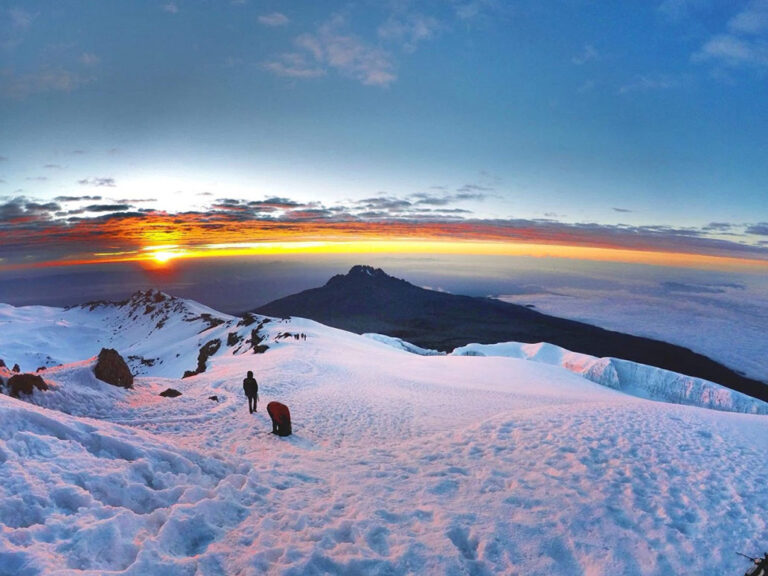
Kilimanjaro Climb With Materuni Recovery Day 2026-2027
Kilimanjaro Climb with Materuni Recovery Day is explained with current 2026-2027 planning, price, itinerary and booking information.
View package details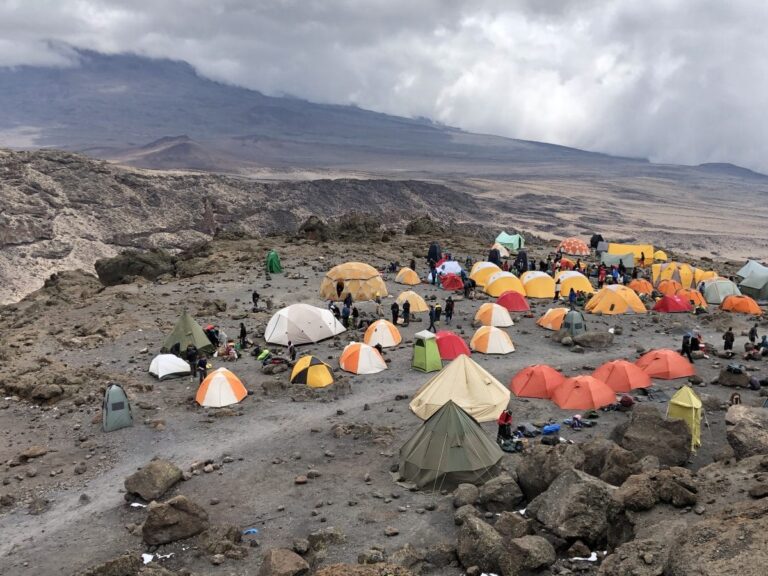
Kilimanjaro Climb With Lake Chala Relaxation Day: Your Ultimate Post-Trek
Experience the ultimate Kilimanjaro adventure followed by serene relaxation at Lake Chala. This guide details how to combine these incredible Tanzanian experiences, covering itineraries...
View package details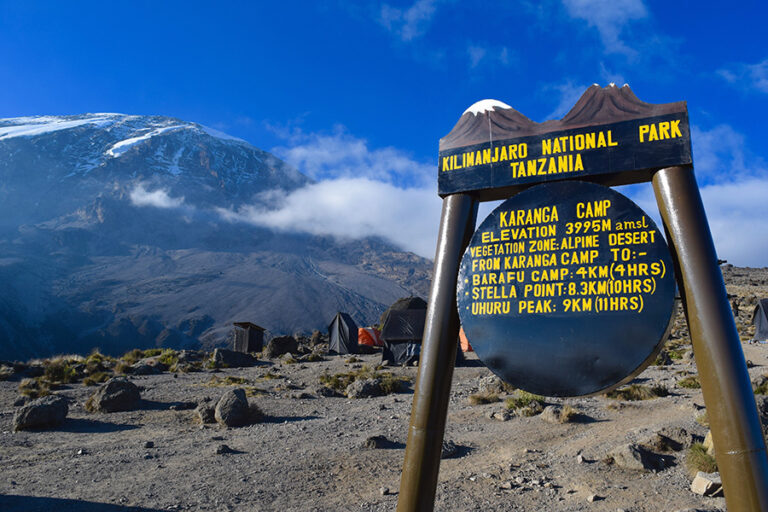
Kilimanjaro Climb & West Safari: The Ultimate Tanzania Adventure 2026-2027
Experience the pinnacle of Tanzania with a combined Kilimanjaro climb and West Kilimanjaro safari. This guide details itineraries, preparation, and what to expect for your 2026-2027...
View package details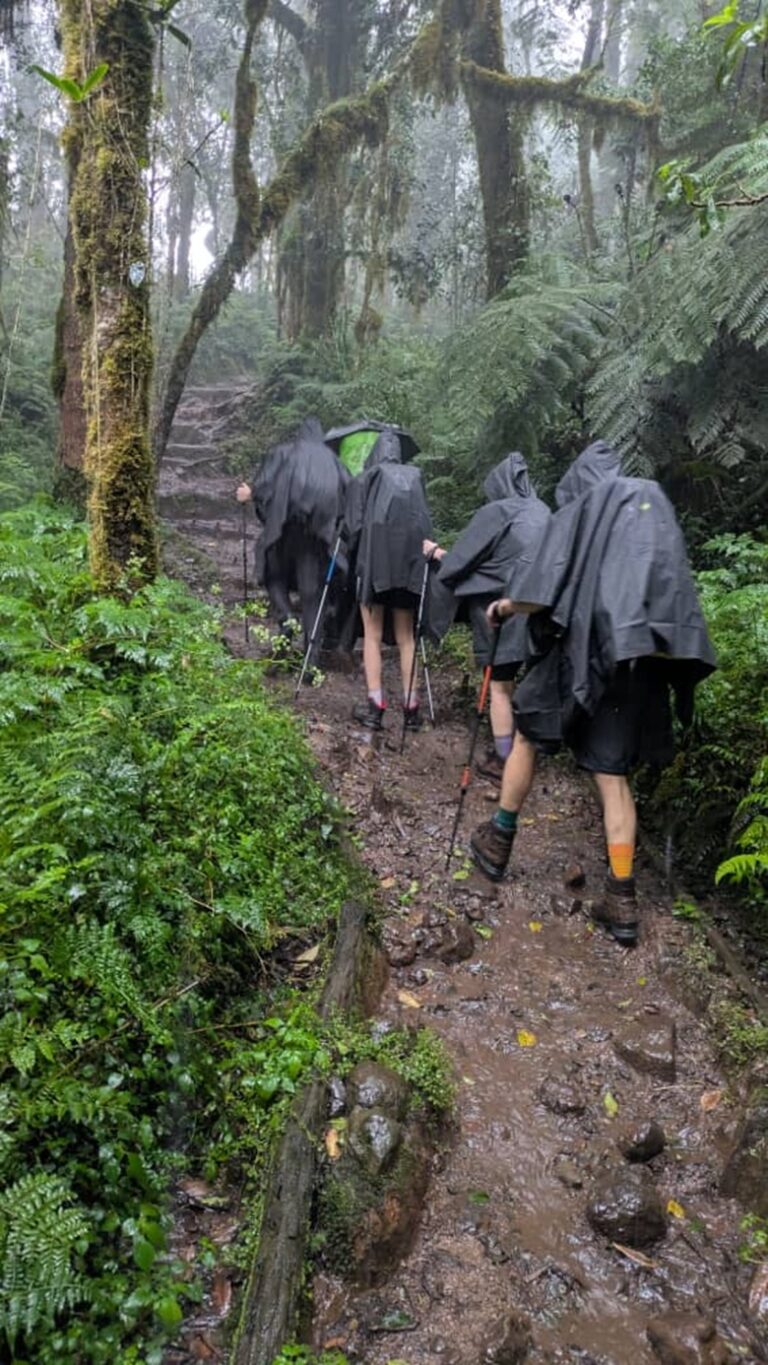
Kilimanjaro Climb With Mkomazi Rhino Safari 2026-2027
Kilimanjaro Climb with Mkomazi Rhino Safari is explained with current 2026-2027 planning, price, itinerary and booking information.
View package details
Kilimanjaro Climb With Amboseli Safari Extension: Your Ultimate Tanzania
Experience the pinnacle of African adventure by combining a challenging Kilimanjaro climb with a impressive safari in Amboseli National Park. This guide details itineraries, costs, best...
View package details
13-Day Kilimanjaro Climb, Cultural Tour & Zanzibar Holiday: Your Ultimate
This 13-day itinerary offers an unparalleled Tanzanian experience, blending the thrill of conquering Mount Kilimanjaro with deep cultural exploration and the serene beauty of Zanzibar...
View package details
Kilimanjaro Questions To Ask During Your Briefing For Climbs 2026-2027
Before embarking on your Kilimanjaro adventure, a thorough briefing is crucial. This guide outlines the most important questions to ask your tour operator to ensure you're fully prepared...
View package details
Kilimanjaro Contract Terms You Should Understand For Your Climb 2026-2027
Navigating the fine print of your Kilimanjaro climb contract is crucial. This guide breaks down essential terms, from payment schedules and cancellation policies to what's included and...
View package details
What A Kilimanjaro Mountain Crew Should Provide For Your Climb 2026-2027
Planning a Kilimanjaro climb? Understand precisely what your mountain crew needs to provide, from essential gear and experienced guides to food, safety, and logistical support. This...
View package details
How To Compare Kilimanjaro Package Inclusions For Your Climb 2026-2027
Choosing the right Kilimanjaro climb package in 2026 or 2027 involves meticulously comparing what's included. This guide breaks down essential inclusions like park fees, guide/porter...
View package details
Kilimanjaro Booking Checklist For First-Time Climbers: Your Essential Guide
Planning your first Kilimanjaro climb in 2026 or 2027? This detailed checklist covers everything from choosing a route and operator to packing and acclimatization, ensuring a well-prepared...
View package detailsNo related package matches those filters. Clear one or more filters to see the other topic-matched options.



