
For most Kilimanjaro trekkers in 2026 and 2027, a hot mountain lunch is generally preferable to a packed lunch due to its superior nutritional value, psychological boost, and overall contribution to energy levels and enjoyment, though packed lunches offer convenience during specific, challenging stages of the climb.
Kilimanjaro Packed Lunch vs. Hot Mountain Lunch: A Deep Dive for Trekkers
The decision between a Kilimanjaro packed lunch and a hot mountain lunch is a subtle yet significant one for anyone planning a trek up Africa’s highest peak. While the primary goal is summiting, the journey itself, spanning several days at high altitudes, is profoundly influenced by the sustenance you receive. At Top Guide Adventures, we understand that food is more than just fuel; it’s a vital component of morale, energy, and the overall Kilimanjaro experience. As you plan your climb for 2026 or 2027, understanding the nuances of these two meal service styles will help you make an informed choice that best suits your trekking needs and preferences.
This comprehensive guide will dissect the pros and cons of each approach, considering factors like nutritional benefits, convenience, psychological impact, environmental considerations, and cost. We aim to equip you with all the information needed to select the meal service that will best support your ascent and descent, ensuring you are well-nourished and energized throughout your Kilimanjaro adventure.
Understanding the Core Differences: Packed vs. Hot
At its heart, the distinction lies in preparation and delivery. A hot mountain lunch is prepared by your expedition chefs at a designated campsite or a suitable break point along the trail, typically featuring warm, cooked meals. In contrast, a Kilimanjaro packed lunch consists of pre-prepared, often cold or room-temperature items, assembled by the kitchen crew and carried by your support team (porters or guides) to be consumed wherever you stop for your midday break.
The implications of this difference are far-reaching:
- Preparation: Hot lunches involve active cooking on the mountain, requiring portable stoves, fuel, and culinary skill. Packed lunches are assembled beforehand, focusing on items that remain palatable and safe without immediate reheating.
- Consumption: Hot meals are served warm, offering comfort and perceived higher nutritional value. Packed lunches are eaten cold, often from a lunchbox or bag.
- Logistics: Both require support from the trekking crew. Hot meals need a dedicated cooking setup at the point of service. Packed lunches need to be kept fresh and accessible during the day’s trek.
- Nutritional Profile: While both aim to provide energy, hot meals can often incorporate a wider variety of ingredients and cooking methods, potentially leading to more balanced and easily digestible nutrition. Packed lunches often rely on sandwiches, fruits, boiled eggs, and snacks, which can be very effective but might lack the same variety or warmth.
The Case for Hot Mountain Lunches: Comfort, Nutrition, and Morale
The allure of a hot meal on a cold, high-altitude mountain is undeniable. A hot mountain lunch offers several distinct advantages that can significantly enhance your Kilimanjaro experience, particularly during the challenging phases of the trek.
Nutritional Superiority and Digestibility
Warm food is generally easier for the body to digest and absorb, a crucial factor when your body is working overtime at altitude. The cooking process can also make nutrients more bioavailable. Your chefs at Top Guide Adventures are skilled in preparing balanced, nutritious hot meals that provide sustained energy. These meals typically include:
- Complex Carbohydrates: Rice, pasta, potatoes, or ugali (a maize porridge) form the base, providing slow-releasing energy essential for long trekking hours.
- Lean Proteins: Chicken, fish, beans, or lentils offer muscle repair and satiety.
- Vegetables: Cooked vegetables add vital vitamins, minerals, and fiber.
- Soups and Stews: These are excellent for hydration and delivering concentrated nutrients in a warming, comforting format.
The variety offered in hot lunches often surpasses what can be practically packed. Think of hearty vegetable stews, chicken and rice dishes, or pasta with rich sauces. These are meals designed to replenish energy stores effectively and support your body’s demands. For climbs in 2026 and 2027, prioritizing nutrient-dense, warm meals can make a noticeable difference in your ability to perform and recover each day.
Psychological Boost and Comfort
There’s a profound psychological comfort in receiving a hot meal, especially after hours of trekking through wind, cold, and varying weather conditions. The warmth itself is invigorating, and the act of sitting down to a properly prepared meal can be a significant morale booster. After a strenuous morning, the prospect of a hot lunch waiting for you at the next break spot can be a powerful motivator. This is especially true on longer, more demanding routes like the Machame or Lemosho routes, where the physical exertion is intense.
Imagine this: you’ve been hiking for four hours, the wind is biting, and you’re contemplating the remaining hours of the day. Then, you arrive at a scenic spot to find your guide and porters setting up a small camp, and soon, a steaming plate of food is placed before you. This moment of comfort and nourishment can significantly lift spirits and prepare you mentally for the afternoon’s trek. This is a key benefit that a hot mountain lunch provides, which a cold sandwich simply cannot replicate.
Hydration and Warmth
Hot meals, especially soups and stews, contribute significantly to your daily fluid intake. Staying hydrated is paramount on Kilimanjaro, and warm liquids are often more appealing and easier to consume in cold conditions than cold water. This dual benefit of hydration and internal warmth is a major advantage of hot lunches.
Variety and Culinary Experience
Our chefs are trained to provide a diverse and appealing menu throughout your climb. A hot lunch allows for more creative culinary expression, offering a taste of Tanzanian hospitality even at high altitudes. This can turn a meal break into a highlight of the day, providing a welcome change from trekking and a pleasant social experience with your guides and fellow climbers.
The Role of Packed Lunches: Convenience and Efficiency
While hot meals are often preferred, Kilimanjaro packed lunches serve a crucial purpose, particularly on specific days or routes where the logistical challenges of preparing a hot meal mid-trek are significant.
When Packed Lunches Shine: Specific Scenarios
Packed lunches are typically utilized on days where:
- Long Trekking Days: On routes like the Marangu or certain segments of other routes, you might trek directly from one camp to the next without a substantial break where a full cooking setup can be deployed. In these cases, porters will carry pre-made lunch boxes.
- Challenging Terrain: Certain sections of the climb might involve very steep ascents or descents, or exposed ridges where stopping for an extended period to cook a hot meal is impractical or unsafe.
- Summit Night: While summit night typically involves very early starts and minimal stops, some operators might offer a very basic packed snack or hot drink. However, the focus is on speed and minimal disruption.
- Logistical Constraints: Sometimes, reaching a suitable campsite for lunch preparation might be difficult or time-consuming, making a packed lunch the more efficient choice.
What to Expect in a Packed Lunch
A well-prepared Kilimanjaro packed lunch from Top Guide Adventures is designed to be energy-dense and satisfying. You can expect items such as:
- Sandwiches or Wraps: Filled with cheese, eggs, chicken, or vegetables.
- Fruits: Apples, bananas, oranges, or seasonal fruits providing vitamins and hydration.
- Hard-Boiled Eggs: An excellent source of protein.
- Snacks: Biscuits, cookies, nuts, dried fruit, and energy bars for quick boosts.
- Juice or Water: To keep you hydrated.
While not as comforting as a hot meal, these items provide essential calories and nutrients to keep you going. The key is that they are easily accessible and can be consumed quickly without the need for extensive setup.
Portability and Accessibility
The main advantage of a packed lunch is its portability. It can be carried by your support team and easily distributed when you stop for a break. This means you don’t necessarily have to wait for a specific cooking time, allowing for more flexibility in your break schedule.
Comparing the Two: A Side-by-Side Analysis
To make the decision clearer, let’s directly compare the key aspects of Kilimanjaro packed lunch vs. hot mountain lunch.
Key Comparison Points: Packed Lunch vs. Hot Lunch
Consider these factors when deciding which option aligns best with your expectations for your 2026-2027 Kilimanjaro climb:
- Nutritional Value: Hot meals generally offer more varied and easily digestible nutrients. Packed lunches rely on convenient, shelf-stable items.
- Digestibility: Warm food is typically easier on the digestive system at altitude.
- Morale/Psychological Impact: Hot meals provide significant comfort and a morale boost. Packed lunches are functional but less comforting.
- Hydration: Hot soups and drinks contribute more to fluid intake than cold packed lunches.
- Variety: Hot lunches allow for a wider range of ingredients and complex dishes.
- Convenience: Packed lunches are more convenient for quick breaks or during very long trekking days. Hot lunches require more logistical planning.
- Environmental Impact: Both methods have minimal impact when managed responsibly. Hot meals require fuel, while packed lunches might involve more packaging if not managed carefully.
- Cost: Generally, hot meals might incur slightly higher operational costs due to fuel and chef time, but reputable operators like Top Guide Adventures include these in their package prices. The difference is usually negligible for clients.
Nutritional Density: Fueling Your Climb
When comparing nutritional density, both options can be effective if well-planned. However, the preparation methods for hot meals often allow for a better balance of macronutrients and micronutrients. For instance, a hot meal might feature lean protein, complex carbs, and a generous portion of cooked vegetables, providing sustained energy and essential vitamins. A packed lunch, while providing calories, might lean more heavily on carbohydrates and fats from sandwiches and snacks. For a sustained energy release needed over multiple days, the digestibility and comprehensive nutrient profile of hot meals often give them an edge.
The Comfort Factor: More Than Just Food
The psychological aspect cannot be overstated. On Kilimanjaro, the mental game is as important as the physical. A warm, delicious meal on a cold afternoon can be a powerful mood enhancer. It signifies care and attention from your support team and provides a moment of respite and comfort that a cold sandwich, however tasty, cannot match. This is particularly true during challenging weather or on longer expeditions where fatigue can set in. For many climbers, the hot meals are remembered as a highlight of their daily experience.
Hydration: A Critical Component
Dehydration is a significant risk on Kilimanjaro, contributing to altitude sickness and fatigue. Hot lunches, often featuring soups, broths, or hot beverages alongside the main meal, are excellent for boosting fluid intake. In cold weather, people are often less inclined to drink plain cold water. Warm liquids are more appealing and contribute to overall body temperature regulation. While packed lunches will include water or juice, the incorporated hydration from hot meals is a distinct advantage.
Which Meal Service Does Top Guide Adventures Offer?
At Top Guide Adventures, our standard operating procedure for Kilimanjaro climbs is to provide hot mountain lunches whenever logistically feasible. We believe that the nutritional and psychological benefits of hot meals are essential for a successful and enjoyable climb. Our experienced chefs are equipped to prepare delicious and hearty hot meals at campsites, ensuring you are well-fed and replenished daily.
However, we are also pragmatic. On days where the trekking route or schedule makes preparing a hot meal impractical, your team will provide a Kilimanjaro packed lunch. This is typically the case for longer trekking days where you move directly between camps, or on specific segments of certain routes that demand continuous movement. We ensure these packed lunches are still substantial, nutritious, and energizing, utilizing high-quality ingredients and a variety of snacks.
When you book your 2026 or 2027 Kilimanjaro adventure with us, we will clearly outline the expected meal service for each day of your chosen route. Our goal is to provide the best possible experience, balancing nutritional needs with practical logistics.
Customization and Dietary Needs
We are committed to catering to a wide range of dietary requirements. Whether you are vegetarian, vegan, gluten-free, or have specific allergies, our kitchen team can prepare suitable meals. It is crucial to communicate these needs to us well in advance of your climb, ideally during the booking process. We will ensure that your packed lunches and hot meals are prepared safely and according to your specifications.
For example, a vegetarian hot lunch might include lentil stew with rice, while a vegan packed lunch could feature a hearty vegetable wrap and fruit. We take pride in ensuring that dietary restrictions do not compromise the quality or enjoyment of your meals.
The Summit Night Meal: A Special Consideration
Summit night is the most demanding part of the Kilimanjaro climb. It typically begins in the early hours of the morning (around midnight to 2 AM) and involves a steep, sustained ascent in the dark and cold. The focus during this phase is on speed, conserving energy, and maintaining hydration and warmth.
Given these conditions, a traditional hot mountain lunch is not feasible. Instead, climbers usually receive:
- A very light, early dinner the night before.
- A light snack and hot drink before the summit push begins. This might be a biscuit, a piece of fruit, or a small energy bar, accompanied by hot tea or coffee.
- Water and energy snacks carried by the climber and guides for consumption during the ascent.
The concept of a “packed lunch” or “hot lunch” doesn’t really apply to summit night itself. The priority is immediate energy and hydration that can be consumed with minimal stopping.
Environmental Considerations and Waste Management
Both packed and hot lunch systems have environmental implications. Responsible operators like Top Guide Adventures adhere to strict Leave No Trace principles.
- Hot Lunches: The primary impact is fuel consumption for cooking. We use efficient stoves and fuel management. Waste generated is packed out.
- Packed Lunches: The concern here is packaging waste. We strive to use reusable containers where possible and ensure all wrappers, containers, and food scraps are meticulously packed out by our team.
Ultimately, the environmental footprint is largely determined by the operator’s commitment to waste management and sustainability. We ensure that all waste generated from meals, whether packed or hot, is carried down the mountain and disposed of responsibly.
Cost Implications: Packed vs. Hot
For reputable tour operators like Top Guide Adventures, the difference in cost between providing Kilimanjaro packed lunches and hot mountain lunches is often minimal and usually absorbed into the overall tour price. The primary costs associated with meals on Kilimanjaro are:
- Food Ingredients: Sourcing fresh, quality food.
- Chef and Porter Wages: The labor involved in preparation and transport.
- Equipment: Portable stoves, fuel, cooking utensils, and serving ware.
- Logistics: Transporting food and equipment.
While preparing hot meals might require slightly more fuel and chef time, the overall cost difference per climber per day is unlikely to be substantial enough to warrant a significant price variation between operators who offer one over the other as standard. If you see a dramatic price difference attributed solely to this factor, it might indicate a compromise in food quality, quantity, or the overall service level.
When comparing operators for your 2026-2027 climb, focus on the overall value, inclusions, safety standards, and reputation rather than a minor difference in meal service style, as most top-tier companies will provide hot meals as their standard offering.
Making Your Choice: What’s Right for You?
When deciding between a Kilimanjaro packed lunch and a hot mountain lunch, consider the following:
- Your Priorities: Is maximum comfort and varied nutrition your top priority, or are you focused on speed and convenience on specific days?
- Your Route: Some routes or stages are more conducive to hot meal preparation than others.
- Your Operator’s Standard: Most reputable operators, including Top Guide Adventures, prioritize hot meals. Understand when packed lunches might be used.
- Your Personal Preferences: Do you thrive on warm, comforting food, or are you happy with a substantial, cold meal as long as it’s energizing?
For the vast majority of climbers planning a Kilimanjaro expedition for 2026 or 2027, the optimal choice is to go with an operator that provides hot mountain lunches as their standard, while also being prepared to offer excellent Kilimanjaro packed lunches when necessary. This approach ensures you receive the best of both worlds: the comfort and superior nutrition of hot meals for most of your trek, combined with the practicality of packed lunches when the situation demands it.
What Top Guide Adventures Recommends for 2026-2027 Climbs
We strongly recommend opting for a tour package that includes hot meals as standard. At Top Guide Adventures, this is precisely what we offer. Our commitment is to provide a well-rounded, nourishing, and enjoyable experience for every climber. We believe that the daily hot lunch is a critical component of this, offering:
- Enhanced energy levels throughout the day.
- Improved digestion and nutrient absorption.
- Significant psychological comfort and morale boost.
- A more authentic and memorable mountain dining experience.
We will always communicate clearly about when a packed lunch will be provided due to logistical constraints. Our packed lunches are designed to be just as nutritious and energizing as our hot meals, ensuring no compromise on your ability to complete the climb successfully.
The Bottom Line: Prioritize Nourishment and Comfort
While both Kilimanjaro packed lunch and hot mountain lunch options can get you to the summit, the latter generally offers a superior experience in terms of nutrition, comfort, and morale. For your 2026 or 2027 Kilimanjaro climb, choosing an operator that prioritizes hot meals is a wise decision. It shows a commitment to the climber’s well-being and overall expedition success.
At Top Guide Adventures, we are dedicated to providing an exceptional Kilimanjaro trekking experience. This includes ensuring you are consistently well-nourished with delicious, high-quality meals. We combine the best of hot mountain cooking with practical, energizing packed lunches when needed, all managed with the utmost care and professionalism.
Ready to plan your unforgettable Kilimanjaro adventure for 2026 or 2027? We’re here to help you every step of the way. Feel free to reach out to us with any questions about meal services, itineraries, or anything else related to your climb.
Contact us today:
- WhatsApp: +255616946642
- Email: topguideadventures@gmail.com
- Backup Email: info@topguideadventures.com
Visit our website to explore our Kilimanjaro packages and learn more about how we make dreams of summiting Kilimanjaro a reality: Top Guide Adventures.
“,
“faq_schema”: [
{
“question”: “What is the main difference between a Kilimanjaro packed lunch and a hot mountain lunch?”,
“answer”: “A hot mountain lunch is prepared and served warm by your chefs at a designated spot on the mountain, typically at a campsite. A Kilimanjaro packed lunch consists of pre-prepared, often cold items assembled by the kitchen crew and carried by porters to be eaten during a break along the trail where cooking a hot meal isn’t feasible.”
},
{
“question”: “Which type of lunch is generally better for climbing Kilimanjaro in 2026-2027?”,
“answer”: “For most Kilimanjaro climbs in 2026 and 2027, a hot mountain lunch is generally preferred because it offers better digestibility, superior nutritional value, and a significant psychological boost due to its warmth and comfort. However, packed lunches are essential and practical for certain long trekking days or challenging sections.”
},
{
“question”: “What kind of food can I expect in a hot mountain lunch on Kilimanjaro?”,
“answer”: “Hot mountain lunches typically include a balanced meal with complex carbohydrates (like rice, pasta, or ugali), lean proteins (chicken, fish, beans), cooked vegetables, and often a warming soup or stew. These meals are designed to provide sustained energy and are easier to digest at altitude.”
},
{
“question”: “What is usually included in a Kilimanjaro packed lunch?”,
“answer”: “A packed lunch on Kilimanjaro commonly consists of sandwiches or wraps, fruits, hard-boiled eggs, nuts, dried fruits, energy bars, and a beverage like juice or water. These items are chosen for their portability, energy density, and ability to remain palatable without refrigeration.”
},
{
“question”: “Does Top Guide Adventures provide hot meals or packed lunches for Kilimanjaro climbs?”,
“answer”: “Top Guide Adventures prioritizes providing hot mountain lunches whenever logistically possible, as we believe they are crucial for climber well-being. We will provide high-quality packed lunches on days where preparing a hot meal is impractical due to route or schedule constraints.”
},
{
“question”: “Are packed lunches or hot lunches more expensive on Kilimanjaro?”,
“answer”: “For reputable tour operators, the cost difference between providing hot meals and packed lunches is usually minimal and often included in the overall tour price. Focus on the overall value and inclusions of the tour package rather than a significant price disparity attributed solely to meal service.”
},
{
“question”: “What kind of food is served during Kilimanjaro’s summit night?”,
“answer”: “Summit night involves very early starts and strenuous climbing in the dark and cold. A traditional hot or packed lunch isn’t served. Instead, climbers typically have a light snack and a hot drink before departure, and carry water and energy snacks for consumption during the ascent.”
},
{
“question”: “Can I request special meals for dietary restrictions on Kilimanjaro?”,
“answer”: “Yes, Top Guide Adventures can cater to various dietary needs, including vegetarian, vegan, gluten-free, and allergies. It’s essential to communicate these requirements clearly during the booking process so our chefs can prepare suitable meals for both hot lunches and packed lunches.”
},
{
“question”: “What is the environmental impact of packed vs. hot lunches on Kilimanjaro?”,
“answer”: “Both methods require responsible waste management. Hot meals use fuel, while packed lunches can generate packaging waste. Reputable operators like Top Guide Adventures follow Leave No Trace principles, ensuring all waste is packed out and disposed of properly, minimizing environmental impact.”
}
]
}
“`
Check Availability for Kilimanjaro Packed Lunch Vs Hot Mountain 2026-2027
Ready to compare dates, prices, and the best option for your group? Send the package name and travel month so the team can reply with a clear quote, availability, and what is included.
What A Kilimanjaro Mountain Crew Should Provide For Your Climb 2026-2027
Planning a Kilimanjaro climb? Understand precisely what your mountain crew needs to provide, from essential gear and experienced guides to food, safety, and logistical support. This...
View package details
Moshi Hotel Vs Mountain Lodge Before Kilimanjaro 2026-2027
Moshi Hotel vs Mountain Lodge before Kilimanjaro is explained with current 2026-2027 planning, price, itinerary and booking information.
View package details
Who Pays For Kilimanjaro Mountain Rescue? 2026-2027
Who Pays for Kilimanjaro Mountain Rescue? is explained with current 2026-2027 planning, price, itinerary and booking information.
View package details
Kilimanjaro Climb With Materuni Recovery Day 2026-2027
Kilimanjaro Climb with Materuni Recovery Day is explained with current 2026-2027 planning, price, itinerary and booking information.
View package details
Kilimanjaro Climb With Lake Chala Relaxation Day: Your Ultimate Post-Trek
Experience the ultimate Kilimanjaro adventure followed by serene relaxation at Lake Chala. This guide details how to combine these incredible Tanzanian experiences, covering itineraries...
View package details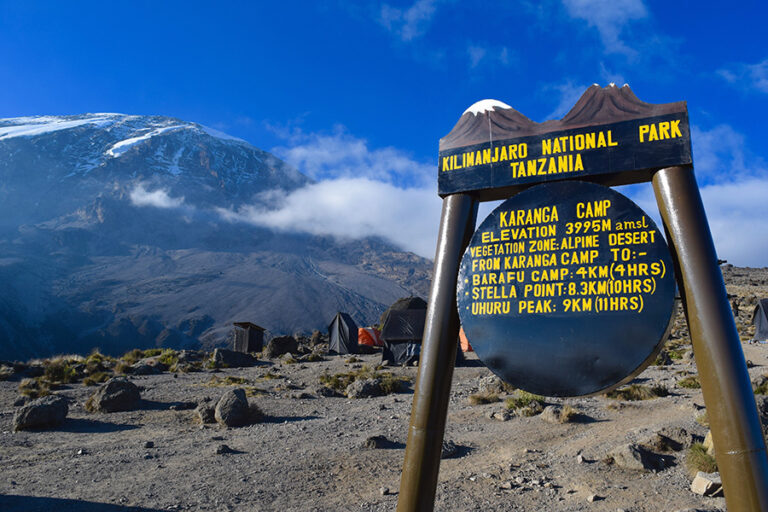
Kilimanjaro Climb & West Safari: The Ultimate Tanzania Adventure 2026-2027
Experience the pinnacle of Tanzania with a combined Kilimanjaro climb and West Kilimanjaro safari. This guide details itineraries, preparation, and what to expect for your 2026-2027...
View package details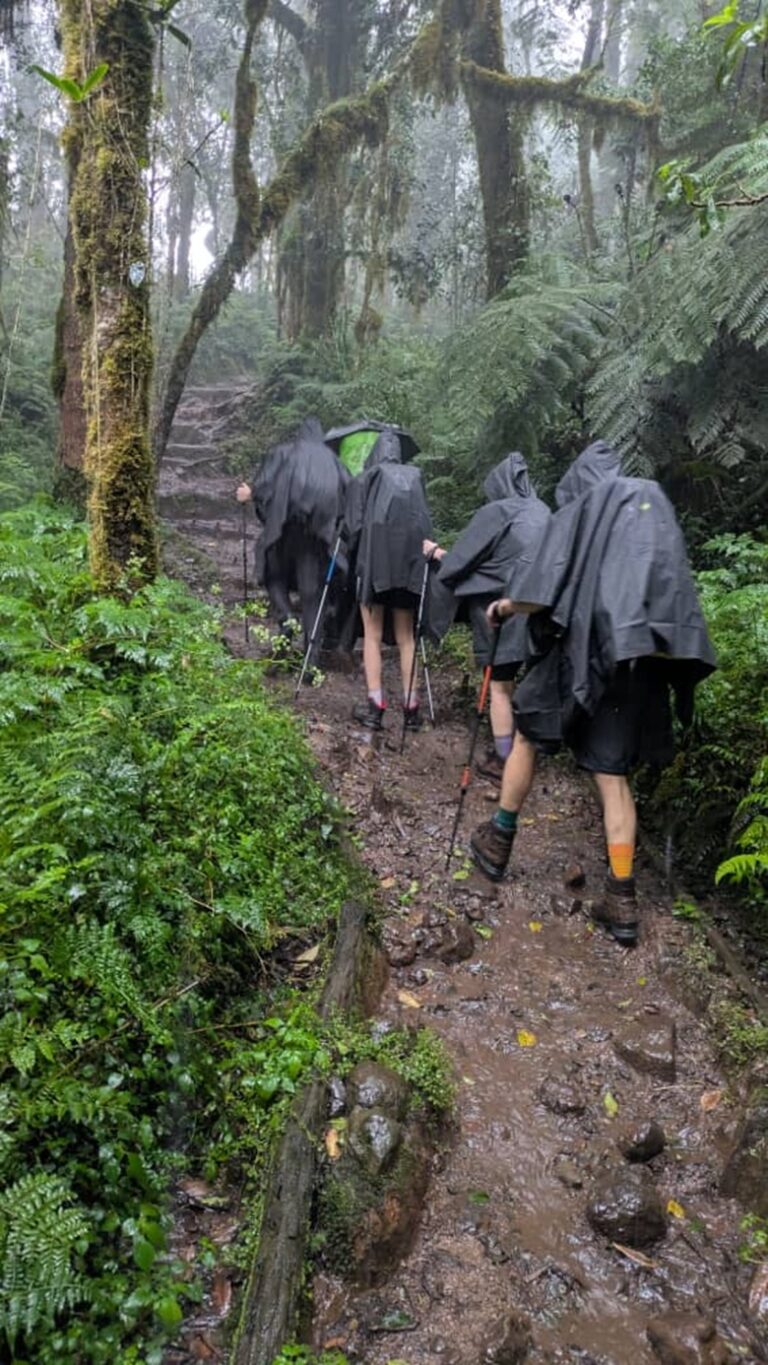
Kilimanjaro Climb With Mkomazi Rhino Safari 2026-2027
Kilimanjaro Climb with Mkomazi Rhino Safari is explained with current 2026-2027 planning, price, itinerary and booking information.
View package details
Kilimanjaro Climb With Amboseli Safari Extension: Your Ultimate Tanzania
Experience the pinnacle of African adventure by combining a challenging Kilimanjaro climb with a impressive safari in Amboseli National Park. This guide details itineraries, costs, best...
View package details
21-Day Kilimanjaro And Complete Tanzania Holiday: Your Ultimate Adventure
This comprehensive 21-day itinerary offers the ultimate Tanzanian adventure, merging the challenge of climbing Mount Kilimanjaro with the wildlife wonders of its famed national parks and...
View package details
18-Day Kilimanjaro And Northern Tanzania Grand Adventure: Trek, Safari &
An 18-day itinerary blending Kilimanjaro's summit with Northern Tanzania's wildlife and culture offers a comprehensive African experience. This adventure typically includes a multi-day trek...
View package details
17-Day Kilimanjaro, Serengeti, Ngorongoro & Zanzibar Tour: Your Ultimate
This 17-day tour combines the iconic Mount Kilimanjaro climb with unparalleled wildlife safaris in the Serengeti and Ngorongoro Crater, culminating in a relaxing beach escape in Zanzibar...
View package details15-Day Kilimanjaro, Great Migration & Zanzibar Beach Package | Top Guide
Combine the thrill of summiting Mount Kilimanjaro, witnessing the iconic Great Migration in the Serengeti, and unwinding on the pristine beaches of Zanzibar in one unforgettable 15-day...
View package detailsNo related package matches those filters. Clear one or more filters to see the other topic-matched options.



