
Keeping your phone charged on Kilimanjaro requires careful planning and the right gear, as there are no electrical outlets on the mountain. The most reliable methods for trekkers in 2026 and 2027 involve carrying high-capacity power banks, utilizing solar chargers during daylight hours, and managing your phone’s battery usage effectively. Consider bringing at least two power banks, each with a capacity of 20,000mAh or more, and a durable solar panel designed for trekking to supplement your power needs throughout the climb.
Understanding Power Needs on Kilimanjaro
The allure of Mount Kilimanjaro, Africa’s highest peak, draws thousands of adventurers each year. Many of these trekkers, especially those planning their ascent in 2026 or 2027, want to stay connected, document their journey with photos and videos, and use their phones for navigation or emergencies. However, the harsh, remote environment of Kilimanjaro presents unique challenges for maintaining battery life. Understanding these challenges is the first step to ensuring you have a reliable power strategy for your climb.
Unlike a typical holiday where power outlets are readily available in hotels or cafes, the slopes of Kilimanjaro offer no such conveniences. The trek involves days of hiking at high altitudes, often in varying weather conditions, with nights spent in basic camps. Electricity is simply not a feature of the mountain environment. This means any power you need for your electronic devices, most critically your phone, must be generated, stored, and managed independently.
The primary reasons trekkers need to charge their phones on Kilimanjaro include:
- Communication: While widespread mobile signal is limited, having a charged phone is crucial for emergency communication with your guide or in case of a genuine need to contact the outside world (though this is rare and usually facilitated by the guide).
- Photography and Videography: Many climbers wish to capture the incredible scenery, wildlife (on the lower slopes), and their personal journey. Phone cameras are convenient, but heavy use drains batteries quickly.
- Navigation: Some trekkers use GPS apps on their phones for supplementary navigation, though relying solely on a phone for this is not recommended due to battery and signal limitations.
- Entertainment: A charged phone can provide a much-needed distraction during downtime in camp, offering music, podcasts, or e-books.
- Data Storage: Phones often store photos from other devices or act as a digital logbook.
The altitude, cold temperatures, and prolonged periods away from charging sources combine to accelerate battery drain. Lithium-ion batteries, common in smartphones, perform poorly in cold. Furthermore, the lack of mobile signal can cause phones to constantly search for a connection, further depleting power. Therefore, a robust strategy for how to charge a phone on Kilimanjaro is not just a convenience but a practical necessity for many trekkers planning their 2026-2027 expeditions.
Assessing Your Phone Usage on the Mountain
Before selecting power solutions, it’s vital to honestly assess how you plan to use your phone during your Kilimanjaro climb. Overestimating or underestimating your needs can lead to either carrying unnecessary weight or, worse, running out of power when you need it most. This assessment is critical for planning your Kilimanjaro adventure for 2026 or 2027.
Consider the following usage patterns:
Minimalist User: Emergency and Basic Communication
If your primary goal is to have a phone available for emergencies, occasional contact with your guide, and perhaps a few essential photos, your power needs will be modest. In this scenario, you might only need to charge your phone once or twice during a typical 7-day climb.
- Phone Off/Airplane Mode: Keep your phone turned off or in airplane mode for most of the trek. Only turn it on for brief periods to check for messages or take photos.
- Limited Photography: Use your phone sparingly for photos, perhaps only capturing key moments or views.
- No Apps: Avoid running power-hungry apps like GPS trackers, games, or streaming services.
For this level of usage, a single high-capacity power bank (around 10,000-15,000mAh) might suffice, especially if your phone has good battery health. However, it’s always wise to have a backup.
Moderate User: Photography, Journaling, and Staying Connected
This is the most common user profile. Trekkers in this category want to document their journey extensively, perhaps use their phone for music or reading, and stay in touch with their group or guides when possible.
- Frequent Photography/Videography: Taking numerous photos and short videos throughout the day.
- Music/Podcasts: Listening to audio content during downtime in camp or on less demanding sections of the trail.
- Journaling: Using note-taking apps or a digital journal.
- Occasional Social Media Updates: If you reach a point with signal (rare, but possible at certain points), you might want to post an update.
For moderate users, a robust power strategy is essential. We recommend at least two power banks, each with a capacity of 20,000mAh or higher, to ensure you have enough power for a 7-10 day trek. Careful battery management will still be key.
Heavy User: Vlogging, Extensive Data, and Constant Connectivity
This user group is less common on Kilimanjaro due to the impracticality, but some may plan to vlog, use their phone extensively for navigation, or require constant access to data.
- Daily Vlogging: Recording and potentially editing video content.
- Heavy GPS Usage: Relying on phone-based navigation apps.
- Frequent Data Use: Uploading content or staying connected whenever signal permits.
For heavy users, powering a smartphone for an entire Kilimanjaro expedition (especially for 2026-2027 climbs where battery demands are high) becomes a significant logistical challenge. You would likely need multiple large power banks, a reliable solar charger, and potentially even a small, portable power station. This approach significantly increases pack weight and complexity. Most experienced guides advise against this level of usage on Kilimanjaro, recommending that trekkers focus on the experience rather than their devices.
By understanding your intended usage, you can make informed decisions about the type and quantity of charging equipment to bring. This foresight is crucial for a successful and enjoyable Kilimanjaro trek in 2026 or 2027.
Essential Gear for Charging Your Phone on Kilimanjaro
To effectively manage your phone’s power on Kilimanjaro, specific gear is indispensable. The key is to have reliable, portable, and durable solutions that can withstand the mountain environment. For trekkers planning their 2026 or 2027 ascent, investing in the right equipment is paramount.
1. High-Capacity Power Banks (Portable Chargers)
Power banks are the cornerstone of any mobile charging strategy on Kilimanjaro. They store electricity that you can use to recharge your phone at your convenience. When selecting a power bank for Kilimanjaro, consider the following:
- Capacity (mAh): This is the most critical factor. A typical smartphone battery is around 3,000-5,000mAh. For a multi-day trek like Kilimanjaro, aim for power banks with capacities of 20,000mAh or higher. For a 7-day climb, bringing two such power banks is a common and wise recommendation. This allows for multiple recharges of your phone and provides redundancy if one fails.
- Durability: Choose a power bank with a rugged casing. It will be exposed to dust, potential drops, and extreme temperatures. Some power banks are specifically designed for outdoor use and offer better protection.
- Number of Ports: If you need to charge multiple devices (e.g., phone and headlamp), look for power banks with multiple USB output ports.
- Fast Charging Capabilities: While not as critical as capacity, fast charging can be useful when you have a limited window to top up your phone. Ensure your phone and the power bank support compatible fast-charging standards (like USB Power Delivery or Quick Charge).
- Weight and Size: While capacity is key, don’t overlook weight. Every gram counts on Kilimanjaro. A 20,000mAh power bank typically weighs between 300-500 grams. Balance capacity with portability.
Recommendation for 2026-2027 Treks: Bring at least two 20,000mAh+ power banks. Ensure they are fully charged before you begin your trek.
2. Solar Chargers
Solar chargers harness the sun’s energy to generate electricity. While they can be a great eco-friendly option, their effectiveness on Kilimanjaro has limitations:
- Efficiency: Most portable solar panels are relatively slow at charging. They work best in direct, strong sunlight. On Kilimanjaro, weather can be unpredictable, and you spend significant time hiking in shadows or at altitudes where sunlight is weaker or obscured by clouds.
- Charging Time: It can take a full day of optimal sunlight to generate enough power to fully charge a single power bank, let alone a phone directly.
- Type: Look for foldable, lightweight solar panels designed for backpacking. These often have built-in USB ports. Some are designed to charge a power bank, which is generally more efficient than trying to charge your phone directly from the sun.
- Placement: You’ll need to find a way to attach the solar panel to your backpack so it receives sunlight while you hike, or set it up at camp during daylight hours.
Recommendation for 2026-2027 Treks: A solar charger can be a useful supplementary power source, especially for longer treks (9+ days), but should not be relied upon as your sole charging method. Use it to trickle-charge a power bank during the day. Ensure it’s a reputable brand known for durability and efficiency.
3. Waterproof Phone Case / Dry Bag
Protecting your phone from the elements is as important as keeping it charged. Moisture and extreme cold can damage electronics.
- Waterproof Case: A good waterproof case will protect your phone from rain, snow, and accidental submersion. Many also offer shock absorption.
- Dry Bag: A small, lightweight dry bag is excellent for storing your phone and power banks when not in use, adding an extra layer of protection against moisture.
4. Charging Cables
Bring multiple durable charging cables that are compatible with your phone and power banks. Consider investing in braided or reinforced cables, as they are less prone to damage from bending and stress.
5. Headlamp with USB Charging
Many modern headlamps are rechargeable via USB. This can simplify your gear if you can charge your headlamp using the same power banks you use for your phone. Ensure it has a long battery life and is bright enough for your needs.
6. Battery Case (Optional)
For those who need extra power and are willing to add a bit of bulk, a battery case can provide an integrated charging solution directly for your phone. However, they add weight and are specific to phone models.
Choosing the right combination of these items will form the backbone of your strategy for how to charge a phone on Kilimanjaro, ensuring you can stay connected and capture memories throughout your 2026-2027 adventure.
Effective Strategies for Battery Management on Kilimanjaro
Simply carrying the right gear isn’t enough; you must also implement smart strategies to conserve your phone’s battery life throughout your Kilimanjaro trek. For 2026-2027 expeditions, where battery technology may have slightly improved but the mountain conditions remain the same, these practices are crucial.
1. Optimize Phone Settings
Most smartphones have settings that can significantly reduce power consumption:
- Airplane Mode: This is the single most effective way to save battery. It disables all wireless radios (cellular, Wi-Fi, Bluetooth), which are major power drains, especially when searching for a signal. Turn it on as soon as you leave areas with reliable signal and keep it on most of the time.
- Low Power Mode / Battery Saver: Activate your phone’s built-in battery saver mode. This typically reduces screen brightness, limits background app activity, and slows down the processor.
- Screen Brightness: Lower your screen brightness to the minimum level you can comfortably see. The screen is one of the biggest power consumers.
- Disable Unnecessary Features: Turn off Bluetooth, Wi-Fi, location services (GPS) unless actively needed for navigation.
- Background App Refresh: Prevent apps from updating content in the background.
2. Smart Usage Habits
Your behavior with the phone matters greatly:
- Minimize Screen Time: Only turn on your phone when necessary. Avoid constantly checking it.
- Photography/Videography: Use your phone’s camera sparingly. If you plan extensive filming, consider a dedicated action camera or a power bank that can sustain your phone through intensive use. Short bursts of recording are better than long continuous takes.
- Audio Playback: If listening to music or podcasts, use headphones and avoid keeping the screen on while doing so.
- Avoid Power-Hungry Apps: Games, video streaming, and intensive GPS tracking will drain your battery much faster.
3. Physical Protection from Cold
Cold temperatures significantly degrade battery performance. Lithium-ion batteries lose capacity and voltage in the cold, leading to faster drain and premature shutdowns.
- Keep Phone Close to Body: Store your phone in an internal pocket of your jacket or sleeping bag, close to your body heat. This is the most effective way to keep it warm.
- Use in Short Bursts: When you need to use your phone in the cold, take it out, use it quickly, and put it back.
- Warm Up Before Charging: If your phone has shut down due to cold, let it warm up to near room temperature before attempting to charge it. Charging a very cold battery can damage it.
4. Strategic Charging Times
Plan when you will charge your devices:
- At Camp: Evenings in camp are the primary charging window. Use your power bank(s) to recharge your phone and any other USB devices.
- During Breaks: If you have good sunlight and are using a solar charger, use breaks to connect it to a power bank.
- Morning Top-Up: If you have a power bank with sufficient charge, a quick top-up in the morning before starting the day can be beneficial.
5. Battery Health
Ensure your phone’s battery is in good condition. An old, degraded battery will not hold a charge well, regardless of your charging strategy. If your phone is several years old, consider using it for a few more treks in 2026-2027 or invest in a new phone with better battery performance.
By diligently applying these battery management techniques, you can significantly extend the life of your phone’s battery on Kilimanjaro, ensuring it’s ready when you need it for photos, communication, or emergencies during your 2026-2027 climb.
Comparing Charging Solutions: Power Banks vs. Solar Chargers vs. Other Methods
When planning how to charge a phone on Kilimanjaro, trekkers often consider a mix of solutions. Understanding the pros and cons of each will help you tailor your gear for your 2026-2027 expedition.
1. Power Banks (Portable Battery Packs)
Pros:
- Reliable and Consistent: Provide a steady, predictable power source as long as they are charged.
- Fast Charging: Most modern power banks can charge devices relatively quickly.
- Easy to Use: Simply connect your phone via a USB cable.
- Versatile: Can charge multiple devices and are relatively compact for their capacity.
Cons:
- Limited Capacity: Once depleted, they need to be recharged themselves, which is impossible on the mountain.
- Weight: High-capacity power banks can add significant weight to your pack.
- Temperature Sensitive: Performance degrades in extreme cold.
Best For: Core charging solution. Essential for all Kilimanjaro trekkers.
2. Solar Chargers
Pros:
- Renewable Energy: Harnesses free, unlimited solar power during daylight.
- Redundancy: Can provide a trickle charge to keep power banks topped up, extending their useful life on the trek.
- Eco-Friendly: Reduces reliance on stored energy.
Cons:
- Inconsistent: Highly dependent on sunlight intensity and duration. Weather is a major factor.
- Slow Charging: Generally much slower than power banks.
- Bulky/Awkward: Can be cumbersome to attach and manage on a backpack.
- Inefficient in Cold/Shade: Kilimanjaro’s variable conditions limit effectiveness.
Best For: Supplementary charging, especially for longer treks or users who want an eco-conscious backup. Not a primary solution.
3. Battery Cases
Pros:
- Integrated Solution: Combines phone and charger into one unit.
- Convenience: No extra cables or separate devices to manage for the phone itself.
Cons:
- Phone-Specific: You need a different case for each phone model.
- Added Bulk and Weight: Makes your phone significantly heavier and thicker.
- Limited Capacity: Often offer only one extra full charge.
- Still Needs Recharging: The case itself needs to be recharged, usually via a separate USB cable, and it needs to be charged before the trek.
Best For: Users with specific phone models who prioritize extreme simplicity for their phone and are willing to accept the trade-offs in weight and bulk.
4. Hand-Crank Generators (Rarely Recommended)
Pros:
- Independent Power: Can generate power anywhere, anytime, without external sources.
- Emergency Use: Useful in a true survival situation.
Cons:
- Extremely Inefficient: Requires a tremendous amount of physical effort for very little power gain. It can take hours of cranking to get a few minutes of phone use.
- Impractical for Kilimanjaro: The effort involved is not worth the minimal charge gained, especially when compared to the efficiency of power banks.
Best For: Extreme emergency situations, not practical for regular charging on a trek like Kilimanjaro.
5. Charging at Staging Points (Before/After the Climb)
While not a solution on the mountain, it’s crucial to leverage charging opportunities before and after your trek.
- Mosin/Arusha: Ensure all your devices and power banks are fully charged in Moshi or Arusha before you start your ascent. This is your last chance for reliable grid power.
- Post-Climb: You’ll want to recharge fully upon descending.
Recommendation for 2026-2027 Treks: The most practical and reliable setup for how to charge a phone on Kilimanjaro involves two high-capacity power banks (20,000mAh+) as your primary solution. A durable solar charger can serve as a useful backup to keep a power bank topped up, but do not rely on it solely. Battery cases are an option for some but add bulk. Avoid hand-crank generators.
Planning Your Power Needs for Different Kilimanjaro Routes and Durations
The duration and route of your Kilimanjaro climb significantly influence your power requirements. A longer trek or a route with more challenging terrain might necessitate a more robust charging strategy for 2026-2027.
Route Duration Impact
Kilimanjaro routes typically range from 5 to 9 days. The longer you are on the mountain, the more power you will need.
- 5-Day Routes (e.g., Marangu): These are the shortest and fastest routes. While still demanding, the shorter duration means less overall power consumption. A single 20,000mAh power bank might be sufficient if you are very conservative with usage. However, two power banks are still highly recommended for peace of mind and to cover unexpected needs.
- 6-7 Day Routes (e.g., Machame, Lemosho, Shira): These are the most popular routes and offer a better acclimatization profile. For a 7-day trek, you’ll be spending more time at altitude and likely using your phone more for photos. Two 20,000mAh+ power banks are the standard recommendation.
- 8-9 Day Routes (e.g., Lemosho, Northern Circuit): These longer routes offer the best acclimatization and highest success rates. With more days on the mountain, your power needs increase. While two large power banks are still generally sufficient, a solar charger becomes more beneficial here as a way to keep your power banks replenished over the extended period.
Route Specific Considerations
While most routes offer similar challenges regarding power, some factors might influence your decision:
- Marangu Route (Coca-Cola Route): Often done in 5 days, it’s the most direct but has lower acclimatization. If using this route, focus on conserving power as you’ll be ascending quickly.
- Machame Route (Whiskey Route): A popular 6-7 day option with varied terrain. Expect more opportunities for photos and potentially more downtime in camp where charging is possible.
- Lemosho Route: A longer, more scenic route, typically 7-8 days (or more). It offers excellent acclimatization and stunning views, encouraging more photo-taking. Power management is key.
- Shira Route: Similar to Lemosho but starts at a higher altitude. Typically 7-8 days.
- Northern Circuit: The longest route (9+ days), circumnavigating the mountain. This route provides the best acclimatization and highest success rates. Its length makes robust power solutions absolutely essential.
- Umbwe Route: The shortest, steepest, and most direct route, usually done in 5-6 days. It’s very challenging and requires excellent physical fitness. Power conservation is critical due to the rapid ascent.
Planning for 2026-2027 Treks
When booking your 2026 or 2027 Kilimanjaro adventure, consider these power-planning tips:
- Route Choice: If you’re concerned about power, opt for a longer route (7+ days). The slower pace and better acclimatization might indirectly help you manage battery usage by reducing stress and allowing more controlled usage.
- Gear Checklist: Ensure your pre-trek gear checklist includes specific items for power:
- 2 x 20,000mAh+ Power Banks (fully charged)
- 1 x Durable Solar Charger (optional but recommended for longer treks)
- Multiple USB Cables (including spares)
- Waterproof Phone Case / Dry Bag
- Test Your Gear: Before your trek in 2026 or 2027, test your power banks and solar charger. Ensure they can fully charge your phone and that you know how to operate them efficiently.
- Communicate with Your Guide Company: Reputable operators like Top Guide Adventures can offer specific advice based on the routes they operate and typical client needs. They understand the practicalities of life on Kilimanjaro.
By aligning your charging strategy with your chosen route and trek duration, you can ensure you have the necessary power to stay connected and document your incredible 2026-2027 Kilimanjaro journey.
The Role of Guides and Porters in Power Management
While you are responsible for bringing your own charging equipment, your guides and porters play an indirect but important role in ensuring you can effectively manage power on Kilimanjaro. Understanding their role can help you coordinate your charging efforts during your 2026-2027 climb.
Guides: Your Communication Hub and Safety Net
Your lead guide is your primary point of contact for safety and logistics. While they may not directly charge your phone, they are crucial for:
- Emergency Communication: Guides carry satellite phones or radios for emergencies. Your charged phone is primarily for your own use, but in a critical situation, it could be used to supplement their communication.
- Signal Awareness: Guides know the limited areas where mobile signal might be found (though this is rare and unreliable). They can inform you if you have a brief window to try and send messages.
- Logistical Support: They manage the overall pace of the trek, ensuring you reach camps at appropriate times for rest and potential charging.
- Safety Briefings: They will emphasize the importance of battery conservation and advise on best practices.
Porters: Carrying Your Gear, Including Power Banks
Porters are essential for carrying the bulk of your equipment, including your sleeping bag, clothing, and yes, your power banks and other charging gear. While you will carry your phone and perhaps a small power bank in your daypack for immediate access, the heavier power banks and solar chargers will be carried by porters in the main duffel bags.
- Weight Management: Knowing your power banks are safely transported by porters means you don’t have to carry their weight on your back all day.
- Accessibility: Your main duffel bag is typically delivered to your tent at each campsite. This means you can access your charging equipment in the evening when you set up camp.
Coordination for Charging
Effective coordination with your support team is key:
- Evening Charging: Once camp is set up and your duffel bag is delivered, you can retrieve your power banks and cables from your main bag to charge your phone overnight.
- Daytime Considerations: During the day, your phone should ideally be in airplane mode in an internal pocket. If you need to take a photo or check something, do so quickly.
- Communicate Needs: If you notice your power bank is running low and you haven’t used your solar charger effectively, mention it to your guide. They might be able to advise on the best times to conserve power or if there are any unexpected opportunities.
Top Guide Adventures, as a trusted tour operator for Kilimanjaro climbs in 2026 and 2027, understands the importance of logistics. They ensure that your gear, including essential electronics and their power sources, is transported safely and efficiently to each campsite. This allows you to focus on the climb while having access to your charging solutions when needed.
Remember, while guides and porters facilitate the carrying of your gear, the responsibility for bringing sufficient, charged power banks and managing your phone’s usage ultimately lies with you. Planning ahead and understanding this dynamic ensures a smoother experience on your Kilimanjaro adventure.
Troubleshooting Common Power Issues on Kilimanjaro
Even with the best planning, issues can arise when trying to charge a phone on Kilimanjaro. Being prepared to troubleshoot can save you frustration during your 2026-2027 trek.
1. Phone Won’t Turn On (Cold Weather)
Symptom: Your phone is completely dead, even though you know it had charge, and it’s very cold.
Cause: Extreme cold can cause lithium-ion batteries to temporarily cease functioning or shut down the device to protect itself.
Solution:
- Warm it Up: Place the phone in an inside pocket, close to your body heat, for at least 15-20 minutes.
- Attempt to Charge: Once it has warmed up significantly, try connecting it to a fully charged power bank. Do not attempt to charge a very cold battery, as this can cause permanent damage.
- Avoid Direct Heat: Do not place it directly next to a stove or an open flame.
2. Power Bank Not Charging Phone
Symptom: Phone shows no sign of charging when connected to the power bank.
Causes:
- Faulty USB cable.
- Power bank is depleted or faulty.
- Phone’s charging port is dirty or damaged.
- Power bank’s output port is faulty.
Solution:
- Try a Different Cable: Always carry at least two reliable charging cables. This is the most common culprit.
- Test the Power Bank: Check if the power bank has indicator lights to show its charge level. Try charging a different device with it.
- Test the Phone: Try charging the phone with a different power source (if available) or a wall charger to confirm the phone and its port are working.
- Clean Charging Port: Gently clean your phone’s charging port with a dry, non-metallic tool like a wooden toothpick (be very careful not to damage pins).
3. Solar Charger Not Producing Power
Symptom: Solar panel’s indicator light (if any) doesn’t illuminate, or it doesn’t charge a connected device/power bank.
Causes:
- Insufficient sunlight.
- Panel is dirty or damaged.
- Faulty panel or its cable.
Solution:
- Ensure Direct Sunlight: Position the panel directly facing the sun, with no shadows.
- Clean the Panel: Wipe the surface gently with a soft cloth.
- Check Connections: Ensure the cable is securely connected.
- Test in Optimal Conditions: Try it in full, bright sun for an extended period. If it still fails, the panel might be defective.
4. Power Bank Takes Too Long to Charge
Symptom: Your power bank indicator lights show it’s charging, but it seems to be taking excessively long, or never reaches full capacity.
Causes:
- Using a low-amperage charger (e.g., a basic USB wall adapter).
- Using a faulty or low-quality charging cable.
- The power bank itself is aging or faulty.
Solution:
- Use a High-Amperage Charger: If you have access to a fast-charging wall adapter (e.g., 2A or higher), use it to charge your power bank before the trek.
- Use Quality Cables: Ensure your charging cable can handle the required amperage for fast charging.
- Charge Fully Before Trek: Prioritize fully charging your power banks in Moshi/Arusha.
5. Phone Battery Drains Excessively Fast
Symptom: Your phone battery percentage drops much faster than usual, even with power-saving measures.
Causes:
- Constantly searching for signal.
- Background apps running.
- High screen brightness.
- Extreme cold.
- Old, degraded battery.
Solution:
- Immediate Action: Put it in Airplane Mode! This is the most crucial step.
- Reduce Screen Brightness.
- Close Unused Apps.
- Keep it Warm.
- Consider Battery Replacement: If the phone is old, its battery health might be compromised.
General Troubleshooting Tips for 2026-2027 Treks:
- Pack Spares: Bring at least one spare charging cable.
- Label Your Gear: Clearly label your power banks and chargers to avoid confusion.
- Keep a Log: Briefly note how much charge you used each day to better estimate your needs for future treks.
- Consult Your Guide: If you have persistent issues and your guide has access to a satellite phone, they might be able to assist in relaying urgent messages if your phone is completely dead.
By anticipating these common issues and knowing how to address them, you can significantly improve your experience and ensure you can charge your phone on Kilimanjaro effectively throughout your 2026-2027 adventure.
Environmental Considerations and Responsible Trekking
While focusing on how to charge a phone on Kilimanjaro, it’s also important to consider the environmental impact of your electronic devices and their power sources. Responsible trekking is paramount on this iconic mountain, especially as we look towards 2026 and 2027.
Battery Disposal
Lithium-ion batteries contain chemicals that can be harmful if they leak into the environment. Never dispose of old batteries or power banks on the mountain.
- Pack It Out: Any electronic waste, including dead batteries, must be brought back down the mountain with you.
- Proper Disposal: Dispose of them responsibly at designated e-waste recycling points in your home country or in Moshi/Arusha before you depart Tanzania.
Minimizing Electronic Waste
The best approach is to minimize the amount of electronic waste you generate:
- Choose Durable Gear: Invest in high-quality, durable power banks and solar chargers that are less likely to fail and need replacing.
- Maintain Your Gear: Take care of your charging equipment to prolong its lifespan.
- Only Bring What You Need: Avoid bringing excessive gadgets that you won’t use. Assess your needs realistically.
Energy Consumption
While the energy consumed by a single phone charger is small compared to other impacts, being mindful of energy usage is part of responsible tourism:
- Conserve Battery: As detailed in the battery management section, using your phone judiciously reduces the overall need for charging, thereby reducing the demand on portable power sources.
- Efficient Charging: Ensure your power banks and solar chargers are used efficiently.
Respecting the Mountain Environment
The principles of Leave No Trace apply to all aspects of your Kilimanjaro trek:
- No Littering: This includes wrappers from power bars, packaging from electronics, and any other waste.
- Stay on Trails: Avoid damaging vegetation by straying from marked paths.
- Minimize Noise: While not directly related to charging, respecting the quiet environment of the mountain is crucial.
By being conscious of these environmental considerations, you contribute to preserving Kilimanjaro’s natural beauty for future generations of trekkers planning their climbs in 2026, 2027, and beyond. Responsible tourism ensures that the magic of Kilimanjaro endures.
Preparing for Your 2026-2027 Kilimanjaro Climb with Top Guide Adventures
As you finalize your plans for climbing Kilimanjaro in 2026 or 2027, remember that thorough preparation is key to a successful and enjoyable expedition. At Top Guide Adventures, we are dedicated to providing you with a comprehensive and supportive trekking experience. Understanding how to charge a phone on Kilimanjaro is just one piece of the puzzle, but a vital one for many modern trekkers.
We recommend:
- Consulting Our Detailed Gear List: We provide comprehensive gear lists tailored to Kilimanjaro climbs, including recommendations for electronics and power solutions.
- Pre-Trek Briefings: Our team will offer pre-trek briefings where you can ask specific questions about logistics, safety, and gear, including how to best manage your phone’s power.
- Experienced Guides: Our guides are highly experienced and knowledgeable about Kilimanjaro. They can offer practical advice on the ground regarding battery conservation and charging opportunities.
- Safety First: While staying connected is important, your safety and the success of your climb are our top priorities. Our guides are equipped with satellite communication for emergencies.
Ready to plan your 2026-2027 Kilimanjaro adventure? We offer a range of itineraries, including popular routes like Machame, Lemosho, and the Northern Circuit, designed for optimal acclimatization and success rates. Our team provides personal attention, care, and dedicated support for every client.
Contact us today to discuss your dream Kilimanjaro climb:
- WhatsApp: +255616946642
- Email: topguideadventures@gmail.com
- Backup Email: info@topguideadventures.com
- Visit our website: www.topguideadventures.com
- Follow us on Instagram: @top_guide_adventures
Let Top Guide Adventures help you prepare for an unforgettable journey to the Roof of Africa in 2026 or 2027. We ensure you have the knowledge and support needed, from packing the right gear for charging your phone on Kilimanjaro to summiting safely.
Check Availability for How To Charge A Phone On Kilimanjaro: Power Solutions For Trekkers 2026-2027
Ready to compare dates, prices, and the best option for your group? Send the package name and travel month so the team can reply with a clear quote, availability, and what is included.
Kilimanjaro Family Trip: Climbing And Non-Climbing Options For 2026-2027
Organizing a Kilimanjaro family trip requires careful planning to accommodate varying interests and abilities, ensuring everyone has a memorable experience. This guide covers options for...
View package details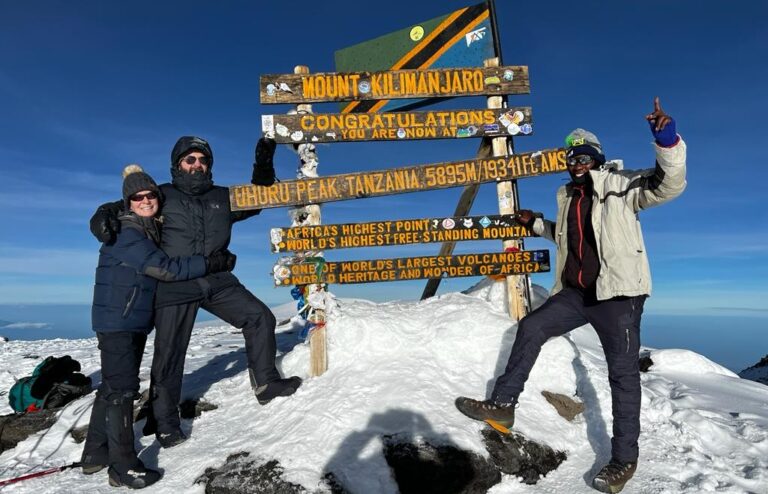
Kilimanjaro Scenic Experience Without Summiting: Best Views & Treks 2026-2027
Experience the majestic beauty of Mount Kilimanjaro without the demanding summit climb. This guide details the best scenic viewpoints, lower-altitude treks, and unique natural wonders...
View package details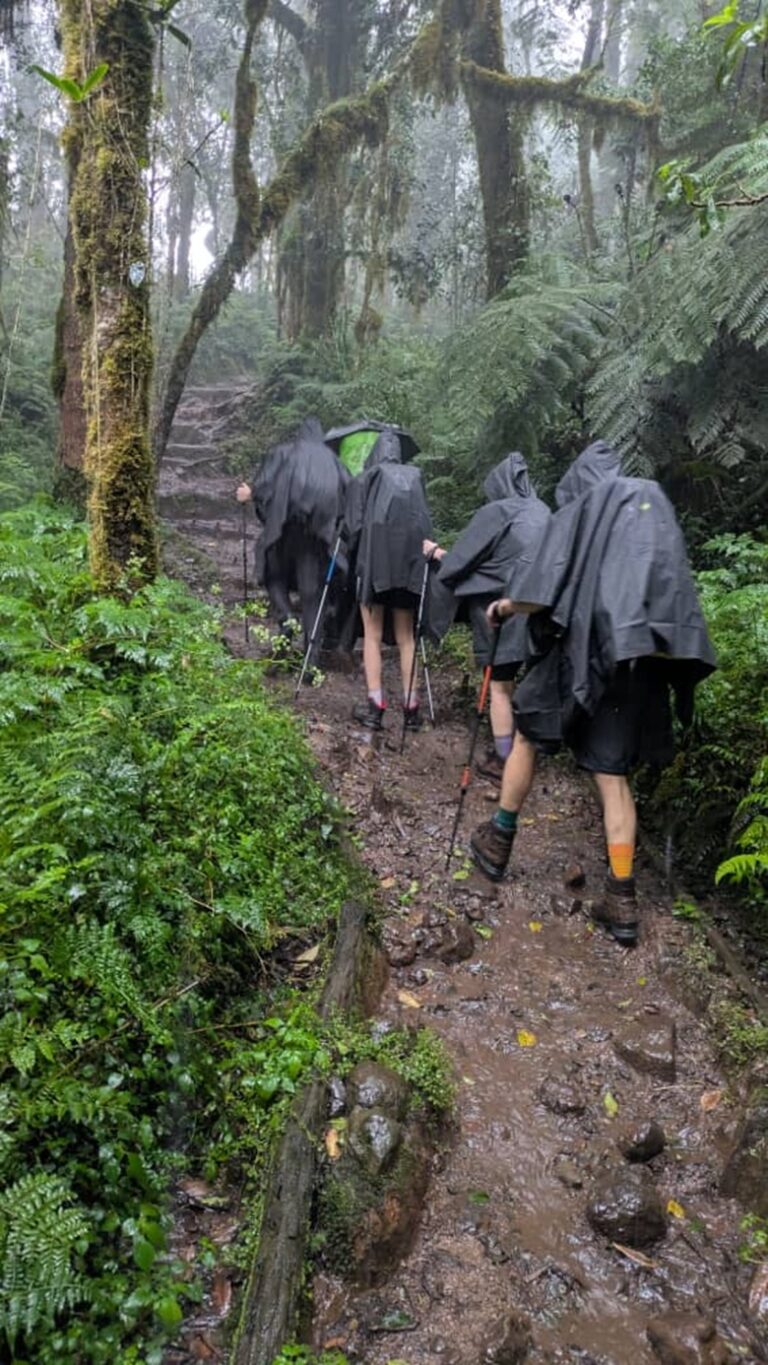
Kilimanjaro Foothills Tour For Non-Climbers: Experience The Majesty Without
Explore the impressive Kilimanjaro foothills on a specialized tour designed for those who prefer to experience the mountain's grandeur without undertaking a strenuous climb. Discover local...
View package detailsCan A Wheelchair User Experience Kilimanjaro? A Deep Dive By Top Guide
While a traditional ascent of Mount Kilimanjaro is not feasible for wheelchair users, adapted experiences and alternative ways to 'conquer' the mountain are increasingly possible. This...
View package details
Kilimanjaro Accessibility Planning Guide For Climbs 2026-2027
This comprehensive guide details essential planning for Kilimanjaro accessibility, covering route selection, physical and mental preparation, gear, acclimatization strategies, and...
View package details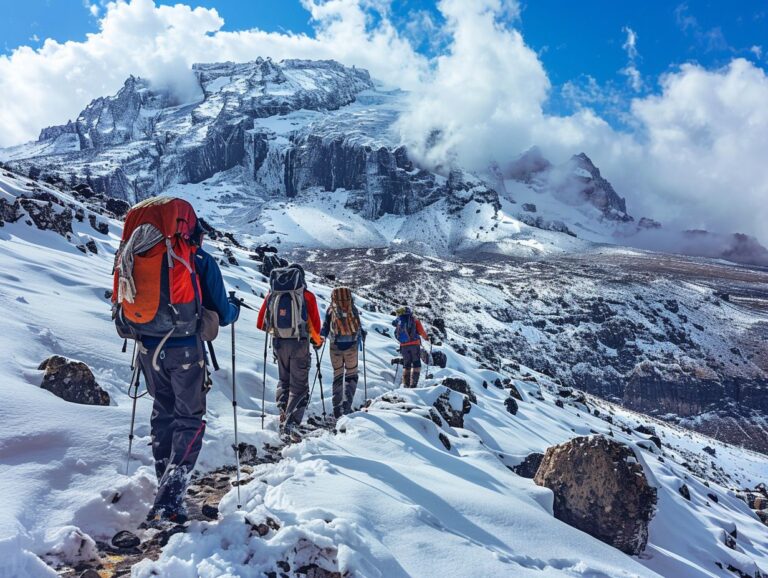
Slow-Paced Inclusive Kilimanjaro Expedition For 2026-2027
start a Kilimanjaro climb designed for a slower pace and maximum inclusivity. Our expeditions prioritize acclimatization, comfort, and personalized support for trekkers of all abilities...
View package details
Kilimanjaro Climb For Travellers With Chronic Conditions: Your Expert Guide
Climbing Mount Kilimanjaro with a chronic condition is achievable with meticulous planning and the right guidance. This comprehensive guide addresses the unique considerations for travelers...
View package details
Kilimanjaro Climb For Cancer Survivors: A Journey Of Resilience In 2026-2027
A Kilimanjaro climb offers a profound challenge and a symbol of triumph for cancer survivors. This guide details how to prepare, choose routes, and find the right support for an...
View package detailsKilimanjaro Climb With A Prosthetic Limb 2026-2027
Kilimanjaro Climb with a Prosthetic Limb is explained with current 2026-2027 planning, price, itinerary and booking information.
View package details
Kilimanjaro Climb After Knee Surgery: Your Expert Guide For 2026-2027
Considering a Kilimanjaro climb after knee surgery? This comprehensive guide details the feasibility, preparation, risks, and essential considerations for undertaking this ambitious trek in...
View package details
Kilimanjaro Climb With A Sign-Language Interpreter 2026-2027
Kilimanjaro Climb with a Sign-Language Interpreter is explained with current 2026-2027 planning, price, itinerary and booking information.
View package details
Adaptive Kilimanjaro Climbing Expeditions 2026-2027
Adaptive Kilimanjaro Climbing Expeditions is explained with current 2026-2027 planning, price, itinerary and booking information.
View package detailsNo related package matches those filters. Clear one or more filters to see the other topic-matched options.



