
The best balaclava for Kilimanjaro summit night needs to provide maximum warmth, wind protection, and breathability for extreme cold and high altitude conditions, typically involving materials like merino wool or synthetic fleece blends that cover the entire head, neck, and face, with options for adjustable coverage.
Why a Balaclava is Non-Negotiable for Kilimanjaro Summit Night
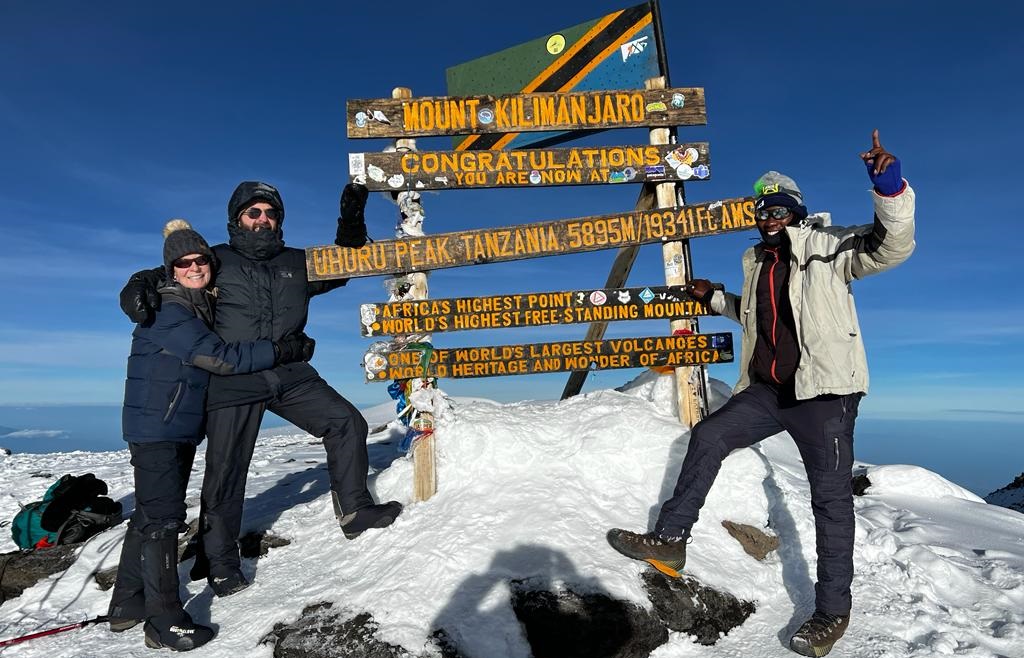
Kilimanjaro’s summit night is an experience unlike any other, a final, challenging push towards Africa’s highest peak, Uhuru Peak, at 5,895 meters (19,341 feet). While the physical exertion is immense, the environmental conditions present an equally formidable adversary. Temperatures can plummet well below freezing, often reaching -10°C to -20°C (14°F to -4°F), exacerbated by fierce winds that can make the perceived temperature feel significantly colder. This is where your choice of headwear becomes paramount. A balaclava, often referred to as a ski mask or storm hood, isn’t just a piece of clothing; it’s a critical piece of survival gear designed to protect your most vulnerable extremities from the brutal cold and wind. Without adequate protection, frostnip and frostbite are serious risks, and even mild discomfort can significantly impair your focus and morale, hindering your ability to complete the climb. For trekkers planning their ascent in 2026 or 2027, understanding the specific requirements for summit night gear, particularly the best balaclava for Kilimanjaro summit night, is a vital part of preparation.
The primary function of a balaclava on Kilimanjaro’s summit push is to shield your face, head, and neck from the extreme cold and wind. These elements can cause rapid heat loss and discomfort, leading to several issues:
- Frostbite and Frostnip: Exposed skin on the face, ears, and nose is highly susceptible to freezing.
- Reduced Visibility: Icy winds can cause tears to freeze on your cheeks, and extreme cold can make your eyes water uncontrollably, impairing your vision.
- Breathing Difficulties: Inhaling frigid air directly can be painful and lead to coughing fits or even affect lung function.
- Discomfort and Morale: Persistent cold can be incredibly demoralizing and distracting, making the already arduous climb feel even harder.
Therefore, selecting the best balaclava for Kilimanjaro summit night involves balancing warmth, breathability, coverage, and comfort. It’s an investment in your safety and overall experience. As you plan your 2026-2027 Kilimanjaro adventure, let this guide help you make an informed decision.
Key Features to Look for in a Kilimanjaro Summit Night Balaclava
When selecting the best balaclava for Kilimanjaro summit night, several features are critical to ensure optimal performance in the harsh alpine environment. It’s not just about any balaclava; it’s about one specifically suited for extreme cold, high altitude, and the unique challenges of climbing Kilimanjaro.
1. Material: The Foundation of Warmth and Comfort
The fabric of your balaclava is the most significant factor determining its warmth and how it performs against your skin. For Kilimanjaro’s summit night, prioritize materials that excel in insulation and moisture management.
- Merino Wool: This natural fiber is a top choice for many mountaineers. Merino wool offers exceptional warmth even when damp, is naturally odor-resistant (a huge plus on a multi-day trek), and is soft against the skin, avoiding the itchiness sometimes associated with traditional wool. Its breathability is also excellent, helping to regulate temperature. For summit night, a mid-weight to heavy-weight merino wool balaclava is ideal.
- Synthetic Fleece (e.g., Polartec): High-quality synthetic fleece, like Polartec 100, 200, or 300, provides excellent warmth-to-weight ratio. Synthetics are durable, dry quickly, and are often more affordable than merino wool. They trap air effectively, creating insulation. Look for fleece with a brushed interior for added softness and warmth. A double-layer fleece balaclava or one with a windproof membrane can be particularly effective.
- Blends: Many excellent balaclavas combine merino wool with synthetic fibers (like nylon or polyester) to enhance durability, stretch, and moisture-wicking properties. These blends can offer the best of both worlds.
- Avoid Cotton: Absolutely no cotton. Cotton absorbs moisture and loses its insulating properties when wet, leading to rapid heat loss and a high risk of hypothermia.
2. Coverage and Design: Full Protection is Key
Summit night demands comprehensive protection. The design of the balaclava should ensure that as much of your face and neck as possible is covered, while still allowing for essential functions like breathing and visibility.
- Full Face Coverage: The best balaclavas for Kilimanjaro will cover your head, ears, neck, and most of your face, leaving only your eyes and a small portion of your nose and mouth exposed, or with adjustable openings.
- Neck Gaiter Integration: Many designs incorporate an extended neck gaiter, which can be pulled up over the chin and nose, or tucked securely into your jacket collar. This prevents cold air from entering your clothing layers.
- Facial Opening: Look for a design with a snug but comfortable opening for the eyes. Some offer adjustable drawstrings or cinches around the face to seal out wind. A mask-like section over the nose and mouth can help warm inhaled air.
- Breathability Vents: Some advanced balaclavas include small laser-cut vents around the mouth and nose to improve breathability and reduce condensation build-up, which can freeze.
3. Fit and Comfort: No Distractions Allowed
During the arduous summit push, any discomfort can be amplified. The fit of your balaclava should be snug enough to stay in place without restricting blood flow or breathing, and the material should be soft against your skin.
- Snug, Not Tight: A balaclava that is too tight can restrict circulation, leading to cold extremities. It should fit snugly enough to stay put in high winds but not feel constricting.
- Flatlock Seams: Seams can cause chafing, especially when worn for extended periods. Balaclavas with flatlock seams are more comfortable against the skin.
- Moisture-Wicking Interior: An interior lining that wicks away sweat is crucial to prevent moisture from building up and chilling you.
4. Wind Resistance: Battling the Mountain’s Breath
Kilimanjaro’s summit ridge is notoriously windy. A balaclava with some degree of wind resistance will significantly enhance your comfort and protection.
- Windproof Membranes: Some high-performance balaclavas incorporate a thin, breathable windproof membrane (like Windstopper) in key areas, such as the front of the face, to block chilling gusts.
- Densely Woven Fabrics: Even without a membrane, tightly woven fleece or merino wool offers better wind resistance than loosely knit materials.
5. Versatility: More Than Just Summit Night
While summit night is the primary concern, a good balaclava can be useful on other days of your Kilimanjaro trek, particularly at higher camps where temperatures also drop significantly. Consider a design that allows for adjustable coverage, such as one that can be worn as a neck gaiter when not fully covering the face.
For trekkers planning for 2026 or 2027, investing in a high-quality balaclava that meets these criteria is essential. It’s a small item that makes a massive difference to your comfort and safety on the most challenging part of your Kilimanjaro journey.
Top Material Choices for Your Kilimanjaro Summit Balaclava
The material of your balaclava is paramount for comfort and protection on Kilimanjaro’s summit night. Given the extreme cold, wind, and altitude, the fabric needs to perform exceptionally well. Here, we break down the best material options, considering their pros and cons for this specific demanding environment, relevant for trekkers in 2026 and 2027.
Merino Wool: The Natural Champion
Merino wool is a favorite among serious outdoor enthusiasts for good reason. It’s derived from the fleece of Merino sheep and possesses a unique set of properties that make it ideal for high-altitude trekking.
- Exceptional Warmth-to-Weight Ratio: Merino wool fibers are fine and crimped, creating tiny air pockets that trap heat effectively. This means you get significant warmth without the bulk, which is crucial when layering for Kilimanjaro.
- Moisture Management: One of merino wool’s most significant advantages is its ability to wick moisture away from the skin. It can absorb up to 30% of its weight in moisture before feeling damp. Crucially, it continues to insulate even when damp, unlike cotton. This is vital for summit night, where sweat can quickly lead to chilling.
- Breathability: Merino wool is highly breathable, allowing vapor to escape and preventing overheating during strenuous ascents. This helps regulate your body temperature effectively.
- Odor Resistance: Natural lanolin in the wool and the fiber’s structure inhibit the growth of odor-causing bacteria. This means a merino wool balaclava can be worn for multiple days without developing unpleasant smells, a major benefit on a multi-day trek like Kilimanjaro.
- Softness: Unlike coarser wools, merino fibers are very fine and soft, reducing the likelihood of skin irritation and chafing, which is important for extended wear on summit night.
- Durability: While fine, merino wool is surprisingly durable, especially when blended with synthetic fibers.
Weight Considerations for Merino: For Kilimanjaro summit night, aim for a mid-weight (around 180-220 gsm) to heavyweight (250+ gsm) merino wool balaclava. Lighter weights might not provide enough warmth for the extreme sub-zero temperatures you’ll encounter.
Synthetic Fleece: The Reliable Workhorse
Synthetic fleece, most commonly polyester-based, is another excellent and popular choice for outdoor gear, offering a robust and often more budget-friendly alternative to merino wool.
- Excellent Insulation: Fleece traps air efficiently, providing substantial warmth. Different weights (e.g., Polartec 100, 200, 300) offer varying levels of insulation. For summit night, Polartec 200 or 300 weight fleece is generally recommended.
- Quick Drying: Synthetics do not absorb much water. Any moisture that does get through the outer layers will evaporate relatively quickly, meaning the fleece will retain its insulating properties much better than cotton.
- Durability and Abrasion Resistance: Fleece is generally very durable and can withstand considerable wear and tear, making it a practical choice for rugged trekking.
- Lightweight: Fleece is relatively lightweight for the amount of warmth it provides.
- Cost-Effective: Fleece balaclavas are often less expensive than their merino wool counterparts, making them an attractive option for budget-conscious trekkers planning for 2026 or 2027.
Potential Drawbacks: Fleece can pill over time, and it tends to hold onto odors more than merino wool, though modern treatments are improving this. It can also generate static electricity.
Blends: The Best of Both Worlds
Many manufacturers create hybrid materials that combine the best properties of natural and synthetic fibers. A common blend might be merino wool mixed with nylon or polyester.
- Enhanced Durability: Nylon or polyester adds strength and abrasion resistance to the natural softness and warmth of merino wool.
- Improved Stretch and Fit: Synthetics can increase the elasticity of the fabric, leading to a better, more secure fit.
- Faster Drying: Blends can sometimes dry faster than 100% merino wool.
- Balanced Performance: You get much of the warmth, breathability, and odor resistance of merino, with the added benefits of synthetic performance.
These blends are often an excellent compromise, offering high performance for Kilimanjaro’s demanding conditions.
Materials to Avoid
It bears repeating: Never use cotton for your Kilimanjaro summit gear. Cotton is a poor insulator when wet and can lead to dangerous hypothermia. Other materials like basic acrylics might be cheap but often lack the necessary warmth, breathability, and comfort for summit night.
When choosing, consider your personal preferences regarding feel and your budget, but prioritize materials known for their performance in extreme cold. For 2026-2027 Kilimanjaro expeditions, investing in merino wool or a high-quality synthetic fleece blend is highly recommended.
Balaclava Designs: Full Face, Neck Gaiter, and More
Beyond the material, the specific design and cut of a balaclava play a crucial role in its effectiveness for Kilimanjaro’s summit night. The goal is to maximize protection from the elements while maintaining comfort and functionality. Here’s a look at common designs and what to consider for your 2026-2027 climb.
The Classic Full-Face Balaclava
This is the most common and often the most effective design for extreme cold. A classic full-face balaclava covers the entire head, including the ears, neck, and face, leaving only an opening for the eyes.
- Pros: Offers the most comprehensive protection against wind and cold. The extended neck gaiter is essential for sealing out drafts. The snug fit helps retain heat.
- Cons: Can feel restrictive for some. Visibility might be slightly limited depending on the eye opening size. Breathing directly through the fabric can lead to condensation build-up, especially with more porous materials.
- Ideal for: Summit night, windy ridges, and extremely cold conditions.
Key Features to Look For in a Classic Design:
- Adjustable Face Opening: Some have drawstrings or cinches to tighten the opening around the face, blocking wind more effectively.
- Extended Neck Gaiter: Essential for tucking into your jacket and preventing cold air from entering.
- Breathable Mouth Panel: Some advanced designs incorporate perforated fabric or mesh panels around the mouth and nose to aid breathability and reduce moisture buildup.
The Convertible Balaclava (or Hooded Neck Gaiter)
This versatile design functions as both a neck gaiter and a balaclava. It typically features a standard neck gaiter that can be pulled up over the face and head, often with a built-in hood or an integrated mask section.
- Pros: Highly versatile. Can be worn as just a neck warmer on less cold days, or pulled up for full face protection when needed. Offers flexibility.
- Cons: May not offer as consistent or complete a seal against the wind as a dedicated full-face balaclava. The transition from neck gaiter to mask might leave small gaps or be less comfortable for some.
- Ideal for: Trekkers who value versatility and might use the item on other parts of the trek or in different conditions.
Key Features to Look For:
- Secure Fit When Pulled Up: Ensure it stays in place without sagging.
- Integrated Mask or Face Cover: Look for designs where the face cover is well-integrated and comfortable.
- Material Quality: Since it’s often made of fleece or merino, the same material considerations apply.
Balaclava with Integrated Mask/Breather
These are specialized designs that aim to solve the problem of breathing through a cold, damp fabric. They often feature a more structured mask section over the mouth and nose, sometimes with integrated vents or a one-way valve system.
- Pros: Significantly improves breathability, reduces condensation build-up which can freeze, and helps warm inhaled air. Can be more comfortable for breathing during high exertion.
- Cons: Can be more expensive. The mask component might feel bulky or slightly unusual to wear initially.
- Ideal for: Trekkers who are particularly sensitive to breathing cold air or are concerned about moisture build-up.
Features to Consider:
- Ventilation Design: How effectively does it allow air exchange without letting in too much cold?
- Mask Material: Is it comfortable against the skin?
- Ease of Cleaning: If it has complex parts, how easy is it to maintain?
Considerations for Specific Features:
- Eye Opening: A well-defined eye slit is crucial for visibility. Too narrow, and you’ll be constantly adjusting. Too wide, and wind can easily get in. Some designs have a wider opening that allows for peripheral vision.
- Chin and Nose Protection: Ensure the balaclava extends high enough to cover your chin and nose comfortably, especially when pulled up. Some have a specific sculpted nose bridge.
- Ear Coverage: Ears are very susceptible to frostbite. The balaclava must fully cover and insulate the ears.
For the best balaclava for Kilimanjaro summit night in 2026-2027, a classic full-face design made from merino wool or high-quality fleece, possibly with advanced breathability features, is generally the most recommended. The key is that it provides a secure, comfortable, and complete seal against the extreme cold and wind.
Comparing Top Balaclava Materials for Kilimanjaro Summit Night
When selecting the best balaclava for Kilimanjaro summit night, understanding the performance differences between the leading materials is key. This comparison focuses on the practical aspects relevant to extreme cold, high altitude, and multi-day trekking, providing insights for trekkers planning their 2026-2027 expeditions.
| Feature | Merino Wool | Synthetic Fleece (e.g., Polartec) | Wool/Synthetic Blend |
|---|---|---|---|
| Warmth (even when damp) | Excellent | Good to Very Good | Very Good to Excellent |
| Moisture Wicking | Excellent (absorbs vapor) | Good (moves liquid away) | Very Good |
| Breathability | Excellent | Good | Very Good |
| Odor Resistance | Excellent (natural) | Fair to Good (can retain odors) | Good to Very Good |
| Softness / Comfort | Excellent | Good (can vary) | Very Good |
| Durability | Good (better with blends) | Very Good | Excellent |
| Drying Speed | Moderate | Fast | Fast to Moderate |
| Weight | Moderate to Heavy (depending on GSM) | Light to Moderate | Light to Moderate |
| Cost | Higher | Moderate | Moderate to Higher |
| Wind Resistance (inherent) | Moderate (depends on knit) | Moderate (depends on density) | Moderate |
| Best For Summit Night | Premium choice for all-around performance. | Reliable, cost-effective, and quick-drying. | Often the best balance of properties. |
Understanding GSM (Grams per Square Meter)
For both merino wool and fleece, the GSM indicates the weight and therefore the likely warmth. For Kilimanjaro summit night, you’ll want:
- Merino Wool: Aim for 180-220 gsm for mid-weight or 250+ gsm for heavyweight.
- Fleece: Look for Polartec 200 or 300 series.
A lighter weight might suffice for the lower slopes but will likely be insufficient for the extreme cold at the summit. For 2026-2027 treks, prioritizing warmth is paramount.
Windproof Features: An Essential Addition
While the materials above offer some inherent wind resistance, the wind on Kilimanjaro’s summit is relentless. Many top-tier balaclavas incorporate specific windproofing technologies:
- Windproof Membranes: Fabrics like GORE WINDSTOPPER® or similar proprietary membranes are often integrated into the front of the balaclava (over the face and ears). These membranes block wind effectively while remaining breathable, preventing a buildup of moisture and heat.
- Tightly Woven Shells: Some fleece or wool balaclavas have an outer shell that is more densely woven or treated with a DWR (Durable Water Repellent) finish to shed light moisture and cut down wind penetration.
If you tend to feel the cold significantly or are particularly sensitive to wind chill, a balaclava with integrated windproofing is a highly recommended investment for your 2026 or 2027 Kilimanjaro summit attempt.
Top Balaclava Brands and Models for Kilimanj0aro
While specific model availability can change, certain brands consistently produce high-quality headwear suitable for extreme conditions like Kilimanjaro’s summit night. When researching the best balaclava for Kilimanjaro summit night for your 2026-2027 trek, consider these reputable options.
1. Outdoor Research
Outdoor Research (OR) is renowned for its durable and functional outdoor gear. They offer several balaclava options that are well-suited for high-altitude trekking.
- Men’s & Women’s Altiplano Fleece Hood: Often made from a substantial fleece, this provides excellent warmth and coverage. It typically features a convertible design allowing it to be worn as a neck gaiter or pulled up.
- Transcendent Down Beanie/Hood (less common as balaclava): While primarily a beanie, some OR hoods offer significant face coverage, and their down insulation is exceptionally warm, though less ideal for the intense moisture management needed during exertion.
- Focus: Look for their fleece-based hoods and balaclavas for the best combination of warmth and breathability.
2. Smartwool
As a leader in merino wool apparel, Smartwool offers several excellent merino balaclavas that are perfect for Kilimanjaro.
- Merino 250 Base Layer Hood Balaclava: This is a prime candidate. The 250 gsm weight offers substantial warmth, merino wool provides superior moisture management and odor control, and the full-face coverage is ideal for summit night. The softness of merino wool is also a significant comfort factor.
- Merino Sport 200 Balaclava: A slightly lighter option, potentially good if you tend to overheat easily, but for summit night, the 250 weight is generally preferred.
- Focus: Their Merino 250 weight is the standout for extreme cold.
3. Black Diamond
Black Diamond is known for its high-performance mountaineering and skiing gear.
- Black Diamond Heavyweight Stance Glove (Not a Balaclava, but represents their quality): While they make excellent gloves, their headwear often mirrors this quality. Look for their fleece or merino-wool blends designed for cold-weather activities. Models like the Dawn Patrol Balaclava (often fleece with windproof panels) are excellent contenders.
- Focus: Designs that combine robust fleece with wind-blocking features are often their strongest offerings.
4. The North Face
A widely recognized brand, The North Face offers a range of technical headwear.
- TNF Ski-Tacki Balaclava or similar fleece models: These are typically made from warm fleece and designed for cold-weather sports, providing good coverage and insulation.
- Focus: Look for models specifically rated for extreme cold or high-wind conditions.
5. Arc’teryx
Arc’teryx is a premium brand known for its innovative design and high-quality materials.
- Rho AR Balaclava (AR = All Round): Made from a grid-faced fleece (Polartec Power Stretch® Hardface), this balaclava offers excellent warmth, breathability, and durability. The grid pattern helps with moisture management, and the hardface outer is more resistant to wind and abrasion.
- Focus: Their focus on technical fabrics and ergonomic design often leads to superior comfort and performance.
Key Considerations When Choosing a Model for 2026-2027:
- Weight/Warmth Rating: Always check the material weight (GSM for wool, weight class for fleece) and any specific temperature ratings if provided.
- Windproofing: Does it have integrated wind-blocking panels? This is a significant advantage for summit night.
- Fit and Adjustability: Ensure it fits well and offers some adjustability for a secure seal.
- Breathability Features: Vents or specialized fabric panels around the mouth and nose can make a big difference in comfort.
When selecting the best balaclava for Kilimanjaro summit night, prioritize brands known for their commitment to technical outdoor gear. For your 2026 or 2027 climb, researching specific models from these brands based on the features discussed earlier will lead you to an excellent choice.
How to Wear Your Balaclava for Maximum Effectiveness
Simply owning the best balaclava for Kilimanjaro summit night isn’t enough; wearing it correctly is crucial for maximizing its protective benefits. The way you layer and adjust your headwear can make a significant difference in your comfort and safety during the extreme cold and wind of the summit push.
1. Layering Strategy
Your head and neck are critical areas for heat loss. The balaclava is the outermost layer for your face and head, but it needs to work in conjunction with other layers.
- Base Layer Cap: Some trekkers prefer to wear a thin merino wool or synthetic beanie underneath their balaclava for an extra layer of warmth and to cover any exposed scalp if the balaclava shifts. This is optional but can be beneficial if you feel the cold intensely.
- Around the Neck: Ensure your base layer and mid-layer tops have high collars. The neck gaiter portion of your balaclava should then tuck securely into these layers. This creates a continuous thermal barrier, preventing cold air from entering your clothing system.
- Helmet (if applicable): While not common for Kilimanjaro trekkers, if you were using a helmet for any reason (highly unlikely), ensure your balaclava fits comfortably underneath.
2. Adjusting for Conditions
Summit night is dynamic. You’ll experience varying wind speeds and physical exertion levels. Your balaclava should be adjustable to accommodate these changes.
- Full Coverage: During the coldest, windiest parts of the ascent, pull the balaclava up to cover your entire face, chin, and nose. Ensure the eye opening provides clear vision without letting in too much wind.
- Breathing Adjustments: If you find yourself struggling to breathe or if the fabric is freezing against your mouth, you might need to slightly lower the mask section, or adjust it to utilize any built-in vents. Be mindful that any opening increases exposure.
- Neck Gaiter Mode: On slightly less exposed sections, or if you start to overheat, you can pull the face mask down to wear it purely as a neck gaiter. This is where convertible designs offer an advantage.
- Securing the Fit: If your balaclava has drawstrings or cinches, use them to achieve a snug fit that prevents wind from entering. However, avoid over-tightening, which can restrict breathing or circulation.
3. Managing Condensation
Breathing into a balaclava in freezing temperatures inevitably leads to condensation, which can then freeze. This is a common challenge.
- Use Breathable Materials: Merino wool and well-designed fleece are better than non-breathable synthetics for managing moisture.
- Utilize Vents: If your balaclava has mouth or nose vents, ensure they are clear and functioning.
- Strategic Lowering: Occasionally lowering the mask slightly to allow moist air to escape can help, but do this cautiously to avoid a blast of cold air.
- Regularly Clear Ice: If ice does build up on the inside of the mask, carefully brush it away when safe to do so.
4. Comfort and Chafing
You’ll be wearing your balaclava for many hours on summit night. Comfort is key.
- Check Seams: Ensure the seams are flat and don’t irritate your skin.
- Proper Fit: A balaclava that constantly rides up or down your face will be a major distraction. Ensure it fits snugly and stays put.
- Material Feel: If you’re sensitive, opt for softer merino wool or fleece with a brushed interior.
5. Emergency Preparedness
Your balaclava is part of your essential emergency gear. Ensure it’s easily accessible and you know how to deploy it quickly if conditions change suddenly. For trekkers in 2026 and 2027, practicing wearing your gear on training hikes is highly recommended.
By paying attention to these details, you can ensure your best balaclava for Kilimanjaro summit night performs optimally, keeping you warm, protected, and focused on reaching the summit.
Common Mistakes to Avoid When Choosing a Balaclava
Selecting the right gear is crucial for a successful and safe Kilimanjaro climb, and the balaclava is no exception. For summit night, a poorly chosen balaclava can lead to significant discomfort and even danger. Here are common mistakes to avoid when choosing the best balaclava for Kilimanjaro summit night, particularly relevant for planning in 2026-2027.
1. Choosing the Wrong Material (Especially Cotton)
This is the most critical mistake. Cotton absorbs moisture and loses all insulating properties when wet, leading to rapid heat loss and a high risk of hypothermia. Even a thin layer of sweat can freeze.
- Avoid: 100% cotton balaclavas.
- Choose: Merino wool, high-quality synthetic fleece (Polartec 200/300), or well-designed blends.
2. Opting for Too Little Warmth
Summit night temperatures can be brutally cold, often well below -10°C (14°F) and feeling much colder with wind chill. A lightweight, thin balaclava designed for milder conditions simply won’t cut it.
- Avoid: Thin, single-layer, or summer-weight balaclavas.
- Choose: Mid-weight to heavyweight merino wool (180-250+ gsm) or substantial fleece (Polartec 200/300). Consider models with double layers or windproof membranes for added warmth.
3. Neglecting Wind Protection
Kilimanjaro’s summit ridge is exposed and experiences fierce winds. A balaclava that is loosely knit or offers no wind resistance will allow cold air to penetrate, dramatically increasing the wind chill effect.
- Avoid: Very open-knit or porous fabrics without any wind-blocking features.
- Choose: Densely woven fleece, merino wool with a tight knit, or balaclavas with integrated windproof panels (e.g., WINDSTOPPER).
4. Prioritizing Style Over Functionality
While aesthetics might matter elsewhere, on Kilimanjaro’s summit night, functionality is paramount. A balaclava that looks good but doesn’t offer adequate protection is a liability.
- Avoid: Fashion-oriented balaclavas with large openings, thin materials, or decorative elements that compromise coverage.
- Choose: Technical gear designed for extreme cold, focusing on coverage, material performance, and secure fit.
5. Choosing a Poor Fit
A balaclava that is too loose will allow cold air to seep in and won’t stay in place. One that is too tight can restrict blood flow, leading to cold extremities and discomfort.
- Avoid: Balaclavas that are baggy around the face or neck, or ones that feel uncomfortably constricting.
- Choose: A snug fit that covers your face and neck without impeding breathing or circulation. Adjustable features like drawstrings can help achieve a custom fit.
6. Ignoring Breathability and Condensation Issues
Breathing heavily into a balaclava in freezing temperatures creates condensation, which can then freeze and make breathing difficult or uncomfortable. Not considering this can lead to a miserable experience.
- Avoid: Non-breathable materials or designs with no provision for moisture management.
- Choose: Balaclavas made from merino wool or breathable fleece. Look for models with strategically placed vents around the mouth and nose, or designs that allow for easy adjustment to let moisture escape.
7. Not Testing Gear Before the Climb
Relying on brand reputation alone without trying the gear is a mistake. What works for one person might not work for another.
- Avoid: Buying gear for the first time just before your trip without testing it.
- Choose: Purchase your balaclava well in advance of your 2026-2027 Kilimanjaro trek. Wear it on cold days, during hikes, or even just around the house to check the fit, comfort, and how it feels to breathe through it.
By being aware of these common pitfalls, you can confidently select the best balaclava for Kilimanjaro summit night that will keep you warm, safe, and focused on your incredible achievement.
Preparing Your Gear for 2026-2027 Kilimanjaro Treks
As you finalize your preparations for a Kilimanjaro expedition in 2026 or 2027, ensuring your gear is in top condition is as important as choosing the right items. The best balaclava for Kilimanjaro summit night, like all your equipment, needs to be ready for the challenge.
Pre-Trek Gear Check
Before you pack your bags, give all your critical cold-weather gear a thorough inspection. This includes your balaclava, gloves, hats, and thermal layers.
- Inspect for Damage: Check your balaclava for any holes, tears, worn seams, or damaged drawstrings. Small issues can become major problems at altitude and in extreme cold.
- Wash and Care: Follow the manufacturer’s care instructions. Merino wool items often require gentle washing with wool-specific detergent and air drying to maintain their properties. Fleece should be washed to remove any residues that might affect its performance. Ensure it’s completely dry before packing.
- Test Fit and Functionality: Wear your balaclava with your other headwear and outer layers. Does it fit comfortably? Does it allow you to see and breathe adequately? Can you adjust it easily? Simulate summit night conditions as much as possible during a test run.
Packing Your Balaclava
How you pack your balaclava is crucial for accessibility and protection.
- Accessible Layer: Your balaclava should be one of the items you keep in your daypack, not in your main duffel bag. You will need to put it on as you gain altitude and the temperature drops, especially on summit night.
- Protection in the Pack: While durable, it’s wise to keep your balaclava in a waterproof stuff sack or a zip-top bag within your daypack. This protects it from moisture (sweat, rain, snow) and keeps it clean.
- Spare Headwear: While you might only need one primary balaclava, consider packing a backup warm hat or a lighter neck gaiter as a secondary option or for less extreme conditions on the trek.
The Role of Guides and Porters
Your guides and porters are invaluable resources. They have extensive experience with Kilimanjaro’s conditions and can offer practical advice on managing your gear.
- Ask for Advice: Don’t hesitate to ask your lead guide for their recommendations on headwear and how to best manage it on summit night. They often have insights into the specific conditions expected for the 2026-2027 season.
- Support During the Climb: If you have issues with your gear during the trek, your support team can often help with minor repairs or provide alternative solutions if possible.
Environmental Considerations for 2026-2027
While Kilimanjaro’s climate is generally consistent, always stay informed about weather forecasts closer to your departure. Minor shifts in weather patterns can influence the severity of cold and wind on summit night.
Choosing and preparing the best balaclava for Kilimanjaro summit night is an integral part of a successful trek. By focusing on quality materials, functional design, proper fit, and careful preparation, you’ll be well-equipped to face the challenges of the summit and enjoy the incredible views from the Roof of Africa.
Kilimanjaro Summit Night: What to Expect and How Your Balaclava Helps
Summit night on Kilimanjaro is the ultimate test of endurance and preparation. It’s a challenging, multi-hour ascent that begins in the dead of night and continues until dawn. Understanding what awaits you, and how your chosen gear, particularly the best balaclava for Kilimanjaro summit night, contributes to your success, is vital for any trekker planning for 2026 or 2027.
The Summit Night Itinerary
Typically, your summit attempt begins between midnight and 2:00 AM from the last high camp (e.g., Barafu Camp at around 4,670m or Kibo Huts at 4,720m). The goal is to reach Stella Point (5,756m) or Gilman’s Point (5,685m) by sunrise, and then continue to Uhuru Peak (5,895m).
- Darkness and Cold: You will be climbing in complete darkness, relying on your headlamp. The temperature will be at its lowest, often dropping to -10°C to -20°C (-4°F to 14°F), with significant wind chill.
- Slow Pace: The ascent is slow and steady, often a “pole pole” (slowly, slowly) rhythm. This is crucial for conserving energy and acclimatizing.
- Steep Terrain: The initial part of the climb from camp is often steep scree, which is tiring. Higher up, you’ll encounter volcanic rock and potentially ice or snow.
- Altitude Effects: At these extreme altitudes, your body is working overtime. Symptoms of altitude sickness (headache, nausea, dizziness) can worsen.
- Sunrise at the Crater Rim: Reaching the crater rim by sunrise is a magical experience, offering spectacular views over the clouds and surrounding landscape.
- Final Push to Uhuru Peak: From the rim, it’s another hour or so to Uhuru Peak, the true summit.
- The Descent: The descent is long and physically demanding, often taking as long as the ascent. You’ll descend through different climate zones, but the initial cold remains a factor.
How Your Balaclava Protects You
Your balaclava is your primary defense against the harsh conditions of summit night. Here’s how it helps:
- Prevents Frostbite: By covering your face, ears, and neck, it minimizes exposed skin, significantly reducing the risk of frostnip and frostbite in extreme cold. Your nose and ears are particularly vulnerable.
- Combats Wind Chill: The relentless wind at high altitudes can make the perceived temperature far colder than it actually is. A well-fitting balaclava creates a barrier, trapping a layer of insulating air and preventing the wind from chilling you to the bone.
- Warms Inhaled Air: Breathing in extremely cold, dry air can be painful and lead to coughing or respiratory irritation. A balaclava, especially one with a mask or breathing panel, helps to warm and humidify the air you inhale, making breathing more comfortable during strenuous effort.
- Reduces Eye Irritation: Wind can cause tears to freeze on your face and obscure vision. A balaclava helps shield your eyes from direct wind blast.
- Maintains Focus and Morale: Persistent cold is
Check Availability for Best Balaclava For Kilimanjaro Summit Night 2026-2027
Ready to compare dates, prices, and the best option for your group? Send the package name and travel month so the team can reply with a clear quote, availability, and what is included.
12 closely related packages
Kilimanjaro Scenic Experience Without Summiting: Best Views & Treks 2026-2027
Experience the majestic beauty of Mount Kilimanjaro without the demanding summit climb. This guide details the best scenic viewpoints, lower-altitude treks, and unique natural wonders...
View package details
Private Kilimanjaro Interpreter And Guide Package: Your Ultimate Summit
Discover the benefits of a Private Kilimanjaro Interpreter and Guide Package for your trek. Ensure safety, cultural understanding, and a smoother journey to the Roof of Africa with expert...
View package details
Are Kilimanjaro Camps Noisy At Night? A Climbers Guide To Sleep And Sound
Understand the noise levels at Kilimanjaro camps to better prepare for your trek. This guide covers what sounds you might hear, factors influencing noise, and how to ensure a restful...
View package details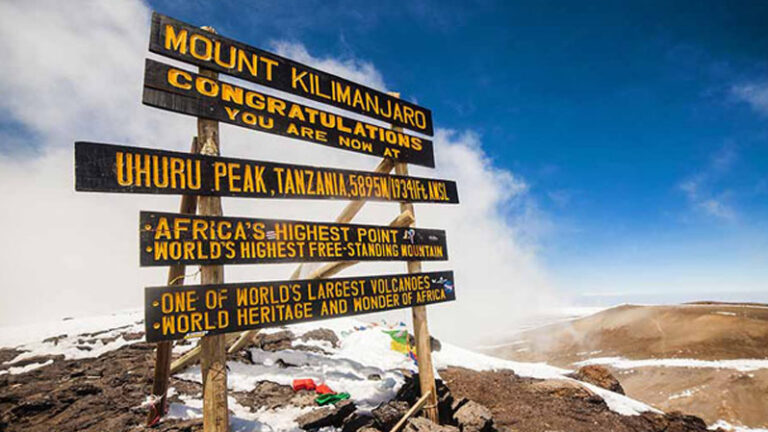
Kilimanjaro Mountain Meal Plan By Day: Fueling Your Summit Success 2026-2027
Understand the essential Kilimanjaro Mountain meal plan by day, covering daily menus, nutritional needs, and preparation tips for your trek. Top Guide Adventures provides insights into...
View package details
What To Eat After Summiting Kilimanjaro Guide
Summiting Kilimanjaro is an incredible feat, but your body will be depleted. Learn what to eat afterward to maximize recovery, replenish nutrients, and celebrate your achievement.
View package details
Kilimanjaro Summit-Day Breakfast Guide: Fueling Your Final Ascent In 2026-2027
Fueling correctly for Kilimanjaro's summit day is crucial for success. This guide details what to eat for breakfast, when to eat it, and why it matters for your 2026-2027 climb, ensuring...
View package details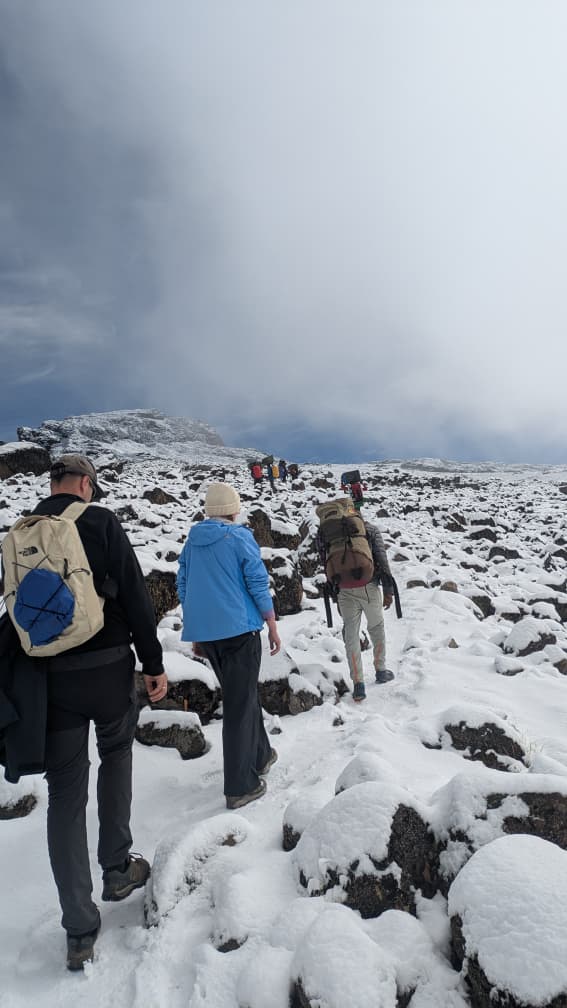
What Goes In Your Kilimanjaro Summit-Day Backpack? Expert Packing Guide
A comprehensive guide to packing your Kilimanjaro summit-day backpack. Discover the essential gear, clothing layers, hydration, nutrition, and safety items needed for a successful trek to...
View package details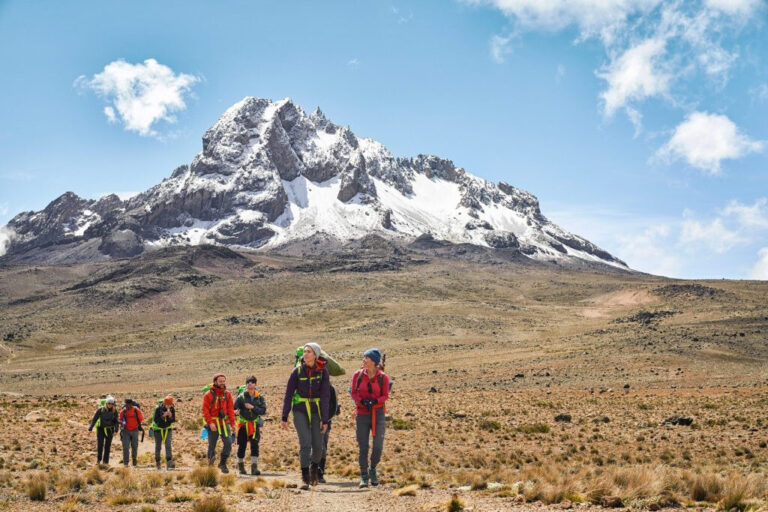
Kilimanjaro Extended-Itinerary Summit Trek: Your Ultimate Guide For 2026-2027
Choosing an extended itinerary for your Kilimanjaro summit trek offers superior acclimatization and a more rewarding experience. This guide details the benefits, best routes, and essential...
View package details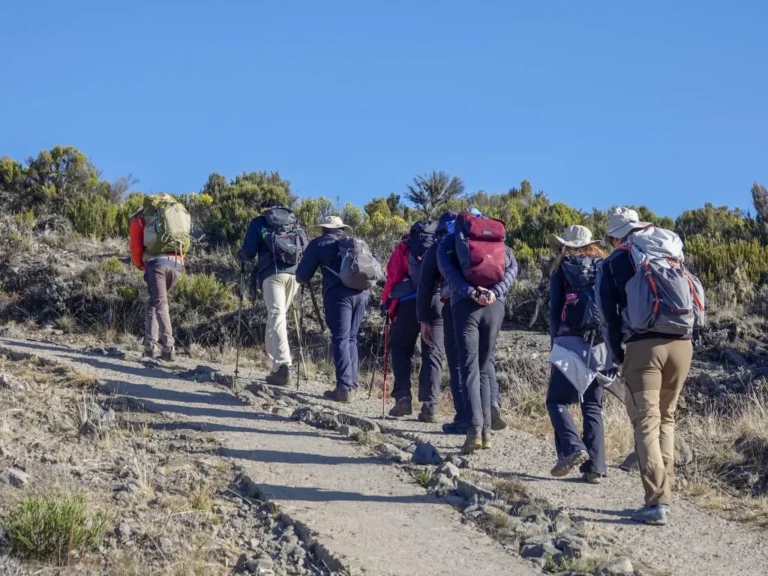
Kilimanjaro Slow-Pace Summit Package Guide
Opt for a Kilimanjaro Slow-Pace Summit Package for a more relaxed ascent, increasing your chances of reaching Uhuru Peak. This guide details routes, preparation, and what to expect with Top...
View package details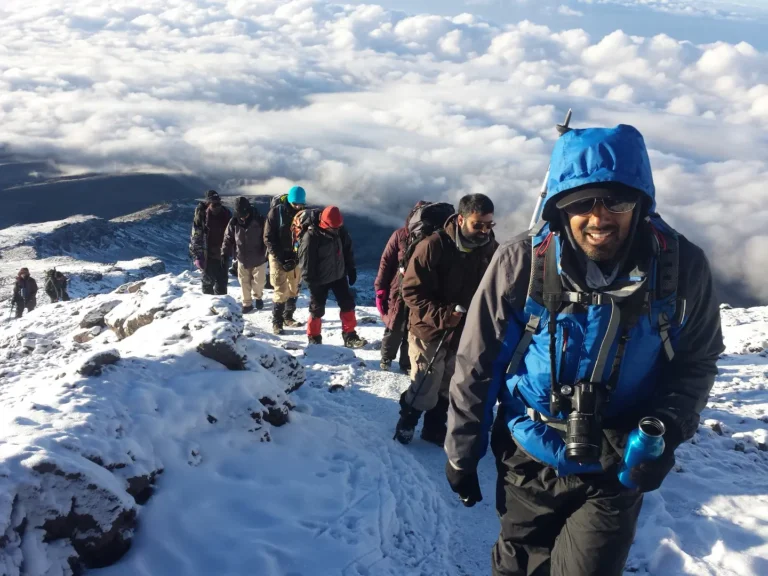
How Many Nights Should You Stay Before Kilimanjaro Climb? 2026-2027
The crucial question of how many nights to stay before climbing Kilimanjaro directly impacts your acclimatization and overall success. Experts recommend a minimum of 2-3 nights in Moshi or...
View package details
Late-Night Arrival At Kilimanjaro Airport Before Your Climb: Essential
Planning a Kilimanjaro climb with a late-night arrival at Kilimanjaro International Airport (JRO)? This guide covers everything you need to know for a smooth transition from the airport to...
View package details
Kilimanjaro Family Trip: Climbing And Non-Climbing Options For 2026-2027
Organizing a Kilimanjaro family trip requires careful planning to accommodate varying interests and abilities, ensuring everyone has a memorable experience. This guide covers options for...
View package detailsNo related package matches those filters. Clear one or more filters to see the other topic-matched options.



